Wine Advisor



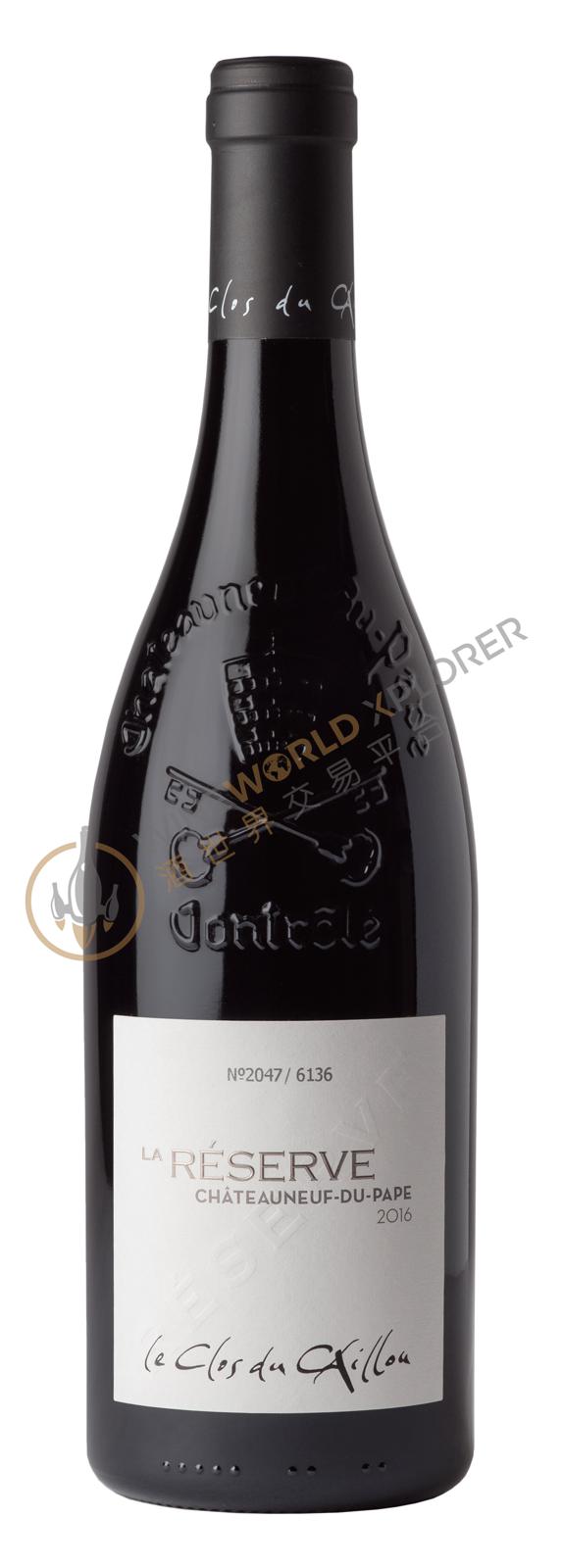
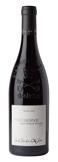
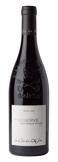
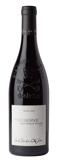
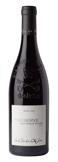
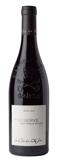
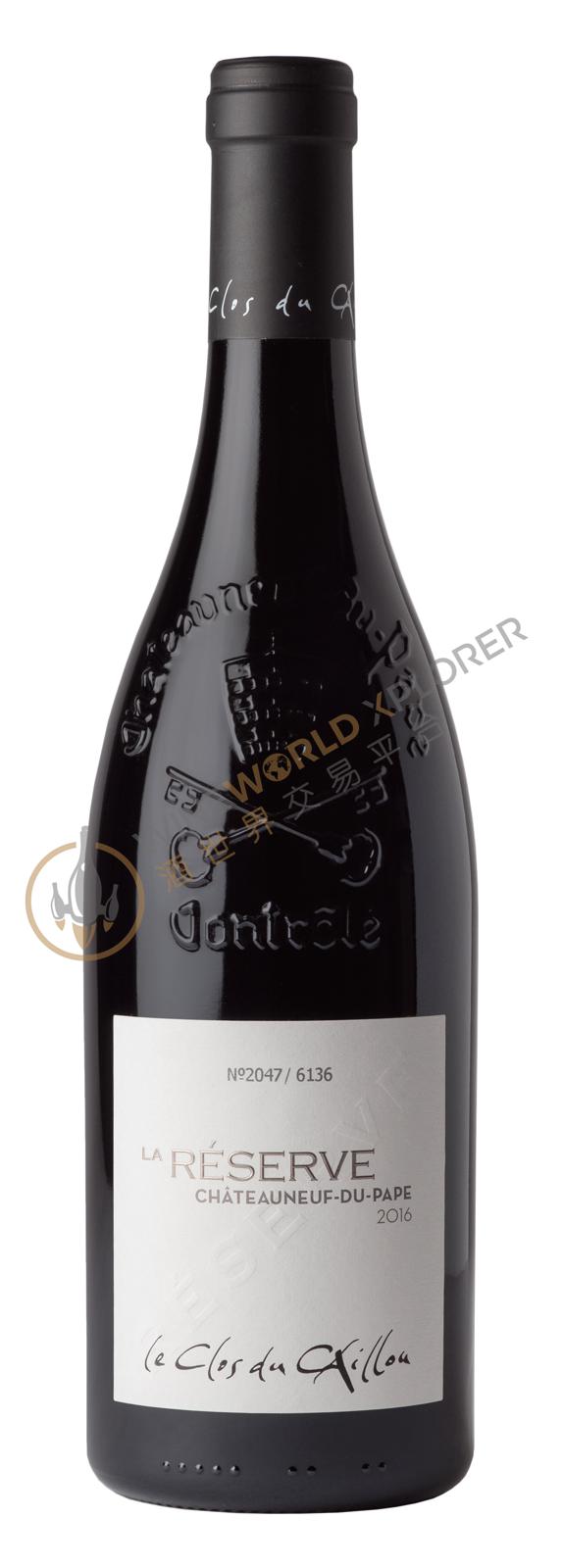
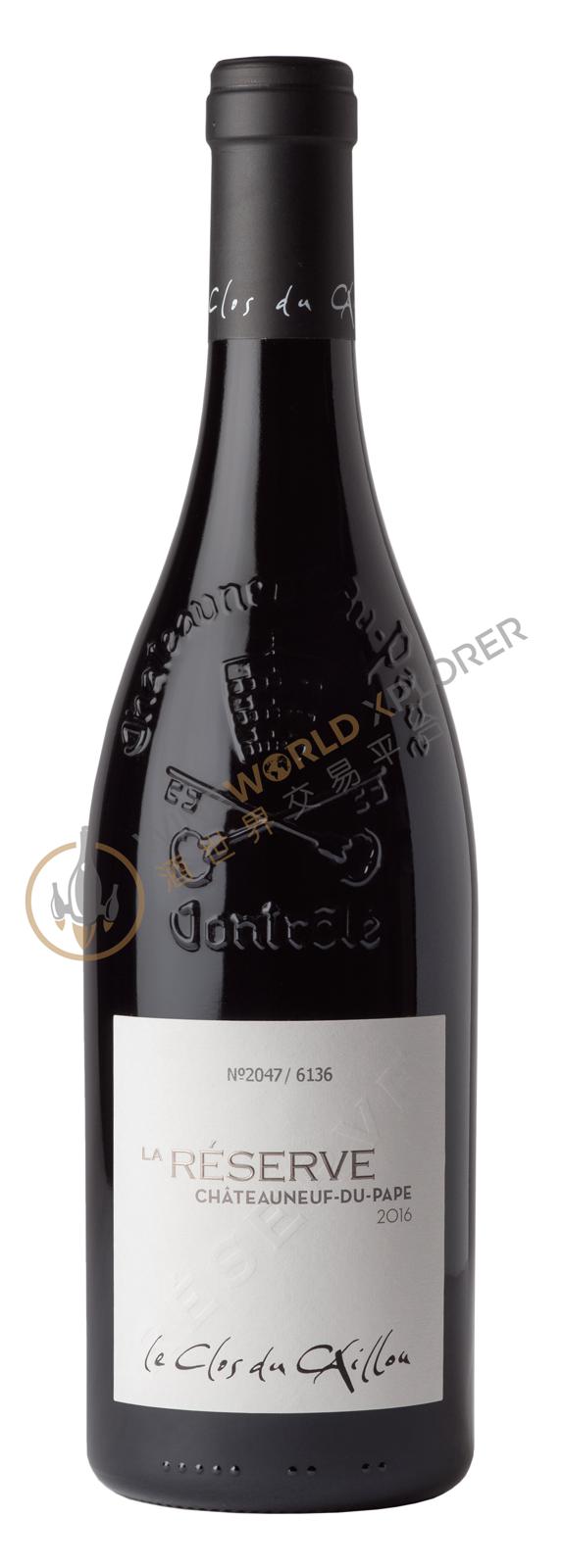
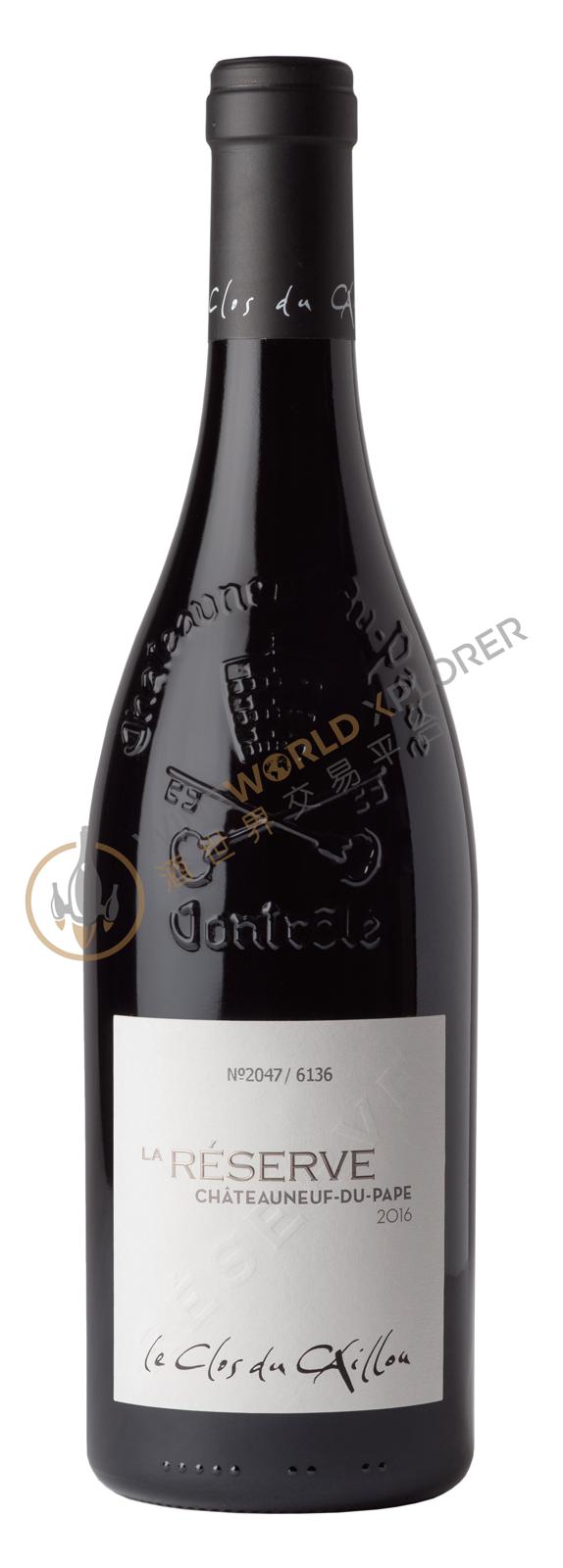
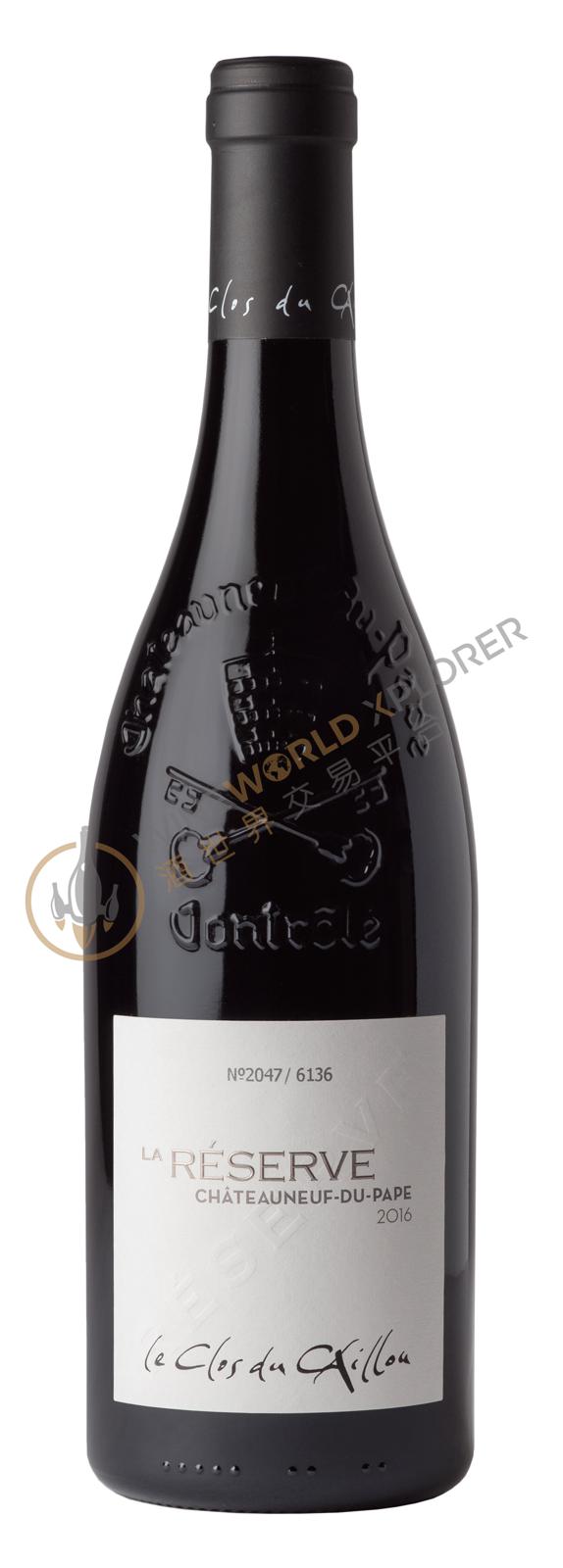
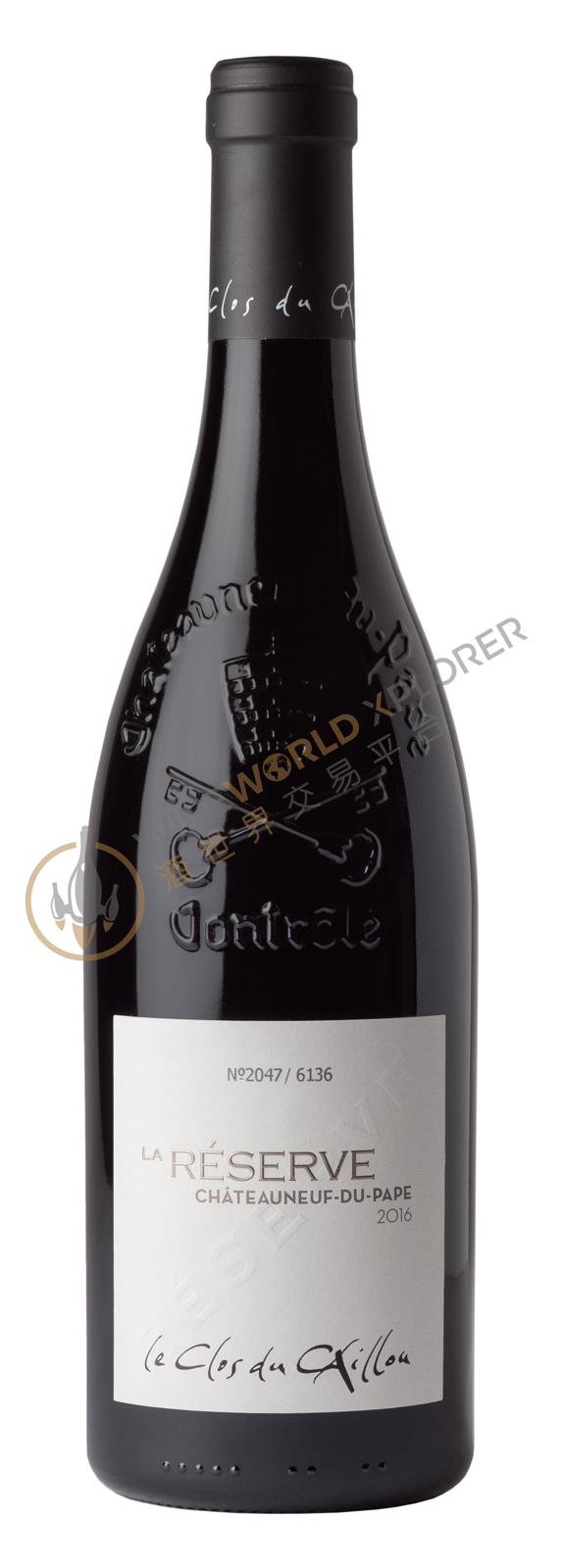
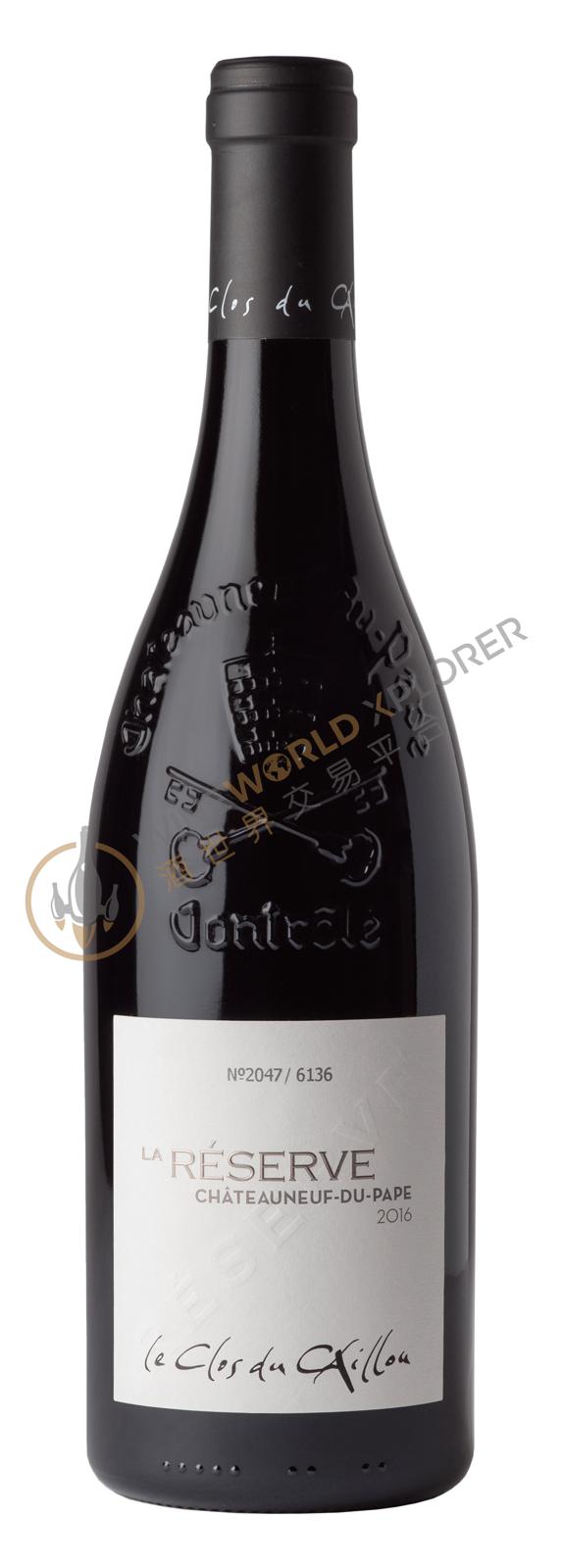
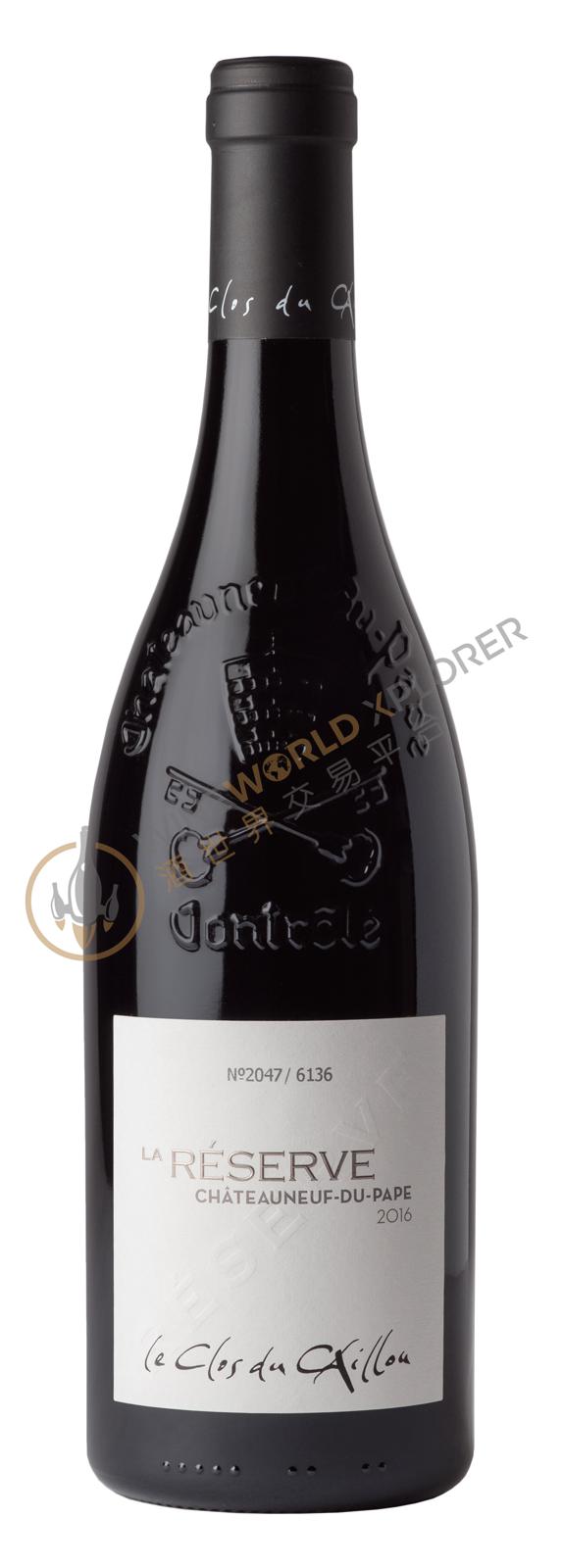
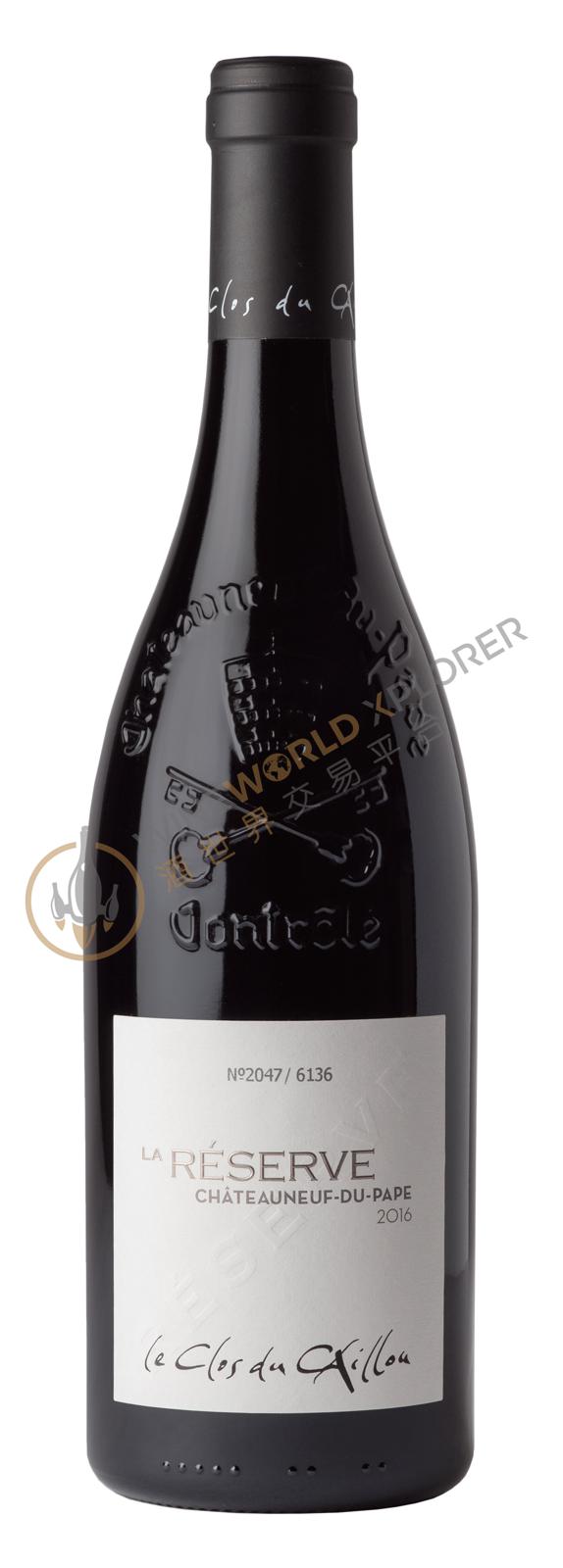
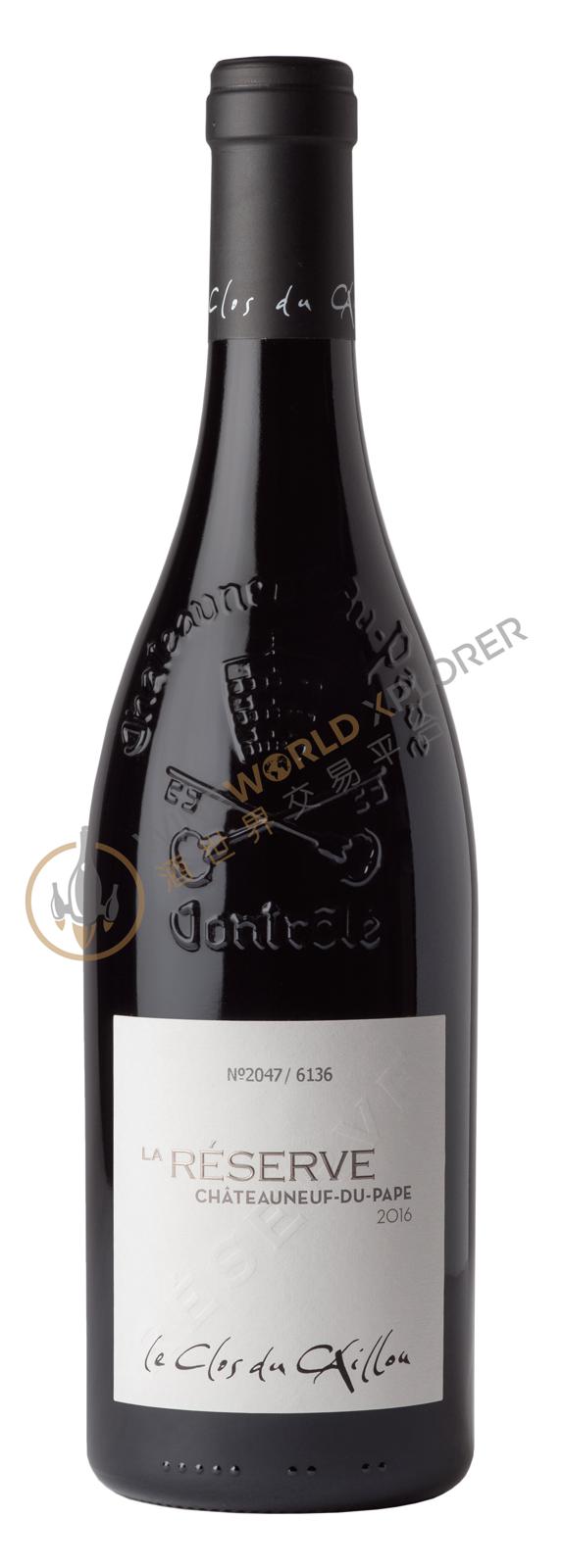
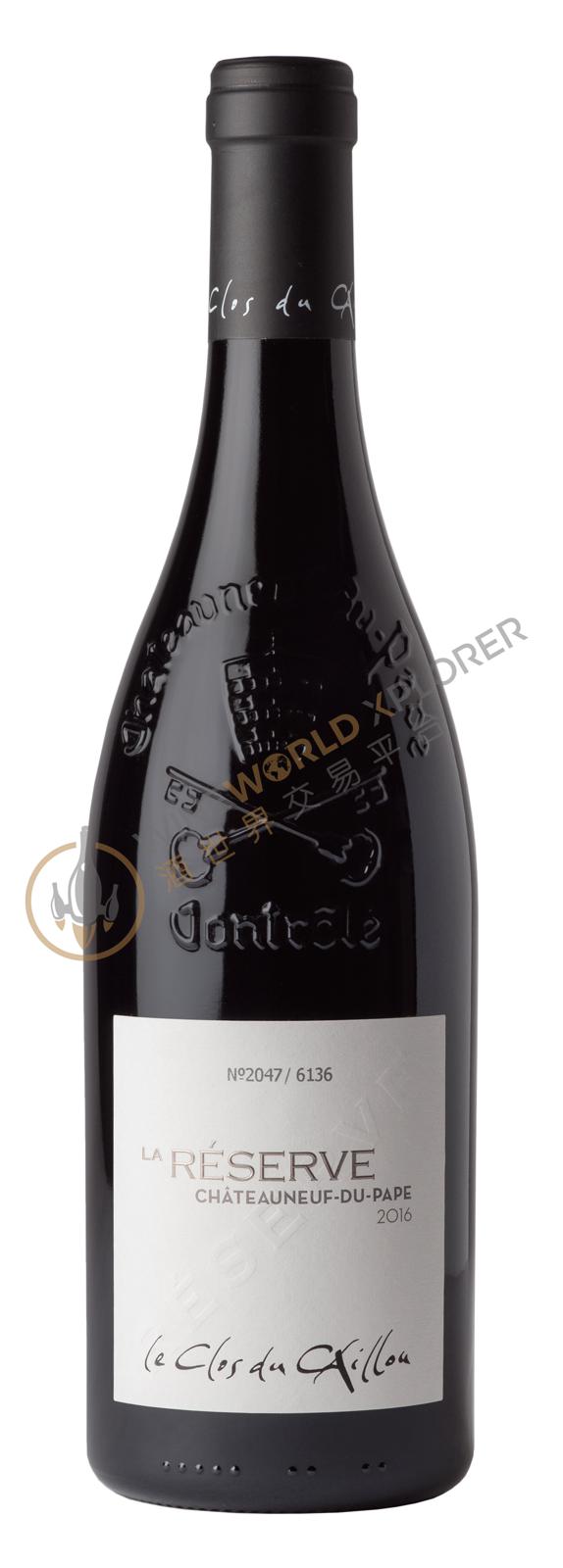
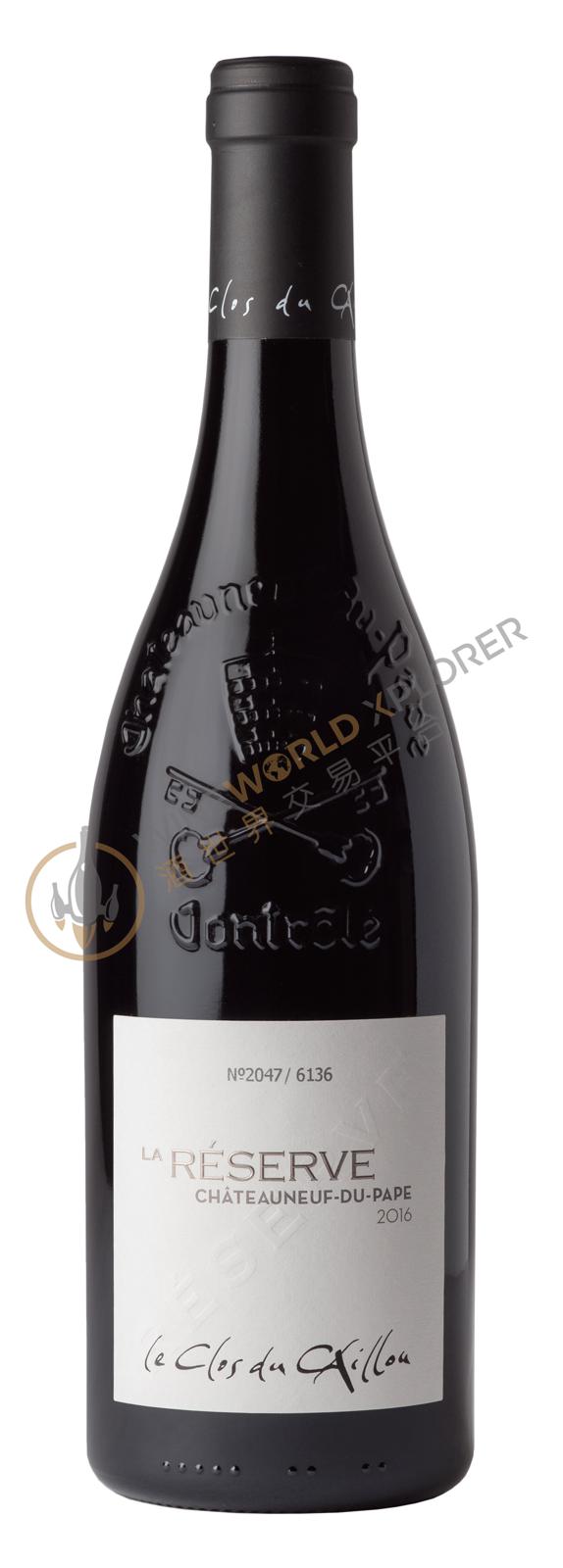
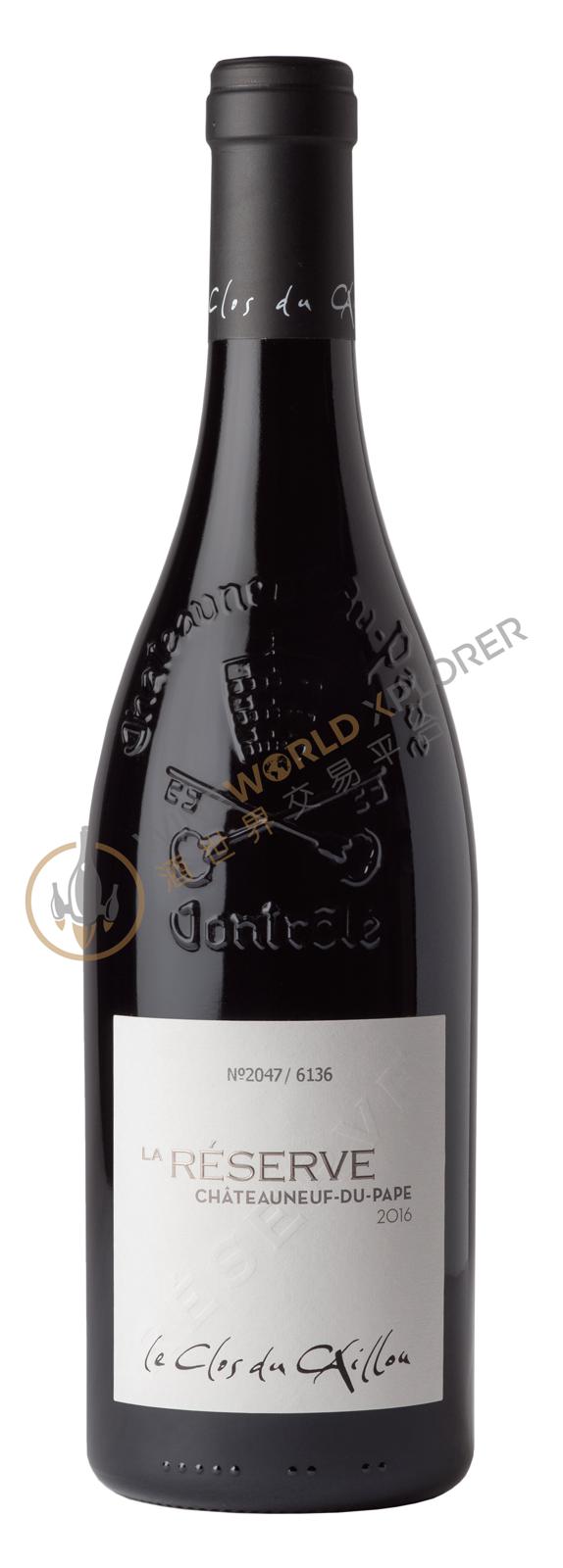
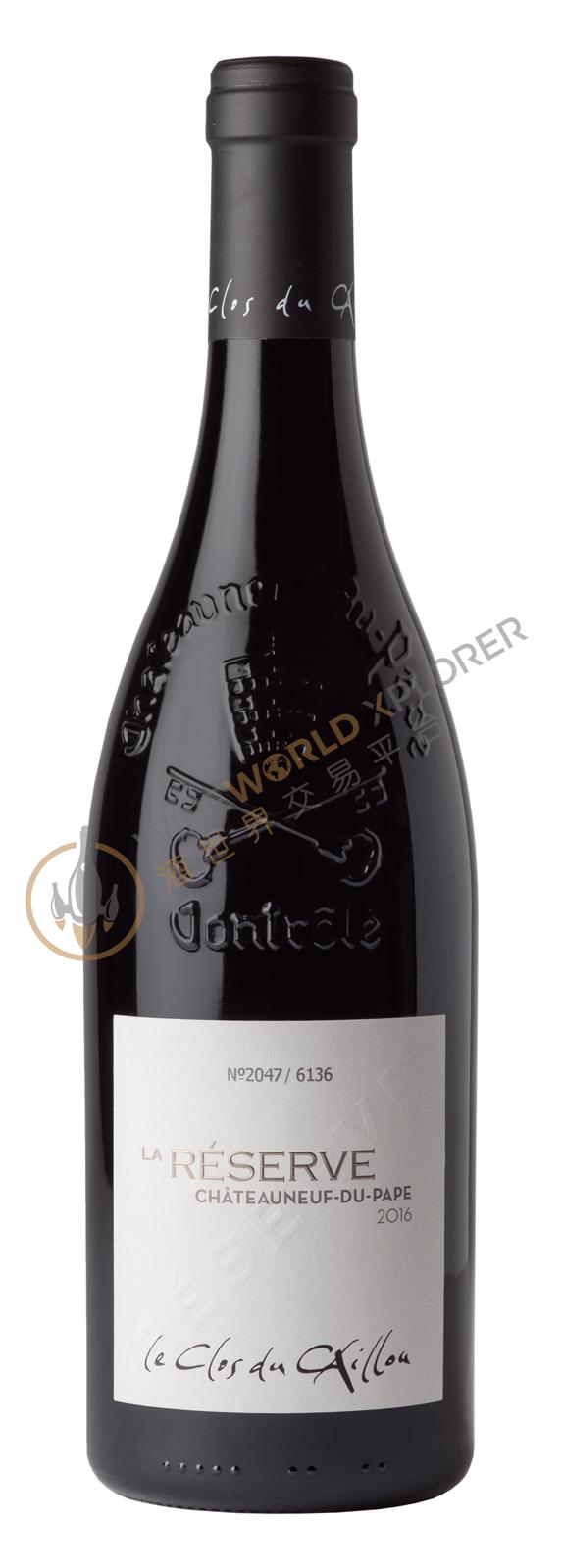
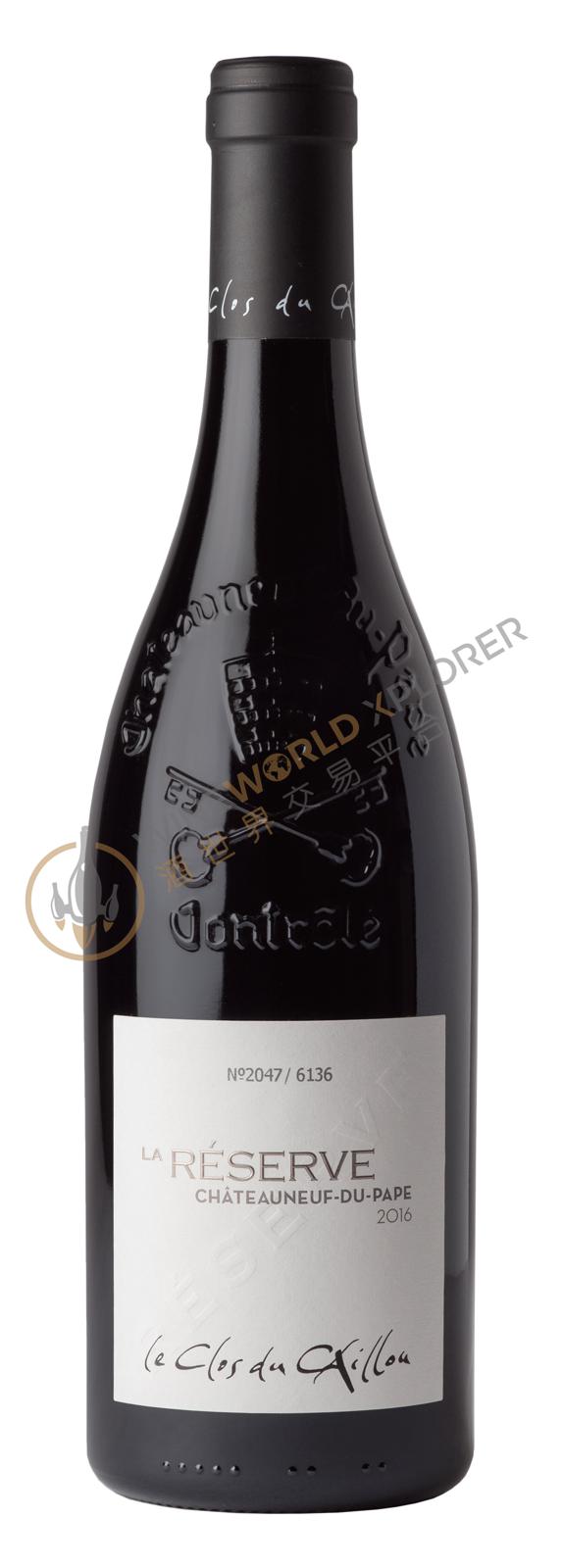
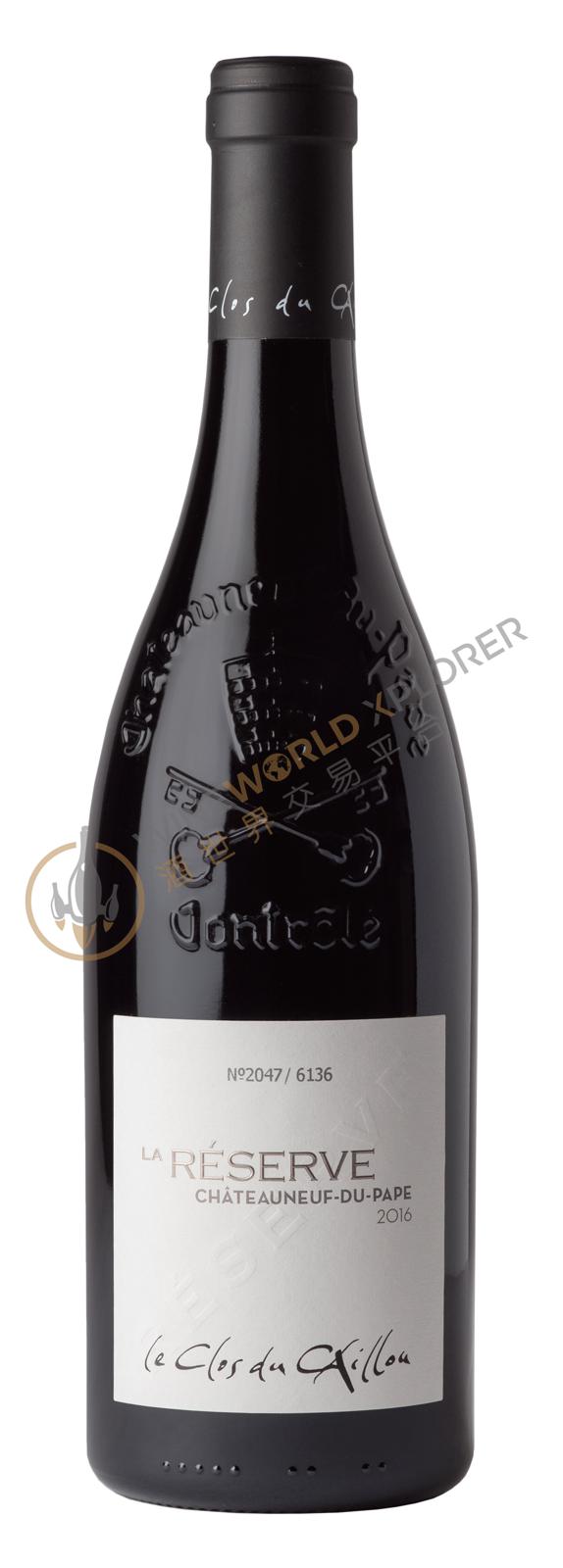
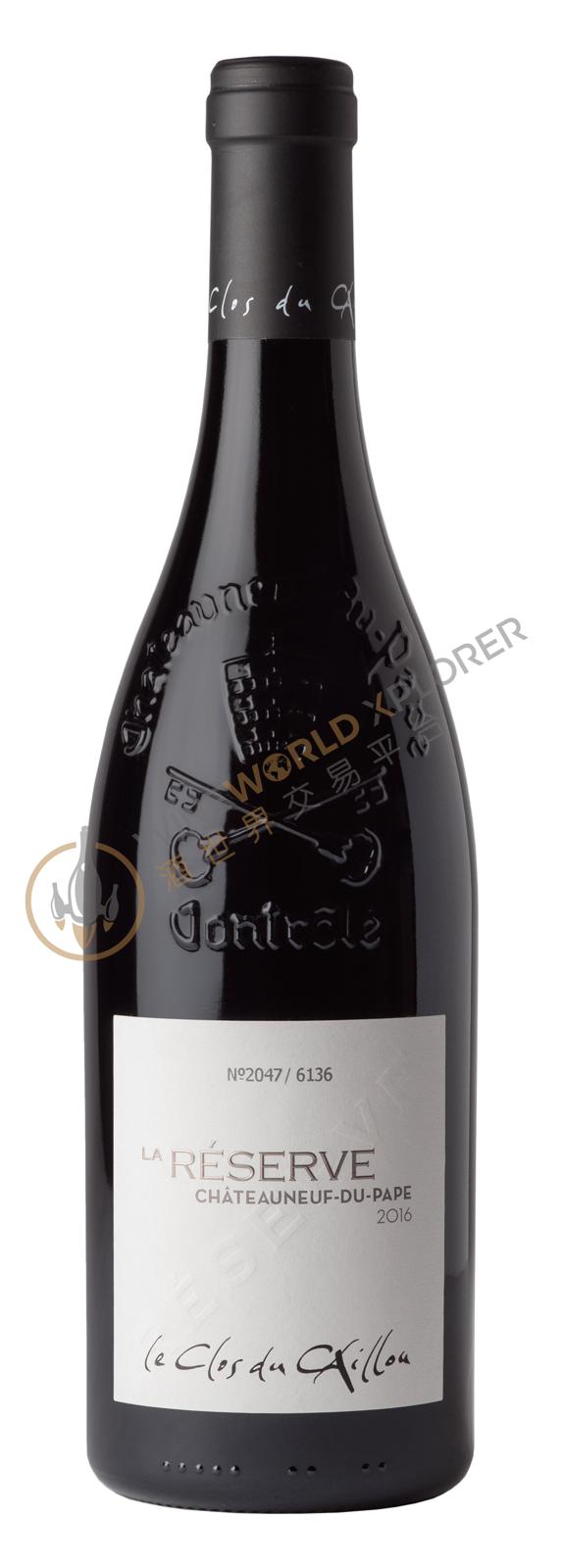
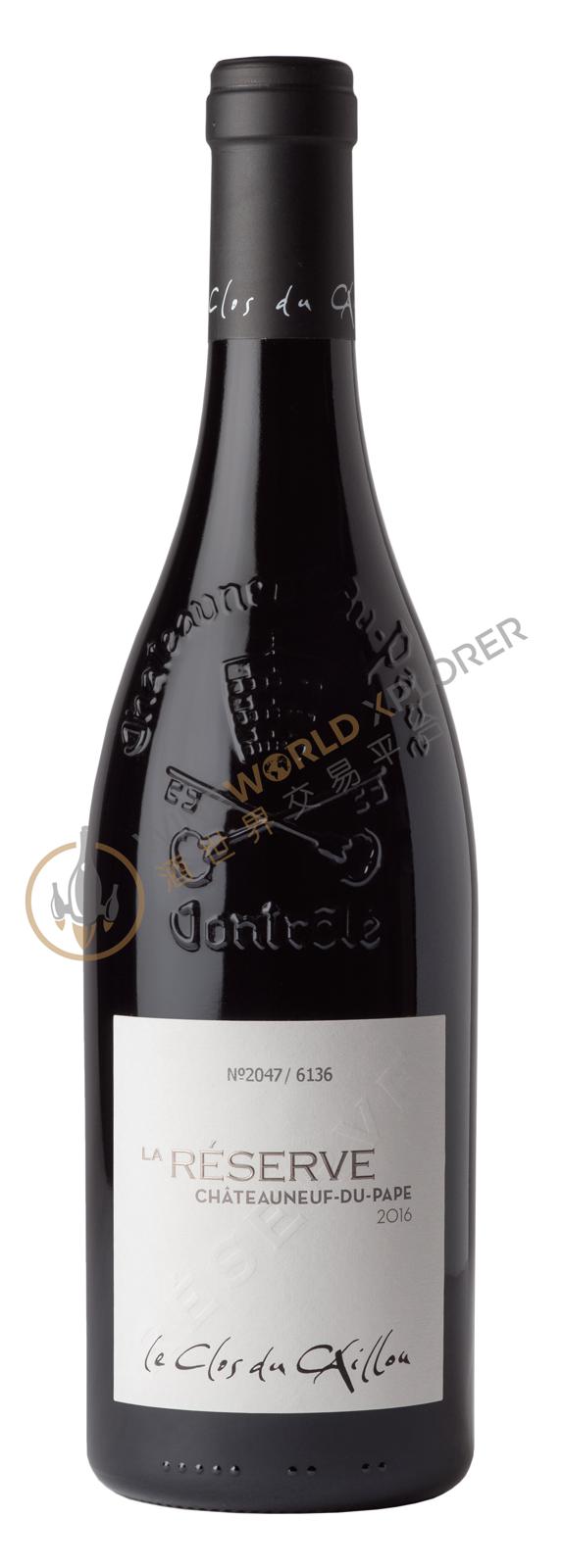
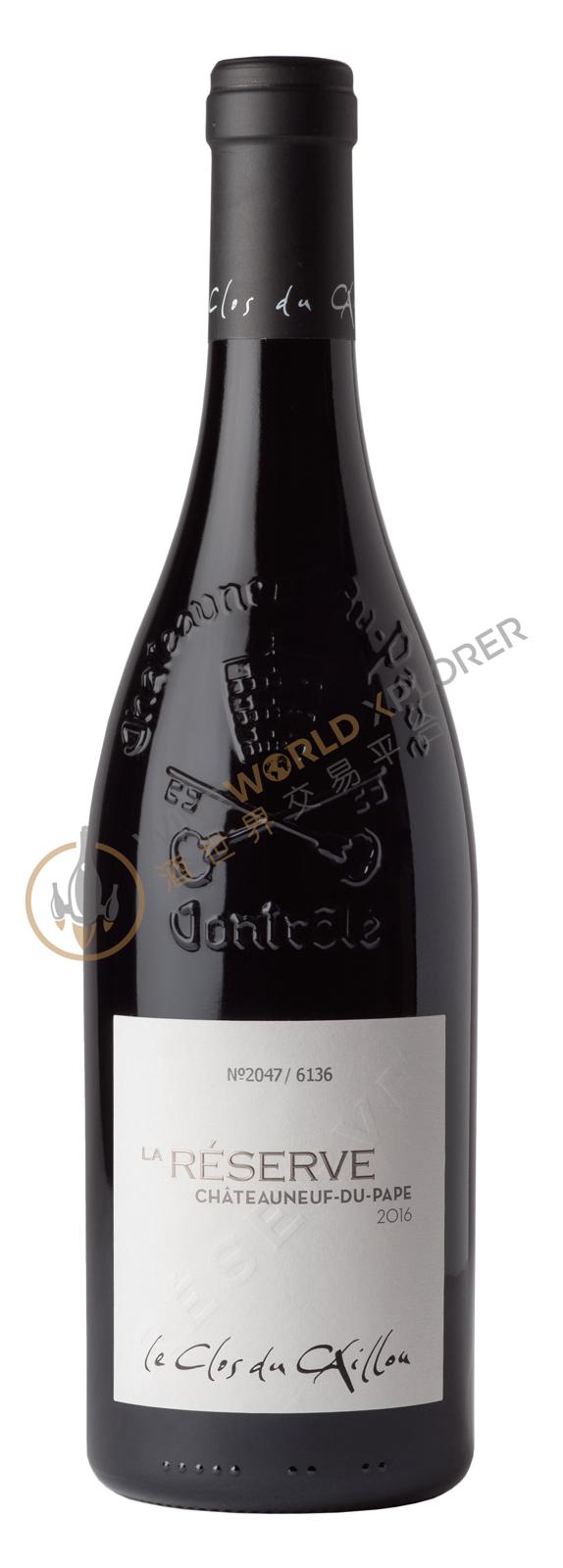
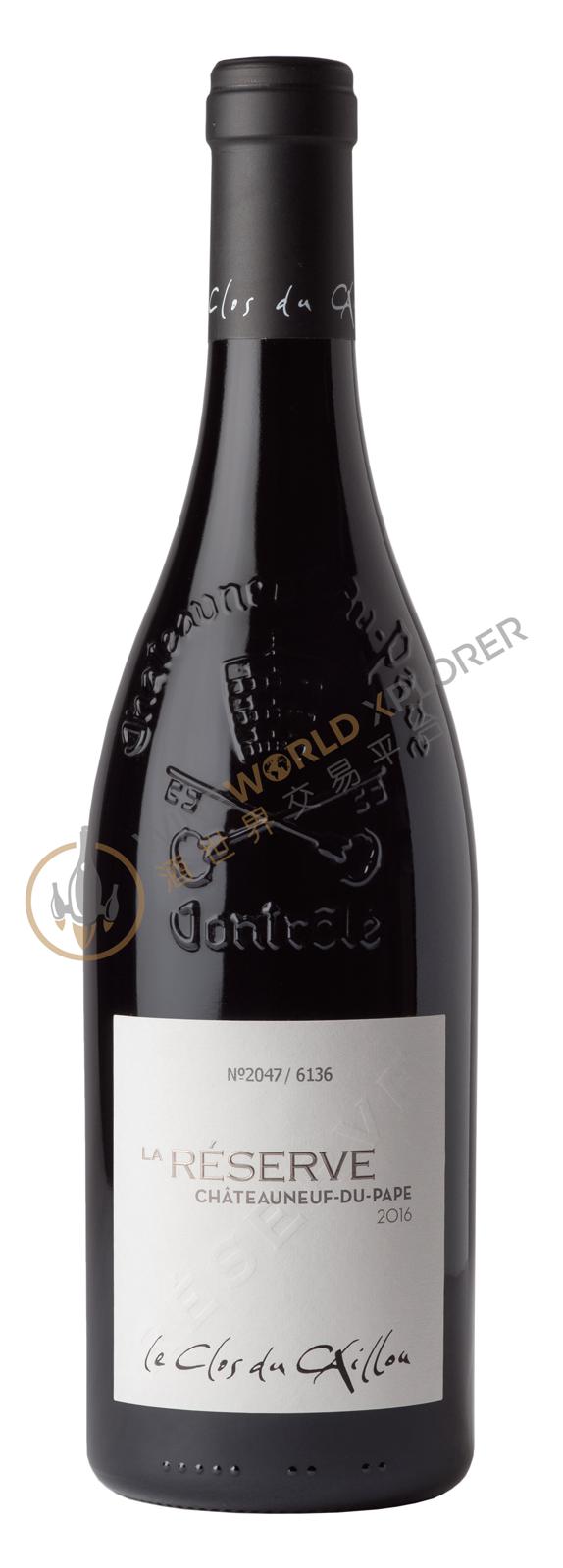
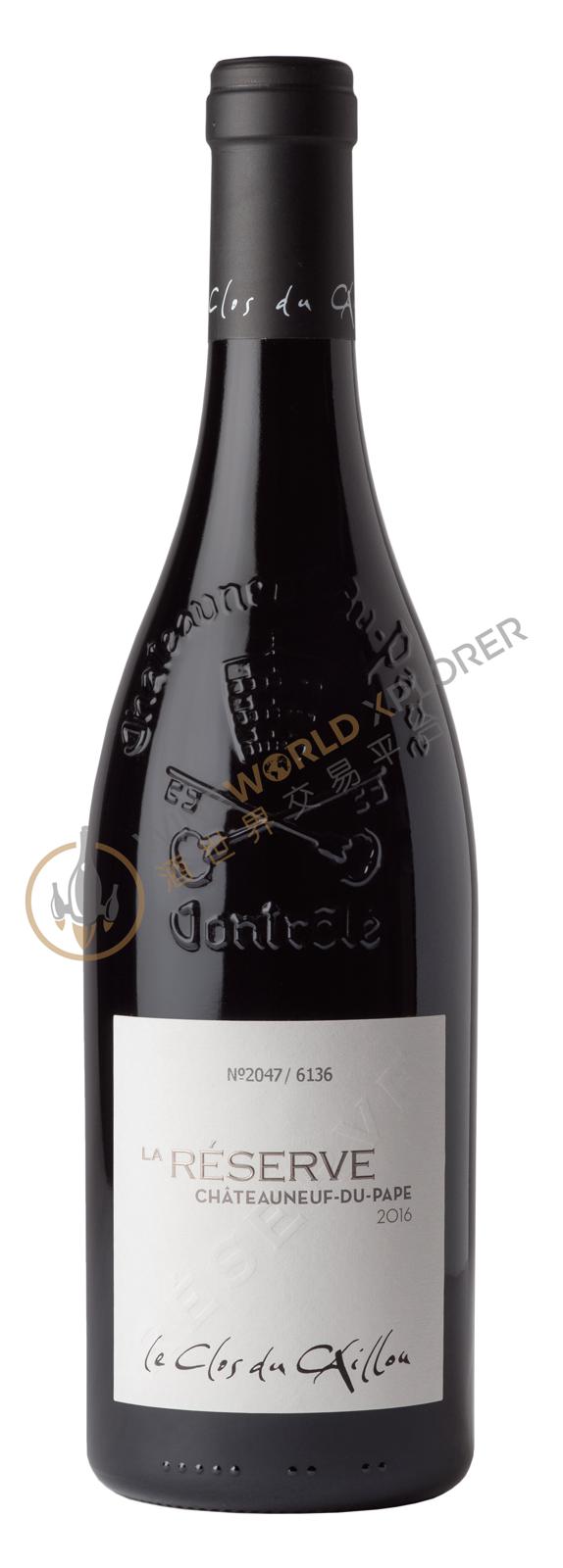
Le Clos du Caillou, Chateauneuf Du Pape La Reserve 2007
 View analysis


Description
Tasting notes

Reviewed by: Neal Martin
A blend of 30% Mourvedre and 70% Grenache from vines that should really be in an OAP’s home, this has noticeable new oak on the nose that will obviously take time to integrate (though it is not disproportionate to the level of fruit.) Scents of black plum, anis, creme de cassis and raspberry, the full-bodied palate is powerful, boasts a huge structure that coats the mouth in tannins, velvety smooth with cassis and damson just on the finish. This is a wine whose ambition has no horizon and deserves a decade to show its true potential. Drink 2017-2035. Tasted November 2008.
Reviewed by: Jeb Dunnuck
Just another perfect wine (ho hum), the 2007 Chateauneuf du Pape Reserve Le Clos du Caillou is an incredible effort that matches the 2010 in terms of quality, yet has a larger-than-life, richer and more over- the-top style. Loaded to the gills with sweet black cherry, cassis, licorice, lavender, roasted meats and creamy licorice, it hits the palate with a massive, full-bodied profile that carries awesome fruit, building, sweet tannin, incredible depth and blockbuster length. Spectacular in every way, enjoy it anytime over the coming two decades. This was a massive tasting with the team at Clos du Caillou and we went through each of their cuvees going back more than a decade. While the domaine has been in the Pouizin family since 1956, with Claude Pouizin running the estate through 1996, most of the production was sold off to negociants until around 1993. In 1995, Claude’s daughter, Sylvie, married Jean-Denis Vacheron, and the couple took over running the estate. Unfortunately, Jean-Denis died in a tragic traffic accident in 2002. Today the estate is run by Sylvie, the wines are made by Bruno Gaspard and consulting advice is from Philippe Cambie. Located on the eastern edge of the appellation, in the Courthezon district, they produce up to three Chateauneufs (Les Safres, Les Quartz and the Cuvee Reserve) in any vintage. In addition, they produce a white Chateauneuf du Pape and a number of smoking Cotes du Rones, which come from vineyards bordering Chateauneuf du Pape (identical terroir, actually) and are top- quality. We started the tasting with their base Chateauneuf du Pape, which comes from Safres (sandstone) soils located around the estate. It’s always based on 50+-year-old Grenache vines (95% or higher) and is aged all in older foudre. While this cuvee is called Les Safres today, it was labeled as their traditional Chateauneuf du Pape up until 2005. Moving to the Les Quartz Cuvee, this was first made in 1999 and comes mostly from the Les Cassanets lieu-dit, yet incorporates a small amount of Syrah from Les Bedines. It’s normally a blend of 85% Grenache and 15% Syrah, with the Grenache aged in a combination of oak tanks and foudre, and the Syrah in new barrels. While the Reserve gets most of the attention, Grenache-lovers need to check out this cuvee as it always offers thrilling fruit and texture, with an exuberant, Grenache-driven style. The top release from the estate, their Reserve release was first made in 1998. It is a blend of 60% Grenache and 40% Mourvedre (this is sometimes a split of Syrah and Mourvedre) that’s aged mostly in 1-2-and 3-year-old, 600-liter demi-muids for 18 months. Where the Les Quartz release is more exuberant and Grenache-dominated (both in style and in the blend), this cuvee, which comes from mostly sandy soils, always has more elegance and polish, as well as rock-star concentration and muscle. In addition, it performs beautifully in more difficult vintages as well. Importers: North Berkeley Imports, Berkeley, CA; tel. (510) 848-8910; Dionysos Imports, Manassas, VA; tel. (703) 392-7073; Import Wines, Middleton, WI; tel. (608) 833-8622; and Domaine Select Wine Estates, New York, NY; tel. (212) 279-0799
Reviewed by: Robert M. Parker, Jr.
Domaine du Caillou’s top cuvee is always the Chateauneuf du Pape Clos du Caillou Reserve, and the 2007 boasts a dense purple color as well as an exquisite perfume of graphite, camphor, black currants, black cherries, raspberries, and notions of licorice and smoke providing additional complexity. This dense, full-bodied Clos du Caillou possesses exquisite equilibrium, flawless integration of acidity, tannin, and wood, and a sumptuous, full-bodied finish with no hard edges. That said, the tannins are elevated, and this wine begs for 2-5 years of bottle age. It should age effortlessly for 25 years thereafter. A reminder: the 1998, the first great vintage of this cuvee, is still a young wine at age 10. Year after year, this estate continues to produce some of the finest Chateauneuf du Papes and Cotes du Rhones. Widow Sylvie Vacheron has done an excellent job carrying on the legacy of her husband, Jean-Denis Vacheron, who was killed in an automobile accident several years ago. Both vintages of Chateauneuf du Pape are performing brilliantly, with the 2006s showing even better from bottle than they did from barrel, and the 2007s are as stunning as one might expect in this historical vintage in the southern Rhone. The Chateauneuf du Pape Les Safres is 100% Grenache aged completely in foudre, the Les Quartz is a blend of 85% Grenache (aged in foudres) and 15% Syrah (aged in small barrels), and the Clos du Caillou Reserve is composed of 60% Grenache and the rest equal parts Syrah and Mourvedre. The Grenache is aged in cement tanks, and the Syrah and Mourvedre are kept in one and two-year-old, 600-liter demi-muids. To reiterate, the 2006s have turned out to be even better from bottle than they were last year from barrel - a common occurrence in Chateauneuf du Pape, and always a sign of high quality, natural winemaking. Along with the Coudoulet of Beaucastel, the limited Cotes du Rhone cuvee from Vieille Julienne, Domaine Janasse, and the Cotes du Rhones made by Alain Dugas at La Nerthe, this estate produces the finest Cotes du Rhones of the appellation. Importers: David Hinkle, North Berkeley Imports, Berkeley, CA; tel. (510) 848-8910, and a Christopher Cannan Selection, various American importers, including Michael Skurnik, Syosset, NY; tel. (516) 677-9300 and Diamond Wine Merchant, Oakland, CA; tel. (510) 567-9897
Reviewed by: Robert M. Parker, Jr.
The 2007 Le Clos du Caillou Reserve is a blend of 60% Grenache, 20% Mourvedre, and 20% Syrah, with the Grenache aged in concrete tanks and the other components aged in both demi-muids and small barrels. This wine will probably not be as long-lived as the utterly perfect 2001, but it is a wine of considerable substance, richness, and appeal. Dense purple to the rim, this is an ethereal beauty of purity and substantial power, allied together in a wine offering up notes of licorice, incense, acacia flowers, black raspberry and black currant notes. It is full-bodied, deep, and for this particular cuvee, surprisingly accessible due to the sweetness of the tannins and the high levels of glycerin and rich fruit. This wine is irresistible already, although it will certainly develop more nuances aromatically over the next 4-5 years and evolve for at least two decades. This is sensational stuff and a great effort. A small but sensational estate (just under 25 acres), Le Clos du Caillou came to my attention when the property was acquired in the mid-1990s by Jean-Denis Vacheron and his wife Sylvie. After a succession of brilliant wines, Jean-Denis was tragically killed in an automotive accident in 2002, leaving his widow to run the estate with the assistance of two terrific oenologists from Chateauneuf du Pape, Bruno Gaspard and Philippe Cambie, who started in 2001 (coincidentally, when I gave a perfect score to their Reserve Chateauneuf du Pape). It has taken a few years to get the estate back to the level that existed there between 1998 and 2001, but that has certainly been accomplished over recent vintages. All three Chateauneuf du Papes in 2007 merit significant attention. Importers: David Hinkle, North Berkeley Imports, Berkeley, CA; tel. (510) 848-8910, and a Christopher Cannan Selection, various American importers, including Michael Skurnik, Syosset, NY; tel. (516) 677-9300 and Diamond Wine Merchant, Oakland, CA; tel. (510) 567-9897
Reviewed by: Jeb Dunnuck
The largest scaled and most concentrated in the lineup is easily the 2007 Chateauneuf du Pape La Reserve, which is 70% Grenache and 30% Mourvèdre that was raised all in demi-muids. Just a flat out sensational bottle of wine, it offers tons of black currants, licorice, roasted meats and toasted spice aromas and flavors in a full-bodied, seamless, perfectly balanced style that’s drunk well since release. It’s great today, but has another decade or more of longevity.
About the Producer
Our vineyard is rich of traditional red variety, such as Mourvèdre, Syrah, Cinsault, Carignan, Counoise and also some white variety: Viognier, Roussanne, Clairette, Bourboulenc, without forgetting the Grenache, native god red and white. Grounds are worked in the respect of the nature, by regular ploughing without weedkiller and without chemical produce, using only phytosanitary treatment of sulfur and copper in a lower quantity. Grapes are picked by hand and sorting at the vineyard. Grape varieties are vinified separately to respect their own character, aromas and originality. The red vinification is usually preceded by a cold maceration during few days. Pomp-over, punch-down and delestage are made during all the maceration (1 month to 40 days depending on the vintage and the cuvee). The alcoholic maceration start naturally by the wild yeast present on the grapes. We use stainless tanks for the vinification of the white and rose wine and wooden and cement tank for the vinification of the red. Red wines are then aged in foudres and in oak barrels during one year and more, in the underground cellar, built in the safres, with a natural temperature (13 to 15°C). Foudres and demi-muids composed the maturing cellar. Natural cultural practices at Le Clos du Caillou have been started with Claude Pouizin in 1950 : regular plough, organic compost. Since the early years of the vineyard, we put all our efforts to work in a natural way. Thats is why, Jean-Denis Vacheron started the organic agriculture when he arrived on the vineyard in 1996. We got the certification on 2010 vintage. To continue our philosophy, we engage in 2007 in biodynamic agriculture. It permits to produce qualitative grapes by improving the fertility of the soils. Today, it is of major importance to give back to the soils their total vitality. These practices permitted to give to our vines a new youth thanks to the use of horn-manure and silica preparations, sprayed in the vines while respecting the rythm of the cosmos and the nature cycle.