Wine Advisor



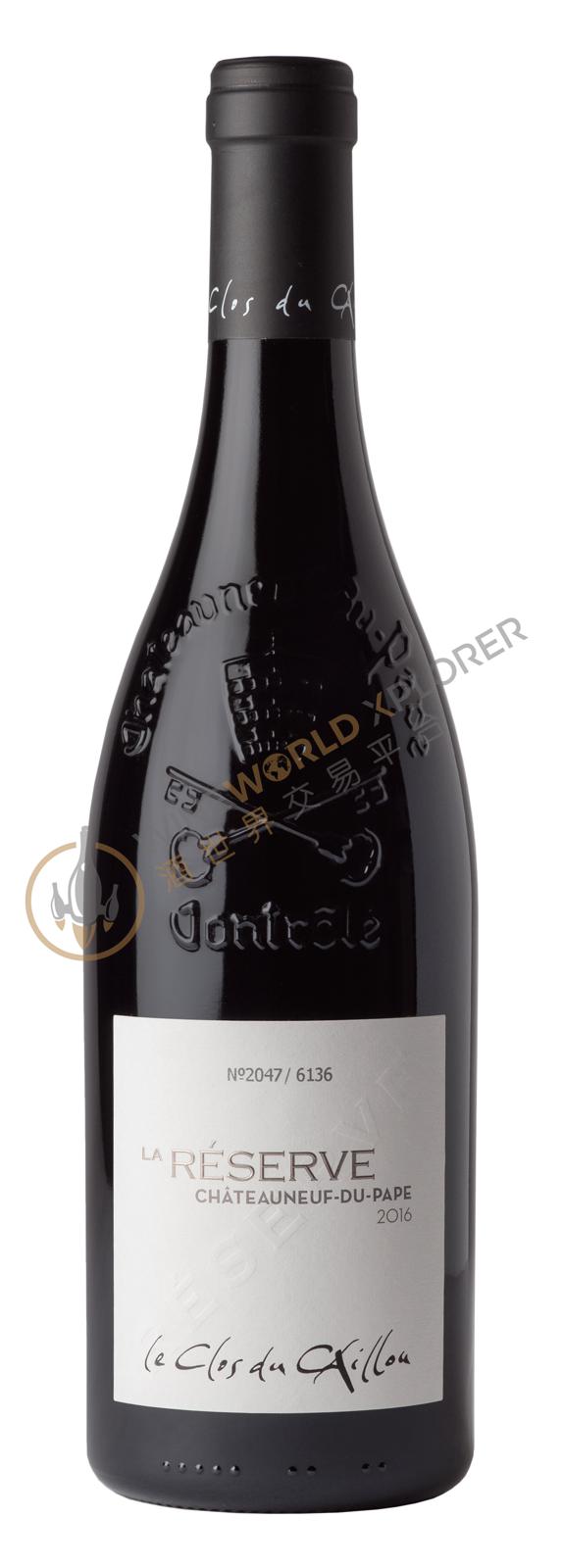
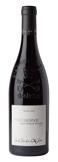
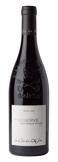
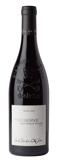
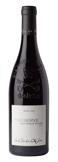
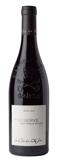
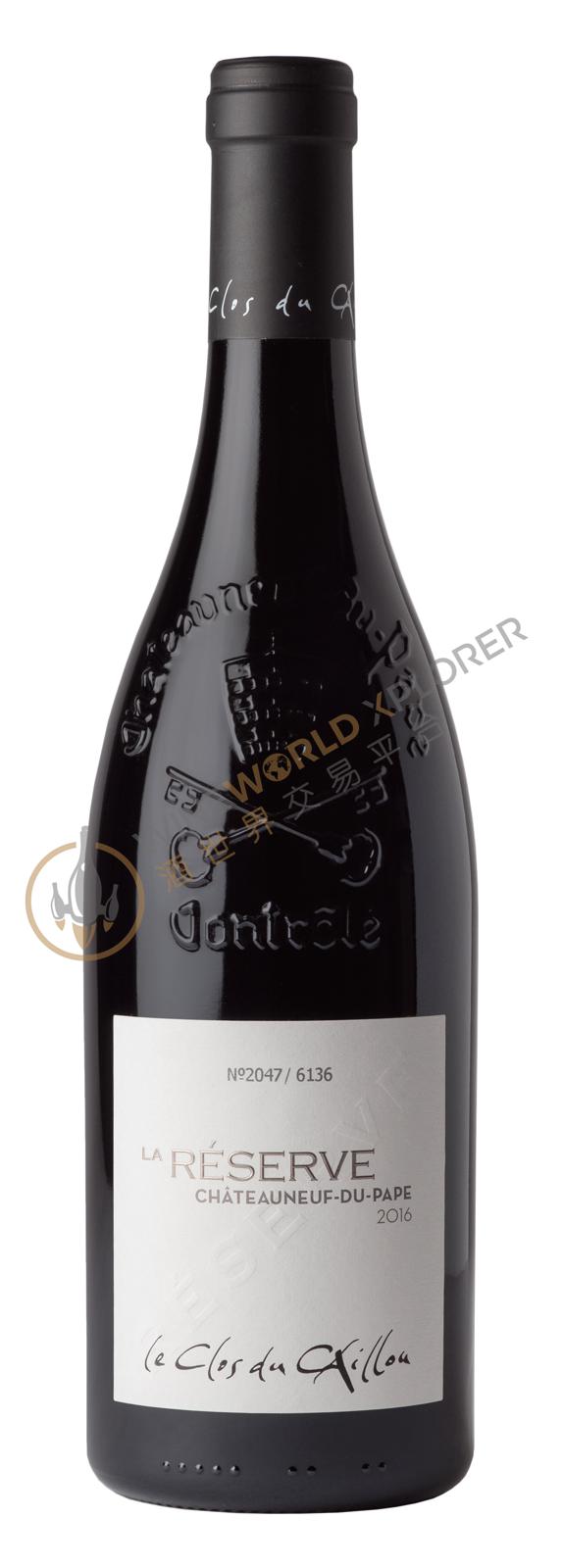
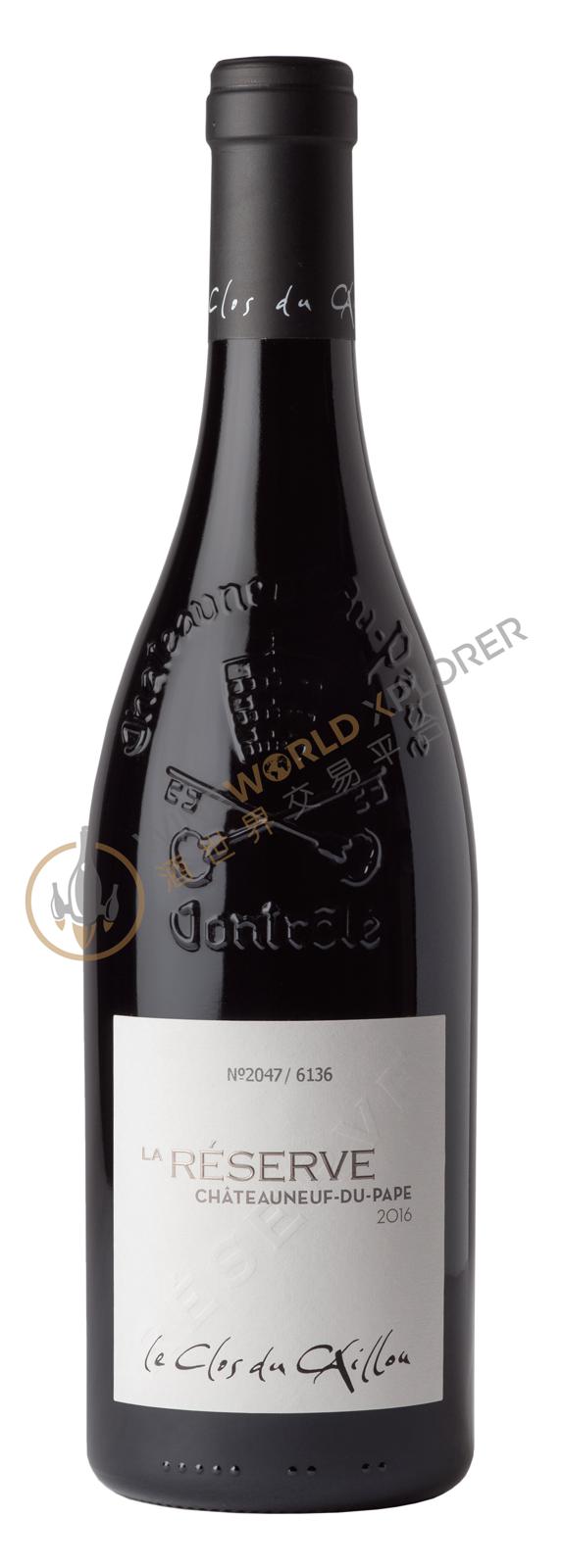
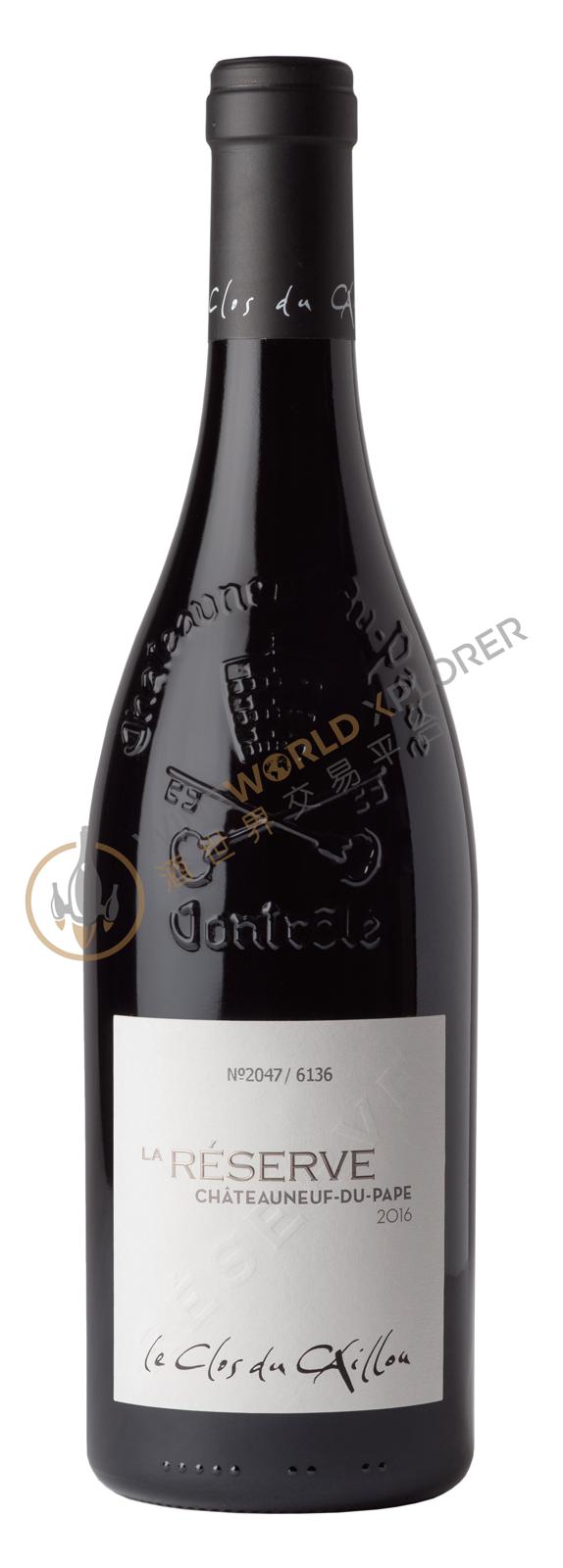
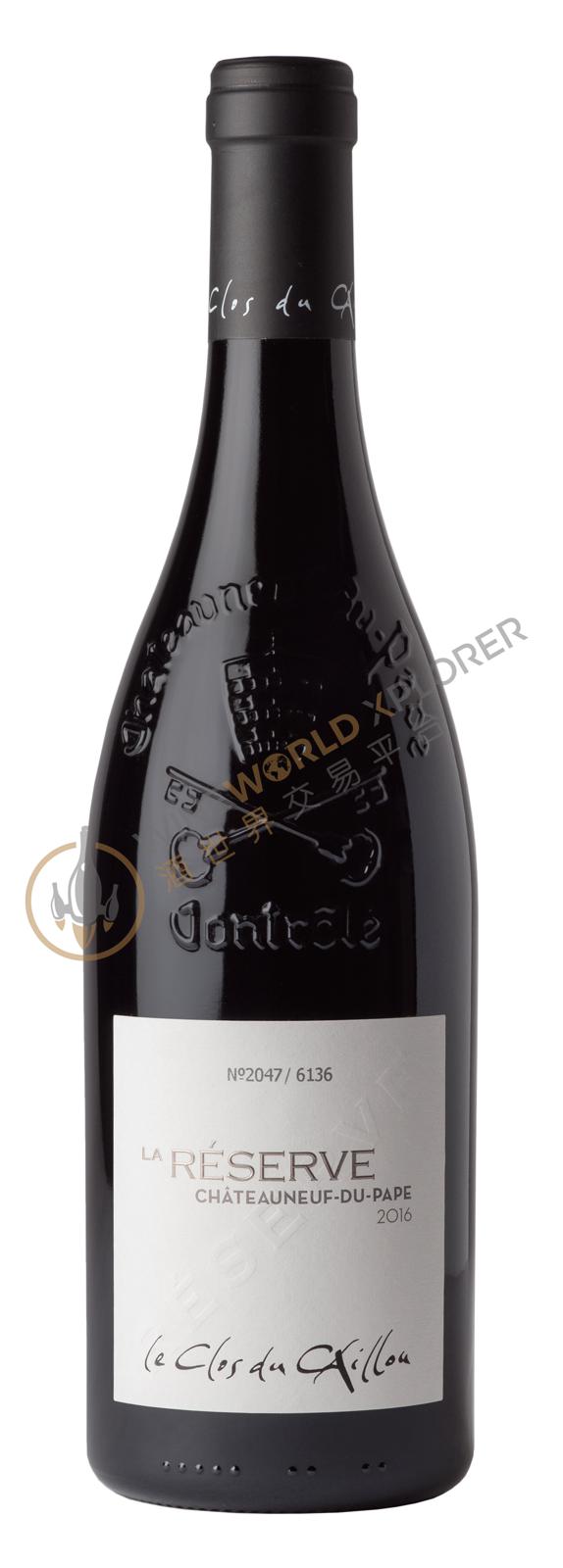
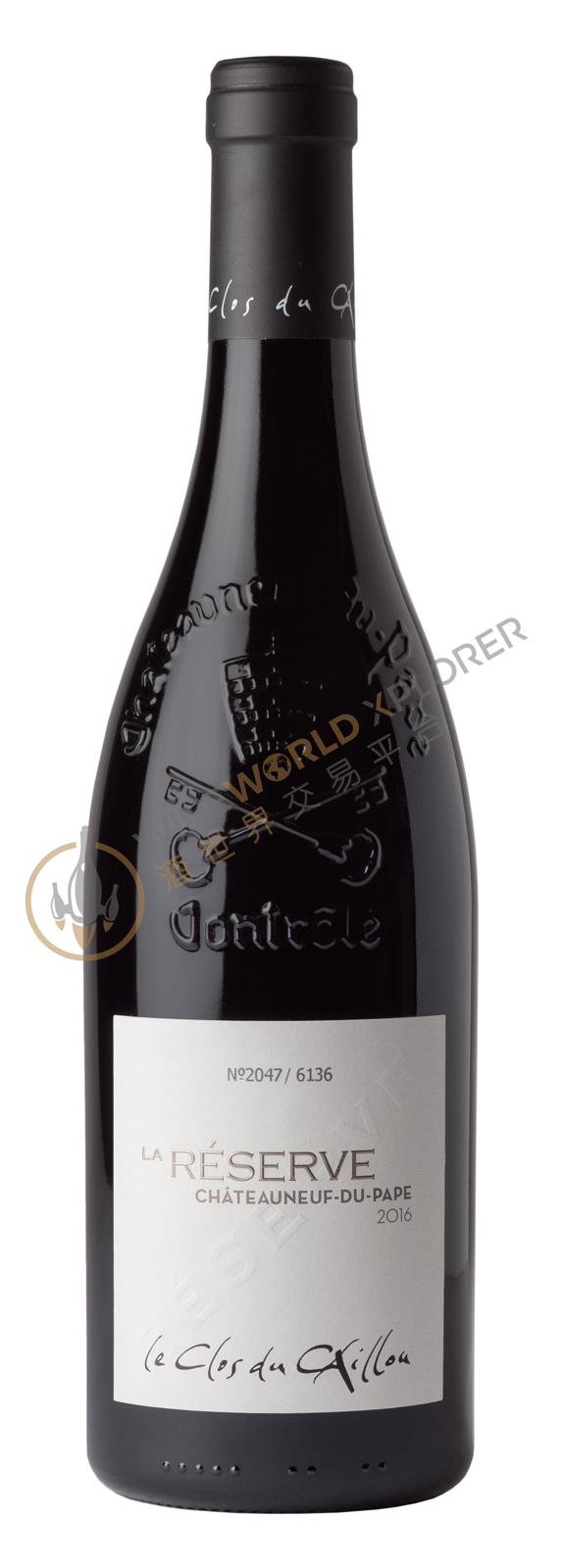
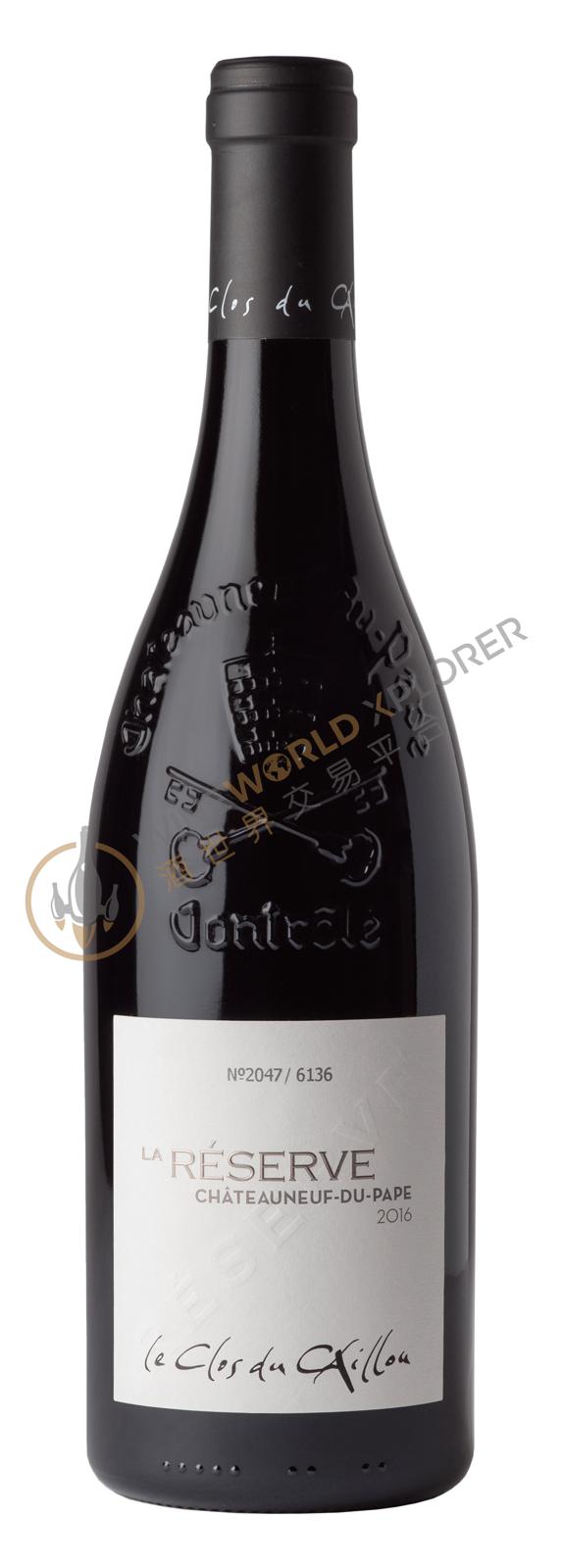
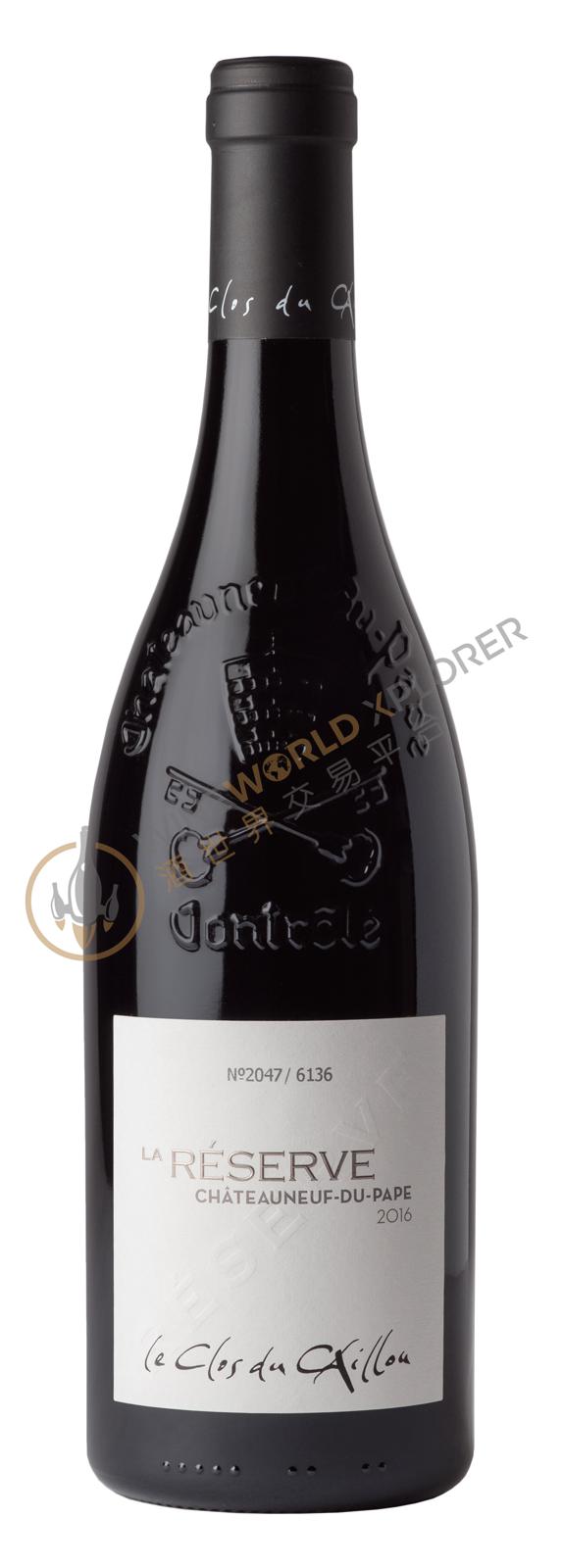
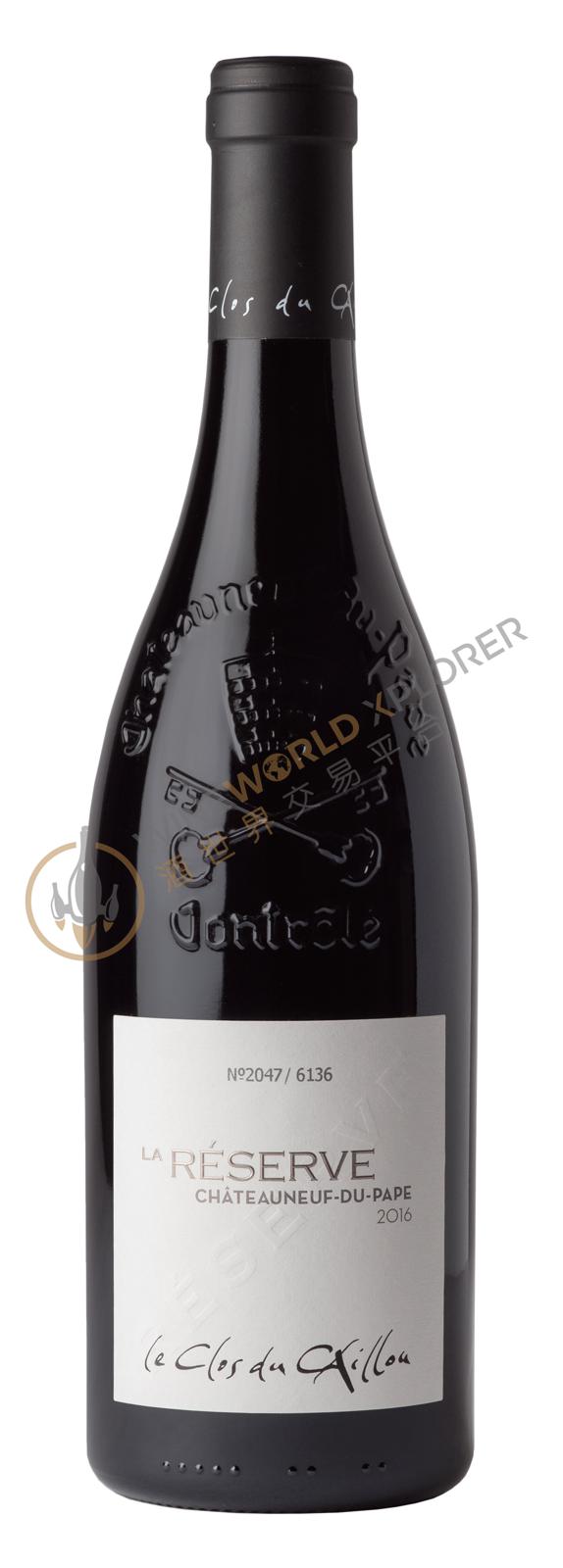
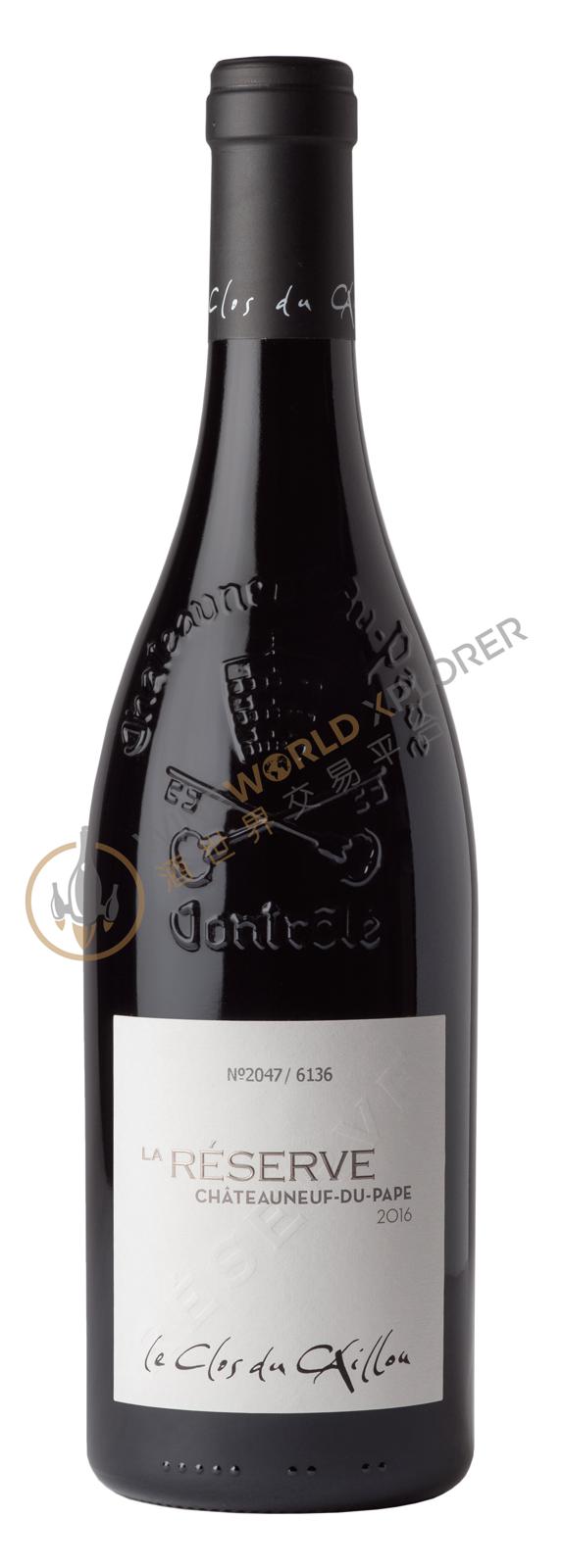
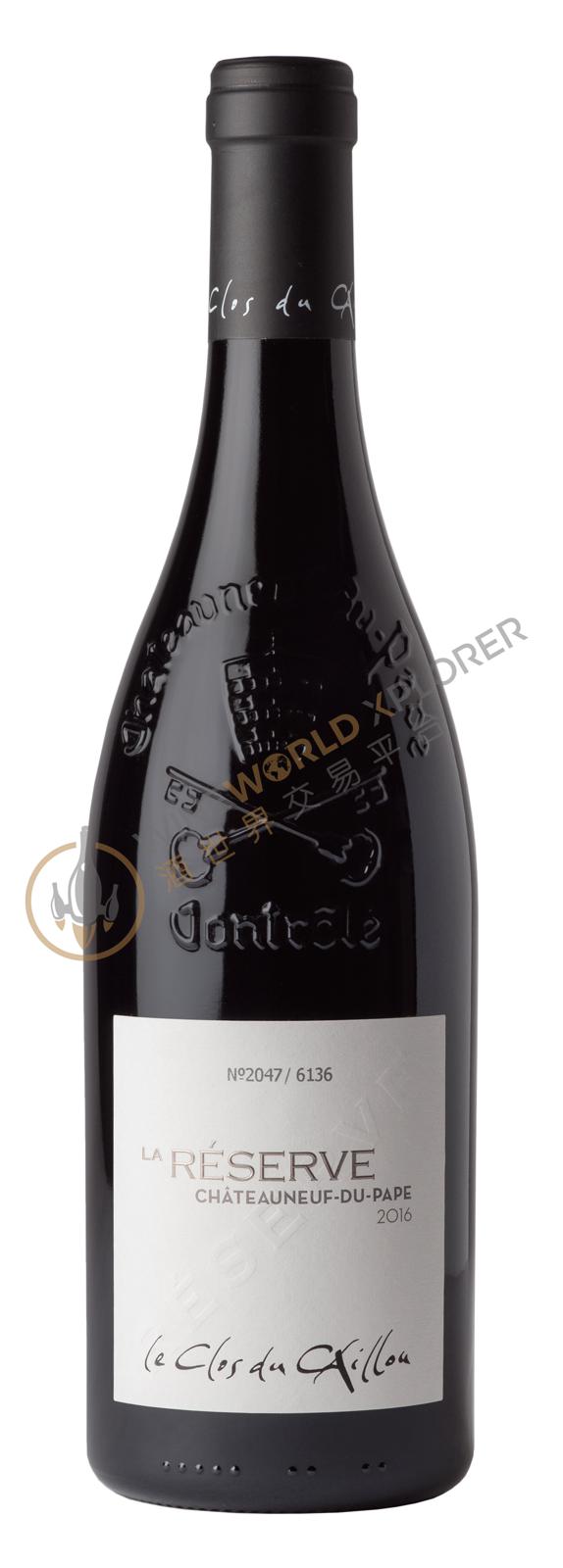
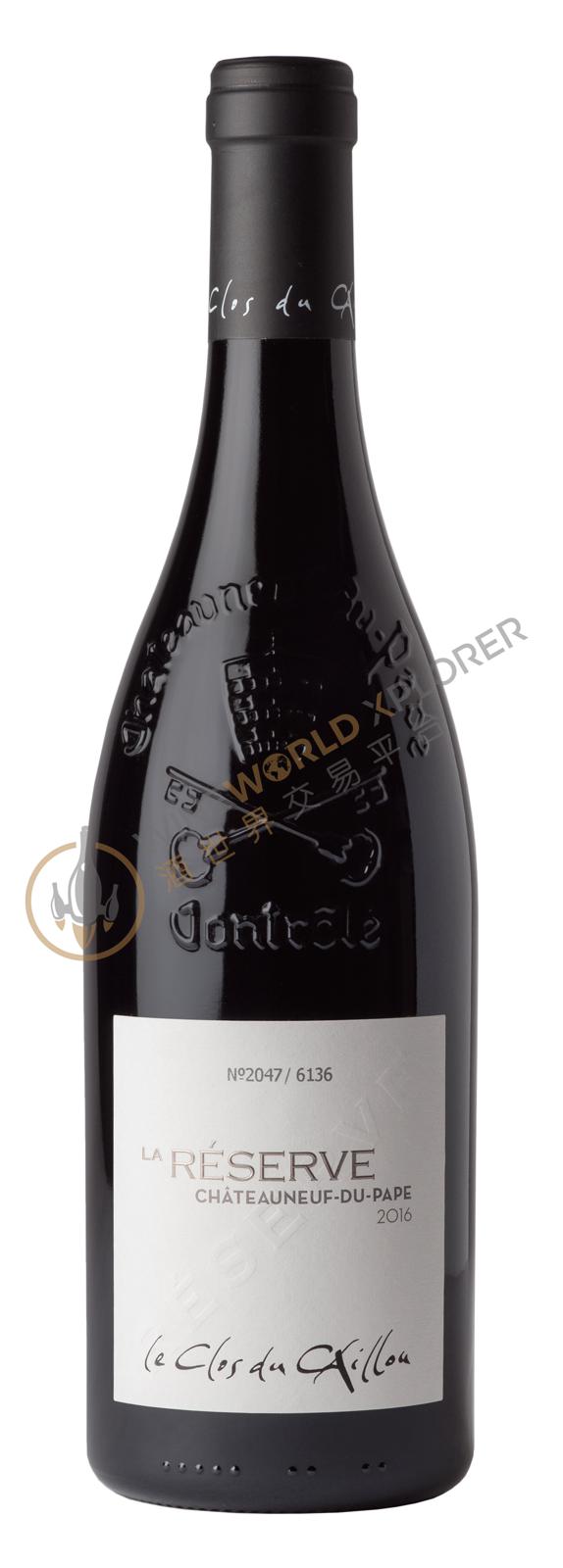
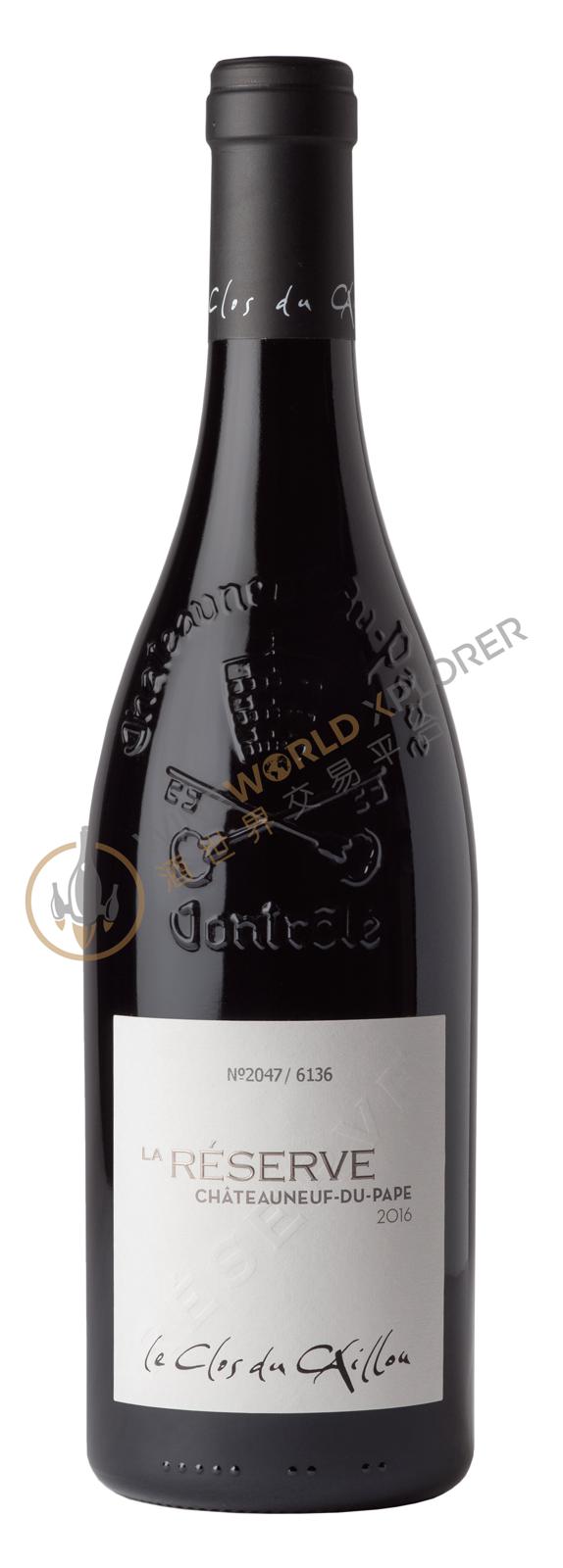
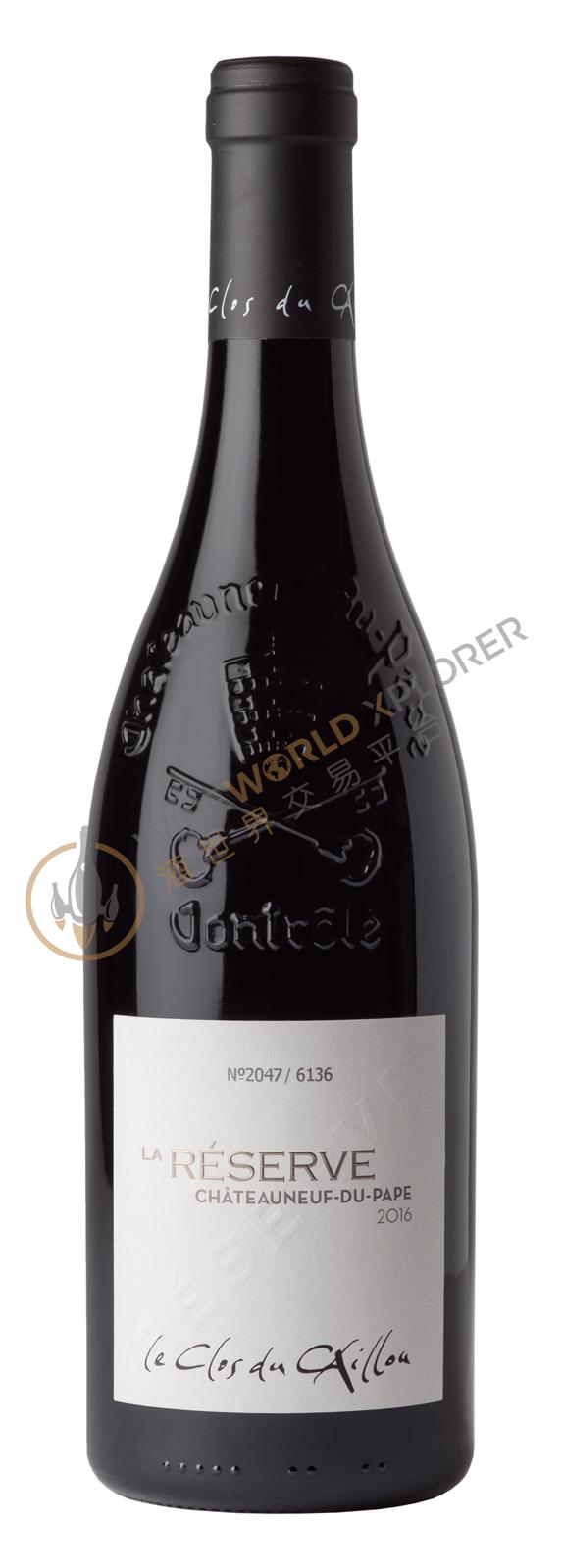
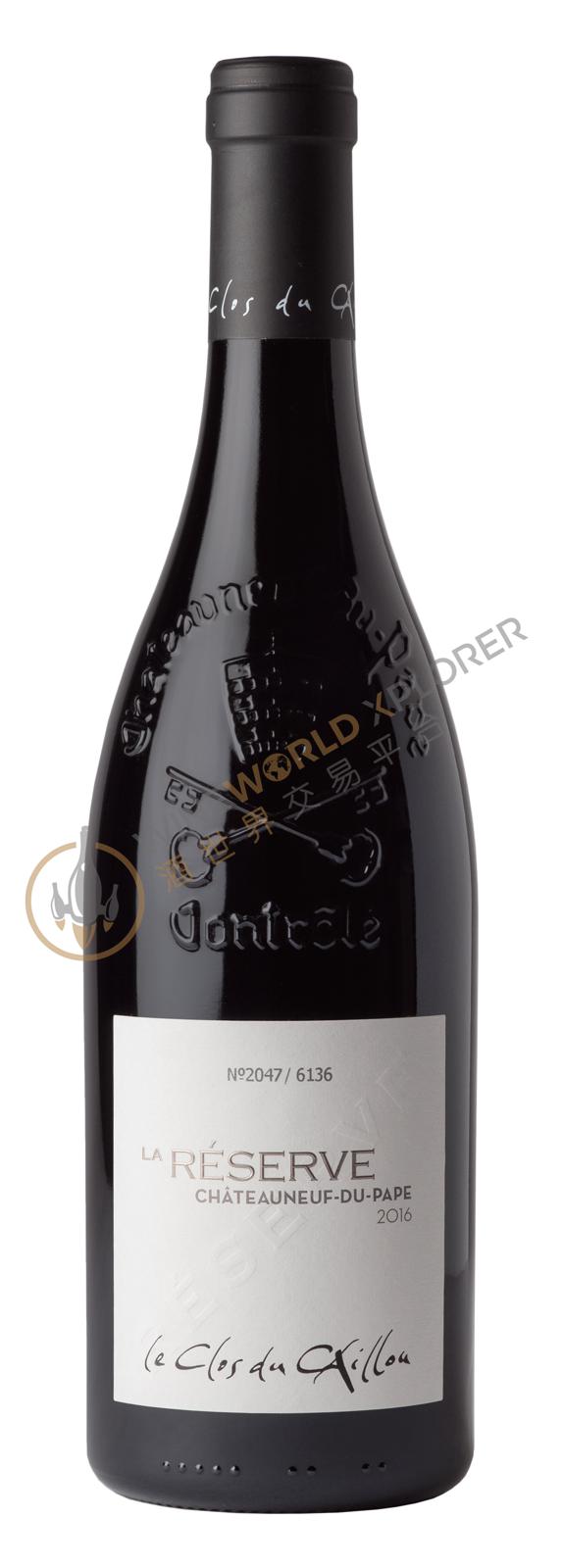
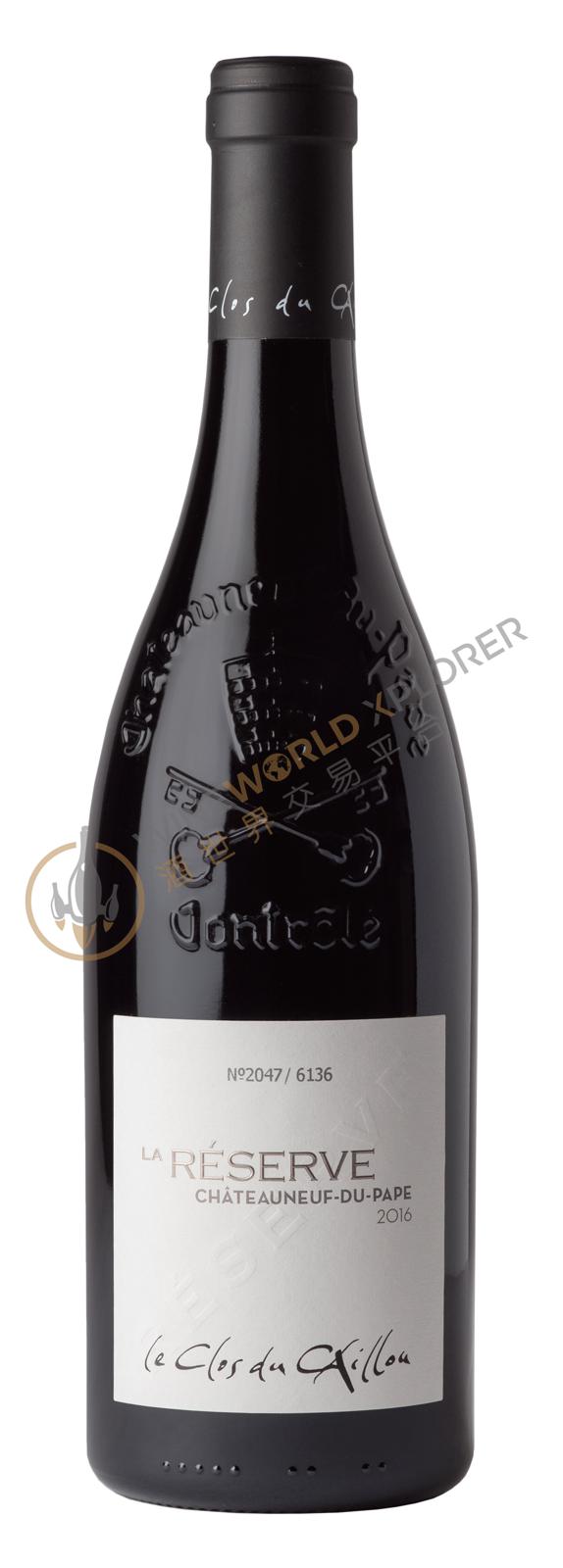
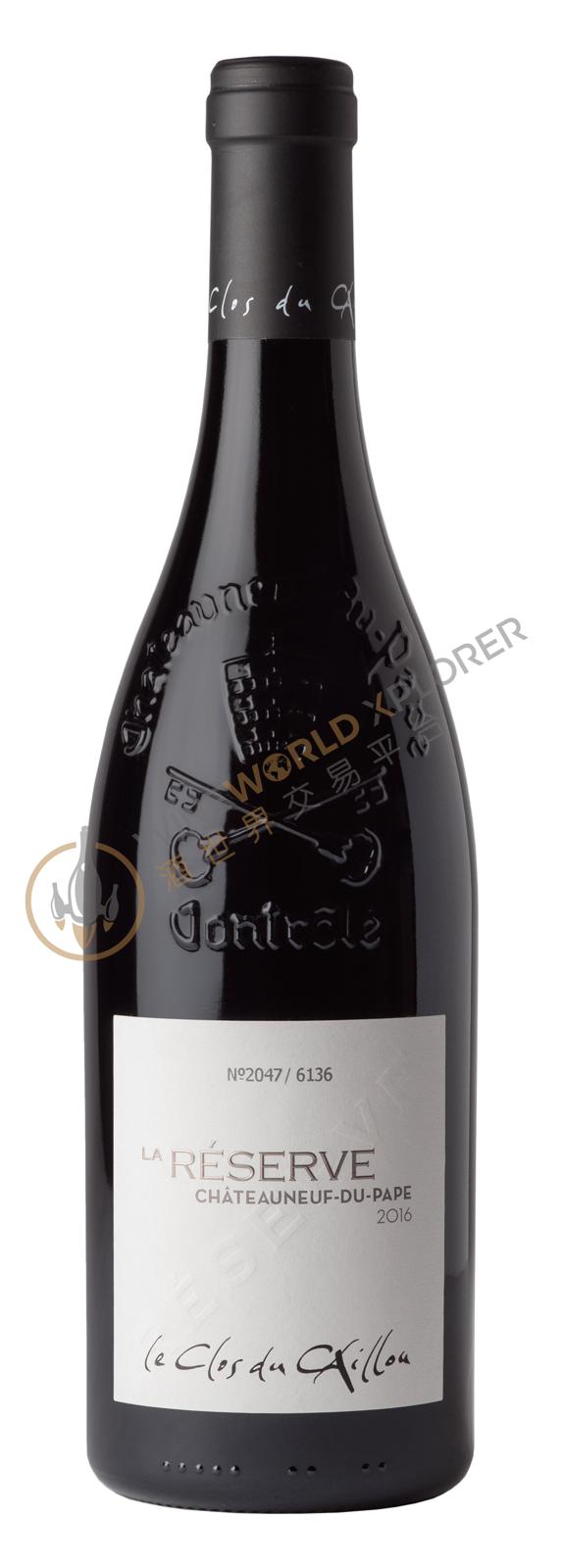
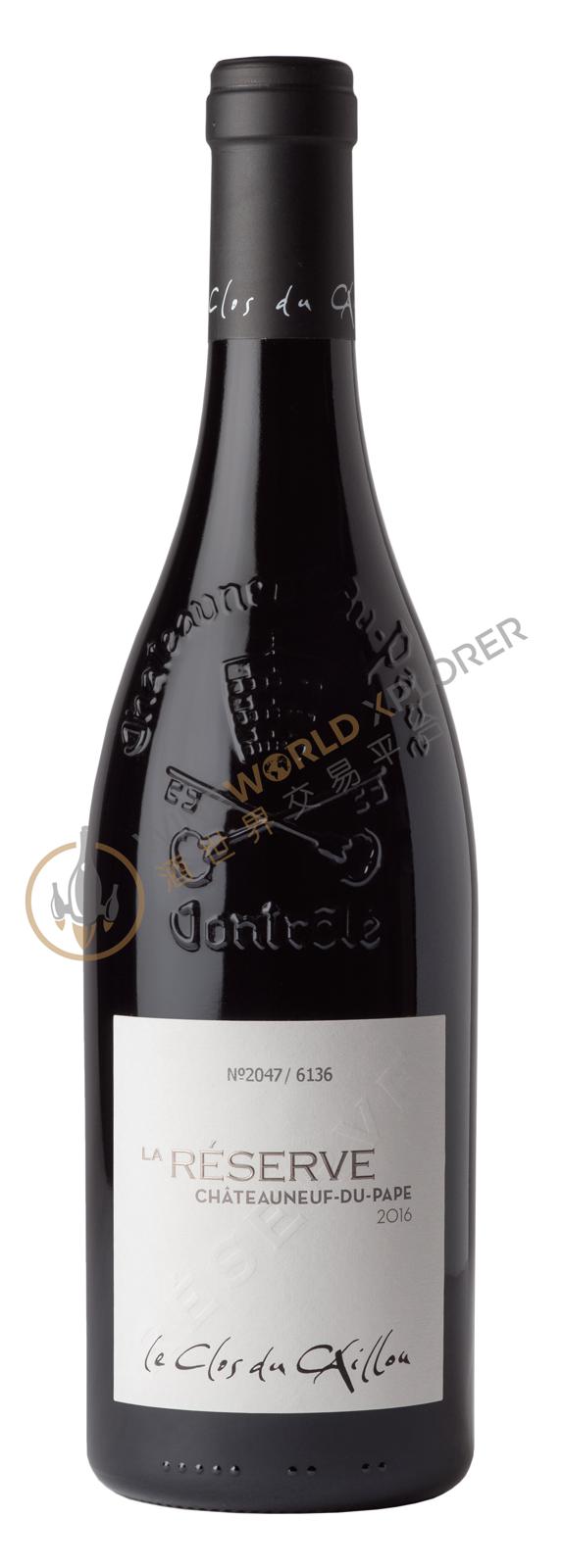
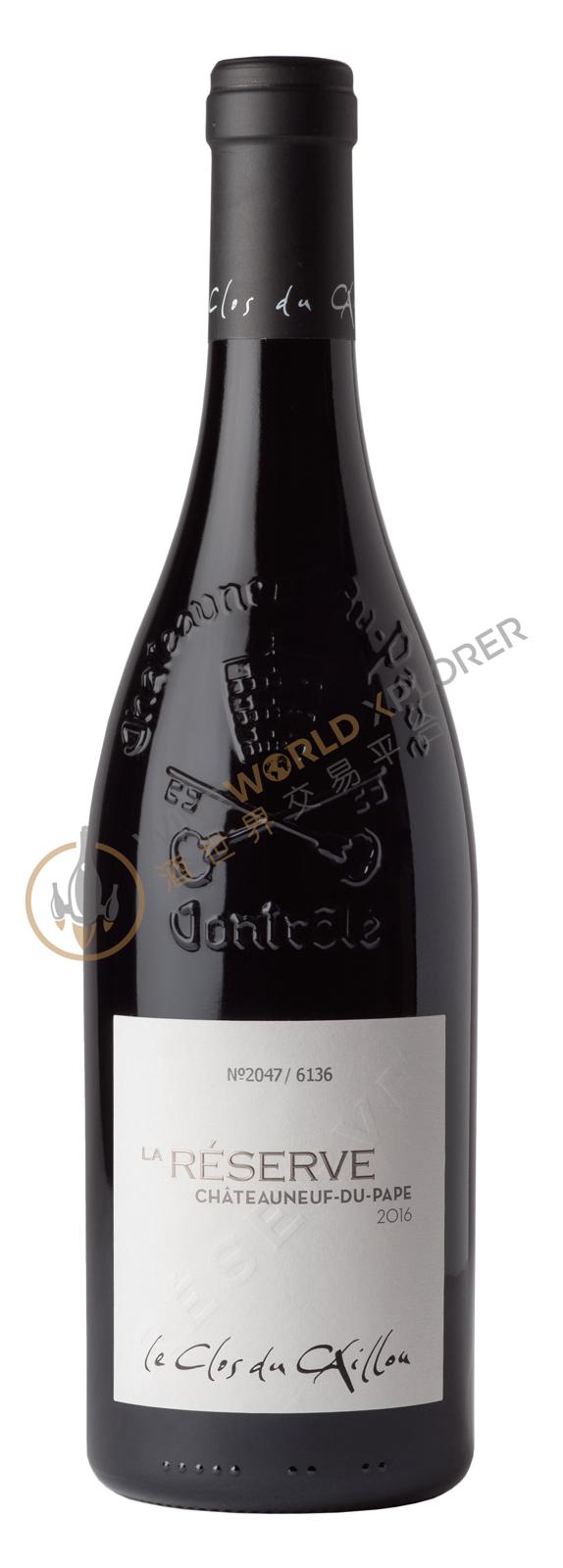
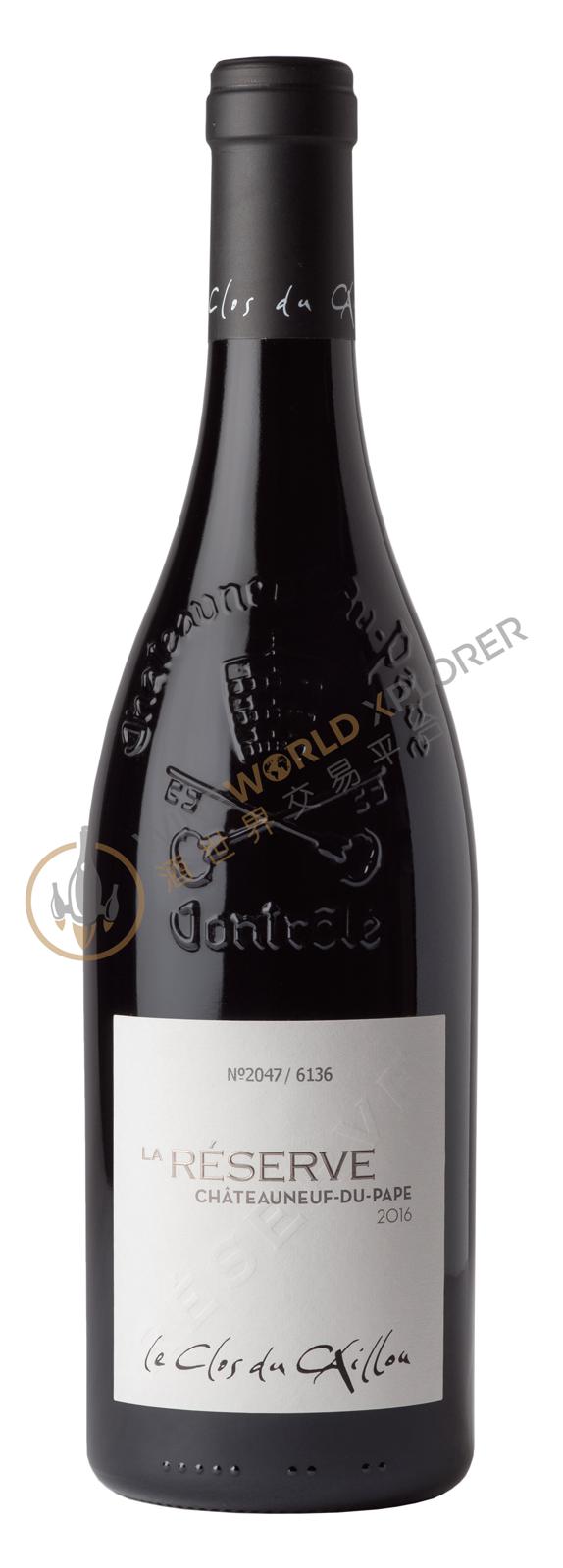
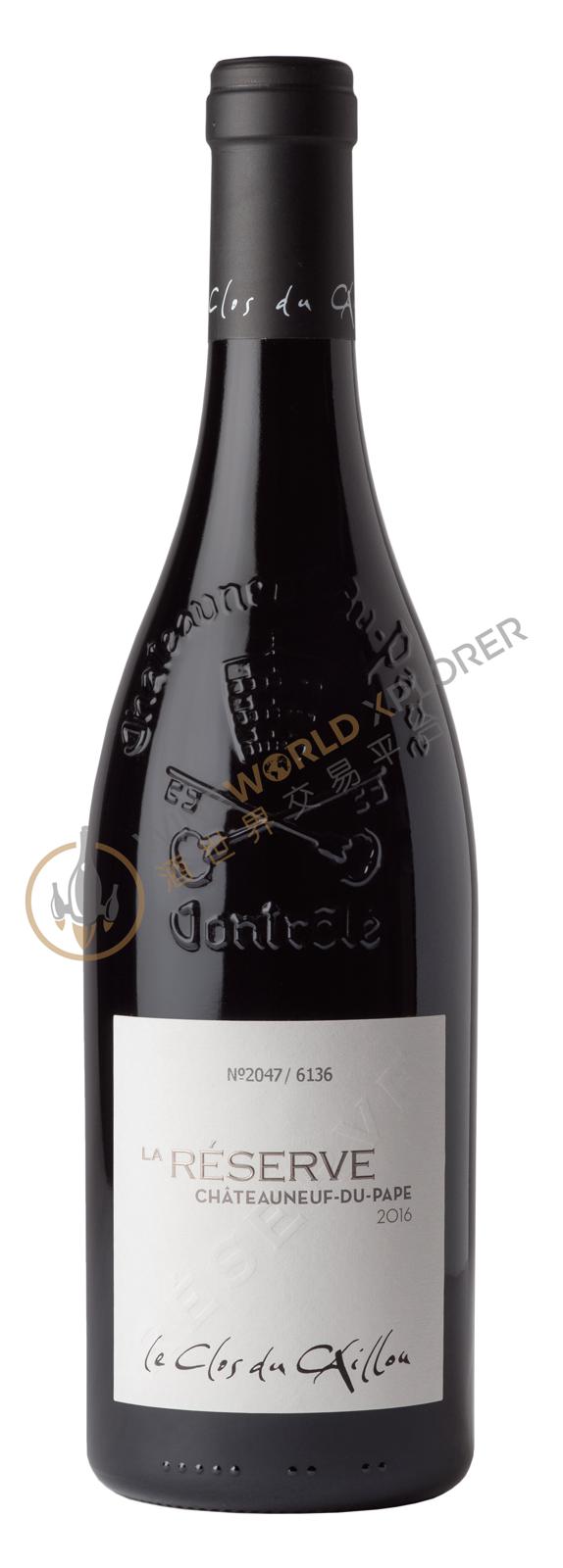
Le Clos du Caillou, Chateauneuf Du Pape La Reserve 2018
 View analysis


Description
Tasting notes

Reviewed by: Joe Czerwinski
Hints of cedar and vanilla appear on the nose of the 2018 Chateauneuf du Pape La Reserve, which is aged in demi-muids (20% new), adding a human-derived aspect to the mouthwatering notes of cherries and raspberries. It's full-bodied, silky and even almost lacy in texture, delivering intense pleasure on the palate without excess weight, then lingering on the finish, where the red-fruit flavors come to the fore, practically vibrating in intensity. Because of the effects of mildew on the Grenache, this vintage is just over 50% Mourvèdre.
Reviewed by: Joe Czerwinski
The 2018 Chateauneuf du Pape La Reserve is actually just under 50% Grenache. With the rampant mildew this vintage, Mourvèdre accounts for the majority of this wine, which is normally a 60-40 blend favoring Grenache. Despite that, it remains dominated by red fruit. Raspberries and cherries are accented by hints of tree bark and cedar (it's aged in demi-muids, 20% of which are new) on the nose, while the full-bodied palate is silky and lush, rich yet airy. The finish lingers elegantly, picking up hints of baking spices and licorice.
Reviewed by: Josh Raynolds
Bright ruby. A highly complex and deeply perfumed bouquet evokes ripe, spice-tinged red/blue fruits, candied flowers, garrigue and licorice. A smoky mineral nuance builds as the wine opens up. Stains the palate with concentrated cherry cola, black raspberry, vanilla and fruitcake flavors supported by a core of juicy acidity. Conveys a suave marriage of depth and energy. It finishes extremely long and precise, with slowly emerging, chewy tannins and resonating florality and spiciness. The Mourvèdre is showing itself here.
Reviewed by: Josh Raynolds
Limpid ruby-red. An assertively perfumed, expansive bouquet evokes ripe red berries, cherry preserves, exotic spices and incense, with bright floral and mineral nuances emerging as the wine opens up. Utterly stains the palate with sweet raspberry preserve, cherry pie, allspice, candied licorice and lavender flavors that suavely convey both power and finesse. Smooth, harmonious tannins build very slowly through the floral- and spice-dominated finish which shows absolutely no rough edges. This wine is shaping up to be monumental. (aged in demi-muids for 18 months)
About the Producer
Our vineyard is rich of traditional red variety, such as Mourvèdre, Syrah, Cinsault, Carignan, Counoise and also some white variety: Viognier, Roussanne, Clairette, Bourboulenc, without forgetting the Grenache, native god red and white. Grounds are worked in the respect of the nature, by regular ploughing without weedkiller and without chemical produce, using only phytosanitary treatment of sulfur and copper in a lower quantity. Grapes are picked by hand and sorting at the vineyard. Grape varieties are vinified separately to respect their own character, aromas and originality. The red vinification is usually preceded by a cold maceration during few days. Pomp-over, punch-down and delestage are made during all the maceration (1 month to 40 days depending on the vintage and the cuvee). The alcoholic maceration start naturally by the wild yeast present on the grapes. We use stainless tanks for the vinification of the white and rose wine and wooden and cement tank for the vinification of the red. Red wines are then aged in foudres and in oak barrels during one year and more, in the underground cellar, built in the safres, with a natural temperature (13 to 15°C). Foudres and demi-muids composed the maturing cellar. Natural cultural practices at Le Clos du Caillou have been started with Claude Pouizin in 1950 : regular plough, organic compost. Since the early years of the vineyard, we put all our efforts to work in a natural way. Thats is why, Jean-Denis Vacheron started the organic agriculture when he arrived on the vineyard in 1996. We got the certification on 2010 vintage. To continue our philosophy, we engage in 2007 in biodynamic agriculture. It permits to produce qualitative grapes by improving the fertility of the soils. Today, it is of major importance to give back to the soils their total vitality. These practices permitted to give to our vines a new youth thanks to the use of horn-manure and silica preparations, sprayed in the vines while respecting the rythm of the cosmos and the nature cycle.