Wine Advisor



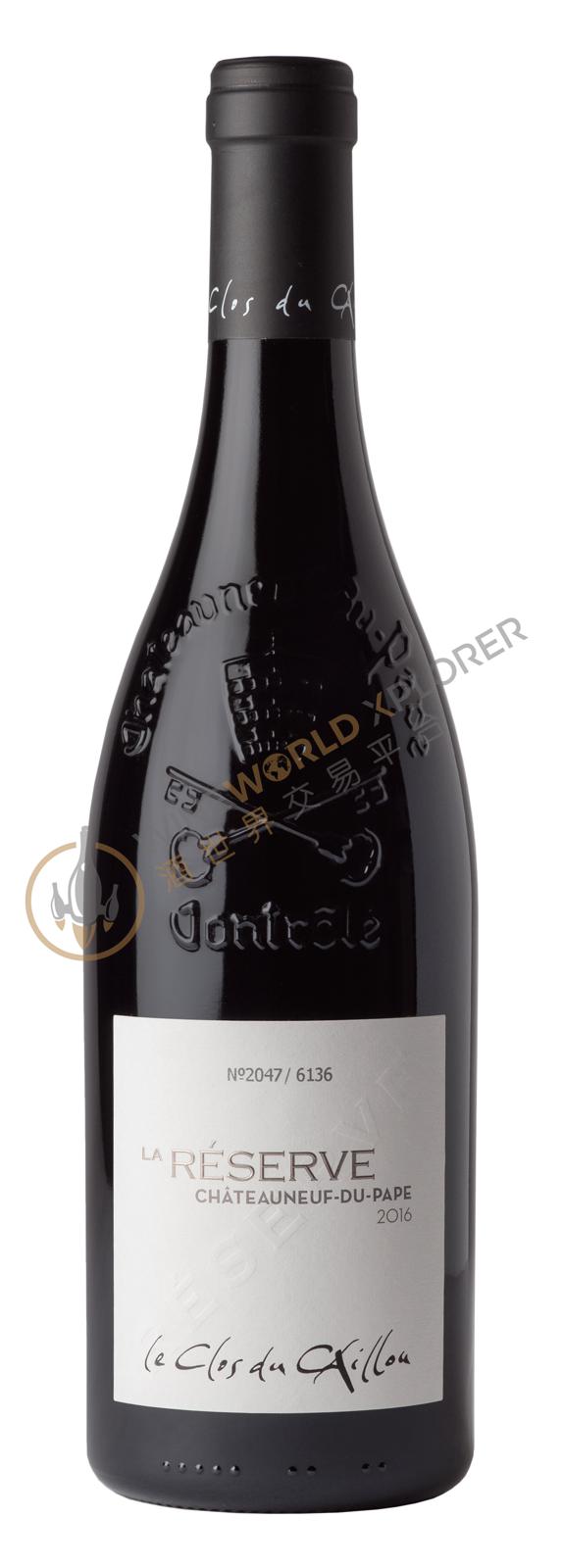
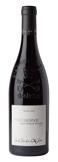
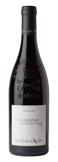
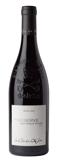
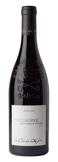
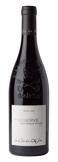
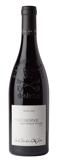
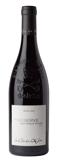
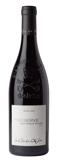
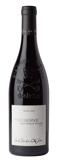
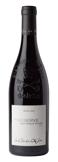
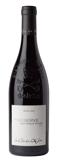
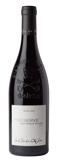
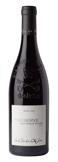
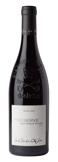
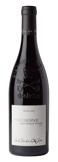
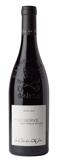
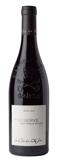
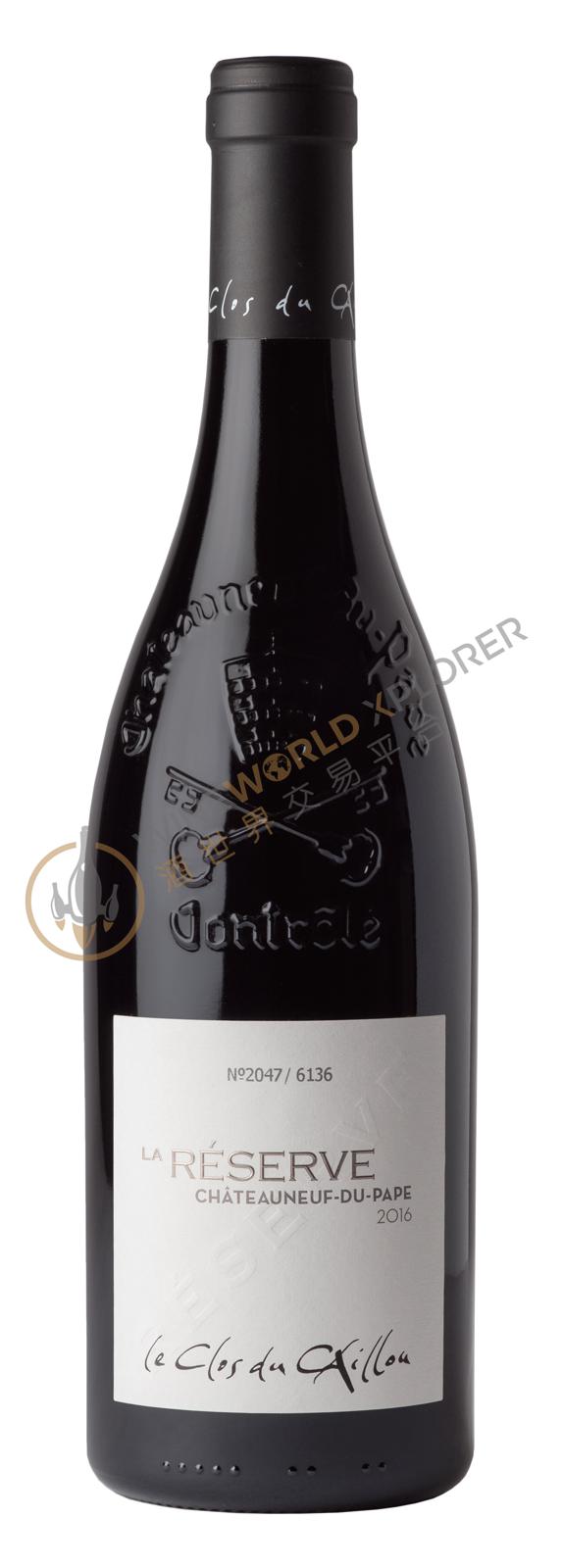
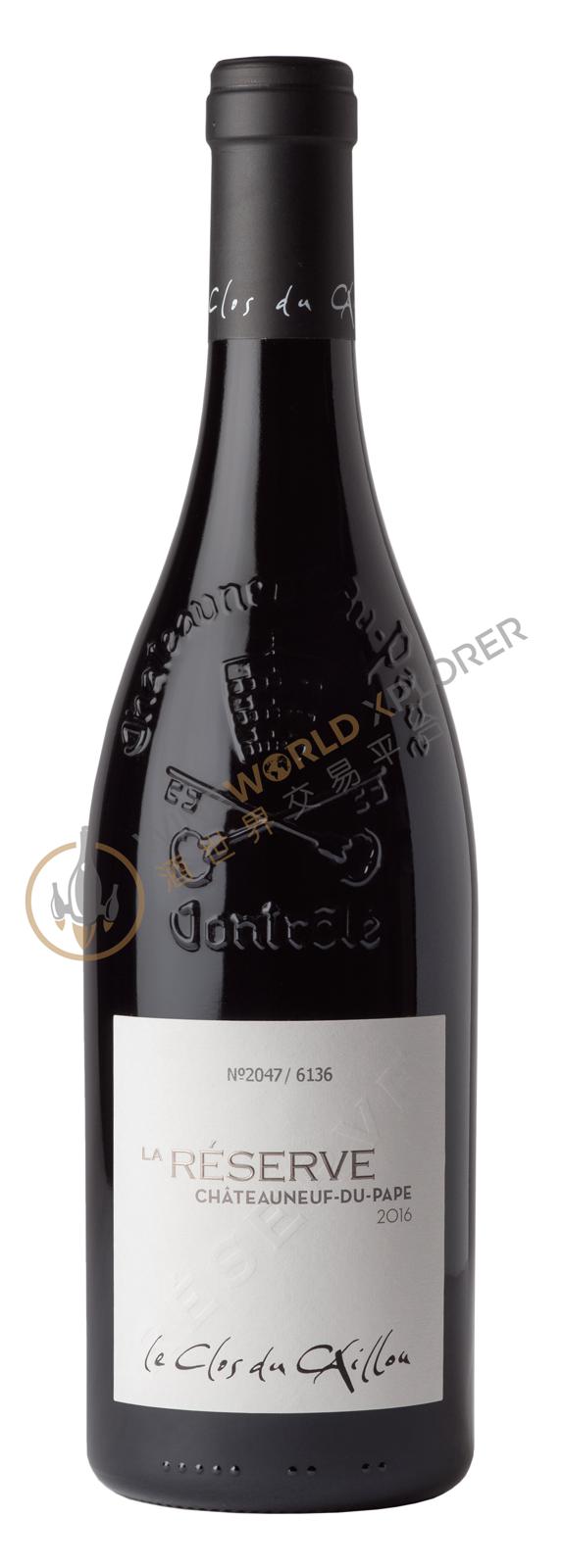
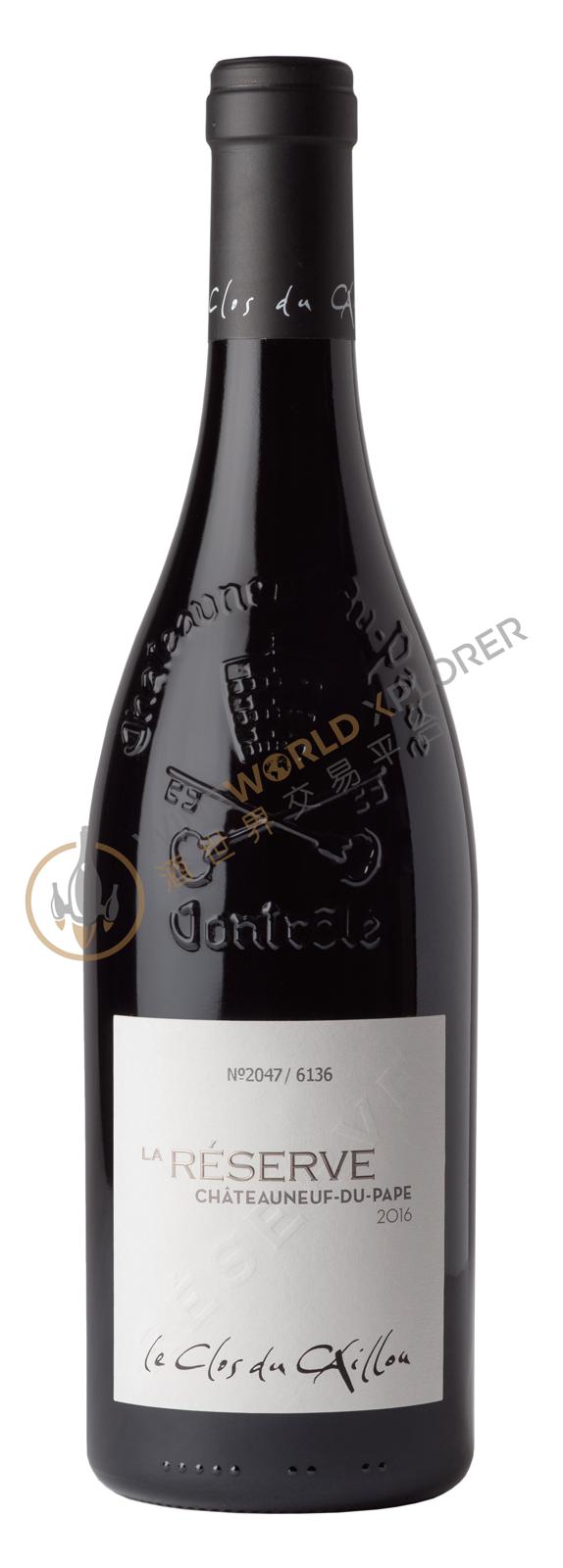
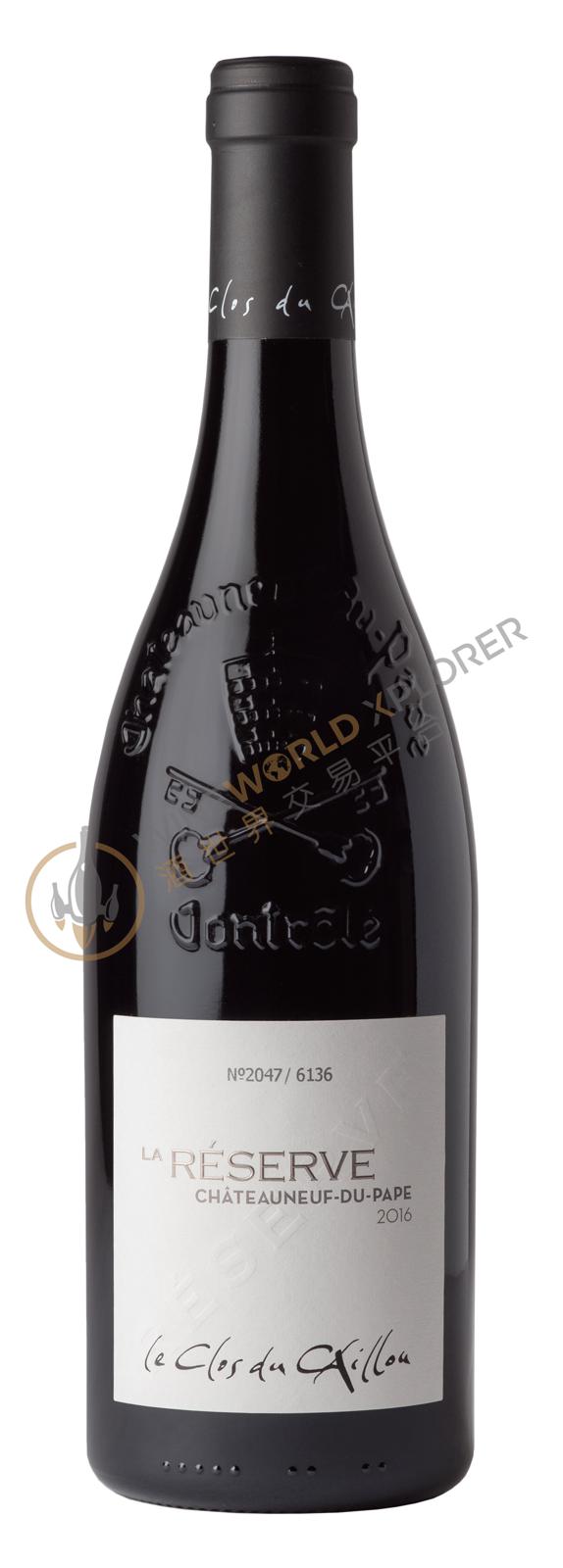
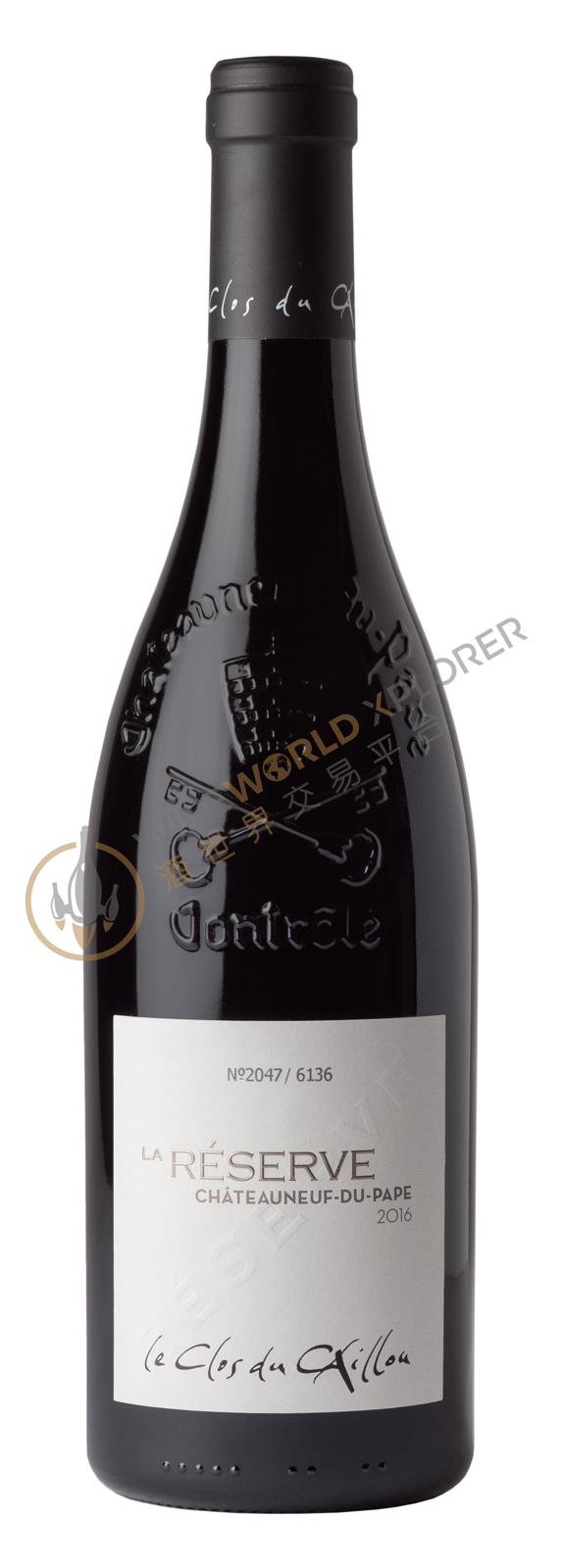
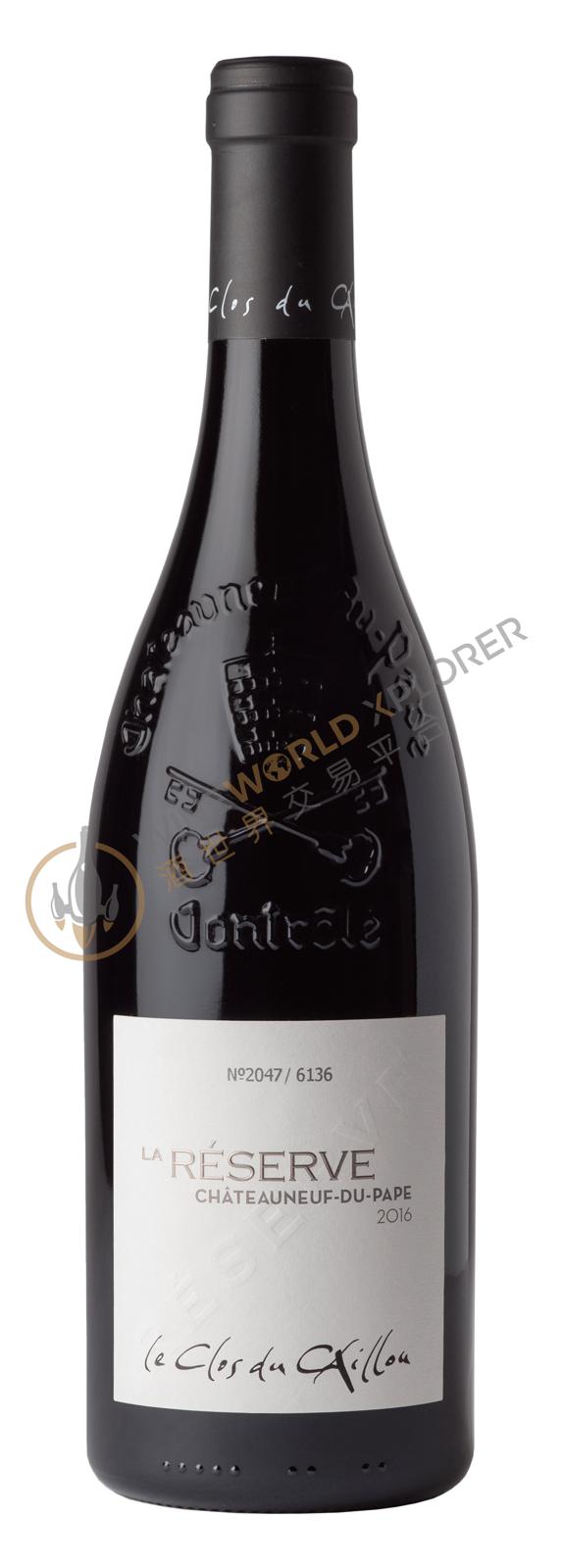
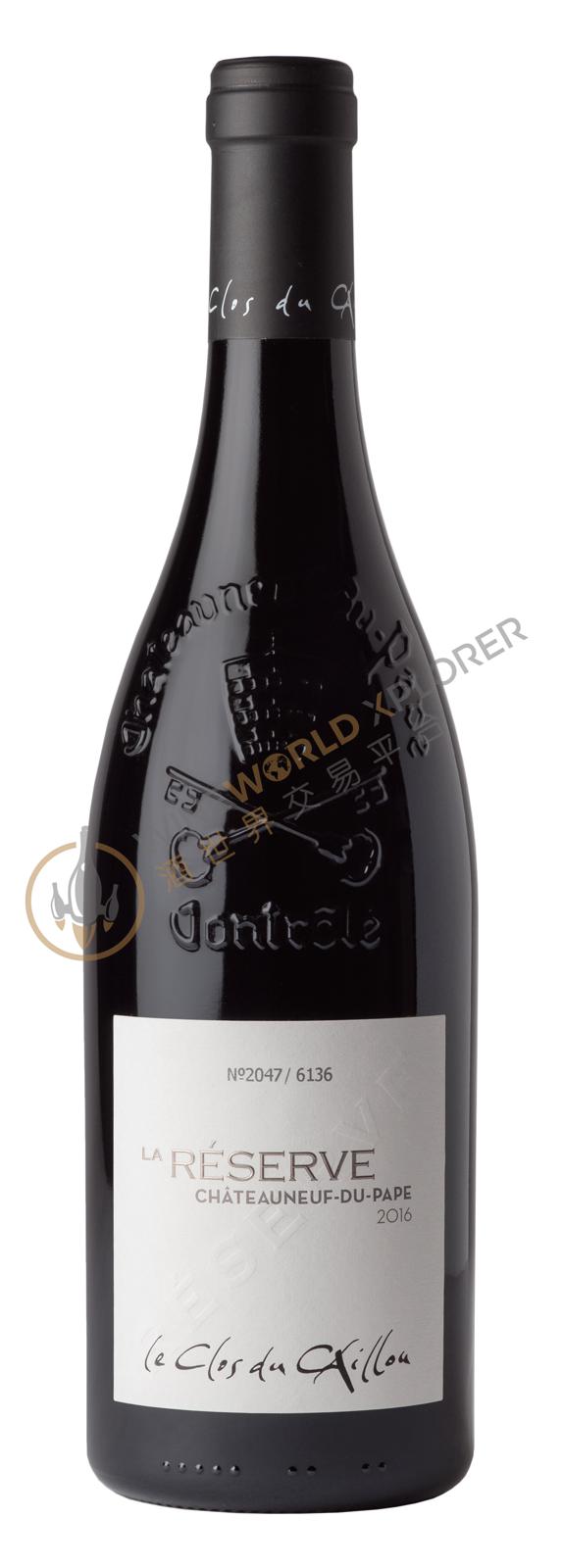
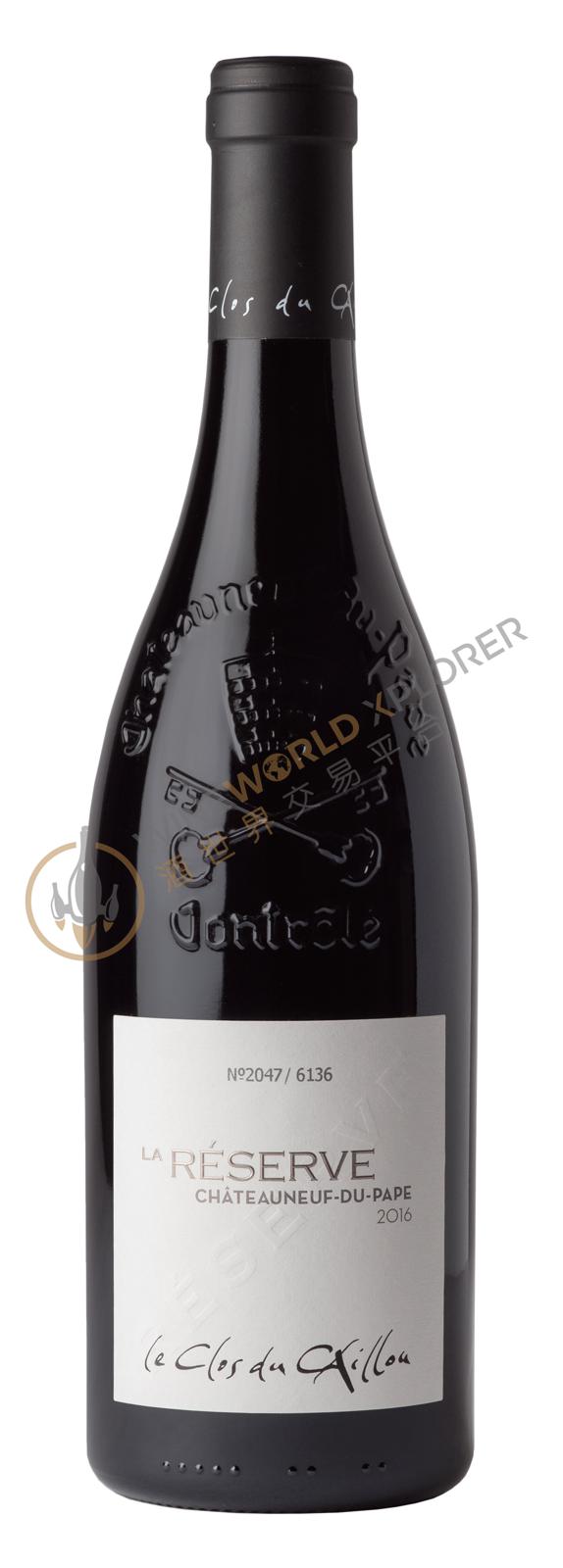
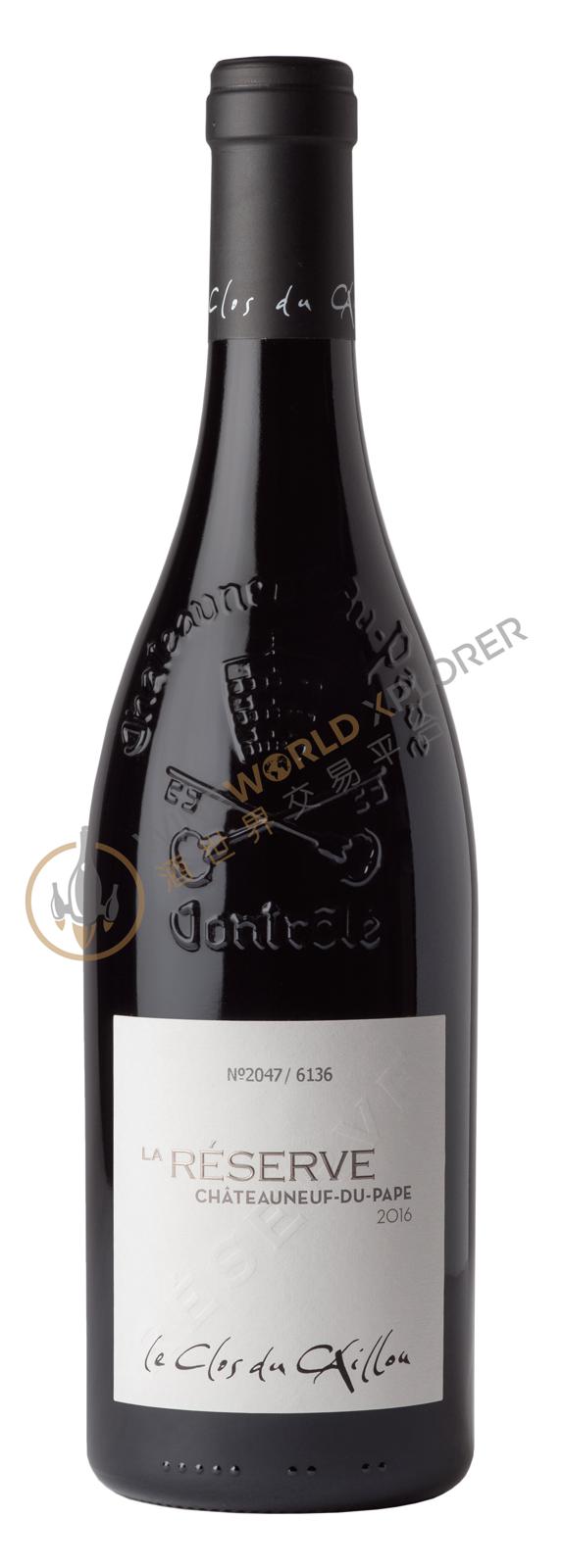
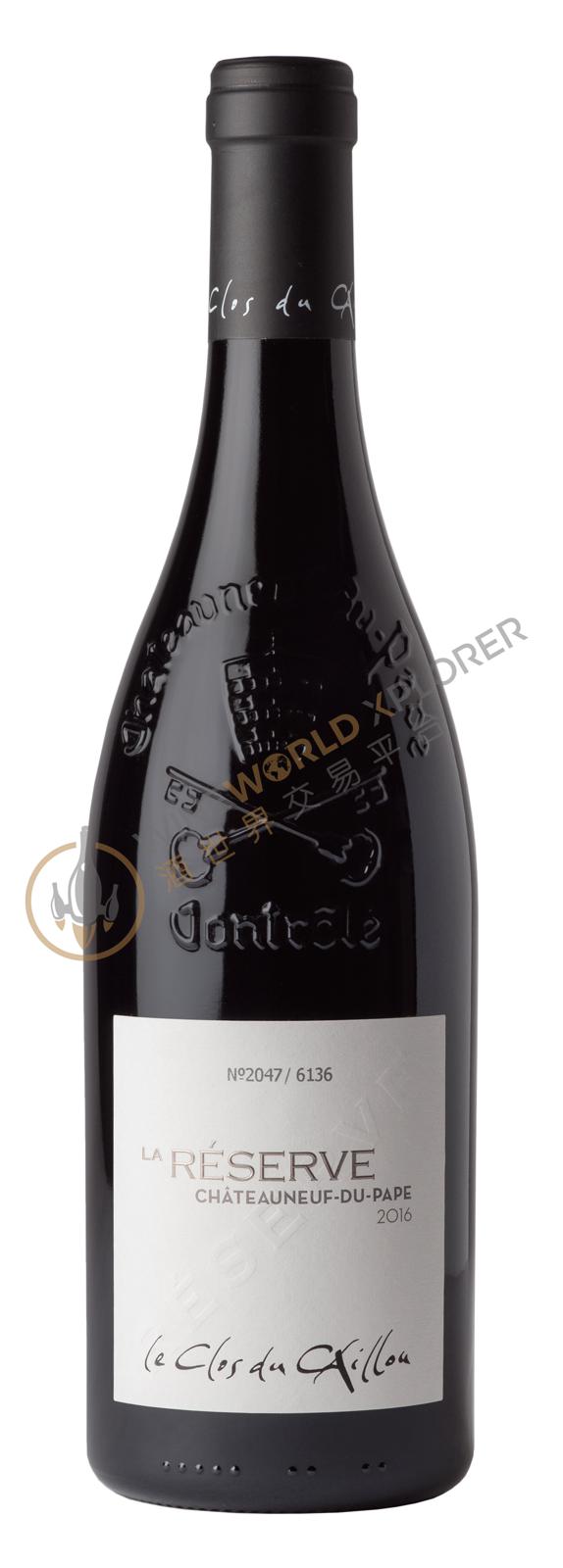
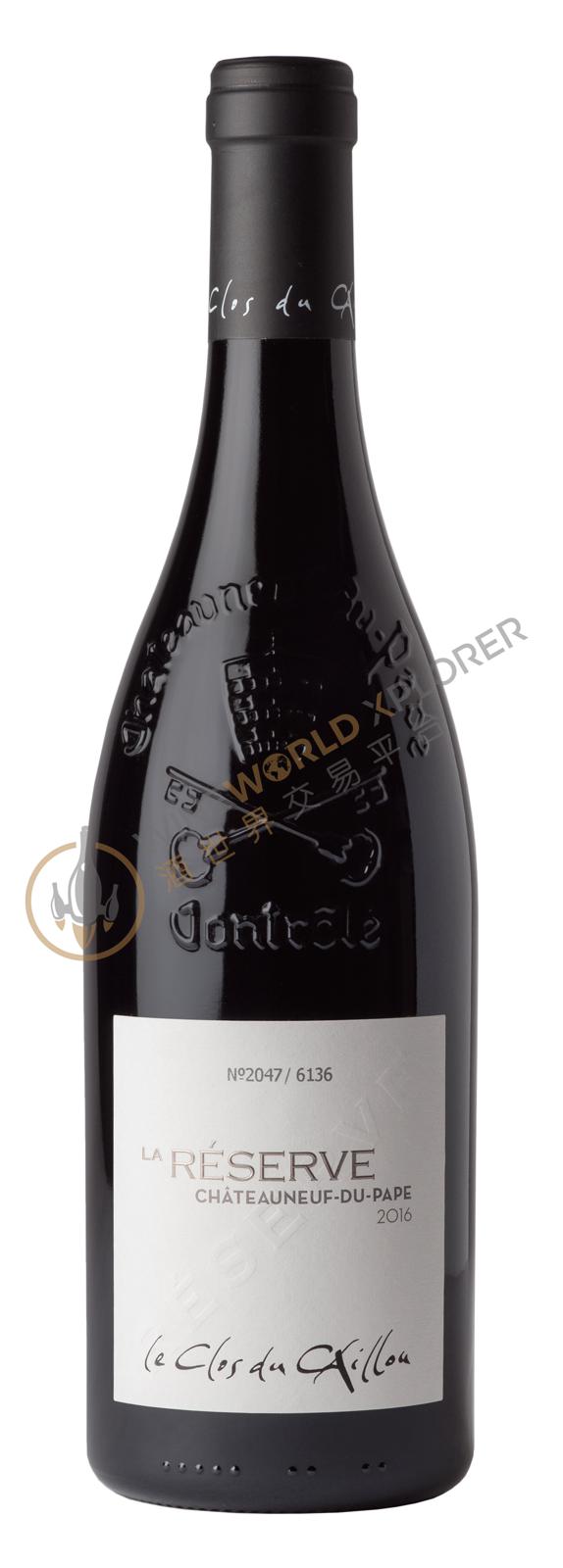
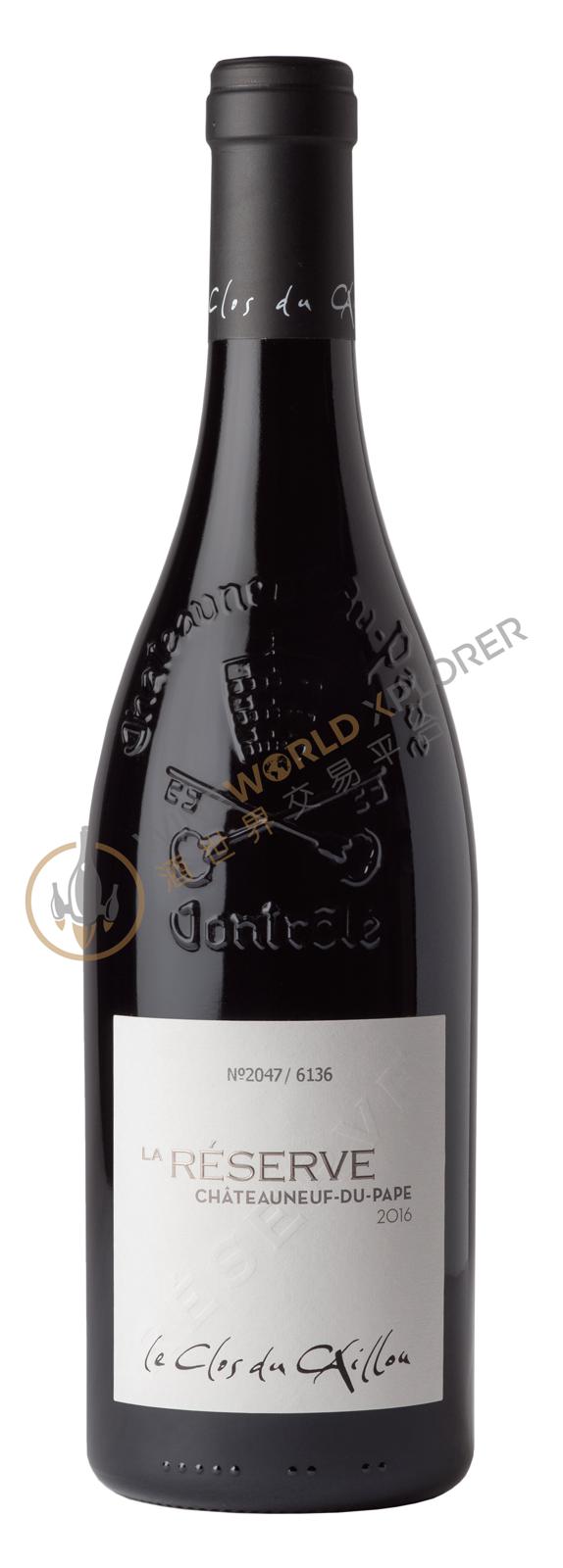
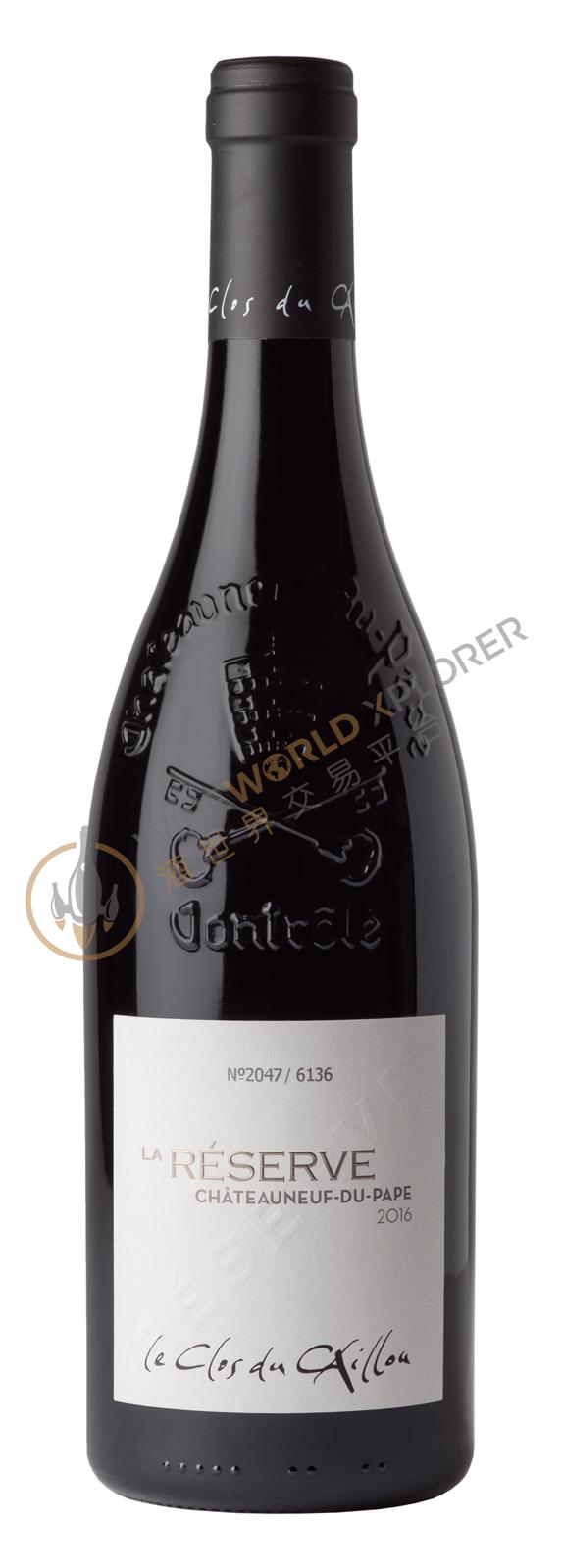
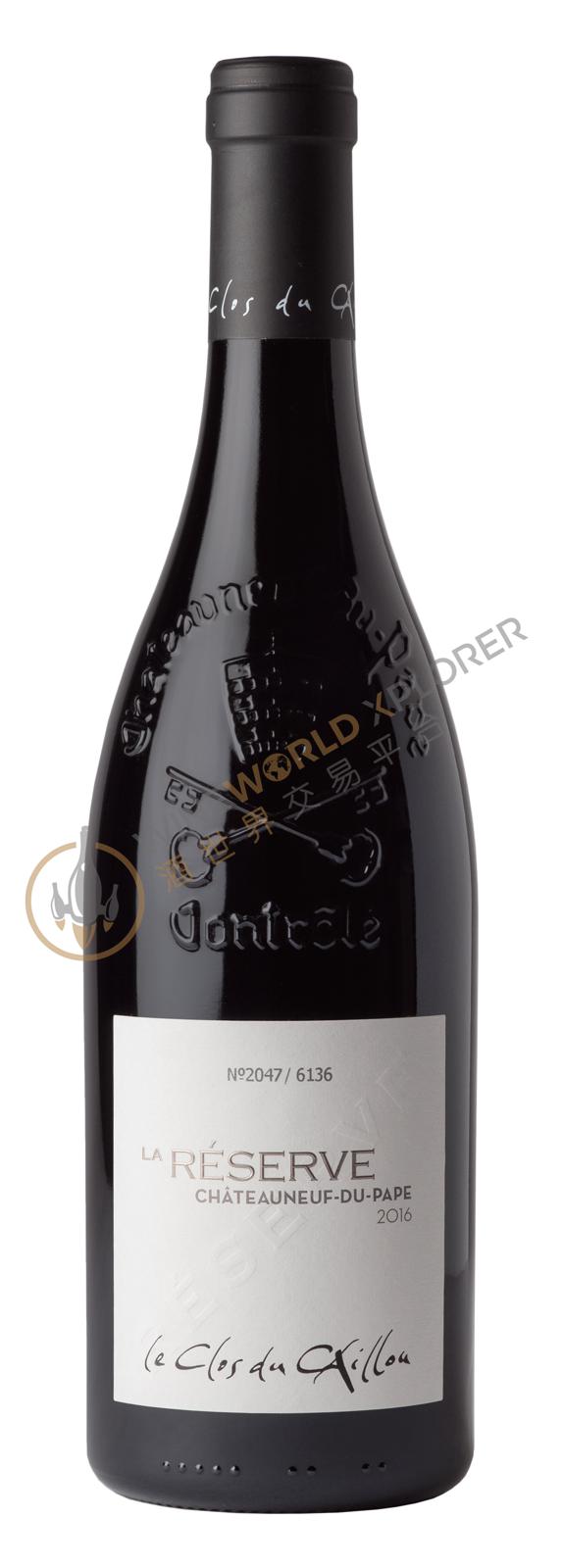
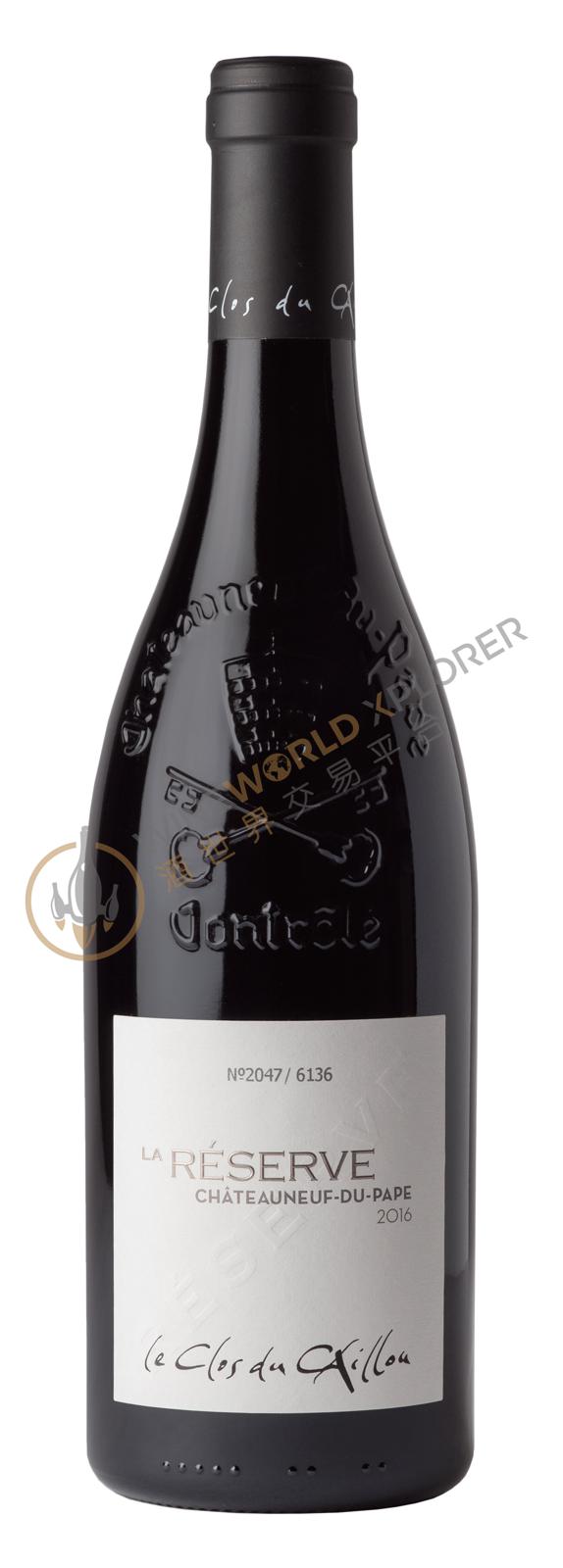
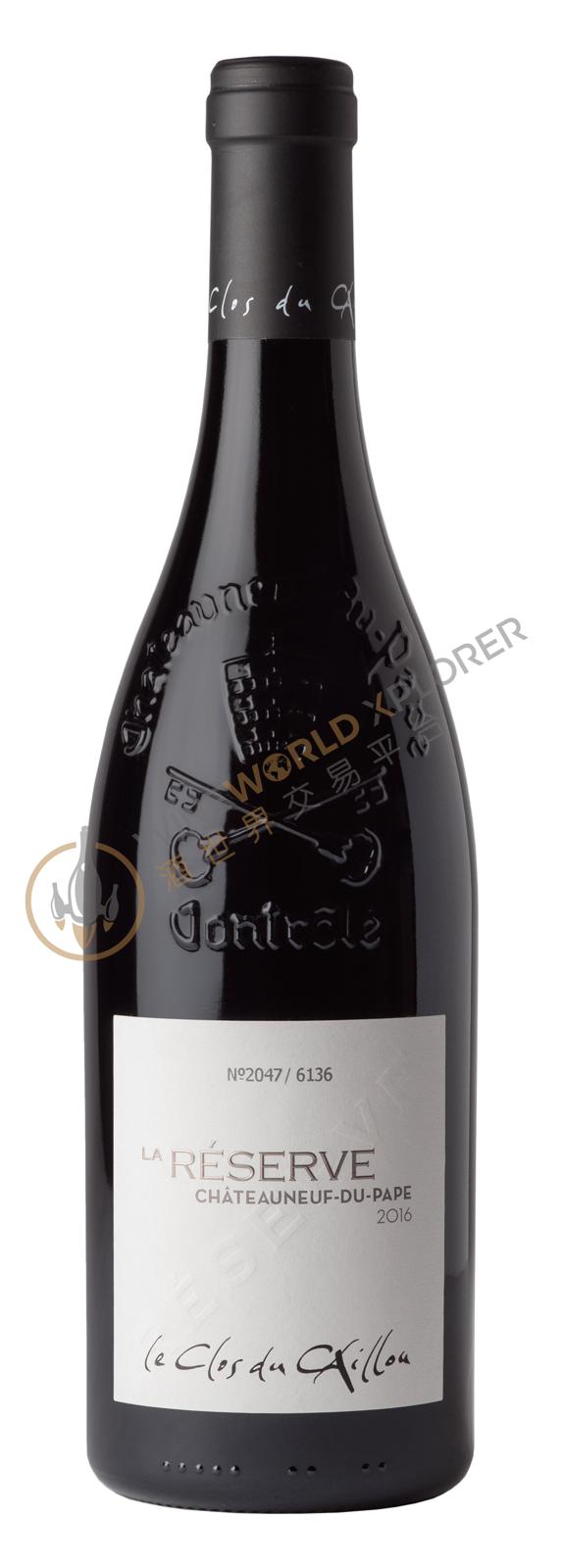
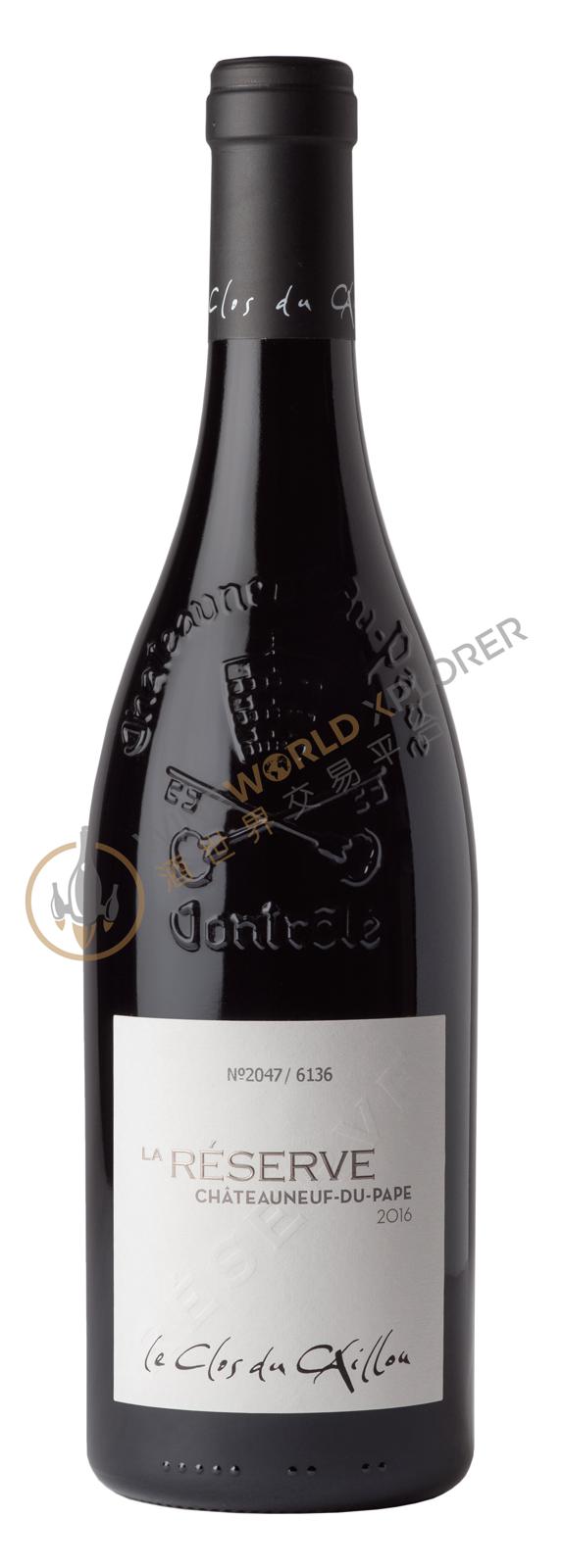
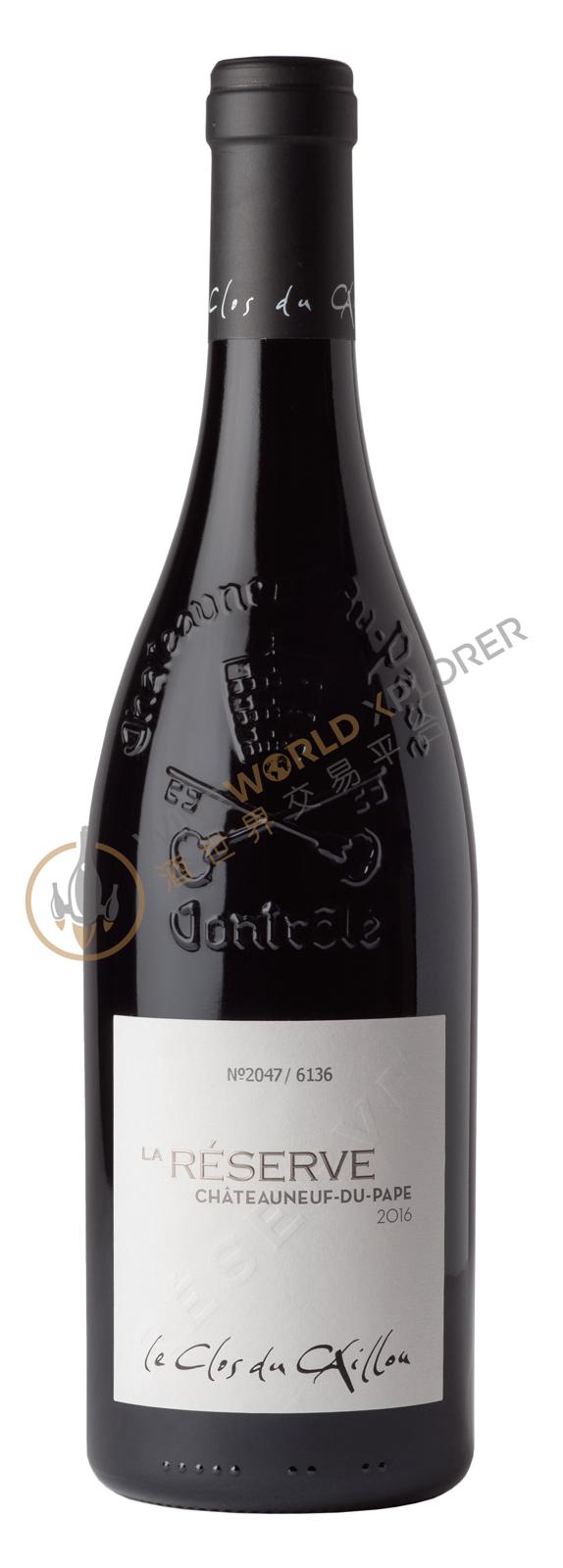
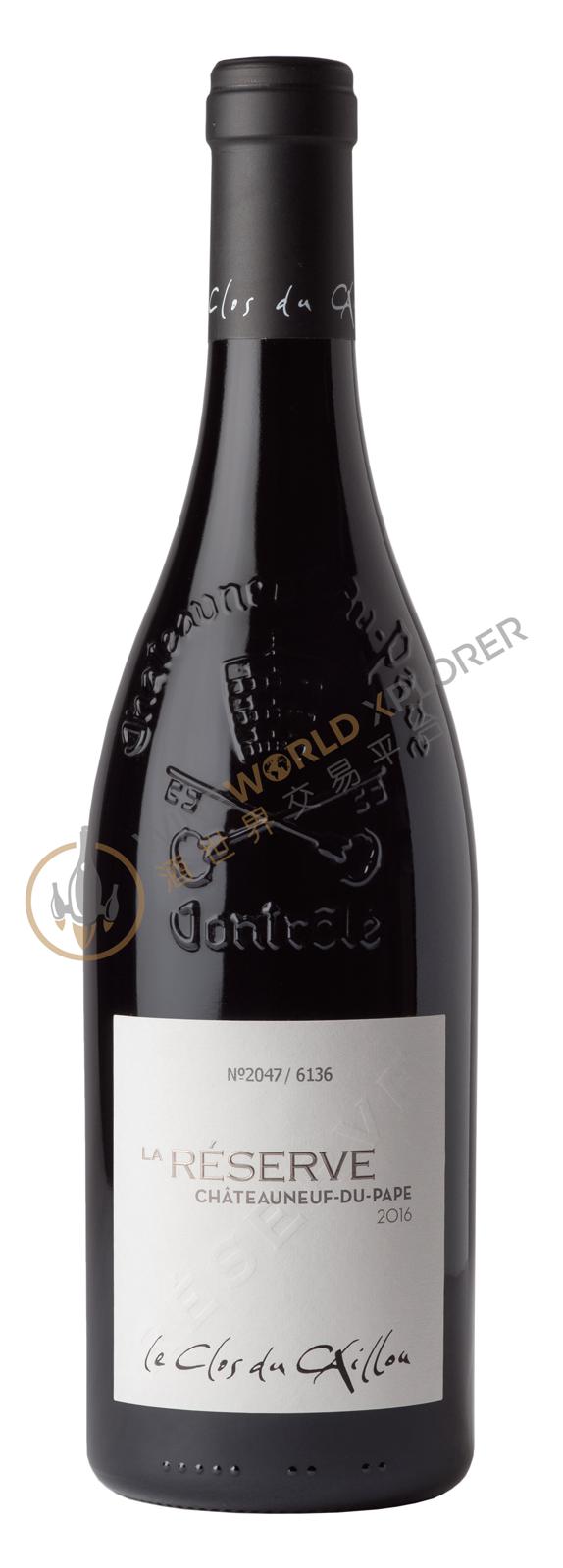
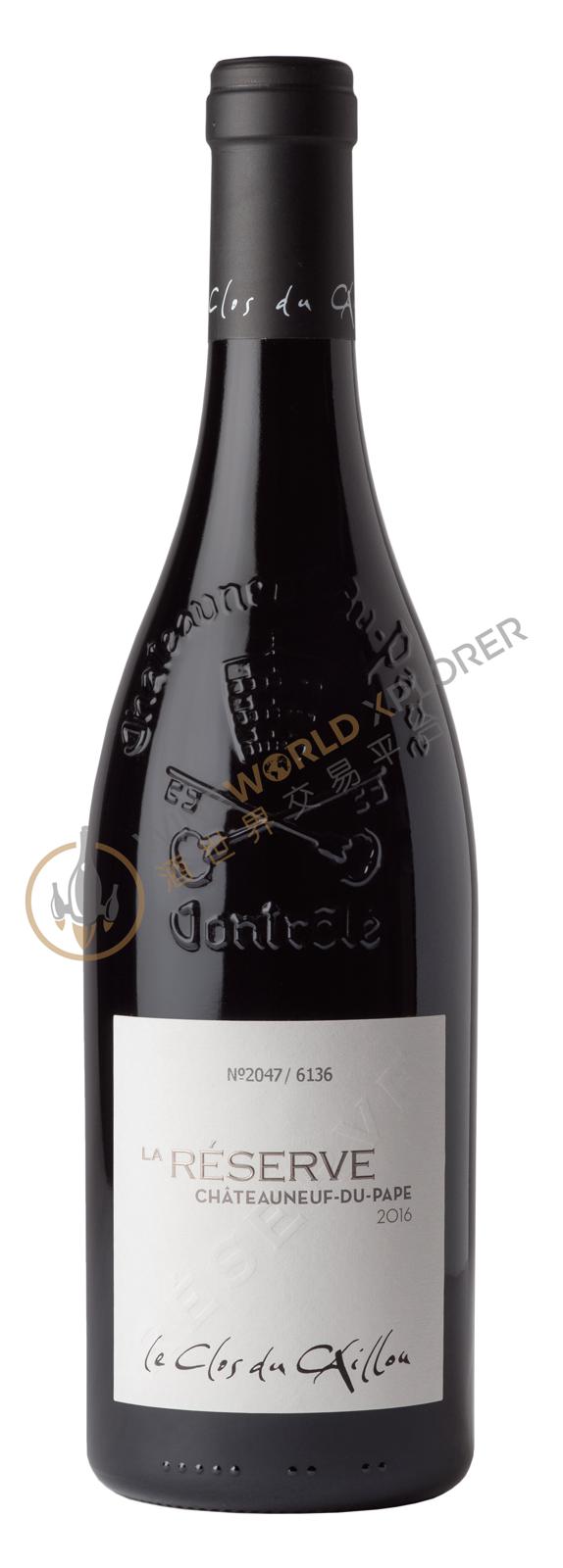
Le Clos du Caillou, Chateauneuf Du Pape La Reserve 2012
 View analysis


Description
Tasting notes

Reviewed by: Jeb Dunnuck
Lastly, the 2012 Châteauneuf du Pape Reserve le Clos du Caillou is a classic example of this cuvee. Made from 60% Grenache and 40% Mourvedre, aged all in demi-muid, it offers ample dark fruits, chocolate, bouquet garni and licorice in its full-bodied, supple, forward and elegantly styled profile. As with all of the 2012s here, the tannin is wonderfully ripe, the wine has solid concentration and everything is perfectly balanced. While it’s hard to resist already, it will be better with short-term cellaring and have 15+ years of overall longevity.
Reviewed by: Jeb Dunnuck
Tasted as a barrel sample, the 2012 Chateauneuf du Pape Le Clos du Caillou Reserve is flat out gorgeous. Meaty and rich, with floral-tinged notes of blackberry, raspberry, melted licorice, ground garrigue and roasted meats, this full-bodied, rich and decadent effort has perfect integration of its fruit, acidity and tannin, with no hard edges and building richness. It should benefit from short-term cellaring and have upward of two decades of longevity. Drink 2016-2032. Located in the northeastern part of Chateauneuf du Pape, and covering 22 acres in the appellation and 110 acres in Cotes du Rhone (most of which are situated around the estate and bordering Chateauneuf du Pape), this benchmark estate is run by Sylvie Vacheron, with Bruno Gaspard assisted by Aude Perch and oenologist Philippe Cambie making the wines. The winemaking here is mostly traditional, yet spans the spectrum with some of their top wines seeing time in some new barrels. While the wines emphasize fruit and texture, they never lose their Southern Rhone souls and age beautifully. The vineyards have been farmed biodynamically since 2003, and the estate was certified Organic in 2010. This is an absolutely stunning set of wines by this team. Moving to the reds, both 2011 and 2012 are very strong here, with the 2011s easily being some of the finest wines in the vintage. Looking at the Chateauneuf du Pape Les Quartz cuvee, which, like the Cotes du Rhone Les Quartz, comes mostly from the rolled pebble soils the region is known for. It is normally a blend of 85% foudre-aged Grenache and 15% barrel-aged Syrah. Compared to the Les Safres, this cuvee is normally more concentrated and structured, with big fruit and an exuberant personality. The most modern-styled of the lineup and coming all from sandy soils (Pignan and Guigasse lieux-dits) and seeing a touch of new demi-muid, the Reserve le Clos du Caillou is always a blend of roughly 60% Grenache and 40% Mourvedre. Importers: North Berkeley Imports, Berkeley, CA; tel. (510) 848-8910; Dionysos Imports, Manassas, VA; tel. (703) 392-7073; Import Wines, Middleton, WI; tel. (608) 833-8622; and Domaine Select Wine Estates, New York, NY; tel. (212) 279-0799
Reviewed by: Josh Raynolds
Inky ruby. Explosive aromas of red and dark berries are complicated by suggestions of star anise, potpourri and smoky minerals. Rich yet lithe on the palate, offering sweet black raspberry and cola flavors and an intense note of candied lavender. Made in a rich yet graceful style, finishing with superb clarity and length and sneaky tannins that come on late. One of my favorite wines of the vintage and almost shockingly approachable now.
Reviewed by: Josh Raynolds
Opaque ruby. Expressive cherry compote, incense and licorice aromas are complemented by potpourri, vanilla and smoky minerals. Seamless, juicy and deep, offering expansive black raspberry and cherry-vanilla flavors and a suave floral pastille quality. Shows impressive density with zero excess weight, finishing sweet, broad and very long. Potentially one of the wines of the vintage.
About the Producer
Our vineyard is rich of traditional red variety, such as Mourvèdre, Syrah, Cinsault, Carignan, Counoise and also some white variety: Viognier, Roussanne, Clairette, Bourboulenc, without forgetting the Grenache, native god red and white. Grounds are worked in the respect of the nature, by regular ploughing without weedkiller and without chemical produce, using only phytosanitary treatment of sulfur and copper in a lower quantity. Grapes are picked by hand and sorting at the vineyard. Grape varieties are vinified separately to respect their own character, aromas and originality. The red vinification is usually preceded by a cold maceration during few days. Pomp-over, punch-down and delestage are made during all the maceration (1 month to 40 days depending on the vintage and the cuvee). The alcoholic maceration start naturally by the wild yeast present on the grapes. We use stainless tanks for the vinification of the white and rose wine and wooden and cement tank for the vinification of the red. Red wines are then aged in foudres and in oak barrels during one year and more, in the underground cellar, built in the safres, with a natural temperature (13 to 15°C). Foudres and demi-muids composed the maturing cellar. Natural cultural practices at Le Clos du Caillou have been started with Claude Pouizin in 1950 : regular plough, organic compost. Since the early years of the vineyard, we put all our efforts to work in a natural way. Thats is why, Jean-Denis Vacheron started the organic agriculture when he arrived on the vineyard in 1996. We got the certification on 2010 vintage. To continue our philosophy, we engage in 2007 in biodynamic agriculture. It permits to produce qualitative grapes by improving the fertility of the soils. Today, it is of major importance to give back to the soils their total vitality. These practices permitted to give to our vines a new youth thanks to the use of horn-manure and silica preparations, sprayed in the vines while respecting the rythm of the cosmos and the nature cycle.