Wine Advisor



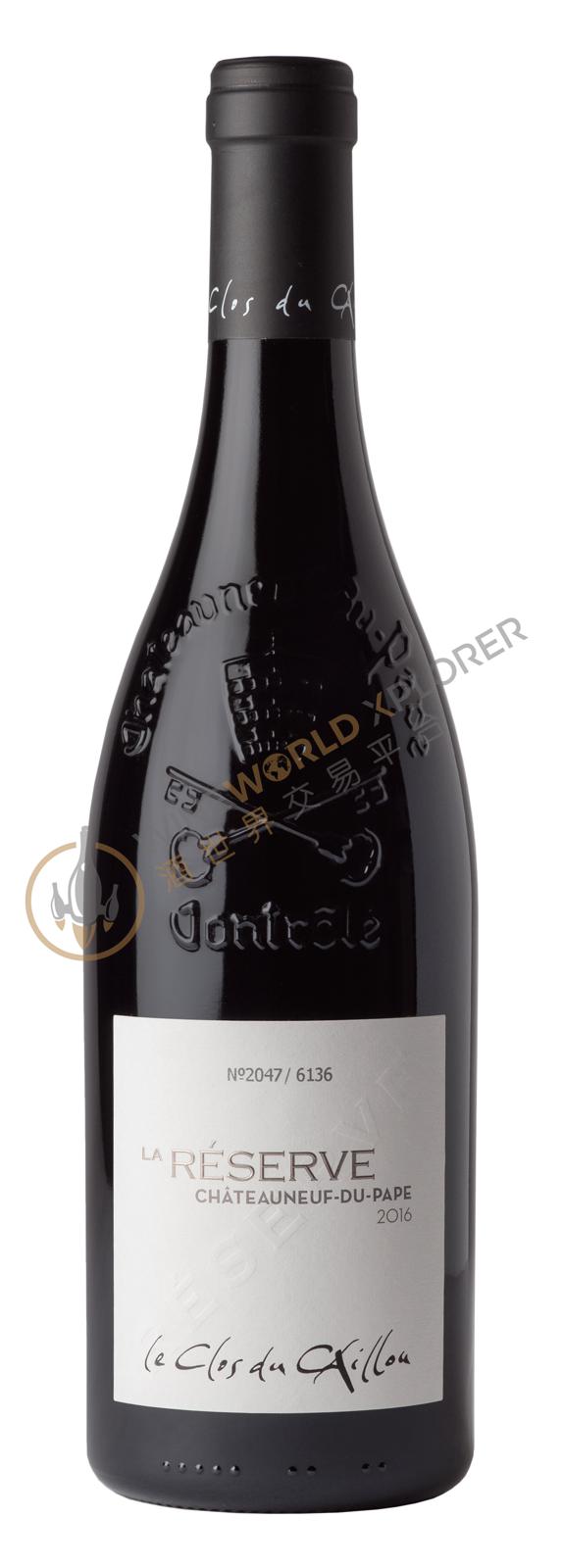
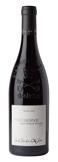
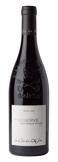
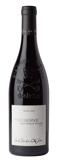
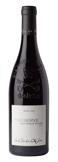
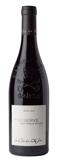
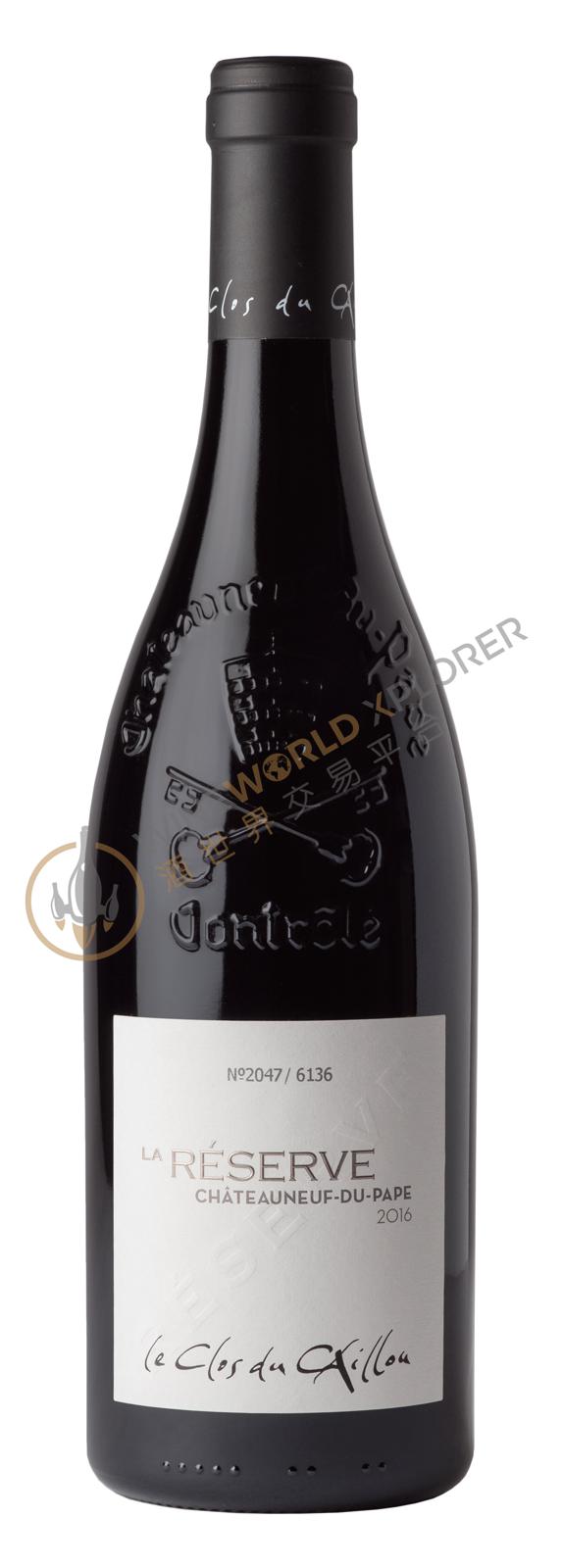
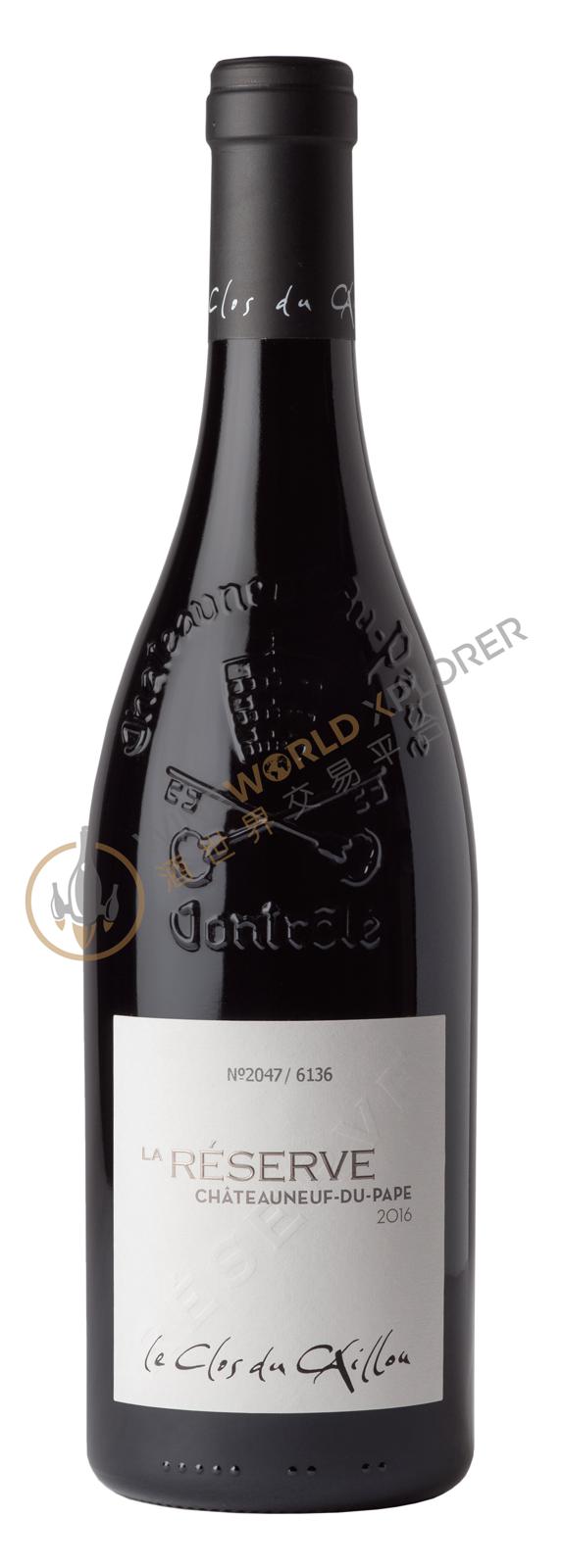
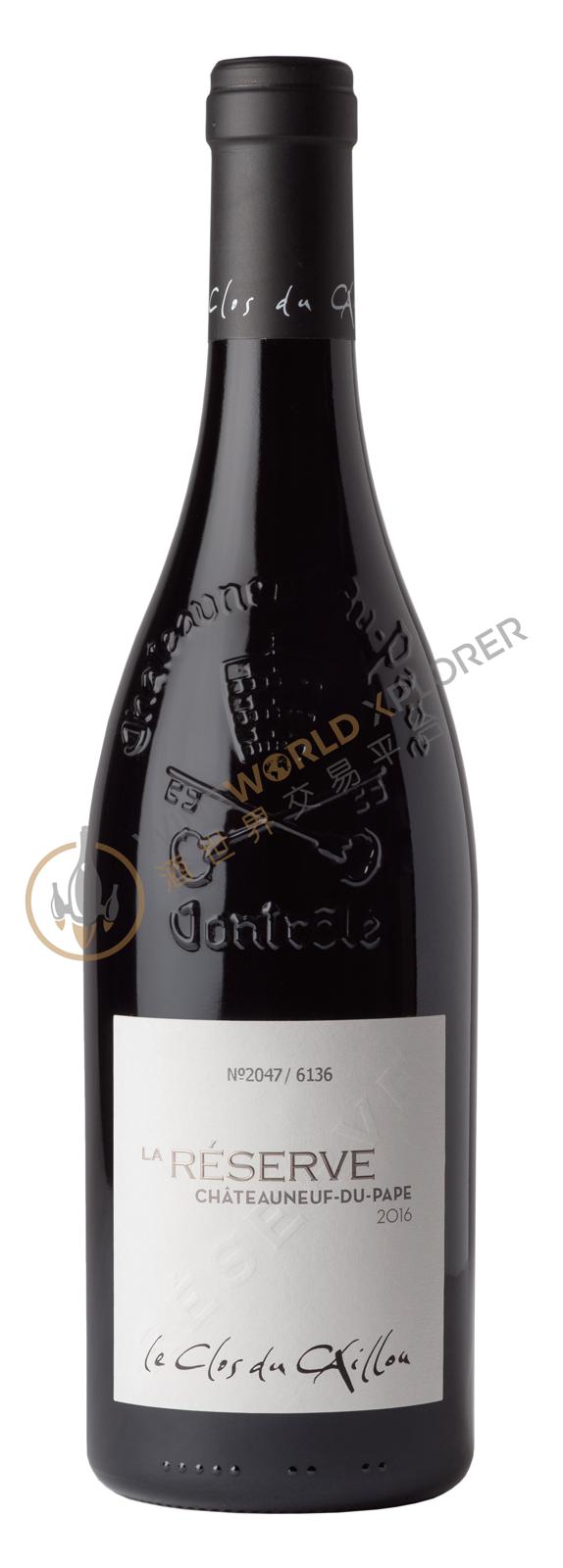
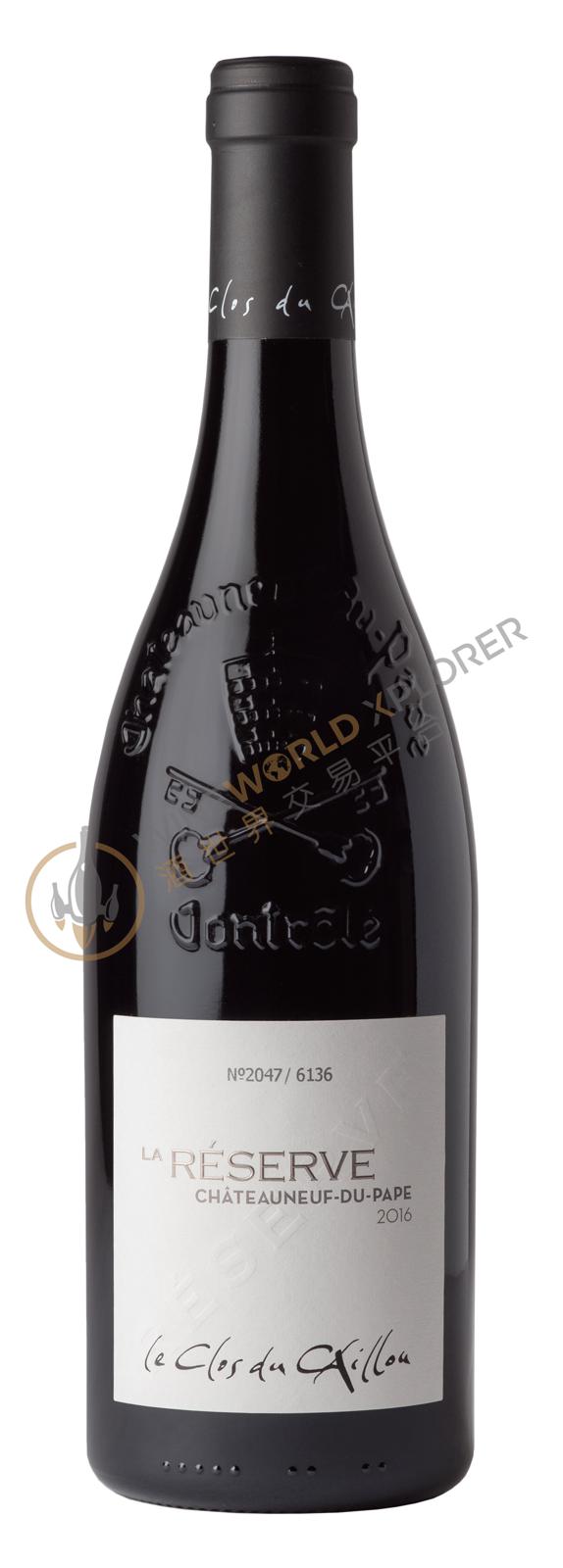
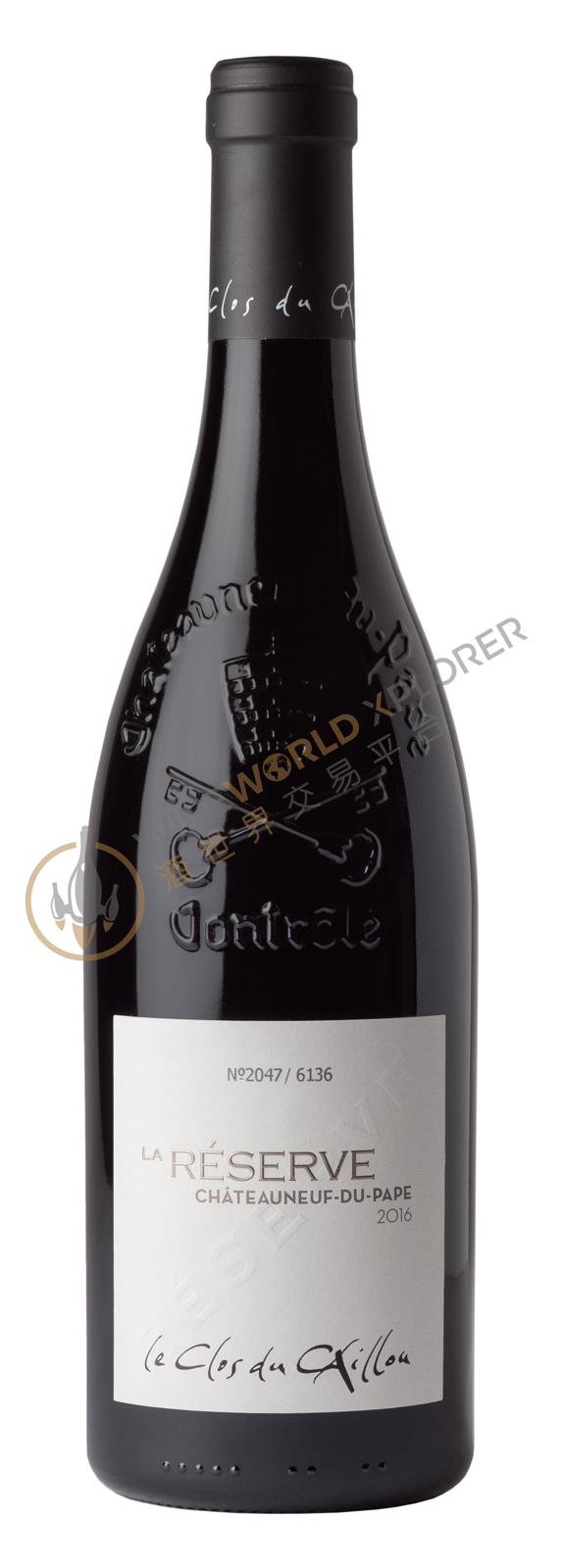
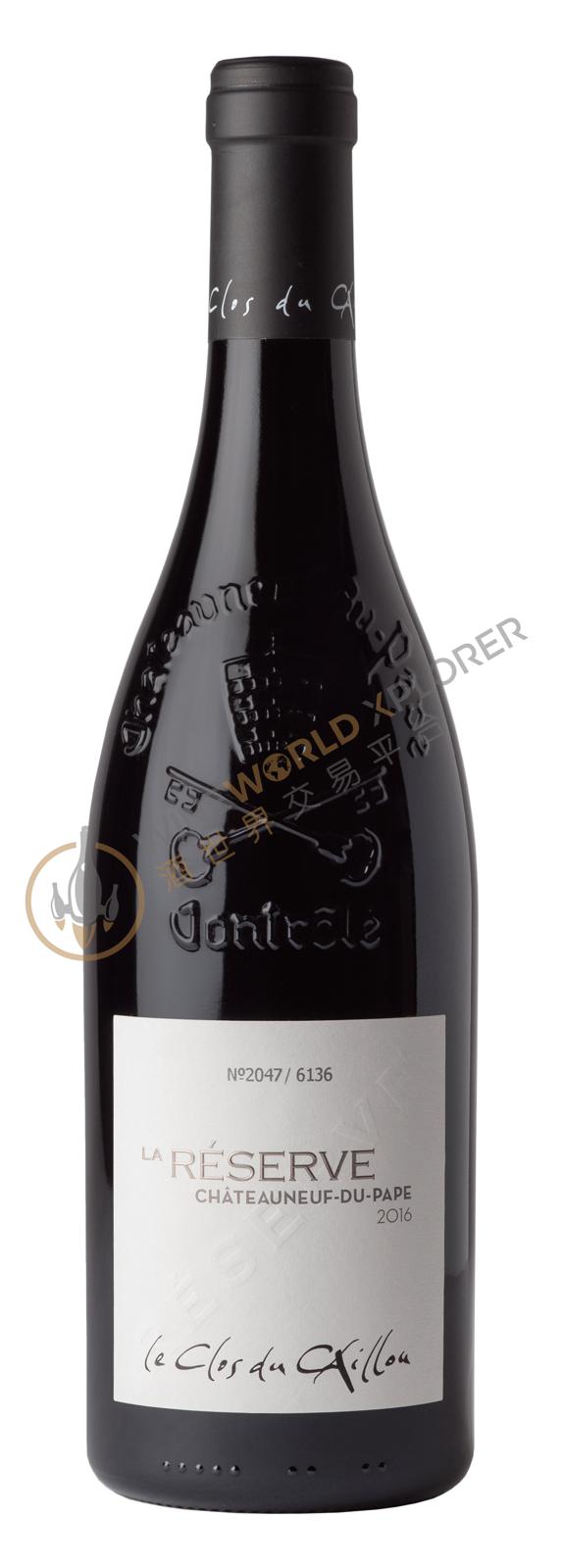
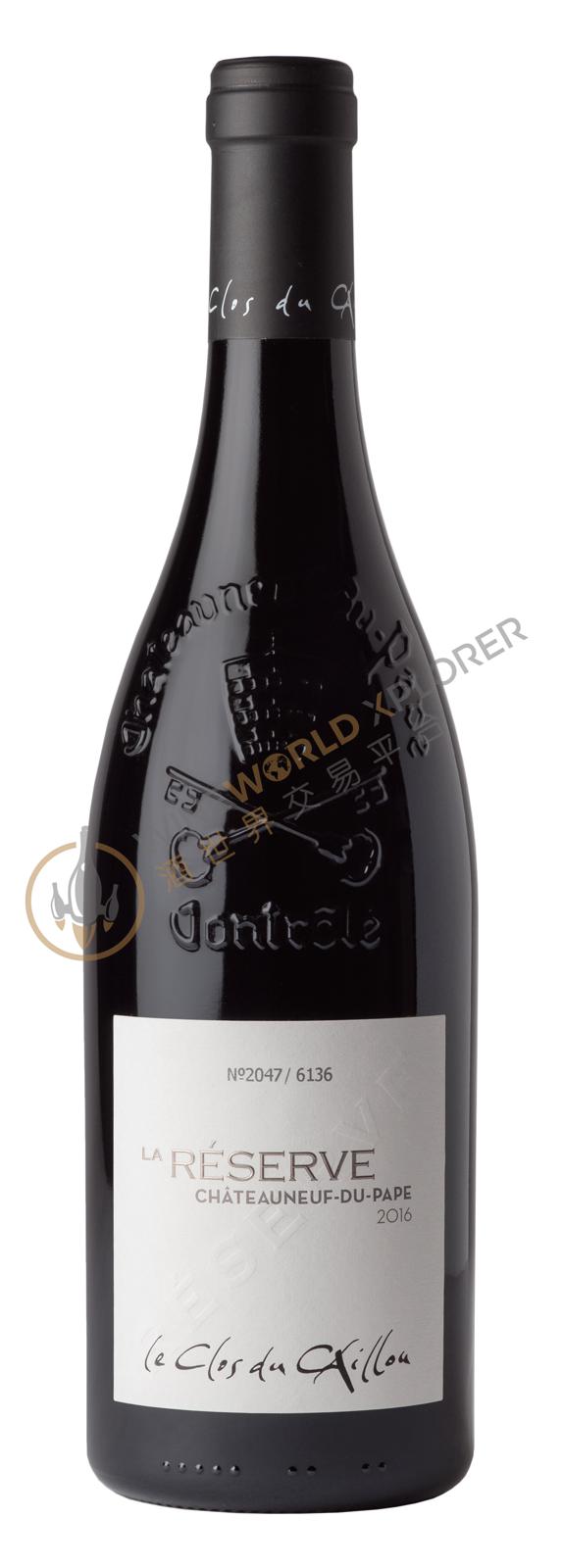
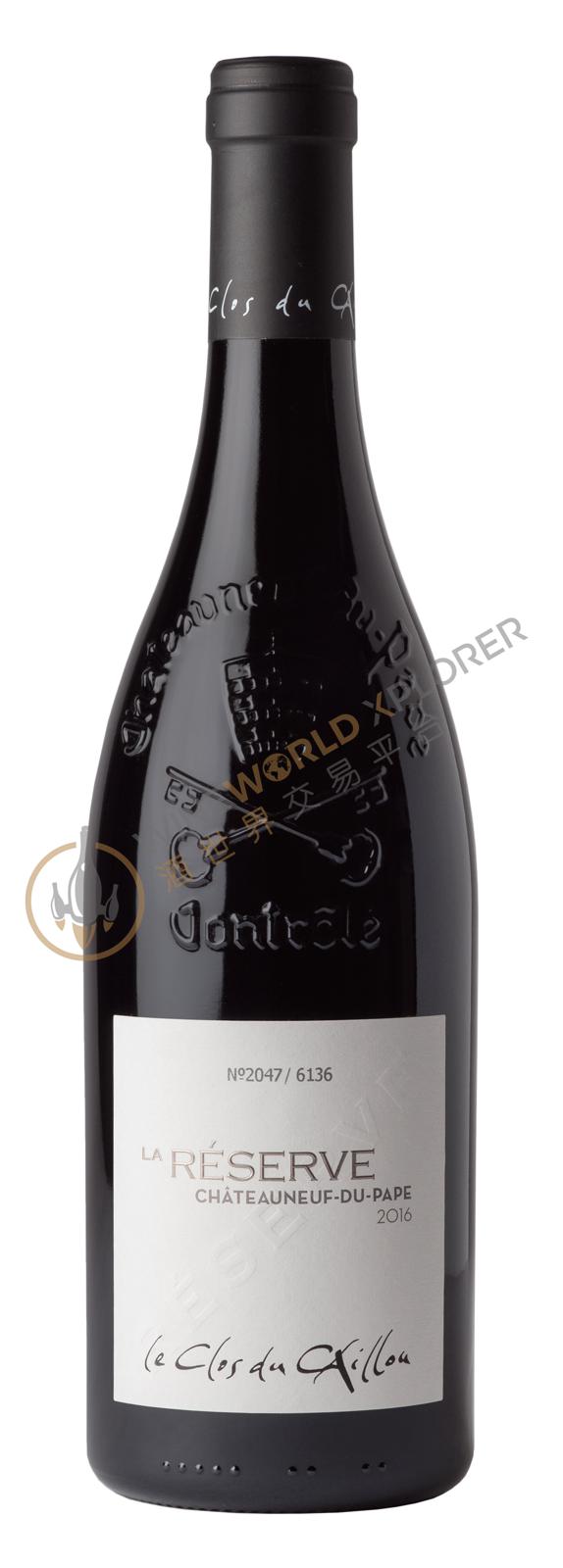
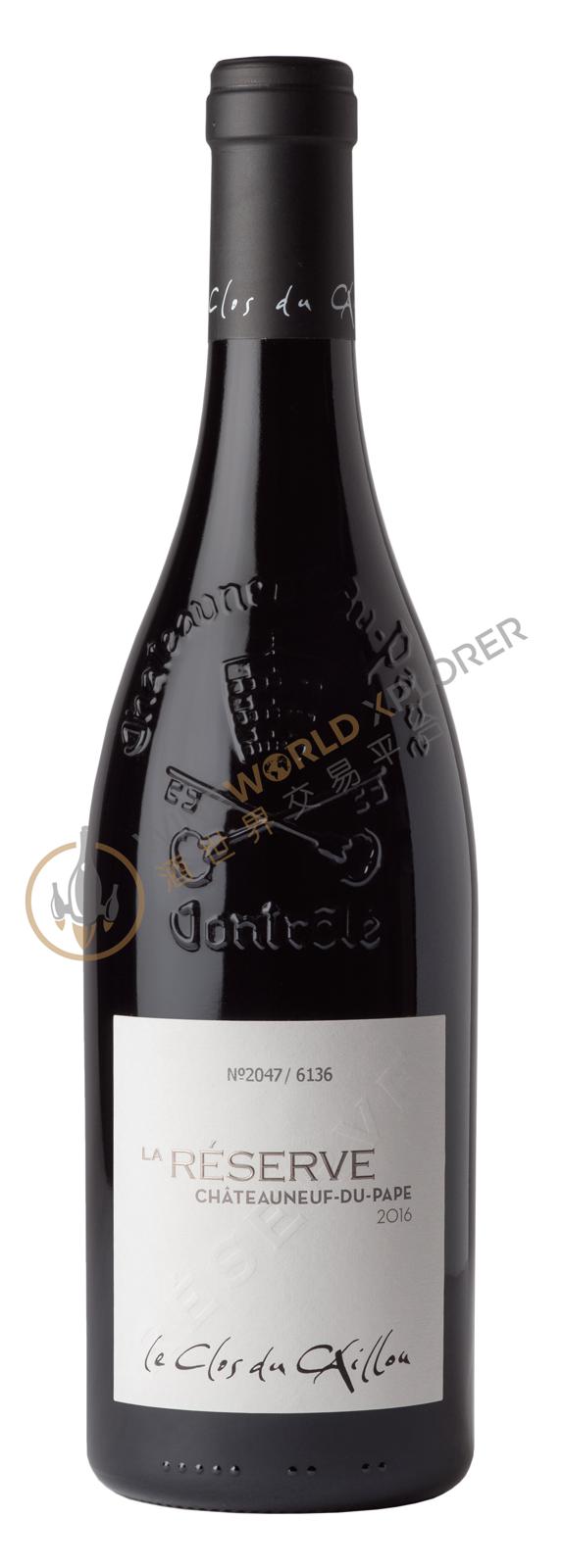
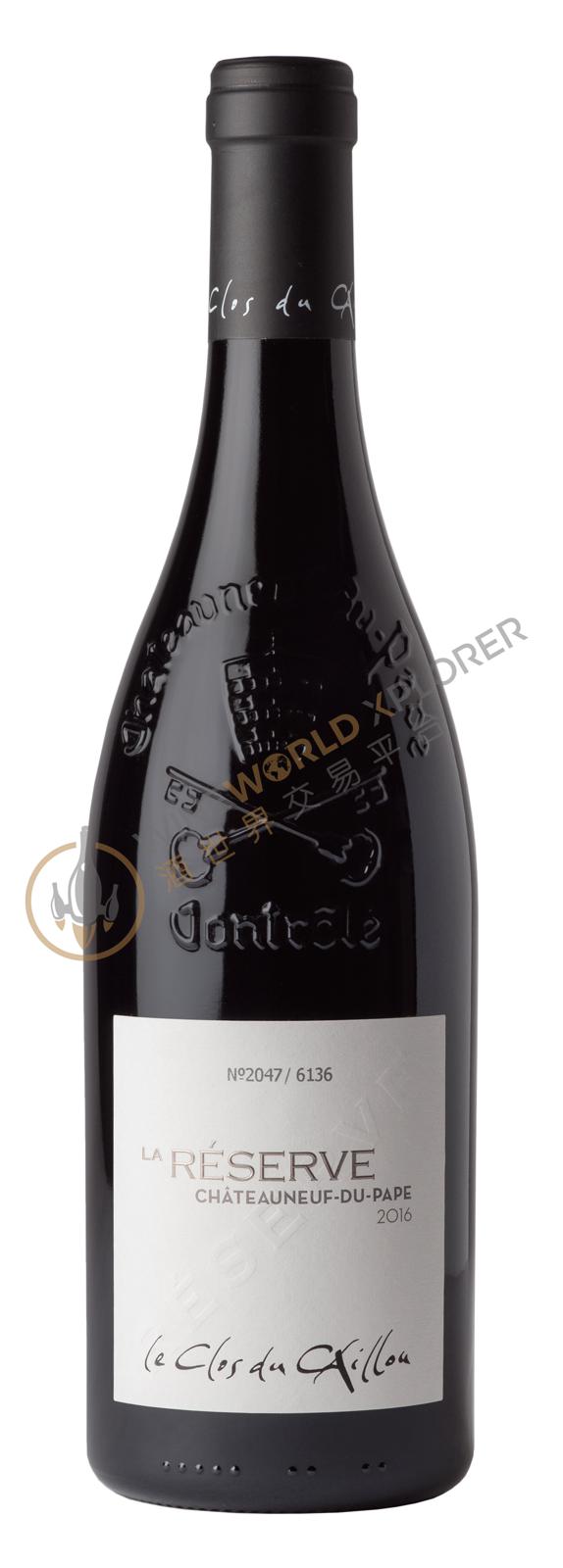
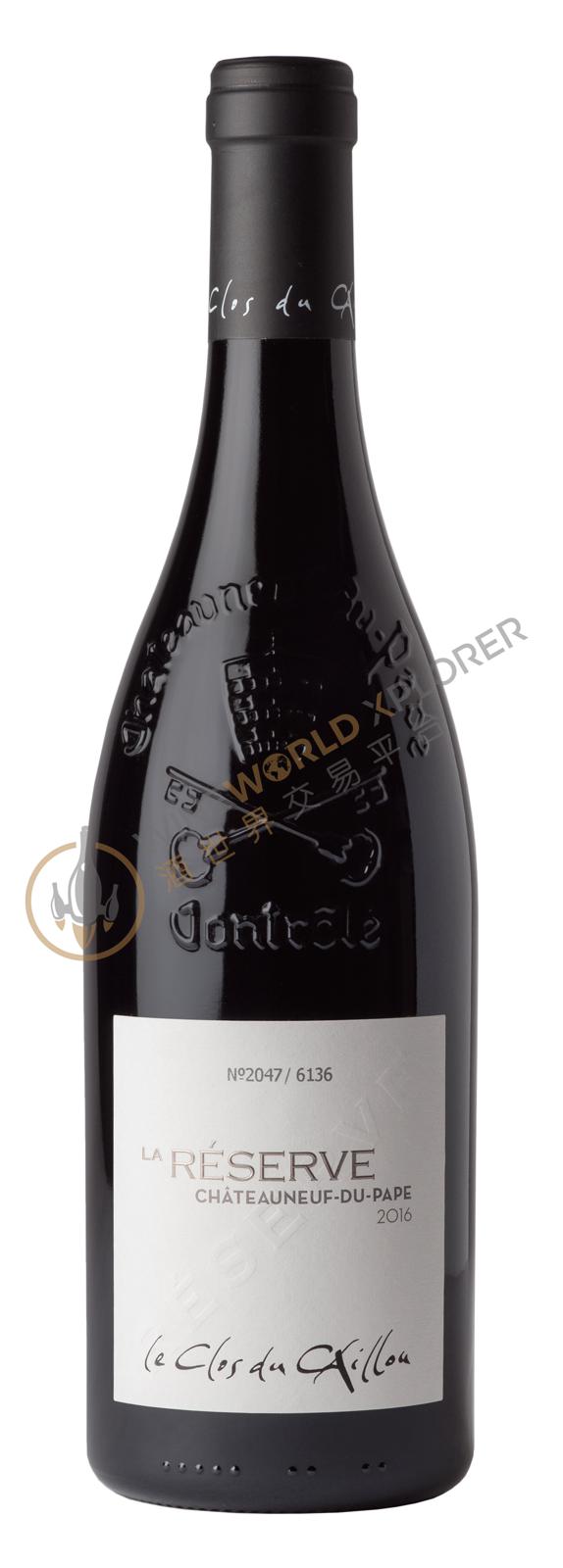
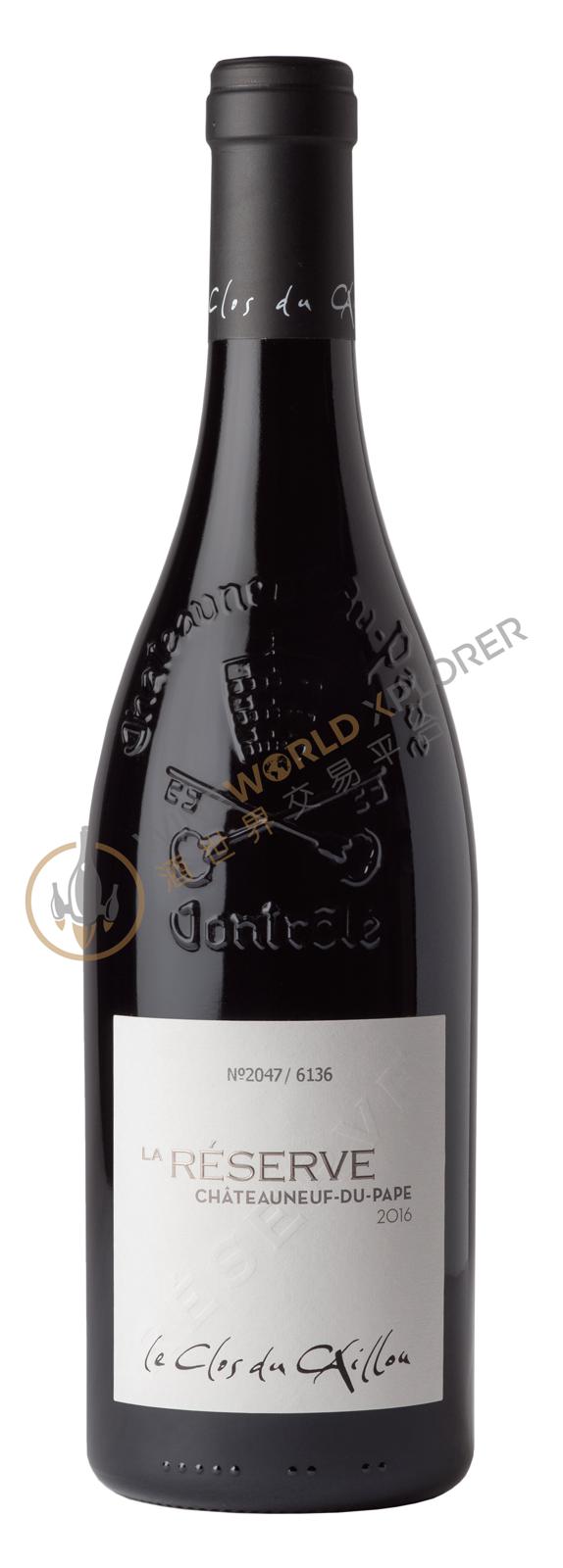
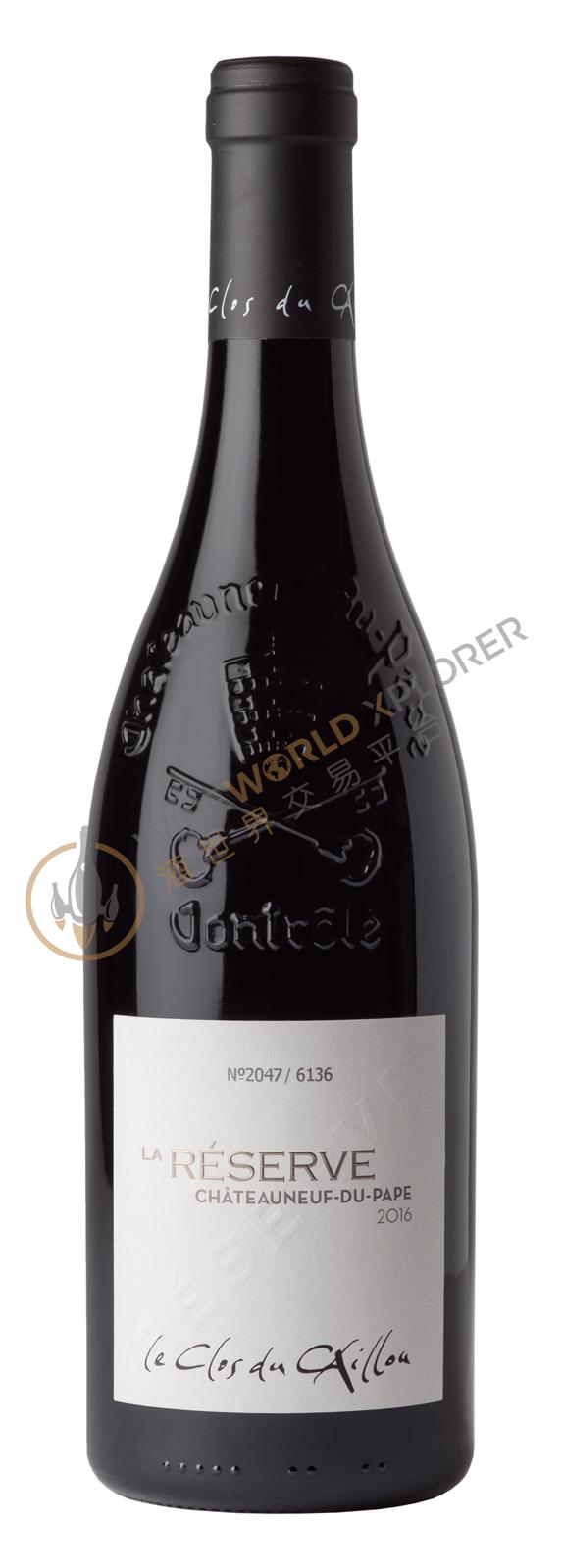
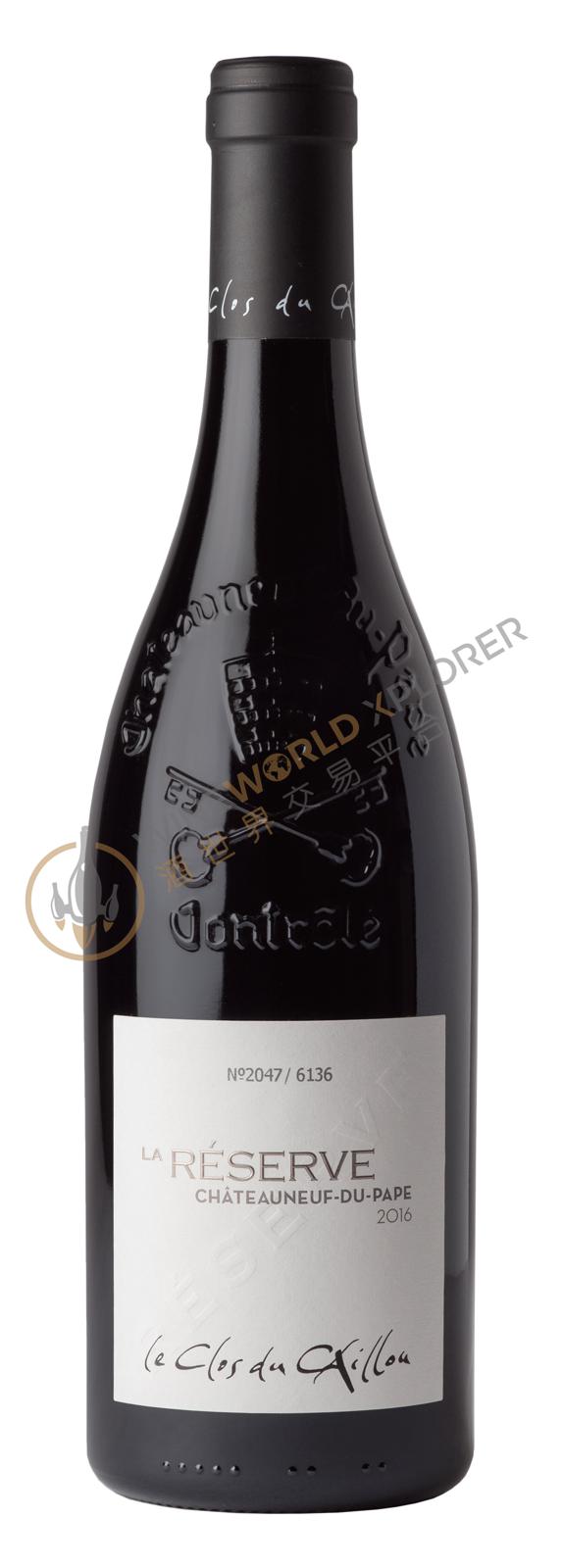
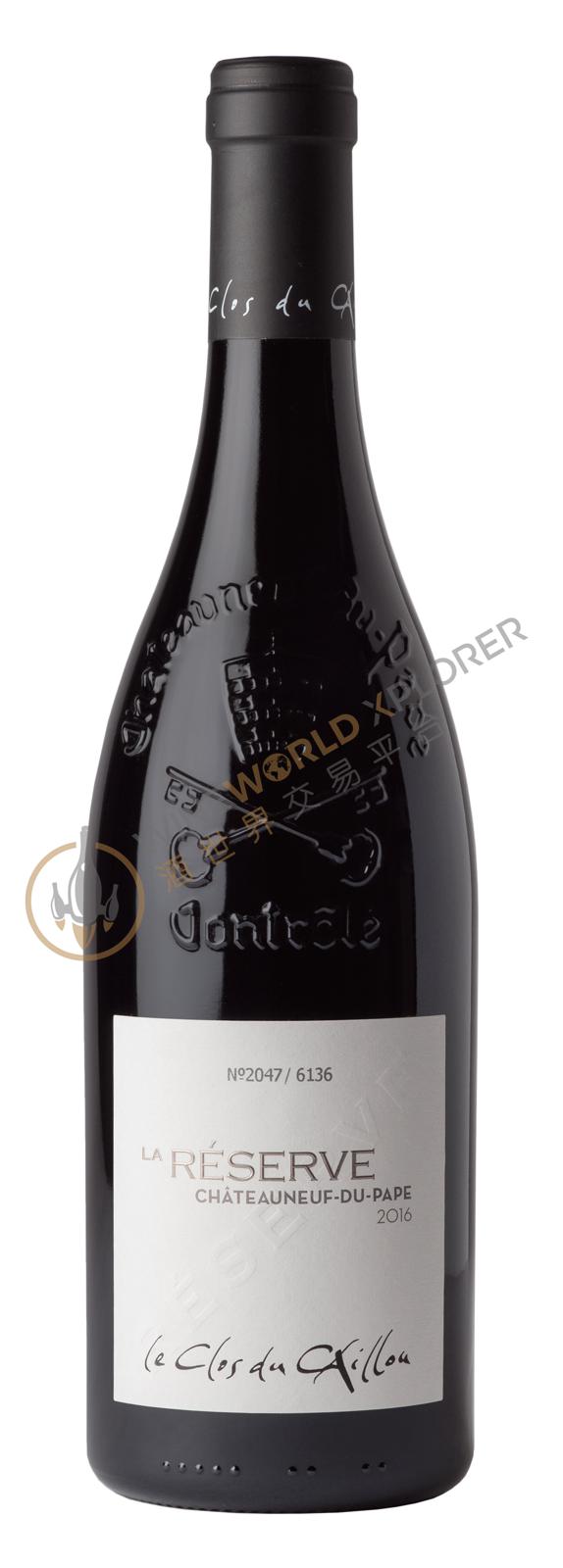
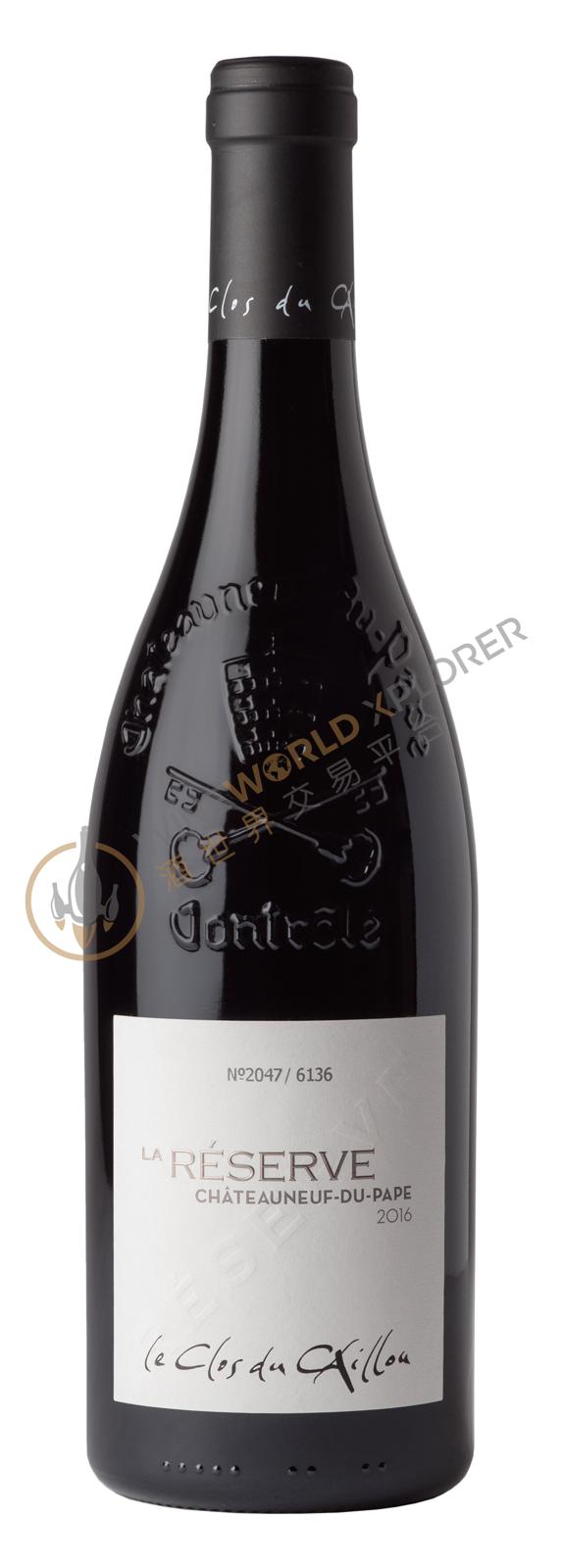
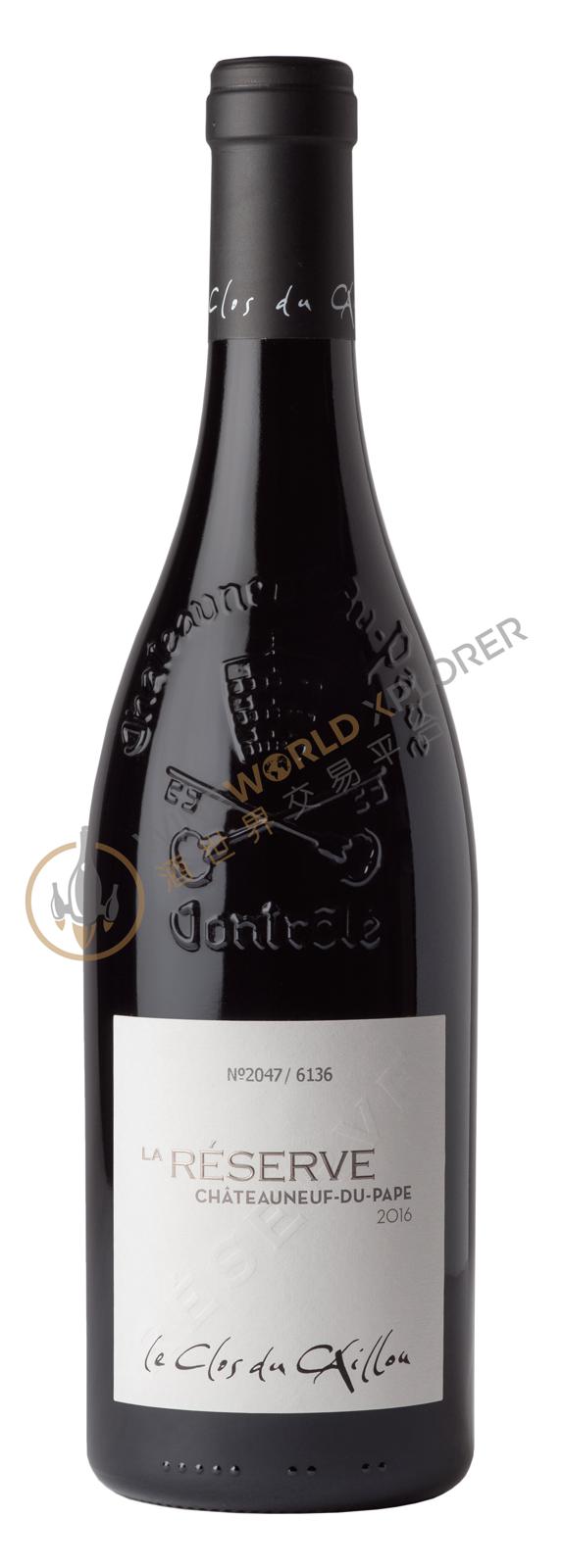
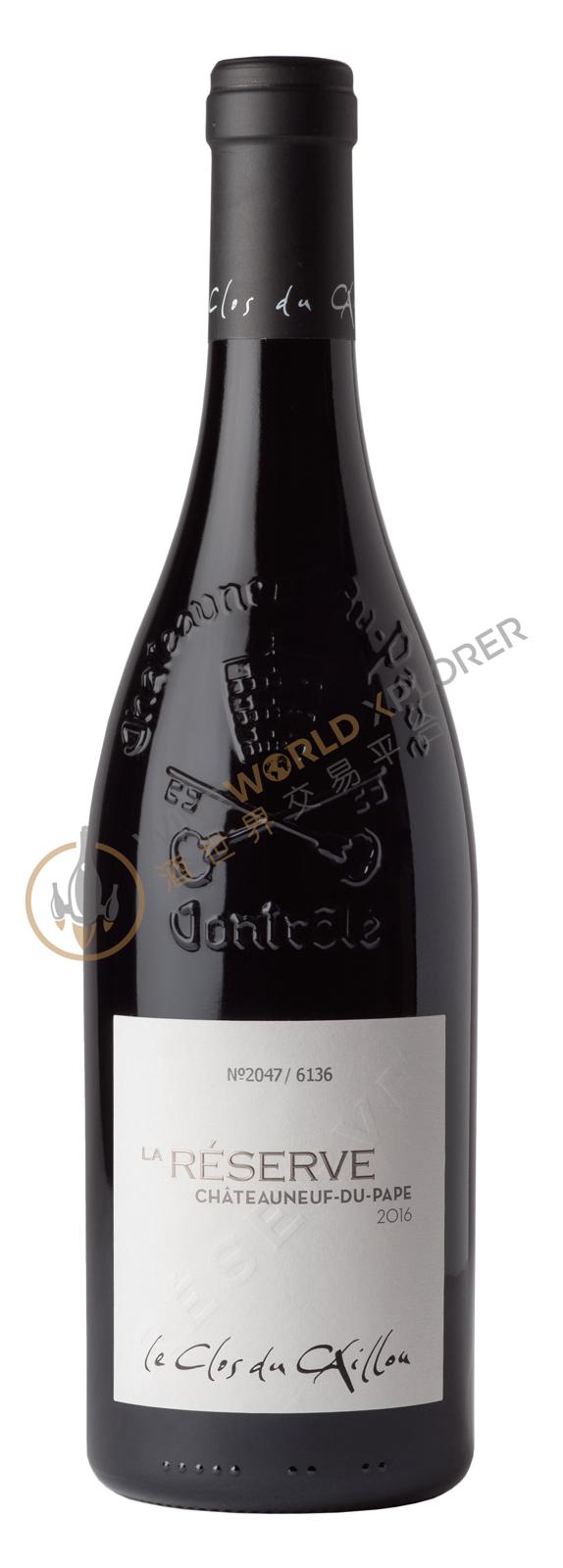
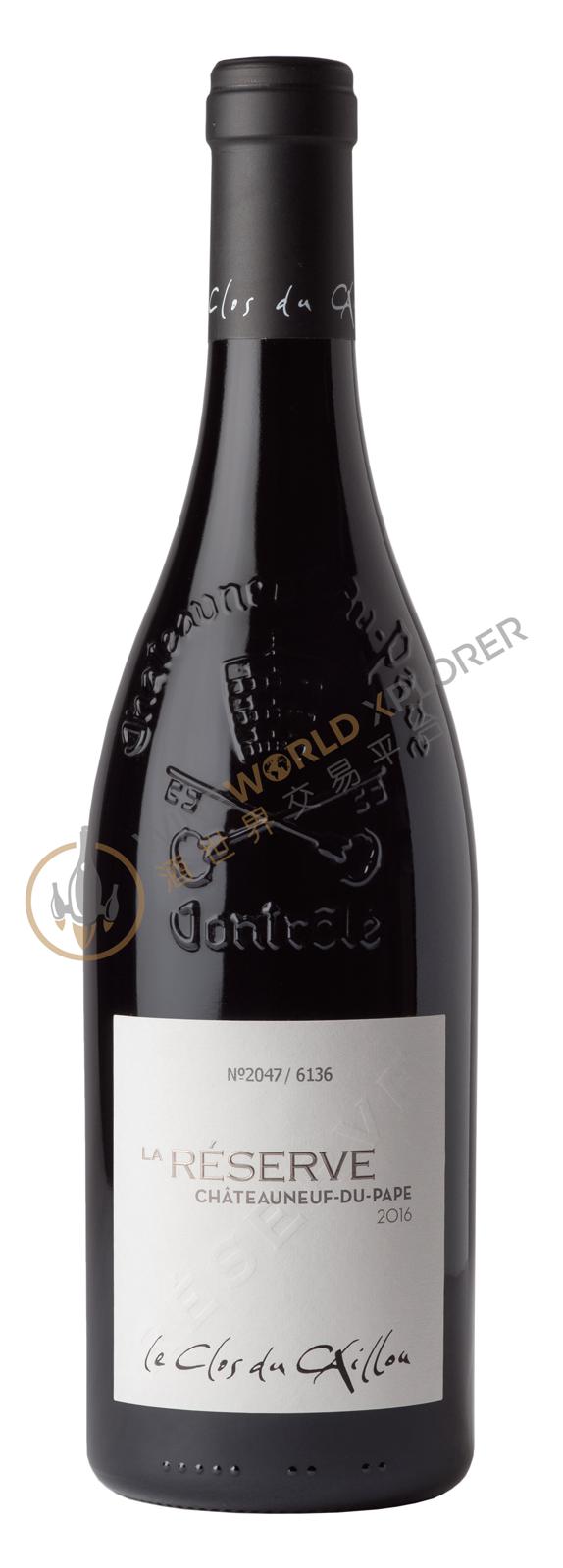
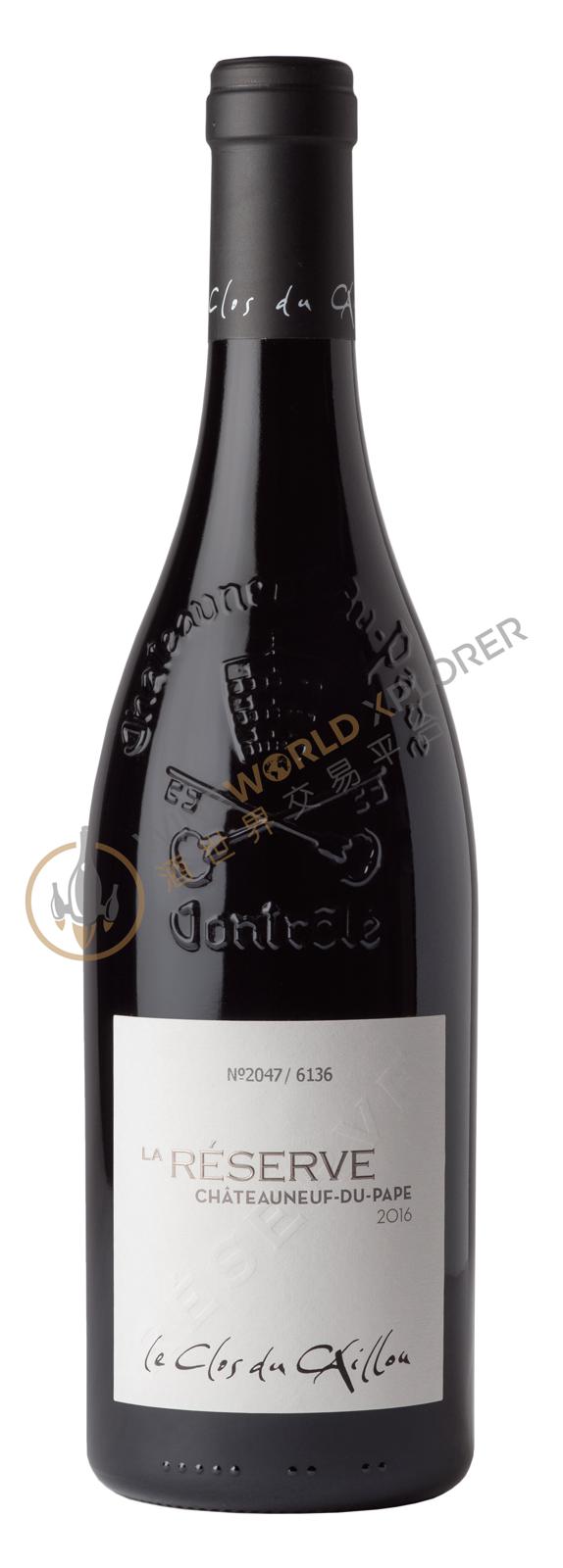
Le Clos du Caillou, Chateauneuf Du Pape La Reserve 2005
 View analysis


Description
Tasting notes

Reviewed by: Jeb Dunnuck
The best bottle of this I've ever had, the 2005 Châteauneuf du Pape Reserve was utter perfection on this occasion. Made from a blend of 70% Grenache and 30% Mourvèdre that was raised mostly in demi-muids, it exhibits awesome notes of blackberry, licorice, smoked herbs, graphite and tinges of minerality. Decadent, massively full-bodied and with sweet tannin, this thrilling Châteauneuf is hard to resist now, yet should continue to knock it out of the park for another decade or more.
Reviewed by: Jeb Dunnuck
The most backward and structured in the lineup, the 2005 Chateauneuf du Pape Reserve Le Clos du Caillou offers thrilling amounts of blackberry, black raspberry, cassis, spice and toasted bread to go with a full-bodied, seamless, yet seriously concentrated feel on the palate. Still inky colored, and pretty much a baby in terms of development, it has building tannin, good freshness and a focused, delineated profile that will benefit from short-term cellaring. I love it, and it will have over two decades of longevity. This was a massive tasting with the team at Clos du Caillou and we went through each of their cuvees going back more than a decade. While the domaine has been in the Pouizin family since 1956, with Claude Pouizin running the estate through 1996, most of the production was sold off to negociants until around 1993. In 1995, Claude’s daughter, Sylvie, married Jean-Denis Vacheron, and the couple took over running the estate. Unfortunately, Jean-Denis died in a tragic traffic accident in 2002. Today the estate is run by Sylvie, the wines are made by Bruno Gaspard and consulting advice is from Philippe Cambie. Located on the eastern edge of the appellation, in the Courthezon district, they produce up to three Chateauneufs (Les Safres, Les Quartz and the Cuvee Reserve) in any vintage. In addition, they produce a white Chateauneuf du Pape and a number of smoking Cotes du Rones, which come from vineyards bordering Chateauneuf du Pape (identical terroir, actually) and are top- quality. We started the tasting with their base Chateauneuf du Pape, which comes from Safres (sandstone) soils located around the estate. It’s always based on 50+-year-old Grenache vines (95% or higher) and is aged all in older foudre. While this cuvee is called Les Safres today, it was labeled as their traditional Chateauneuf du Pape up until 2005. Moving to the Les Quartz Cuvee, this was first made in 1999 and comes mostly from the Les Cassanets lieu-dit, yet incorporates a small amount of Syrah from Les Bedines. It’s normally a blend of 85% Grenache and 15% Syrah, with the Grenache aged in a combination of oak tanks and foudre, and the Syrah in new barrels. While the Reserve gets most of the attention, Grenache-lovers need to check out this cuvee as it always offers thrilling fruit and texture, with an exuberant, Grenache-driven style. The top release from the estate, their Reserve release was first made in 1998. It is a blend of 60% Grenache and 40% Mourvedre (this is sometimes a split of Syrah and Mourvedre) that’s aged mostly in 1-2-and 3-year-old, 600-liter demi-muids for 18 months. Where the Les Quartz release is more exuberant and Grenache-dominated (both in style and in the blend), this cuvee, which comes from mostly sandy soils, always has more elegance and polish, as well as rock-star concentration and muscle. In addition, it performs beautifully in more difficult vintages as well. Importers: North Berkeley Imports, Berkeley, CA; tel. (510) 848-8910; Dionysos Imports, Manassas, VA; tel. (703) 392-7073; Import Wines, Middleton, WI; tel. (608) 833-8622; and Domaine Select Wine Estates, New York, NY; tel. (212) 279-0799
Reviewed by: Robert M. Parker, Jr.
The finest cuvee since the utterly perfect 2001, the 2005 Chateauneuf du Pape Le Clos du Caillou Reserve sports a gorgeous nose of creme de cassis, spring flowers, and sweet blueberries and blackberries that emerge from its opaque purple color. The wine has fabulous intensity, a high level of tannin, good acidity, and again flavors reminiscent of a liqueur of rocks/minerals. This is a stunning, multi-dimensional wine with serious aging potential. Anticipated maturity: 2011-2025. After the tragic death of the young proprietor, Jean-Denis Vacheron, following the 2001 harvest, his widow Sylvie, assisted by winemaker Bruno Gaspard as well as renowned oenologist Philippe Cambie, has gone through a transitional period but has finally gotten this estate back to the brilliant heights her husband achieved between 1998 and 2001. 2004 is a strong vintage but is surpassed/eclipsed by the brilliant wines of 2005. This is great news for an estate that had long sold much of its production to negociants and then had a complete renaissance when the late Jean-Denis Vacheron took over control in 1996. Sylvie Vacheron is to be applauded for maintaining his vision of distinctive wines of world-class quality. The 2004s are the strongest vintage since 2001, but even they have to take a backseat to the 2005s. Importers: David Hinkle, North Berkeley Imports, Berkeley, CA; tel. (510) 848-8910, and a Christopher Cannan Selection, various American importers, including: Michael Skurnik, Syosset, NY; tel. (516) 677-9300 and Diamond Wine Merchant, Oakland, CA; tel. (510) 567-9897
Reviewed by: Neal Martin
Hm, their top cuvee receives my lowest mark. Oh well. A very intense rich, decadent nose with tar, damson, fig and dried raisin. A sweet decadent nose, quite toasty with kirsch, white pepper and graphite. Very smooth and more approachable than Les Quartz, perhaps too much? I wanted more to be held back for the future. Showy and gregarious, but less profound than Les Quartz. Tasted November 2006. Drinking 2010-2030.
Reviewed by: Robert M. Parker, Jr.
One of the top wines of the vintage is Domaine du Caillou’s 2005 Chateauneuf du Pape Le Clos du Caillou Reserve. Its dense ruby/purple hue is followed by elegant aromatics of blueberries, blackberries, spring flowers, licorice, and roasted meats. Dense and full-bodied with intense concentration, a multidimensional mouthfeel, and a sensational finish, it should be at its finest between 2011-2025. Kudos to Sylvie Vacheron, who is carrying on the legacy of her husband, Jean-Denis Vacheron, after his untimely death in 2001. Working with noted oenologist, Bruno Gaspard, this estate has rebounded from that tragedy with some brilliant efforts in both their Cotes du Rhone and Chateauneuf du Pape selections. The renowned southern Rhone oenologist, Philippe Cambie, also keeps an eye on things here, so there is quite a brain trust in operation for this estate tucked away in the northeast corner of the appellation, just across the winding road from Beaucastel. Importers: David Hinkle, North Berkeley Imports, Berkeley, CA; tel. (510) 848-8910, and a Christopher Cannan Selection, various American importers, including Michael Skurnik, Syosset, NY; tel. (516) 677-9300 and Diamond Wine Merchant, Oakland, CA; tel. (510) 567-9897
Reviewed by: Josh Raynolds
Inky ruby. A spine-tingling bouquet offers fresh raspberry, cherry, anise, Asian spices and fresh lavender, with a sexy undercurrent of minerals. Overwhelms the palate with sweet red and dark berry preserve flavors, gaining depth and ripeness with air. Supple, sappy and crammed with juicy fruit, this needs to be served by the dose, not the glass. But there's no heaviness about it. Wild, singular and supremely alluring stuff. There are 6,100 bottles of this.
Reviewed by: Josh Raynolds
Inky violet. Explosive aromas of blackberry, raspberry, kirsch, lavender pastille and sexy Asian spices show a room-filling pungency. Then remarkably concentrated on the palate, offering an awe-inducing display of red and dark berry flavors, velvety texture and spicy minerality. This is almost overwhelming in its fruit flavors and shows breathtaking persistence through the ripely tannic finish. Stupefying and utterly hypnotic.
About the Producer
Our vineyard is rich of traditional red variety, such as Mourvèdre, Syrah, Cinsault, Carignan, Counoise and also some white variety: Viognier, Roussanne, Clairette, Bourboulenc, without forgetting the Grenache, native god red and white. Grounds are worked in the respect of the nature, by regular ploughing without weedkiller and without chemical produce, using only phytosanitary treatment of sulfur and copper in a lower quantity. Grapes are picked by hand and sorting at the vineyard. Grape varieties are vinified separately to respect their own character, aromas and originality. The red vinification is usually preceded by a cold maceration during few days. Pomp-over, punch-down and delestage are made during all the maceration (1 month to 40 days depending on the vintage and the cuvee). The alcoholic maceration start naturally by the wild yeast present on the grapes. We use stainless tanks for the vinification of the white and rose wine and wooden and cement tank for the vinification of the red. Red wines are then aged in foudres and in oak barrels during one year and more, in the underground cellar, built in the safres, with a natural temperature (13 to 15°C). Foudres and demi-muids composed the maturing cellar. Natural cultural practices at Le Clos du Caillou have been started with Claude Pouizin in 1950 : regular plough, organic compost. Since the early years of the vineyard, we put all our efforts to work in a natural way. Thats is why, Jean-Denis Vacheron started the organic agriculture when he arrived on the vineyard in 1996. We got the certification on 2010 vintage. To continue our philosophy, we engage in 2007 in biodynamic agriculture. It permits to produce qualitative grapes by improving the fertility of the soils. Today, it is of major importance to give back to the soils their total vitality. These practices permitted to give to our vines a new youth thanks to the use of horn-manure and silica preparations, sprayed in the vines while respecting the rythm of the cosmos and the nature cycle.