
 Wine Advisor



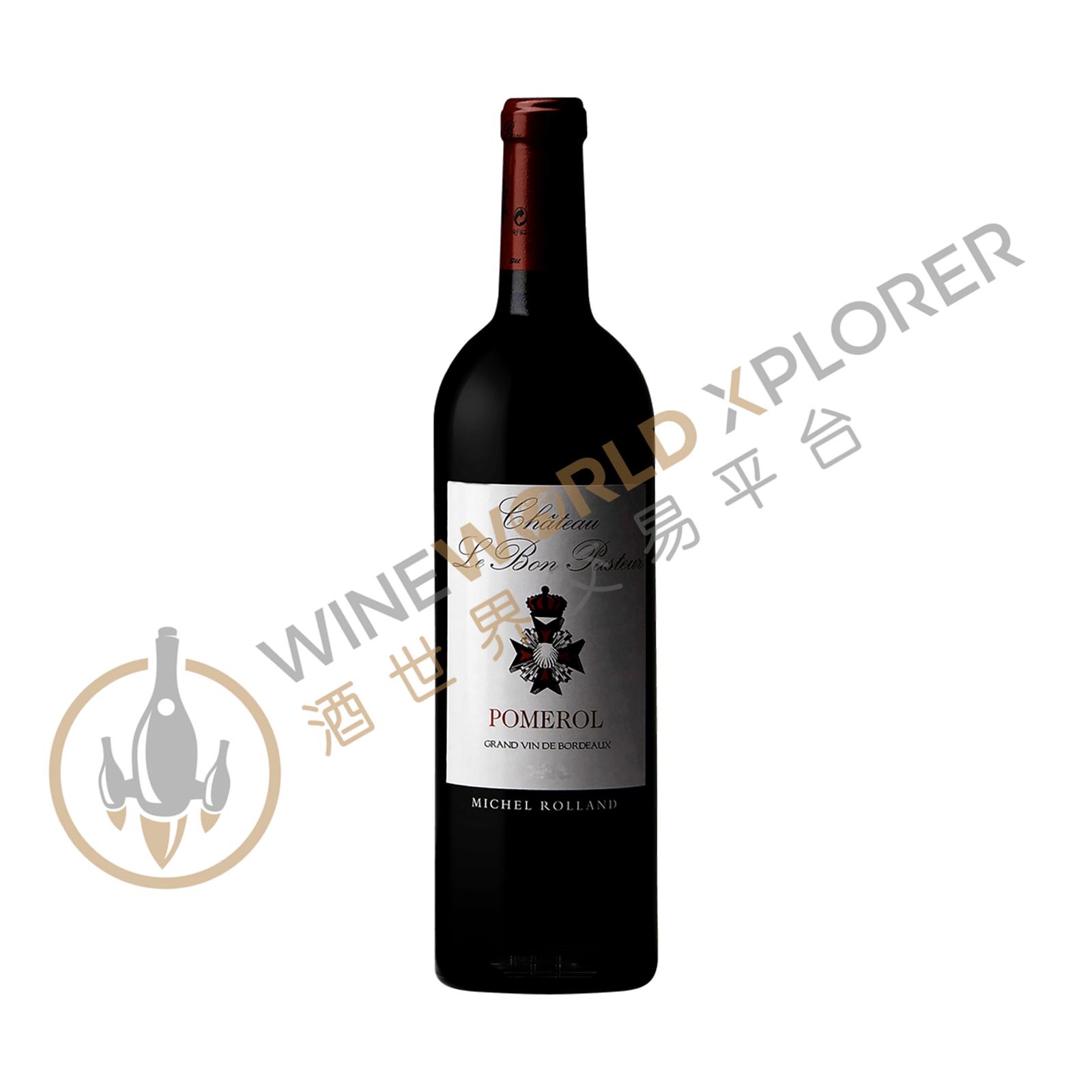
Le Bon Pasteur 2019
 View analysis


Description
Tasting notes

Reviewed by: Lisa Perrotti-Brown
The 2019 Bon Pasteur sports a deep garnet-purple color, charging out of the glass with bold blackberry pie, blueberry preserves and prunes notes followed by hints of cedar chest, Ceylon tea, Indian spices and licorice with a waft of violets. Full-bodied, the palate packs a wallop of black fruits, framed by rock-solid, grainy tannins and tons of freshness, finishing with great length and depth.
Reviewed by: William Kelley
Rich and demonstrative, the 2019 Bon Pasteur delivers aromas of cherries, blackberries, figs, warm spices and wood smoke. Full-bodied, rich and extracted, with a jammy core of fruit, ripe acids and plenty of fine, powdery tannin that asserts itself on the heady finish, this is a muscular, rather chunky Pomerol that remains faithful to the stylistic fashions of the early 2000s while the rest of the wine world moves on.
Reviewed by: Antonio Galloni
The 2019 Le Bon Pasteur is just as compelling from bottle as it was in barrel. Succulent dark cherry, spice, leather, tobacco and cedar lend striking aromatic presence. In fact, it is the aromatics that are especially beguiling. Tasted two times. The 2019 offers a compelling interplay of richness and vibrancy.
Reviewed by: Antonio Galloni
The 2019 Le Bon Pasteur is super elegant and refined. Bright floral and spice notes meld into a core of ripe red cherry, pomegranate and blood orange fruit. Medium in body, with plush fruit and soft curves, Le Bon Pasteur is very pretty and expressive in 2019. This is a terrific showing.
Reviewed by: Neal Martin
The 2019 Bon Pasteur has more fruit concentration than either the Gravette de Certan and La Fleur de Gay tasted alongside - blackberry and wild strawberry, truffle and a touch of smoke. The palate is medium-bodied with sappy black fruit, fine acidity, firm backbone yet with plenty of freshness on its sappy finish. A fine Pomerol. Tasted blind at the Southwold annual tasting.
Reviewed by: Neal Martin
The 2019 Le Bon Pasteur retains the precision and focus that I found in the barrel sample, offering aromas of blackberry and raspberry fruit and touches of rose petal and espresso. The palate is medium-bodied with firm tannins, plenty of lightly spiced red fruit and a little dried blood toward the finish, which retains wonderful composure. This is a superb Le Bon Pasteur, the best I have encountered in recent years.
Reviewed by: Neal Martin
The 2019 Le Bon Pasteur is different in style to previous vintages, and I mean that in a positive sense. This is very elegant and classic in style, pure dark cherry and blueberry fruit entwined with a touch of truffle. The palate is well balanced with gentle grip, slightly chalky in texture with well judged acidity, harmonious with a creamier finish, a hint of salted liquorice lingering on the aftertaste. Excellent. Tasted three times with consistent notes.
Reviewed by: Neal Martin
The 2019 Le Bon Pasteur is different in style to previous vintages, and I mean that in a positive sense. This is very elegant and classic in style, pure dark cherry and blueberry fruit entwined with a touch of truffle. The palate is well balanced with gentle grip, slightly chalky in texture with well judged acidity, harmonious with a creamier finish, a hint of salted liquorice lingering on the aftertaste. Excellent. Tasted three times with consistent notes.
About the Producer
Château Le Bon Pasteur is a Pomerol estate, known for both the lush, supple quality of its wine and its history as the family property of the renowned wine consultant Michel Rolland. The seven-hectare (16-acre) vineyard is located on the boundary with Saint-Émilion and has a wide range of soil types. It is planted predominantly to Merlot, with 15-20 percent Cabernet Franc – exact proportions are hard to measure as some plots are mixed. Some of the vines were planted in the 1950s. The grapes are harvested by hand, and are fermented in temperature-controlled stainless steel vats. The wines are then aged in predominantly new French oak for around 18 months and bottled without fining or filtration. World-renowned winemaking consultant Michel Rolland took over the running of Le Bon Pasteur in 1978, although the estate had been in the family since 1920. It was sold to a Chinese investor in 2013, although Rolland remains as winemaker and estate manager.
