
 Wine Advisor



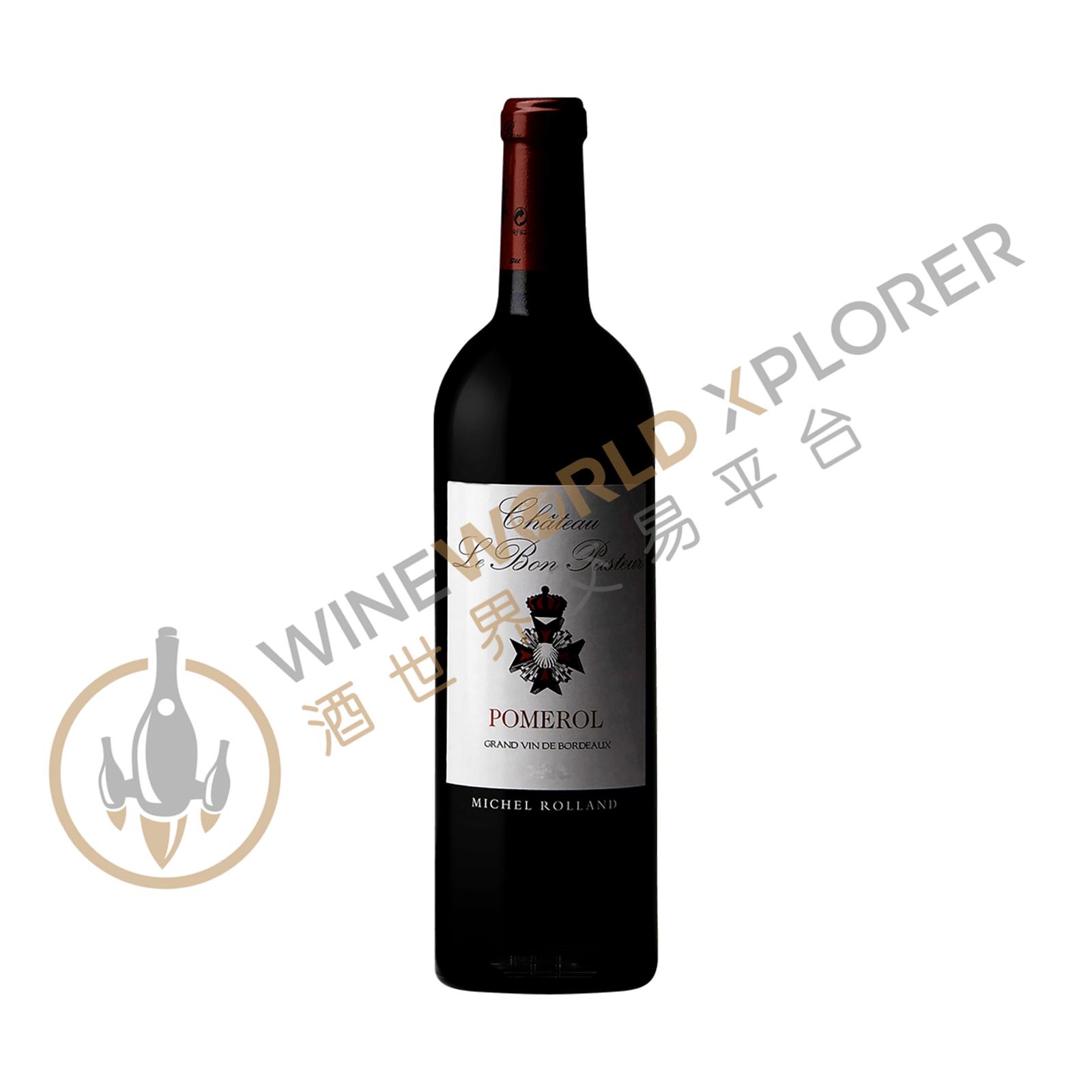
Le Bon Pasteur 2017
 View analysis


Description
Tasting notes

Reviewed by: Lisa Perrotti-Brown
Deep garnet-purple in color, the 2017 Bon Pasteur is profoundly scented of baked black cherries, black raspberries and plum preserves with hints of chocolate box, star anise and fertile loam. Medium-bodied, the palate packs in the expressive black fruit with firm, rounded tannins and plenty of freshness, finishing long and earthy.
Reviewed by: Lisa Perrotti-Brown
Deep garnet-purple colored, the 2017 Bon Pasteur rocks up to the party with gregarious blueberry compote, blackberry pie and cassis notions followed by a floral entourage and charcuterie nuances. Medium to full-bodied with a firm, grainy backbone and just enough freshness, it gives a long, purely fruited finish.
Reviewed by: Neal Martin
The 2017 Le Bon Pasteur offers fragrant black cherry, raspberry and loamy aromas on the nose, one that gradually achieves more intensity with aeration. The palate is medium-bodied with supple tannins, fine acidity and firm grip with a focused and fresh finish. This is a more understated Bon Pasteur than I have seen in recent years, and it suits it well.
About the Producer
Château Le Bon Pasteur is a Pomerol estate, known for both the lush, supple quality of its wine and its history as the family property of the renowned wine consultant Michel Rolland. The seven-hectare (16-acre) vineyard is located on the boundary with Saint-Émilion and has a wide range of soil types. It is planted predominantly to Merlot, with 15-20 percent Cabernet Franc – exact proportions are hard to measure as some plots are mixed. Some of the vines were planted in the 1950s. The grapes are harvested by hand, and are fermented in temperature-controlled stainless steel vats. The wines are then aged in predominantly new French oak for around 18 months and bottled without fining or filtration. World-renowned winemaking consultant Michel Rolland took over the running of Le Bon Pasteur in 1978, although the estate had been in the family since 1920. It was sold to a Chinese investor in 2013, although Rolland remains as winemaker and estate manager.
