
 Wine Advisor



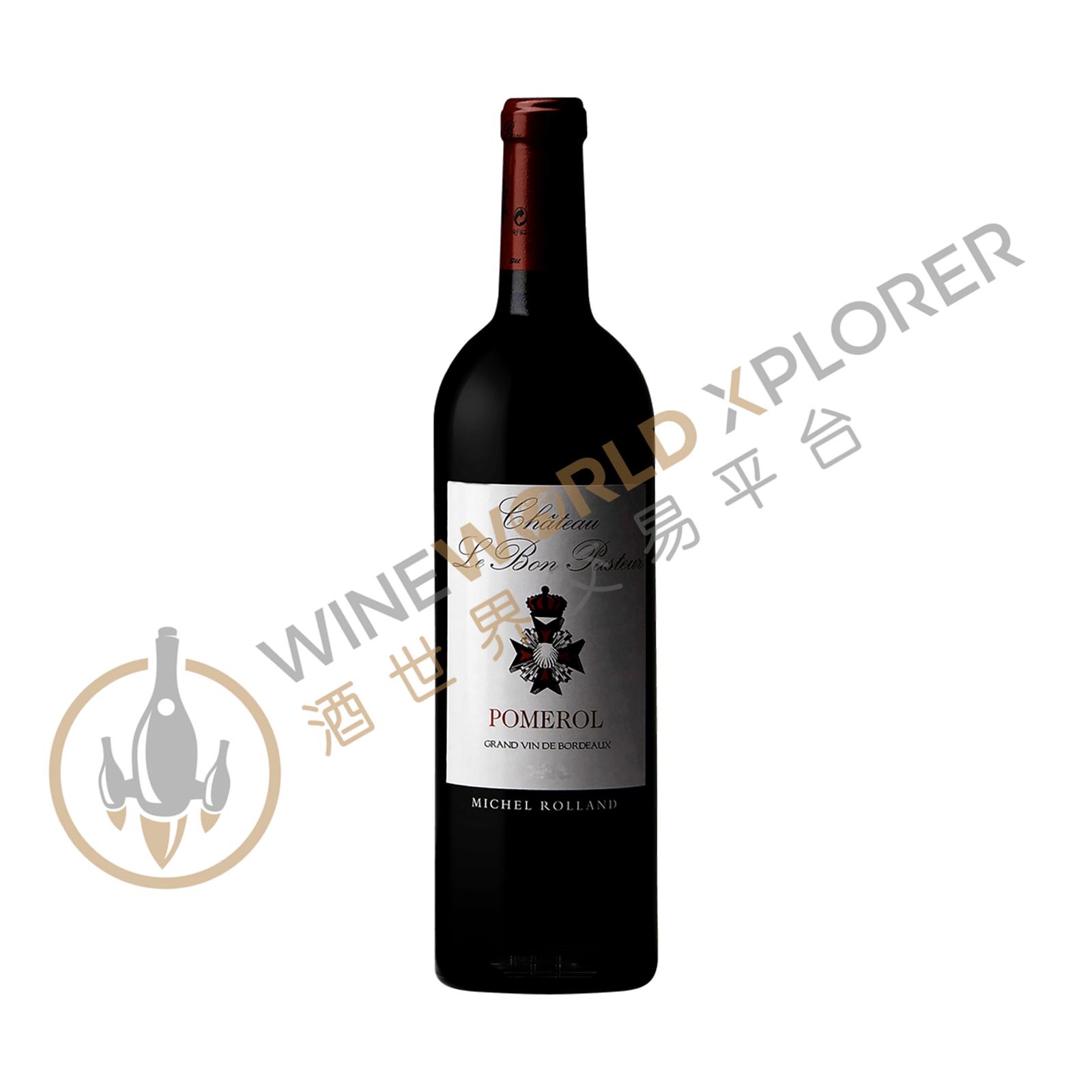
Le Bon Pasteur 2011
 View analysis


Description
Tasting notes

Reviewed by: Robert M. Parker, Jr.
The flagship estate of Dany and Michel Rolland that was recently sold to Chinese buyers, this blend of 80% Merlot and 20% Cabernet Franc possesses a dark ruby/purple color as well as abundant aromas of sweet kirsch, cassis, licorice and plums. Full-bodied and impressively endowed, it is another successful wine in a tough vintage. It should hit its peak in 3-4 years and last 15 or more thereafter.
Reviewed by: Neal Martin
Tasted en primeur on two occasions. The Le Bon Pasteur deserves time in glass so that it can meld together. It offers macerated dark cherries and a touch of fresh dates all cloaked in vanillary new oak. The palate is medium-bodied with gentle grip on the entry. It displays saturated tannins that are quite fine, layers of toasty black fruit mingling with cassis and blueberry that lead to a rounded smooth finish. A second sample was showing a little more dryness than the first. Not as complex as the 2009 or 2010 but very seductive for the vintage. Tasted April 2012.
Reviewed by: Robert M. Parker, Jr.
The flagship estate of Dany and Michel Rolland (by the way, Rolland’s autobiography has recently been published and it is highly recommended), Bon Pasteur’s 2011 is a strong effort in this difficult vintage. Yields were tiny, resulting in a concentrated, intense wine with a deep ruby/purple color as well as notes of mulberries, boysenberries, caramel, truffles and flowers. Medium to full-bodied with adequate acidity, velvety tannins and a plush, savory, expansive mouthfeel, it should drink well for 15 or more years.
About the Producer
Château Le Bon Pasteur is a Pomerol estate, known for both the lush, supple quality of its wine and its history as the family property of the renowned wine consultant Michel Rolland. The seven-hectare (16-acre) vineyard is located on the boundary with Saint-Émilion and has a wide range of soil types. It is planted predominantly to Merlot, with 15-20 percent Cabernet Franc – exact proportions are hard to measure as some plots are mixed. Some of the vines were planted in the 1950s. The grapes are harvested by hand, and are fermented in temperature-controlled stainless steel vats. The wines are then aged in predominantly new French oak for around 18 months and bottled without fining or filtration. World-renowned winemaking consultant Michel Rolland took over the running of Le Bon Pasteur in 1978, although the estate had been in the family since 1920. It was sold to a Chinese investor in 2013, although Rolland remains as winemaker and estate manager.
