
 Wine Advisor



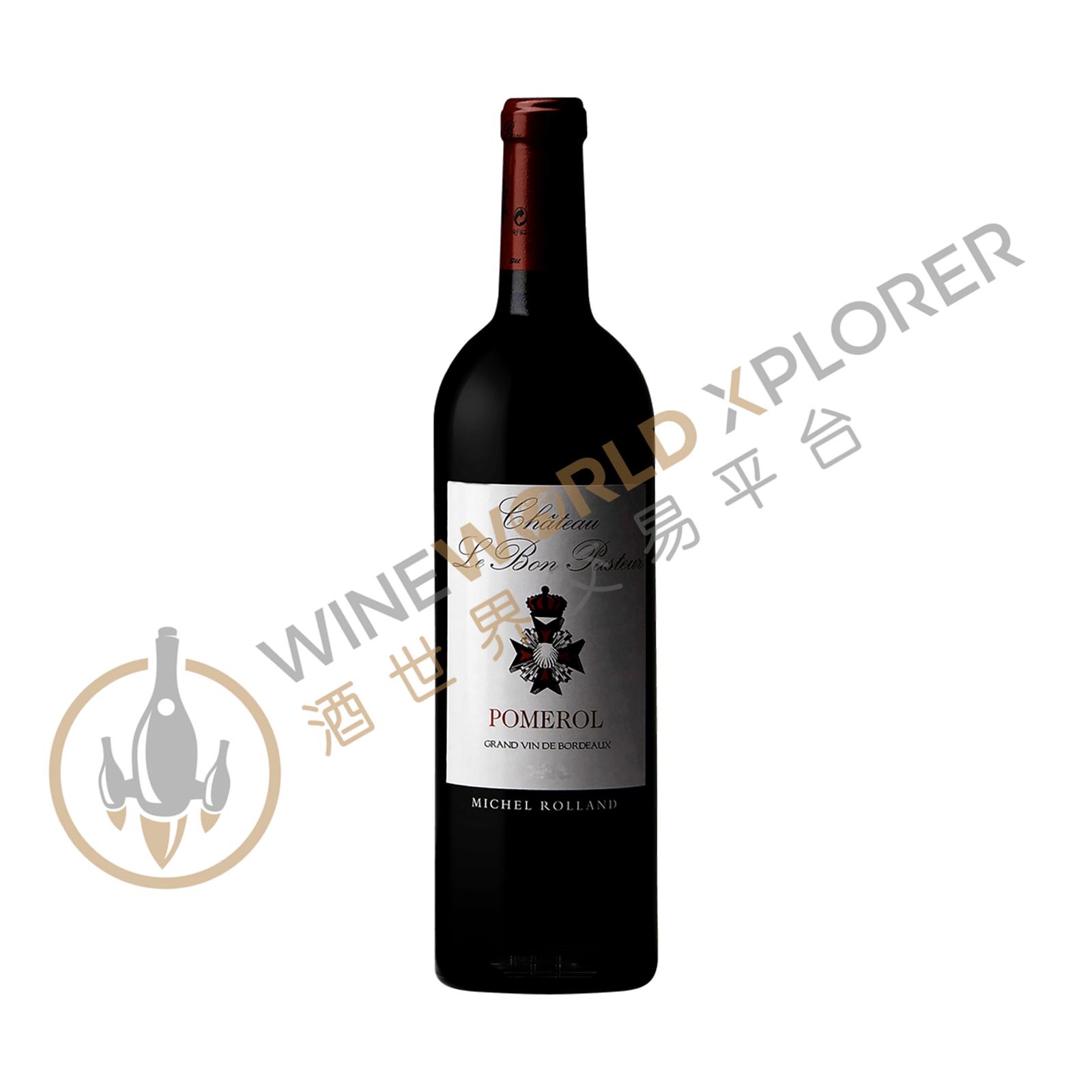
Le Bon Pasteur 1993
 View analysis


Description
Tasting notes

Reviewed by: Robert M. Parker, Jr.
Bon Pasteur is a perennial over-achiever, so it is not surprising that the husband and wife oenology team of Dany and Michel Rolland have crafted a wine far better than this estate's terroir warrants. The 1993 Bon Pasteur boasts a saturated dark ruby color, and a spicy, moderately intense nose of vanillin, roasted nuts, black fruits, and chocolate-covered caramels. Rich, medium to full-bodied, with an intriguing texture, as well as admirable chewiness and purity, this luscious, ripe wine will drink well for 10-15 years.
Reviewed by: Robert M. Parker, Jr.
Long-time readers are aware of my admiration for the husband and wife oenologist team of Dany and Michel Rolland. Michel is more visible in the international scene as he has performed magic at numerous estates in Italy, Spain, Argentina, California, and, of course, France. Rolland's success has not come without a price, as he now must endure an unprecedented level of criticism from a whining group of underachievers that appears to have one complaint - Rolland produces better wine than they do. This saturated dark garnet/plum/ruby-colored wine is a fine effort for the 1993 vintage, a year that still offers good value for readers looking for moderately-priced Bordeaux. The 1993 Bon Pasteur displays a sweet, smoky, coffee, black-cherry-scented nose, surprising fat, a soft texture, low acidity, and a spicy, chewy, medium-bodied finish. This is one of the most concentrated, delicious, and complex efforts of the vintage. Anticipated maturity: now-2007.
About the Producer
Château Le Bon Pasteur is a Pomerol estate, known for both the lush, supple quality of its wine and its history as the family property of the renowned wine consultant Michel Rolland. The seven-hectare (16-acre) vineyard is located on the boundary with Saint-Émilion and has a wide range of soil types. It is planted predominantly to Merlot, with 15-20 percent Cabernet Franc – exact proportions are hard to measure as some plots are mixed. Some of the vines were planted in the 1950s. The grapes are harvested by hand, and are fermented in temperature-controlled stainless steel vats. The wines are then aged in predominantly new French oak for around 18 months and bottled without fining or filtration. World-renowned winemaking consultant Michel Rolland took over the running of Le Bon Pasteur in 1978, although the estate had been in the family since 1920. It was sold to a Chinese investor in 2013, although Rolland remains as winemaker and estate manager.
