Wine Advisor



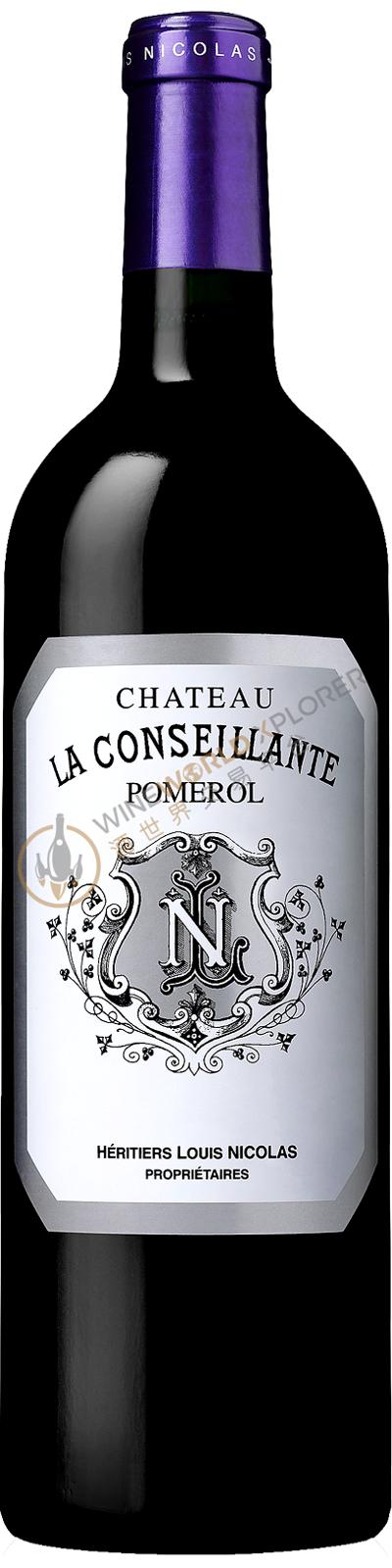
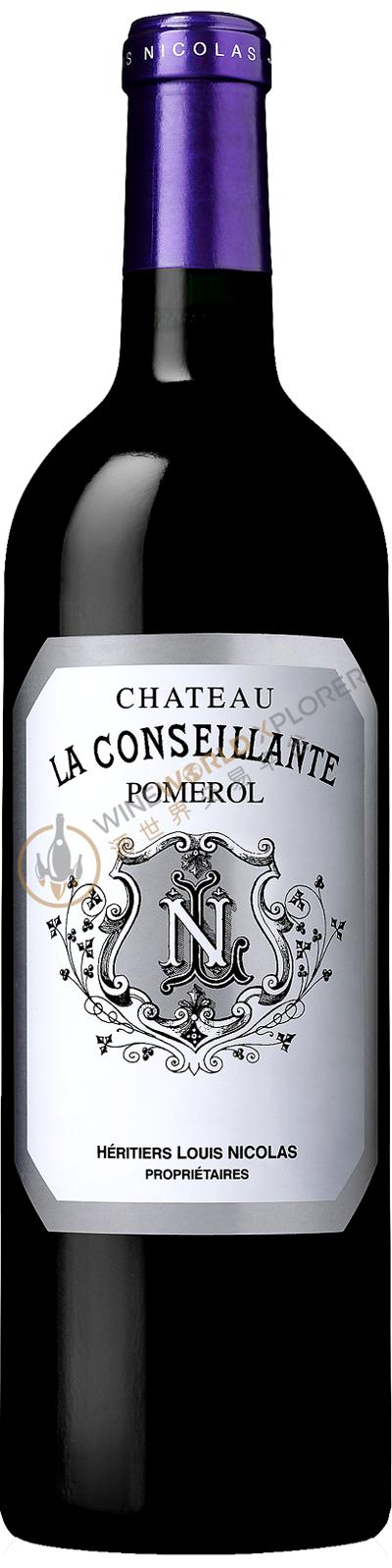
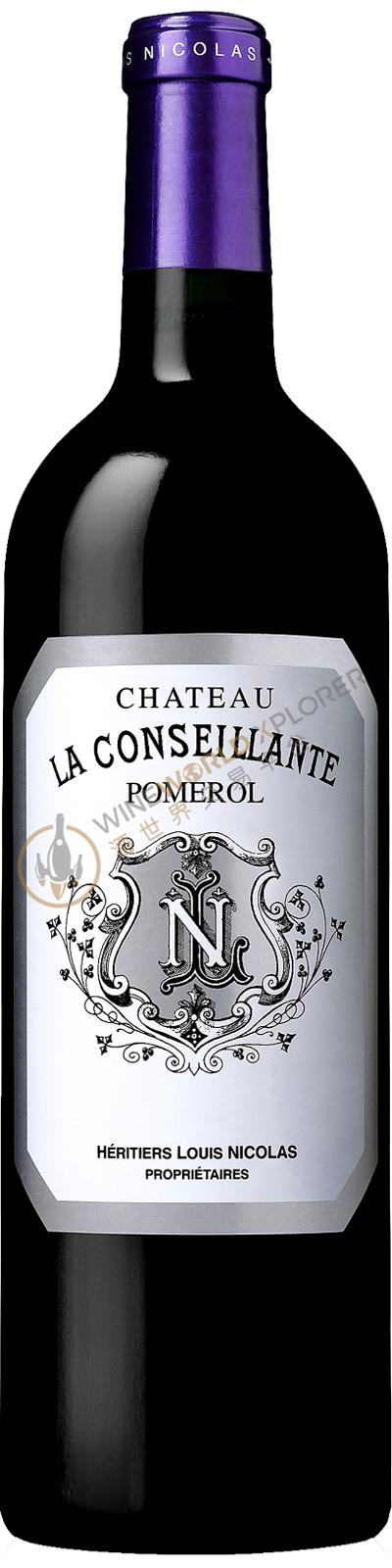
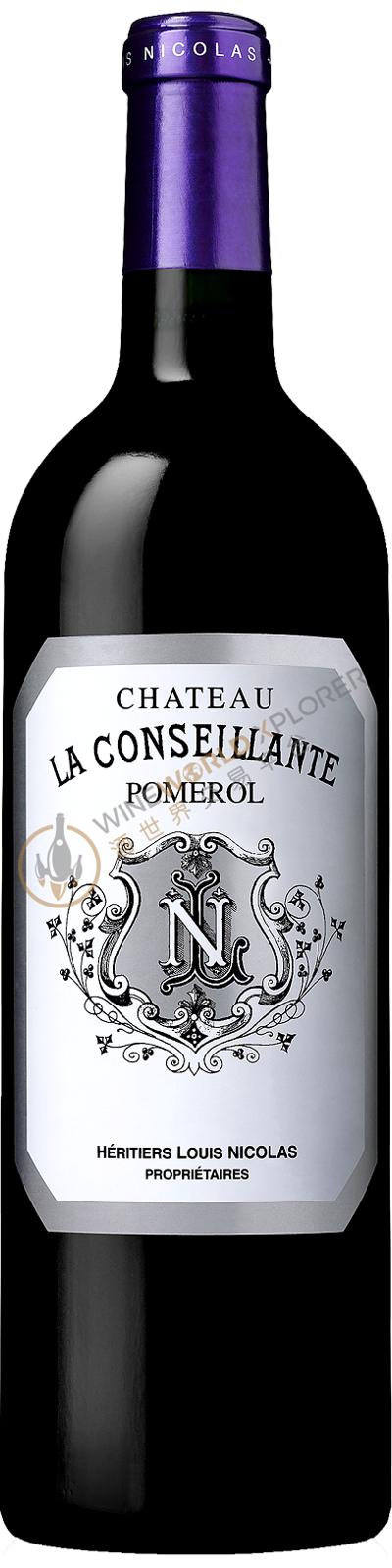
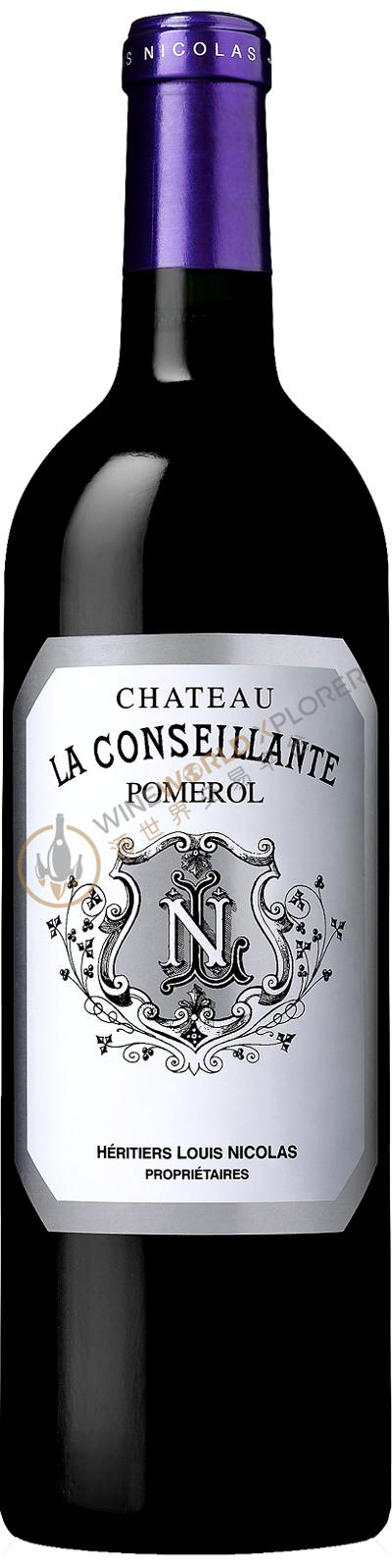
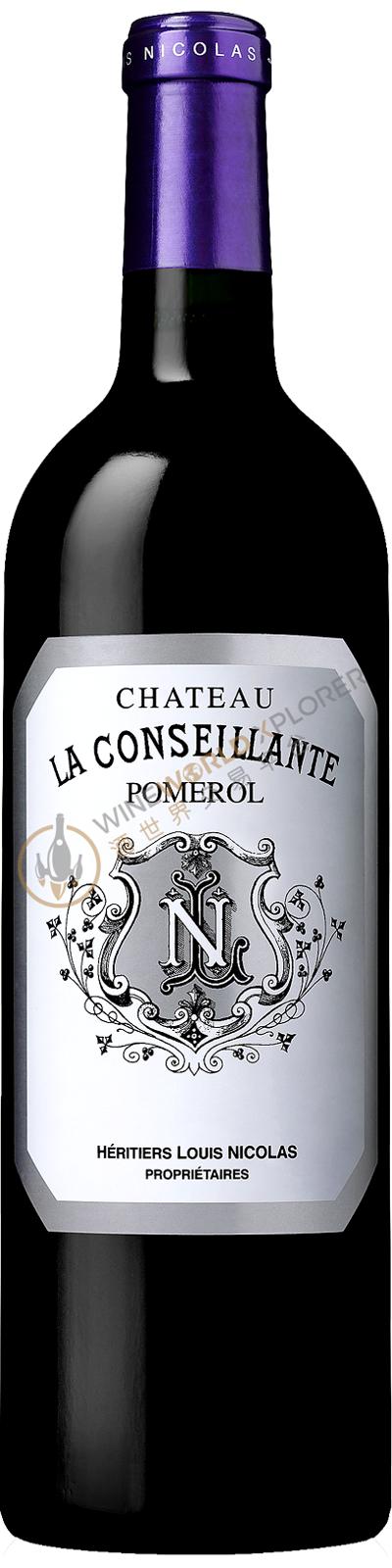
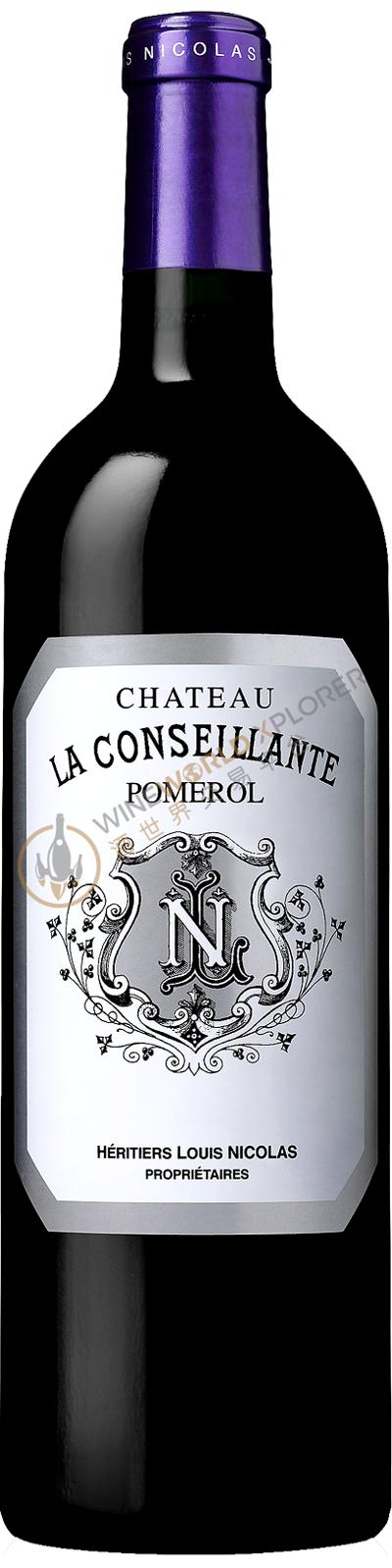
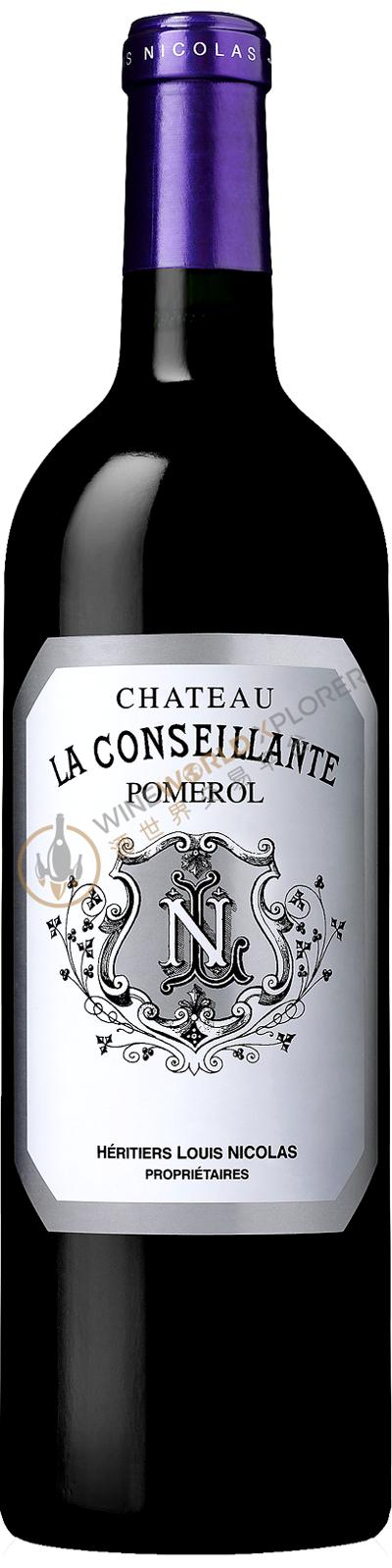
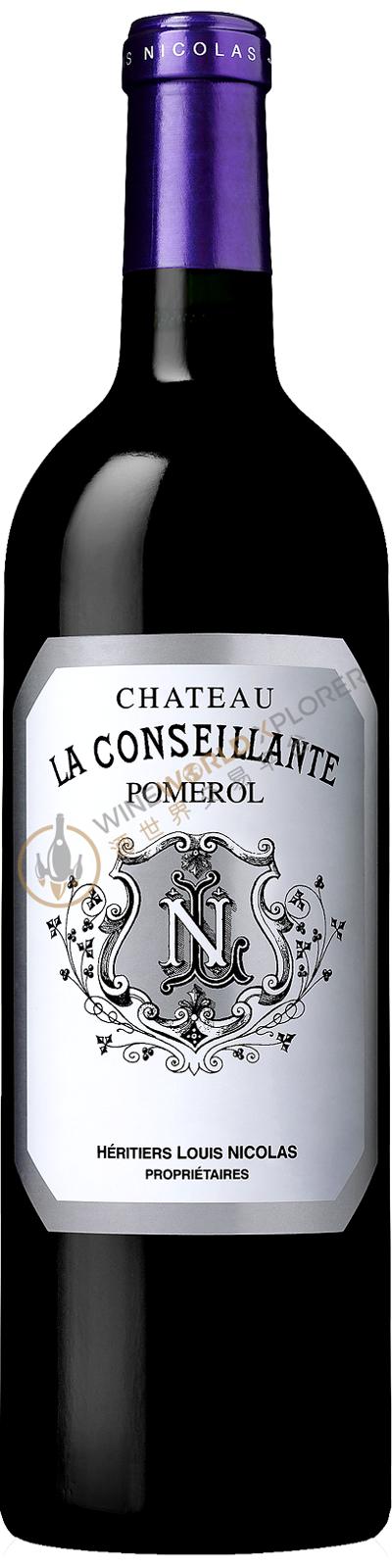
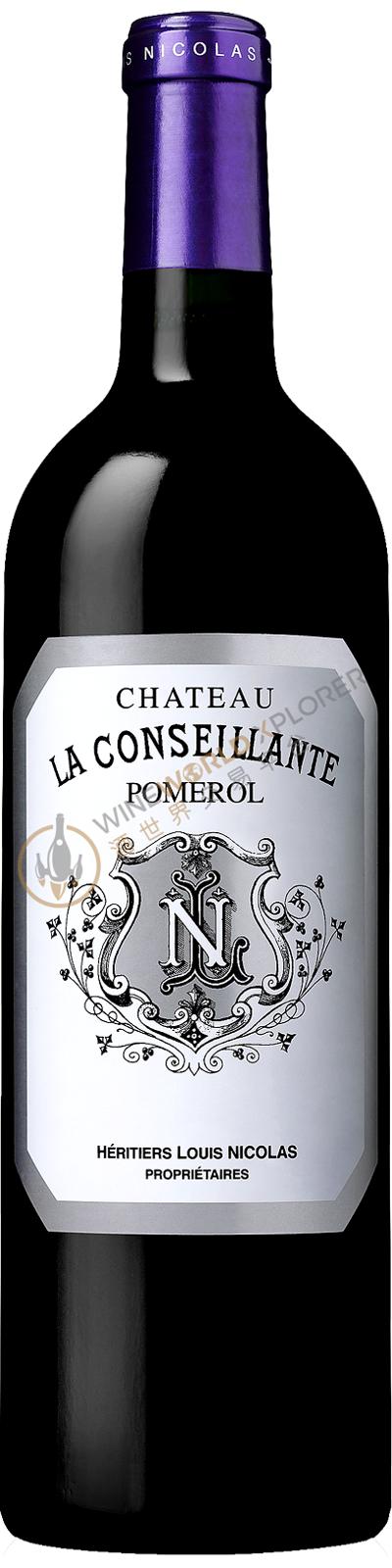
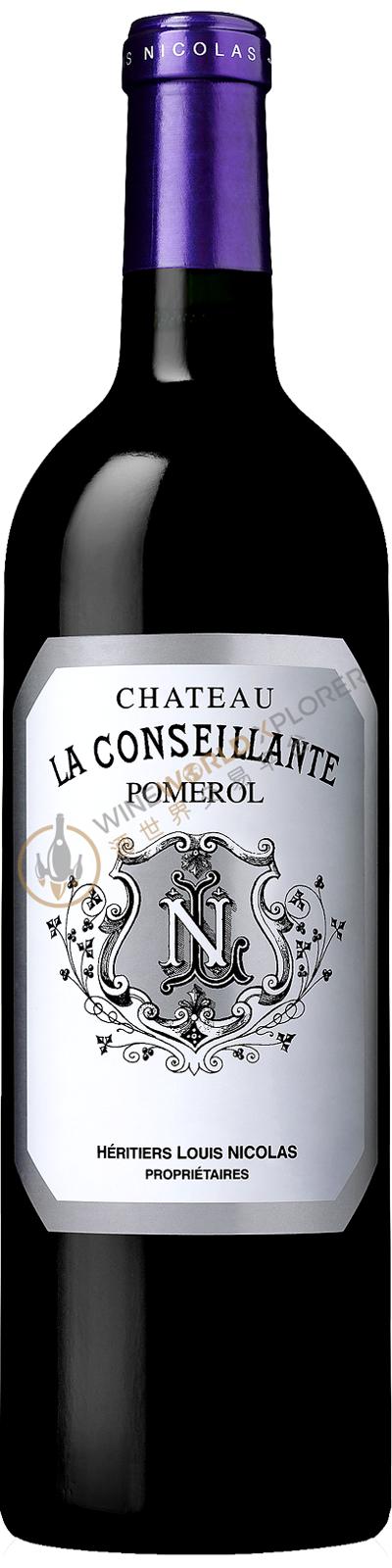
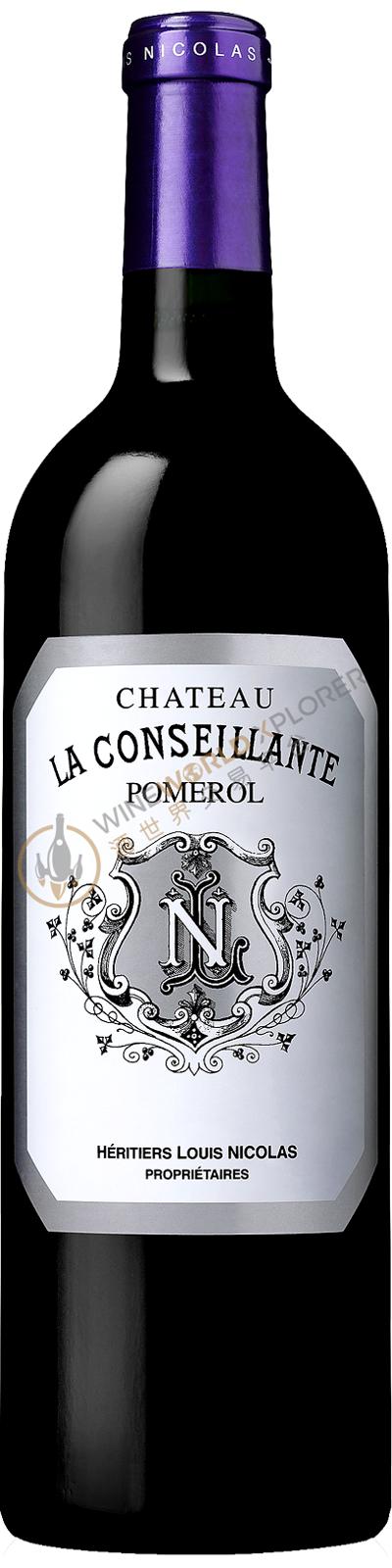
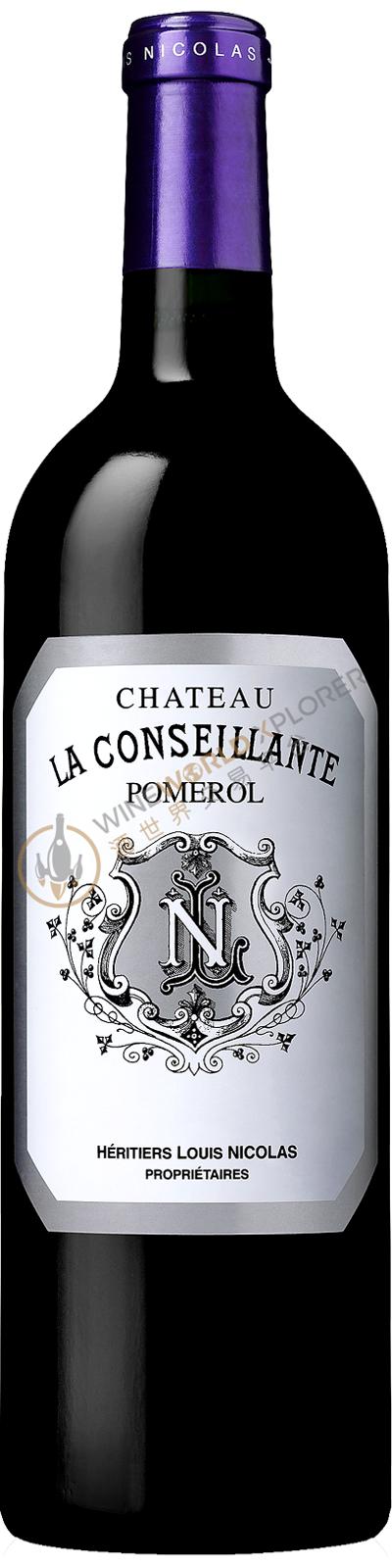
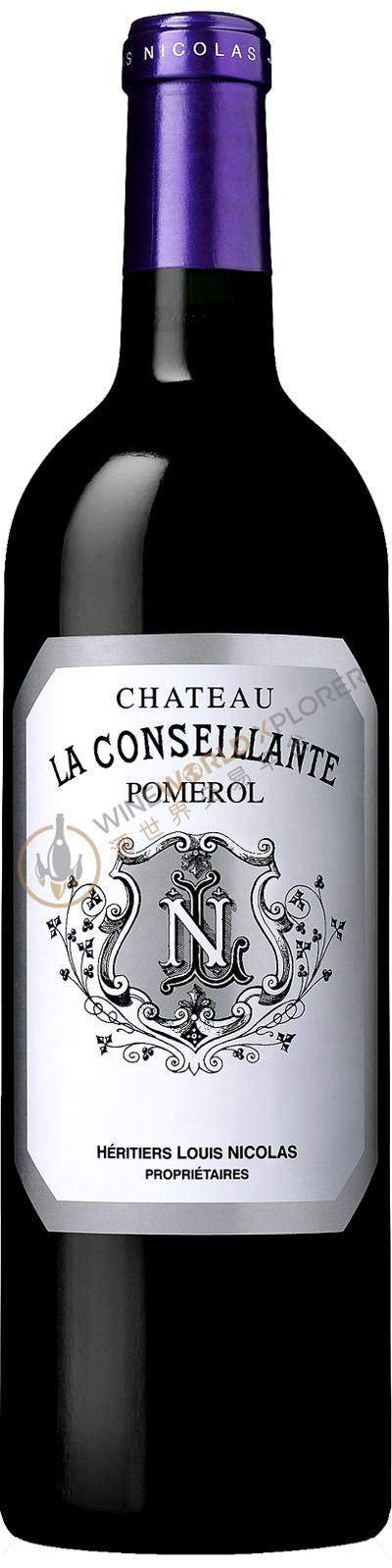
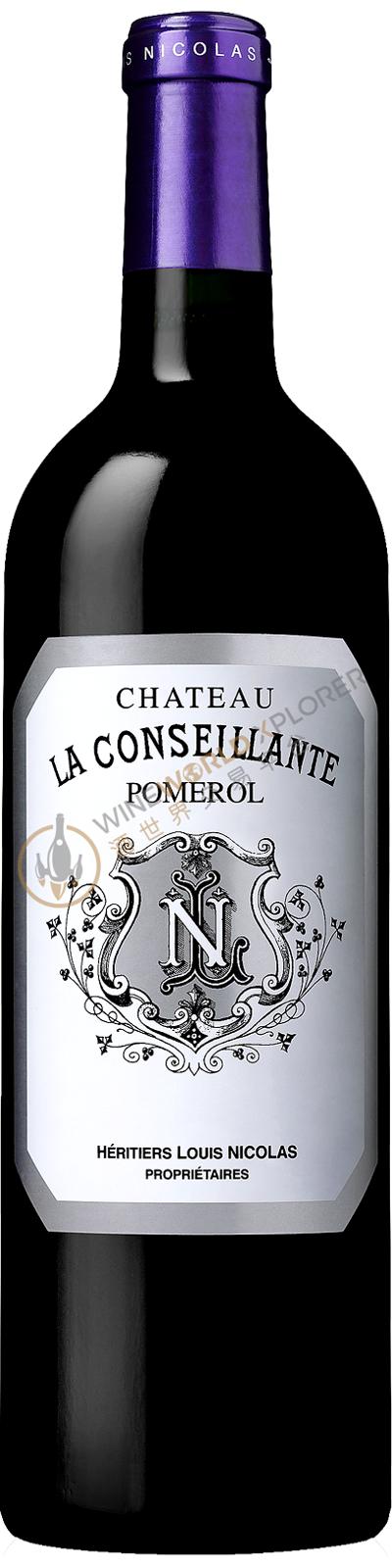
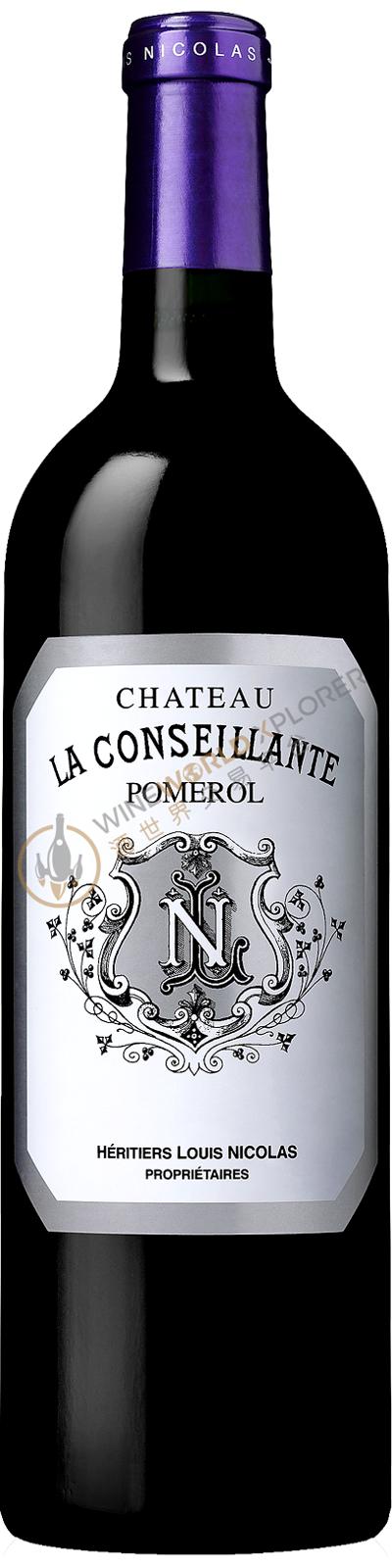
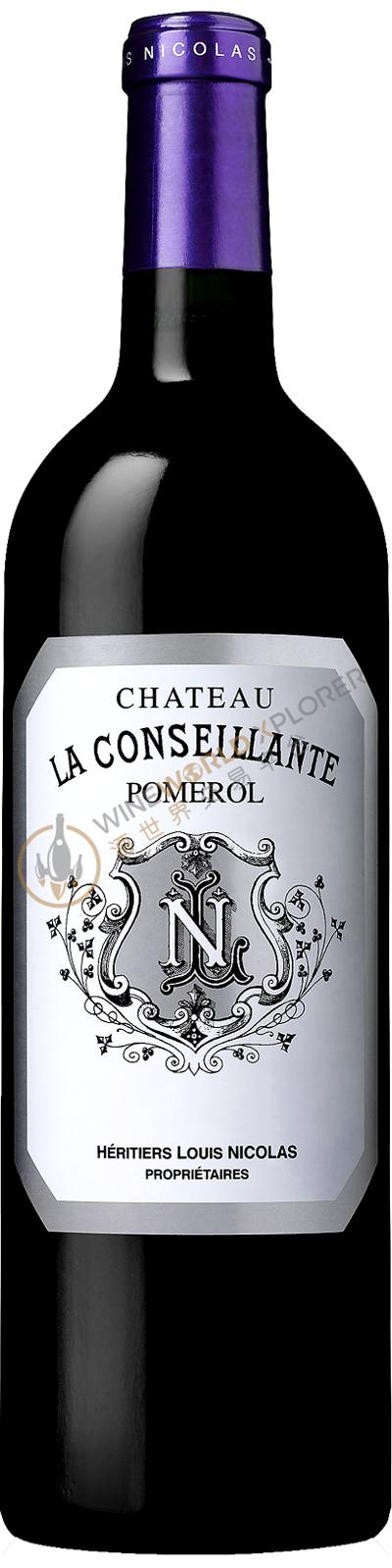
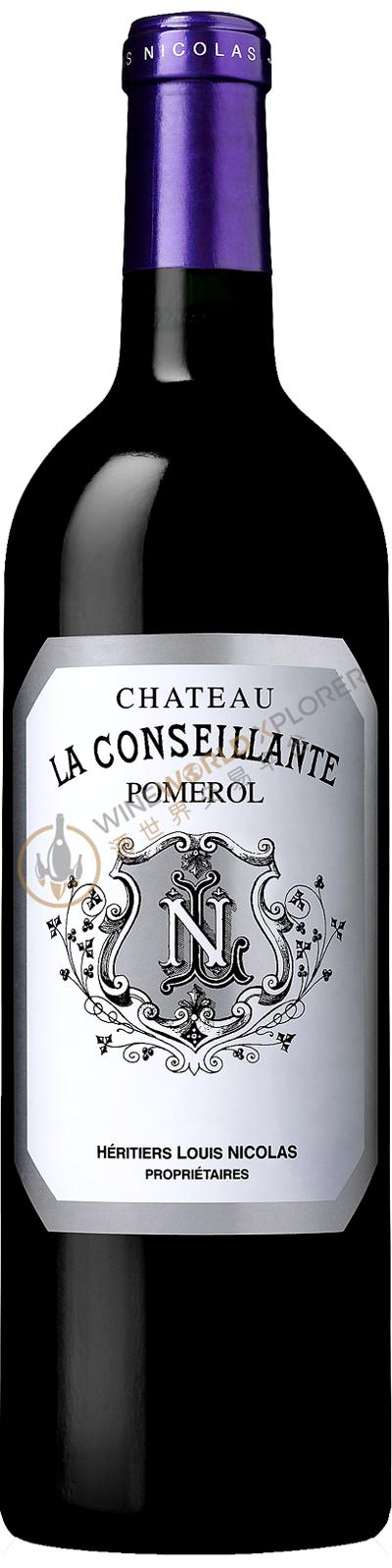
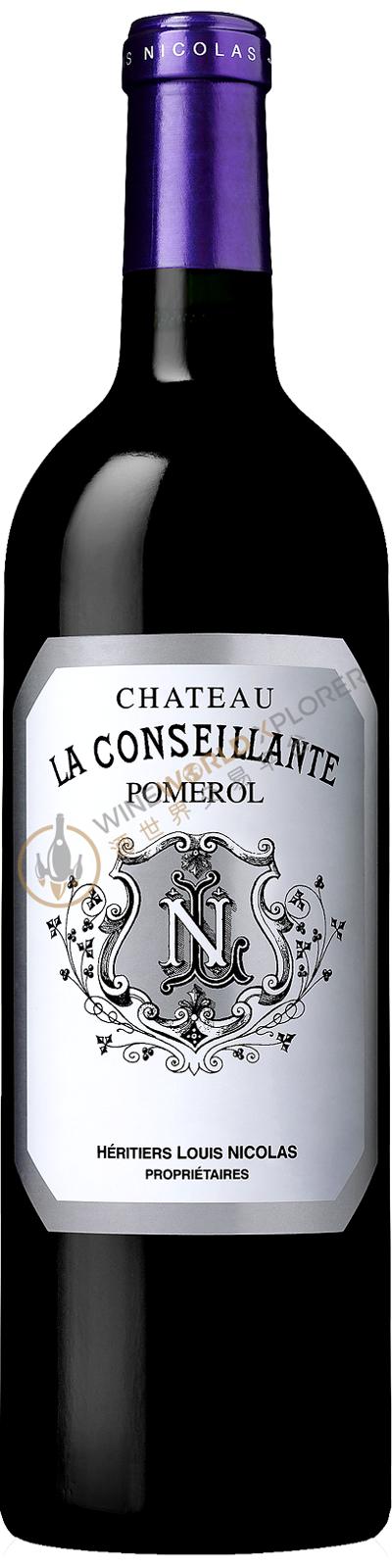
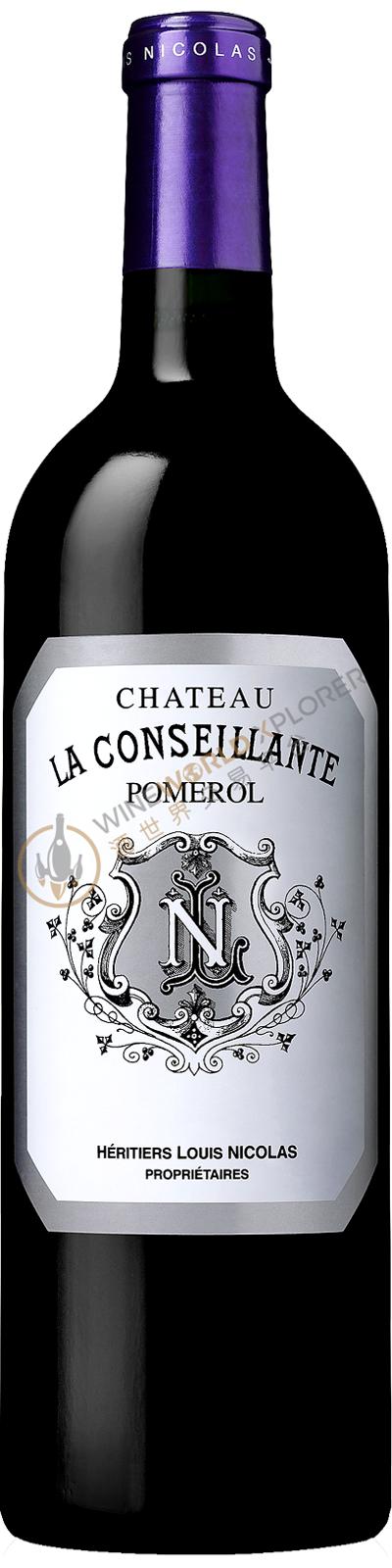
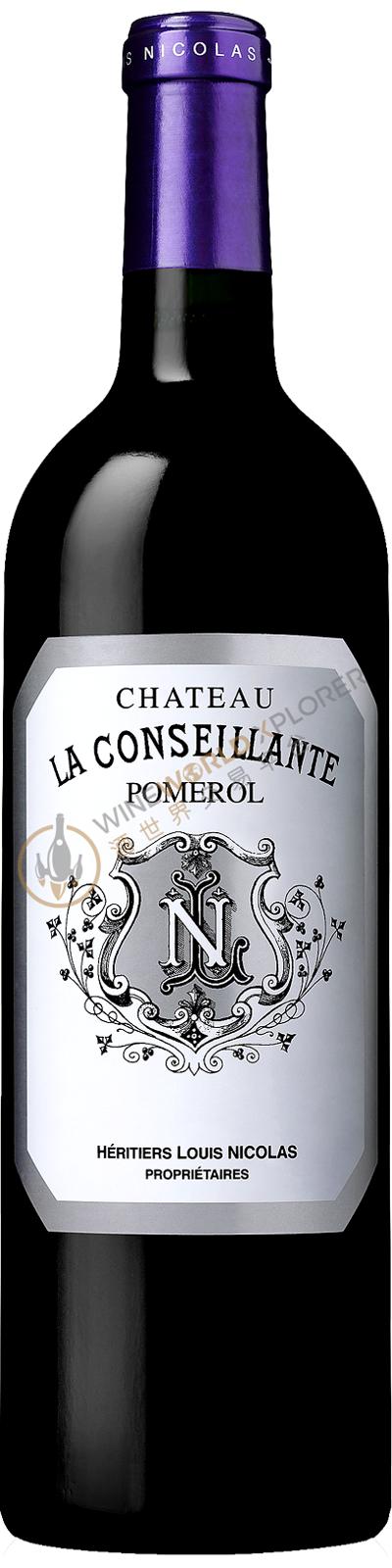
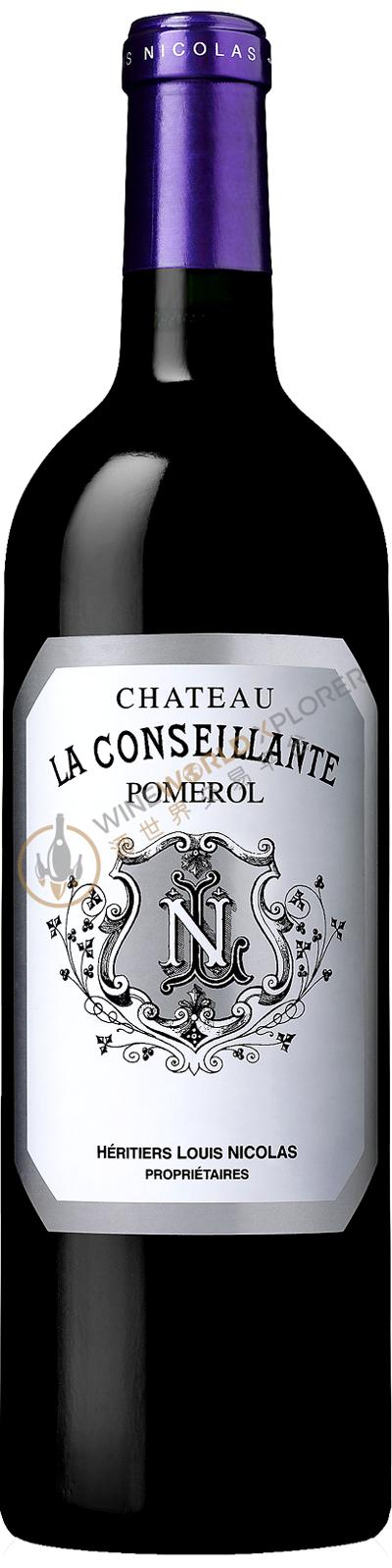
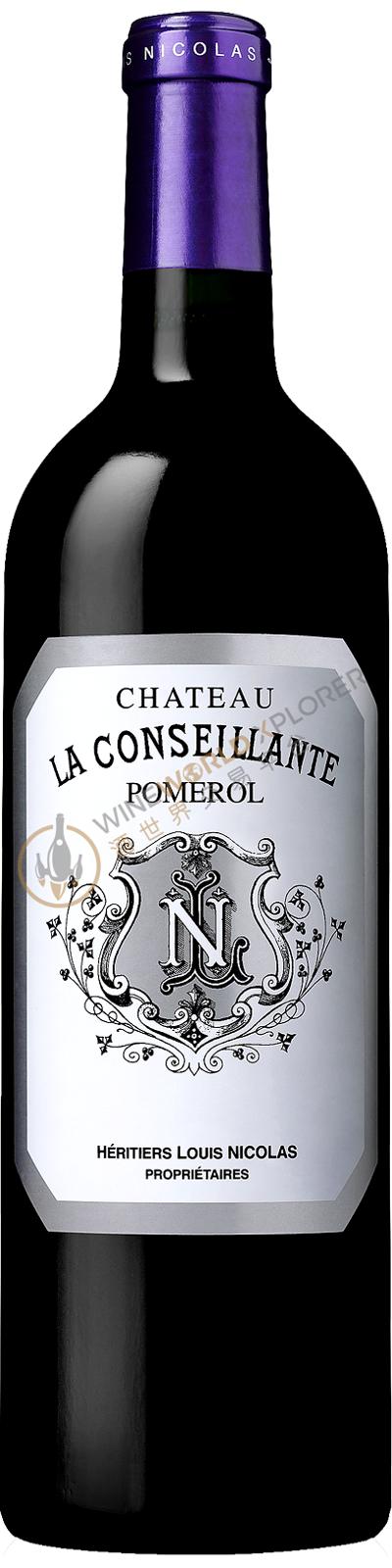
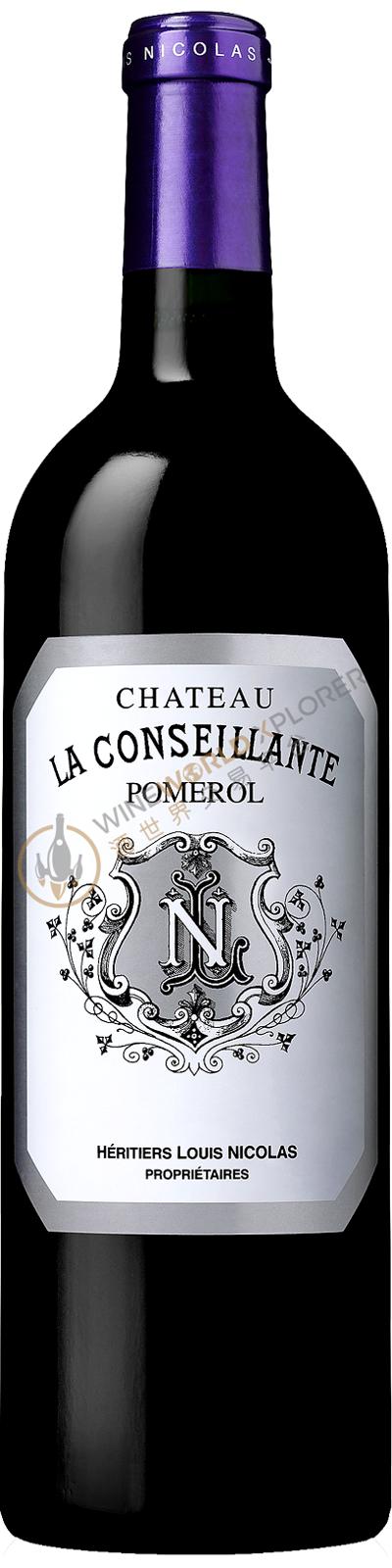
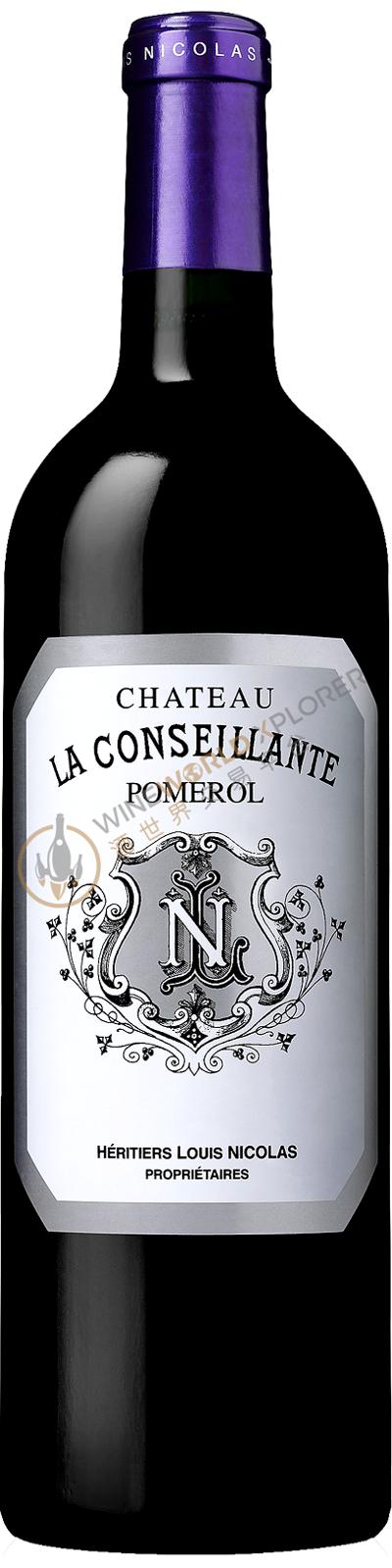
La Conseillante 2014


Description
Tasting notes

Reviewed by: Neal Martin
The Château La Conseillante 2014 is a blend of 78% Merlot and 22% Cabernet Franc, picked from 23 September to 2 October and 29 September until 6 October respectively at 35 hectoliters per hectare. There was just 2.5% vin de presse and the Grand Vin represents 88% of the total production this year. As you would expect, there is far more fruit intensity on the nose compared to the Duo, with dry tobacco-infused red and black fruit, hints of Provençal herb and black truffle - very Pomerol in style. The palate delivers the class. Supple in the mouth, very well judged acidity, poised and long, the Cabernet Franc drives this along and elevates the finish in terms of complexity. There are light spices entering the fray towards the finish that is feminine and nuanced with lovely salinity on the aftertaste that will urge you to take another sip. I was admittedly a little underwhelmed by the deuxième vin this year, but the grand vin makes up for it. It is another great Pomerol from ever-congenial winemaker Jean-Michel Laporte and his team.
Reviewed by: Antonio Galloni
The 2014 La Conseillante is a pretty wine, but it is also a bit light in the context of the vintage. Sweet floral notes, exotic spice and bright red-toned fruit are nicely pushed forward. As always, La Conseillante is one of the most delicate and elegant of Pomerols. Still, tasting the 2014 and 2013 side by side reveals a relatively small difference between the vintages, and certainly a smaller difference than most of the neighboring properties. Whether that is a function of the land or the result of winemaking decisions is the kind of question that will provide fascination for many years. Even so, this should age nicely.
Reviewed by: Antonio Galloni
The 2014 La Conseillante is nicely supple and layered in the glass, with distinct cherry pit, plum, rose petal, wild flowers and subtle hints of spice are woven together in an open-knit, expressive Conseillante that is likely to start drinking well relatively early. The finish is decidedly silky and open-knit. The 2014 is quite pretty, but at this stage it is also lacking a bit in body. The blend is 78% Merlot and 22% Cabernet Franc, with the Franc a bit higher than the 15-18% that is more typical.
Reviewed by: Neal Martin
The 2014 La Conseillante has a very refined bouquet with expressive redcurrant, cranberry, rose petal and orange rind aromas that are very well defined. This seems to gain intensity with aeration. The palate is medium-bodied with supple tannin that belies the structure underneath. There is still some new oak to be subsumed although it is totally in sync with the fruit, allowing the precision and detail to shine on the sophisticated finish. This is a strong showing for La Conseillante in a more challenging growing season that did not favour Pomerol as much as in 2015. Tasted at La Conseillante vertical at the property.
Reviewed by: Neal Martin
The 2014 La Conseillante has a well-defined bouquet with brambly red berry fruit, minerals, touches of seaweed and light incense aromas that develop fine intensity in the glass. The palate is medium-bodied with fine-grained tannin. This Pomerol is very well poised with perfectly judged acidity. Whilst not a match for Titans like the 1989 or 2010, this La Conseillante possesses nuance and sophistication, a precision that does justice to the name. It should be earlier-drinking that other vintages that I have tasted, though given the terroir and track record, it would not surprise me if it gives 25 years of drinking pleasure. Tasted twice with consistent notes.
Reviewed by: James Suckling
Classical elegance in an uncompromising form, whereby the richness is beautifully interwoven with the dry tannins. The finish very long, savory and complex. A lot of delicate spicy and olive notes make this really complex.
About the Producer
Chateau La Conseillante is located in the Pomerol appellation on the right bank of Bordeaux, France, next to Vieux Chateau Certan and Chateau L'Evangile, and is one of the best châteaux in Pomerol. The vineyard covers an area of 11.8 hectares with a topsoil of 60% grey clay and 40% gravel and a subsoil of red clay rich in iron. The vineyard is planted with 80% Merlot and 20% Cabernet Franc. The Merlot is planted mainly on clay plots, while the Cabernet Franc is planted mainly on gravel. The average age of the vines is 35 years and the planting density is 7,000 vines per hectare. The winery uses traditional vineyard management practices, eliminating the use of herbicides. During the growing season, the land is usually plowed four times to suppress weed growth and thus obtain more water for the vines. In the winter, the vines are pruned in a strict Simple Guyot and Double Guyot style. In addition, the vineyards are de-leafed and de-budded to keep yields at around 4,000 liters per hectare. At harvest time, the grapes are hand-picked to their optimum ripeness and a preliminary selection is carried out. Once the selection is complete, the grapes are transported in small batches to the winery to prevent crushing of the fruit. The winery is located in the heart of the vineyard, which shortens the transportation time and ensures that the grapes are fresh and ready for fermentation. In 2012, the winery added a new fermentation room with enough temperature-controlled stainless steel tanks to ferment the grapes from each of the 18 plots separately, combining traditional winemaking techniques with modern technology. In addition, the winery now has four sorting tables and a de-stemmer. After being transferred to barrels, the grapes undergo a cold maceration of 48 to 96 hours. After maceration, the must is fermented in barrels with the skins for 1 week, followed by a further 1 to 2 weeks of maceration. At the end of fermentation, some of the artesian wine is released first and the remaining lees are pressed through a vertical press. The pressed wines are aged separately, and only some of the best pressed wines are blended with the artesian wines. Before bottling, the wines are matured in oak barrels for approximately 18 months, 50% to 80% of which are new. During maturation, the wines are decanted by the winemakers every three months and finally clarified with egg whites.
1961(1)1973(1)1983(1)1984(1)1988(2)1989(3)1990(2)1993(2)1994(1)1995(2)1997(1)1998(3)1999(1)2000(6)2001(7)2002(1)2003(3)2004(4)2005(10)2006(7)2007(1)2008(8)2009(5)2010(8)2011(6)2012(12)2013(4)
Package Size
1 x 9L12 x 75cl