Wine Advisor



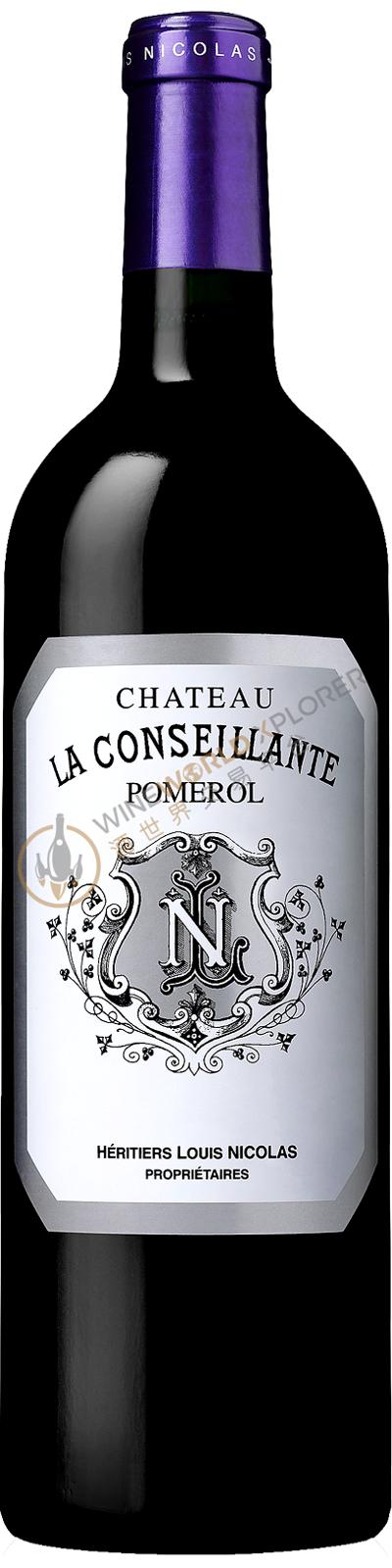
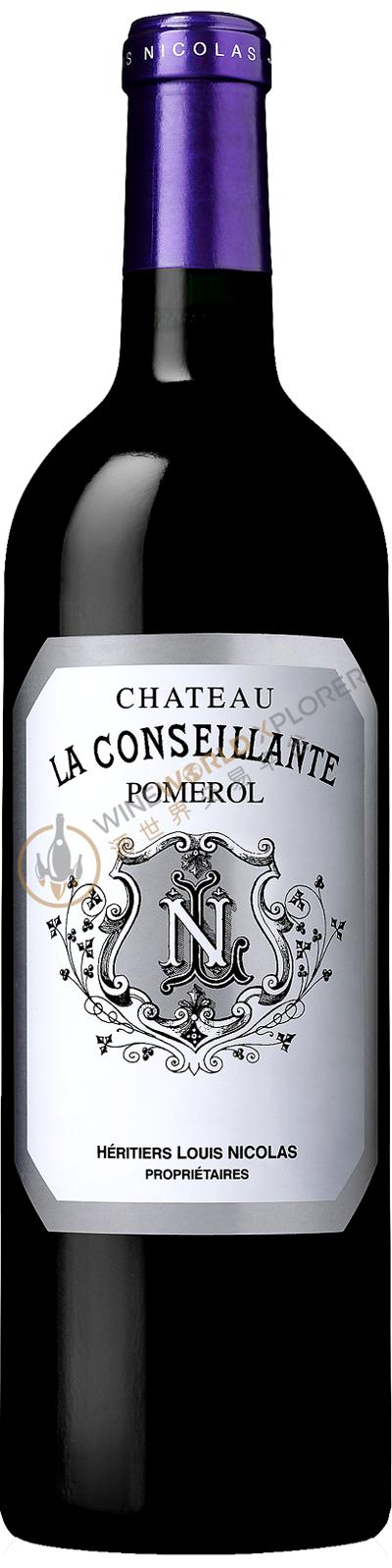
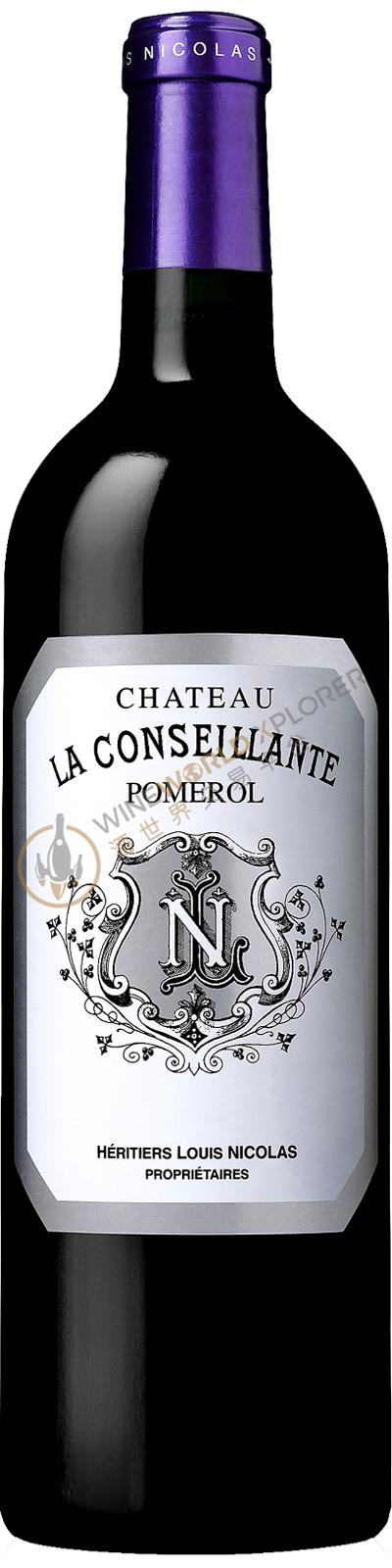
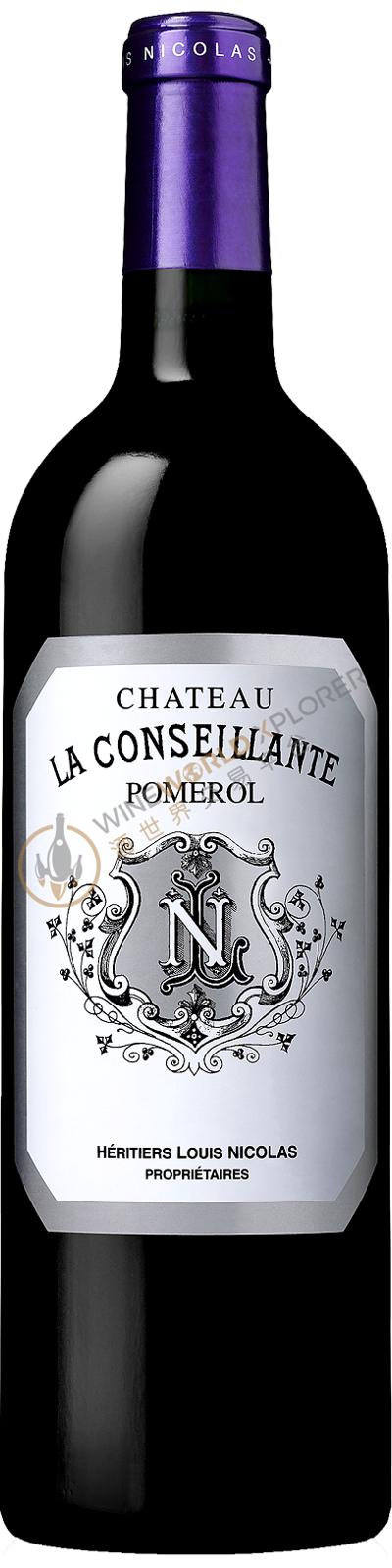
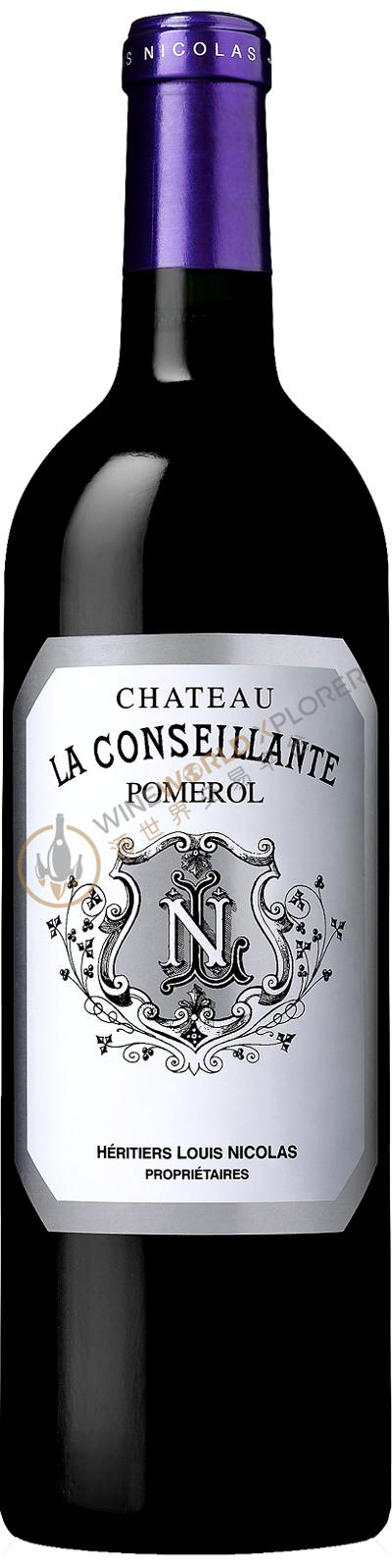
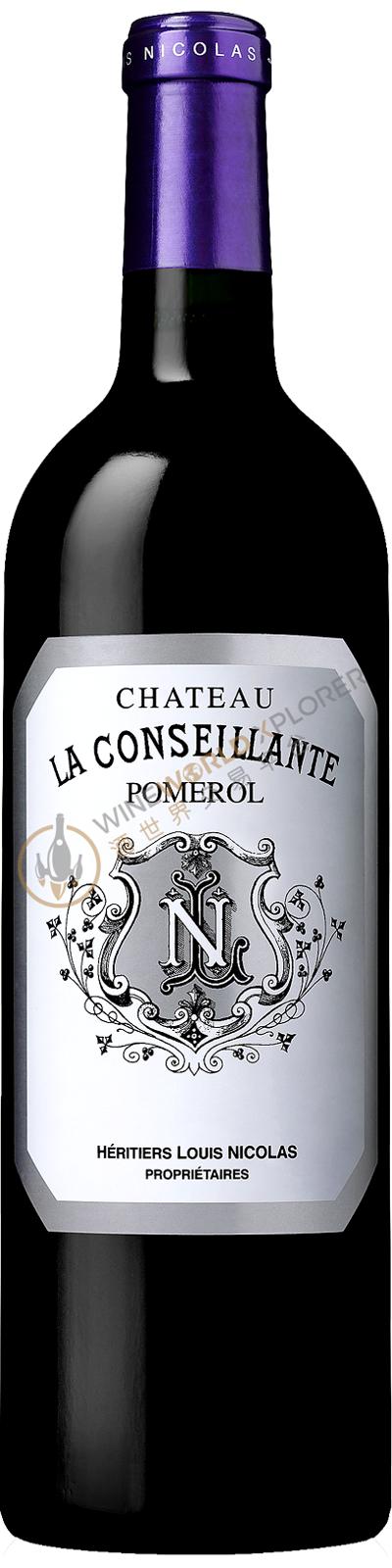
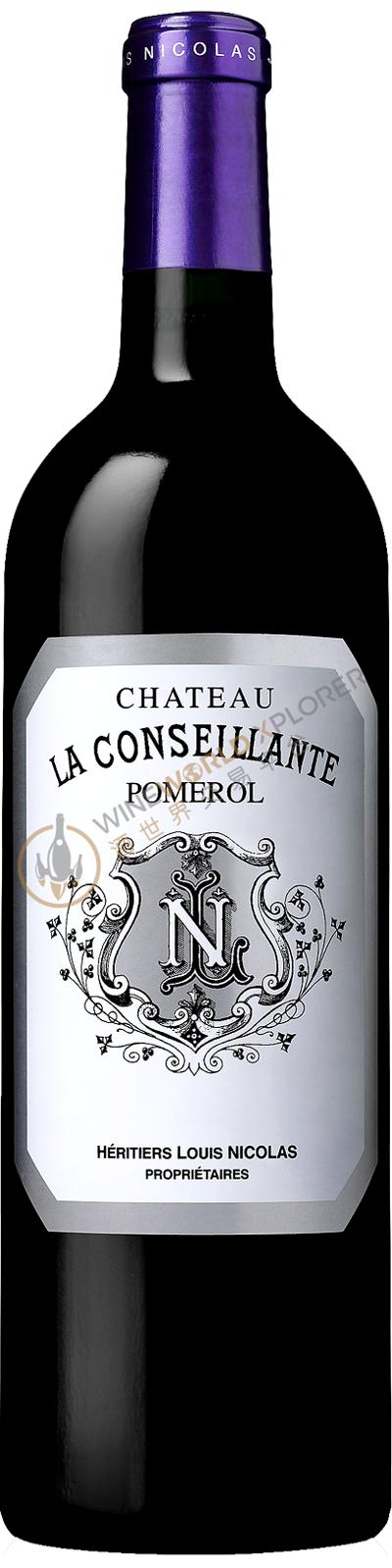
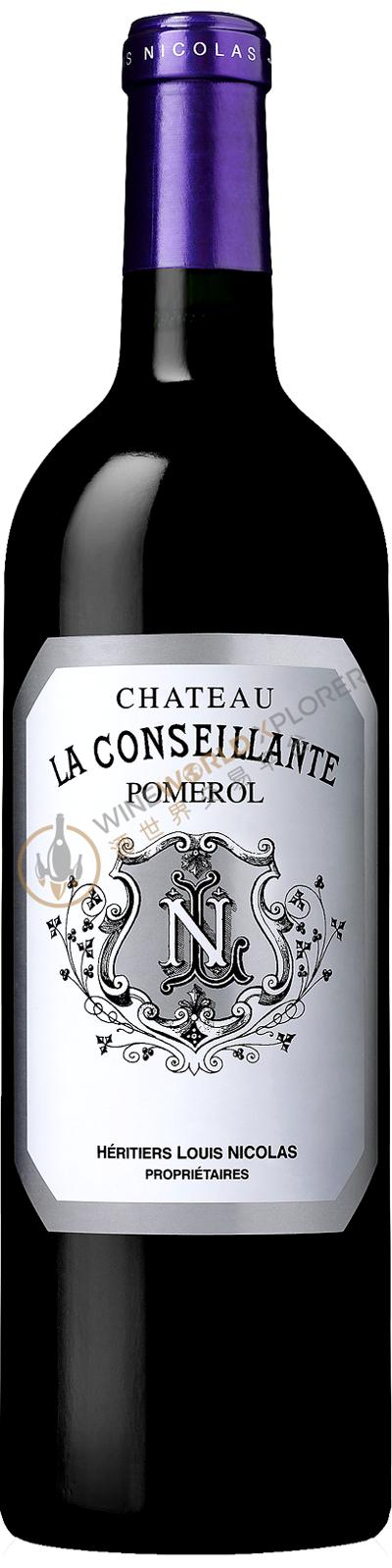
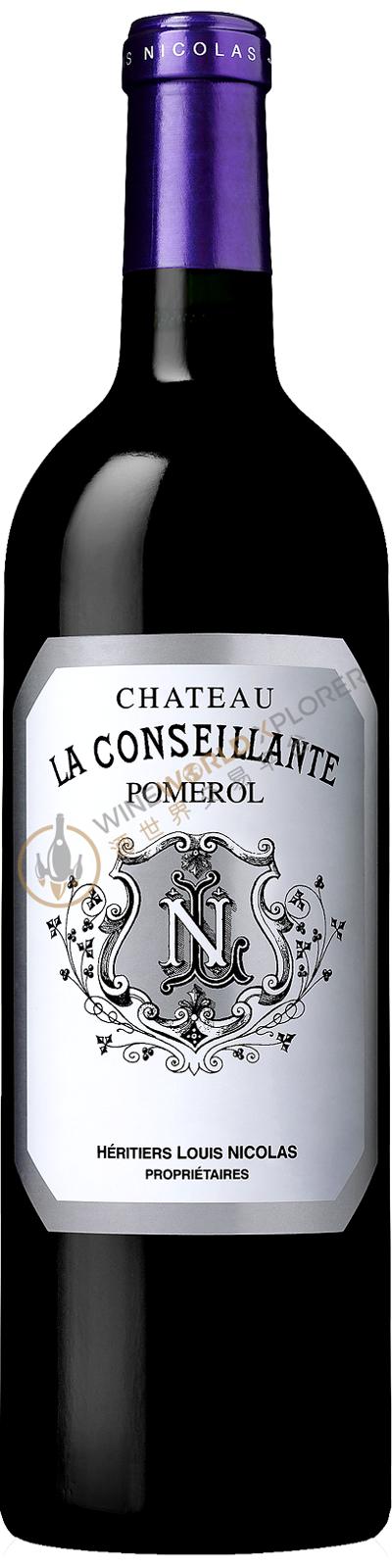
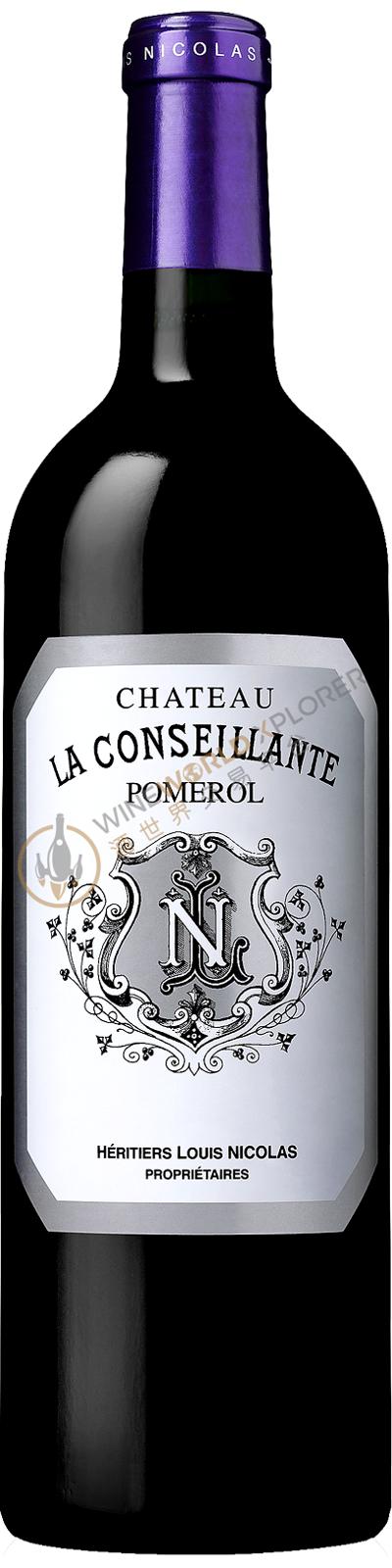
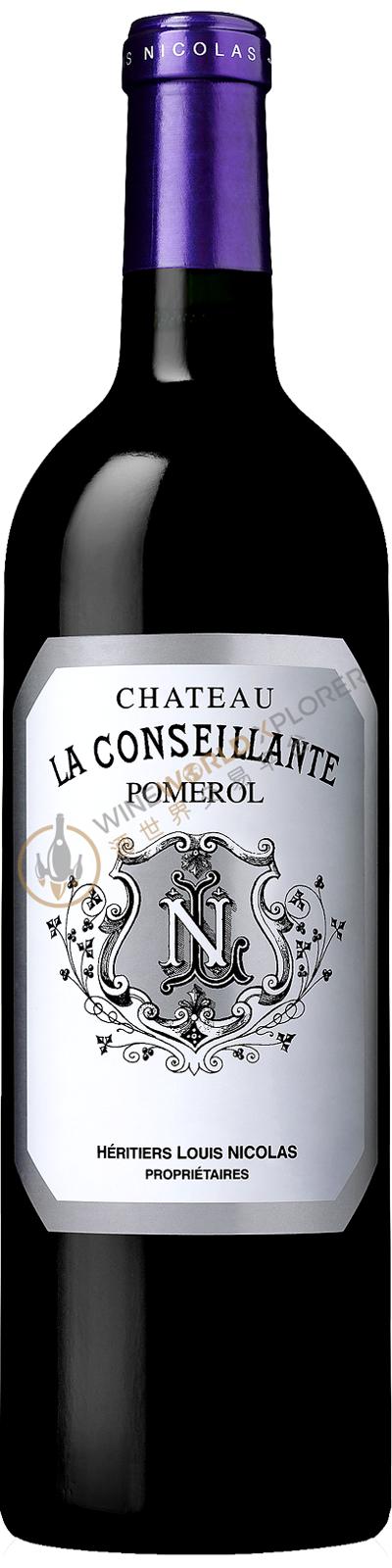
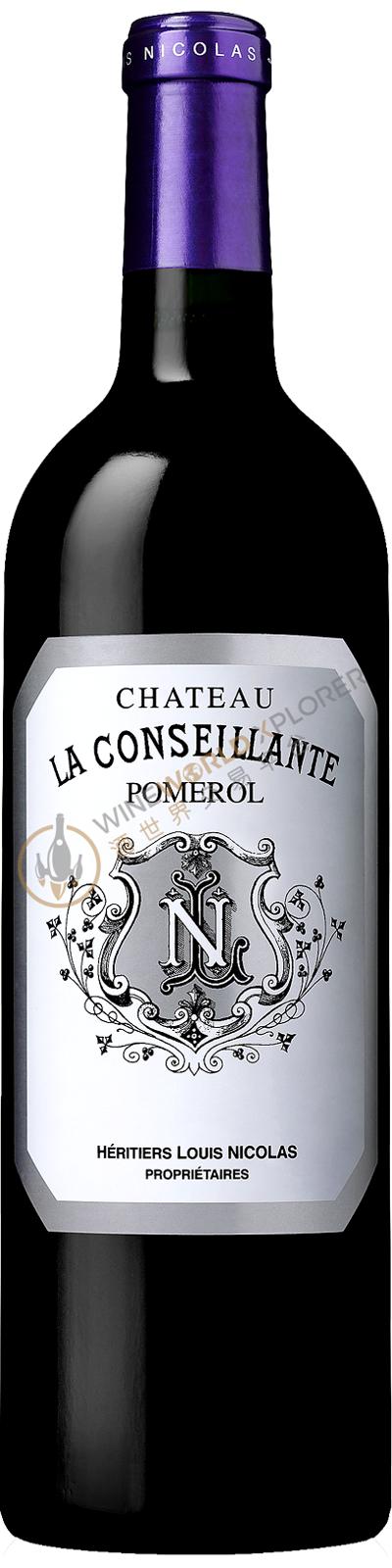
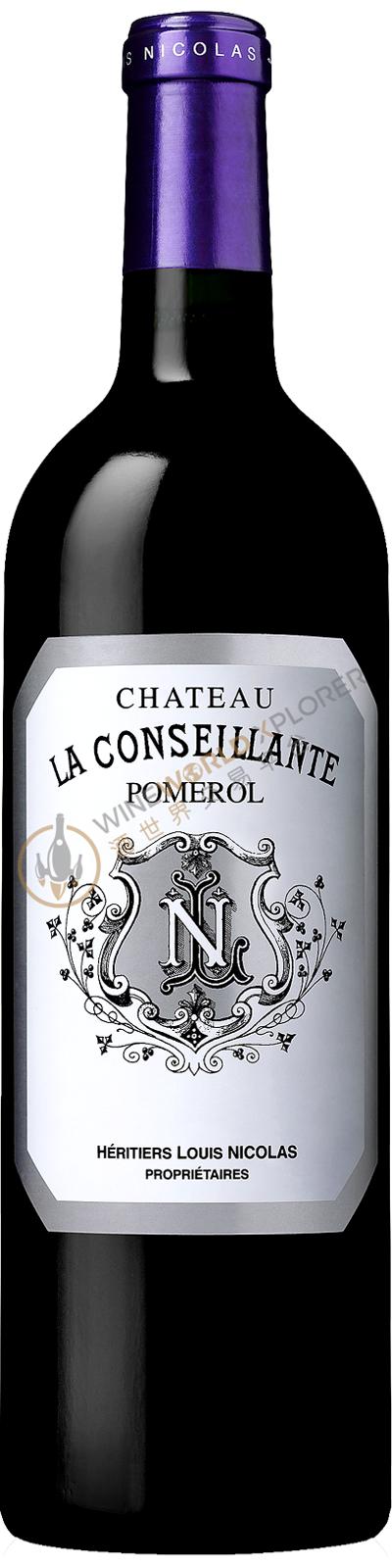
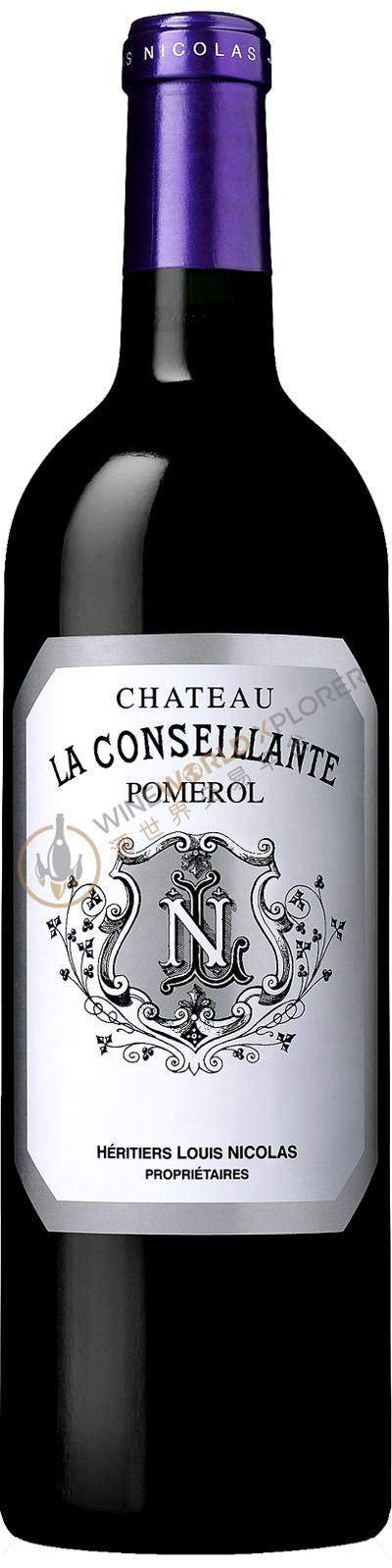
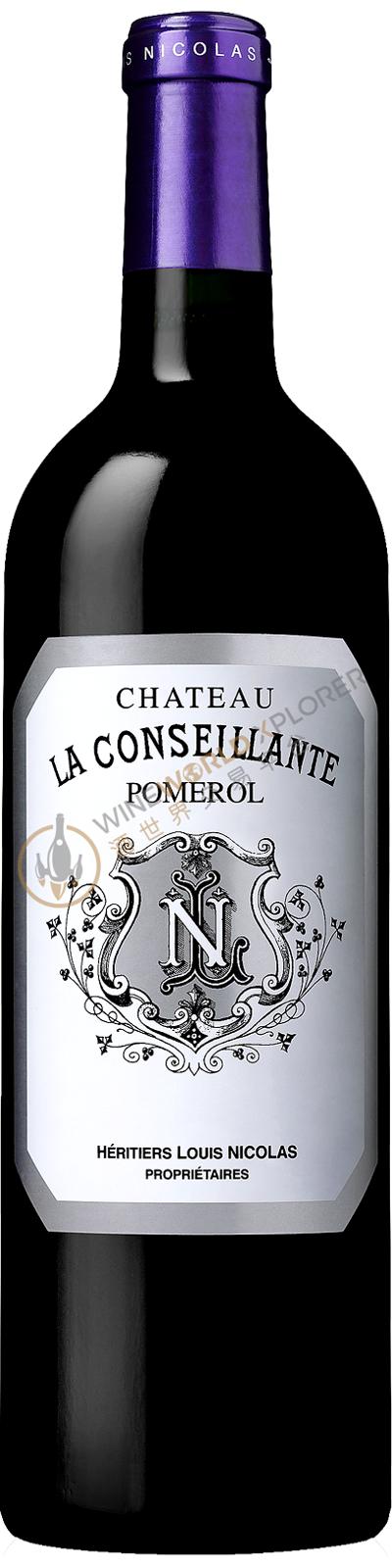
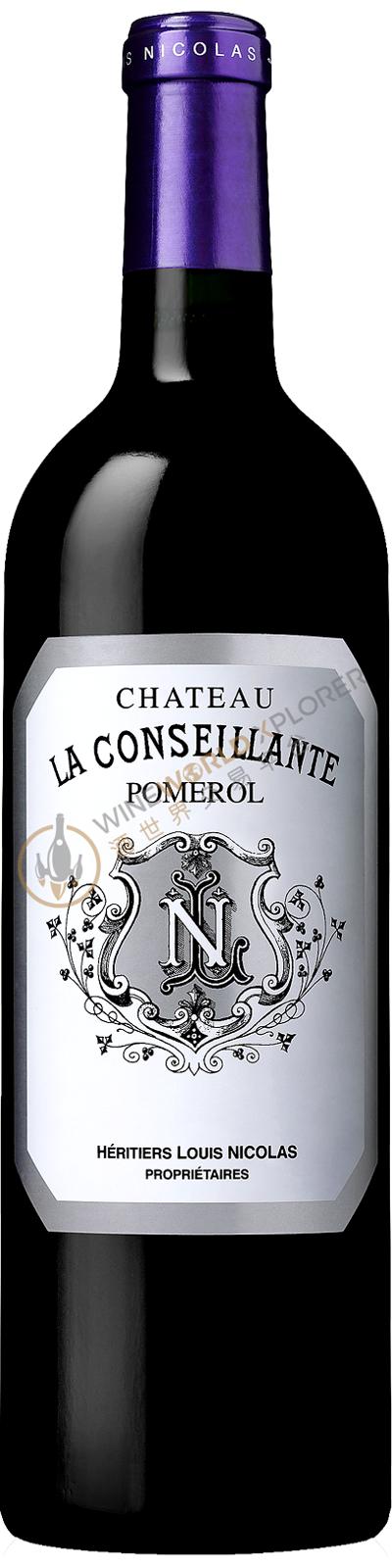
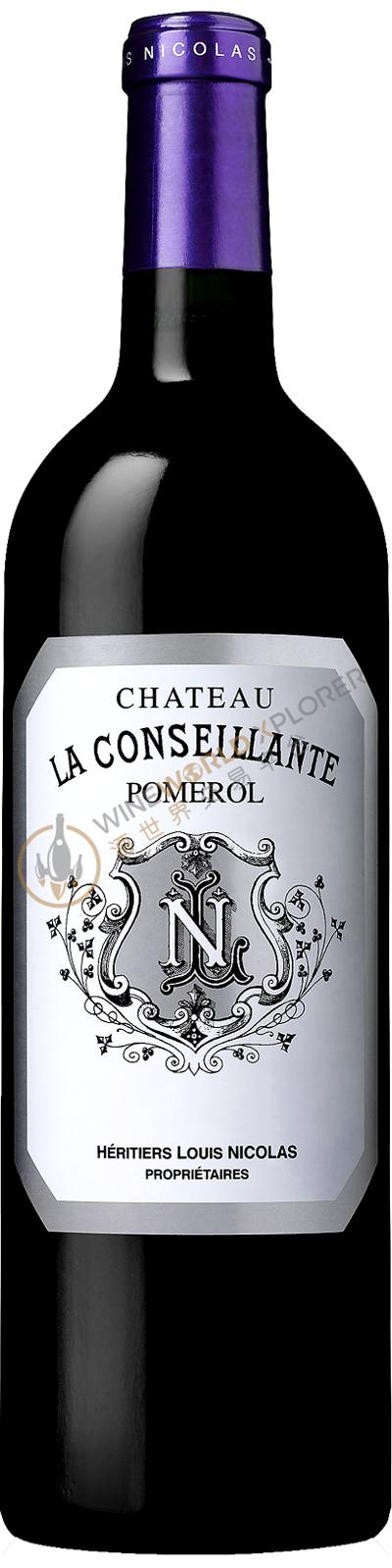
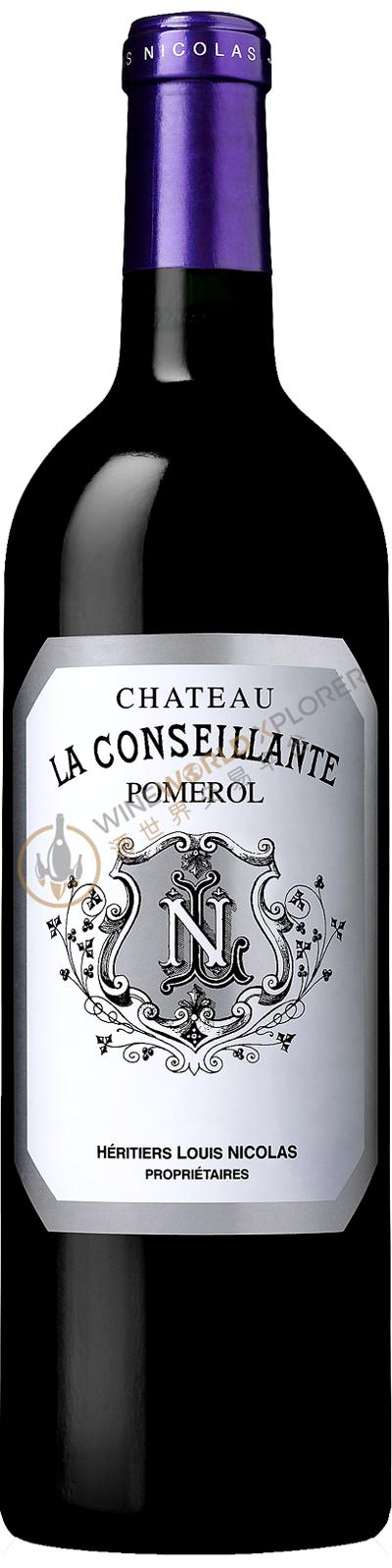
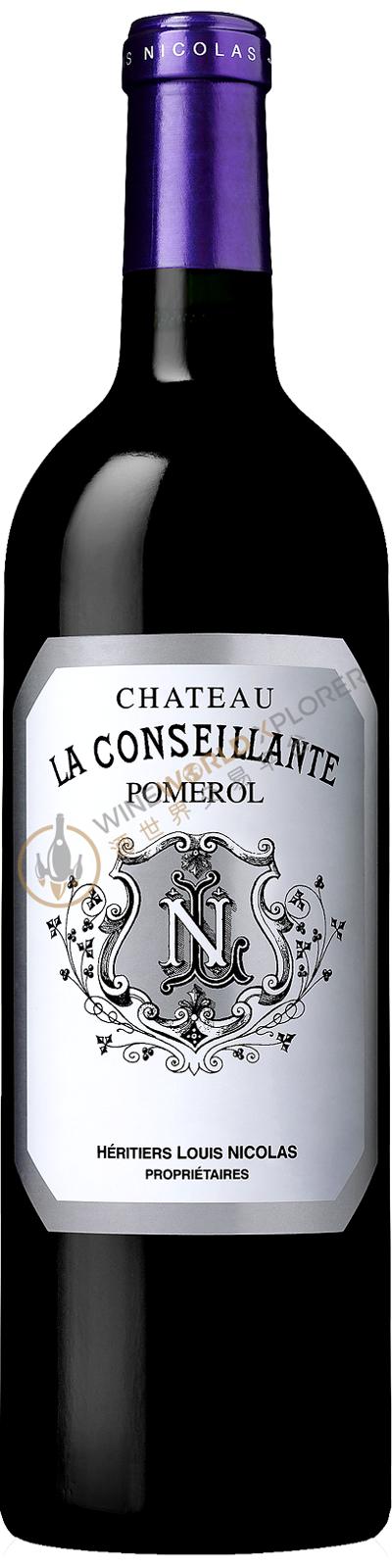
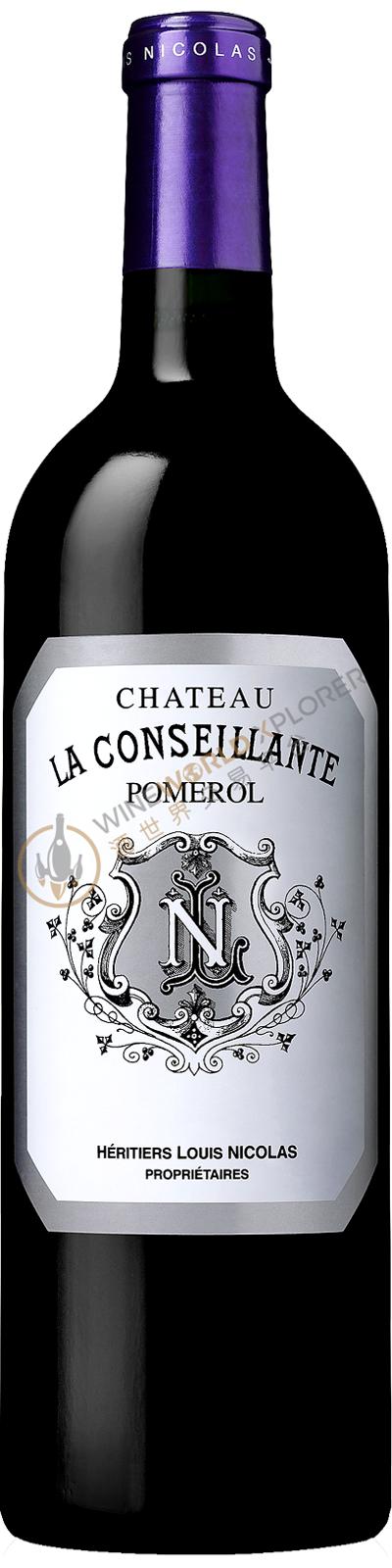
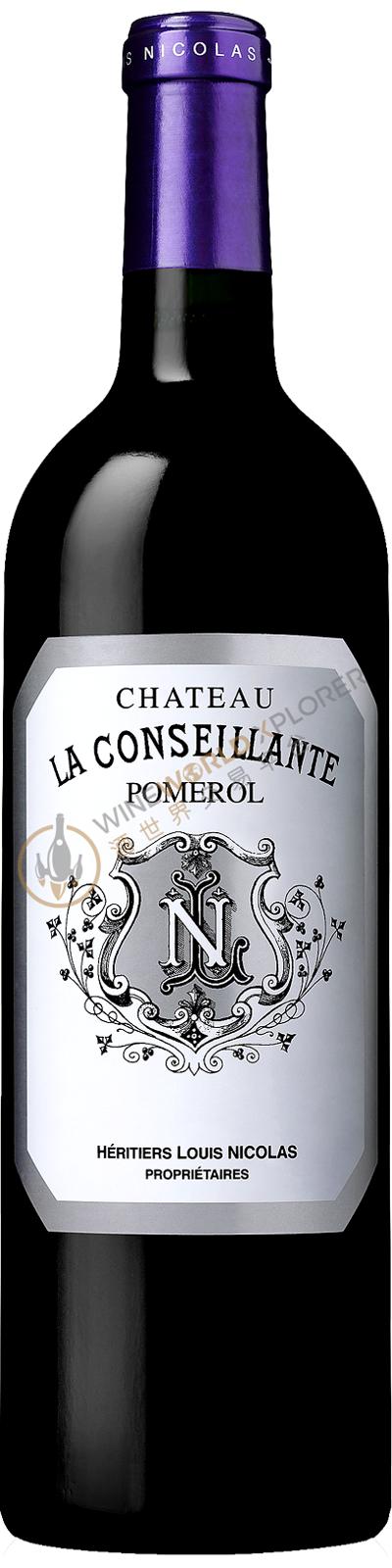
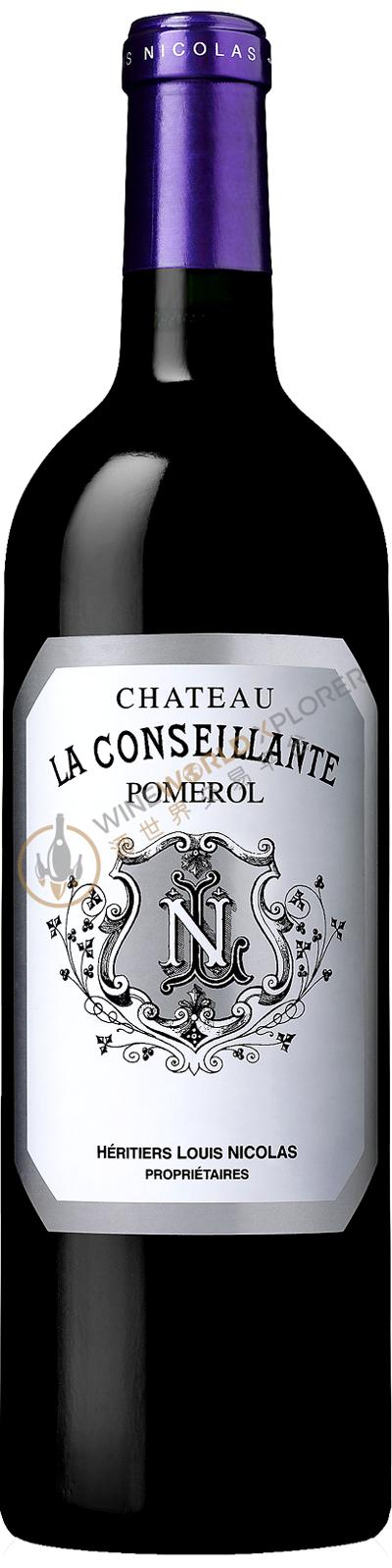
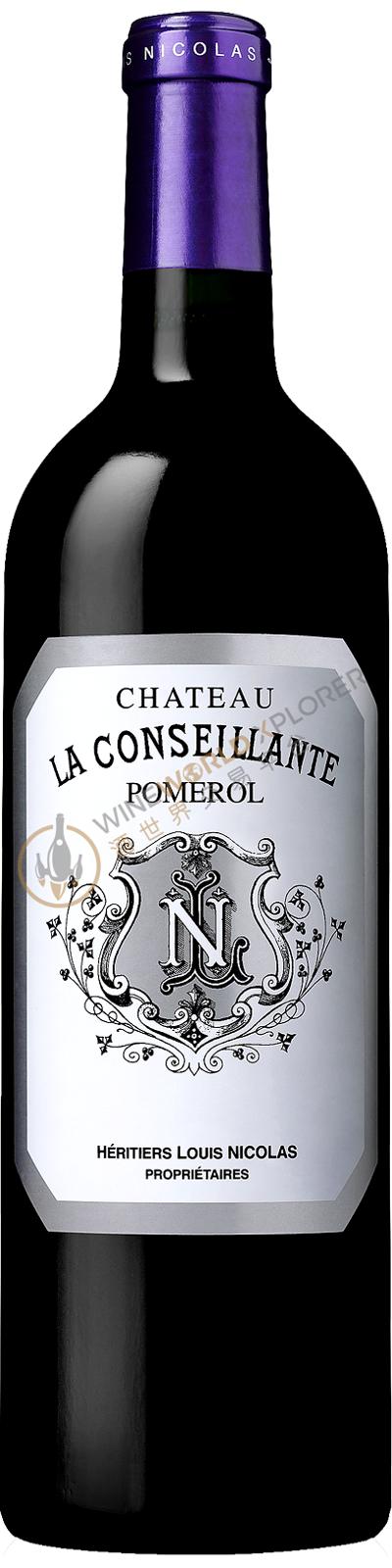
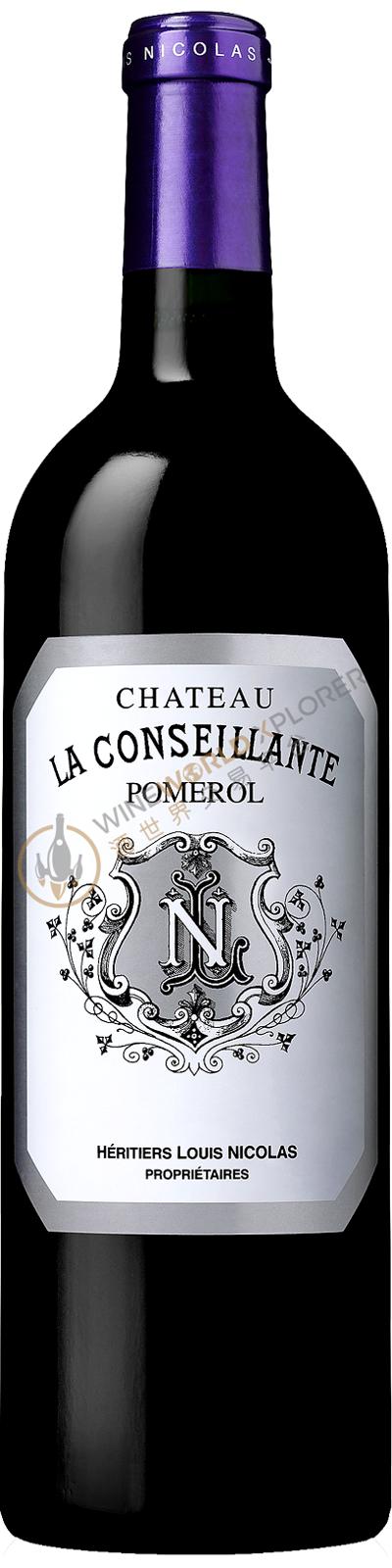
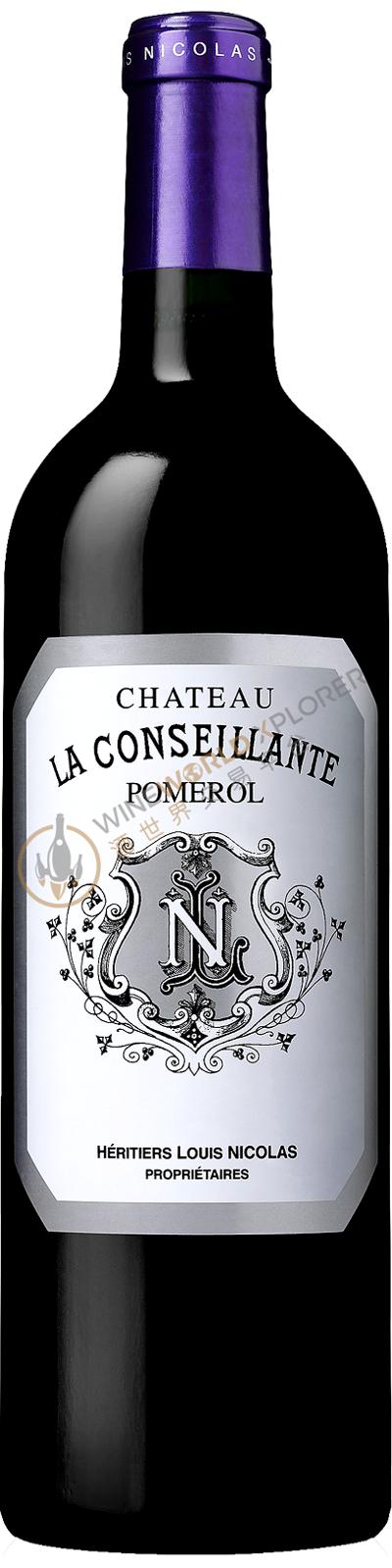
La Conseillante 2008
 View analysis


Description
Tasting notes

Reviewed by: Robert M. Parker, Jr.
The beautiful 2008 exhibits a dark plum/ruby/purple color as well as jammy red and black fruit, crushed rock and floral notes. If this were a Burgundy, one might think of it as a grand cru Musigny. With excellent texture, medium to full body and stunning purity as well as nobility, this fascinating Pomerol should drink well for 15-20 years.
Reviewed by: Neal Martin
Tasted at the La Conseillante vertical at Chez Bruce. The 2008 is not quite as precise as the 2009 and comes across as a little smudged in comparison. Blackberry, mulberry and touches of espresso, quote rounded with some lovely sage and graphite aromas just in the background. The palate is medium-bodied with firm, gritty tannins, faint hints of pain grille inflecting the fresh blackberry and citrus flavours but just a little short on the foursquare finish. Very fine for the vintage but this will require some cellaring to mellow out. Tasted December 2010.
Reviewed by: Neal Martin
Tasted ex-chateau and single blind in Southwold. This was a slightly disappointing performance from La Conseillante compared to previous encounters. It has a decadent bouquet with super-ripe red fruit: very plush with pronounced new oak, a little “smudged” when compared to its peers. The palate is medium-bodied with svelte tannins and it appears to have lower acidity. Nevertheless, there is certainly good grip with layers of rich dark cherry and plum fruit towards the sustained finish, though it is missing some persistency. Tasted January 2012.
Reviewed by: Robert M. Parker, Jr.
This estate has long been known for its elegant, complex, racy, supple, delicious wines, but the 2008 is more massive, structured, and concentrated than usual. There is a lot going on in this richer, more tannic effort. No one will be disappointed, but purchasers should not expect a wine that will be drinkable upon release. A dense ruby/purple color as well as plenty of concentration, sweet, but elevated tannins, and a huge finish suggest this estate is moving in the direction of Gazin, Lafleur, and Trotanoy. Anticipated maturity: 2014-2030. With the next generation of the Nicolas family taking over, there appears to be a change in style at La Conseillante (although it is not fair to judge after just one vintage).
Reviewed by: Neal Martin
Tasted at the UGC 2008 tasting in London. I remember out of barrel, expressing concern that the UGC sample may not be representative. Certainly tasting the wine in bottle, it is completely different wine with an ebullient nose and great fruite: blackberry, mulberry and bilberry, intermingling with pencil lead and cedar. Great definition and sense of bravura. The palate is full-bodied with dense, sinewy tannins, a great sense of balance and poise with mineralite defining the crisp finish. This is much more like it! Drink 2014-2030. Tasted October 2010.
Reviewed by: Neal Martin
En primeur barrel sample. I love Conseillante, they have made some the best Pomerols of recent years, but I cannot get away from the fact that there is a little greenness on the nose. The palate is much better: medium-bodied, fine tannins, a real sense of tension and vibrancy. Maraschino, raspberry and redcurrant with good mineralite coming through on the finish although it does lack some depth on the admittedly fresh, urgent finish. This sample is somewhat -paradoxical--need to re-taste this. Tasted April 2009.
Reviewed by: Neal Martin
The 2008 La Conseillante has an attractive bouquet at ten years of age, unfolding discretely in the glass with engaging scents of Morello cherry, blackcurrant, orange pith, cedar and a touch of mint. The delineation here is very impressive. The palate is medium-bodied with fine grain tannin and a keen thread of acidity. It conveys energy and vivacity and then develops a quite irony note towards the second half with traces of white pepper and bay leaf infusing the red and black fruit. What I appreciate here is its focus and drive, a Pomerol intent on longevity. It is drinking perfectly well now, but it will have more to give. (Tasted at the château and at BI Wine & Spirit’s annual vertical tasting.)
Reviewed by: James Suckling
Very floral with sweet berries and cherries on the nose. Full to medium-body, with bright and intense fruit, super silky tannins and a citrus aftertaste. Live wire of a wine. Very precise. Best after three or four years of bottle age.
Reviewed by: James Suckling
The sweetness of fruit and balance to this wine is really impressive. Medium to full body, fine tannins and a light milk chocolate, blueberry and spice character. Bright acidity gives it verve. Drink or hold.
About the Producer
Chateau La Conseillante is located in the Pomerol appellation on the right bank of Bordeaux, France, next to Vieux Chateau Certan and Chateau L'Evangile, and is one of the best châteaux in Pomerol. The vineyard covers an area of 11.8 hectares with a topsoil of 60% grey clay and 40% gravel and a subsoil of red clay rich in iron. The vineyard is planted with 80% Merlot and 20% Cabernet Franc. The Merlot is planted mainly on clay plots, while the Cabernet Franc is planted mainly on gravel. The average age of the vines is 35 years and the planting density is 7,000 vines per hectare. The winery uses traditional vineyard management practices, eliminating the use of herbicides. During the growing season, the land is usually plowed four times to suppress weed growth and thus obtain more water for the vines. In the winter, the vines are pruned in a strict Simple Guyot and Double Guyot style. In addition, the vineyards are de-leafed and de-budded to keep yields at around 4,000 liters per hectare. At harvest time, the grapes are hand-picked to their optimum ripeness and a preliminary selection is carried out. Once the selection is complete, the grapes are transported in small batches to the winery to prevent crushing of the fruit. The winery is located in the heart of the vineyard, which shortens the transportation time and ensures that the grapes are fresh and ready for fermentation. In 2012, the winery added a new fermentation room with enough temperature-controlled stainless steel tanks to ferment the grapes from each of the 18 plots separately, combining traditional winemaking techniques with modern technology. In addition, the winery now has four sorting tables and a de-stemmer. After being transferred to barrels, the grapes undergo a cold maceration of 48 to 96 hours. After maceration, the must is fermented in barrels with the skins for 1 week, followed by a further 1 to 2 weeks of maceration. At the end of fermentation, some of the artesian wine is released first and the remaining lees are pressed through a vertical press. The pressed wines are aged separately, and only some of the best pressed wines are blended with the artesian wines. Before bottling, the wines are matured in oak barrels for approximately 18 months, 50% to 80% of which are new. During maturation, the wines are decanted by the winemakers every three months and finally clarified with egg whites.
1961(1)1973(1)1983(1)1984(1)1988(2)1989(3)1990(2)1993(2)1994(1)1995(2)1997(1)1998(3)1999(1)2000(6)2001(7)2002(1)2003(3)2004(4)2005(10)2006(7)2007(1)
Package Size