Wine Advisor



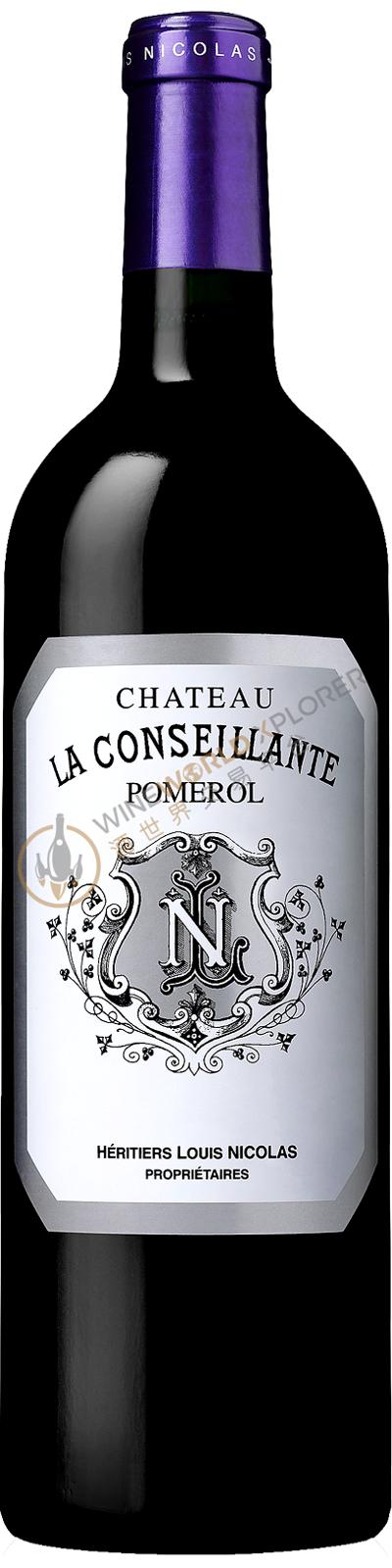
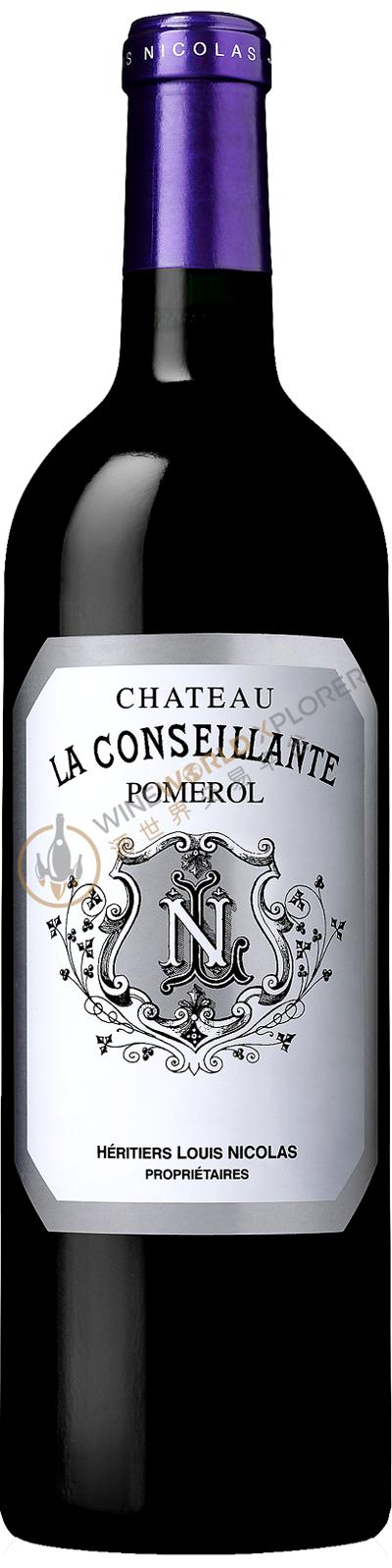
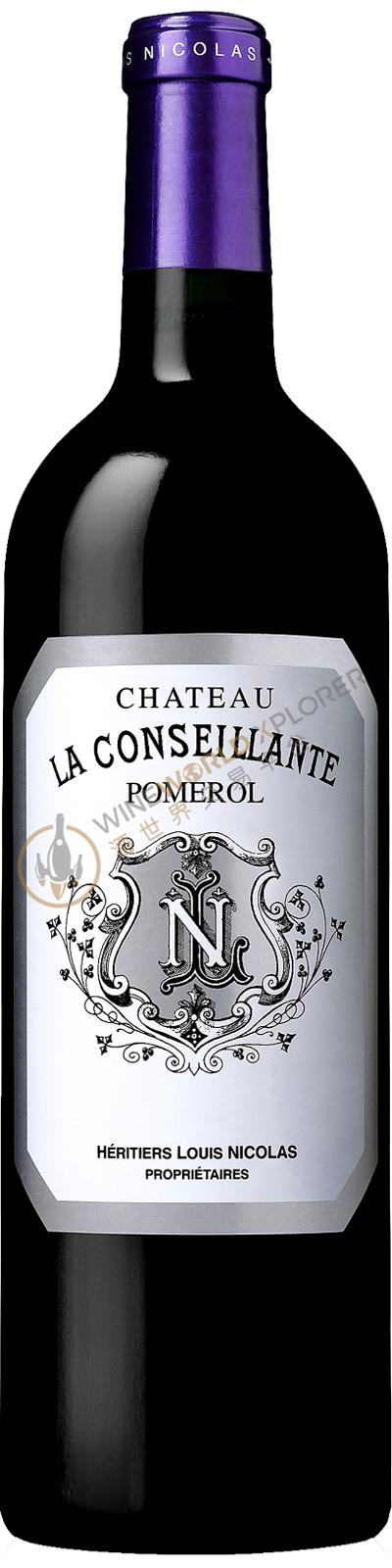
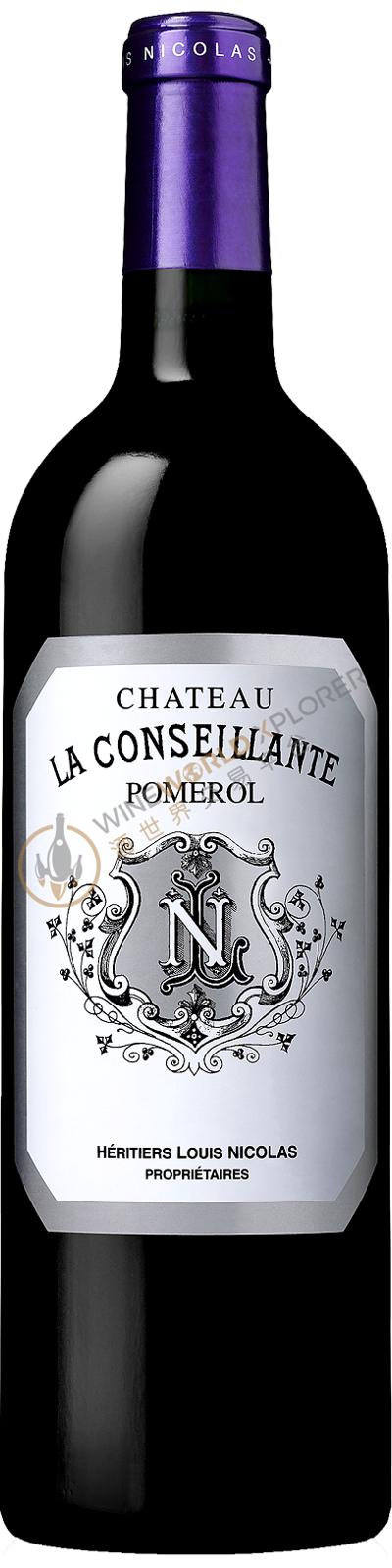
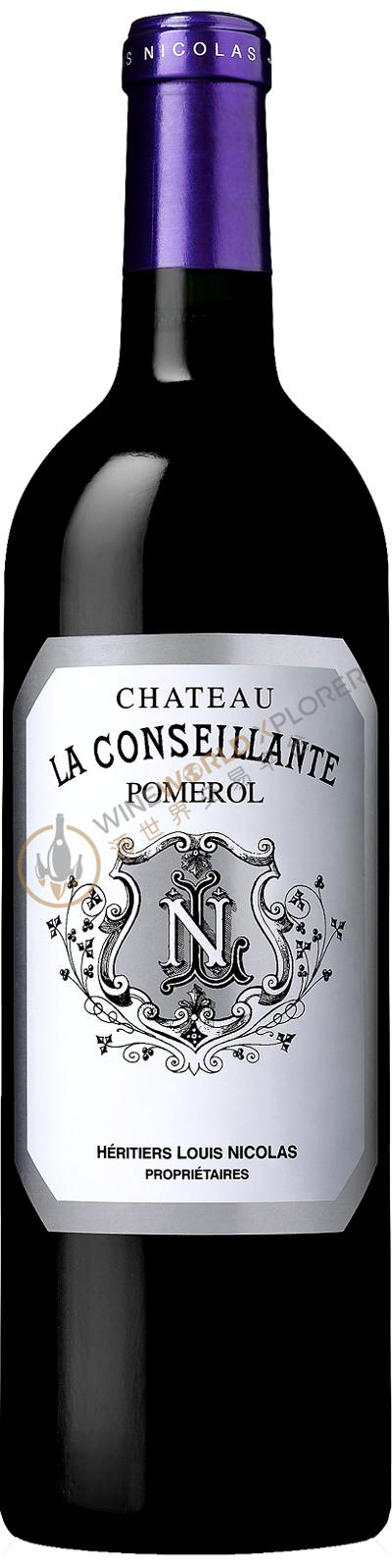
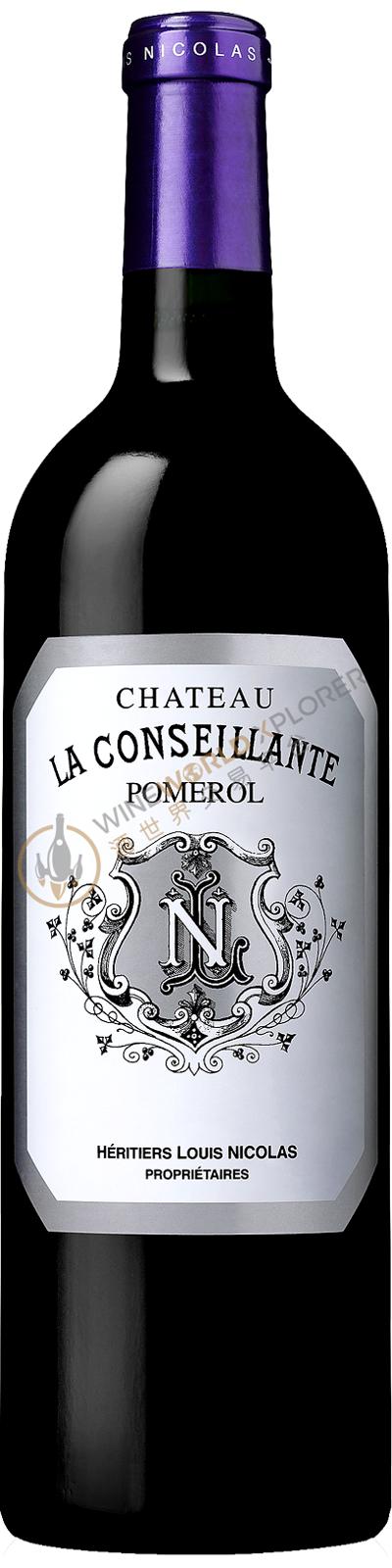
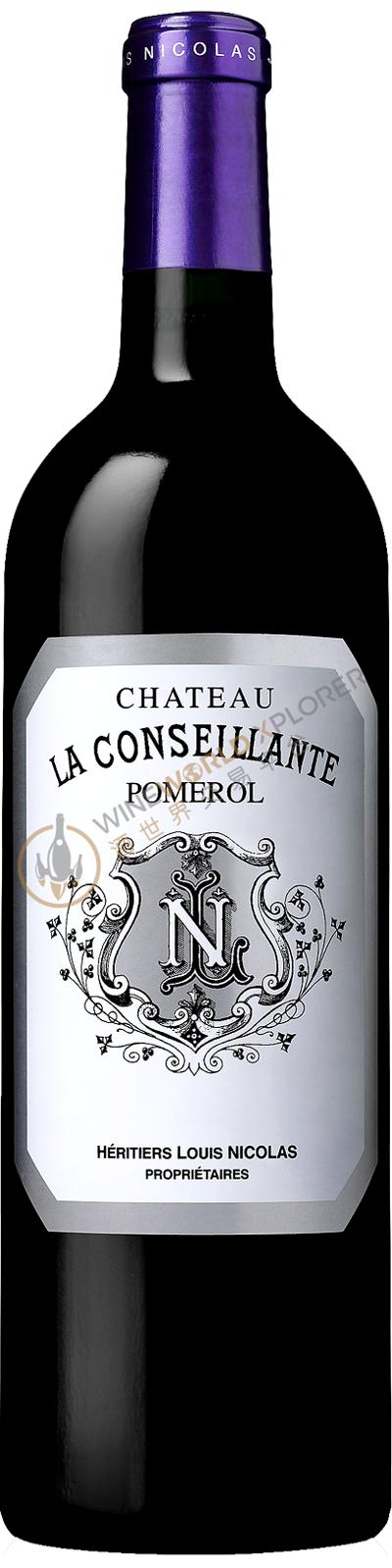
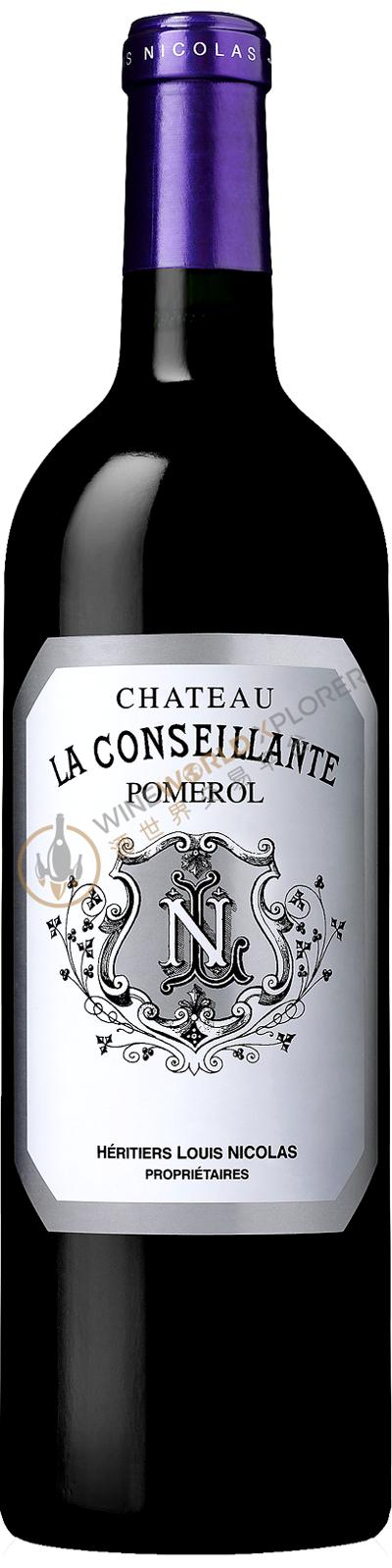
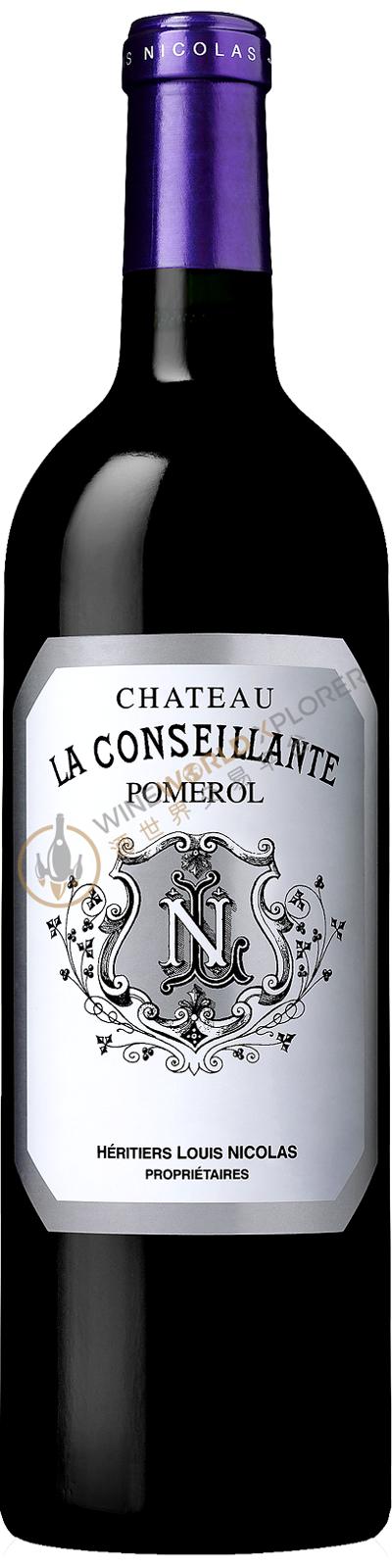
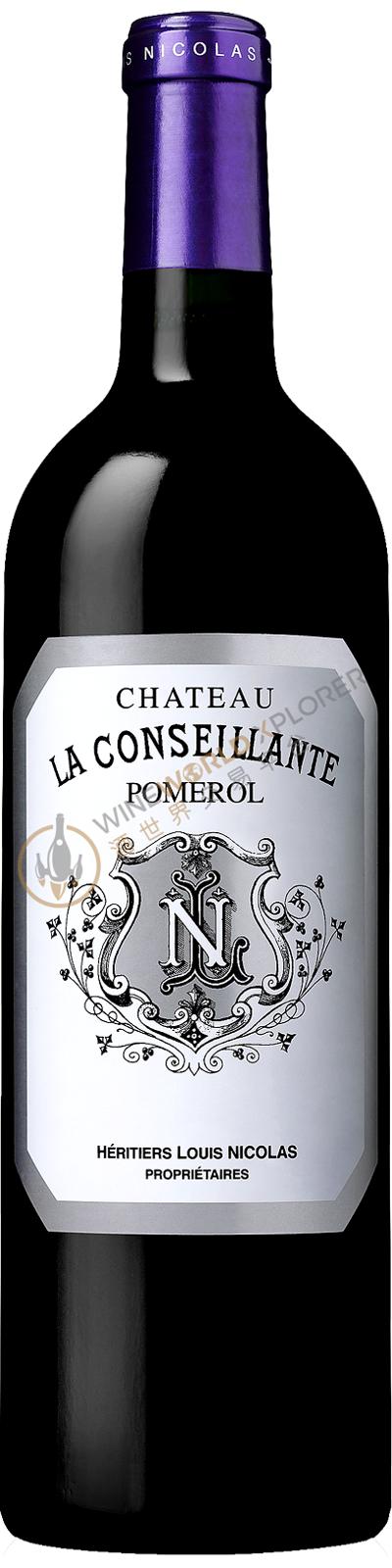
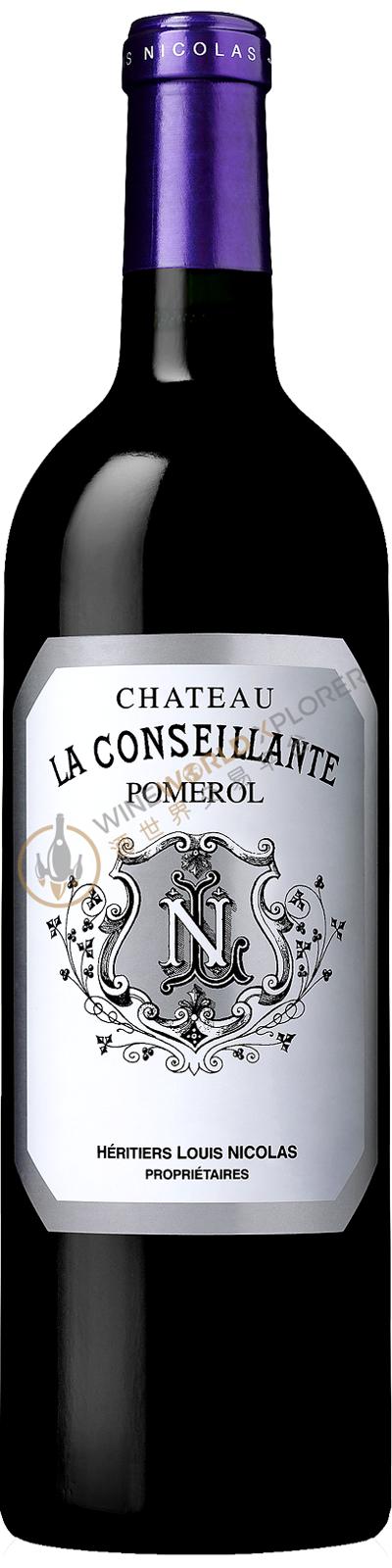
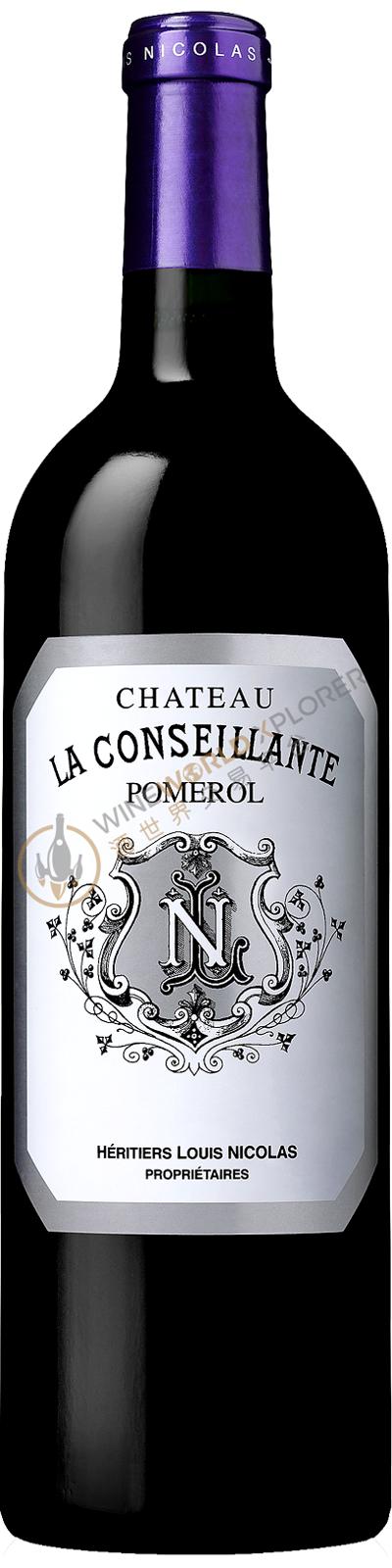
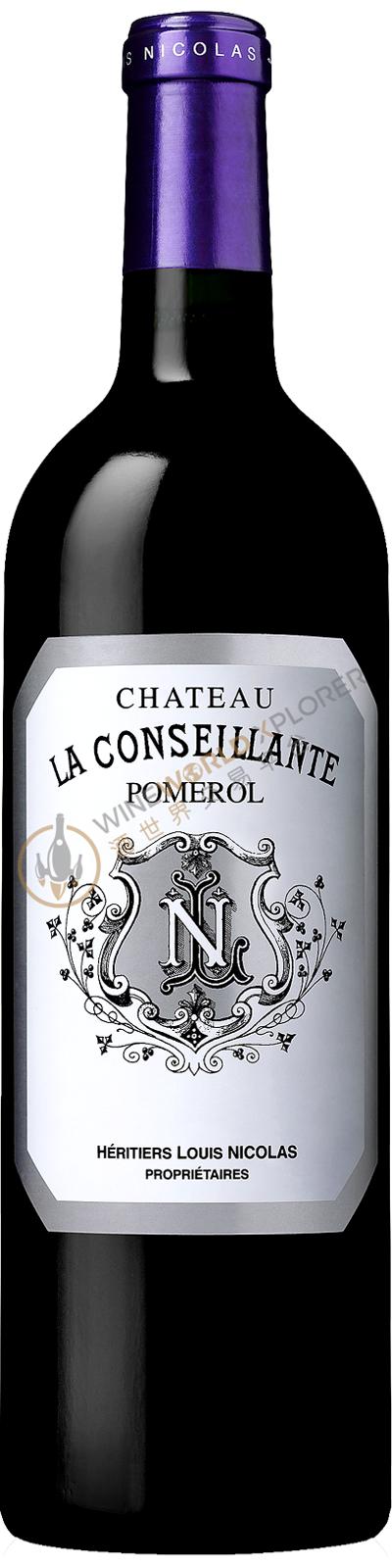
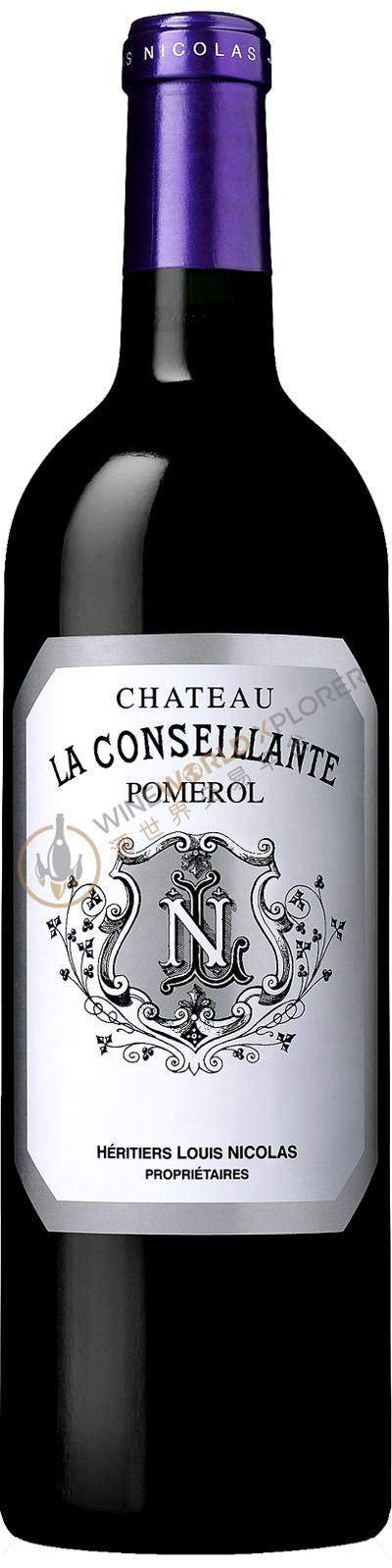
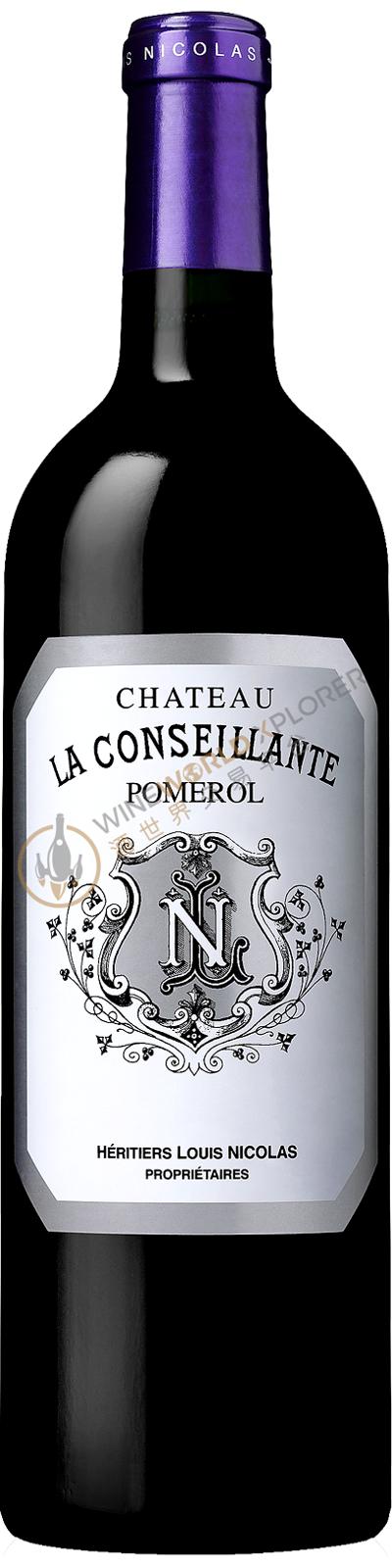
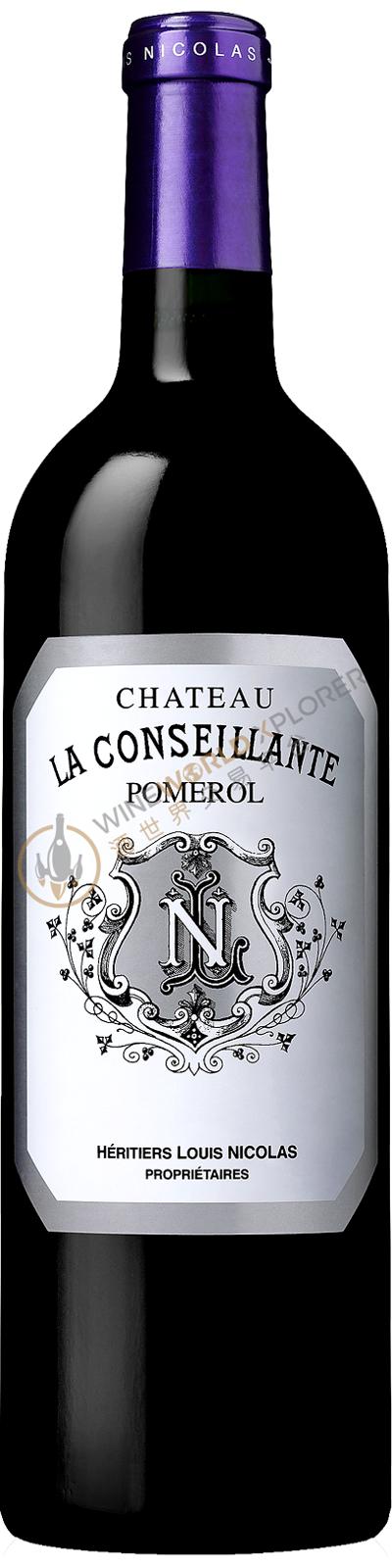
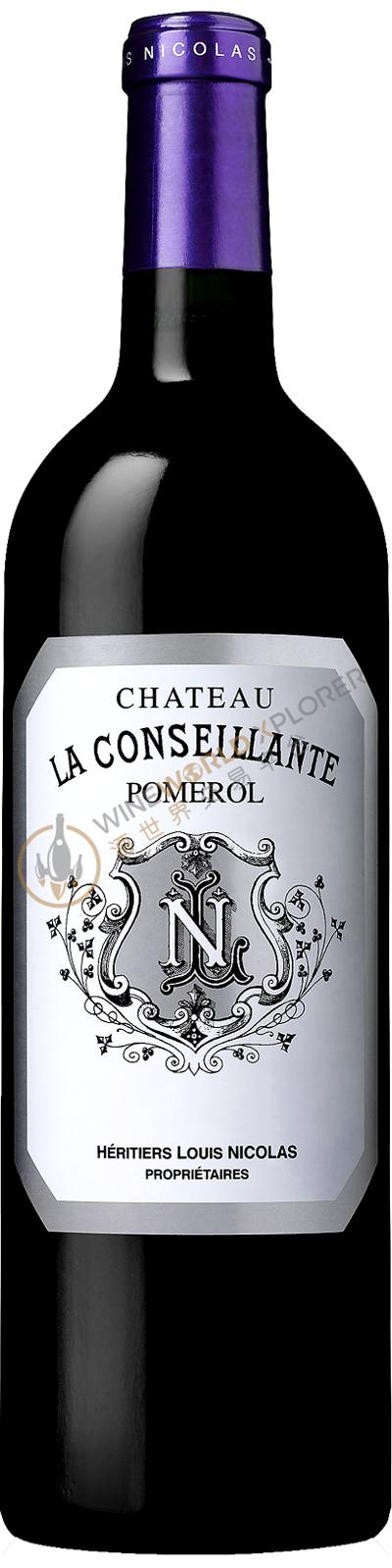
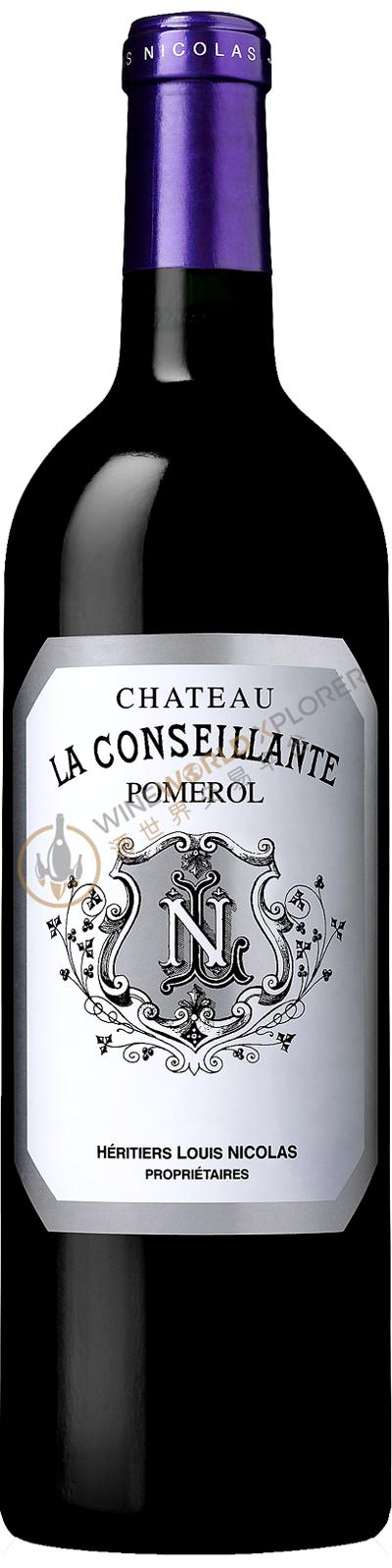
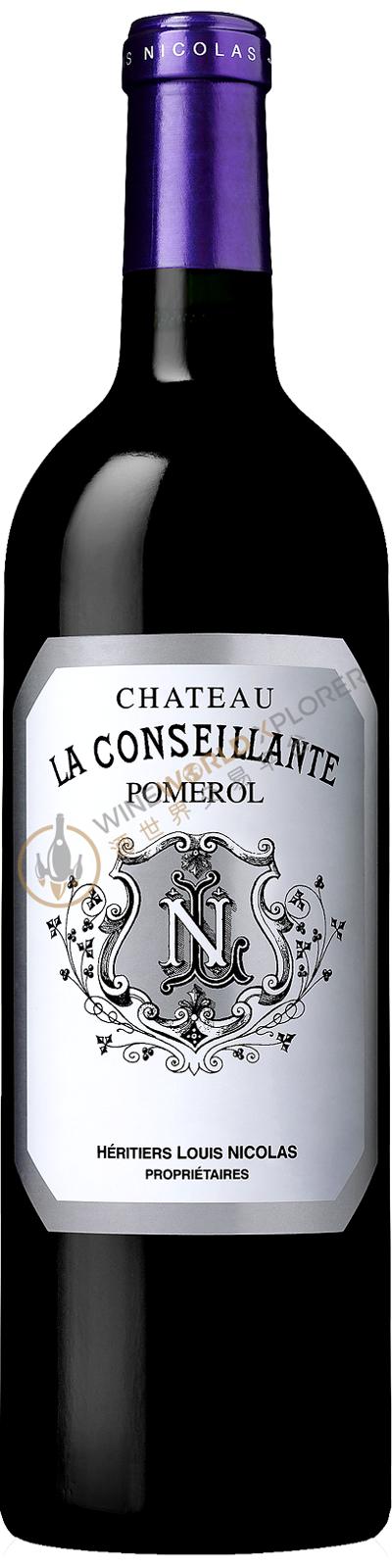
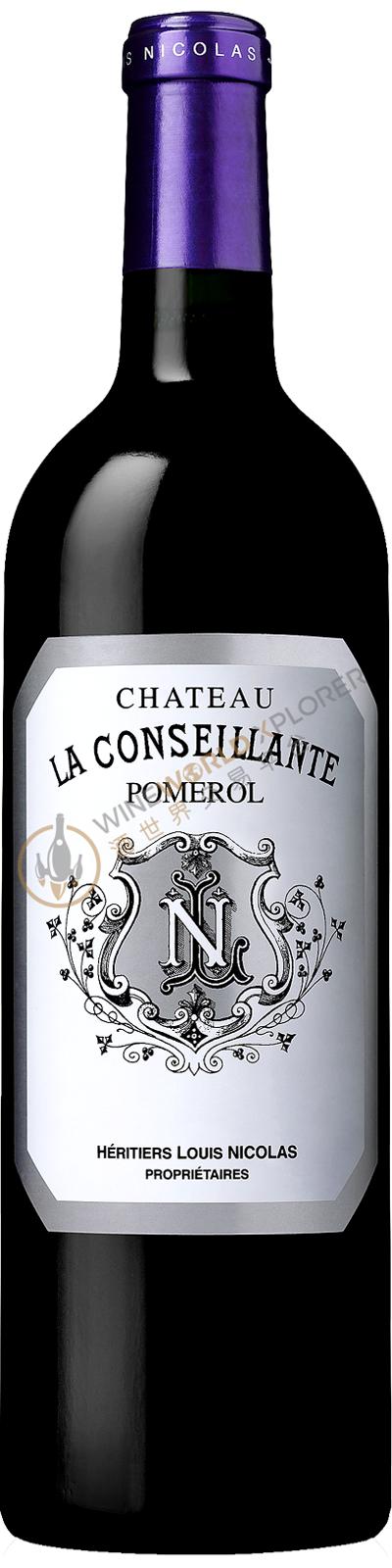
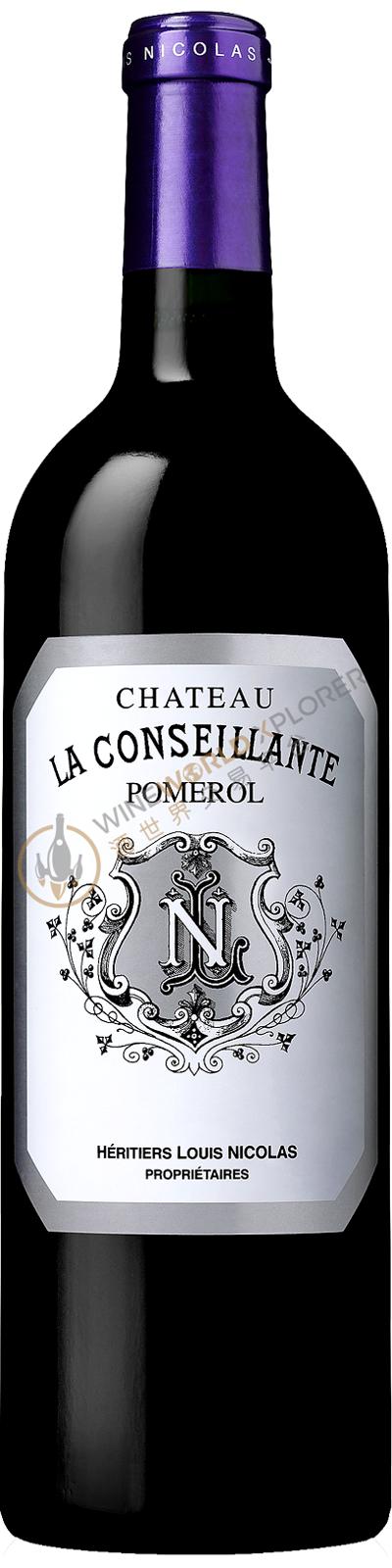
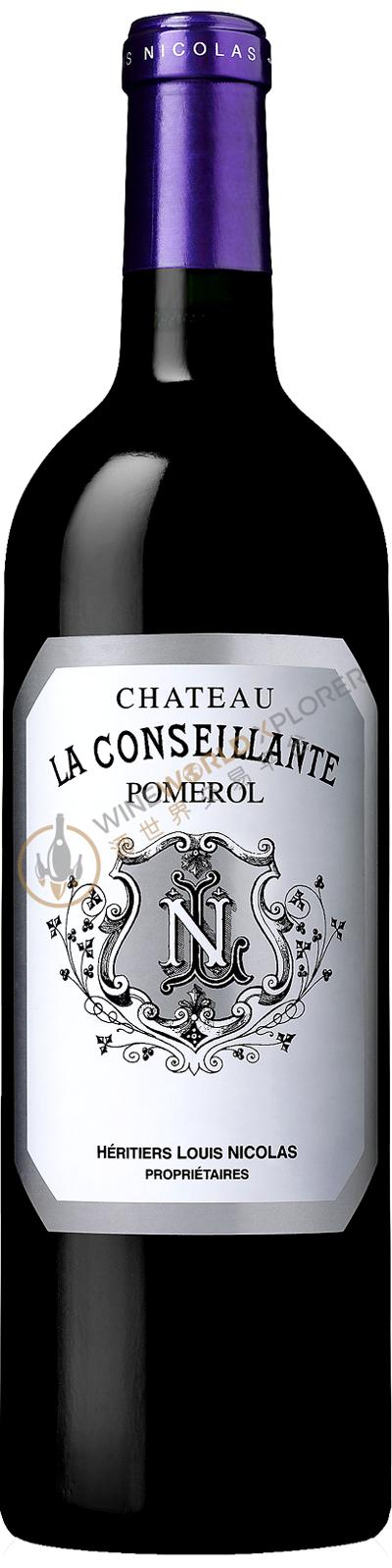
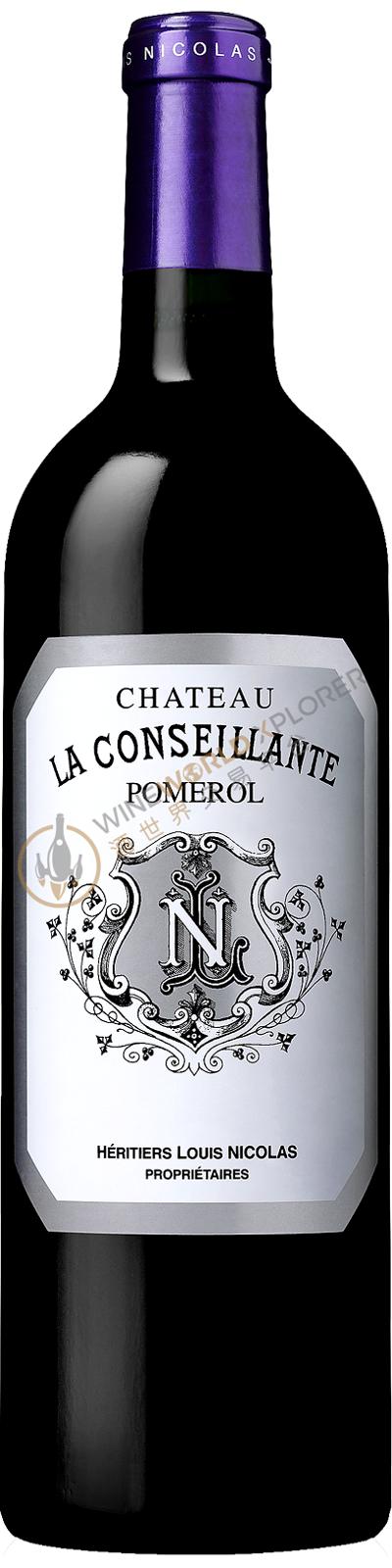
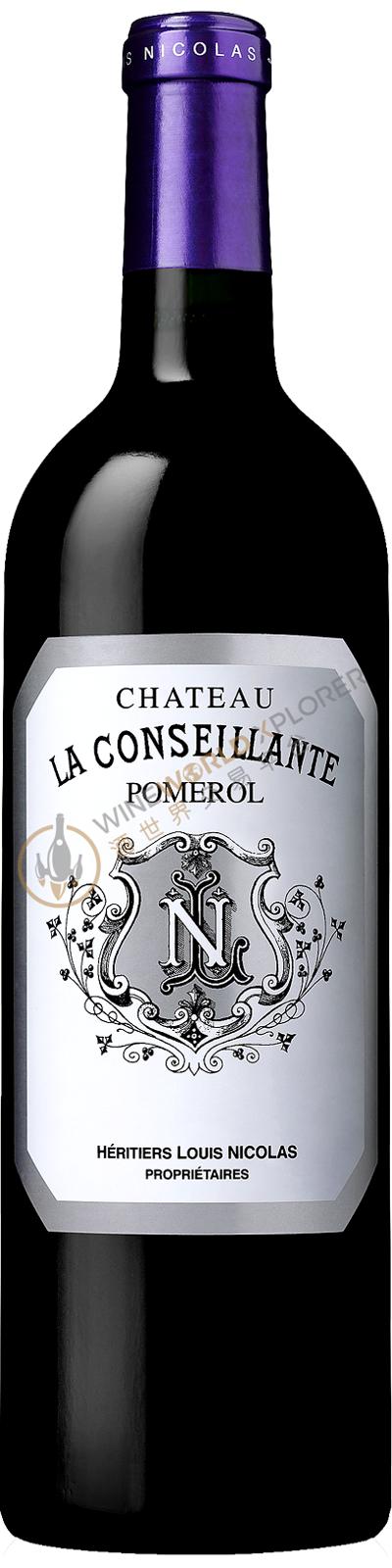
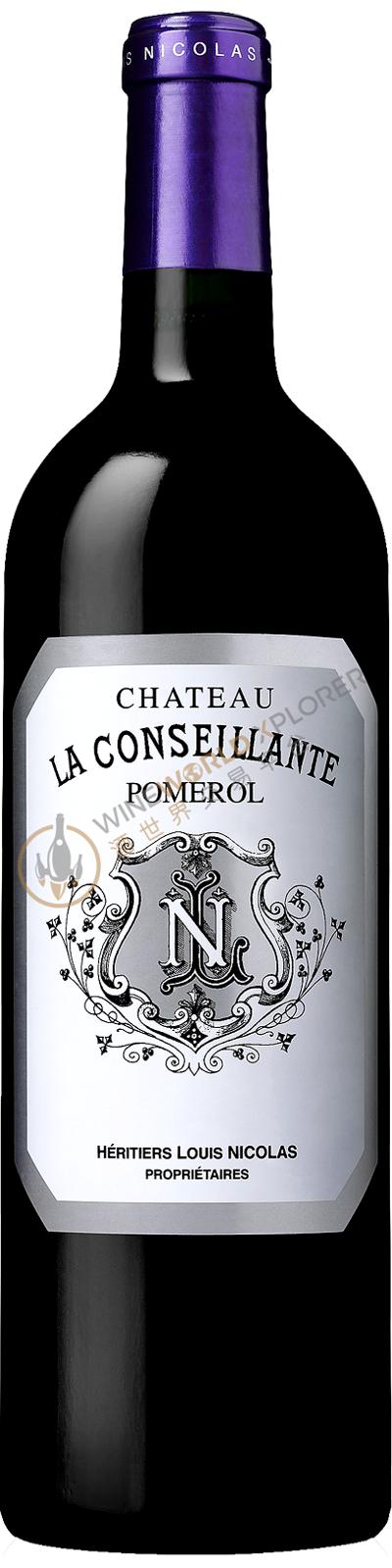
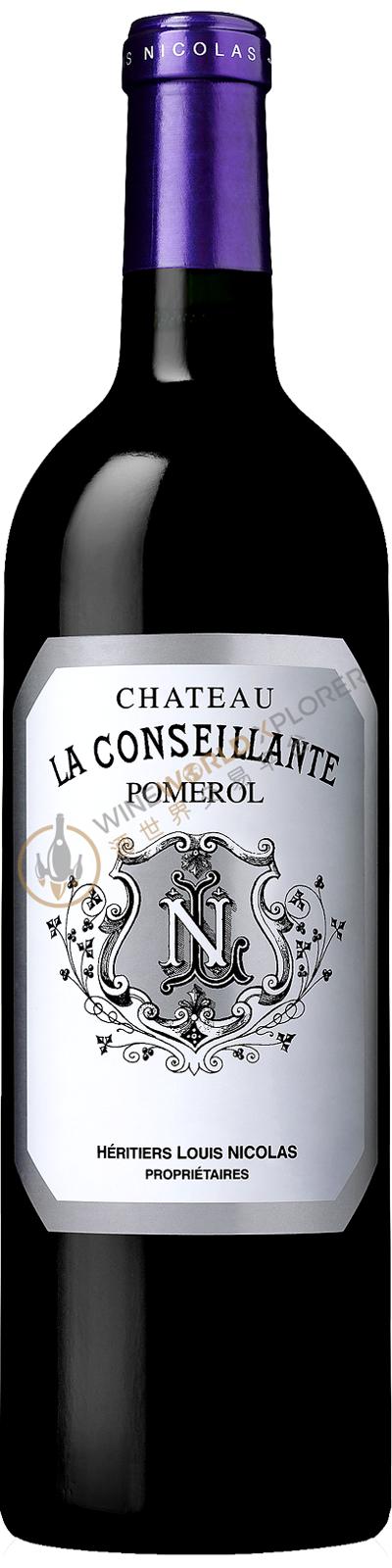
La Conseillante 1997
 View analysis


Description
Tasting notes

Reviewed by: Robert M. Parker, Jr.
The 1997 La Conseillante performed inconsistently in three separate tastings in January. It exhibits a medium ruby color, a soft, open-knit personality, fragrant cherry/raspberry fruit and new oak aromas and flavors, and a straightforward, one-dimensional finish. It will be interesting to taste this wine from bottle; it could be charming, or slightly diluted, depending on how the bottling is handled. In any event, it will be a wine to drink during its first 7-8 years of life.
Reviewed by: Robert M. Parker, Jr.
I am a fan of this estate, which turns out some of the most elegant yet sumptuous wines of Bordeaux. Moreover, they can be drunk at an extremely young age, yet have the capacity to last. I had mixed results in four tastings of the 1997 La Conseillante. There is sweet raspberry fruit in this dark ruby-colored wine, but I also detected some green pepper herbaceousness, as if there were a lack of maturity in the estate's Cabernet Franc. Exhibiting good concentration and low acidity, this is a good, perhaps very good wine, but I do not believe it is up to the level of either the 1996 or 1995. Anticipated maturity: 1999-2008.
Reviewed by: Neal Martin
Ruby core with a pink rim. The nose is closed with faint notes of pot pourri and strawberry. Quite rustic and earthy wine with a touch of greenness. Tasted twice. Forward. Drink within 2-3 years. Below par for such a revered name. Tasted April 1999.
Reviewed by: Robert M. Parker, Jr.
Dark ruby-colored, with lavish, high quality toasty new oak intermixed with black raspberry fruit, this open-knit, medium-bodied, complex wine changes quickly in the glass, revealing smoky, mocha-infused notes. Although not massive, it is sexy, charming, and fruity -- in short, a typical La Conseillante. Consume it over the next 10-12 years. This wine has put on considerable weight since it was tasted last year.
Reviewed by: Neal Martin
The 1997 La Conseillante is showing some bricking on the rim, not unexpected given it is over 20 years old now. The nose is fully mature, loose-knit and showing more woody aromas than fruit. I wonder if too much new oak was used in its youth? The palate is fully mature with melted tannin and the fruit has ebbed away leaving a rather skeletal, dry La Conseillante that was best consumed a few years ago. This is now past its best and bottles should be opened. Tasted at La Conseillante vertical at the property.
About the Producer
Chateau La Conseillante is located in the Pomerol appellation on the right bank of Bordeaux, France, next to Vieux Chateau Certan and Chateau L'Evangile, and is one of the best châteaux in Pomerol. The vineyard covers an area of 11.8 hectares with a topsoil of 60% grey clay and 40% gravel and a subsoil of red clay rich in iron. The vineyard is planted with 80% Merlot and 20% Cabernet Franc. The Merlot is planted mainly on clay plots, while the Cabernet Franc is planted mainly on gravel. The average age of the vines is 35 years and the planting density is 7,000 vines per hectare. The winery uses traditional vineyard management practices, eliminating the use of herbicides. During the growing season, the land is usually plowed four times to suppress weed growth and thus obtain more water for the vines. In the winter, the vines are pruned in a strict Simple Guyot and Double Guyot style. In addition, the vineyards are de-leafed and de-budded to keep yields at around 4,000 liters per hectare. At harvest time, the grapes are hand-picked to their optimum ripeness and a preliminary selection is carried out. Once the selection is complete, the grapes are transported in small batches to the winery to prevent crushing of the fruit. The winery is located in the heart of the vineyard, which shortens the transportation time and ensures that the grapes are fresh and ready for fermentation. In 2012, the winery added a new fermentation room with enough temperature-controlled stainless steel tanks to ferment the grapes from each of the 18 plots separately, combining traditional winemaking techniques with modern technology. In addition, the winery now has four sorting tables and a de-stemmer. After being transferred to barrels, the grapes undergo a cold maceration of 48 to 96 hours. After maceration, the must is fermented in barrels with the skins for 1 week, followed by a further 1 to 2 weeks of maceration. At the end of fermentation, some of the artesian wine is released first and the remaining lees are pressed through a vertical press. The pressed wines are aged separately, and only some of the best pressed wines are blended with the artesian wines. Before bottling, the wines are matured in oak barrels for approximately 18 months, 50% to 80% of which are new. During maturation, the wines are decanted by the winemakers every three months and finally clarified with egg whites.
1961(1)1973(1)1983(1)1984(1)1988(2)1989(3)1990(2)1993(2)1994(1)1995(2)
Package Size