Wine Advisor



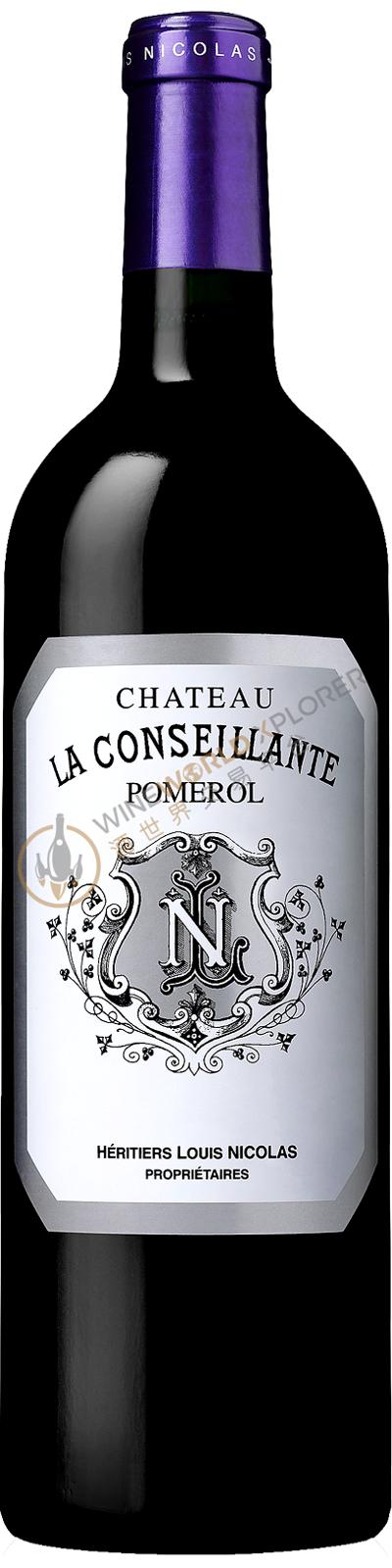
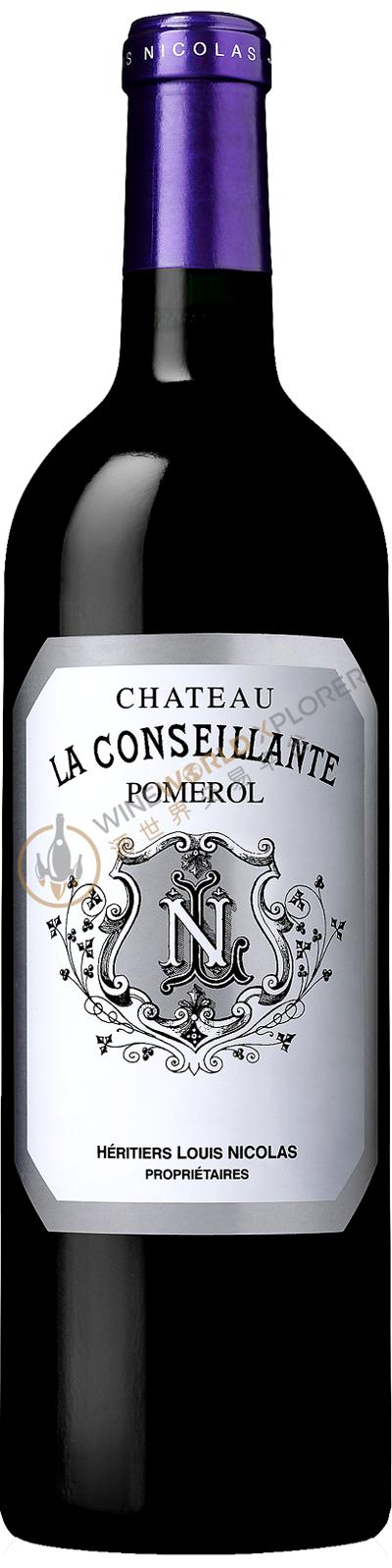
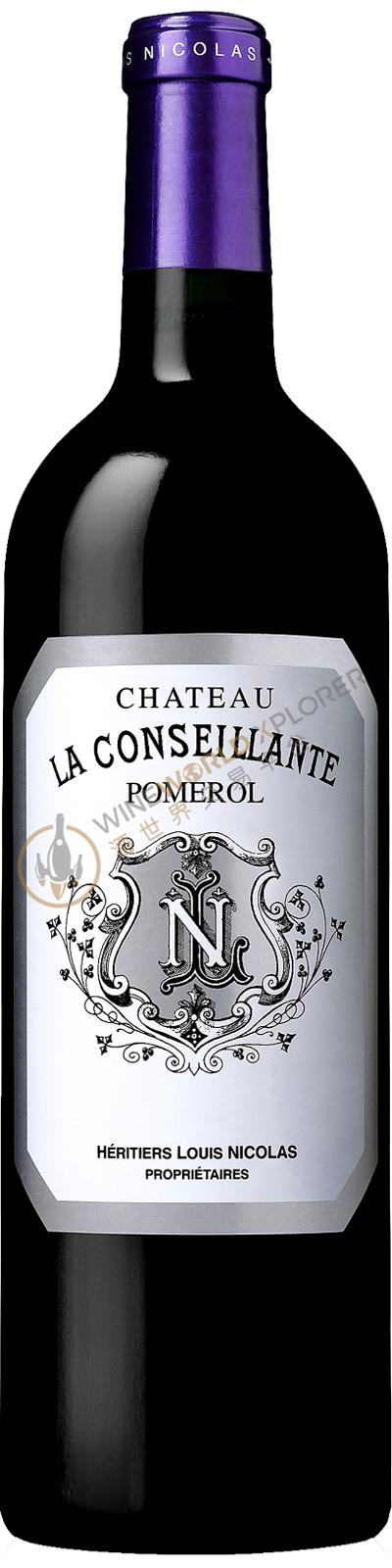
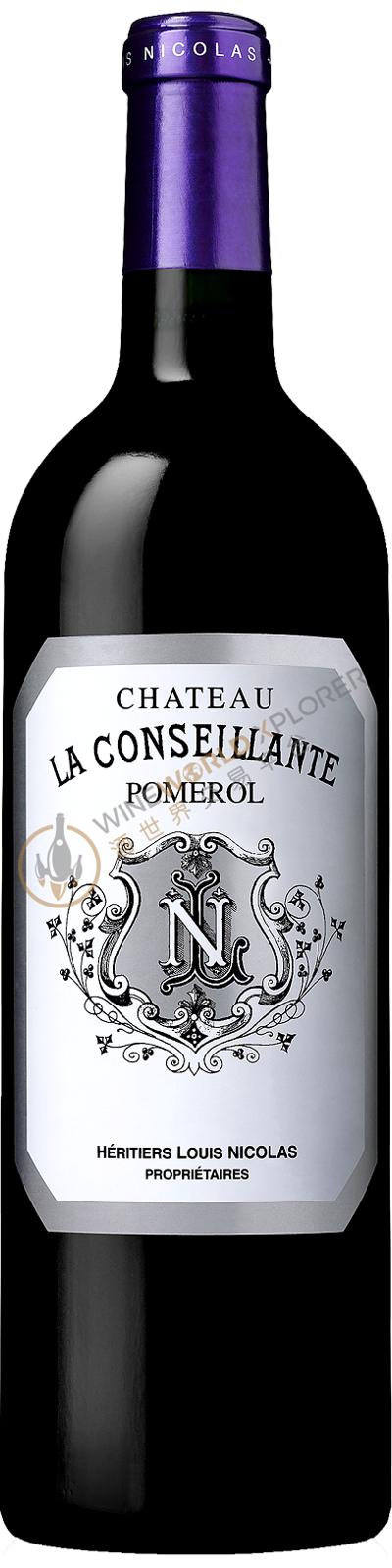
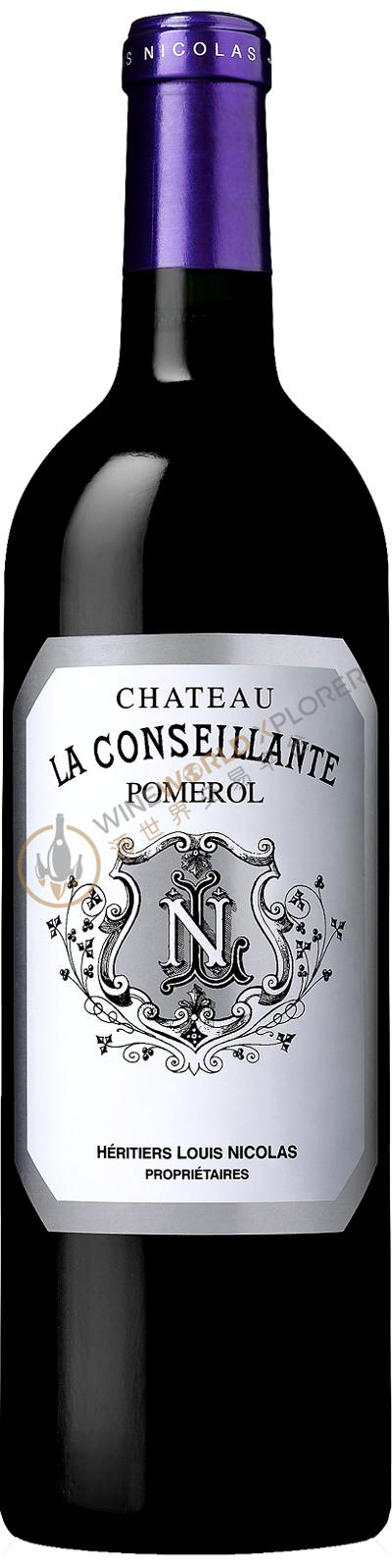
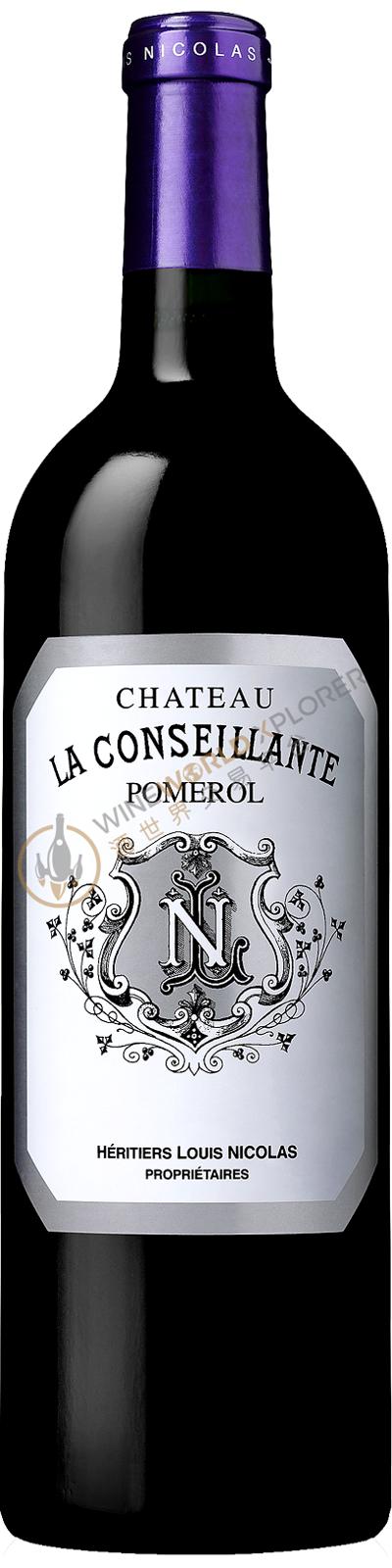
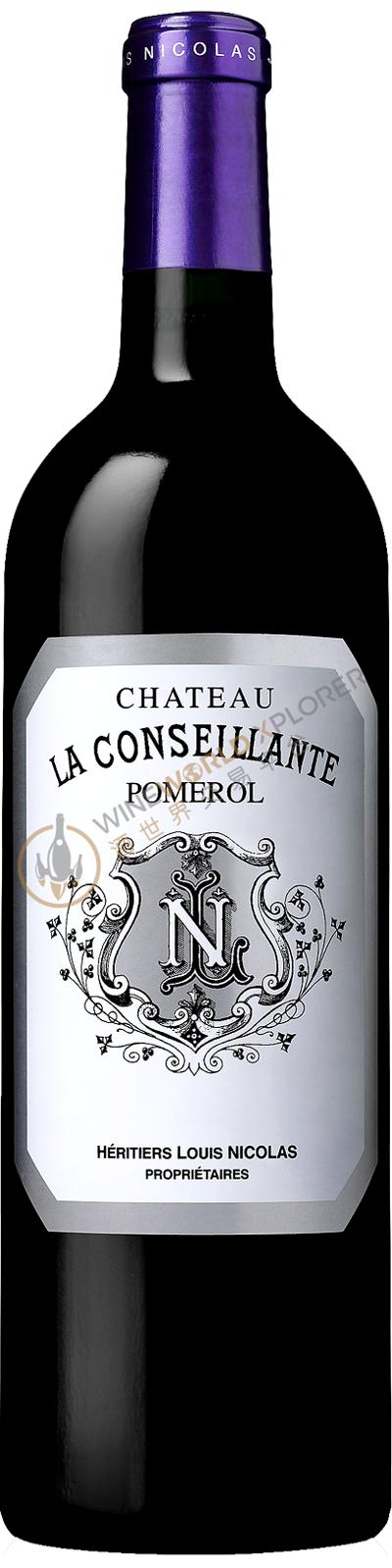
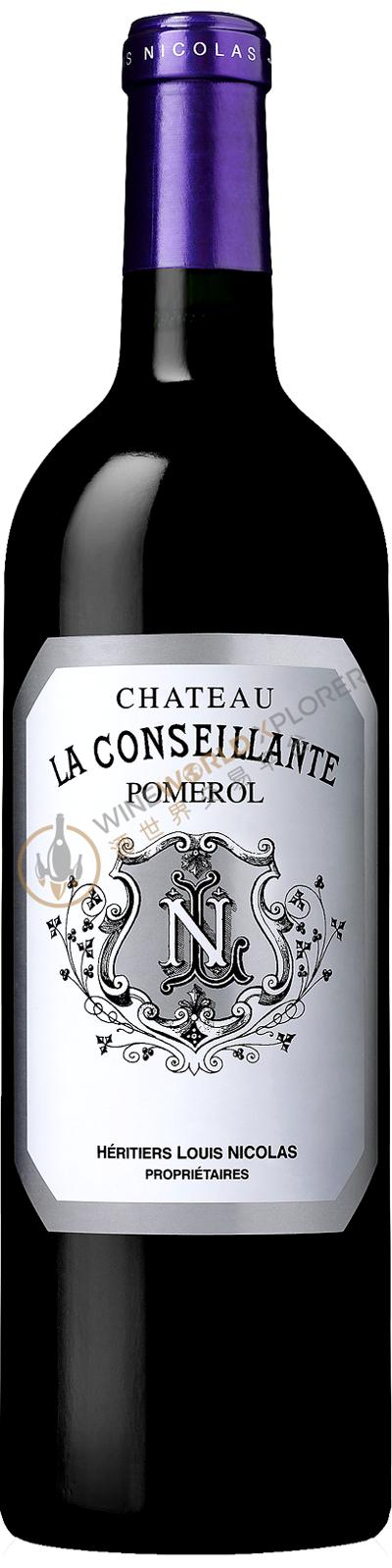
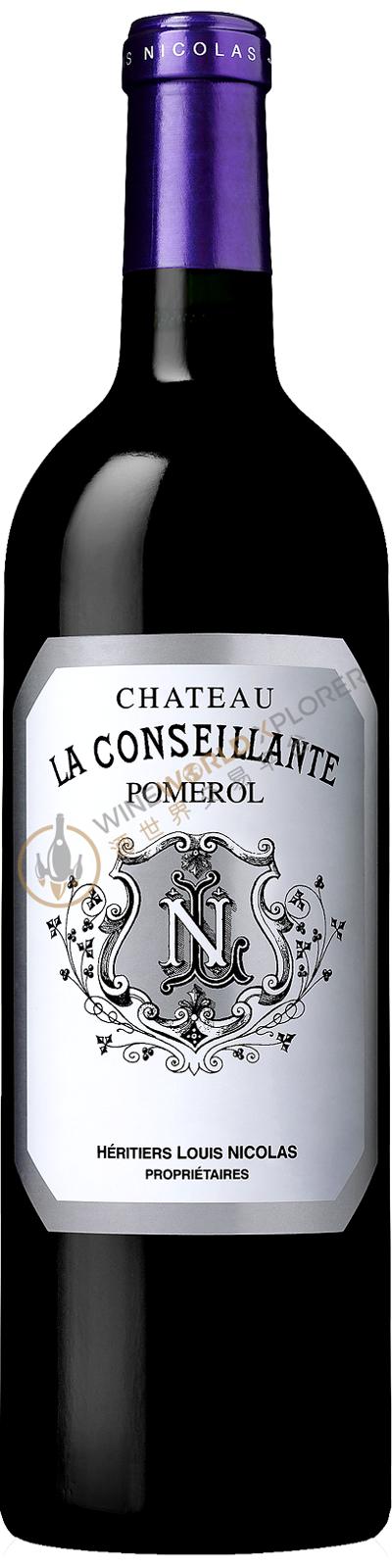
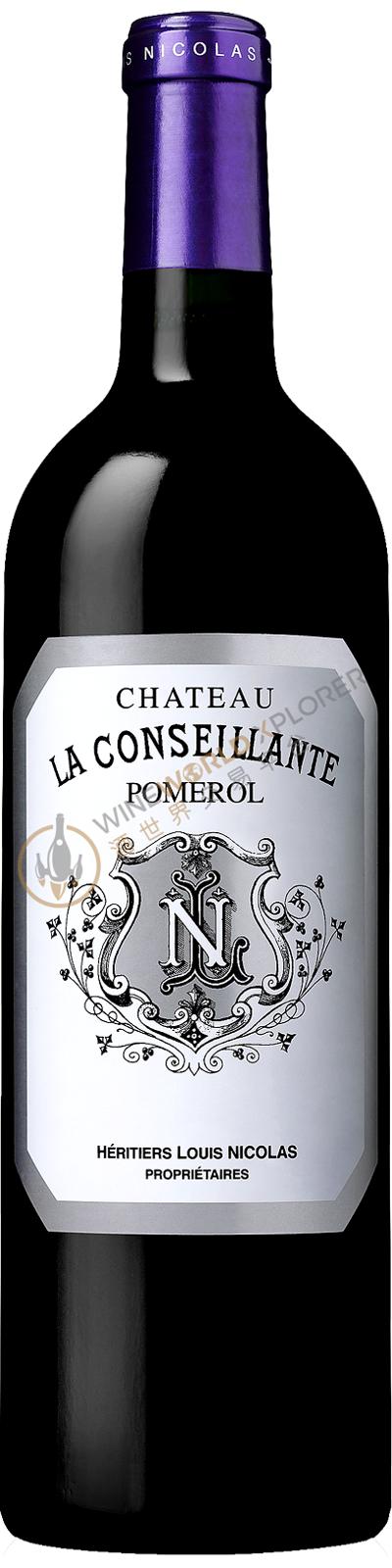
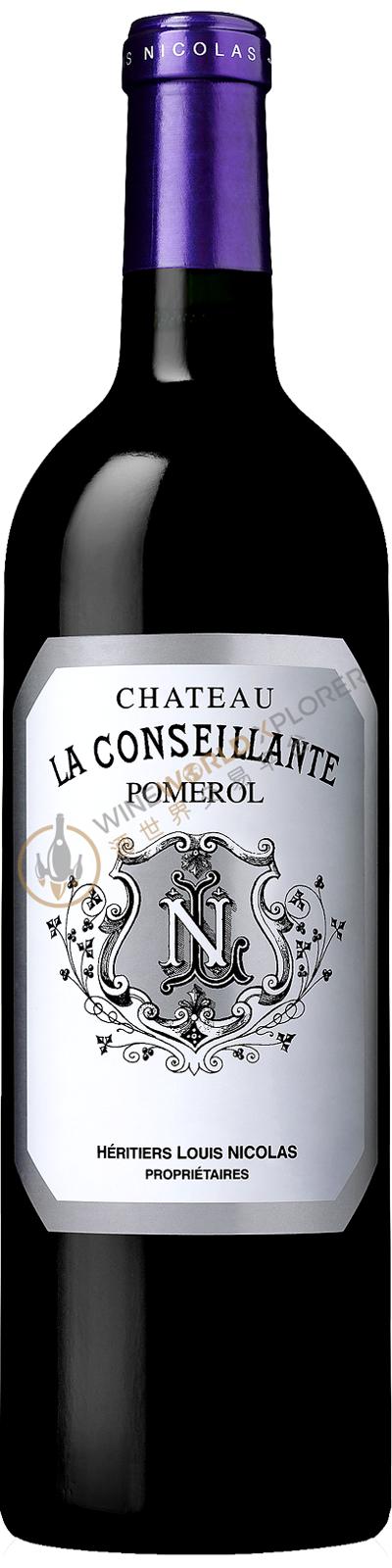
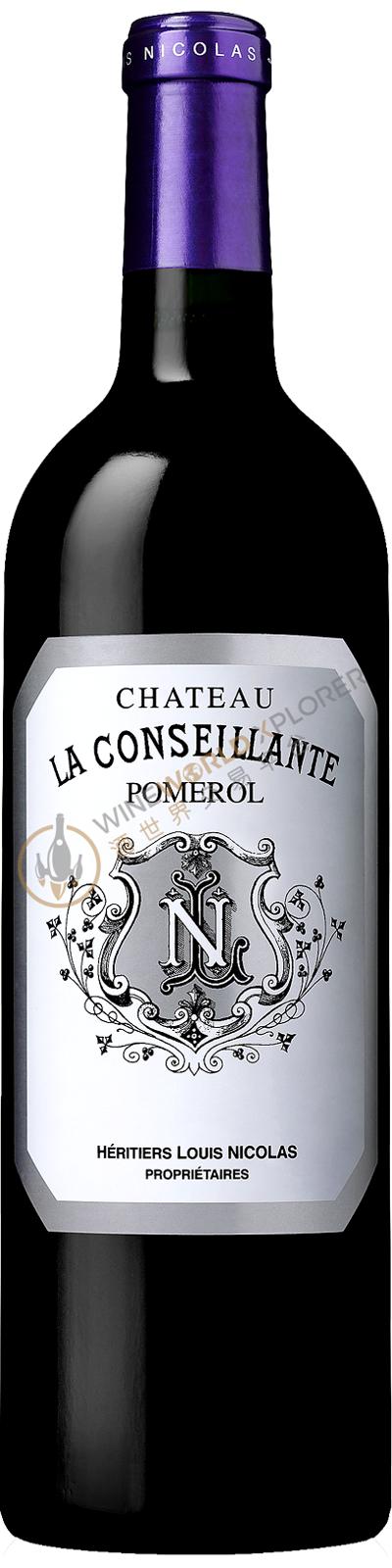
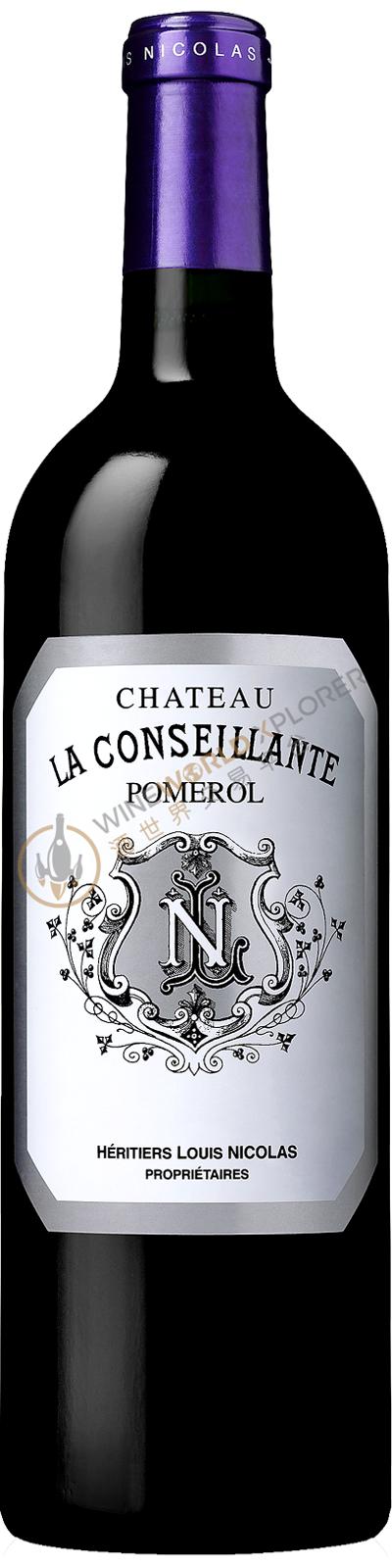
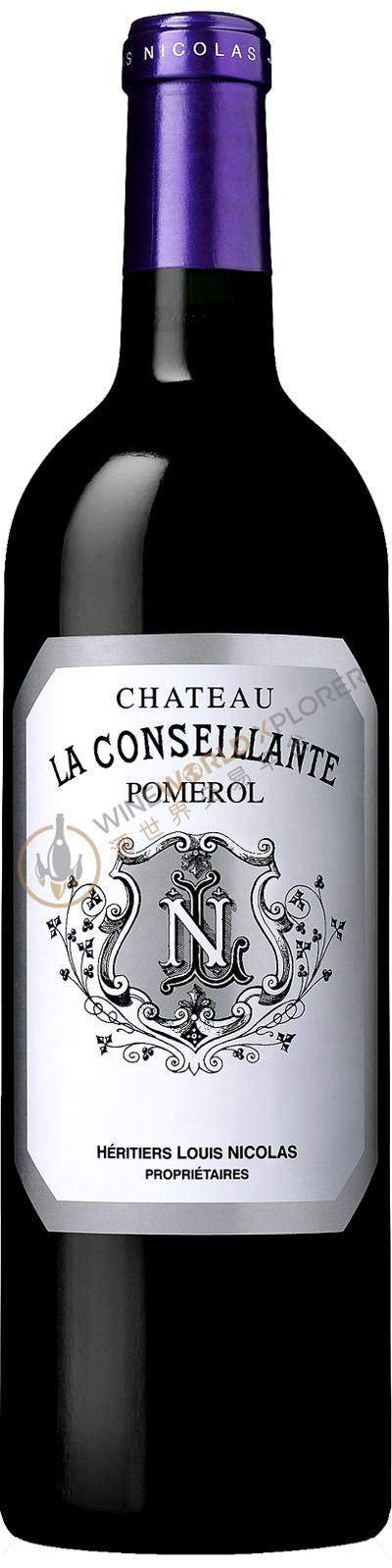
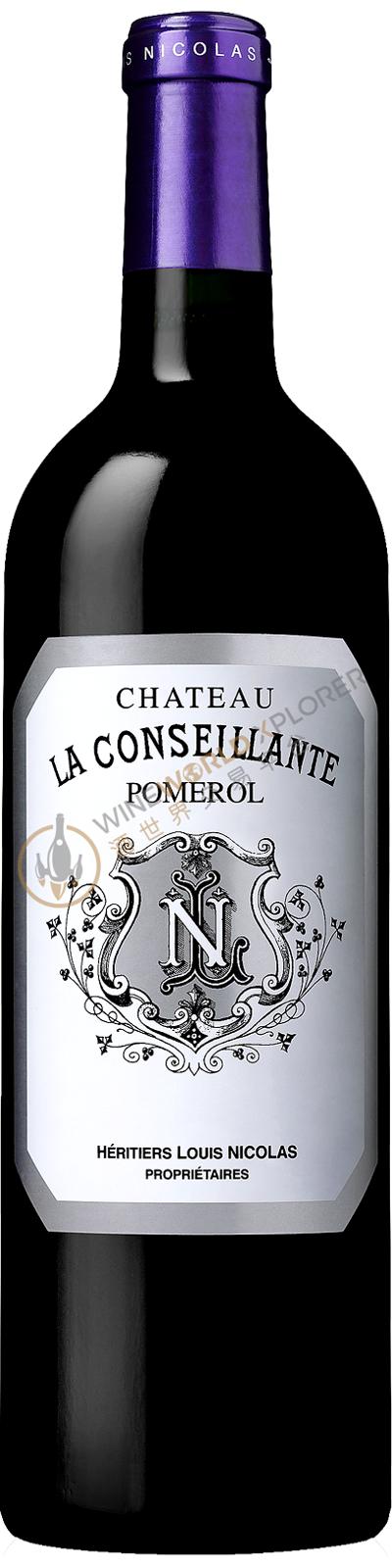
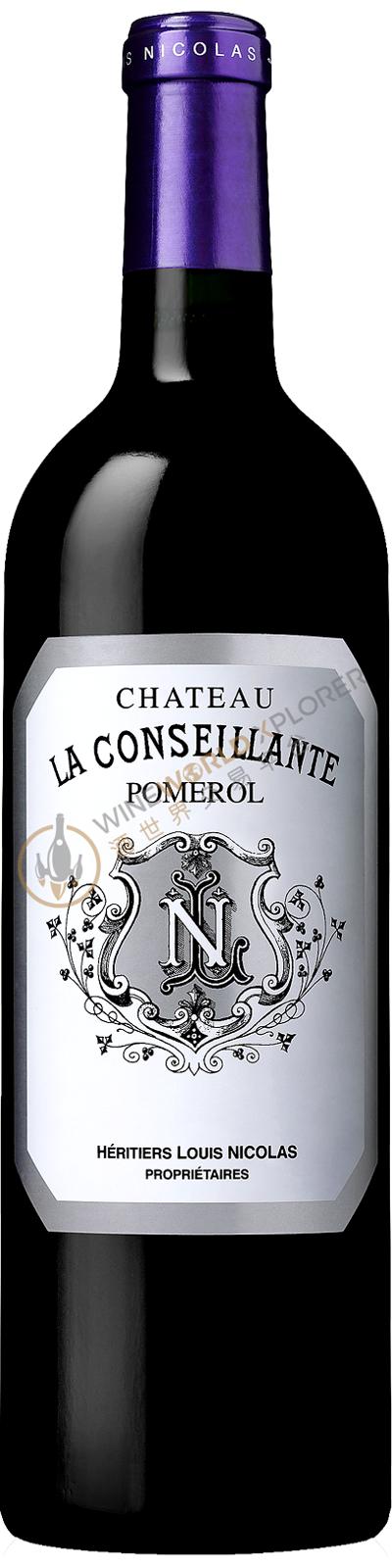
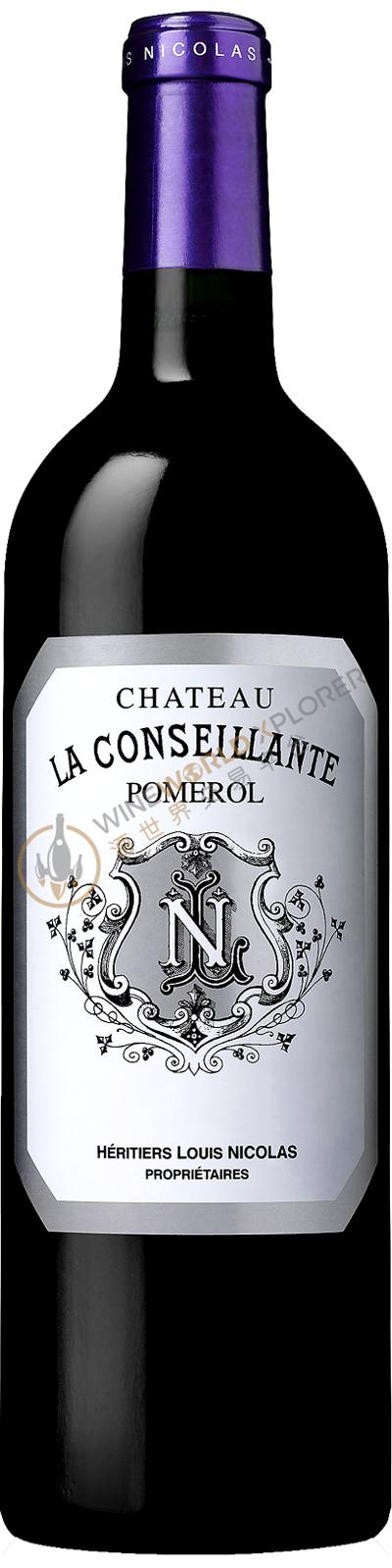
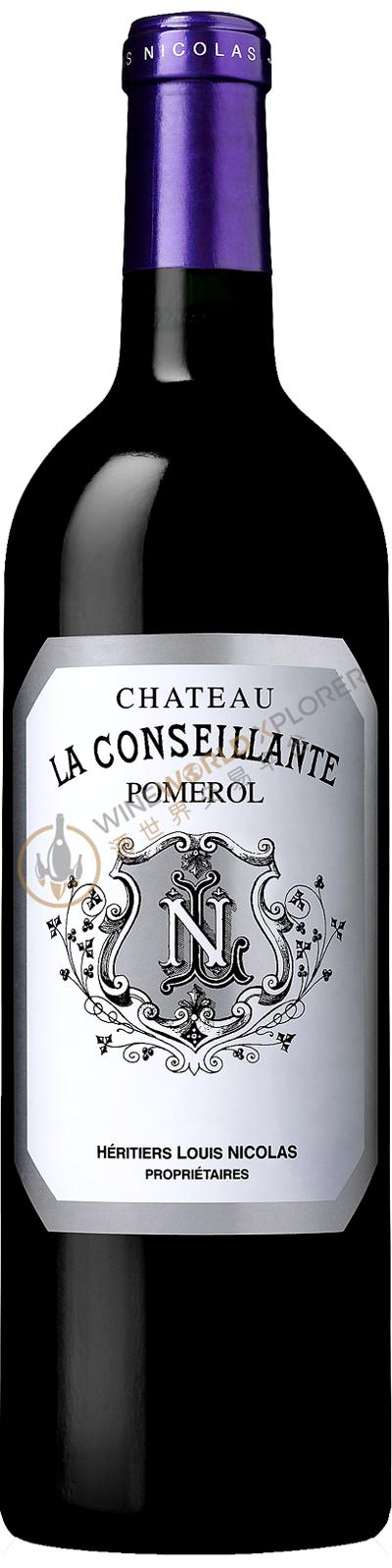
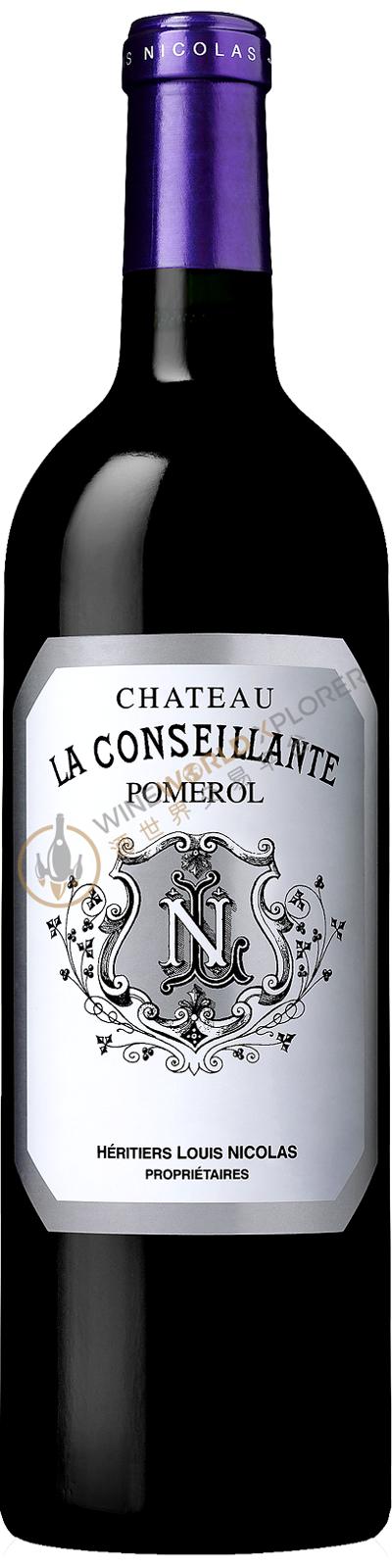
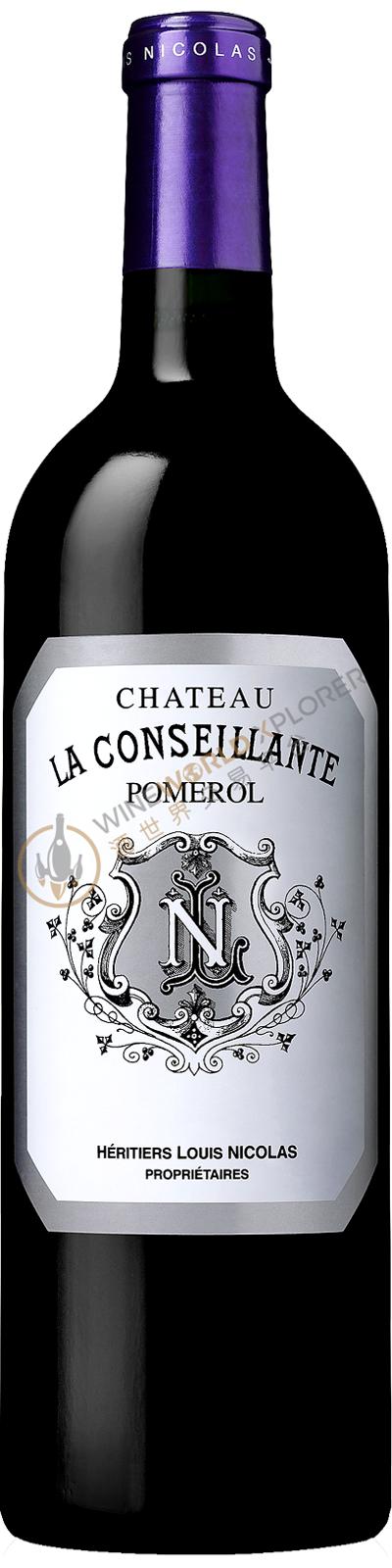
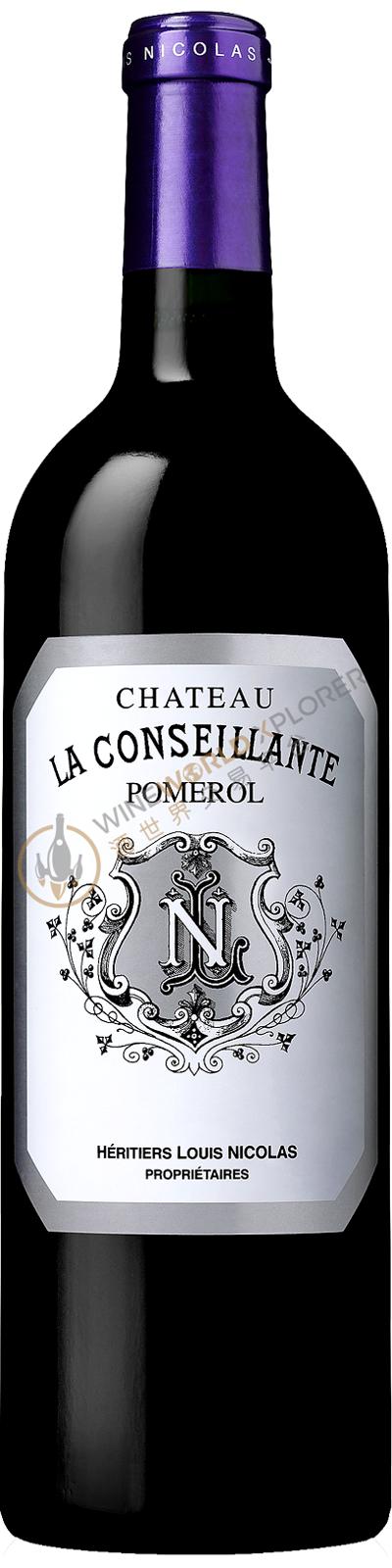
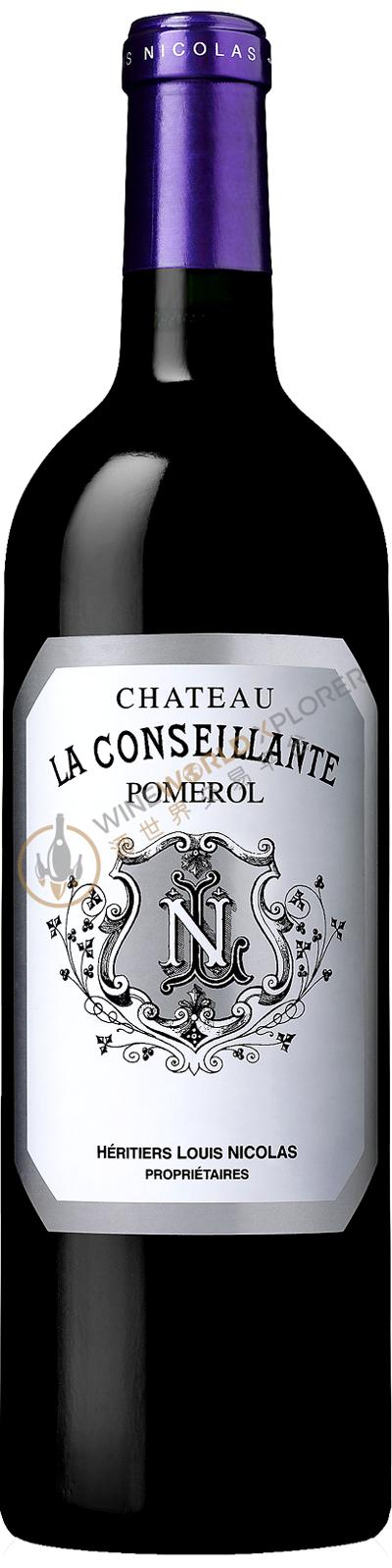
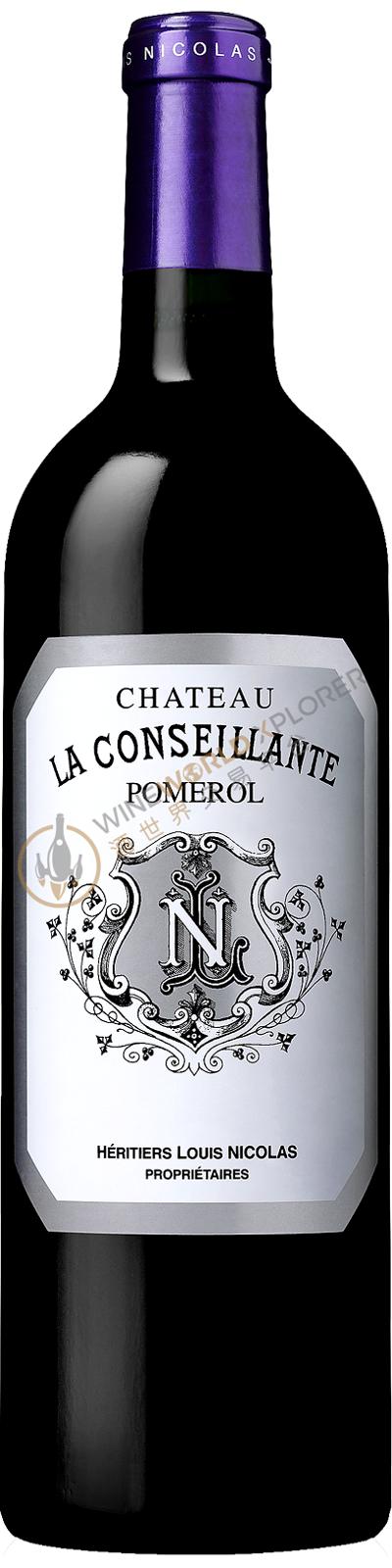
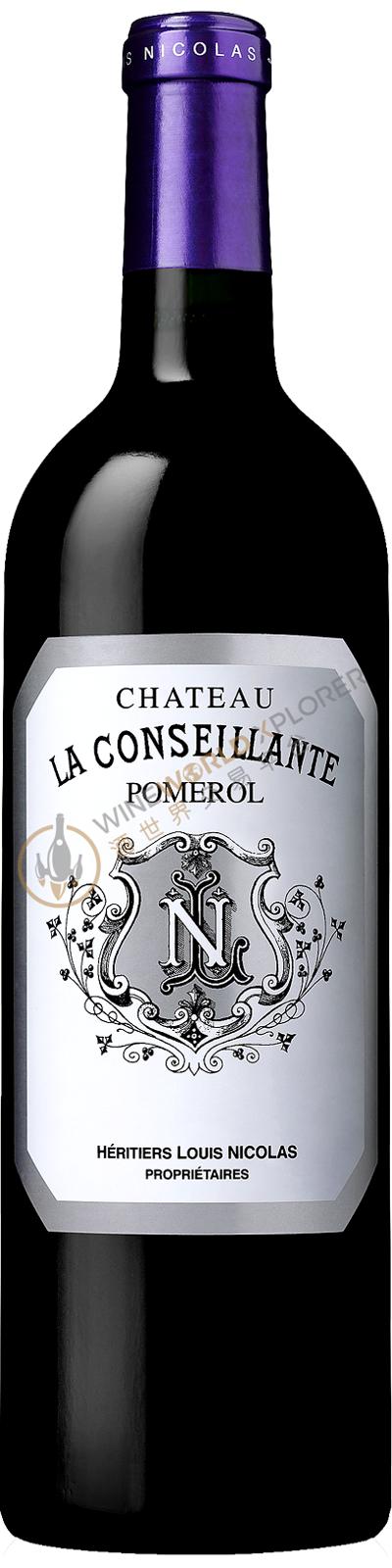
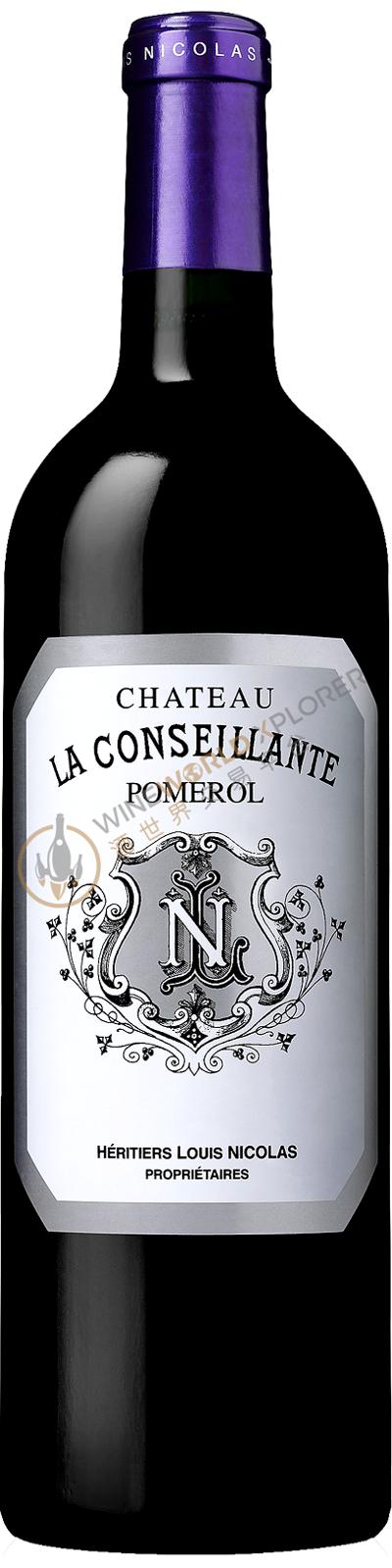
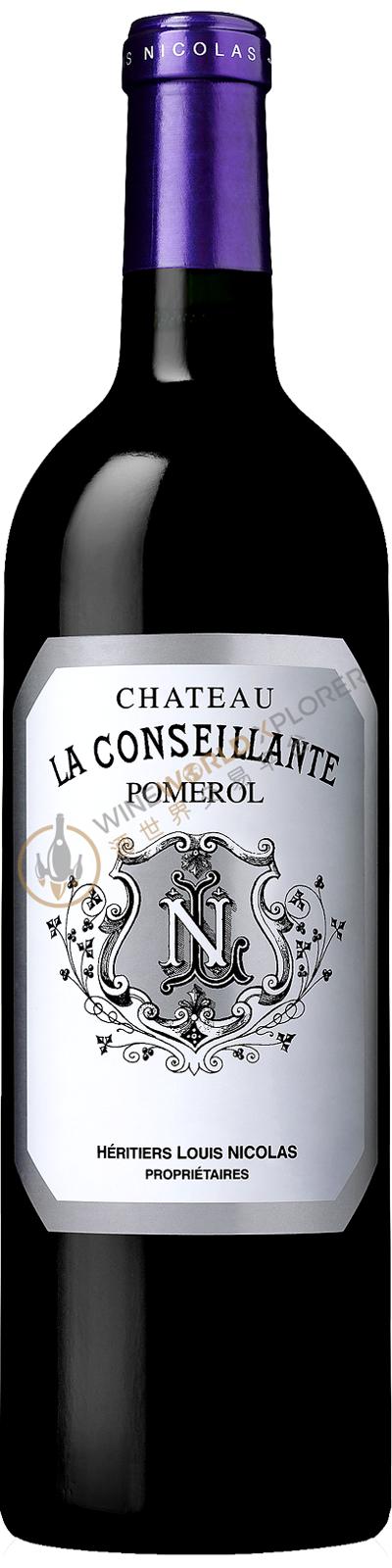
La Conseillante 2007
 View analysis


Description
Tasting notes

Reviewed by: Neal Martin
Tasted blind at the 2007 Bordeaux horizontal in Southwold. Here, the La Conseillante put in a better performance than a few weeks earlier at Chez Bruce. There is certainly a lot of fruit concentration on the nose: blackberry, mulberry, raspberry coulis and a touch of gravel, opening up nicely in the glass. The palate is medium-bodied with fine tannins, a touch of spice on the entry, good tension and sense of -animation- here, cherries and raspberry defining the pert, lively finish the lingers wonderfully. Tasted January 2011.
Reviewed by: Neal Martin
Tasted at the UGC in London. A light, fragrant, quite floral nose, a little disjointed at the moment but I am sure it will come together: blackberry leaf, briary, cedar and a touch of smoke. The palate is medium-bodied, finely balanced with the Cabernet in the driving seat, though lacking just a little weight on the finish. However, this is compensated by a degree of elegant and naturalness. A great Pomerol from Mon. Laporte. Drink 2012-2020. Tasted November 2009.
Reviewed by: Neal Martin
The nose is very backward with a very savoury, coffee-scented nose. It almost seems under-ripe at first – but it is not. The palate is tannic, very well balanced and delineation with no signs of greenness. Nice grip, grainy, bright blackberry and raspberry with a touch of plum towards the finish. Very focused and great length. Shows its breeding in a difficult vintage. A quietly impressive Pomerol, one that should gain a higher score after bottling. Tasted April 2008.
Reviewed by: Robert M. Parker, Jr.
This big, juicy, spicy Pomerol exhibits aromas and flavors of mulberries, raspberries, violets, licorice, and a touch of herbs. Made in a medium-bodied, upfront style, this round, seductive wine should drink well for 7-10 years.
Reviewed by: Neal Martin
Tasted at the La Conseillante vertical at Chez Bruce. The 2007 La Conseillante is rather sullen on the nose and patently lacks the fruite expressed by the 2008 and 2009. Scents of blackberry, steaming espresso on a zinc bar, cedar, smoke and roasted herbs that turn more pot pourri with time. The palate is medium-bodied with crisp tannins, quite dry and austere, lacking a little flesh towards the slightly attenuated finish that has a slight bitterness to it. Good for the vintage, but outclassed by the '06 and '08.
Reviewed by: Neal Martin
Tasted at BI Wine & Spirits' 10-Years-On tasting, the 2007 La Conseillante has a very pretty bouquet with tarry black cherry fruit, black truffle and incense. I appreciate the focus and freshness on this Pomerol. The palate is medium-bodied with fine tannin, a keen line of acidity, very focused with plenty of freshness and tension on the finish. Maybe the best bottle of this I have encountered, this La Conseillante is well worth hunting down. Tasted February 2017.
Reviewed by: Robert M. Parker, Jr.
Rated - No tasting note given.
Reviewed by: Neal Martin
The 2007 La Conseillante has a more herbaceous bouquet than the 2006. This was born with less fruit intensity although there remain attractive notes of sous-bois, tobacco and just a hint of liquorish. The palate is medium-bodied with quite firm, grippy tannin. This is one of the most ferrous La Conseillante Grand Vins, well balanced if just a little brutish towards the finish, tinctures of clove and dried blood lingering on the aftertaste. It seems ready to be drunk now and should continue to give pleasure over the next 6 to 8 years as it seems to have matured a little faster than I anticipated. Tasted at La Conseillante vertical at the property.
About the Producer
Chateau La Conseillante is located in the Pomerol appellation on the right bank of Bordeaux, France, next to Vieux Chateau Certan and Chateau L'Evangile, and is one of the best châteaux in Pomerol. The vineyard covers an area of 11.8 hectares with a topsoil of 60% grey clay and 40% gravel and a subsoil of red clay rich in iron. The vineyard is planted with 80% Merlot and 20% Cabernet Franc. The Merlot is planted mainly on clay plots, while the Cabernet Franc is planted mainly on gravel. The average age of the vines is 35 years and the planting density is 7,000 vines per hectare. The winery uses traditional vineyard management practices, eliminating the use of herbicides. During the growing season, the land is usually plowed four times to suppress weed growth and thus obtain more water for the vines. In the winter, the vines are pruned in a strict Simple Guyot and Double Guyot style. In addition, the vineyards are de-leafed and de-budded to keep yields at around 4,000 liters per hectare. At harvest time, the grapes are hand-picked to their optimum ripeness and a preliminary selection is carried out. Once the selection is complete, the grapes are transported in small batches to the winery to prevent crushing of the fruit. The winery is located in the heart of the vineyard, which shortens the transportation time and ensures that the grapes are fresh and ready for fermentation. In 2012, the winery added a new fermentation room with enough temperature-controlled stainless steel tanks to ferment the grapes from each of the 18 plots separately, combining traditional winemaking techniques with modern technology. In addition, the winery now has four sorting tables and a de-stemmer. After being transferred to barrels, the grapes undergo a cold maceration of 48 to 96 hours. After maceration, the must is fermented in barrels with the skins for 1 week, followed by a further 1 to 2 weeks of maceration. At the end of fermentation, some of the artesian wine is released first and the remaining lees are pressed through a vertical press. The pressed wines are aged separately, and only some of the best pressed wines are blended with the artesian wines. Before bottling, the wines are matured in oak barrels for approximately 18 months, 50% to 80% of which are new. During maturation, the wines are decanted by the winemakers every three months and finally clarified with egg whites.
1961(1)1973(1)1983(1)1984(1)1988(2)1989(3)1990(2)1993(2)1994(1)1995(2)1997(1)1998(3)1999(1)2000(6)2001(7)2002(1)2003(3)2004(4)2005(10)2006(7)
Package Size