Wine Advisor



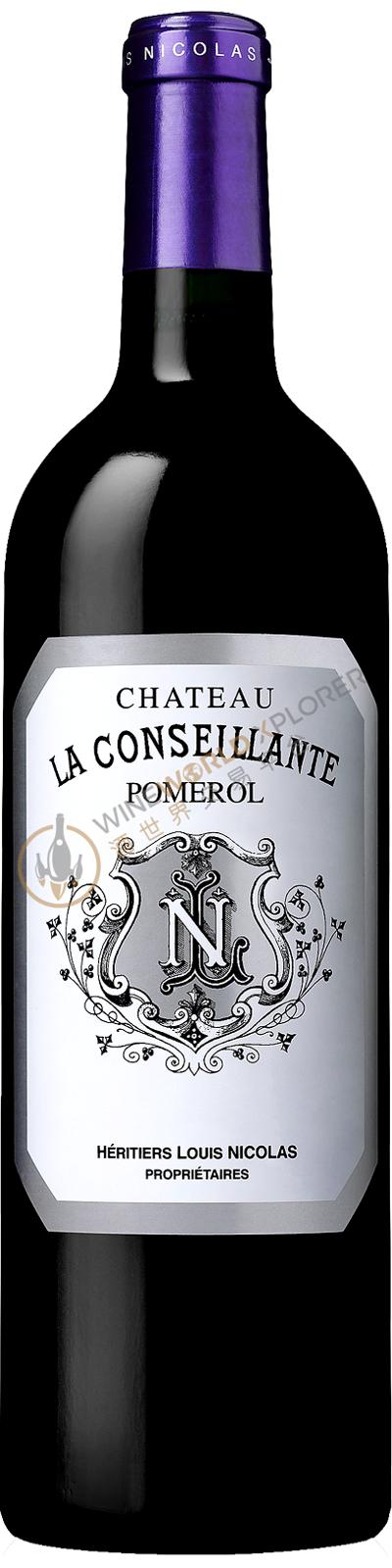
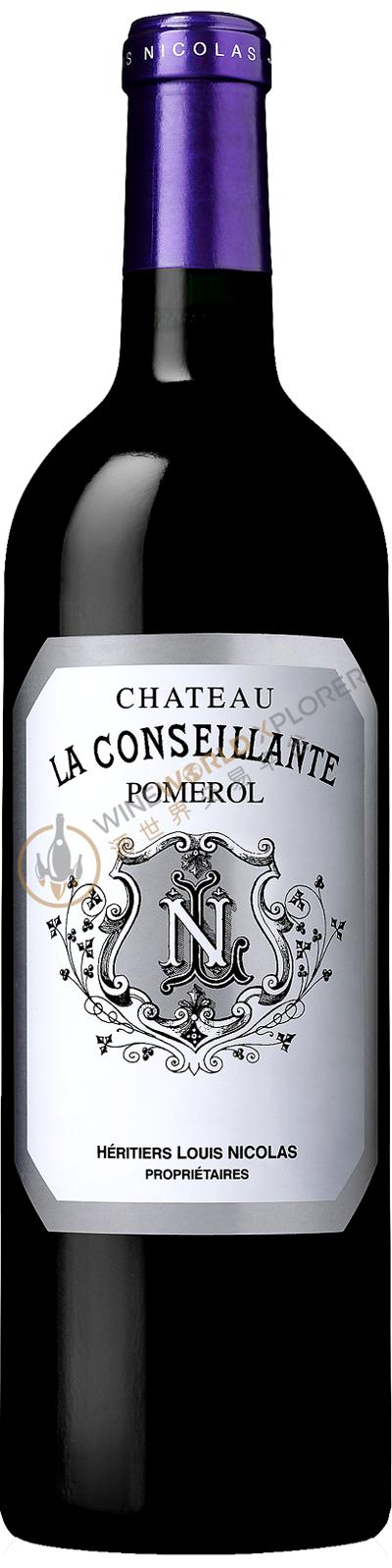
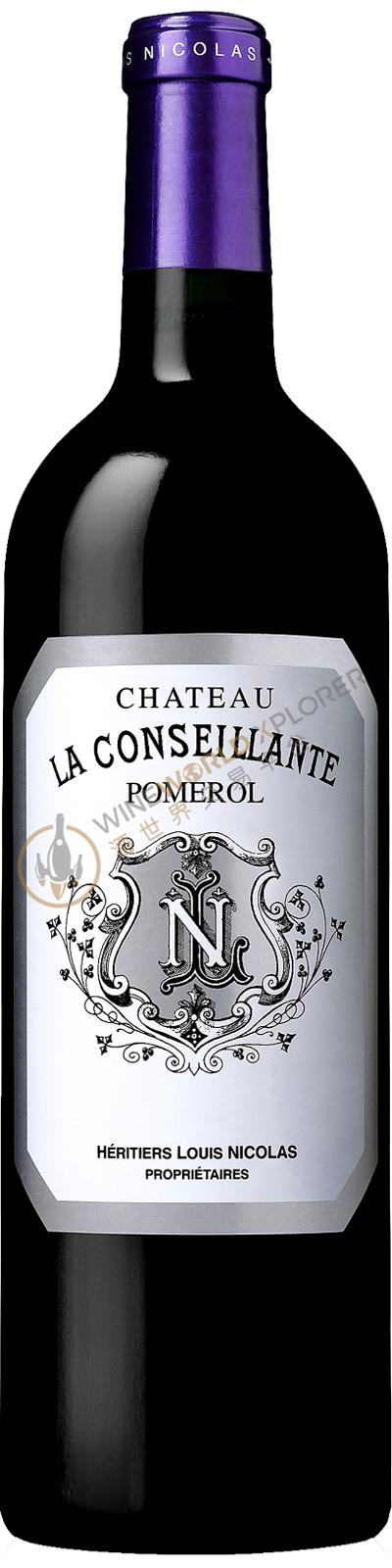
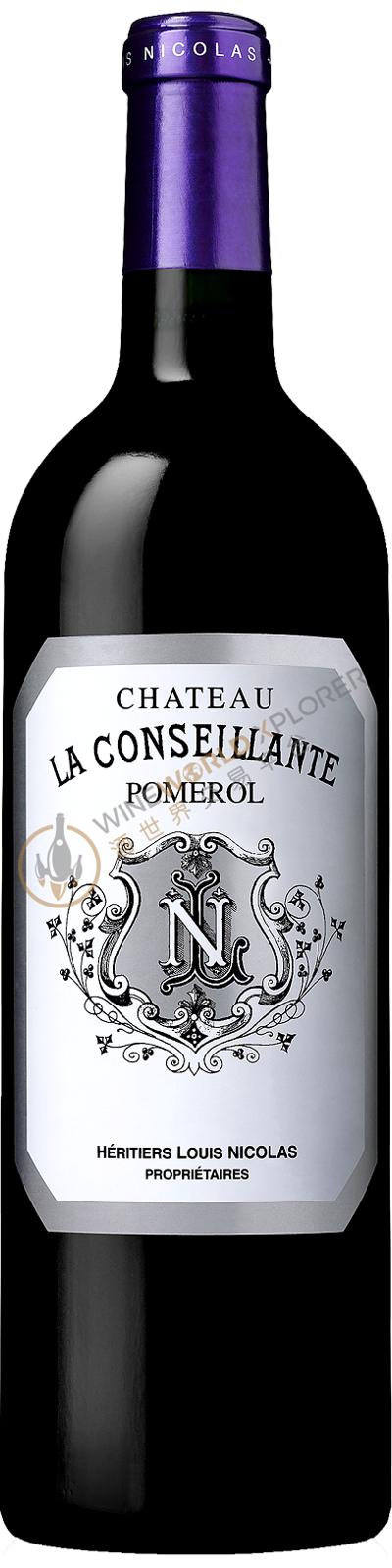
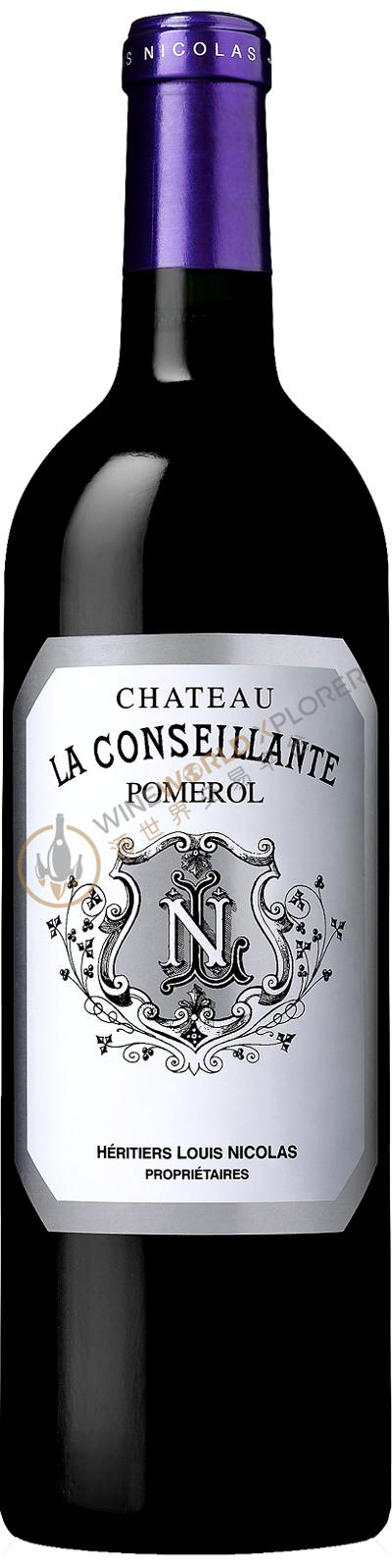
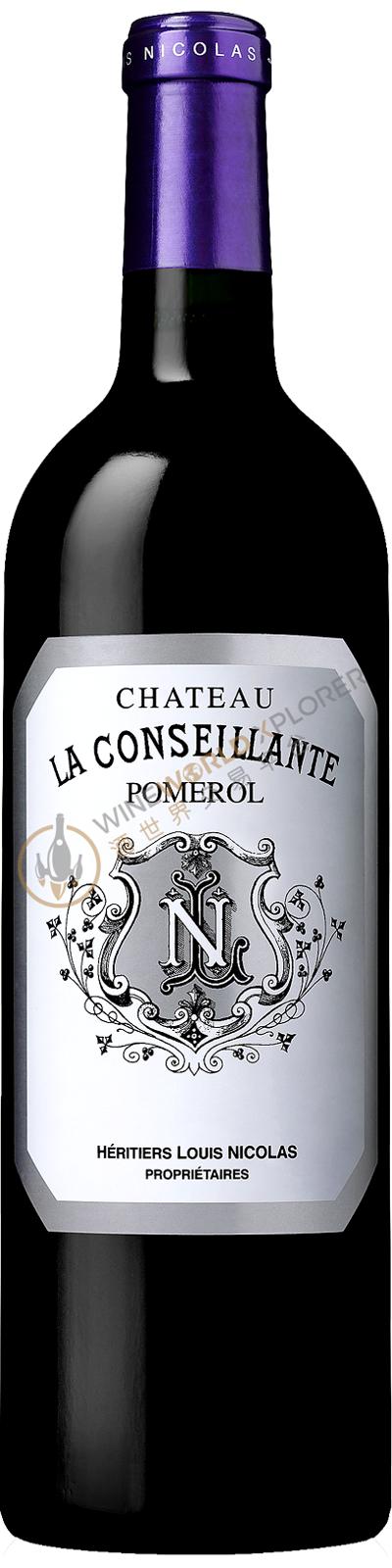
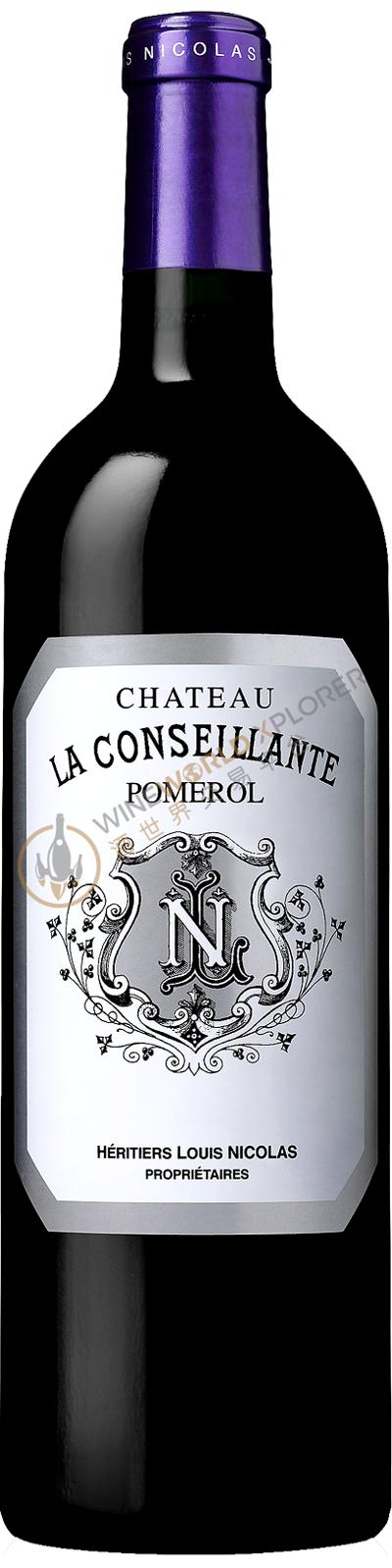
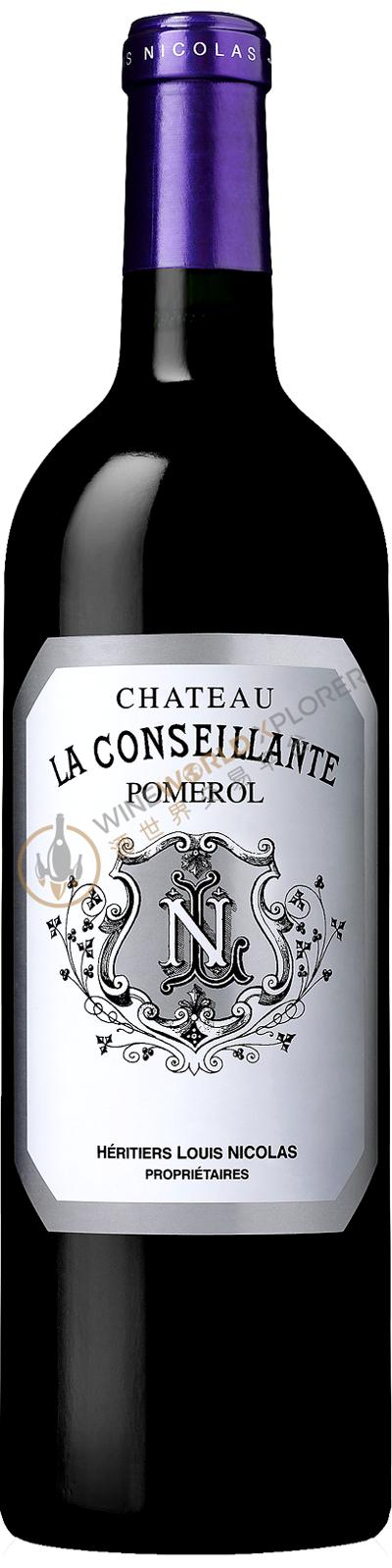
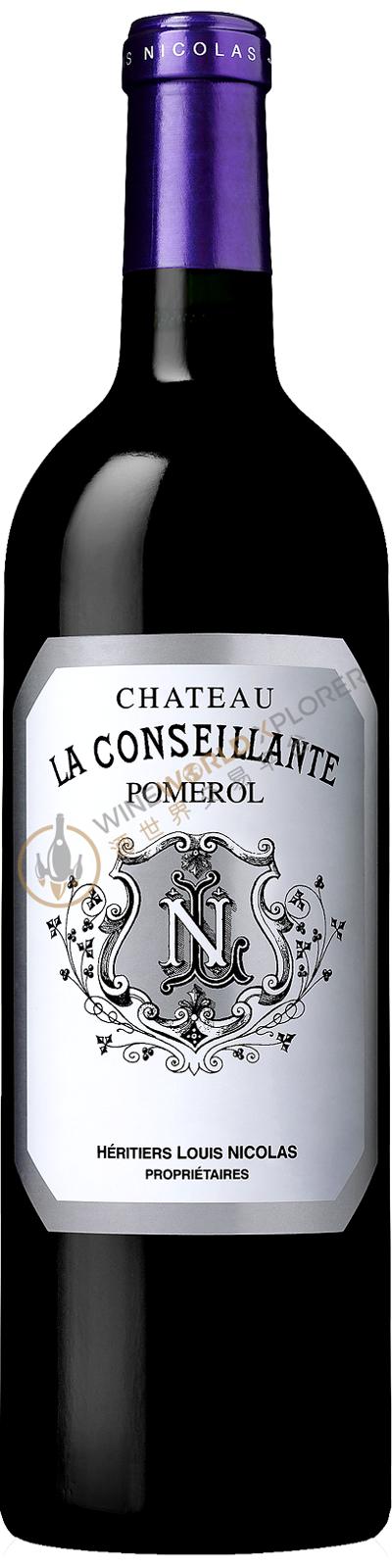
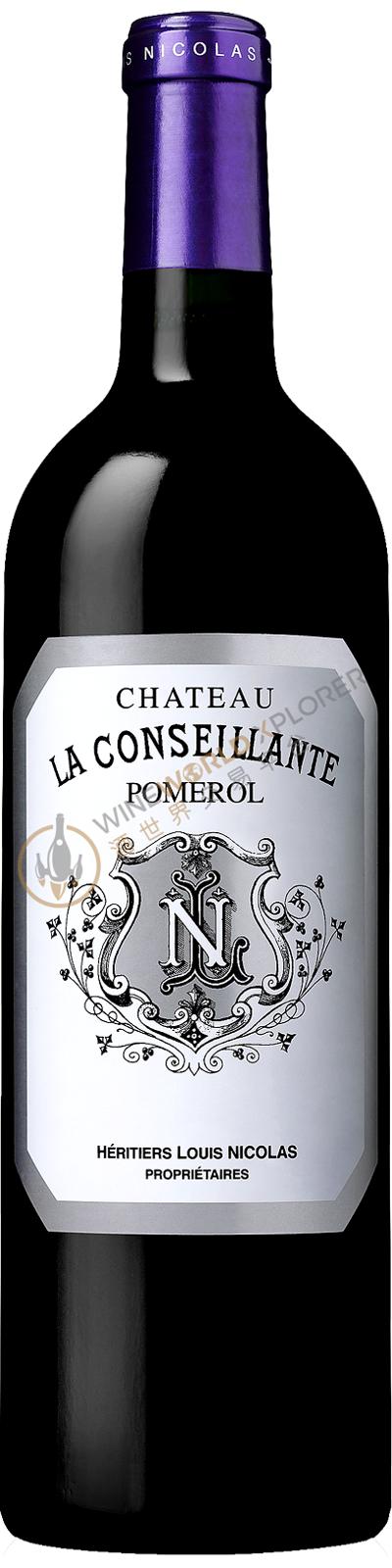
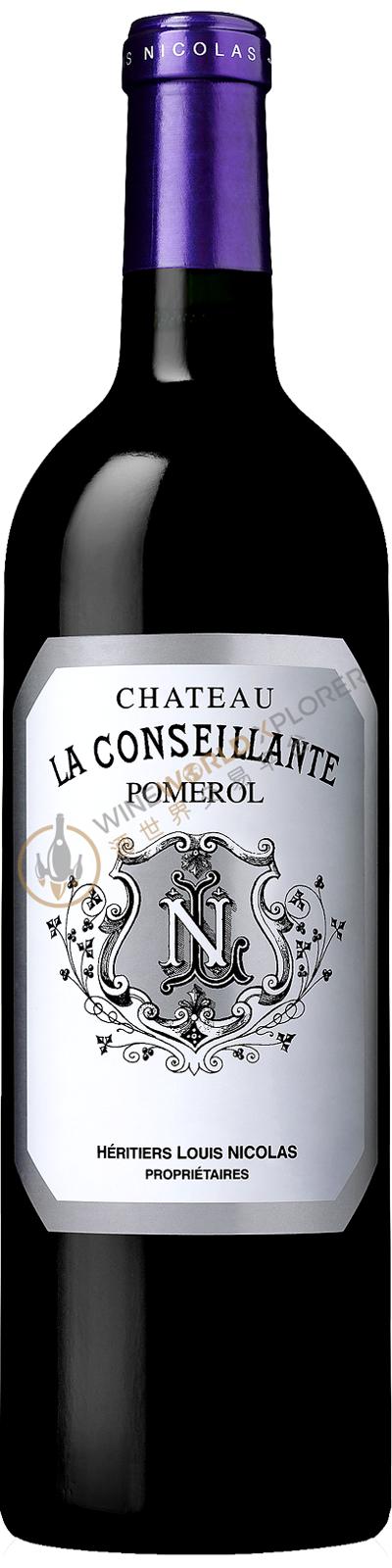
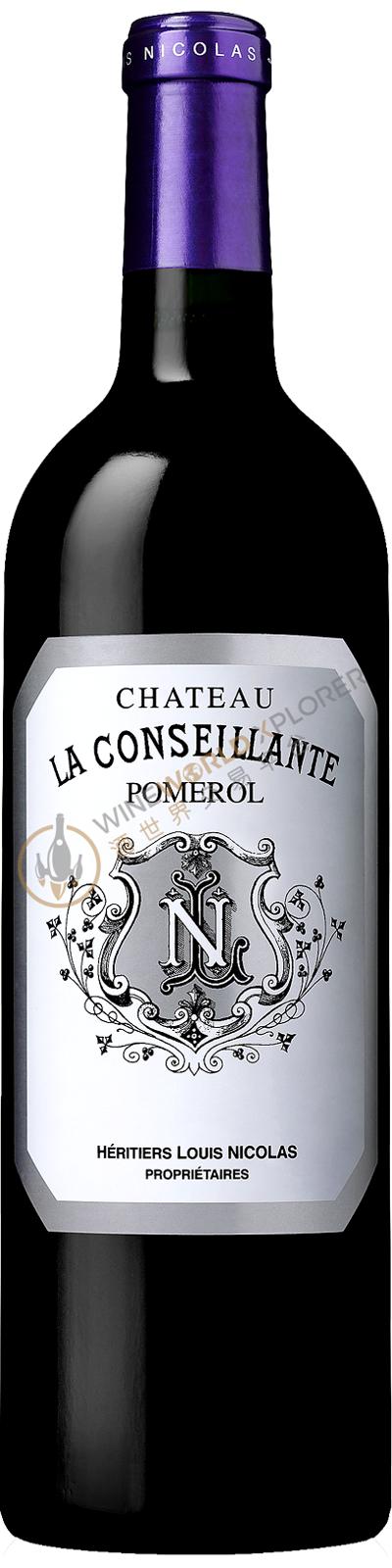
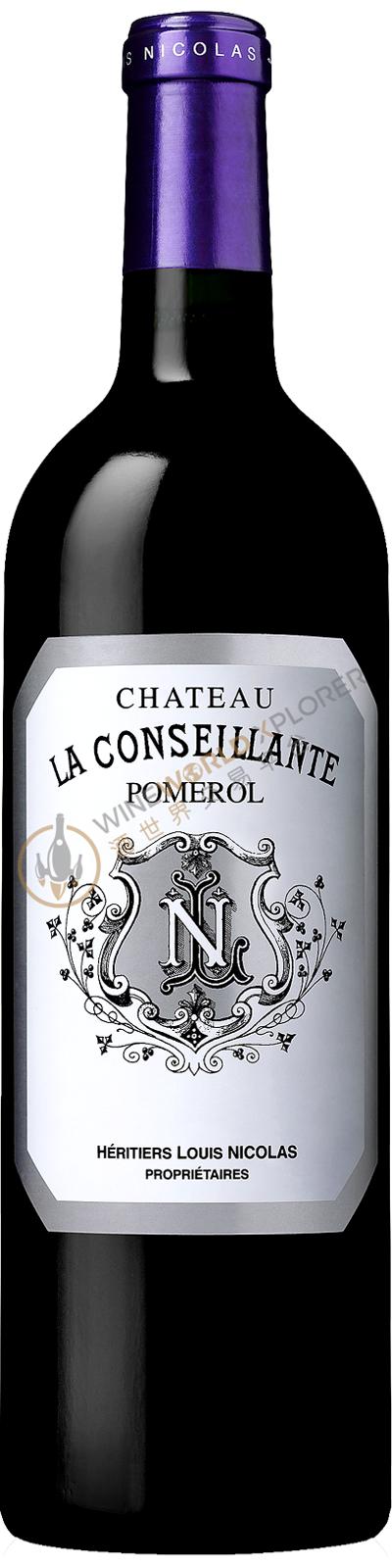
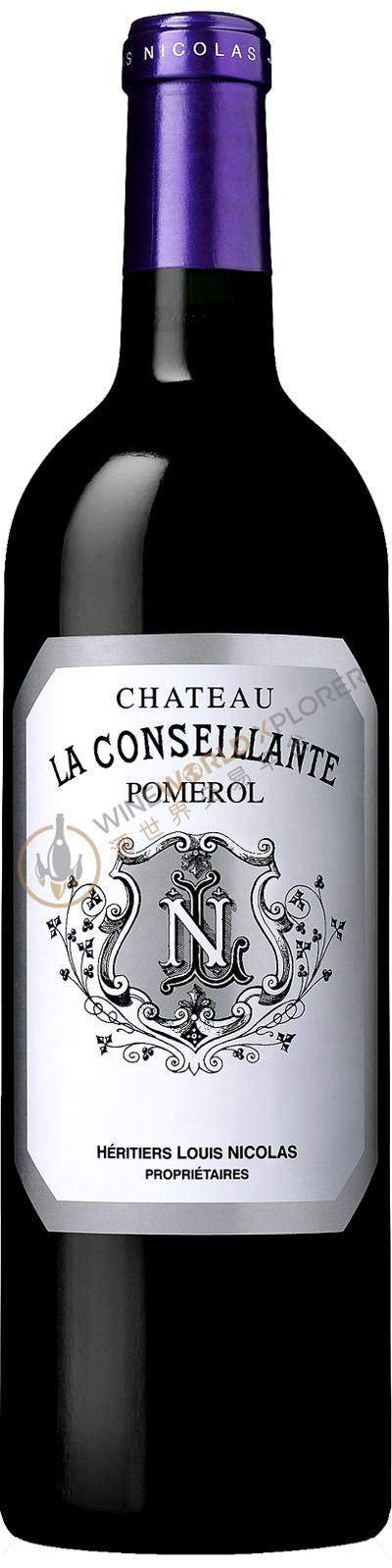
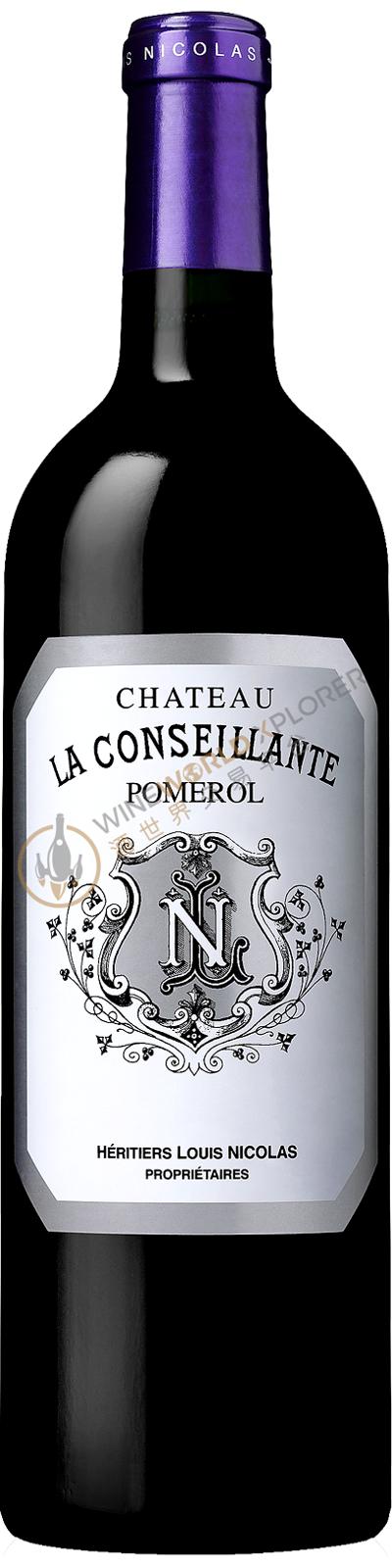
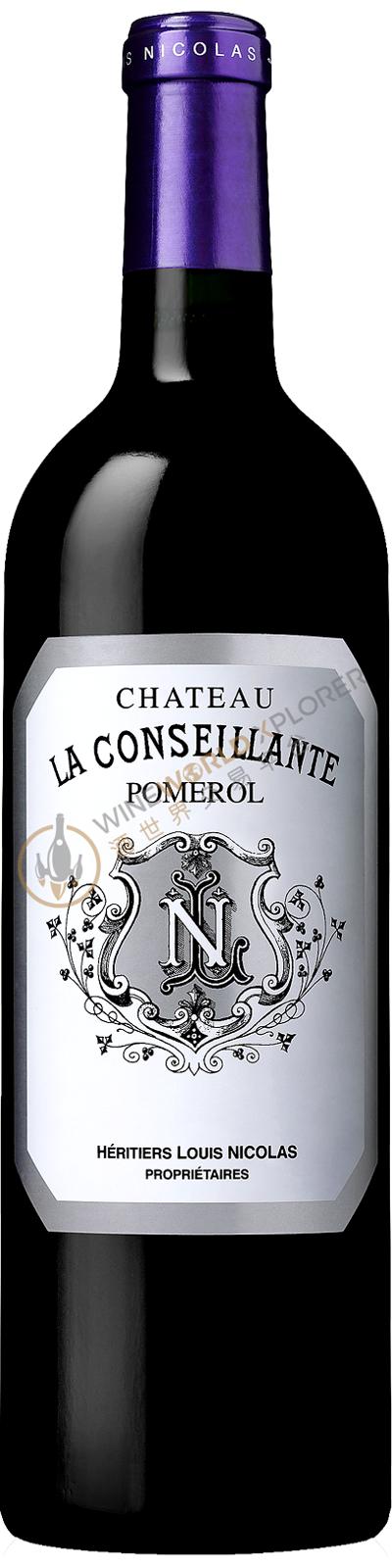
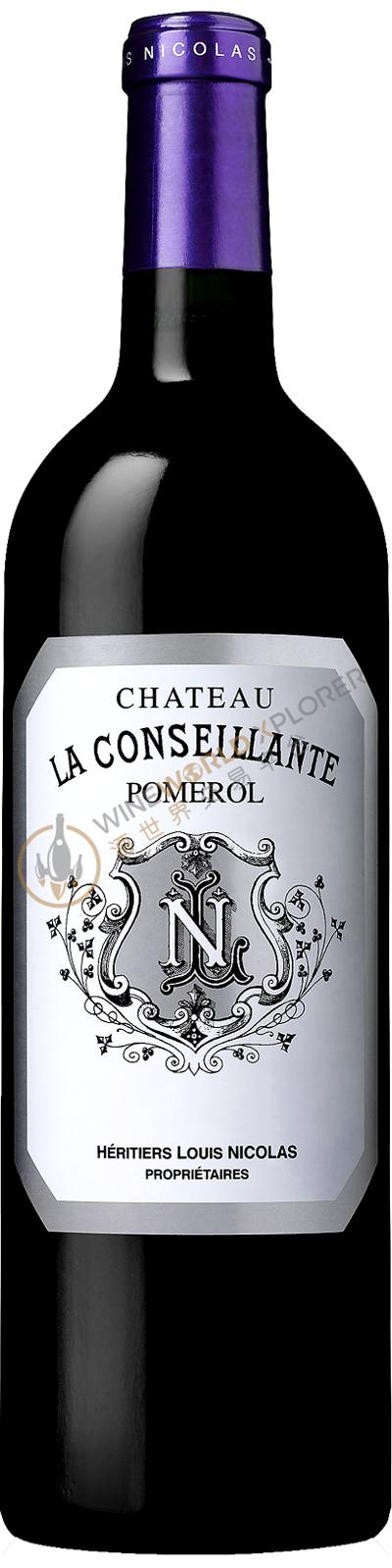
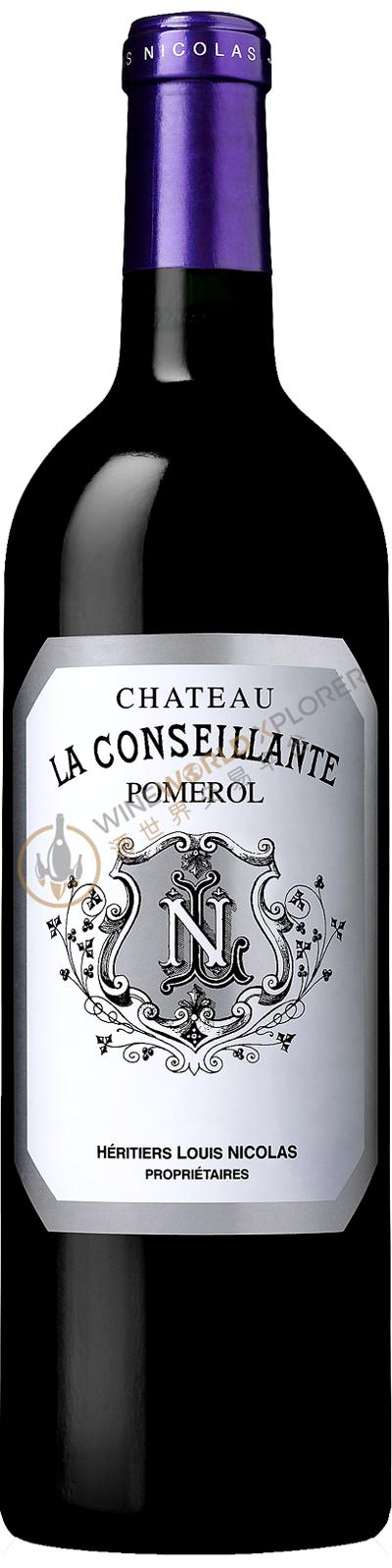
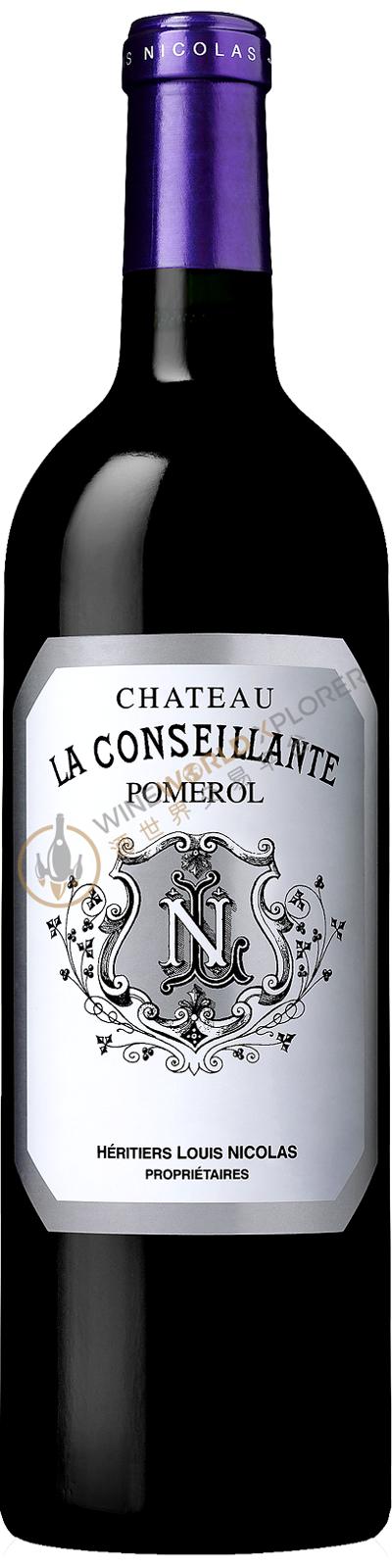
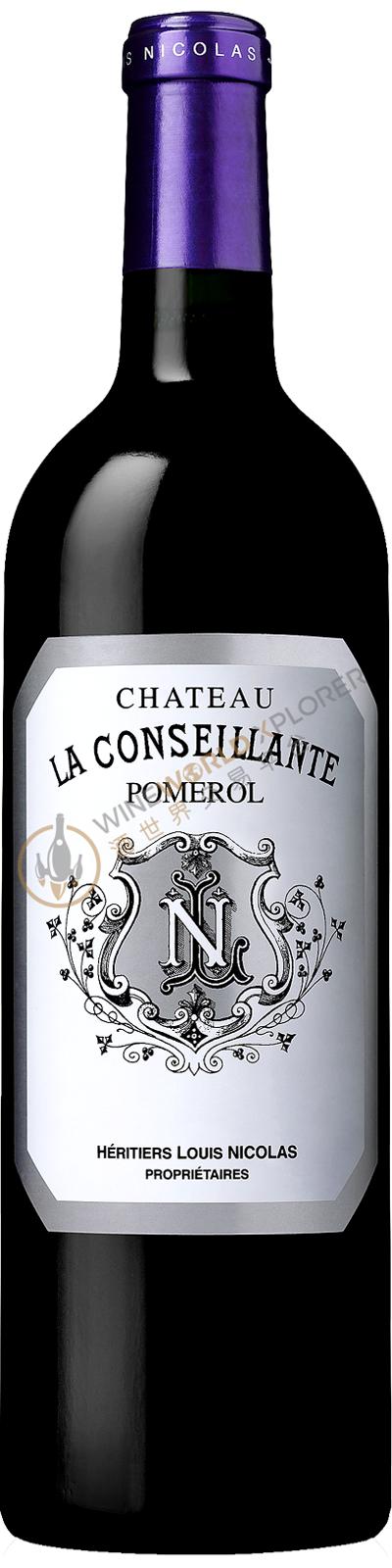
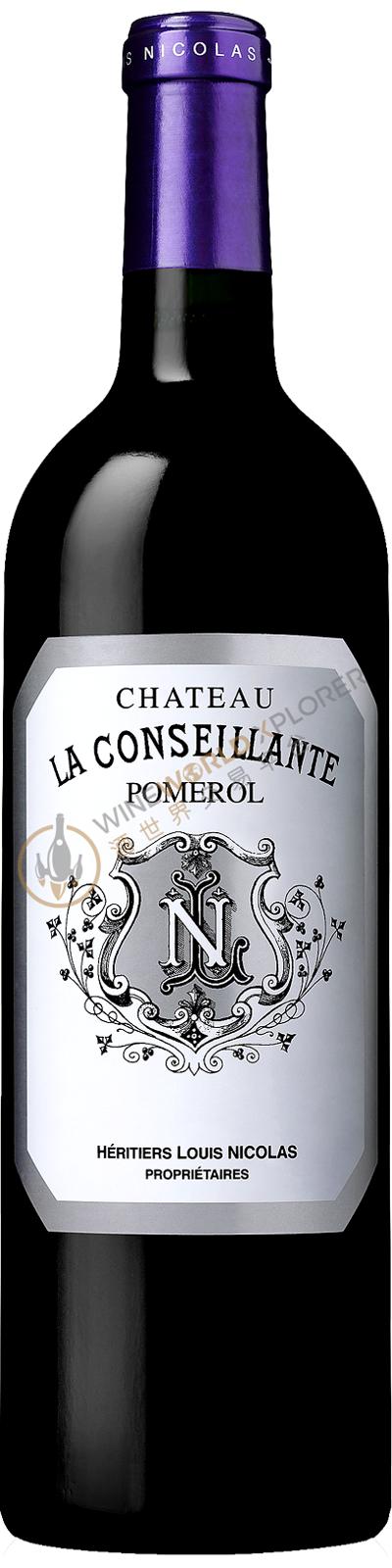
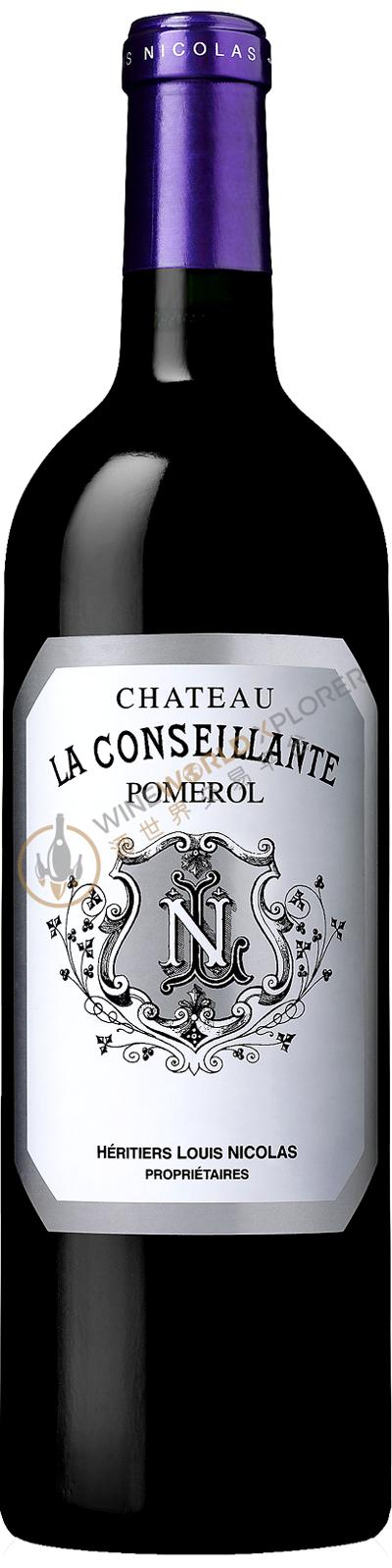
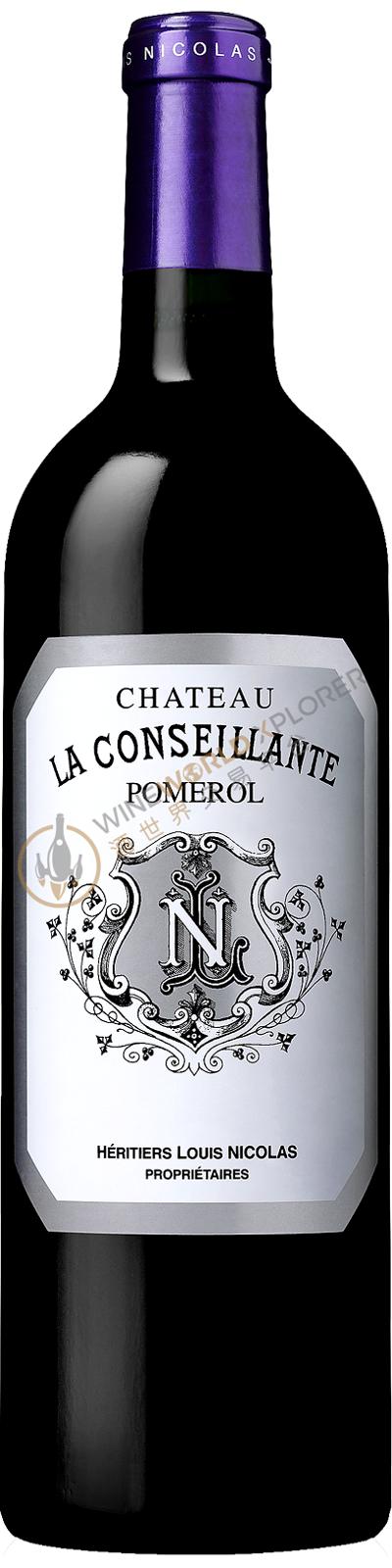
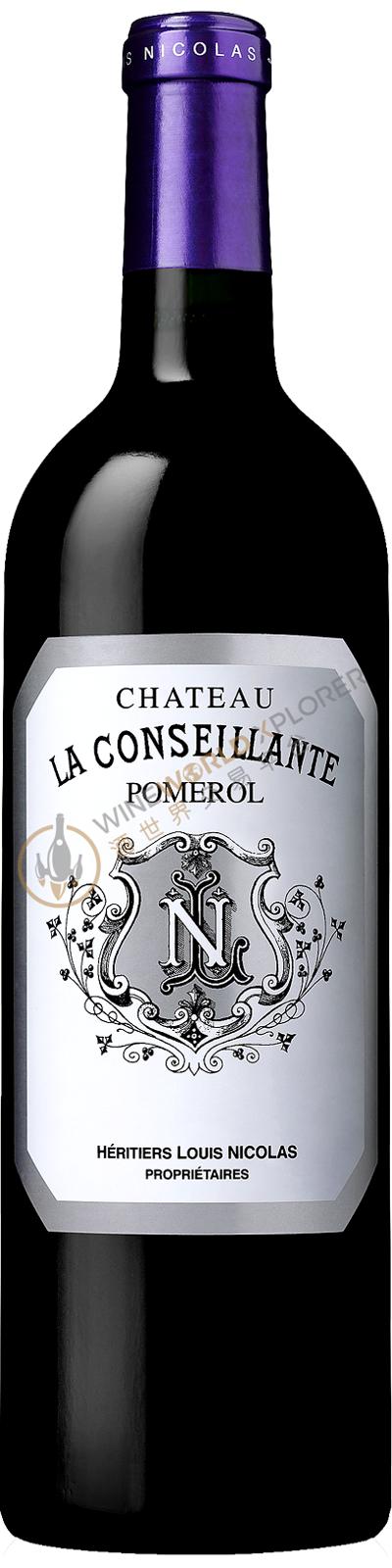
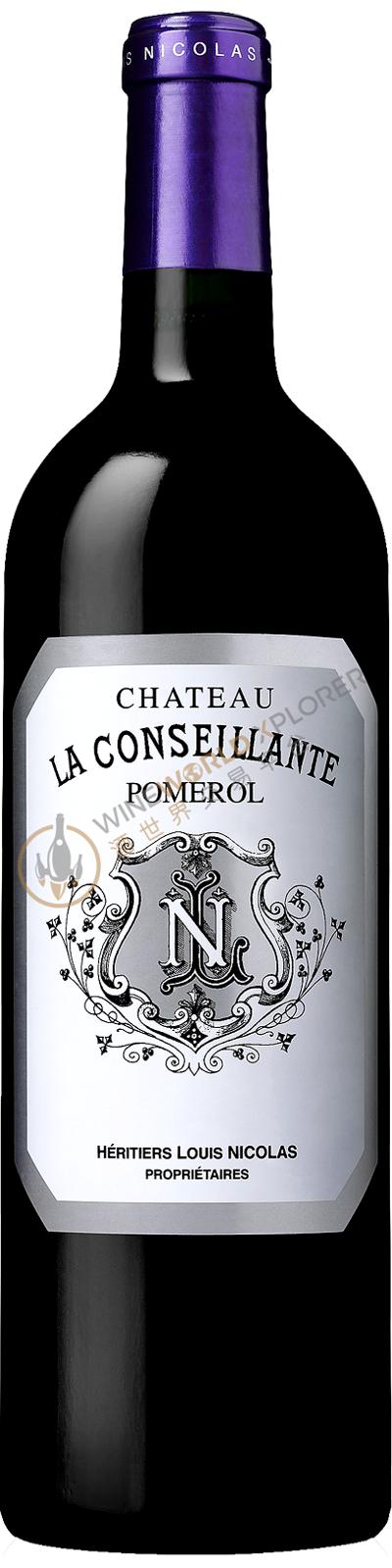
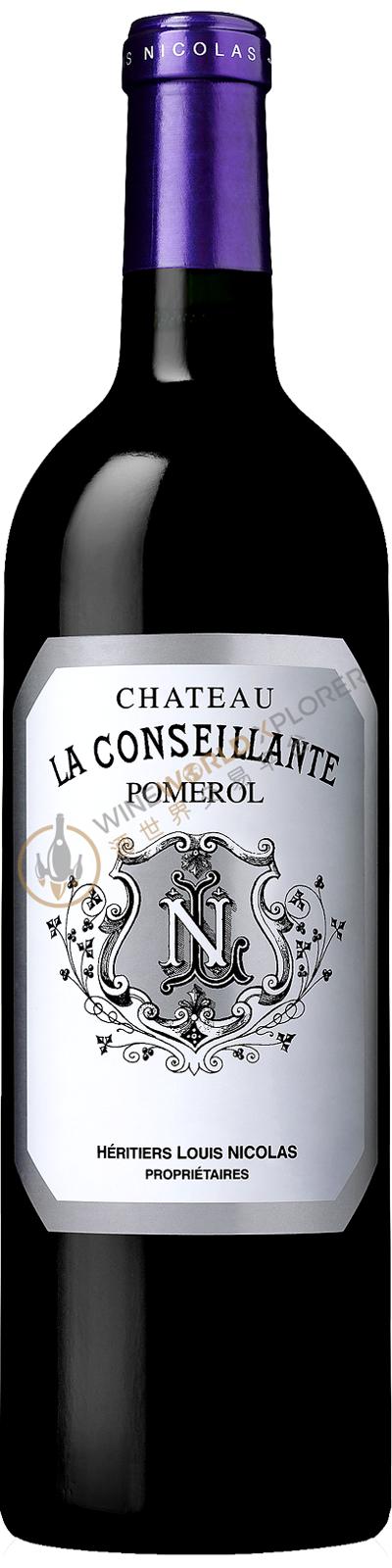
La Conseillante 2025
 View analysis


Description
Tasting notes

Reviewed by: Antonio Galloni
The 2025 La Conseillante is shaping up to be magnificent. Rich and luscious in the glass, the 2025 offers up an exotic mélange of inky dark fruit, cloves, new leather, licorice and mocha. This is the first vintage that sees the return of Cabernet Sauvignon, historically a part of the blend from at least 1871 to 1956, when frost devastated many vineyards in Pomerol. The 2025 is impressively deep, but also quite vibrant. I can't wait to see how it ages. It's a superb effort from Technical Director Marielle Cazaux and her team. Cazaux made an immediate impact when she arrived in 2015, starting with a move to lower-intervention farming that was immediately apparent. I will have more to say about that and other related subjects in a separate article we will publish later in the year. Tasted two times.
Reviewed by: William Kelley
The 2025 La Conseillante is another brilliant wine in the making for this Pomerol reference point. Wafting from the glass with aromas of ripe mulberries and blackberries mingled with hints of violets and truffle, it's medium- to full-bodied, deep and unctuous, with lively acids, ultra-refined tannins and a long, floral finish. It's a blend of 87% Merlot, 10% Cabernet Franc and 3% Cabernet Sauvignon (from new plantings that already make it into the blend) that attained 13.5% alcohol. Fermentations were capped at 26 degrees Celsius, the coolest ever, to extract selectively, and the entire production is maturing in barriques this year.
About the Producer
Chateau La Conseillante is located in the Pomerol appellation on the right bank of Bordeaux, France, next to Vieux Chateau Certan and Chateau L'Evangile, and is one of the best châteaux in Pomerol. The vineyard covers an area of 11.8 hectares with a topsoil of 60% grey clay and 40% gravel and a subsoil of red clay rich in iron. The vineyard is planted with 80% Merlot and 20% Cabernet Franc. The Merlot is planted mainly on clay plots, while the Cabernet Franc is planted mainly on gravel. The average age of the vines is 35 years and the planting density is 7,000 vines per hectare. The winery uses traditional vineyard management practices, eliminating the use of herbicides. During the growing season, the land is usually plowed four times to suppress weed growth and thus obtain more water for the vines. In the winter, the vines are pruned in a strict Simple Guyot and Double Guyot style. In addition, the vineyards are de-leafed and de-budded to keep yields at around 4,000 liters per hectare. At harvest time, the grapes are hand-picked to their optimum ripeness and a preliminary selection is carried out. Once the selection is complete, the grapes are transported in small batches to the winery to prevent crushing of the fruit. The winery is located in the heart of the vineyard, which shortens the transportation time and ensures that the grapes are fresh and ready for fermentation. In 2012, the winery added a new fermentation room with enough temperature-controlled stainless steel tanks to ferment the grapes from each of the 18 plots separately, combining traditional winemaking techniques with modern technology. In addition, the winery now has four sorting tables and a de-stemmer. After being transferred to barrels, the grapes undergo a cold maceration of 48 to 96 hours. After maceration, the must is fermented in barrels with the skins for 1 week, followed by a further 1 to 2 weeks of maceration. At the end of fermentation, some of the artesian wine is released first and the remaining lees are pressed through a vertical press. The pressed wines are aged separately, and only some of the best pressed wines are blended with the artesian wines. Before bottling, the wines are matured in oak barrels for approximately 18 months, 50% to 80% of which are new. During maturation, the wines are decanted by the winemakers every three months and finally clarified with egg whites.
1961(1)1973(1)1983(1)1984(1)1988(2)1989(3)1990(2)1993(2)1994(1)1995(2)1997(1)1998(3)1999(1)2000(6)2001(7)2002(1)2003(3)2004(4)2005(10)2006(7)2007(1)2008(8)2009(5)2010(8)2011(6)2012(12)2013(4)2014(7)2015(6)2016(22)2017(25)2018(25)2019(15)2020(12)2021(23)2022(12)2023(11)2024(2)
Package Size