Wine Advisor



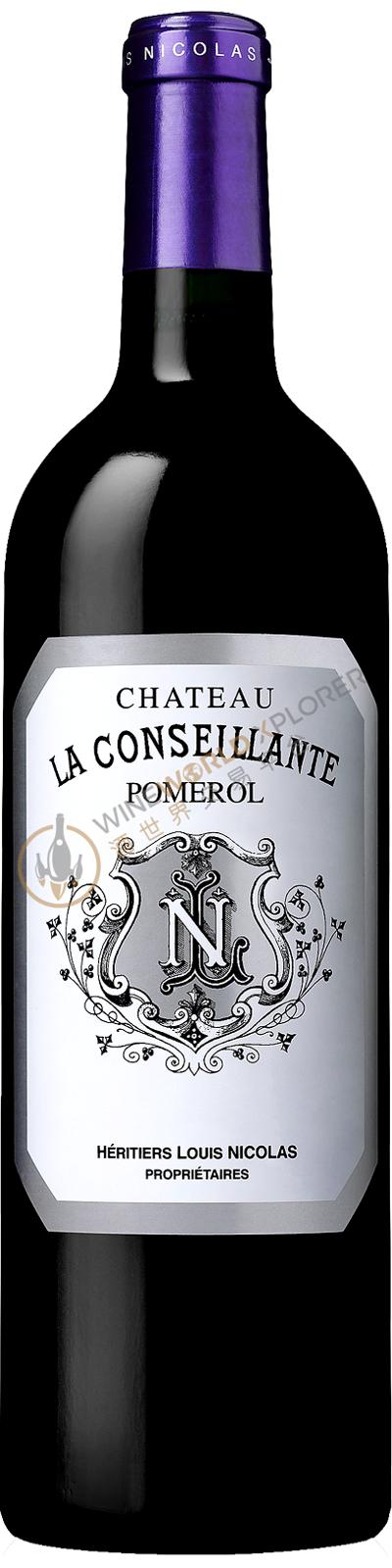
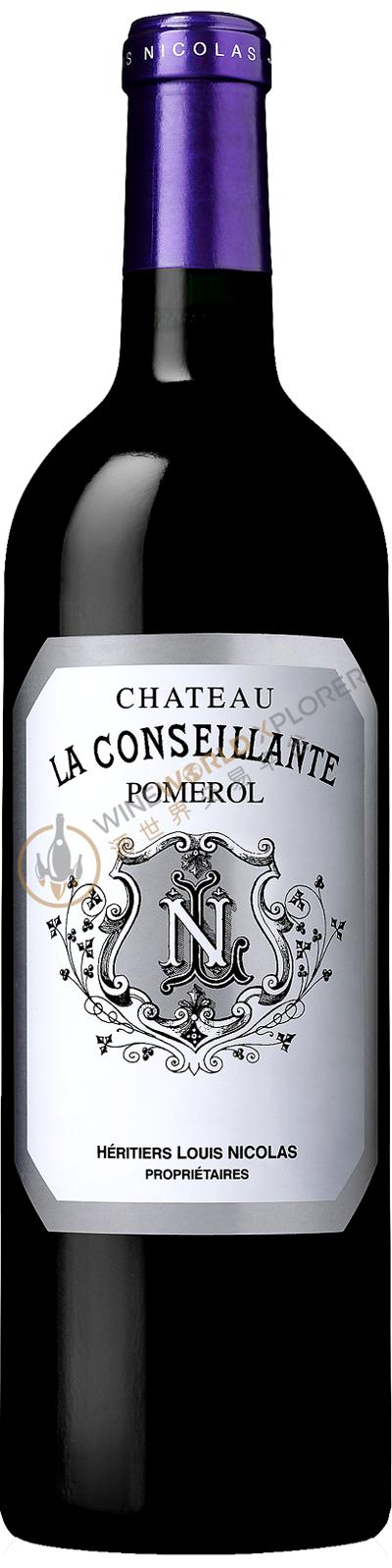
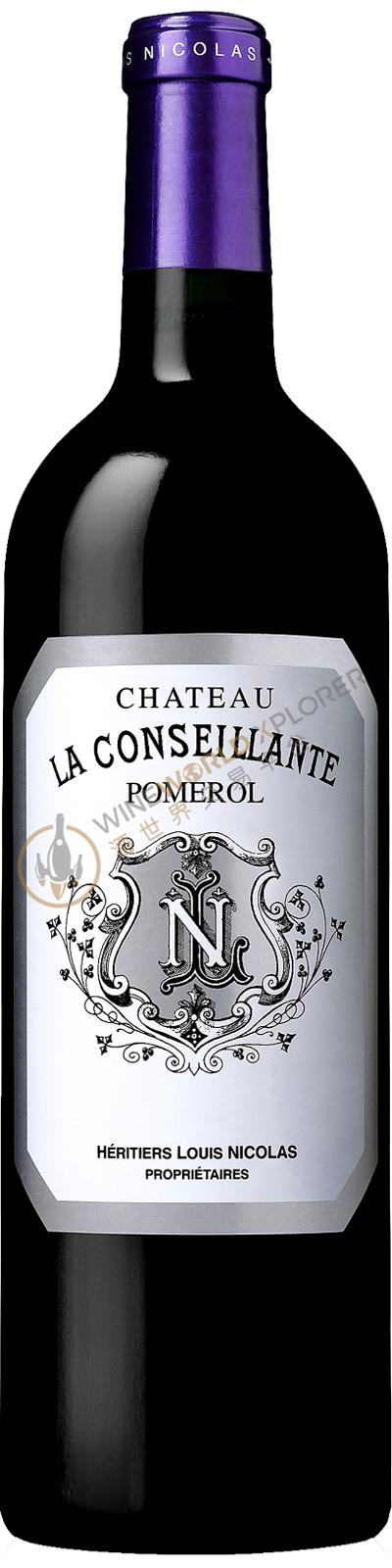
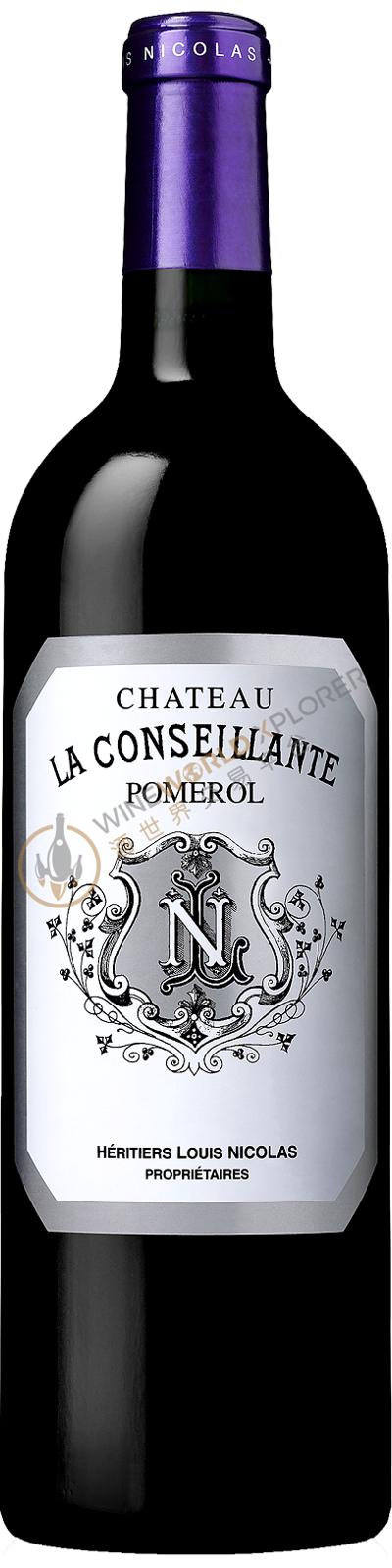
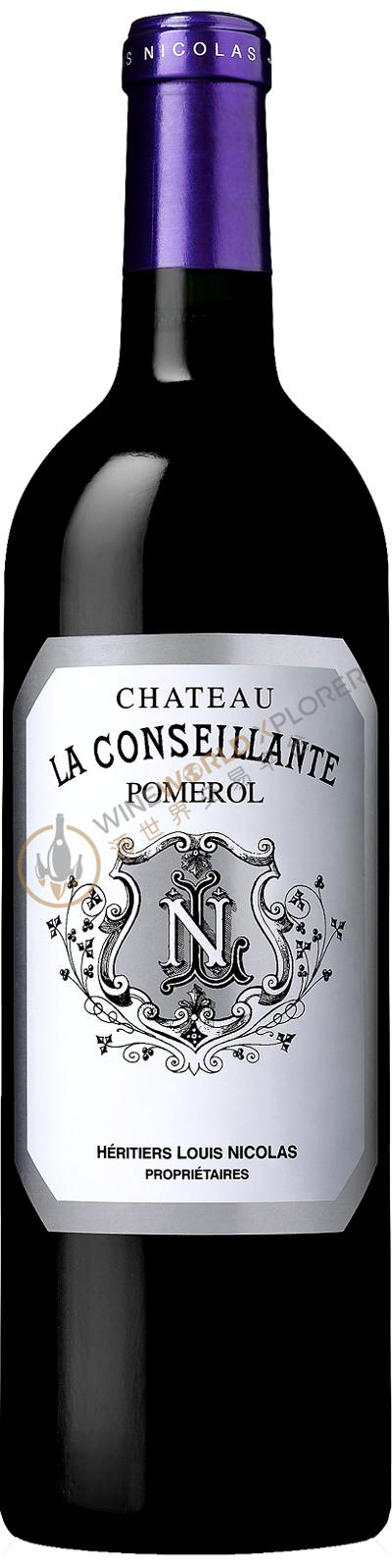
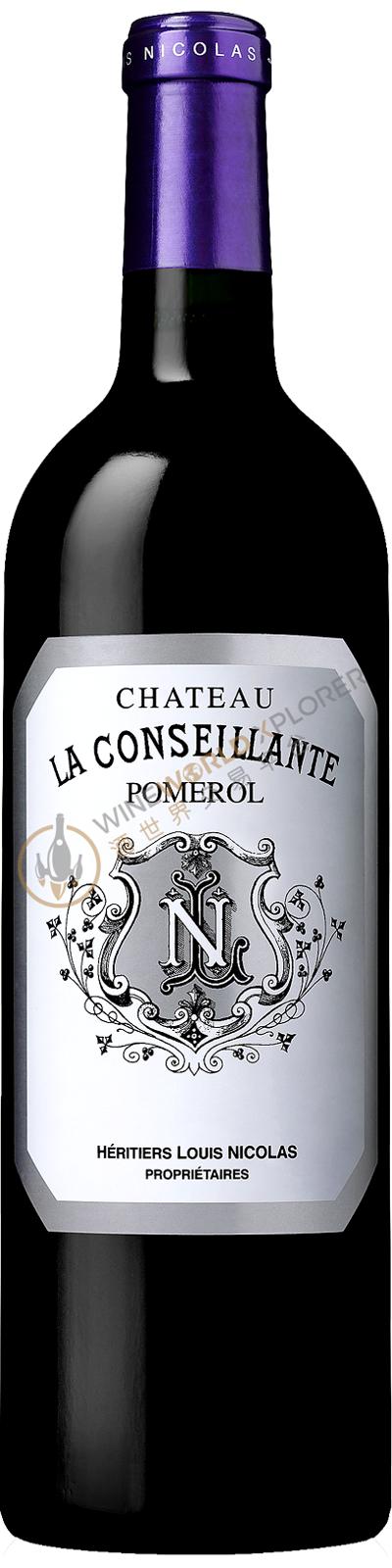
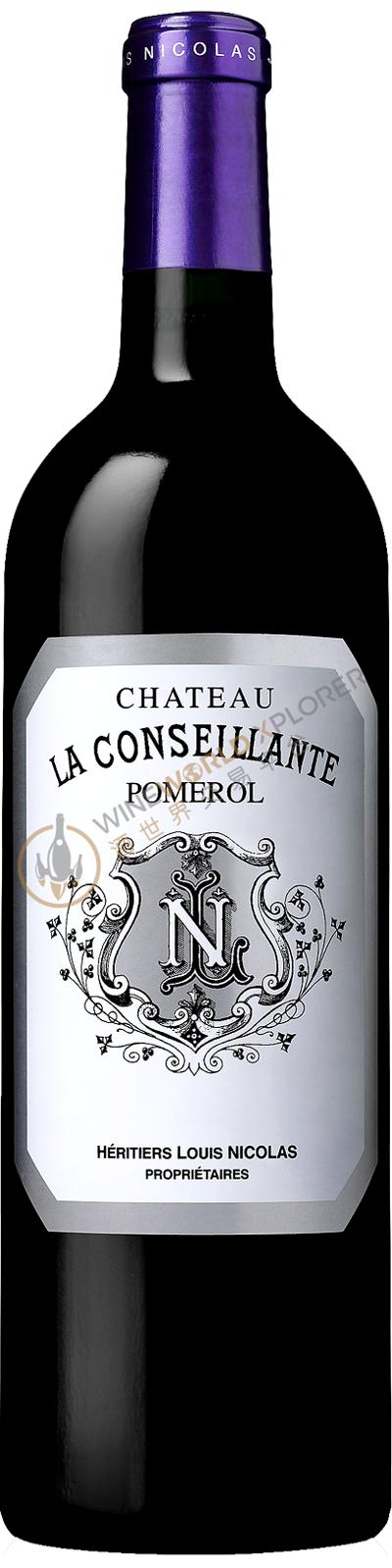
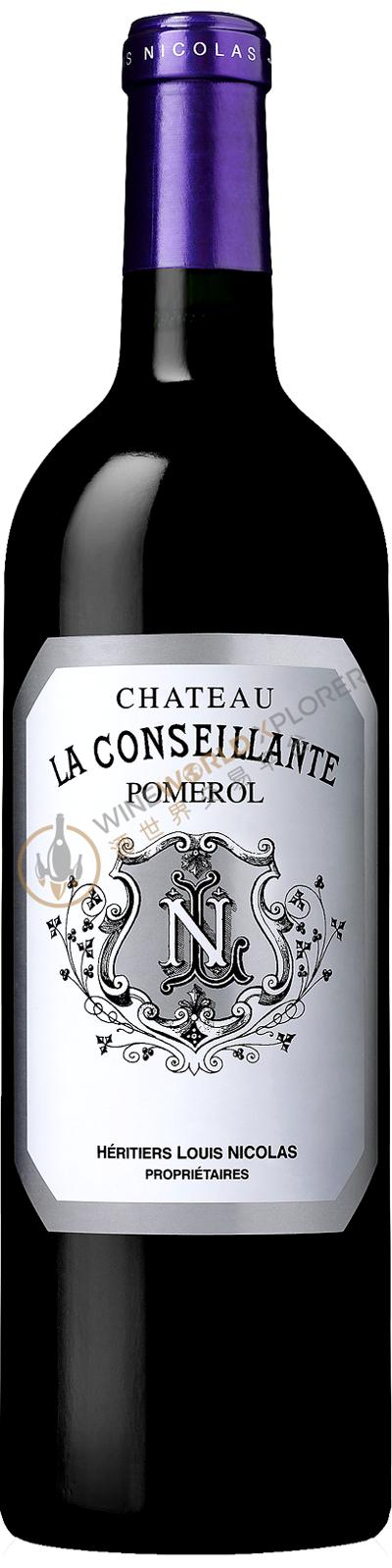
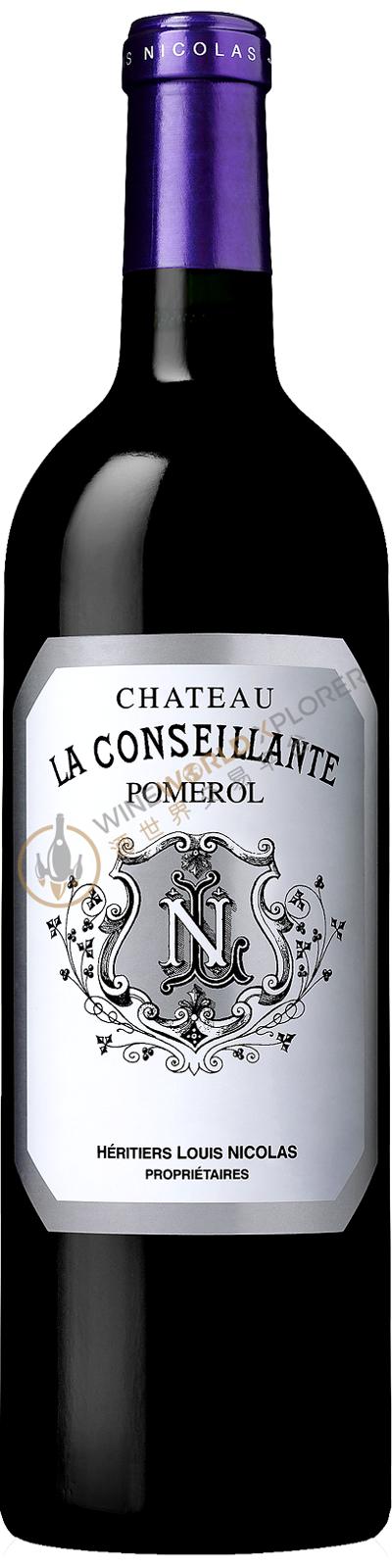
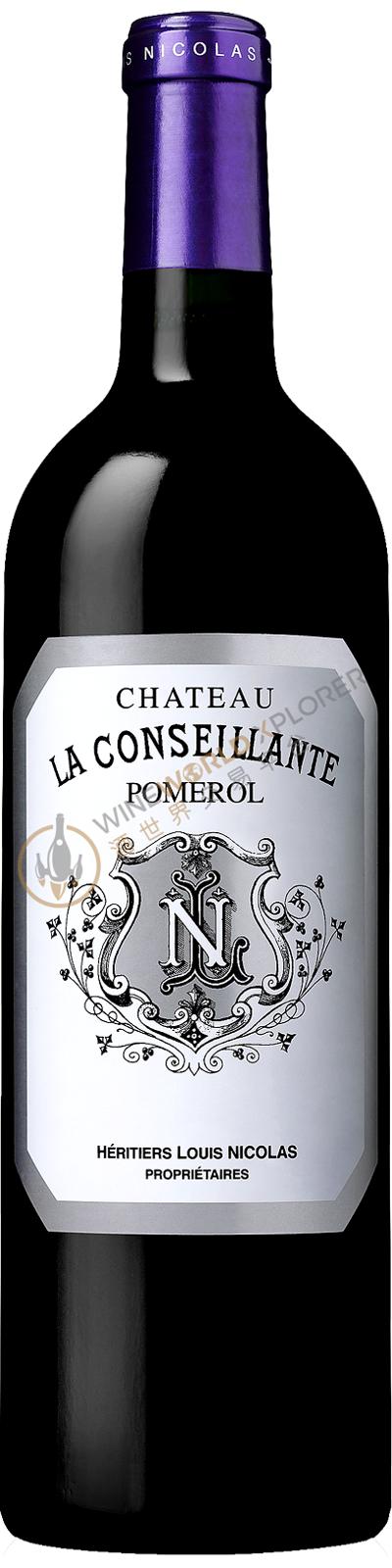
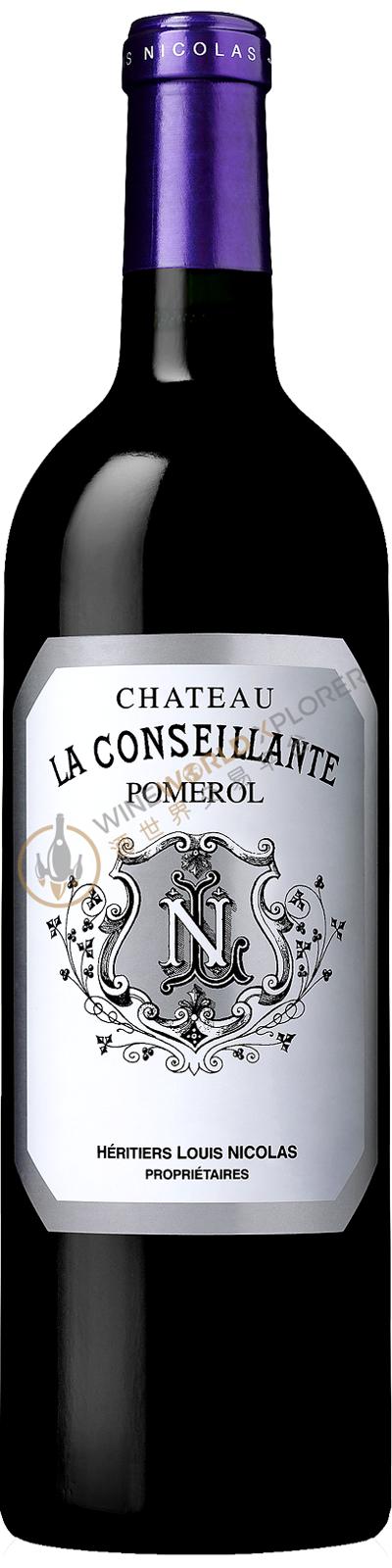
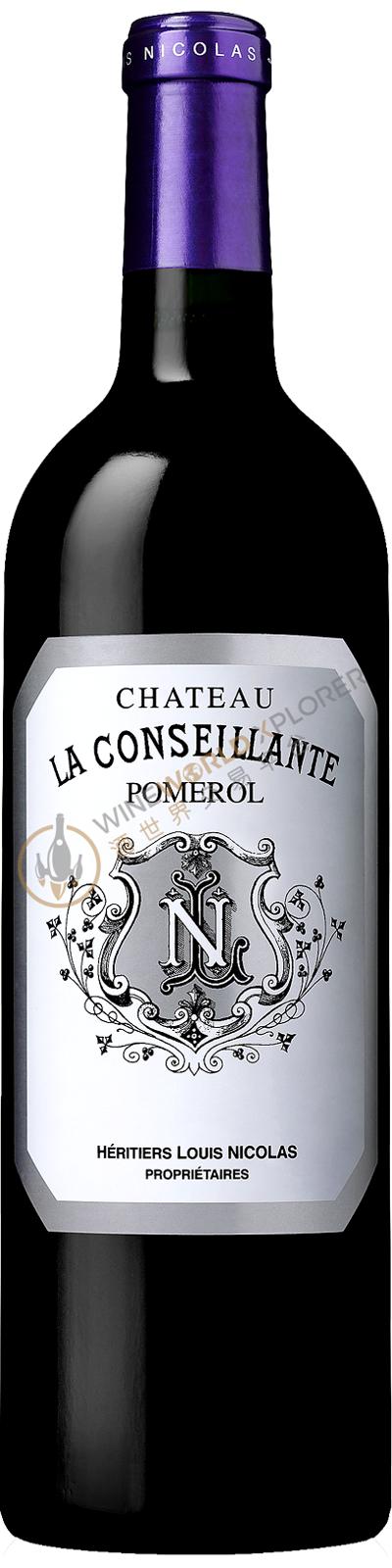
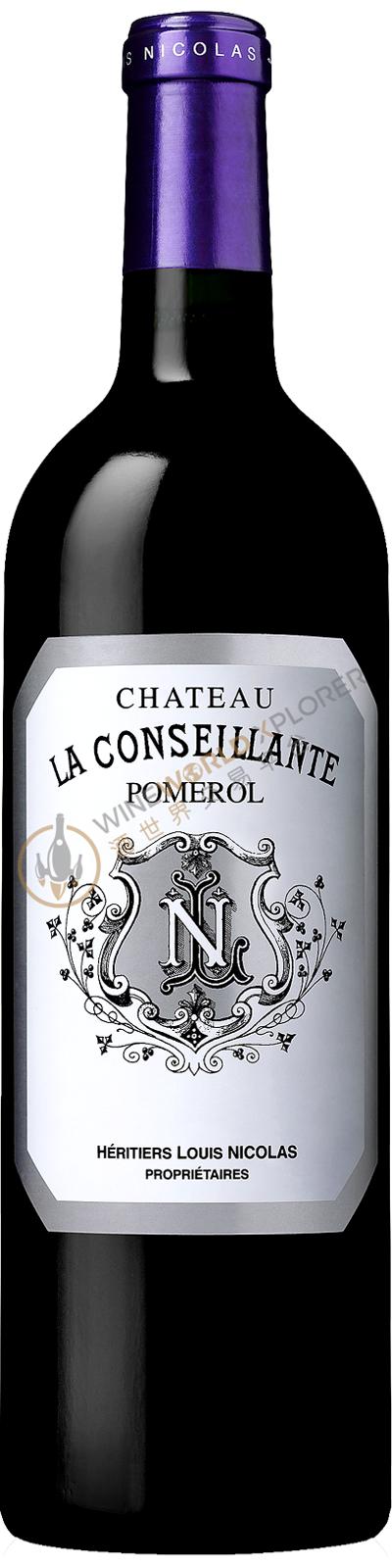
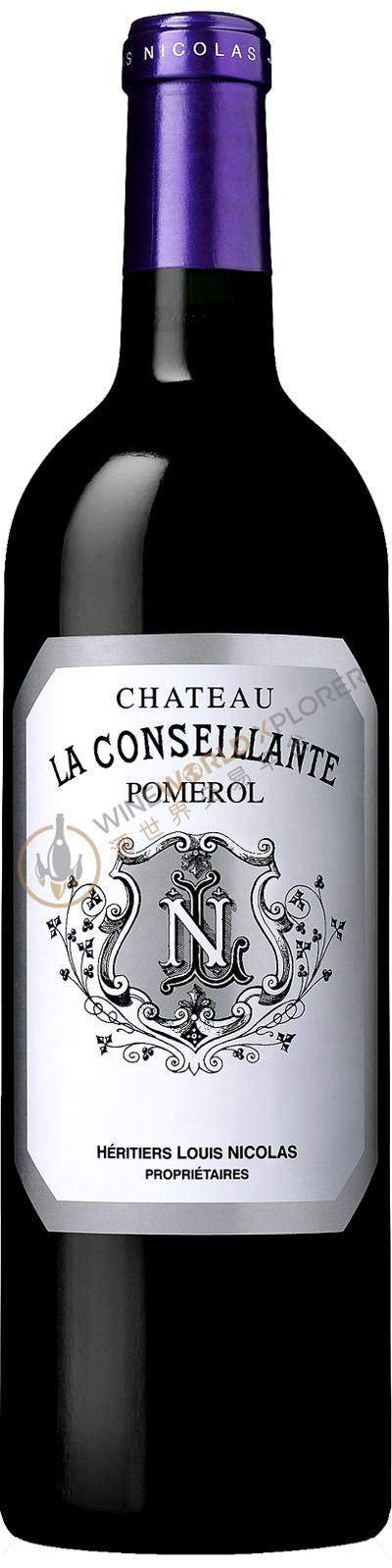
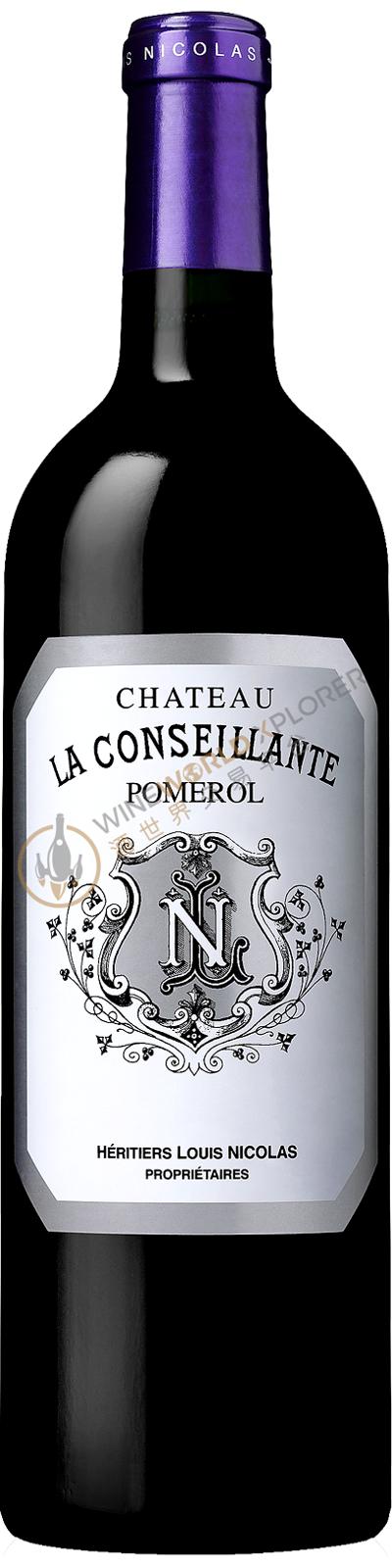
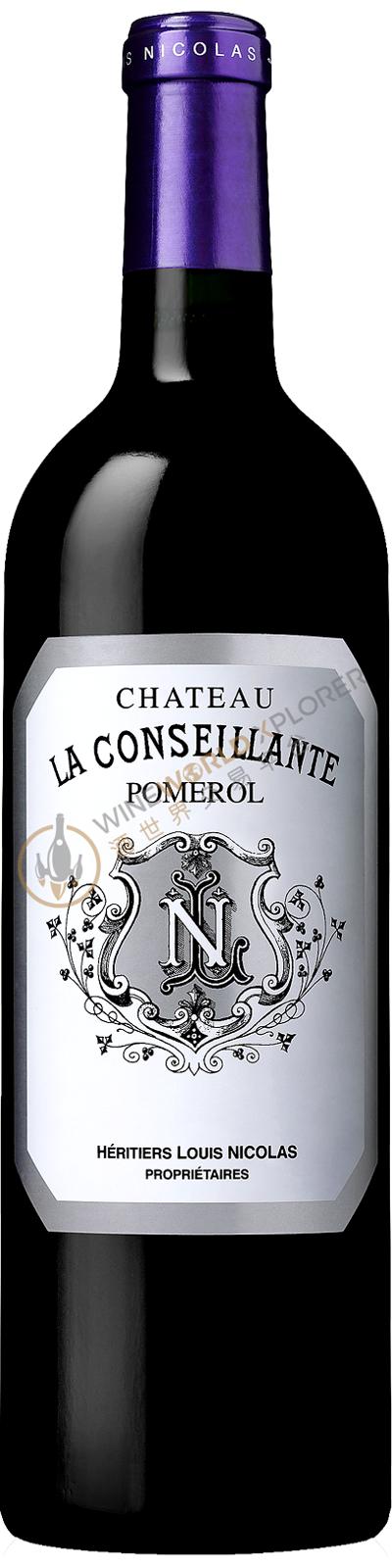
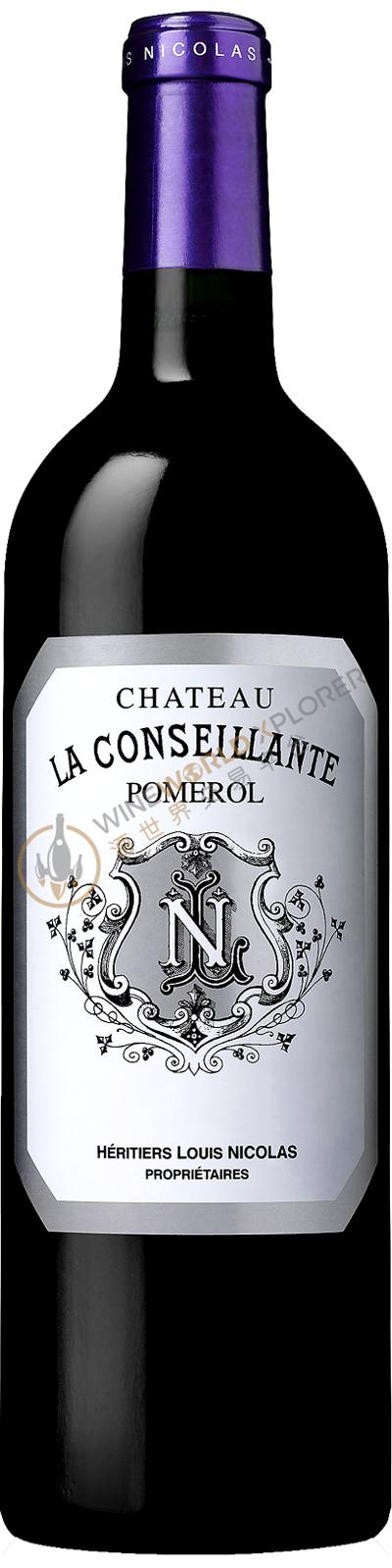
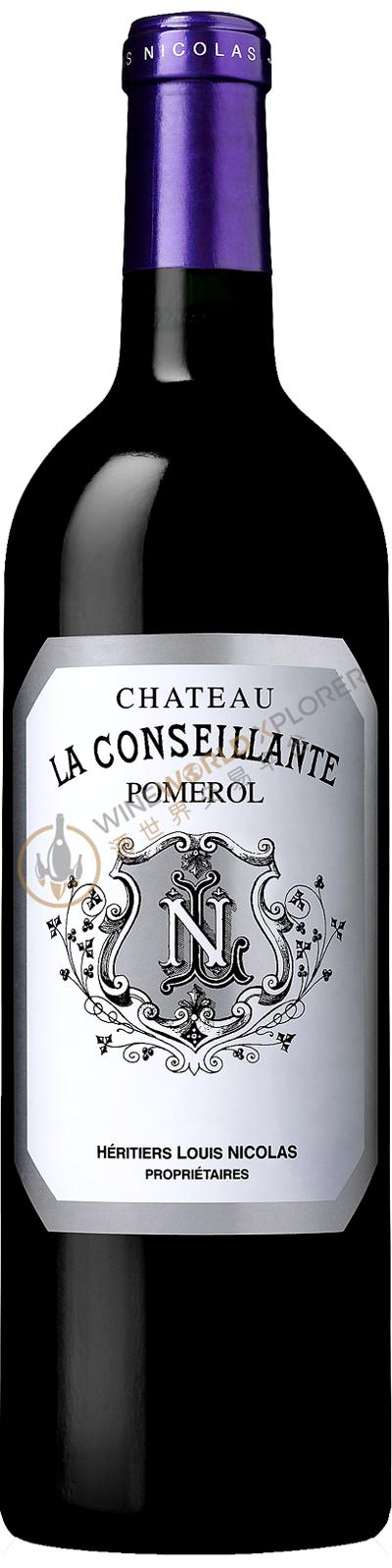
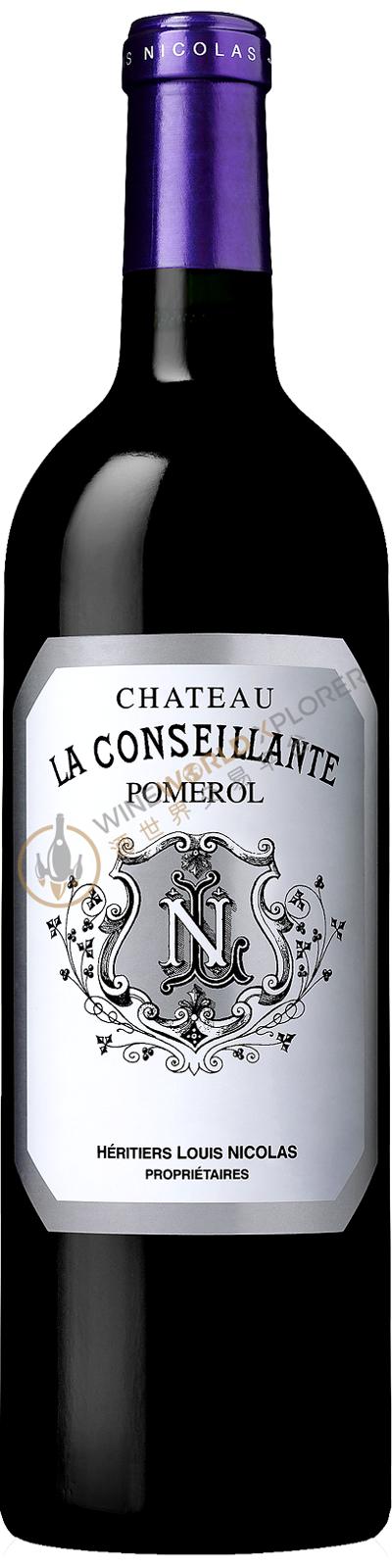
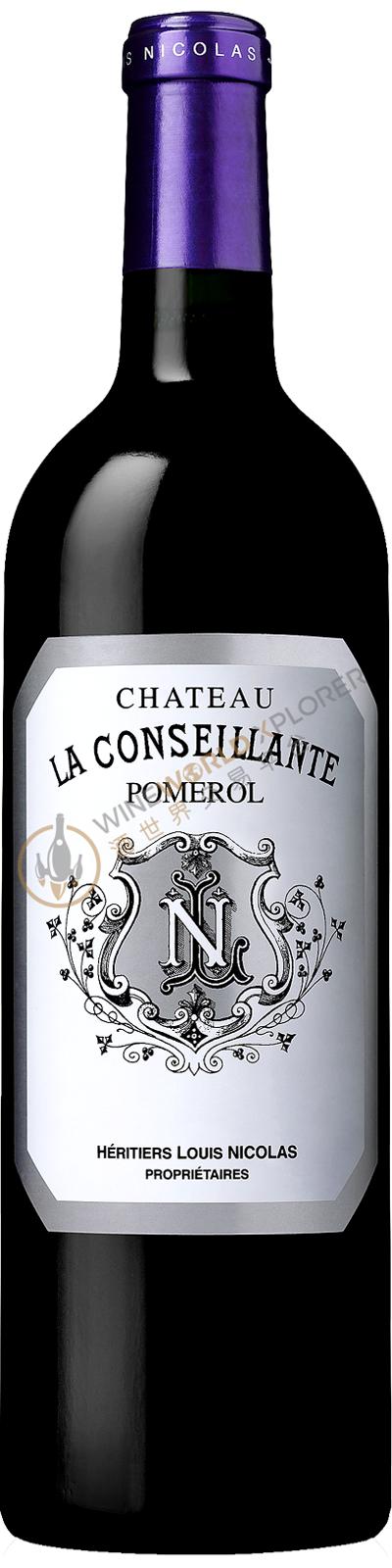
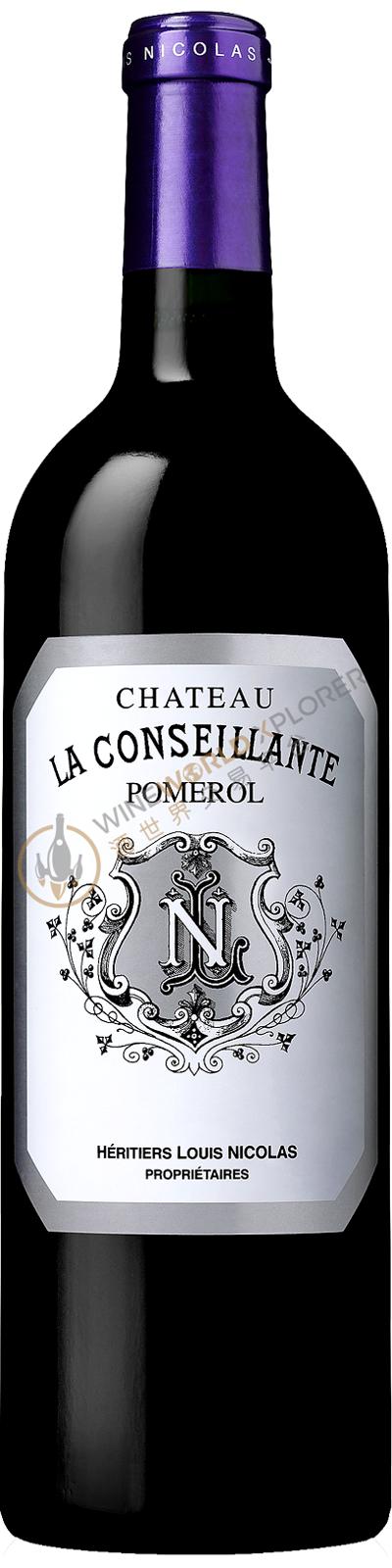
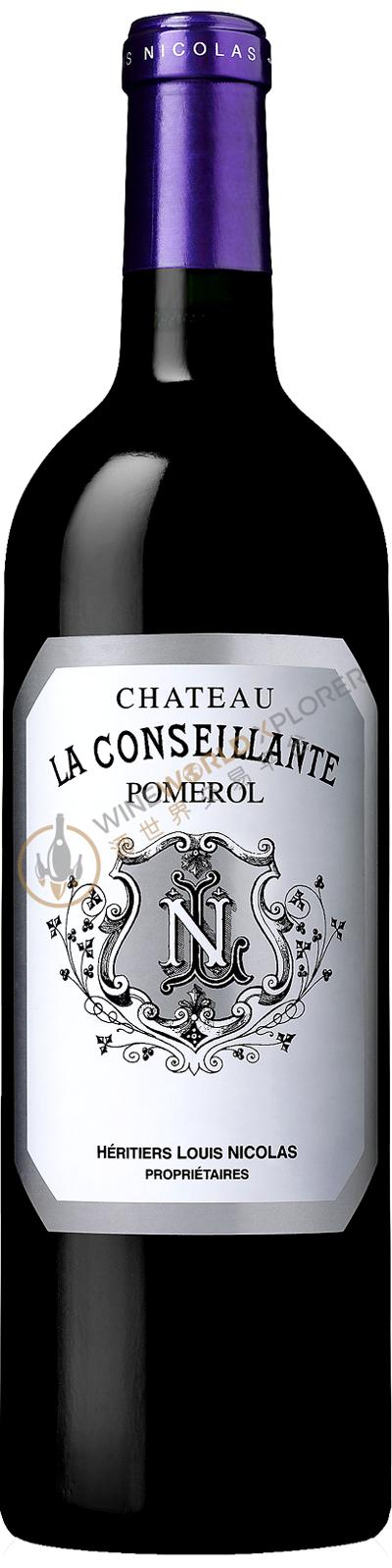
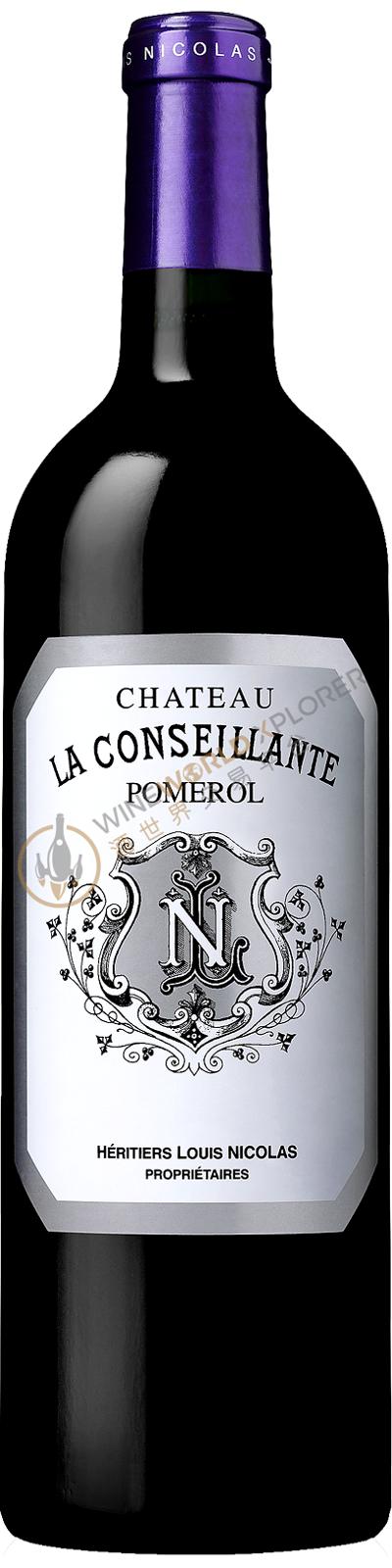
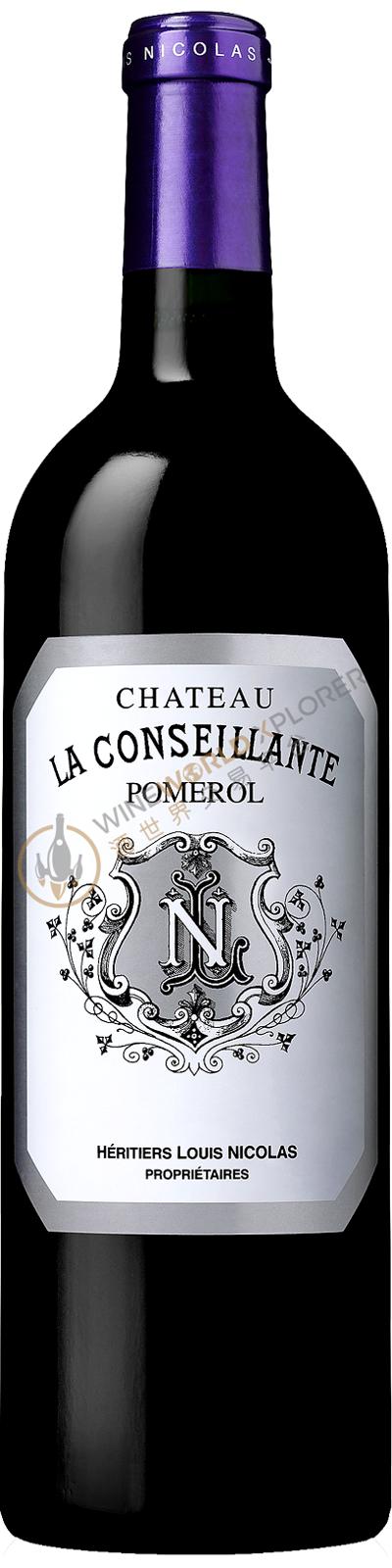
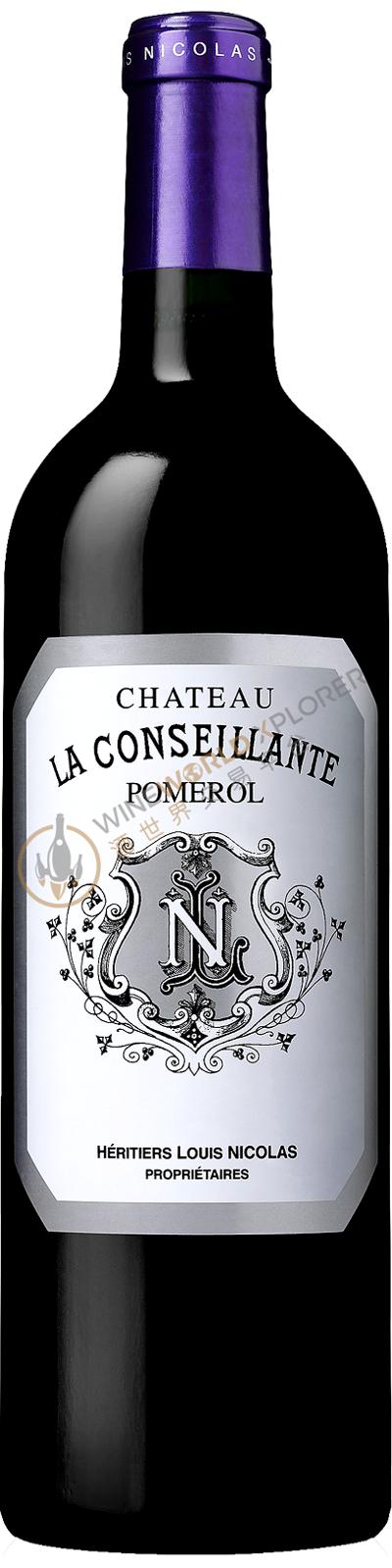
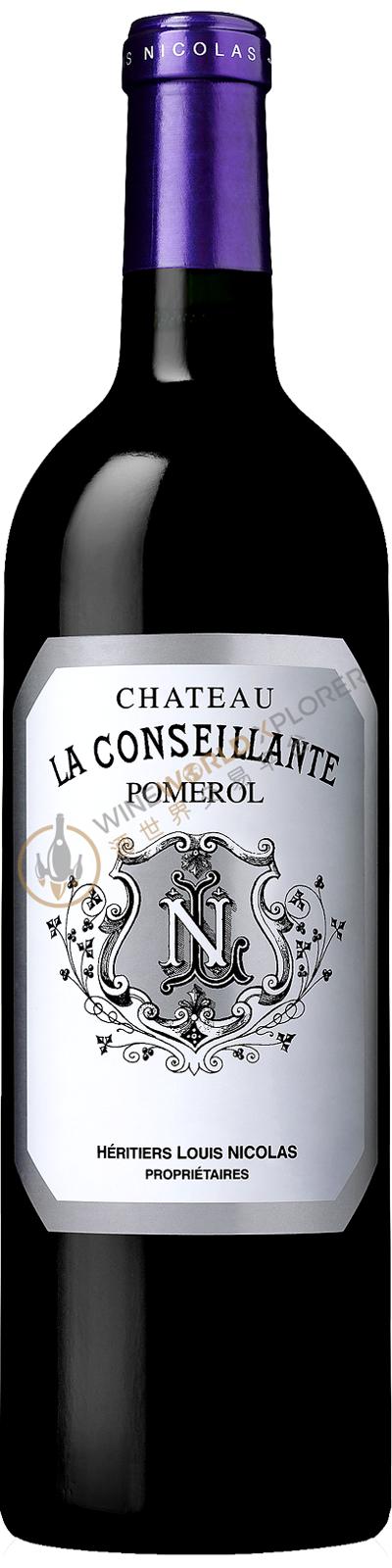
La Conseillante 1993
 View analysis


Description
Tasting notes

Reviewed by: Neal Martin
Tasted at the La Conseillante vertical at Chez Bruce. This is rather leafy and dry on the nose with cigar box and smoke, later a touch of truffle but always lacking vigour. The palate is hard and dry on the entry, fully mature with touches of bell pepper and tobacco, leading to an attenuated austere finish. On the downward slope of an undistinguished hillock. Tasted December 2010.
Reviewed by: Neal Martin
Deep black/garnet core with deep brick rim. The nose is "soft", a little "fluffy": full of secondary aromas: leather, iodine and bilberry. Quite low in acidity, the palate displays moderate concentration, black dusty fruits, black olives and earth. The problem is that is now seems a bit volatile with some hot alcohol on the finish. Perhaps this has passed it peak already? Drink up. Tasted June 2004.
Reviewed by: Robert M. Parker, Jr.
Medium ruby-colored, with La Conseillante's attractive, moderately intense, sweet, raspberry and curranty fruit scents intertwined with toasty vanillin notes, this clean, well-made, light to medium-bodied wine offers low acidity and light tannin in the finish. Reminiscent of this estate's delicious, charming 1987, it is a supple, charming, precocious Pomerol that requires consumption during its first 5-7 years of life.
Reviewed by: Robert M. Parker, Jr.
One of Bordeaux's most compellingly seductive wines, La Conseillante's early charm can lead tasters to believe that the wine will not age. However, top vintages of La Conseillante can age for two decades, but they are often drunk immediately after bottling because of their expressive aromatics, velvety texture, and delicious fruit. A well-made wine for the vintage, La Conseillante's 1993 displays an attractive dark ruby color, a black-raspberry, sweet vanillin, alluring bouquet, pretty, low acid, fleshy, round flavors that caresse the palate, and finish with plenty of black fruit and glycerin. Already delicious and flattering, this moderately weighted wine should drink well for 7-8 years.
Reviewed by: Neal Martin
The 1993 La Conseillante is a wine that I have tasted twice. The last note for the Pomerol book attests to a Pomerol now rather long in the tooth, a smoke and truffle–tinged nose that is missing vigour. The palate feels rather austere with that tobacco theme continuing on its obstreperous austere finish. Bottles should be drunk up. Tasted blind and taken from Neal Martin's book, "Pomerol".
About the Producer
Chateau La Conseillante is located in the Pomerol appellation on the right bank of Bordeaux, France, next to Vieux Chateau Certan and Chateau L'Evangile, and is one of the best châteaux in Pomerol. The vineyard covers an area of 11.8 hectares with a topsoil of 60% grey clay and 40% gravel and a subsoil of red clay rich in iron. The vineyard is planted with 80% Merlot and 20% Cabernet Franc. The Merlot is planted mainly on clay plots, while the Cabernet Franc is planted mainly on gravel. The average age of the vines is 35 years and the planting density is 7,000 vines per hectare. The winery uses traditional vineyard management practices, eliminating the use of herbicides. During the growing season, the land is usually plowed four times to suppress weed growth and thus obtain more water for the vines. In the winter, the vines are pruned in a strict Simple Guyot and Double Guyot style. In addition, the vineyards are de-leafed and de-budded to keep yields at around 4,000 liters per hectare. At harvest time, the grapes are hand-picked to their optimum ripeness and a preliminary selection is carried out. Once the selection is complete, the grapes are transported in small batches to the winery to prevent crushing of the fruit. The winery is located in the heart of the vineyard, which shortens the transportation time and ensures that the grapes are fresh and ready for fermentation. In 2012, the winery added a new fermentation room with enough temperature-controlled stainless steel tanks to ferment the grapes from each of the 18 plots separately, combining traditional winemaking techniques with modern technology. In addition, the winery now has four sorting tables and a de-stemmer. After being transferred to barrels, the grapes undergo a cold maceration of 48 to 96 hours. After maceration, the must is fermented in barrels with the skins for 1 week, followed by a further 1 to 2 weeks of maceration. At the end of fermentation, some of the artesian wine is released first and the remaining lees are pressed through a vertical press. The pressed wines are aged separately, and only some of the best pressed wines are blended with the artesian wines. Before bottling, the wines are matured in oak barrels for approximately 18 months, 50% to 80% of which are new. During maturation, the wines are decanted by the winemakers every three months and finally clarified with egg whites.
1961(1)1973(1)1983(1)1984(1)1988(2)1989(3)1990(2)
Package Size