Wine Advisor



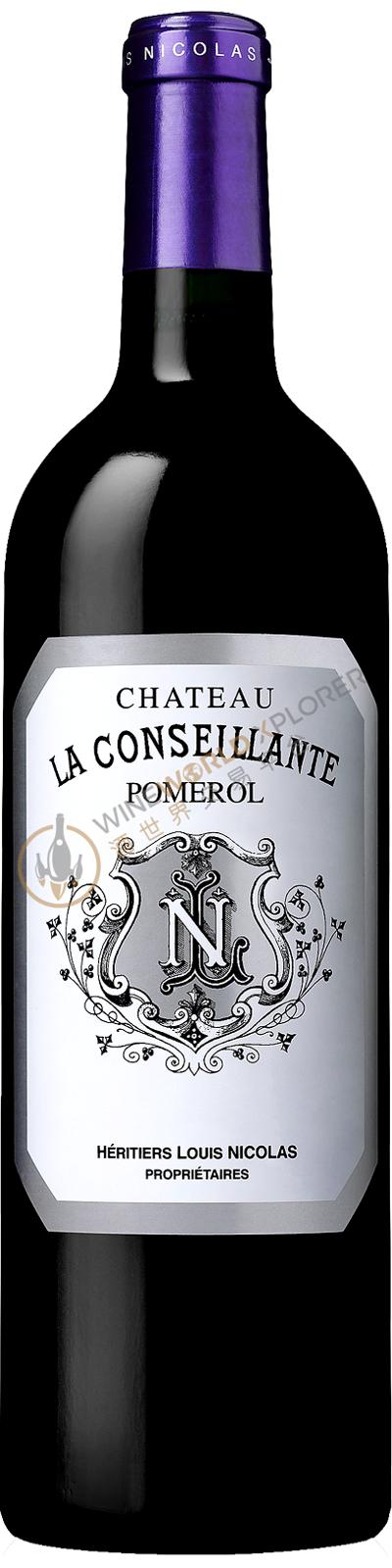
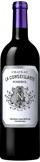
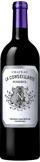
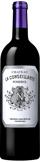
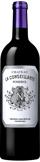
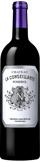
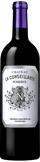
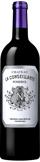
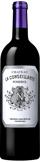
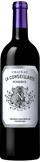
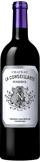
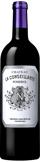
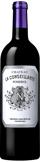
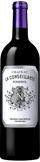
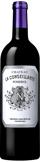
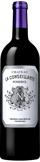
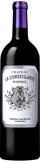
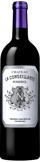
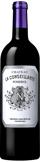
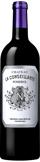
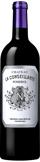
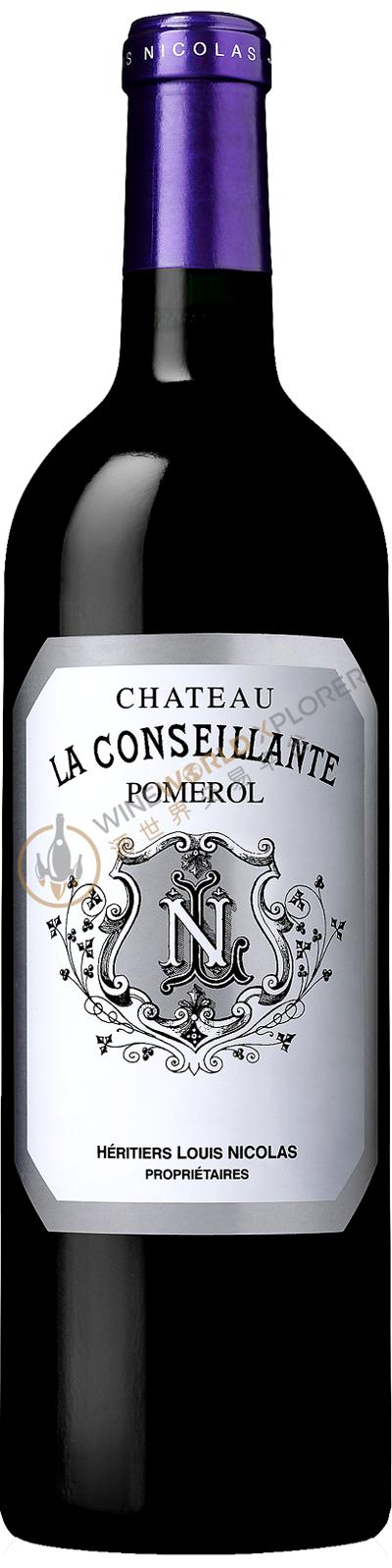
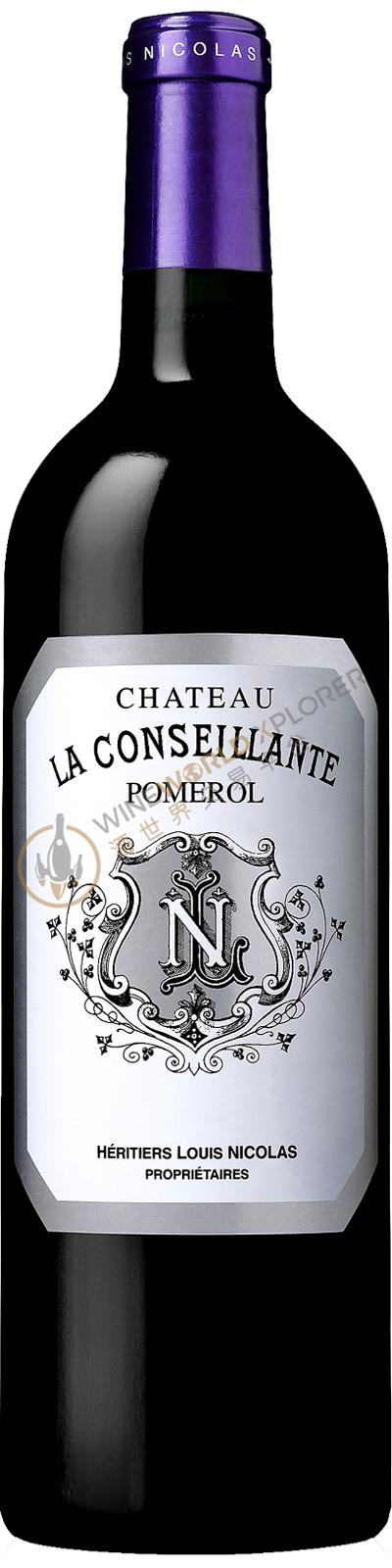
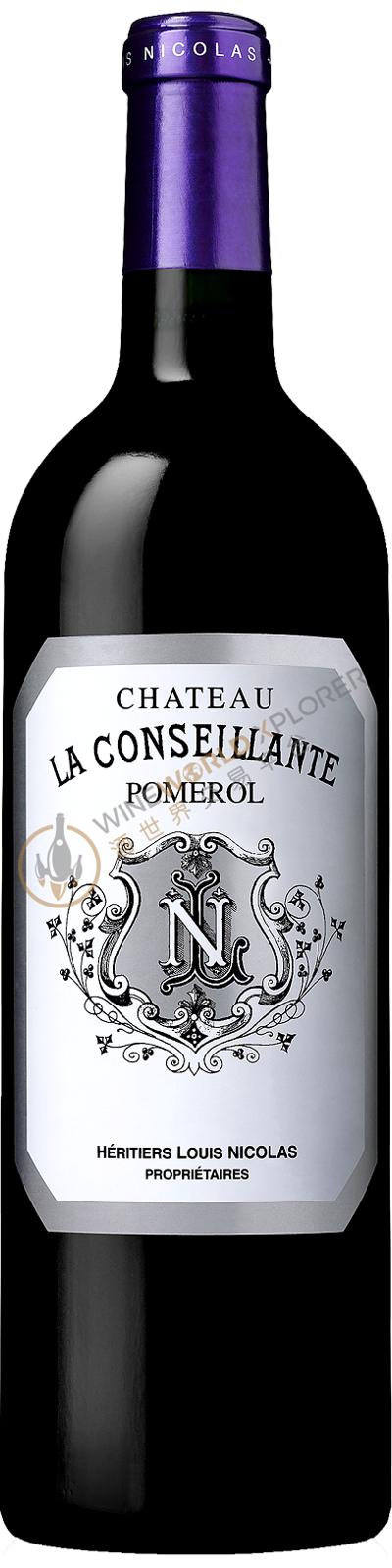
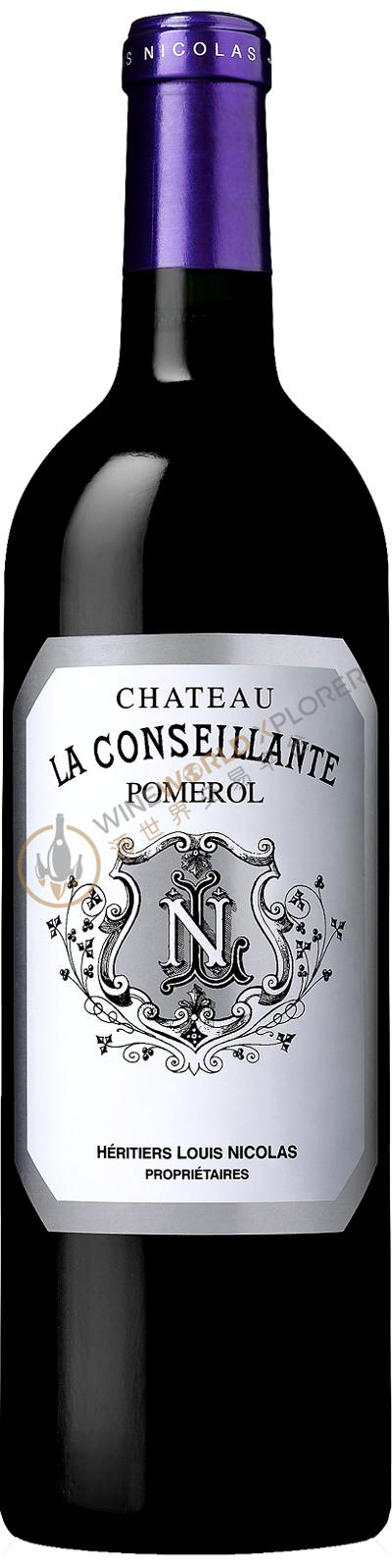
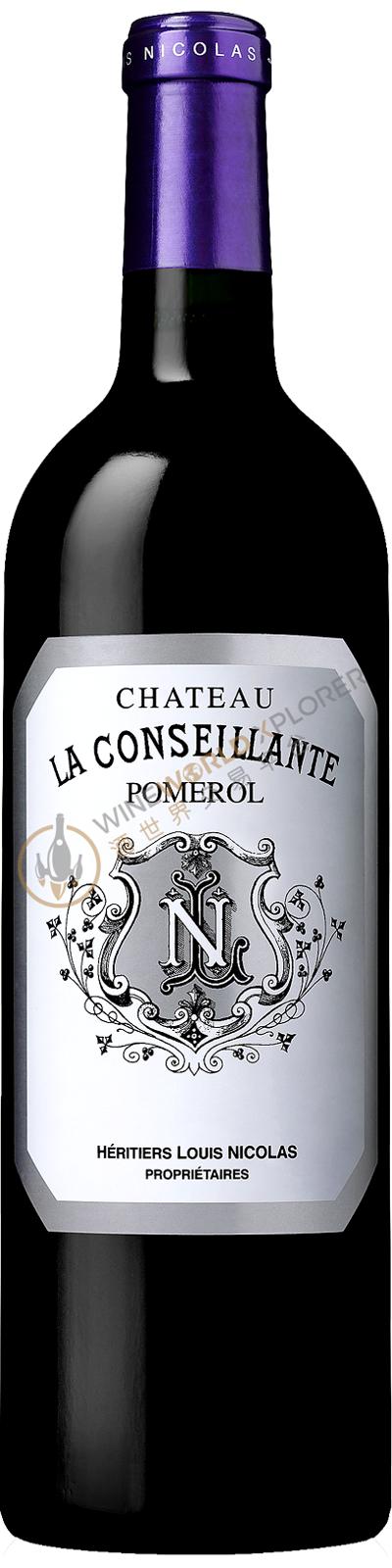
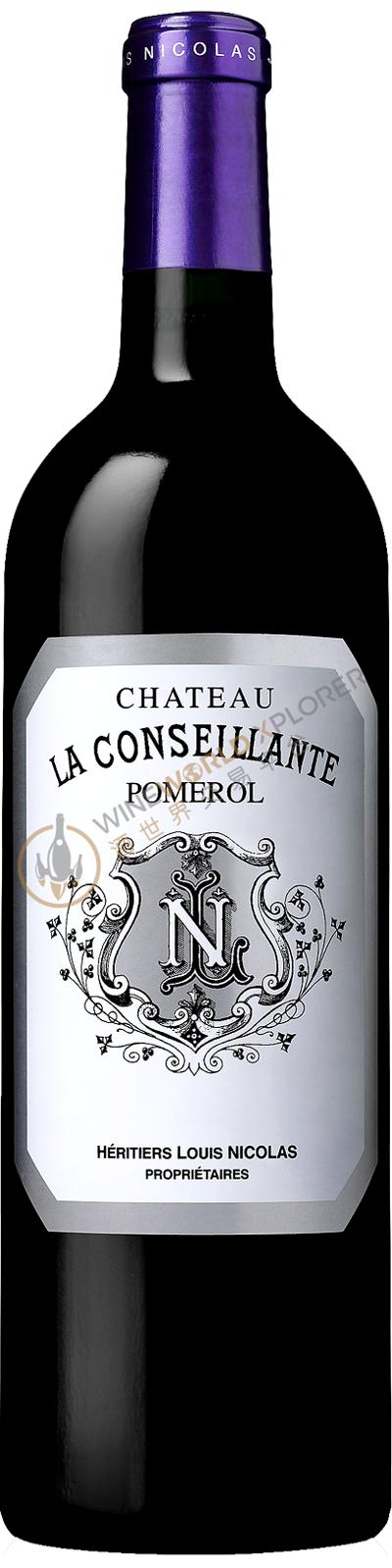
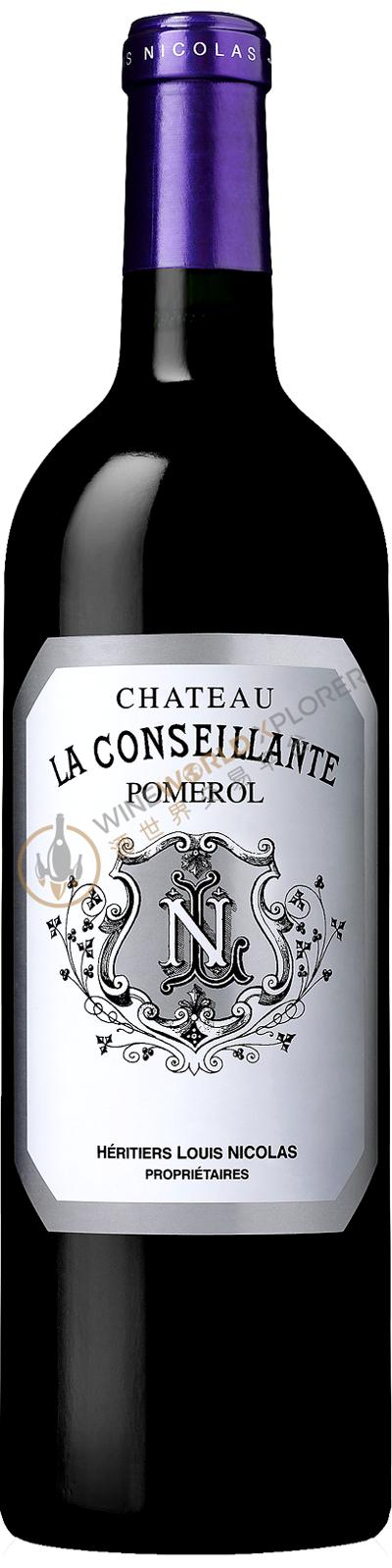
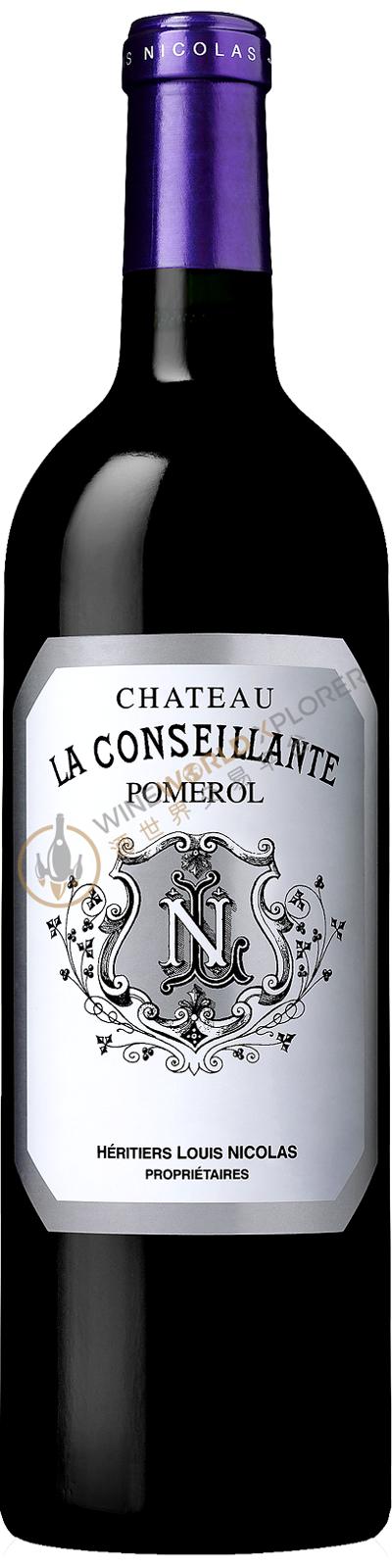
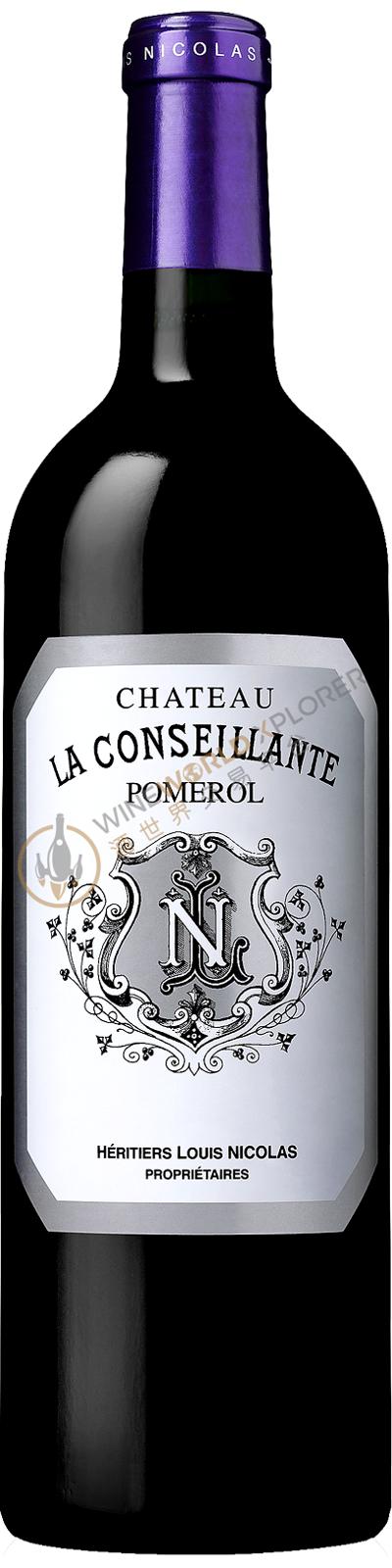
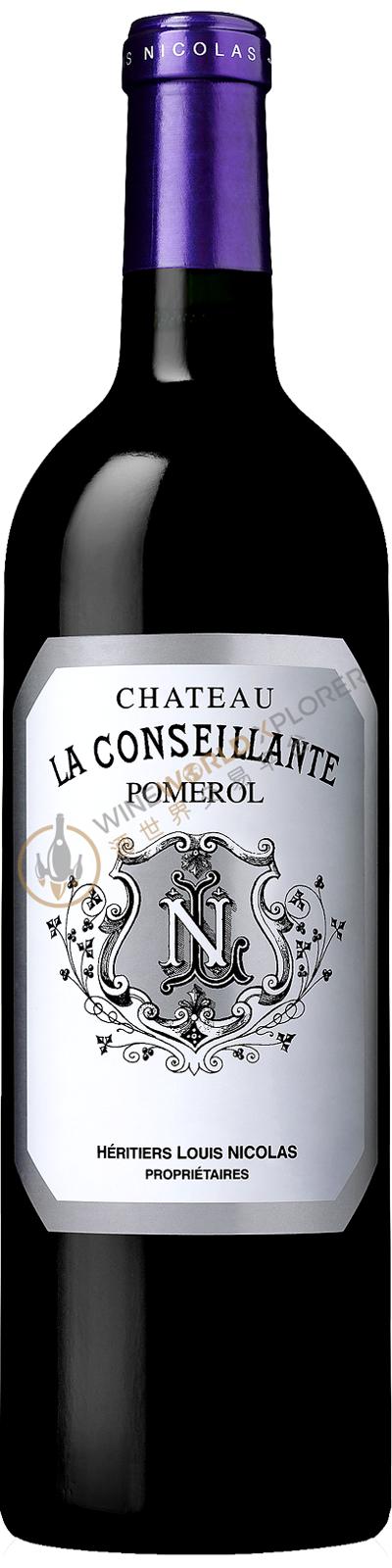
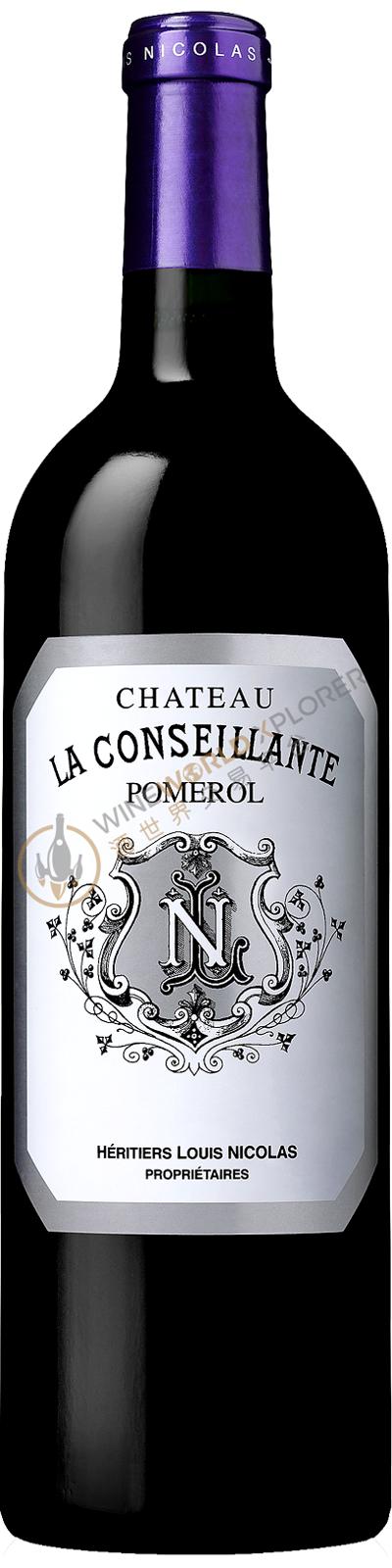
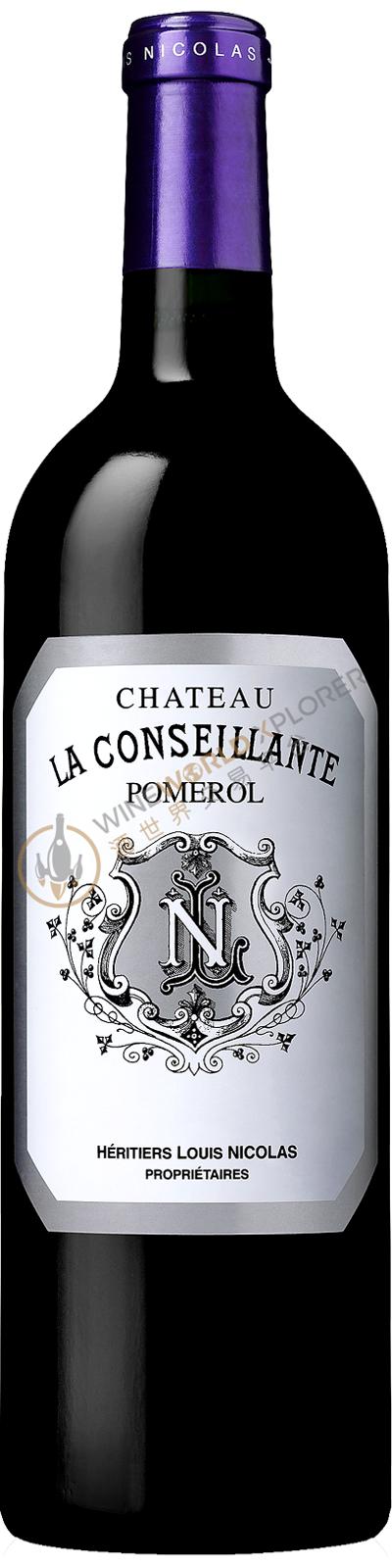
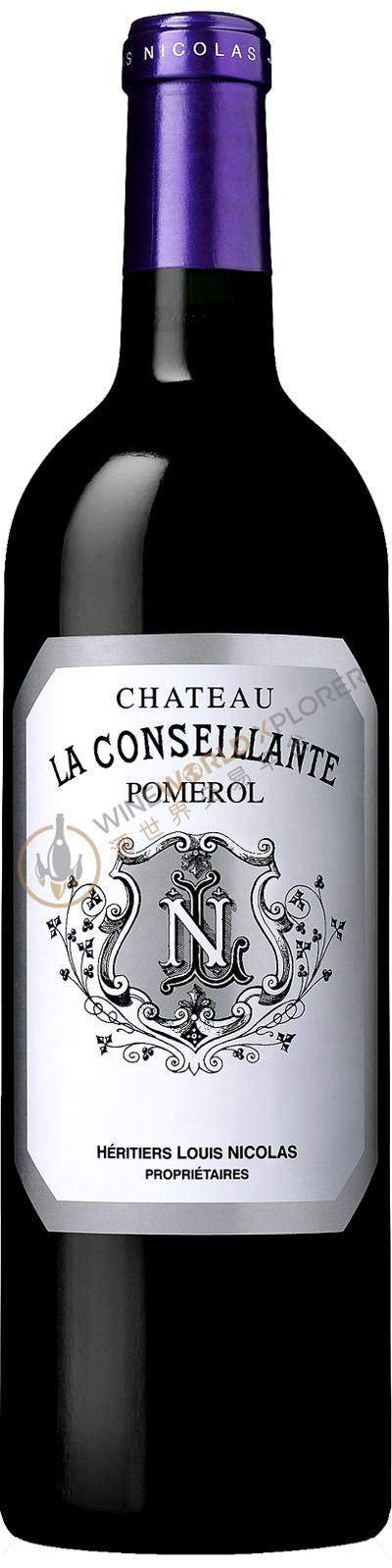
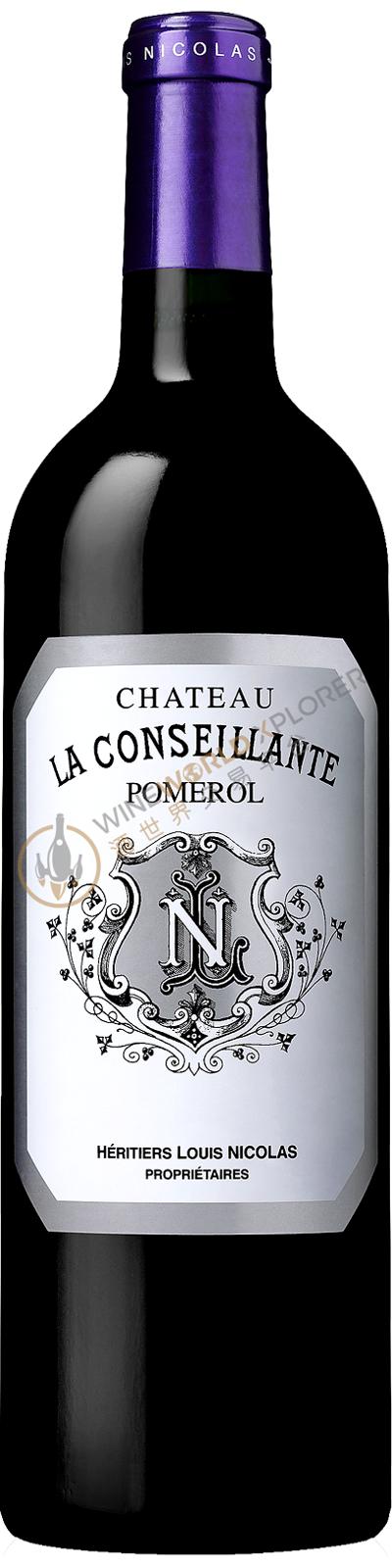
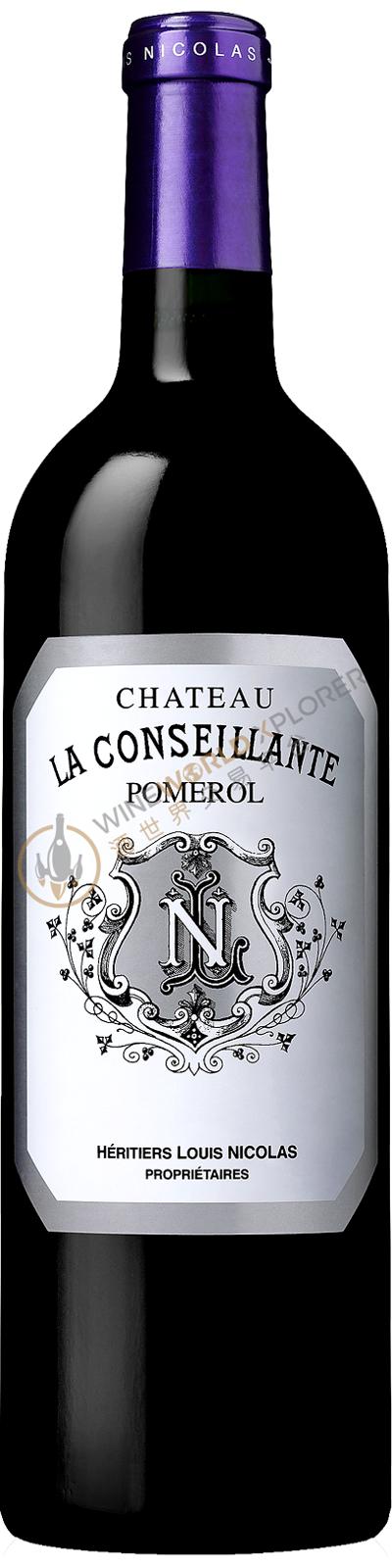
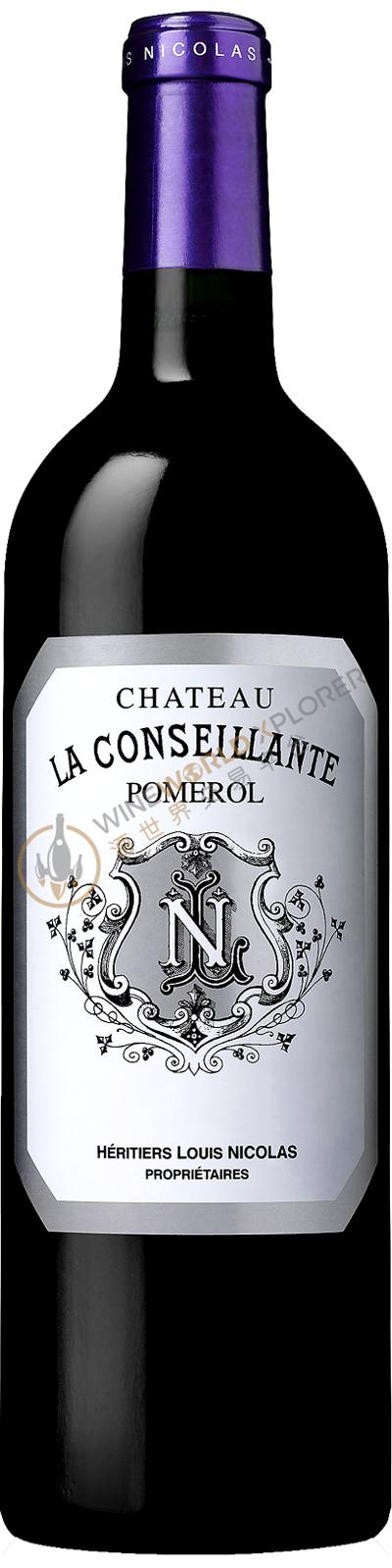
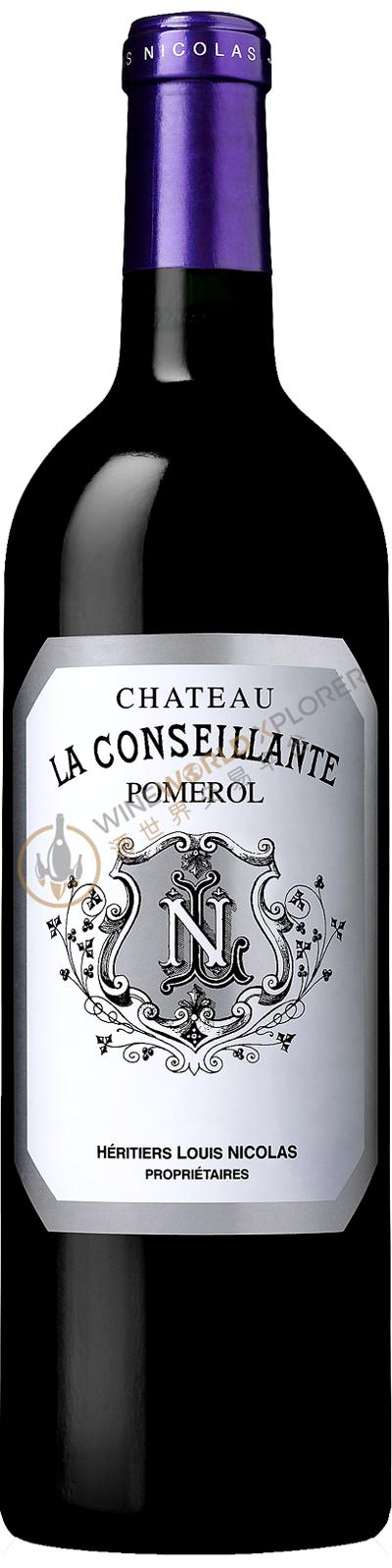
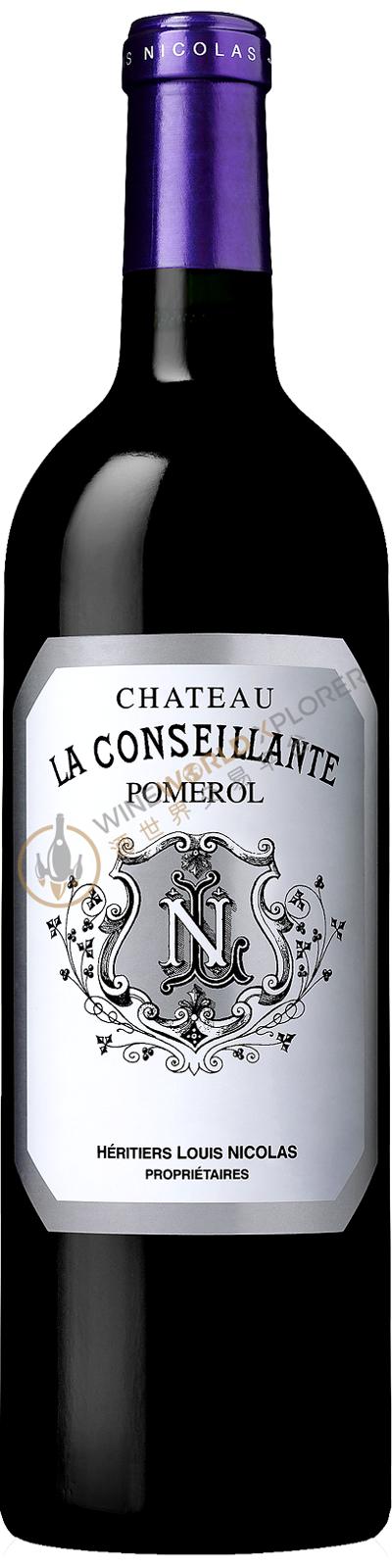
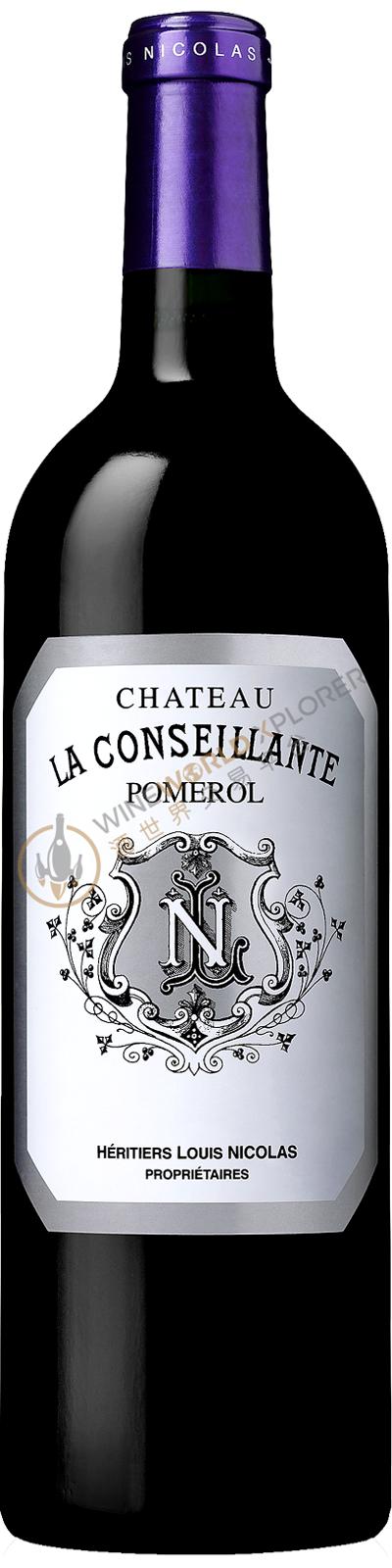
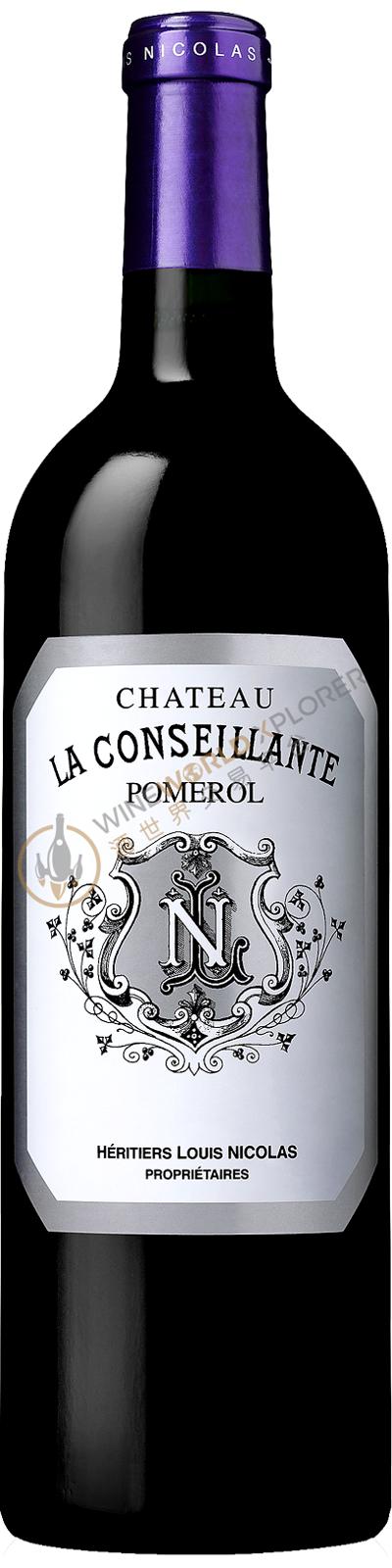
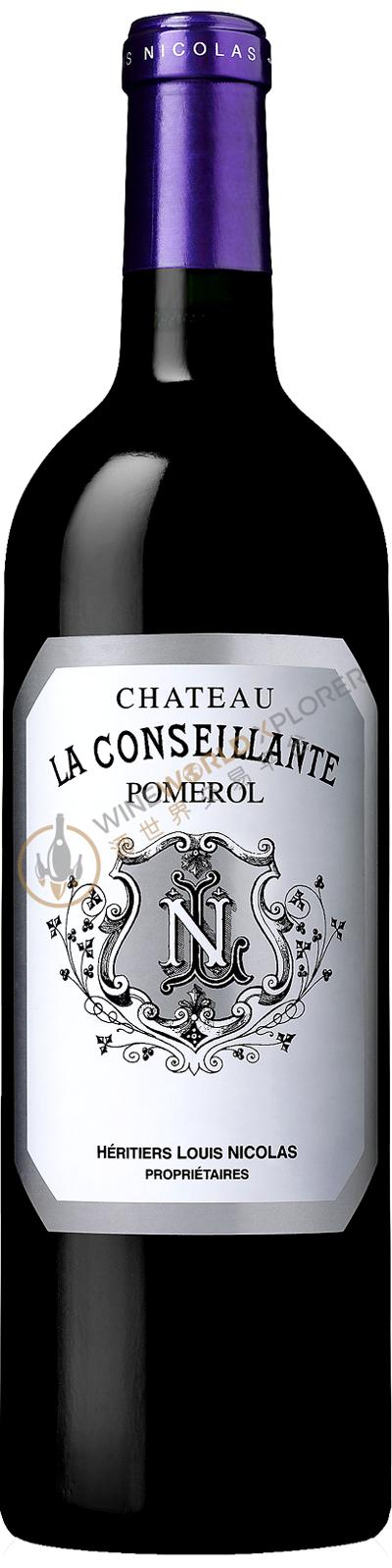
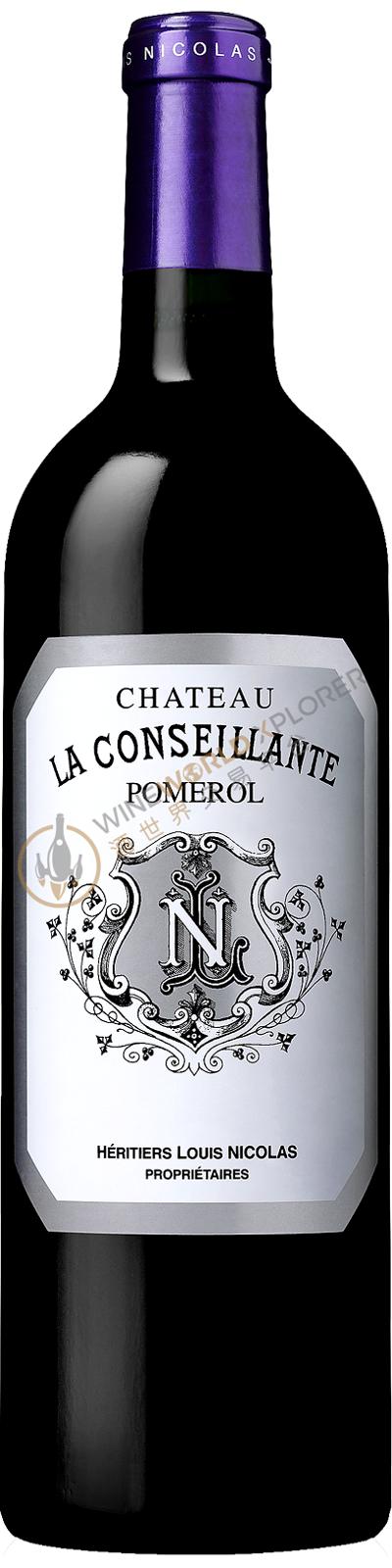
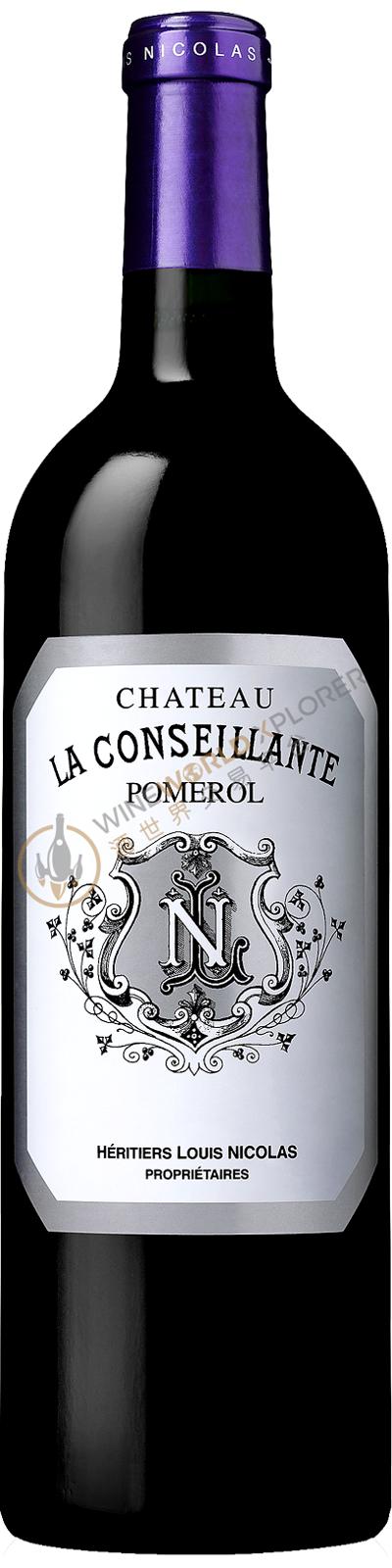
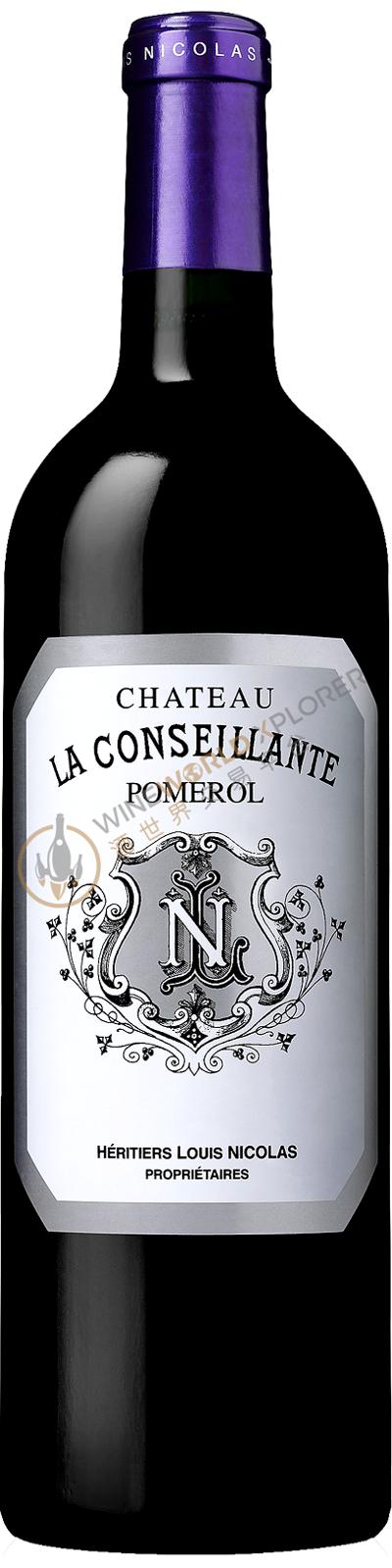
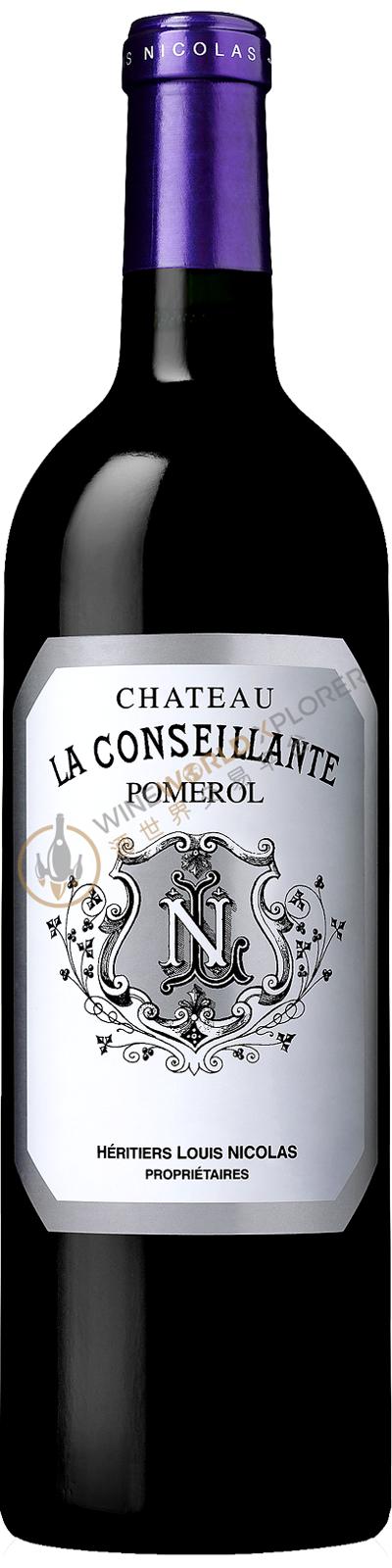
La Conseillante 2004
 View analysis


Description
Tasting notes

Reviewed by: Neal Martin
I have always loved this La Conseillante since birth and it does not disappoint. It has a very ripe cassis, smoky, almost savoury notes that is very backward but showing so much potential. Superb definition. The palate is so smooth and voluptuous with layers of pure black fruits that just sweep you away. Lovely poise juxtaposed against that sheer weight of fruit with a pure sleek finish that has lots that malic edge in bottle. Gorgeous! Drink 2012-2020. Tasted November 2008.
Reviewed by: Neal Martin
Tasted at the La Conseillante vertical at Chez Bruce. A stupendous performance by the '04 and one of the overlooked gems under Jean-Michel Laporte's tenure, this representing his debut. It has a soft, slightly muffled bouquet with macerated black cherries, soy, raspberry coulis and a touch of bell pepper, improving all the time in the glass. The palate is medium-bodied with a slight bitter edge on the entry, fine acidity but it is not quite in synch with the rest of the wine. Obdurate tannins (mirroring my sentiments from last years), rendering this a rather sultry La Conseillante but with a lascivious bittersweet finish and razor-like precision. Lovely. Tasted December 2010.
Reviewed by: Neal Martin
First tasted en primeur: a classy La Conseillante: very good depth on the palate, great definition with lush, velvety black cherry and blueberry fruit. Very smooth and sophisticated. Great wine. Then in London at the mini-vertical in January 2006. One of the Right Bank wines of the vintage. A perfumed, floral, cassis nose still with a lot of vanillary new oak. The palate has a velvety texture, layers of sweet, black fruits and immense purity. A lot of puppy fat on the mid-palate with a sumptuous, very "malic" finish. A great wine in the context of a difficult vintage.
Reviewed by: Robert M. Parker, Jr.
This light, fresh wine displays hints of olives, black cherries, and raspberries, a touch of minerality, and a medium-bodied, clean finish. While it lacks substance, depth, and persistence on the palate, it is an attractive, elegant, finesse-styled Pomerol to drink during its first 10-12 years of life.
Reviewed by: Neal Martin
Ex-cellar bottle tasted at Bordeaux Index’s Conseillante dinner at The Ledbury. In no way embarrassed tasted alongside the ’05 and the ’06, the 2004 La Conseillante remains a great wine for the vintage. It is more generous on the nose than that aforementioned pair with black cherries, damson and a touch of cooked meat. Medium-bodied, less voluptuous than previous bottles, showing its bones more, but still impressive fruit considering the vintage with a touch of burnt toast on the finish that feels as if its has “toughened up” in recent months. Very fine. Drink 2010-2020. Tasted December 2009.
Reviewed by: Robert M. Parker, Jr.
The 2004 La Conseillante has put on weight since I tasted it from barrel. Made in an atypically structured, tight style, the deep ruby/blue-tinged 2004 offers up sweet mulberry, cassis, licorice, and roasted herb aromas as well as flavors. This medium-bodied, moderately tannic effort will benefit from 1-3 years of cellaring, and should keep for 12-15 years. It is somewhat reminiscent of the 1999. This is a very good wine, but the 2005 and 2006 blow it away – qualitatively speaking!
Reviewed by: Neal Martin
The 2004 La Conseillante took a little time to settle in the glass but eventually reveals pretty red brambly fruit mixed with wild hedgerow, broom and graphite. With aeration it musters more and more precision, so decanting is advisable for this vintage. The palate is showing very well. It has a surprising structure and plenty fruit, suggesting this is one of the longer-term La Conseillantes. It is fresh and tensile from the start thanks to a razor-sharp thread of acidity whilst there is a newfound sense of precision felt on the finish. This is a great La Conseillante – perhaps one of the most underrated of this decade. Tasted at La Conseillante vertical at the property.
About the Producer
Chateau La Conseillante is located in the Pomerol appellation on the right bank of Bordeaux, France, next to Vieux Chateau Certan and Chateau L'Evangile, and is one of the best châteaux in Pomerol. The vineyard covers an area of 11.8 hectares with a topsoil of 60% grey clay and 40% gravel and a subsoil of red clay rich in iron. The vineyard is planted with 80% Merlot and 20% Cabernet Franc. The Merlot is planted mainly on clay plots, while the Cabernet Franc is planted mainly on gravel. The average age of the vines is 35 years and the planting density is 7,000 vines per hectare. The winery uses traditional vineyard management practices, eliminating the use of herbicides. During the growing season, the land is usually plowed four times to suppress weed growth and thus obtain more water for the vines. In the winter, the vines are pruned in a strict Simple Guyot and Double Guyot style. In addition, the vineyards are de-leafed and de-budded to keep yields at around 4,000 liters per hectare. At harvest time, the grapes are hand-picked to their optimum ripeness and a preliminary selection is carried out. Once the selection is complete, the grapes are transported in small batches to the winery to prevent crushing of the fruit. The winery is located in the heart of the vineyard, which shortens the transportation time and ensures that the grapes are fresh and ready for fermentation. In 2012, the winery added a new fermentation room with enough temperature-controlled stainless steel tanks to ferment the grapes from each of the 18 plots separately, combining traditional winemaking techniques with modern technology. In addition, the winery now has four sorting tables and a de-stemmer. After being transferred to barrels, the grapes undergo a cold maceration of 48 to 96 hours. After maceration, the must is fermented in barrels with the skins for 1 week, followed by a further 1 to 2 weeks of maceration. At the end of fermentation, some of the artesian wine is released first and the remaining lees are pressed through a vertical press. The pressed wines are aged separately, and only some of the best pressed wines are blended with the artesian wines. Before bottling, the wines are matured in oak barrels for approximately 18 months, 50% to 80% of which are new. During maturation, the wines are decanted by the winemakers every three months and finally clarified with egg whites.
1961(1)1973(1)1983(1)1984(1)1988(2)1989(3)1990(2)1993(2)1994(1)1995(2)1997(1)1998(3)1999(1)2000(6)2001(7)2002(1)2003(3)
Package Size