Wine Advisor



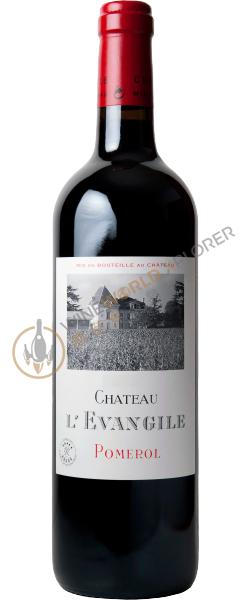
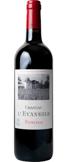
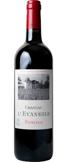
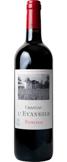
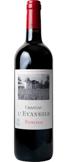
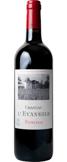
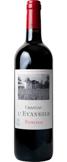
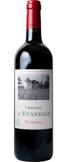
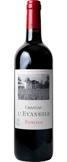
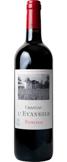
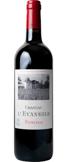
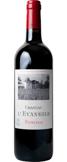
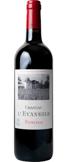
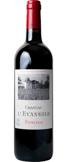
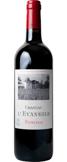
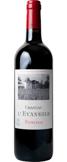
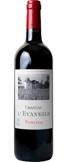
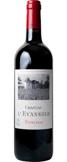
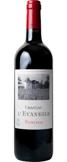
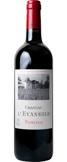
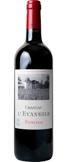
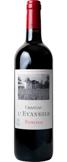
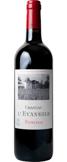
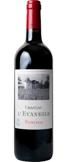
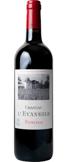
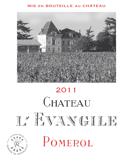
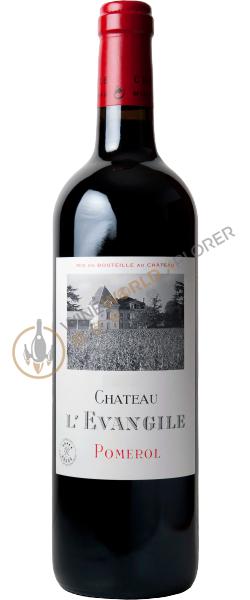
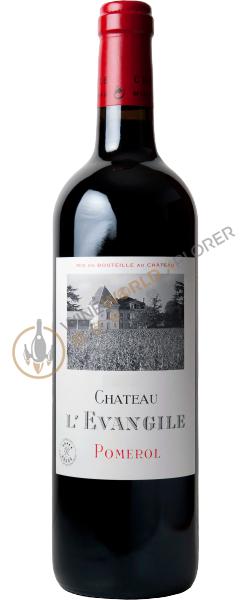
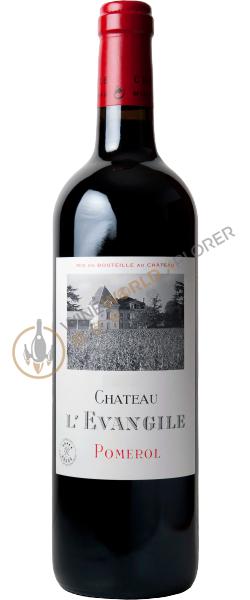
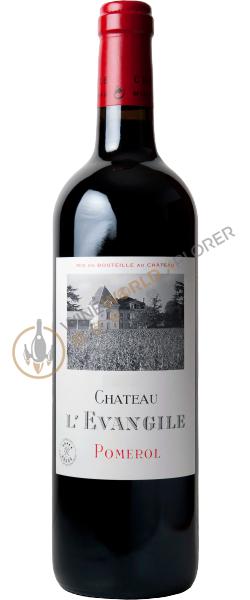
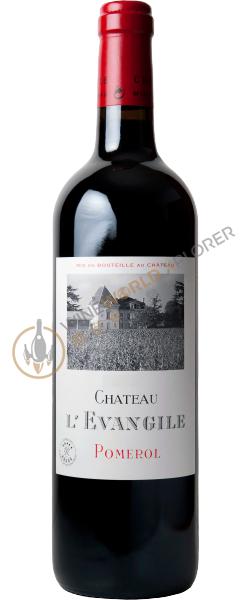
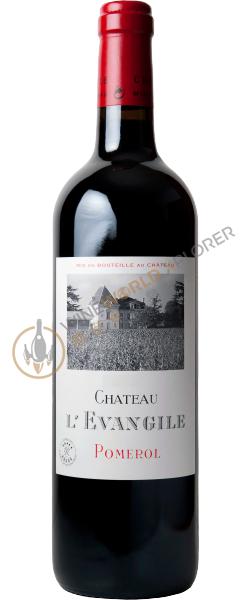
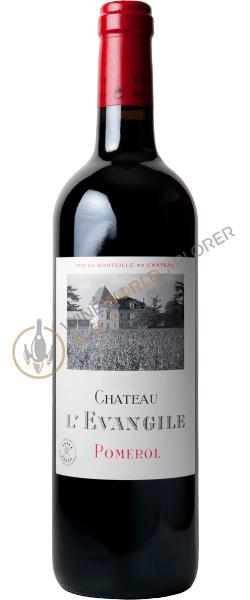
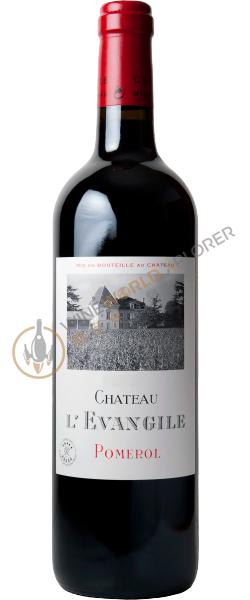
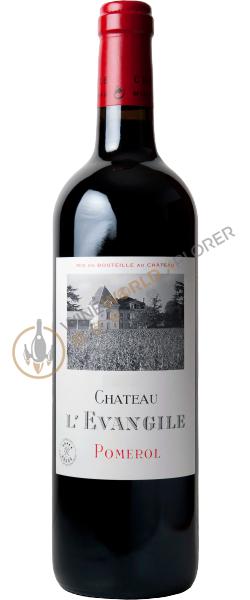
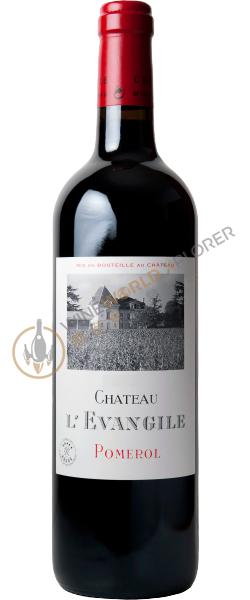
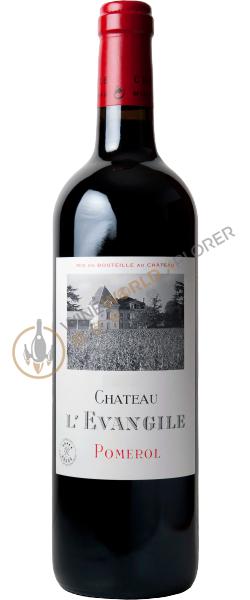
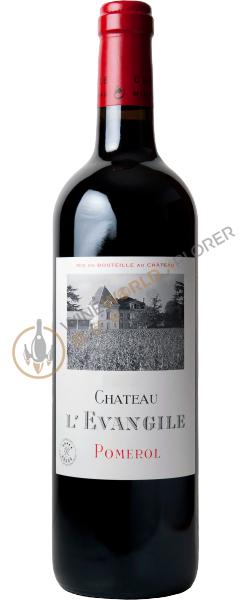
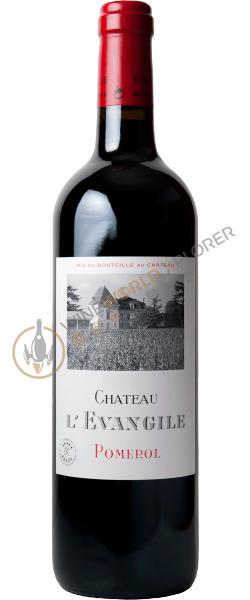
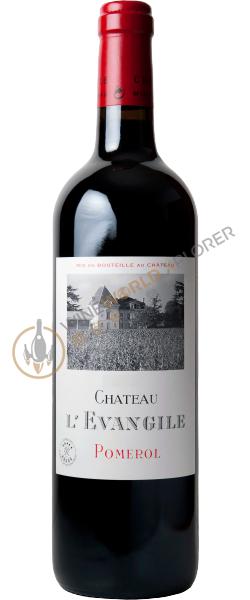
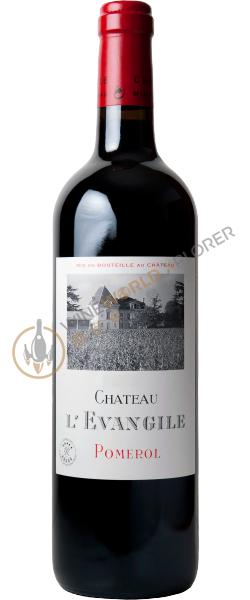
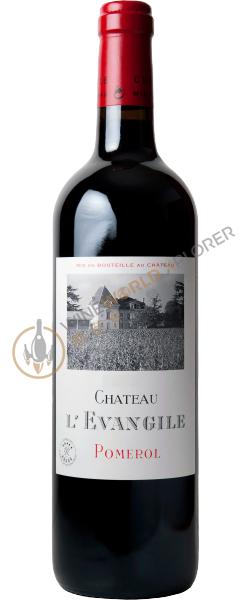
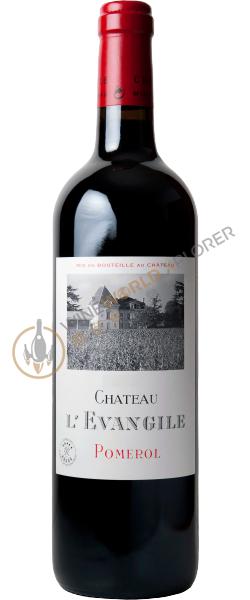
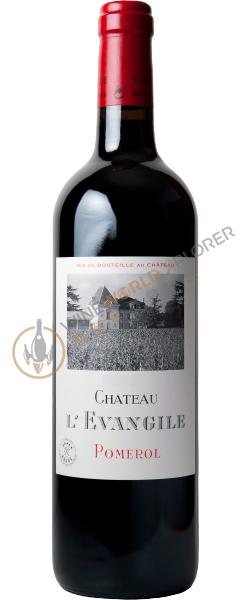
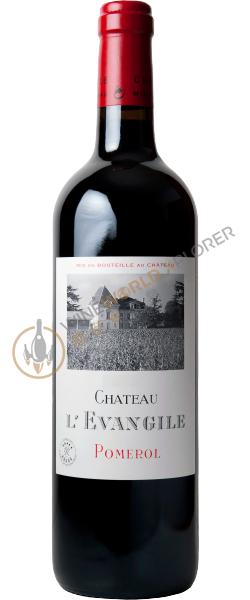
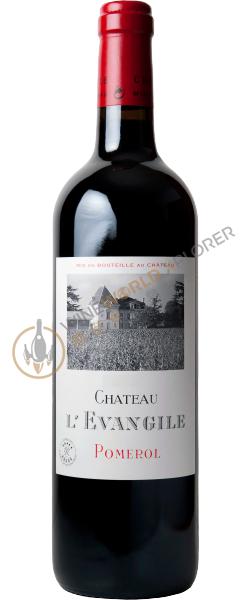
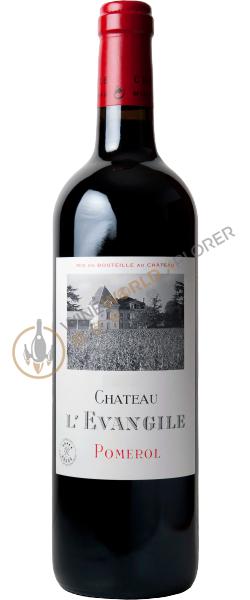
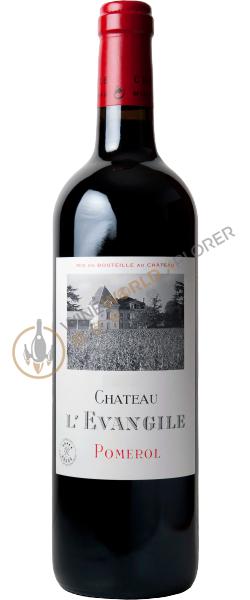
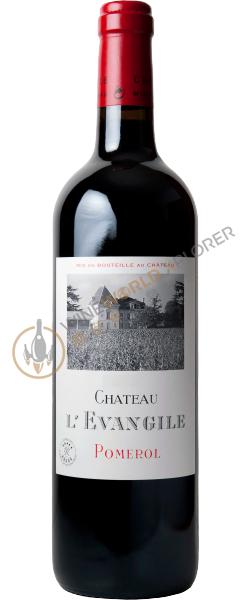
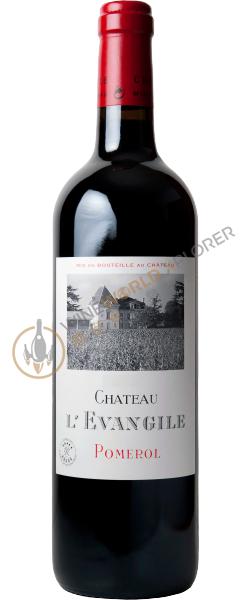
L'Evangile 2005
 View analysis


Description
Tasting notes

Reviewed by: Robert M. Parker, Jr.
The 2005 L’Evangile’s gorgeous aromatics consist of spring flowers, black raspberries, licorice, truffle and graphite. The wine is full-bodied, rich, still youthful and backward, with sweet tannin and a long, layered, full-bodied mouthfeel. This stunner is capable of another two to three decades of longevity. The greatest L’Evangile since the 1982 and before the heroic duo of 2009 and 2010?
Reviewed by: Robert M. Parker, Jr.
Production for this outstanding blend of 85% Merlot and 15% Cabernet Franc (made in a new cuverie) is only 40,000 bottles. The dense ruby/purple-tinged 2005 l’Evangile boasts a sweet perfume of roasted meats, black raspberries, chocolate, espresso, and notions of truffles and licorice. Full-bodied and opulent, with sweet tannin, and superb purity as well as texture, this stunning Pomerol carries its lofty 13.2% alcohol flawlessly. Anticipated maturity: 2010-2025.
Reviewed by: Neal Martin
One of those l'Evangiles that grows on you. A sweet, ripe nose of black cherries, cassis and blueberry. Lacking some delineation. The palate has a silky texture, beautifully integrated, rich and decadent. Opulent black fruits infused with a touch of dark chocolate. Very modern in style, with a dense, tannic finish. Unresolved now, but this will surely meld together with barrel ageing. Tasted April 2006.
Reviewed by: Robert M. Parker, Jr.
The finest l’Evangile since the 2000 and 1998 (the chateau’s staff believes it will eclipse those two vintages), the 2005 is a blend of 85% Merlot and 15% Cabernet Franc produced from yields of 39 hectoliters per hectare. It is aged in 100% new oak and some lots enjoy malolactic in barrel. A saturated purple color is accompanied by sweet aromas of blackberries, mocha, camphor, and hints of licorice as well as spice. Finely etched tannins provide considerable support and definition to this full-bodied, opulent Pomerol. It easily conceals its lofty tannin and sizeable alcohol (13.2%). Undeniably a top effort from one of Pomerol’s finest terroirs, it should be at its peak between 2010-2030.
Reviewed by: Neal Martin
Tasted single blind at Farr’s 2005 dinner in Hong Kong. I had forgotten what a wonderful Pomerol this is! Jean-Pascal Vazart has conjured a spellbinding wine that displays exceptional clarity on the nose with blackberry, kirsch, crushed violet and a touch of cassis. Underlying all this is a palpable sense of mineralite and focus. The palate is full-bodied with filigree tannins. Beautiful balance and so silky smooth towards the finish that it is easy to look over its structure and backbone. One of the finest wines from this estate in recent years. Tasted November 2011.
Reviewed by: Robert M. Parker, Jr.
L’Evangile’s sublime 2005, a blend of 85% Merlot and 15% Cabernet Franc, is the first wine made in their brand new cuverie. Sadly, there are fewer than 3,500 cases of this deep purple-colored offering. A gorgeous nose of meat juices, black raspberries, chocolate, espresso, and notions of truffle oil as well as smoke is followed by a full-bodied Pomerol displaying sweet tannin, a flawless texture, and stunning complexity. While surprisingly showy and forward for a l’Evangile, it will undoubtedly shut down over the next year or so. Anticipated maturity: 2012-2030.
Reviewed by: Neal Martin
Tasted single blind at Southwold. The L-Evangile -05 is turning into one of the superstars of the vintage. It has a very expressive nose with dark fruits, cassis, a touch of kirsch and violets. Good definition, the bouquet just soars from the glass. The palate is full-bodied with saturated tannins, very well balanced, great purity and structure. Great persistency, just a caressing little harlot of a wine. Tannic on the finish. One for the long haul. Fabulous. Drink 2015-2035+ Tasted January 2009.
Reviewed by: Stephen Tanzer
Good deep red-ruby. Knockout nose combines black raspberry, plum, minerals, truffle and smoked meat, complicated by torrefaction notes of coffee and chocolate; very ripe but not at all roasted. Enters sweet and silky, with an almost weightless impression, then saturates the palate with seamless flavors of dark berries, minerals and cocoa powder. Finishes long and fresh, with sophisticated, fine-grained tannins and piquant minerality. A beauty.
Reviewed by: Stephen Tanzer
(85% merlot and 15% cabernet franc; 92% new oak) Bright, saturated ruby-red. Pure, fresh aromas of black raspberry, bitter chocolate, licorice and mint; not yet complex but showed some enticing fruity high tones as it opened in the glass. Then full, sweet and spherical, with lovely harmonious acidity giving this a near-perfect balance. Conveys an impression of lush texture and superb inner-mouth energy. Wonderfully full wine with no one element sticking out: not overripe, not alcoholic, not oaky. Finishes with very broad tannins and lingering flavors of black raspberry, cocoa and vanilla. This wine has been in barrel since the end of October, but there's no bitterness from the new wood. With bottle aging, the terroir will come, says Vazart.
Reviewed by: Antonio Galloni
The 2005 L'Evangile is a wine that I could not get my head around. The nose is a bit disjointed with touches of dried blood and scorched earth, and it does not meld together like the 2008 L'Eglise-Clinet served before. The palate has good density and is a little savoury in style, revealing hints of curry leaf with time. This broad-shouldered Pomerol just lacks a bit of finesse, partly due to the style of the vintage, partly due to what might be a little excessive oak. Tasted at the Pomerol dinner at Club Bâtard, Hong Kong.
Reviewed by: James Suckling
The classicism in this L'Evangile has always seduced me with its subtle brown sugar, black olive, cedar, black truffle and dark fruit. Full body yet tight and extremely polished. Very layered and fine-grain textured. A perfect example of Pomerol. Always a perfect wine. Just opening now.
About the Producer
Chateau L'Evangile is one of the most famous châteaux in the Pomerol region of Bordeaux, France. In the mid-18th century, Chateau L'Evangile was owned by the Leglise family of Libourne, and its name, "Fazilleau", was recorded in the 1741 land register. At the beginning of the 19th century, the estate was bought by a lawyer named Isambert and renamed Chateau L'Evangile. Evangile is the French word for "gospel", and the renamed estate lived up to its name, becoming a true "gospel" of the Pomerol region. In 1862, Paul Chaperon acquired Chateau L'Evangile and made it famous through a series of efforts to give it a distinctive Second Empire style of architecture. In the second edition of Cocks Et Feret in 1868, Chateau L'Evangile was listed as a Premier Cru in the Haut-Pomerol region. After Chabron's death, his daughter inherited the estate, which she then brought to her husband's family, the Ducasse family, who ran the estate until 1990. In 1990, the estate was acquired by Domaines Barons de Rothschild Lafite. Immediately after taking over, the group began a comprehensive reform and upgrading of the estate. The first steps included a more careful selection of the grapes used to make the main wine and the creation of Blason de L'Evangile, Pomerol, France, as a secondary wine. In addition, the renovation measures included a comprehensive reorganization plan: delaying the harvest as much as possible so that the grapes would be as ripe as possible, and controlling yields to a maximum of 4,500 liters per hectare in order to improve the quality of the vines, which was partially completed in 1998. 2004 saw the completion of the renovation of the winery and cellars, and the creation of a new layout for the estate. These vintages produced wines of excellent quality. Chateau L'Evangile is located in a unique location. The vineyard covers 22 hectares of sandy clay and gravel soils with a high iron content subsoil. The vineyard is planted with 80% Merlot and the remaining 20% Cabernet Franc. The vineyard's production is limited, and harvesting and many other tasks are done by hand. The winery employs Michel Rolland, the famous "flying winemaker", as a winemaking consultant. Under the management of the Lafite Group, the grapes from each parcel are divided into different lots in order to determine their potential for full-fledged wines at the final stage of fermentation. All aspects of the winemaking process are closely integrated with traditional techniques and proven modern technologies. During the fermentation process, the winery performs drenching and maceration, during which the wine is tasted several times. After fermentation, the wines are aged in oak barrels for 18 months. Due to the small size of the vineyard, the average annual production of the winery is 5,000 cases. Robert Parker, the famous wine critic, has praised Le Vin de Guignol as the "star of the future" of Pomerol and believes that it has the potential to grow even more under the leadership of Lafite. A book published many years ago, Grands Vins de Bordeaux, described the wines produced by the Rocquières as "full-bodied, elegant, and with unparalleled finesse."
1964(1)1967(1)1972(2)1975(1)1979(2)1981(3)1982(1)1983(1)1986(1)1989(5)1990(2)1994(3)1995(5)1997(1)1998(3)1999(1)2000(7)2001(3)2002(2)2004(1)
Package Size