Wine Advisor



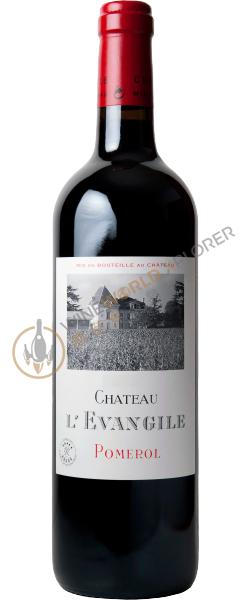
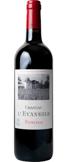
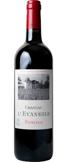
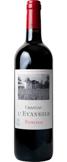
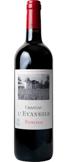
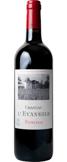
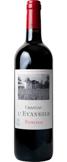
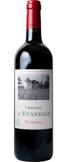
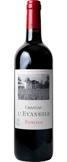
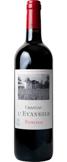
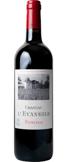
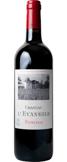
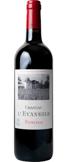
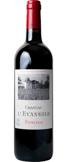
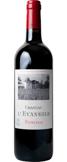
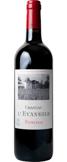
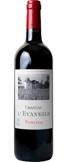
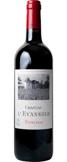
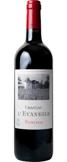
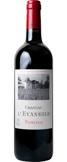
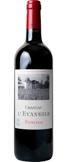
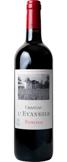
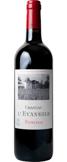
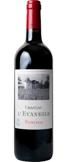
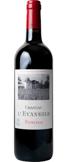
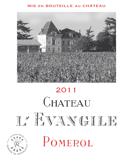
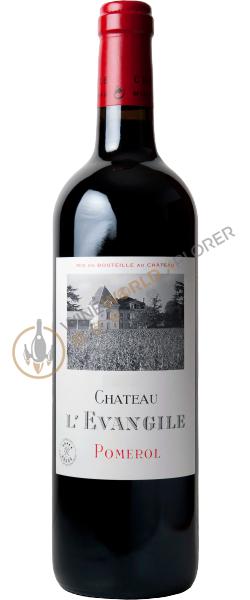
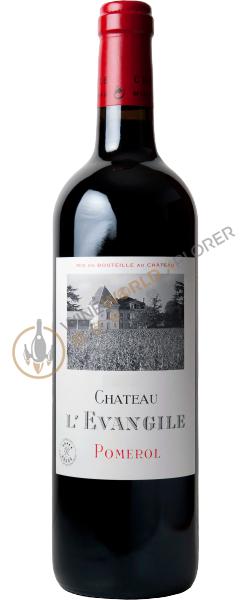
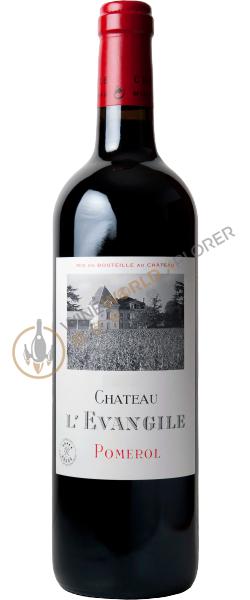
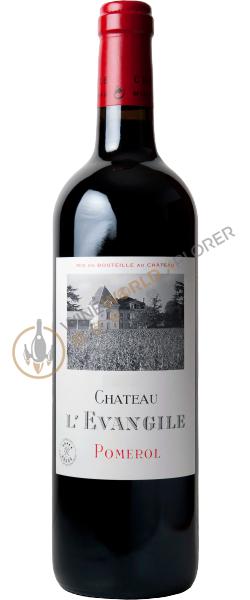
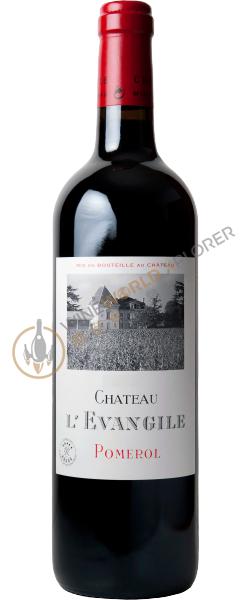
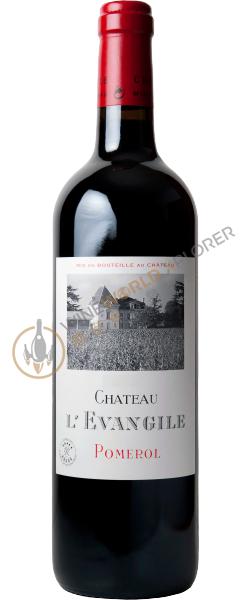
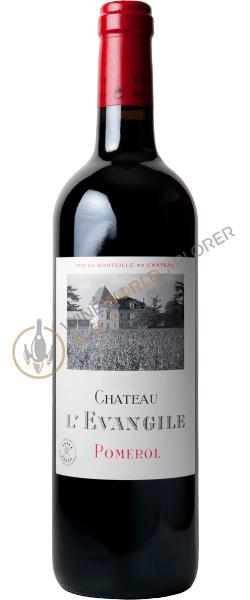
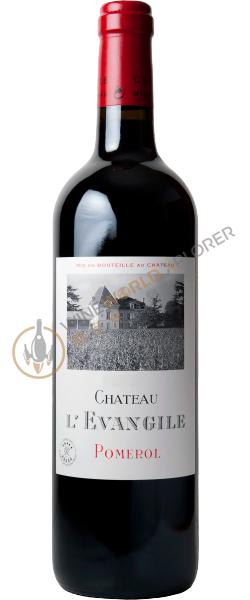
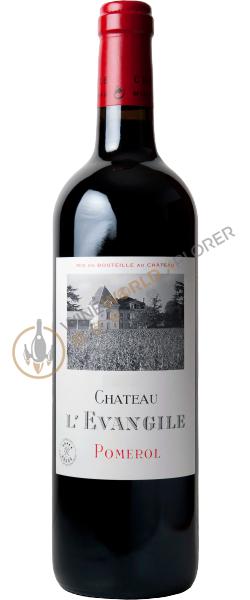
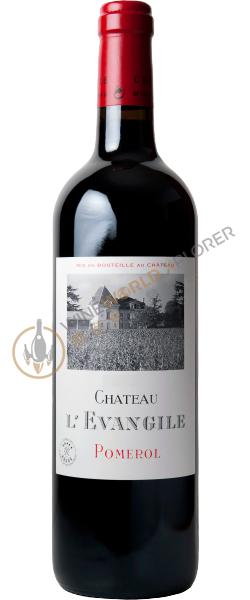
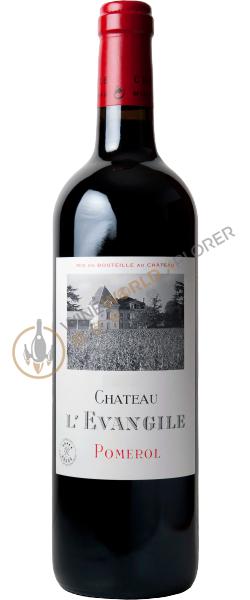
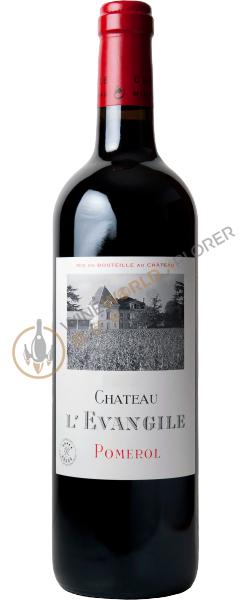
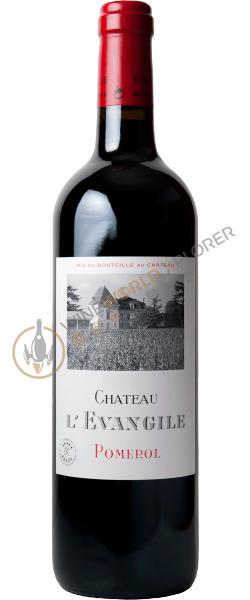
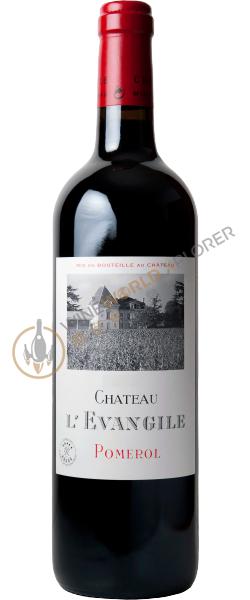
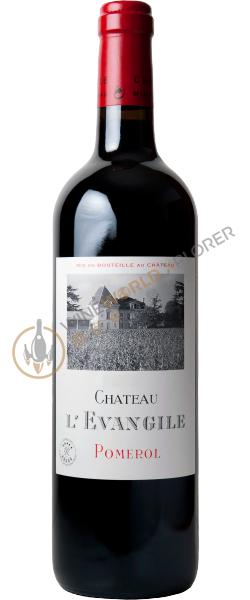
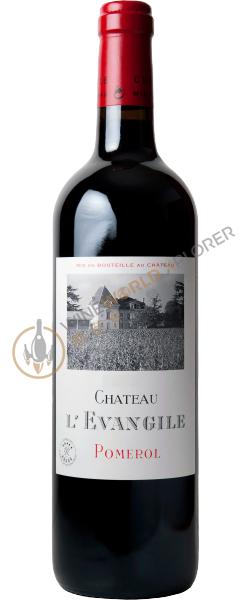
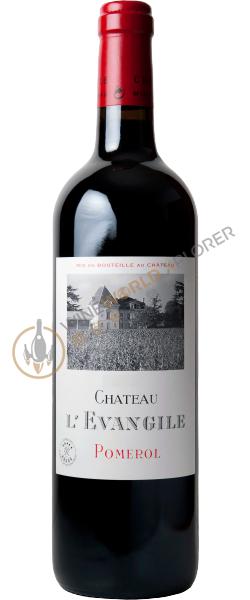
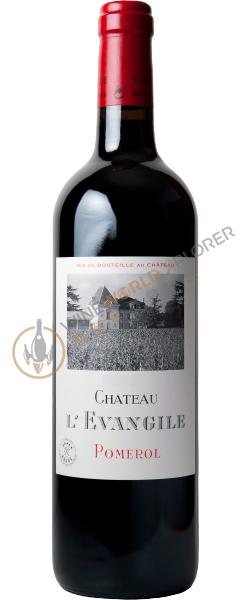
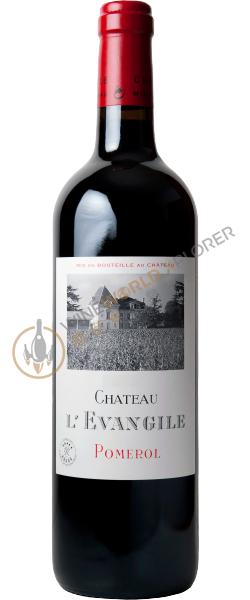
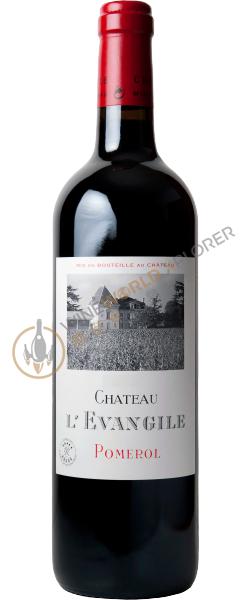
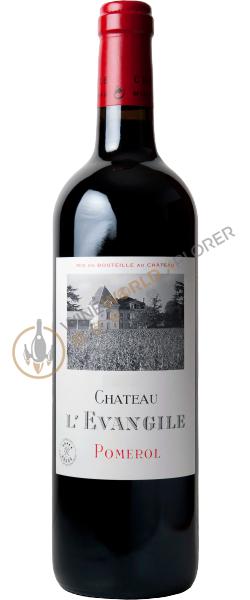
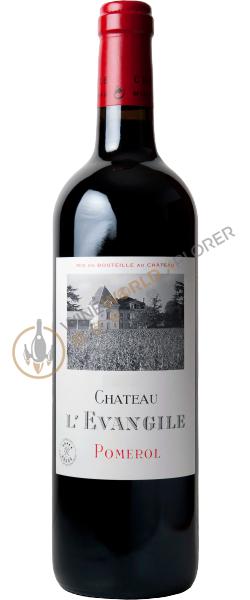
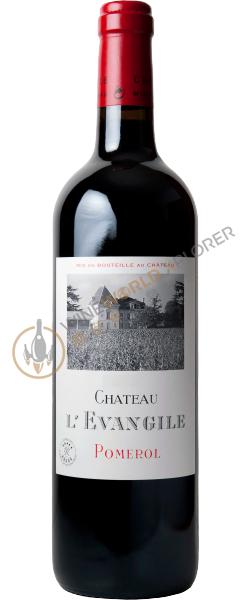
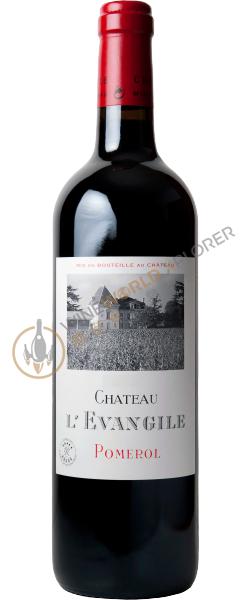
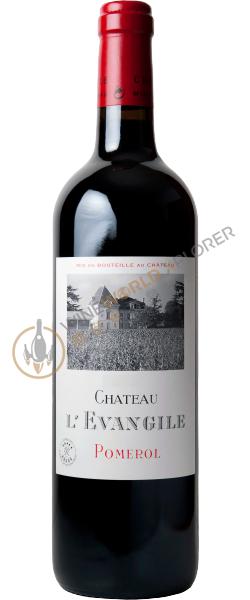
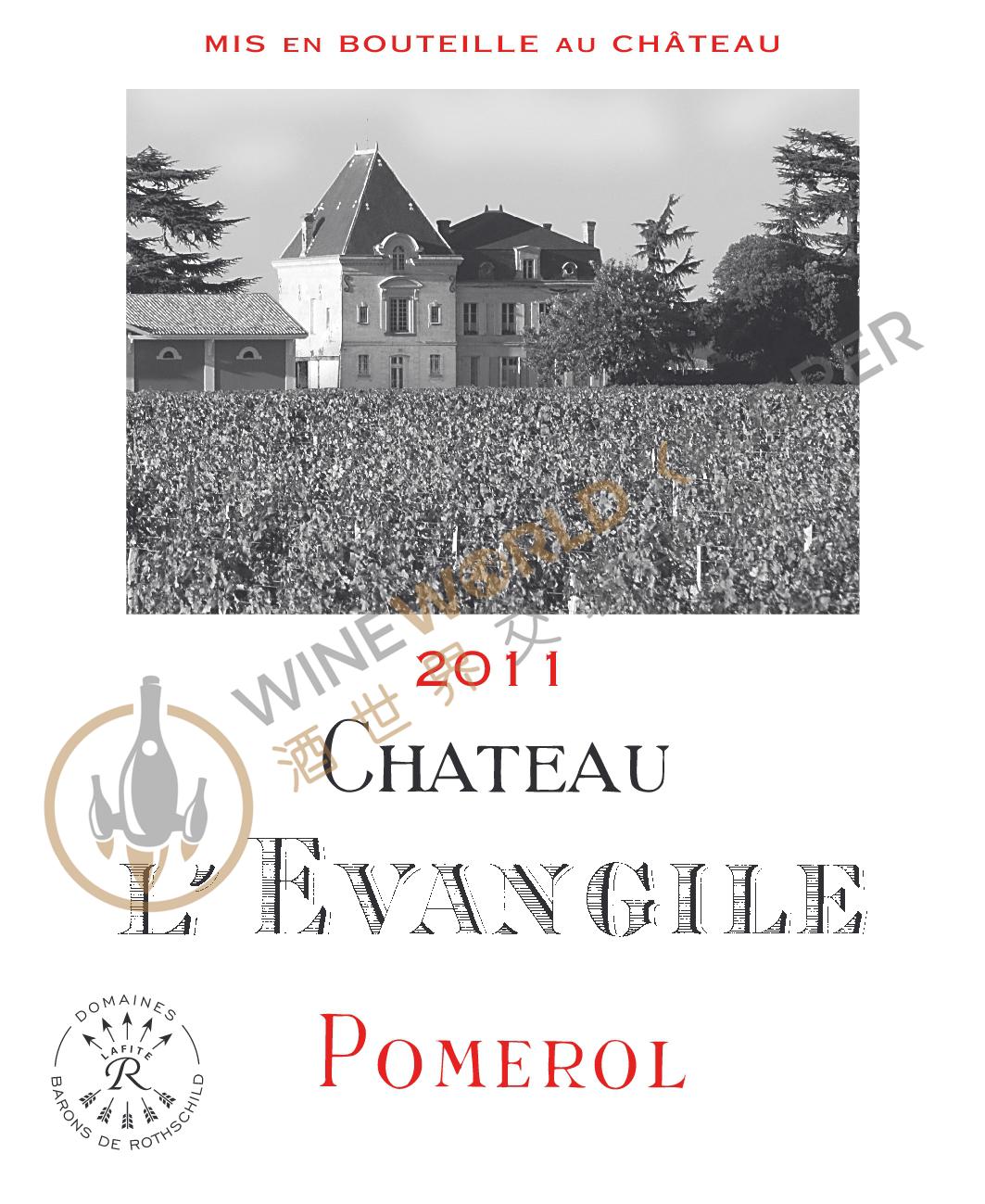
L'Evangile 1982
 View analysis


Description
Tasting notes

Reviewed by: Robert M. Parker, Jr.
From its early days this has always been a knock-out. L'Evangile's 1982 has shown no signs over the last decade of closing up and going into that so-called "dumb" stage. The color is a dense, nearly opaque dark garnet/purple. The bouquet offers oodles of jammy blackcurrants and raspberries, intermingled with scents of tea, smoked duck, sauce perigourdine, and licorice. The lavish, multi-dimensional bouquet is followed by a thick, unctuous, super-concentrated wine with low acidity, huge, massive quantities of fruit, and a spectacularly long finish. The 1982 is one of this century's greatest l'Evangiles, clearly rivaling what this magnificent estate produced in 1947, 1950, and 1990. Drink it over the next 15-20 years. Last tasted, 7/93.
Reviewed by: Robert M. Parker, Jr.
Dark plum-colored with purple nuances, this complex 1982 reveals notions of cedar, allspice, black raspberries, blackberries, and currants. Expansive on the palate, with superb density, low acidity, full body, and a juicy, fat, mouth-staining mid-palate, this youthful Pomerol is approaching full maturity. Powerful and concentrated, it will evolve effortlessly for another 15-20 years.
Reviewed by: Robert M. Parker, Jr.
Last Tasted 8/92 The 1982 l'Evangile has yet to shut down after bottling and continues to go from one strength to another. The color is opaque dark ruby/garnet, and the nose offers an explosive smorgasbord of aromas ranging from jammy black-berries, to cedar, saddle leather, and smoked duck. This viscous, thick, rich wine exhibits just enough acidity to provide delineation to its massive richness. The finish is all sweet, unctuous fruit, glycerin and elevated alcohol. This decadent Pomerol displays no signs of closing up and should continue to drink well for at least 10-15 more years. Will the 1990 prove to be this hedonistic?
Reviewed by: Neal Martin
Tasted at Roberson’s 1982 tasting. This has a very savoury, meaty nose where the Cabernet is firmly in the driving seat: bacon fat, Italian salami, cardamom, chestnut and smoke. Very fine definition and an impressive freshness for a Pomerol approaching 30-years of age. The palate is medium-bodied, quite fleshy on the entry with savoury red-berried fruits, a touch of smoke, cedar, citrus fruit and orange rind. A little gritty towards the linear finish but it has certainly retained its freshness. Tasted March 2010.
Reviewed by: Neal Martin
The L'Evangile has been rather inconsistent since I first encountered it. Here, the nose is overawed by the Trotanoy 1982 served alongside. There is sense of conservatism here, a lack of exuberance and ambition that many of its peers exploited, whereas L'Evangile does not know quite what to do. It is certainly well balanced on the palate, structured and more linear than Trotanoy but somehow missing the animation and tension one would have liked on the finish. It is not a bad L'Evangile by a long shot, but the bottom line is that it seems rather charmless. Tasted December 2013.
Reviewed by: Robert M. Parker, Jr.
A blockbuster, dark plum/garnet-colored wine, the 1982 L’Evangile reveals a decadent, extravagantly rich nose of caramelized fruit, plum, licorice, smoked meats, and toffee. This opulent, full-bodied Pomerol caresses the palate with layers and layers of glycerin and fruit. The tannin is barely noticeable in this massive, rich, gorgeous effort. The complexity of the nose alone is worth a special admission price. It is close to full maturity, and is capable of lasting another 20-25 years. Release price: ($210.00/case)
Reviewed by: Robert M. Parker, Jr.
I have never had less than a spectacular bottle of this wine, which continues to evolve at a slow pace. Its pure thickness and exotic nose of saddle leather, jammy blackcurrants, licorice, smoke, grilled steak, and truffles have always been a turn-on. Thick, chewy, and opulent, with an impressive breadth of flavor and intensity, as well as an awesomely chewy, long finish, this colossal example of L'Evangile is reminiscent of the estate's 1961 and 1947. It should age effortlessly for 20+ more years . Tasted 17 times since bottling with consistent notes.
Reviewed by: Neal Martin
To be honest, this L’Evangile was outshone, sandwiched between Trotanoy 1982 and Lafleur 1982. The nose is relatively one-dimensional with notes of blueberry, cassis and dark chocolate with little secondary aromatic development. The palate is full-bodied, tight and tannic with a very sweet core of red fruit. Tobacco and a touch of green pepper on the finish. Lacks persistency, penetration and is rather predictable. Drink from 2007-2012.
Reviewed by: Neal Martin
A fragrant leafy nose infused with tobacco. Certainly lacking some fruit concentration, but attractive in its own unpretentious way. The palate is quite fleshy with good acidity and a savory, meaty mid-palate. Medium-bodied with tobacco and spice on the finish. Touch of green pepper. Has a rustic air about it, certainly not a complex wine but refined. Tasted September 2005.
Reviewed by: Robert M. Parker, Jr.
Tasted 15 Times Since Bottling With Consistent Notes From its early days l'Evangile's 1982 has been a knock-out. It has demonstrated no signs over the last decade of closing up and going into that so-called "dumb" stage. The color is a dense, nearly opaque dark garnet/purple. The bouquet offers oodles of jammy blackcurrants and raspberries, intermingled with scents of tea, smoked duck, sauce perigourdine, and licorice. The lavish, multi-dimensional bouquet is followed by a thick, unctuous, super-concentrated wine with low acidity, huge, massive quantities of fruit, and a spectacularly long finish. The 1982 is one of this century's greatest l'Evangiles, clearly rivaling what this magnificent estate produced in 1947, 1950, and 1990. Drink it over the next 15-20 years.
Reviewed by: Robert M. Parker, Jr.
A spectacular wine that seems to put on weight every time I go back to it, this old-style wine (meaning reminiscent of some of the late forties vintages) has an opaque, murky plum/purple color with only a bit of lightening at the edge. The nose offers up notes of new saddle leather intermixed with very jammy notes of blackberry liqueur, licorice, smoke, beef blood, and truffles; it is a total turn-on. Very opulent, viscous, and intense, with full body, great richness, and loads pf glycerin reminiscent of some of the estate’s greatest older vintages from the forties, this wine seems set for at least another 15-20 years of evolution. A remarkable effort, and to my taste, the greatest l’Evangile made after 1975 and 1961. Anticipated maturity: Now-2025. Last tasted, 12/02.
Reviewed by: Neal Martin
Tasted at Pebbles/Zachy’s 1982 dinner in Hong Kong. I have never been totally convinced about the pedigree of the 1982 L’Evangile, especially having tasted the superior 1989 not long before this. The nose is reticent despite vigorous coaxing and is out-performed by the l’Arrosee ’82 tasted alongside. It does come out of its shell a little with time, with scents of blackberry pastille, wild heather and cedar. The palate is medium-bodied with a firm backbone, perhaps a little rustic compared to its peers, old-fashioned and yet full of charm. The finish is harmonious with a crisp, slightly pointed finish that needs a little more persistency. This is very fine, but not great L’Evangile. Tasted November 2012.
Reviewed by: Neal Martin
Tasted at the 28-50 Pomerol off-line dinner. This is one of the best bottles of Chateau L’Evangile that I have come across. Compared to the bottle in March, the nose is tighter and takes time to unwind in the glass, but reveals lovely bacon fat, scorched earth, mulberry and cumin aromas. The palate is full-bodied, more backward than I expected with savoury red fruit, smoke and dried orange rind. Grainy on the finish but long and deep. Not the greatest L’Evangile ever made, but very fine. Drink now-2030. Tasted November 2010.
Reviewed by: James Suckling
Extremely decadent, as always, with black truffles, black olives and berries on the nose. Full body, chewy and layered. Salty undertone. This is a wonderful wine forever. Historic profile. Gets better all the time. Drink now.
About the Producer
Chateau L'Evangile is one of the most famous châteaux in the Pomerol region of Bordeaux, France. In the mid-18th century, Chateau L'Evangile was owned by the Leglise family of Libourne, and its name, "Fazilleau", was recorded in the 1741 land register. At the beginning of the 19th century, the estate was bought by a lawyer named Isambert and renamed Chateau L'Evangile. Evangile is the French word for "gospel", and the renamed estate lived up to its name, becoming a true "gospel" of the Pomerol region. In 1862, Paul Chaperon acquired Chateau L'Evangile and made it famous through a series of efforts to give it a distinctive Second Empire style of architecture. In the second edition of Cocks Et Feret in 1868, Chateau L'Evangile was listed as a Premier Cru in the Haut-Pomerol region. After Chabron's death, his daughter inherited the estate, which she then brought to her husband's family, the Ducasse family, who ran the estate until 1990. In 1990, the estate was acquired by Domaines Barons de Rothschild Lafite. Immediately after taking over, the group began a comprehensive reform and upgrading of the estate. The first steps included a more careful selection of the grapes used to make the main wine and the creation of Blason de L'Evangile, Pomerol, France, as a secondary wine. In addition, the renovation measures included a comprehensive reorganization plan: delaying the harvest as much as possible so that the grapes would be as ripe as possible, and controlling yields to a maximum of 4,500 liters per hectare in order to improve the quality of the vines, which was partially completed in 1998. 2004 saw the completion of the renovation of the winery and cellars, and the creation of a new layout for the estate. These vintages produced wines of excellent quality. Chateau L'Evangile is located in a unique location. The vineyard covers 22 hectares of sandy clay and gravel soils with a high iron content subsoil. The vineyard is planted with 80% Merlot and the remaining 20% Cabernet Franc. The vineyard's production is limited, and harvesting and many other tasks are done by hand. The winery employs Michel Rolland, the famous "flying winemaker", as a winemaking consultant. Under the management of the Lafite Group, the grapes from each parcel are divided into different lots in order to determine their potential for full-fledged wines at the final stage of fermentation. All aspects of the winemaking process are closely integrated with traditional techniques and proven modern technologies. During the fermentation process, the winery performs drenching and maceration, during which the wine is tasted several times. After fermentation, the wines are aged in oak barrels for 18 months. Due to the small size of the vineyard, the average annual production of the winery is 5,000 cases. Robert Parker, the famous wine critic, has praised Le Vin de Guignol as the "star of the future" of Pomerol and believes that it has the potential to grow even more under the leadership of Lafite. A book published many years ago, Grands Vins de Bordeaux, described the wines produced by the Rocquières as "full-bodied, elegant, and with unparalleled finesse."
1964(1)1967(1)1972(2)1975(1)1979(2)1981(3)
Package Size