Wine Advisor



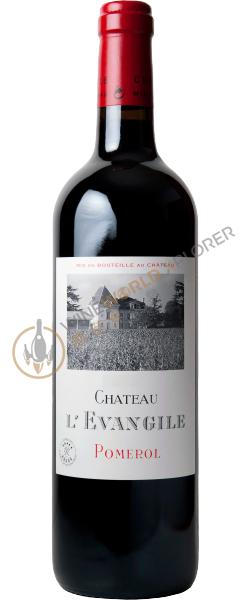
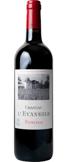
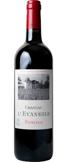
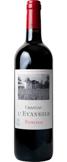
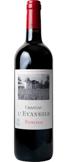
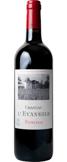
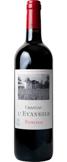
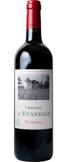
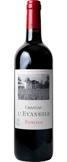
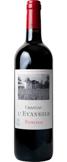
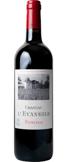
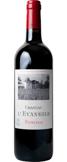
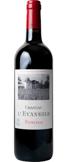
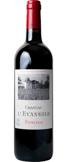
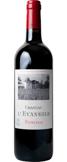
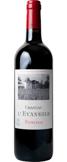
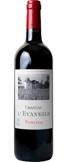
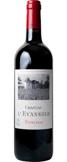
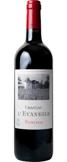
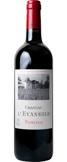
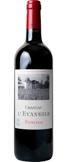
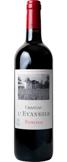
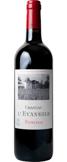
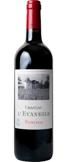
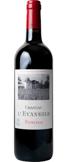
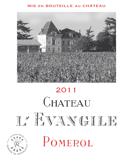
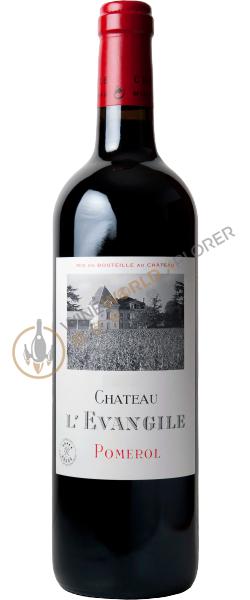
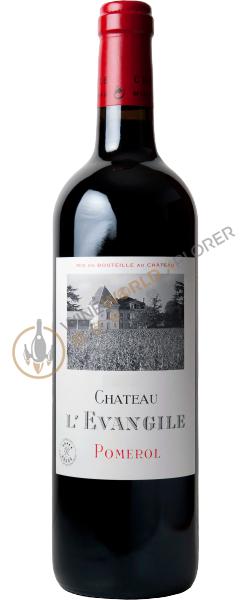
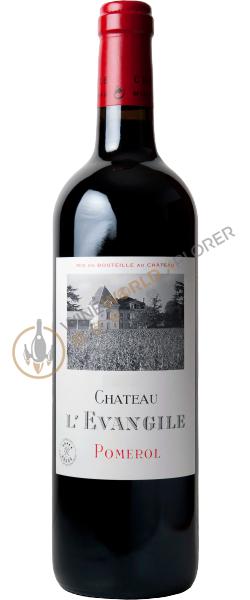
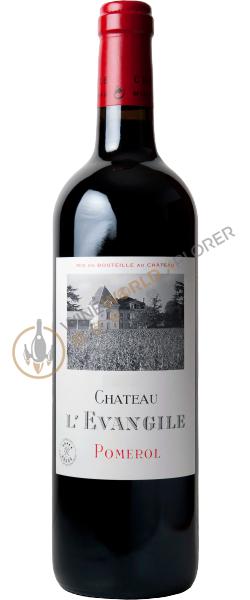
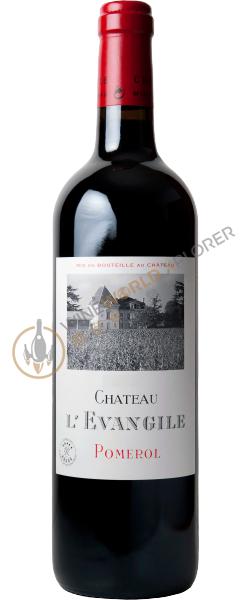
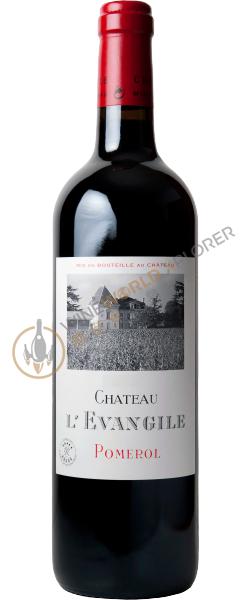
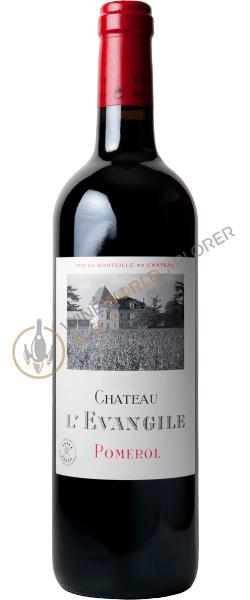
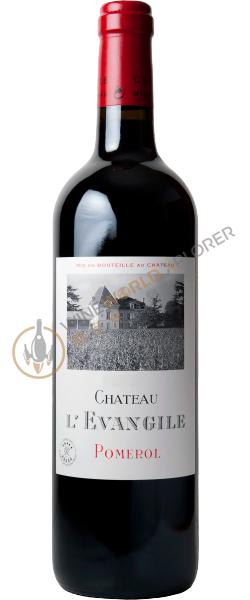
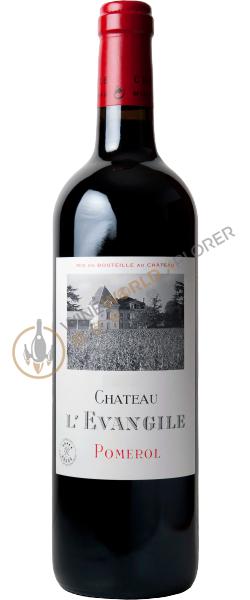
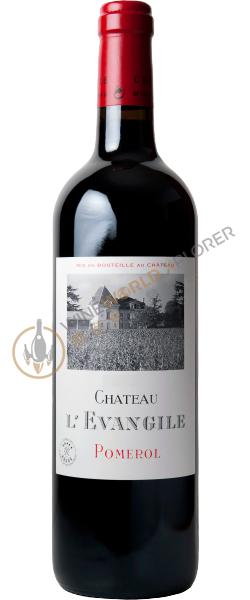
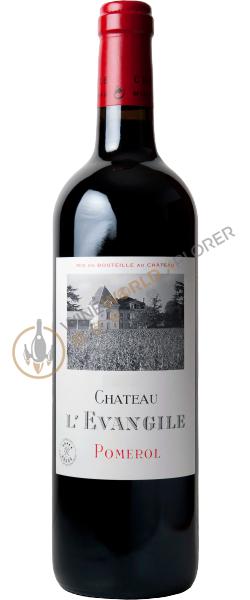
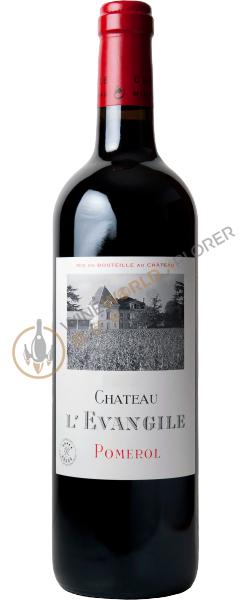
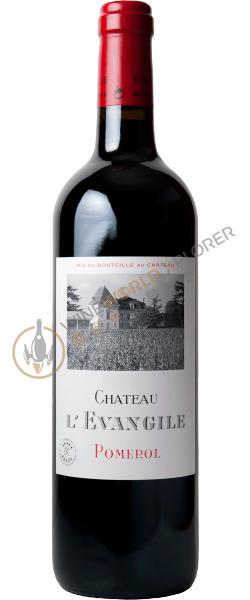
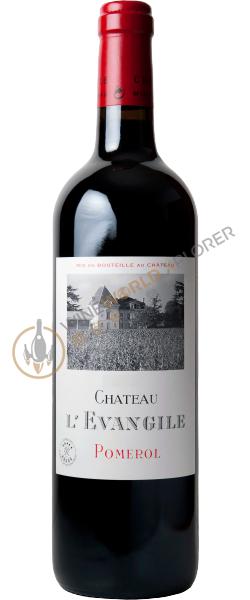
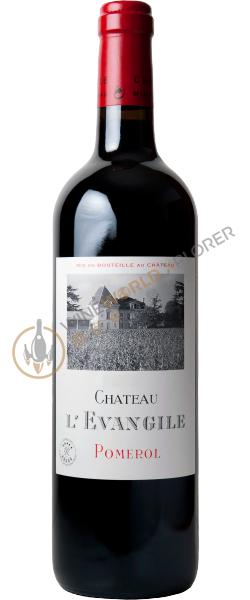
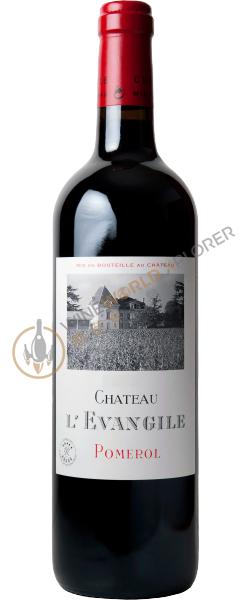
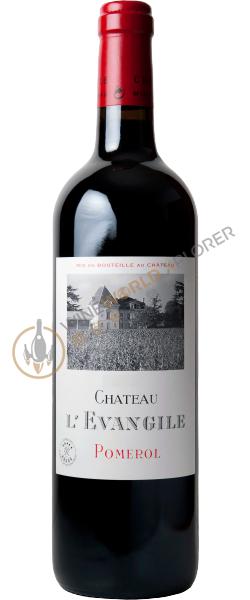
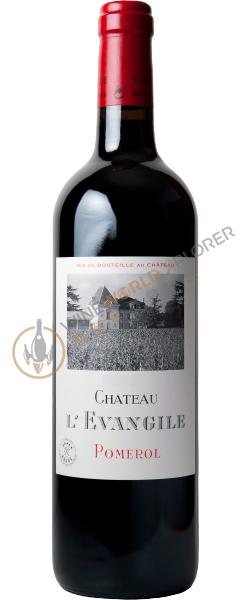
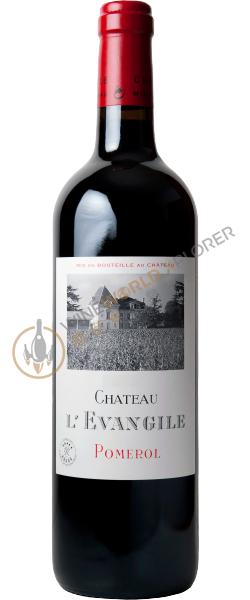
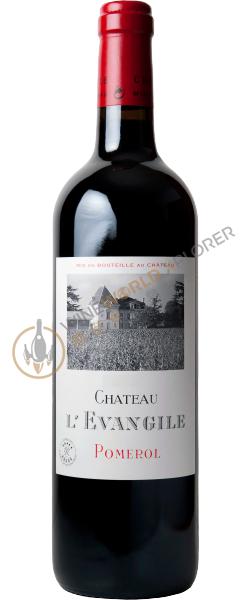
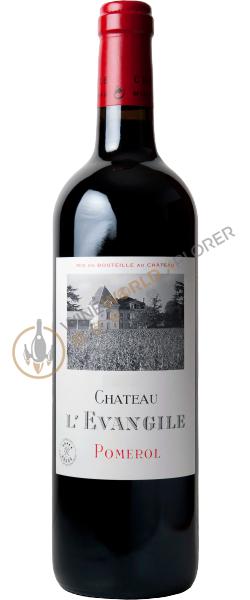
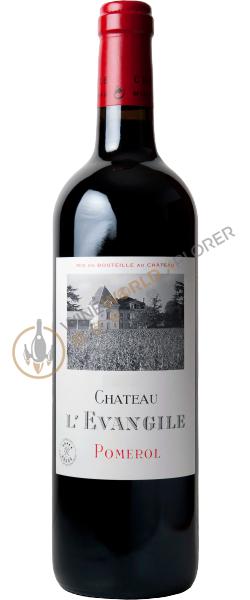
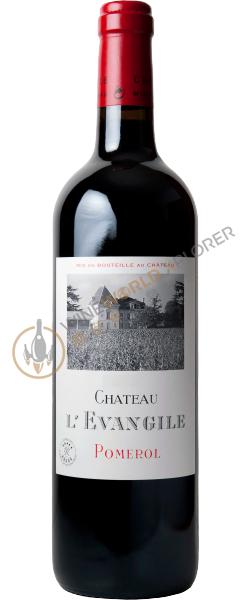
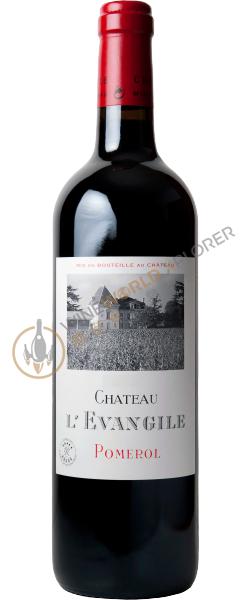
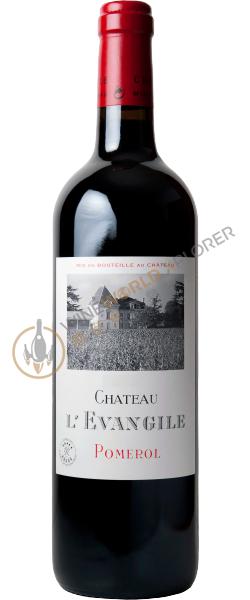
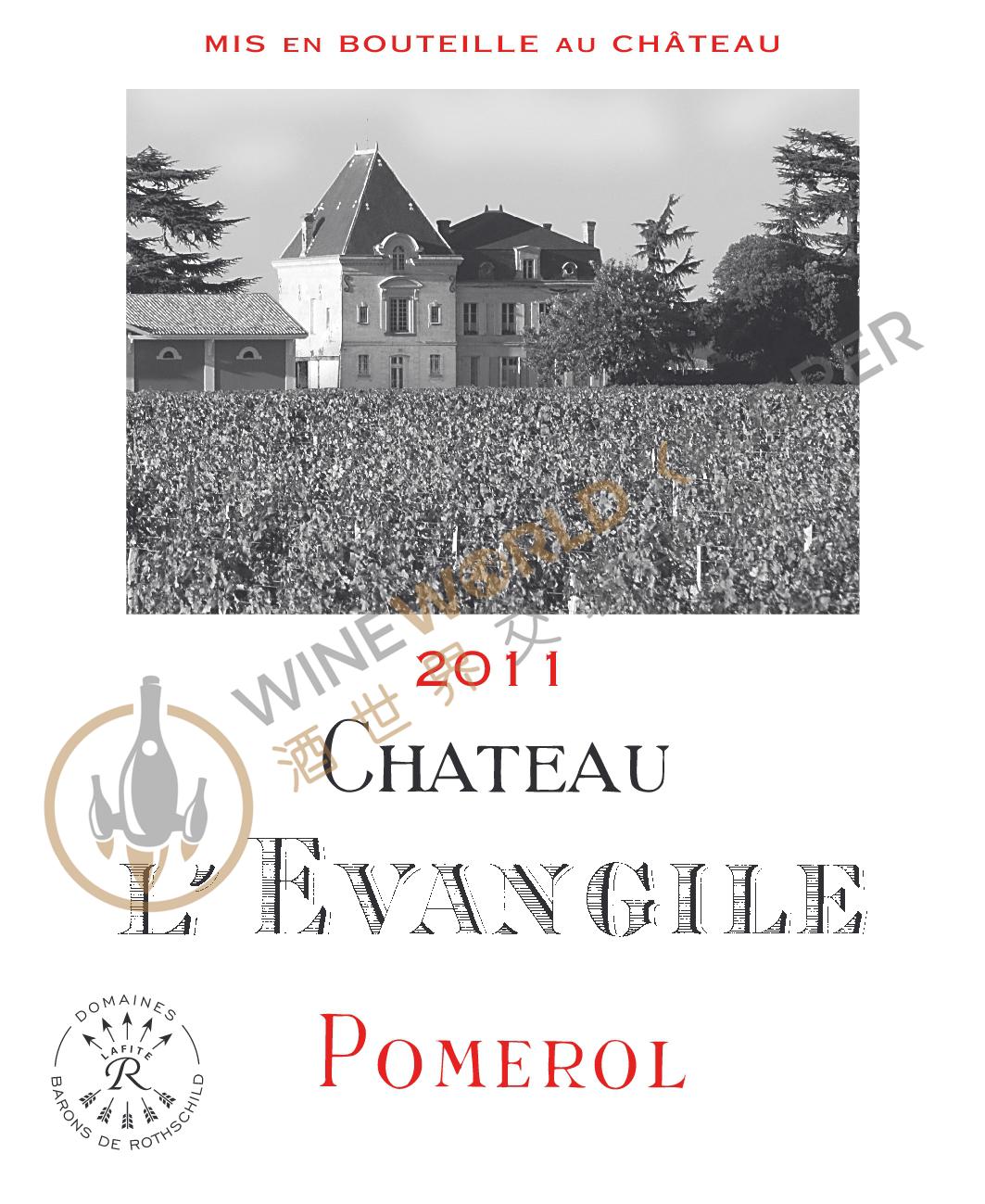
L'Evangile 2017
 View analysis


Description
Tasting notes

Reviewed by: Lisa Perrotti-Brown
All of the Cabernet Franc was frosted in 2017, so L'Evangile is composed of 100% Merlot for the first time. Deep garnet-purple colored, the 2017 L'Evangile is a little closed to begin, offering glimpses at blueberry preserves, baked plums and black raspberries scents before revealing nuances of spice cake, cinnamon stick, dusty soil and garrigue plus a waft of incense. Medium to full-bodied, the palate has a lot of richness and depth, with firm, ripe, rounded tannins and just enough freshness, finishing long and spicy.
Reviewed by: Lisa Perrotti-Brown
The 2017 L'Evangile is deep garnet-purple in color, featuring a profoundly scented nose of plum preserves, smoked meats, chargrill and cigar box with touches of licorice, tapenade, tar and truffles plus an earthy waft of underbrush. The palate is medium to full-bodied with a lovely purity of black and blue fruits, accented with baking spice notions and framed by plush tannins that offer just the right amount of provocative grip, finishing long and earthy.
Reviewed by: Antonio Galloni
The 2017 L'Évangile, 100% Merlot for this first time, is just as impressive from bottle as it was from barrel. Dark, sumptuous and wonderfully inviting, the 2017 has so much to offer. Dark fruit, spice, mocha, leather and licorice infuse the 2017 with notable depth. Time in the glass brings out lovely aromatic top notes that add freshness. A rapturously beautiful wine, L'Évangile is stellar. Frost wiped out half of the potential crop, including all of the Cabernet Franc, which means the Grand Vin is 100% Merlot. Technical Director Jean Pascal Vazart opted for gentle pumpovers and longer extractions than normal.
Reviewed by: Antonio Galloni
The 2017 L'Évangile is a stunning wine. Frost wiped out half of the potential crop, including all of the Cabernet Franc, which means the Grand Vin is 100% Merlot. Rich, sumptuous and explosive, the 2017 possesses remarkable depth and stunning intensity in all of its dimensions. The purity, energy and textural resonance of the fruit is ravishing. The 2017 saw five days of cold soak followed by 30 days on the skins. Technical Director Jean Pascal Vazart opted for gentle pumpovers and longer extractions than normal. Malolactic fermentation was done in 100% new oak, where the wine is presently aging. A massive, concentrated wine, L'Évangile is going to need a number of years to be at its very best, but it is magnificent, even in the early going. In a word: dazzling!
Reviewed by: Neal Martin
The 2017 L’Evangile is 100% Merlot since frost denied the estate its usual Cabernet Franc. It has a refined bouquet with raspberry and blackcurrant fruit, touches of undergrowth and crushed stone, and floral scents that emerge with time. Yet, I still miss the contribution of the Cabernet Franc. Likewise, the palate is silky smooth with fine tannins, powdery in texture with blackberry and bilberry fruit, yet there is something of a duet being played solo here. A lovely wine given the difficult circumstances, although the follow-up will be better.
Reviewed by: Neal Martin
The 2017 L’Evangile is picked from 4 September to 3 October. There is no Cabernet Franc since it was frosted over (50% of the vineyard) and so Jean-Pierre Vazart said it is missing some of its power. He marked all the vines with different colors to indicate those affected so that none of the second-generation fruit was used for the Grand Vin. Yields came in at 20hl/ha and it is matured in 100% new oak. It has a deep inky purple hue. The new wood comes over quite strongly as it often does, perhaps missing the Cabernet Franc component to support that level of wood? There are light floral scents: wilted iris and violet that spring up with aeration although I would still like to see more terroir expression. The palate is medium-bodied with grainy tannin, mocha and dark chocolate on the entry with a fine bead of acidity. But I have a nagging question of whether a more prudent approach to the new oak might have engendered a more endearing L’Evangile, I was a bit disturbed by the level of wood tannin on the finish. I will be more than happy to upgrade my score if the tannin will be absorbed during élevage and with bottle age and I will be more than happy to upgrade my score.
Reviewed by: Neal Martin
The 2017 L’Evangile is 100% Merlot since frost denied the estate its usual Cabernet Franc. It has a refined bouquet with raspberry and blackcurrant fruit, touches of undergrowth and crushed stone, and floral scents that emerge with time. Yet, I still miss the contribution of the Cabernet Franc. Likewise, the palate is silky smooth with fine tannins, powdery in texture with blackberry and bilberry fruit, yet there is something of a duet being played solo here. A lovely wine given the difficult circumstances, although the follow-up will be better.
Reviewed by: James Suckling
Very fine and velvety tannins in the mouth with juicy fruit that gives dark-berry, chocolate and spice character. Medium to full body. Bright acidity. Harmonious and very pretty. Pure merlot. Reminds me of the 2012, but shows a little more ripeness and suppleness.
Reviewed by: James Suckling
The generosity in this wine is essence-like with black cherries, black truffles and wet earth. Full-bodied and deep with rich, creamy tannins and a long, intense finish. It goes on for minutes. Silky and fantastic. Extremely well done. Drink after 2023.
About the Producer
Chateau L'Evangile is one of the most famous châteaux in the Pomerol region of Bordeaux, France. In the mid-18th century, Chateau L'Evangile was owned by the Leglise family of Libourne, and its name, "Fazilleau", was recorded in the 1741 land register. At the beginning of the 19th century, the estate was bought by a lawyer named Isambert and renamed Chateau L'Evangile. Evangile is the French word for "gospel", and the renamed estate lived up to its name, becoming a true "gospel" of the Pomerol region. In 1862, Paul Chaperon acquired Chateau L'Evangile and made it famous through a series of efforts to give it a distinctive Second Empire style of architecture. In the second edition of Cocks Et Feret in 1868, Chateau L'Evangile was listed as a Premier Cru in the Haut-Pomerol region. After Chabron's death, his daughter inherited the estate, which she then brought to her husband's family, the Ducasse family, who ran the estate until 1990. In 1990, the estate was acquired by Domaines Barons de Rothschild Lafite. Immediately after taking over, the group began a comprehensive reform and upgrading of the estate. The first steps included a more careful selection of the grapes used to make the main wine and the creation of Blason de L'Evangile, Pomerol, France, as a secondary wine. In addition, the renovation measures included a comprehensive reorganization plan: delaying the harvest as much as possible so that the grapes would be as ripe as possible, and controlling yields to a maximum of 4,500 liters per hectare in order to improve the quality of the vines, which was partially completed in 1998. 2004 saw the completion of the renovation of the winery and cellars, and the creation of a new layout for the estate. These vintages produced wines of excellent quality. Chateau L'Evangile is located in a unique location. The vineyard covers 22 hectares of sandy clay and gravel soils with a high iron content subsoil. The vineyard is planted with 80% Merlot and the remaining 20% Cabernet Franc. The vineyard's production is limited, and harvesting and many other tasks are done by hand. The winery employs Michel Rolland, the famous "flying winemaker", as a winemaking consultant. Under the management of the Lafite Group, the grapes from each parcel are divided into different lots in order to determine their potential for full-fledged wines at the final stage of fermentation. All aspects of the winemaking process are closely integrated with traditional techniques and proven modern technologies. During the fermentation process, the winery performs drenching and maceration, during which the wine is tasted several times. After fermentation, the wines are aged in oak barrels for 18 months. Due to the small size of the vineyard, the average annual production of the winery is 5,000 cases. Robert Parker, the famous wine critic, has praised Le Vin de Guignol as the "star of the future" of Pomerol and believes that it has the potential to grow even more under the leadership of Lafite. A book published many years ago, Grands Vins de Bordeaux, described the wines produced by the Rocquières as "full-bodied, elegant, and with unparalleled finesse."
1964(1)1967(1)1972(2)1975(1)1979(2)1981(3)1982(1)1983(1)1986(1)1989(5)1990(2)1994(3)1995(5)1997(1)1998(3)1999(1)2000(7)2001(3)2002(2)2004(1)2005(8)2006(8)2007(3)2008(7)2009(7)2010(6)2011(15)2012(19)2013(14)2014(6)2015(15)2016(10)
Package Size