Wine Advisor



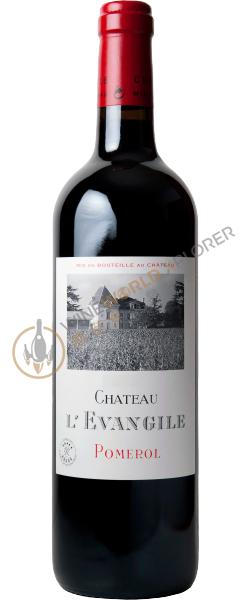
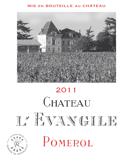
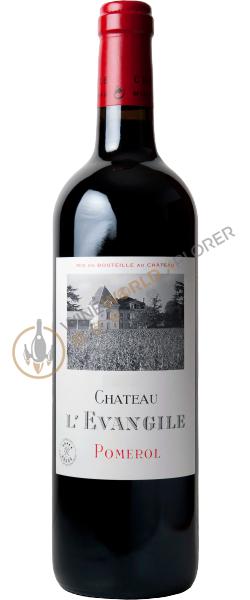
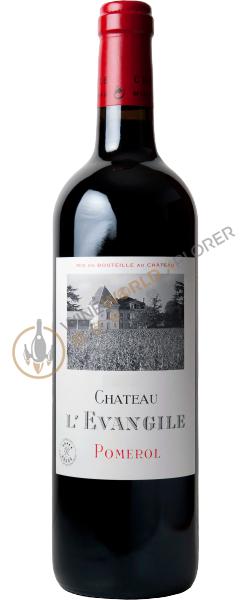
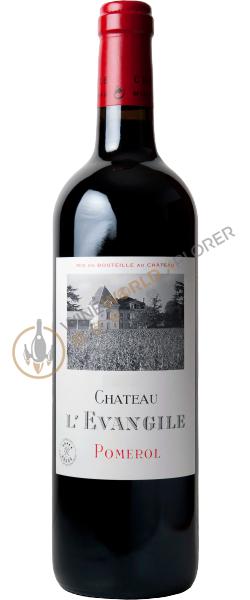
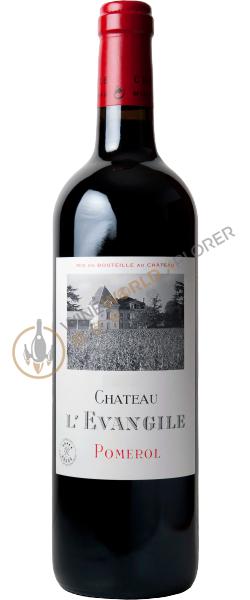
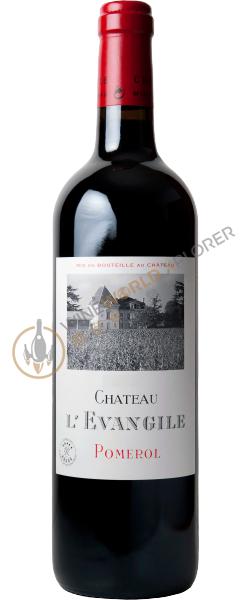
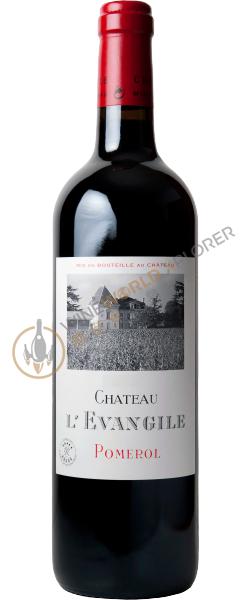
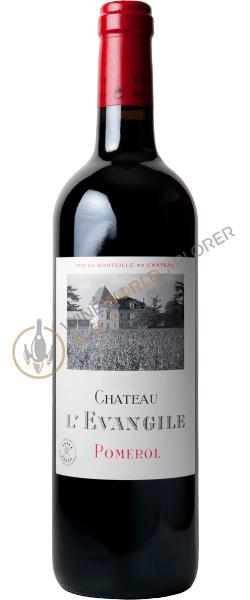
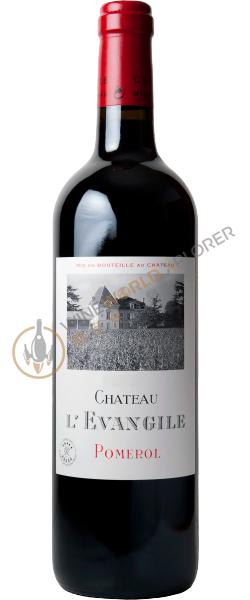
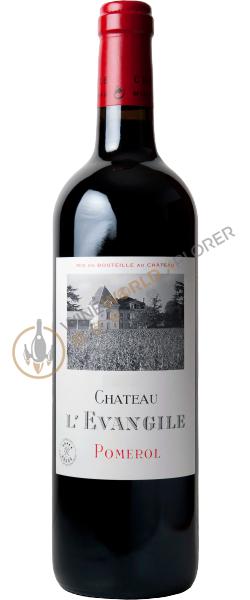
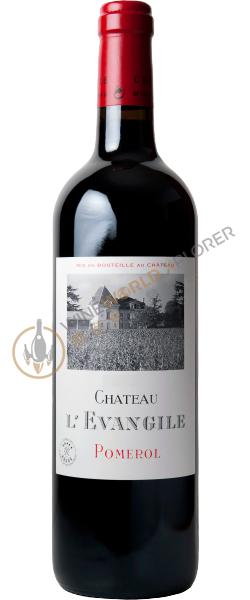
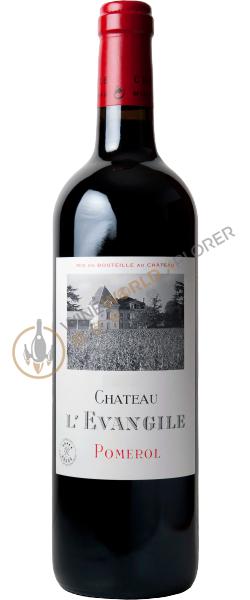
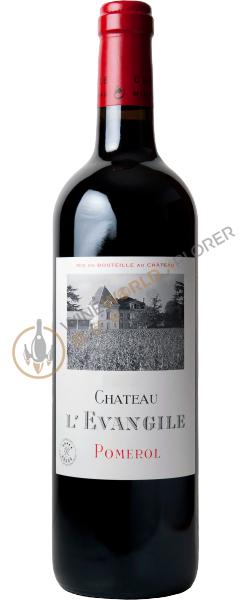
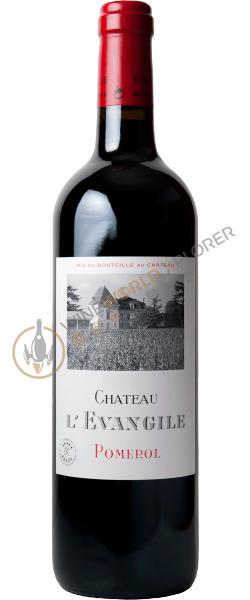
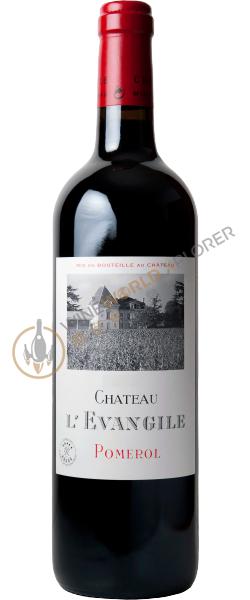
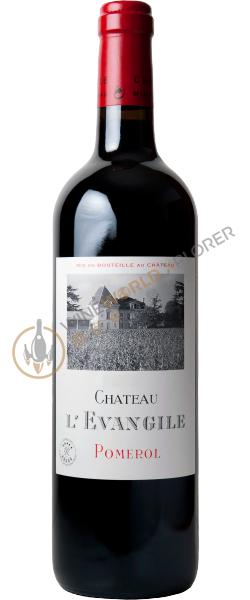
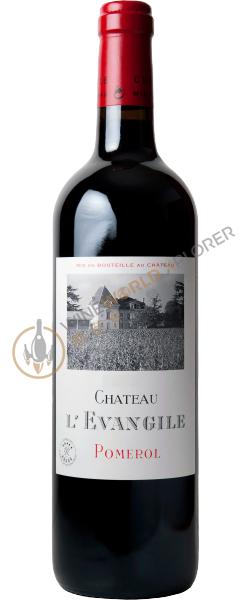
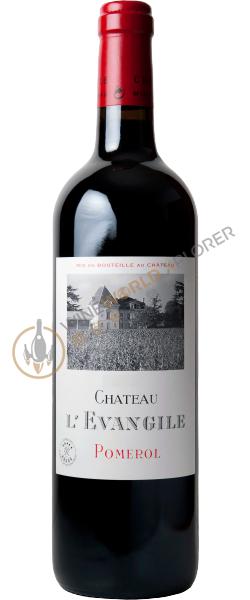
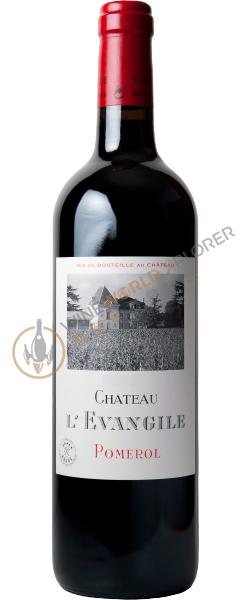
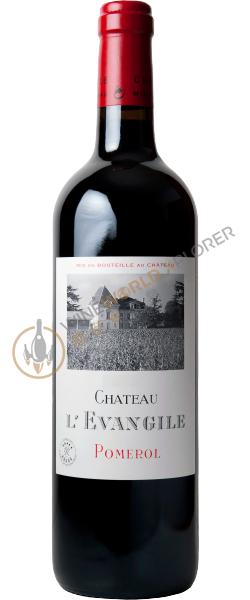
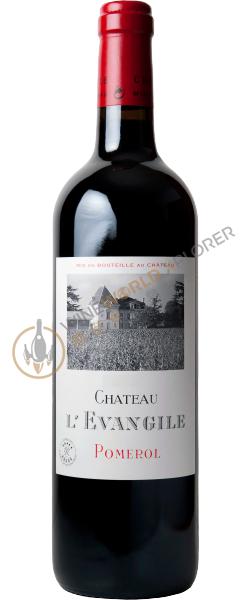
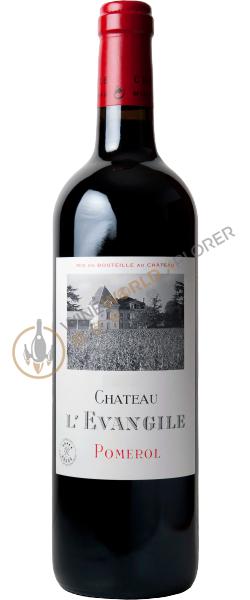
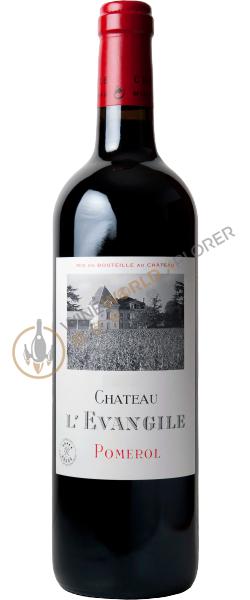
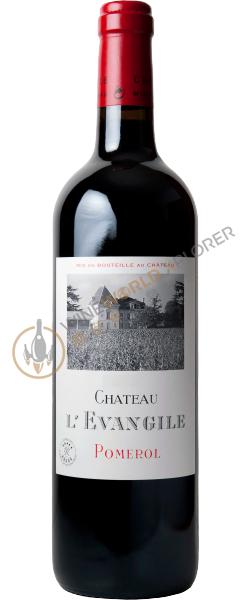
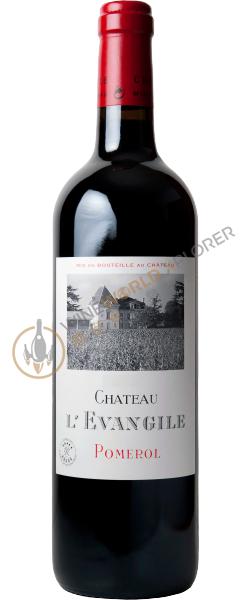
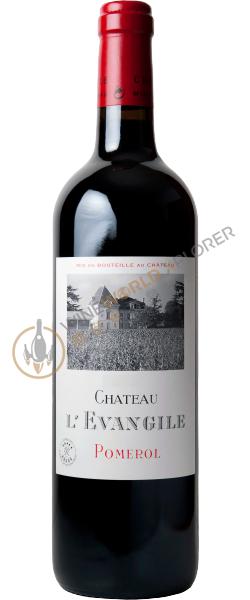
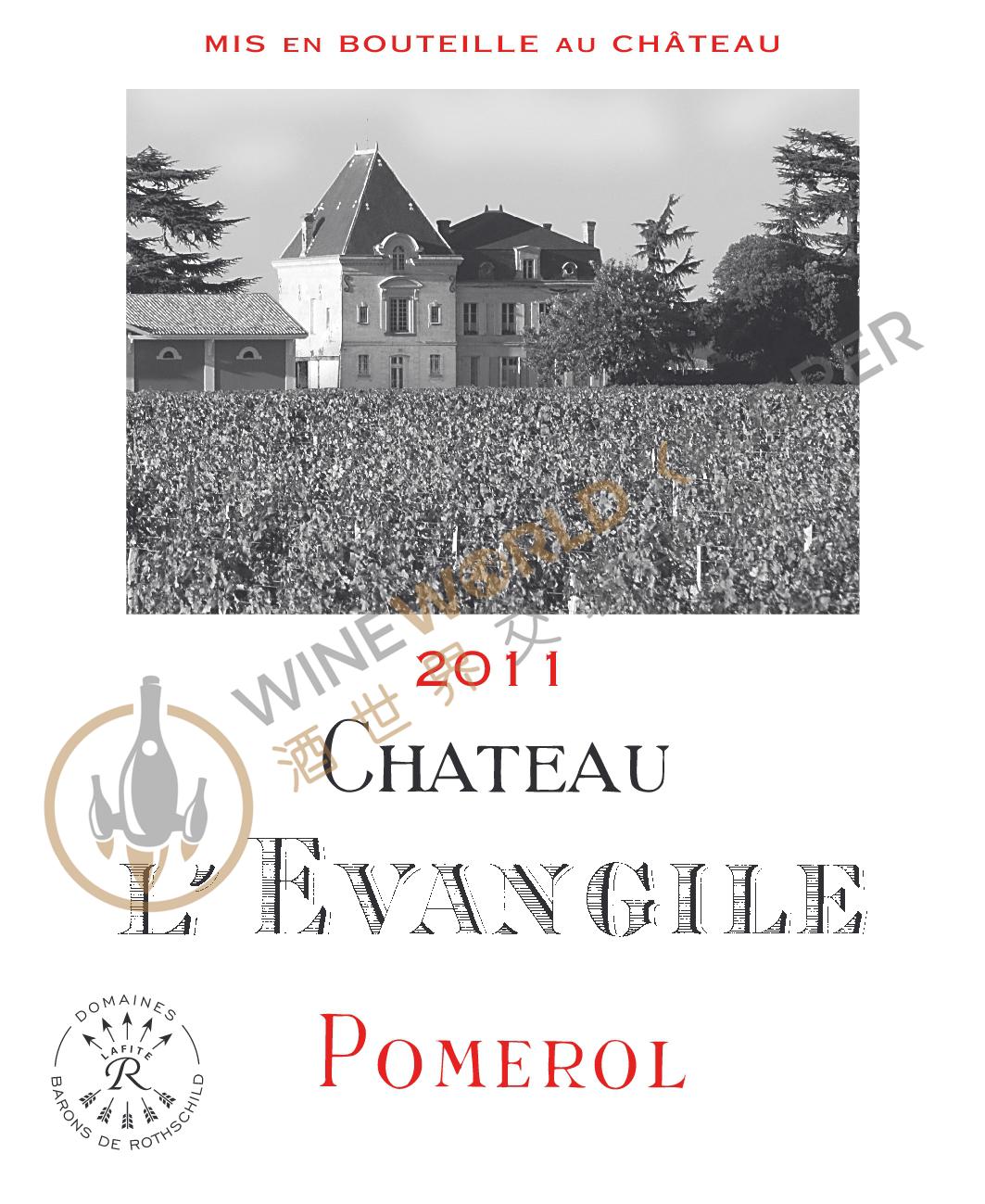
L'Evangile 2018
 View analysis


Description
Tasting notes

Reviewed by: Lisa Perrotti-Brown
The 2018 L'Evangile is composed of 80% Merlot and 20% Cabernet Franc. Deep garnet-purple colored, it comes barreling out of the glass with explosive scents of boysenberries, stewed plums and baked blackberries with hints of lilacs, candied violets, Indian spices and garrigue, plus a touch of black truffles. Full-bodied, rich and powerful in the mouth, this blockbuster coats the palate with layers of black fruit preserves and exotic spices, framed by plush tannins and wonderful energy, finishing long and savory. Decadently approachable now, give it 4-5 years in bottle for maximum impact and drink it over the next 20+ years.
Reviewed by: Lisa Perrotti-Brown
The 2018 L'Evangile is composed of 80% Merlot and 20% Cabernet Franc. The Merlot was harvested September 19 to October 2, and the Cabernet Franc was harvested September 25 to October 1. This is the optimal blend—with more Cabernet Franc coming through this year, since it was amazing. Deep garnet-purple colored, it slips seductively out of the glass with glamorous notes of baked black cherries, warm blueberries and raspberry tart plus wafts of kirsch, red roses, rose hip tea, espresso, licorice and sandalwood. Full-bodied, rich, concentrated and delivering opulent black fruit layers, the palate has a firm frame of lovely, ripe, rounded tannins and seamless freshness, finishing long and fragrant. Beautiful.
Reviewed by: Antonio Galloni
The 2018 L'Évangile is flamboyant, spectacularly beautiful. Mildew in June took out fully 50% of the potential crop, resulting in a dense, opulent wine that is going to need many years to shed some of that baby fat. The 20% Cabernet Franc is the highest on record. The 2018 is an epic, modern-day Évangile. Raspberry jam, mocha, licorice, spice and chocolate come together as the 2018 blossoms with time in the glass. Made with 80% new oak. Both hedonistic and intellectual, the 2018 is a total pleasure bomb. Don't miss it. A real wow wine - huge!
Reviewed by: Antonio Galloni
The 2018 L'Évangile is shaping up to be exceptional. Rich and sumptuous in the glass, the 2018 exudes richness in all of its dimensions. Opulent and dense in the glass, with soft curves and silky, polished tannins, the 2018 is hugely promising. All the elements just fall into place. Dark raspberry jam, cloves, menthol and new leather are some of the many notes that build in a sumptuous, racy Évangile loaded with class and personality. I can't wait to taste it from bottle.
Reviewed by: Neal Martin
The 2018 L’Evangile is the vintage when Cabernet Franc (20%) returned to the blend after mildew reduced the percentage of Merlot. It has an almost identical bouquet to the one that I encountered from barrel, that attractive mélange of black fruit, briar and a lovely marine/oyster shell scent now accentuated in bottle. As I mentioned in my previous note, the Cabernet Franc shapes the aromatics. The palate is medium-bodied with fine tannins, the 70% new oak still quite vocal and, to my mind, dictating the finish, rather than L’Evangile’s exceptional terroir. There is a slight concluding bitterness that nags away on the very briny aftertaste. With aging I am certain this Pomerol will improve, but it just misses the charm of other vintages at the moment.
Reviewed by: Neal Martin
The 2018 L’Evangile sees the return of Cabernet Franc, this year the Merlot suffering mildew earlier in the season after seven days of rain fell just after flowering. It was the first real vintage under organic/biodynamic viticulture, commented Jean-Pascal Vazart. But the 2019 was easier. It has a vigorous and intense bouquet, black fruit mixed with black truffle and light marine aromas, the Cabernet Franc very expressive. The palate is medium-bodied with fine, supple but firm tannins that provide backbone to this Pomerol. The 70% new oak is nicely integrated on the entry, though I feel at the moment it is quite vocal on the finish. This should be subsumed by the time of bottling, though it will require several years of ageing.
Reviewed by: James Suckling
A very plush and exciting L’Evangile with polished, velvety tannins that set this up to be a classic. It’s full-bodied with glorious fruit and a great center palate that has fantastic depth. It’s so caressing and beautiful. So much here.
Reviewed by: James Suckling
So attractive on the nose with blackberry, black olive and a hint of brown sugar. It’s full-bodied with layers of ripe tannins that flow across the palate. Rich, intense and flavorful finish with flavors similar to the aromas. Fleshy and toned at the end. From organically grown grapes. Try after 2025.
About the Producer
Chateau L'Evangile is one of the most famous châteaux in the Pomerol region of Bordeaux, France. In the mid-18th century, Chateau L'Evangile was owned by the Leglise family of Libourne, and its name, "Fazilleau", was recorded in the 1741 land register. At the beginning of the 19th century, the estate was bought by a lawyer named Isambert and renamed Chateau L'Evangile. Evangile is the French word for "gospel", and the renamed estate lived up to its name, becoming a true "gospel" of the Pomerol region. In 1862, Paul Chaperon acquired Chateau L'Evangile and made it famous through a series of efforts to give it a distinctive Second Empire style of architecture. In the second edition of Cocks Et Feret in 1868, Chateau L'Evangile was listed as a Premier Cru in the Haut-Pomerol region. After Chabron's death, his daughter inherited the estate, which she then brought to her husband's family, the Ducasse family, who ran the estate until 1990. In 1990, the estate was acquired by Domaines Barons de Rothschild Lafite. Immediately after taking over, the group began a comprehensive reform and upgrading of the estate. The first steps included a more careful selection of the grapes used to make the main wine and the creation of Blason de L'Evangile, Pomerol, France, as a secondary wine. In addition, the renovation measures included a comprehensive reorganization plan: delaying the harvest as much as possible so that the grapes would be as ripe as possible, and controlling yields to a maximum of 4,500 liters per hectare in order to improve the quality of the vines, which was partially completed in 1998. 2004 saw the completion of the renovation of the winery and cellars, and the creation of a new layout for the estate. These vintages produced wines of excellent quality. Chateau L'Evangile is located in a unique location. The vineyard covers 22 hectares of sandy clay and gravel soils with a high iron content subsoil. The vineyard is planted with 80% Merlot and the remaining 20% Cabernet Franc. The vineyard's production is limited, and harvesting and many other tasks are done by hand. The winery employs Michel Rolland, the famous "flying winemaker", as a winemaking consultant. Under the management of the Lafite Group, the grapes from each parcel are divided into different lots in order to determine their potential for full-fledged wines at the final stage of fermentation. All aspects of the winemaking process are closely integrated with traditional techniques and proven modern technologies. During the fermentation process, the winery performs drenching and maceration, during which the wine is tasted several times. After fermentation, the wines are aged in oak barrels for 18 months. Due to the small size of the vineyard, the average annual production of the winery is 5,000 cases. Robert Parker, the famous wine critic, has praised Le Vin de Guignol as the "star of the future" of Pomerol and believes that it has the potential to grow even more under the leadership of Lafite. A book published many years ago, Grands Vins de Bordeaux, described the wines produced by the Rocquières as "full-bodied, elegant, and with unparalleled finesse."
1964(1)1967(1)1972(2)1975(1)1979(2)1981(3)1982(1)1983(1)1986(1)1989(5)1990(2)1994(3)1995(5)1997(1)1998(3)1999(1)2000(7)2001(3)2002(2)2004(1)2005(8)2006(8)2007(3)2008(7)2009(7)2010(6)2011(15)2012(19)2013(14)2014(6)2015(15)2016(10)2017(26)
Package Size