Wine Advisor



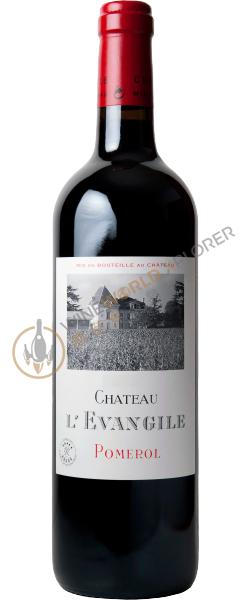
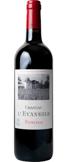
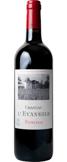
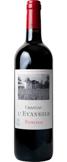
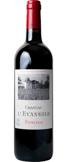
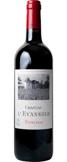
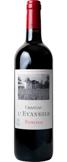
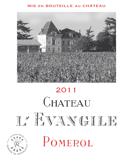
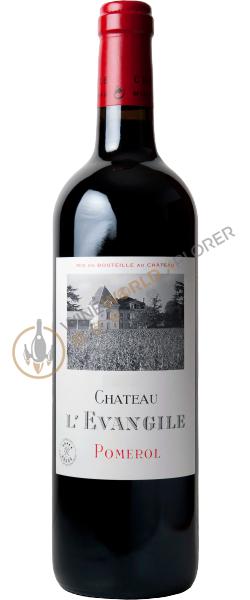
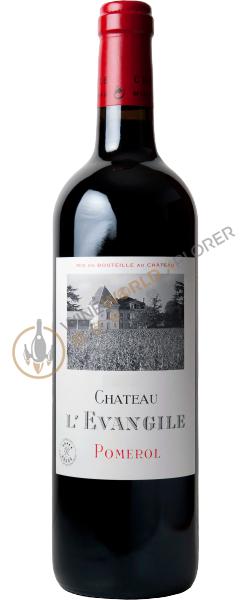
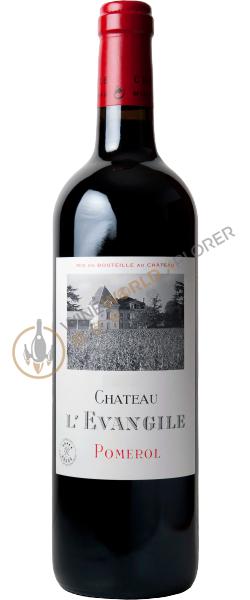
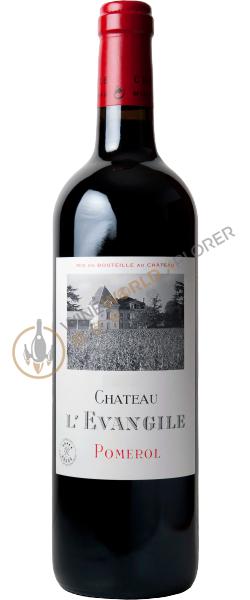
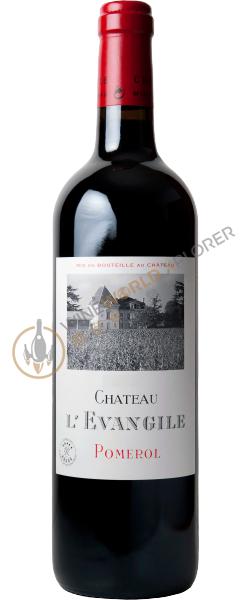
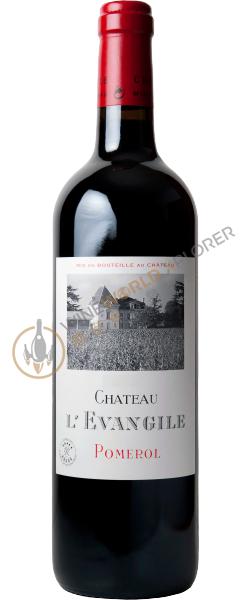
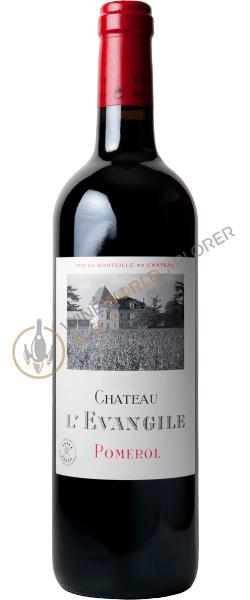
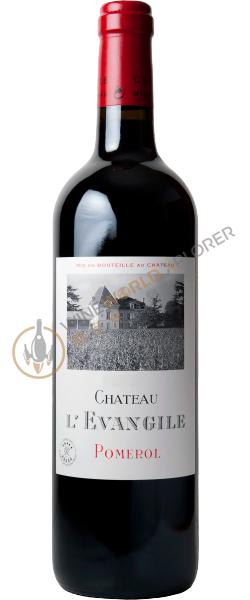
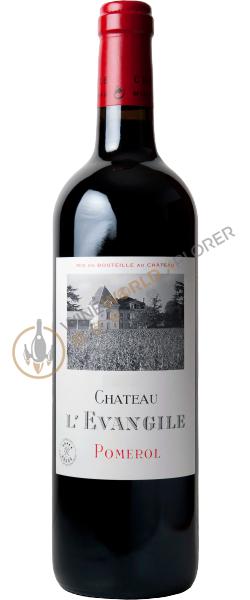
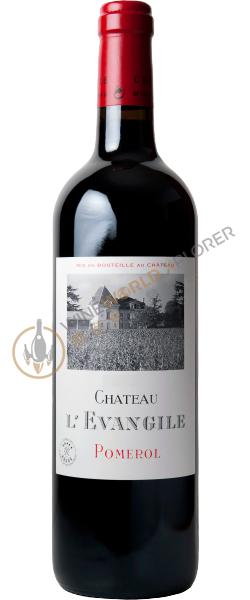
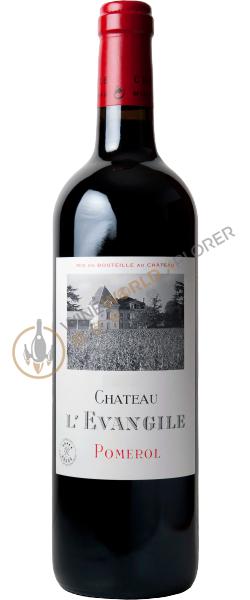
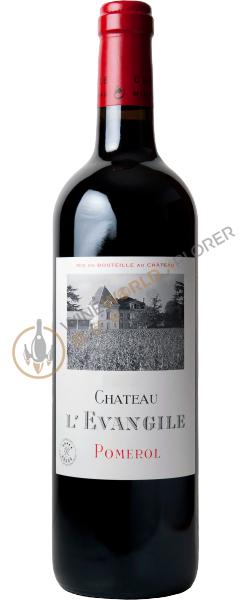
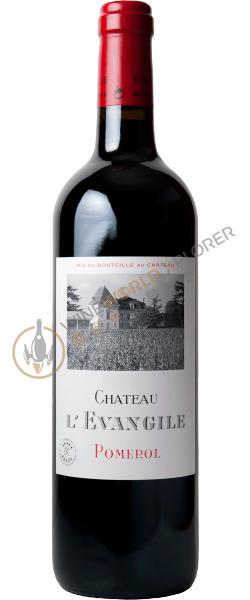
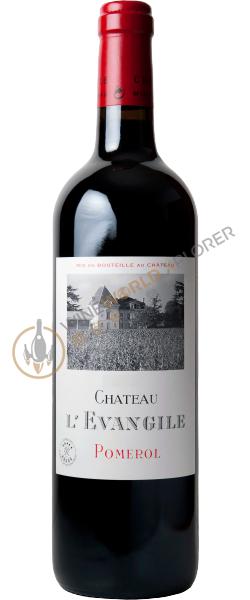
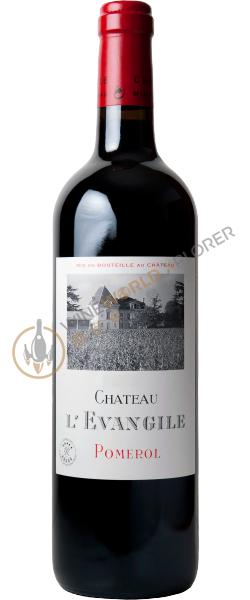
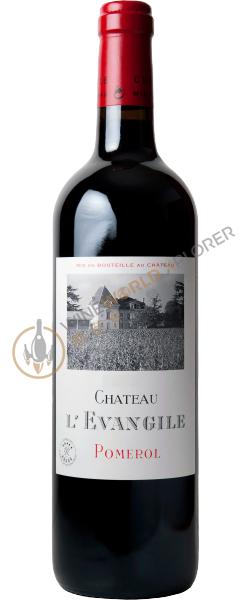
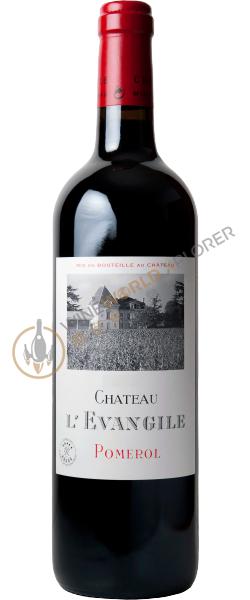
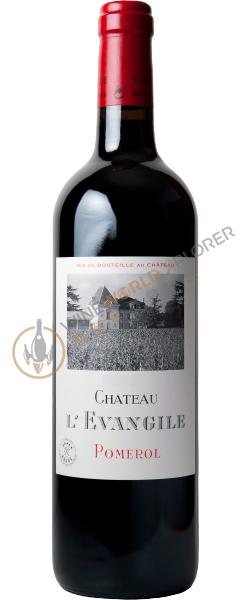
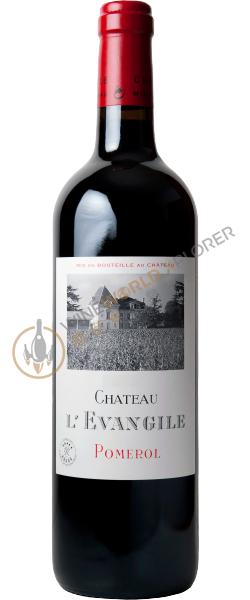
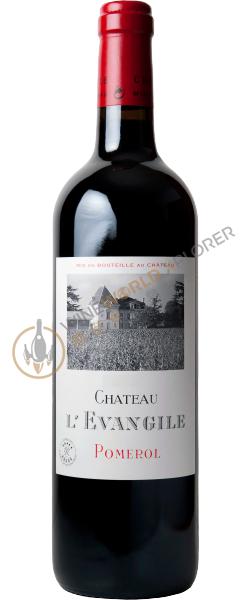
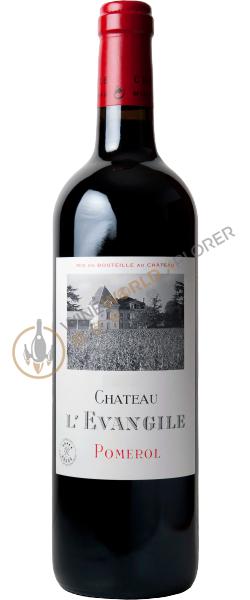
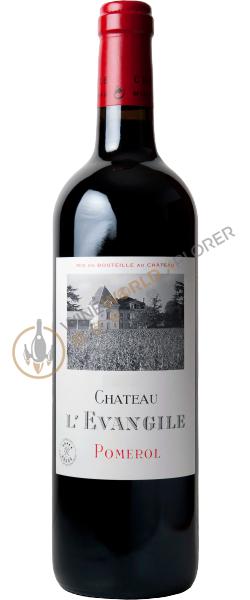
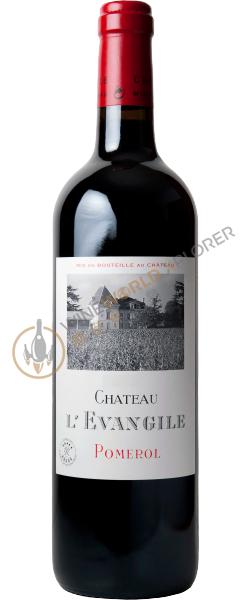
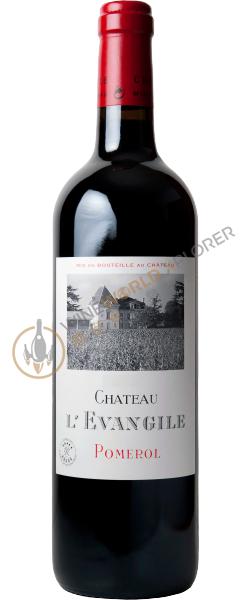
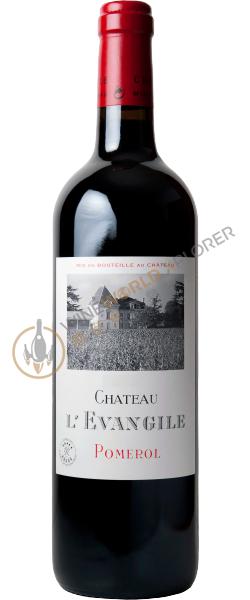
L'Evangile 1975
 View analysis


Description
Tasting notes

Reviewed by: Robert M. Parker, Jr.
Another great wine from the 1975 vintage (isn't it interesting that most of the extraordinary wines of this vintage have emerged from Pomerol?), the 1975 L'Evangile was extremely young in the Rodenstock tasting. Bottles I own are exceptional, but far more advanced. This wine displayed a slight hint of amber, as well as a huge nose of fruitcake, sweet cedar, and gobs of black fruits intermixed with scents of truffles. Interestingly, the only other recent L'Evangile with a bouquet similar to the 1975 is the 1982. Powerful and forceful, with rich, jammy fruit buttressed by high tannin, this full-bodied, superbly extracted wine is soft enough to be approachable, but this bottle remains 5-7 years away from full maturity. Drink the 1975 L'Evangile between 2000-2025. The notes for this wine are taken from the description of Series I of the 1995 tasting conducted in Munich by Helga and Hardy Rodenstock. Many years after the tasting from which this note derives allegations were made concerning the authenticity of old and rare bottles of wine sold by Hardy Rodenstock to collectors around the world. The matter has been the subject of numerous articles, litigation and at least one book. Mr. Parker believes that the wines served to him at this tasting were authentic so this note and the others from that specific tasting continue to be posted on eRobertParker.com.
Reviewed by: Neal Martin
An understated sensuous highly perfumed nose: fruitcake and raisin notes. Silky smooth tannins with dense black fruits and tar on the palate. Very backward and masculine. Demands another 10+ years. A monumental wine. Tasted December 1999.
Reviewed by: Robert M. Parker, Jr.
Tasted 8 Times Since Bottling With Inconsistent Notes The 1975 has been inconsistent, especially early in its life, but over the last five years at every tasting it has revealed an extraordinary, rich, profound character. Unlike most 1975s, it has reached full maturity, exhibiting a huge, nearly overripe nose of prunes, cedar, sweet, jammy plums, spices, and caramel. Rich and full-bodied, with surprisingly sweet tannin for the vintage, this exotic, voluptuously-textured wine should continue to drink well for 15+ more years.
Reviewed by: William Kelley
One of the finest mature Pomerols in my cellar is the 1975 L'Evangile, a wine I have drunk three times this year at the time of writing. Offering up a complex and compelling bouquet of plums, sweet berries, vine smoke, baking spices, fruitcake and truffles, it's full-bodied, satiny and sensual, with melted tannins, ripe acids and a seamless, enveloping profile, concluding with a sapid finish. While it is fully mature today, it appears to be in no danger of imminent decline.
About the Producer
Chateau L'Evangile is one of the most famous châteaux in the Pomerol region of Bordeaux, France. In the mid-18th century, Chateau L'Evangile was owned by the Leglise family of Libourne, and its name, "Fazilleau", was recorded in the 1741 land register. At the beginning of the 19th century, the estate was bought by a lawyer named Isambert and renamed Chateau L'Evangile. Evangile is the French word for "gospel", and the renamed estate lived up to its name, becoming a true "gospel" of the Pomerol region. In 1862, Paul Chaperon acquired Chateau L'Evangile and made it famous through a series of efforts to give it a distinctive Second Empire style of architecture. In the second edition of Cocks Et Feret in 1868, Chateau L'Evangile was listed as a Premier Cru in the Haut-Pomerol region. After Chabron's death, his daughter inherited the estate, which she then brought to her husband's family, the Ducasse family, who ran the estate until 1990. In 1990, the estate was acquired by Domaines Barons de Rothschild Lafite. Immediately after taking over, the group began a comprehensive reform and upgrading of the estate. The first steps included a more careful selection of the grapes used to make the main wine and the creation of Blason de L'Evangile, Pomerol, France, as a secondary wine. In addition, the renovation measures included a comprehensive reorganization plan: delaying the harvest as much as possible so that the grapes would be as ripe as possible, and controlling yields to a maximum of 4,500 liters per hectare in order to improve the quality of the vines, which was partially completed in 1998. 2004 saw the completion of the renovation of the winery and cellars, and the creation of a new layout for the estate. These vintages produced wines of excellent quality. Chateau L'Evangile is located in a unique location. The vineyard covers 22 hectares of sandy clay and gravel soils with a high iron content subsoil. The vineyard is planted with 80% Merlot and the remaining 20% Cabernet Franc. The vineyard's production is limited, and harvesting and many other tasks are done by hand. The winery employs Michel Rolland, the famous "flying winemaker", as a winemaking consultant. Under the management of the Lafite Group, the grapes from each parcel are divided into different lots in order to determine their potential for full-fledged wines at the final stage of fermentation. All aspects of the winemaking process are closely integrated with traditional techniques and proven modern technologies. During the fermentation process, the winery performs drenching and maceration, during which the wine is tasted several times. After fermentation, the wines are aged in oak barrels for 18 months. Due to the small size of the vineyard, the average annual production of the winery is 5,000 cases. Robert Parker, the famous wine critic, has praised Le Vin de Guignol as the "star of the future" of Pomerol and believes that it has the potential to grow even more under the leadership of Lafite. A book published many years ago, Grands Vins de Bordeaux, described the wines produced by the Rocquières as "full-bodied, elegant, and with unparalleled finesse."
1964(1)1967(1)1972(2)
Package Size