Wine Advisor



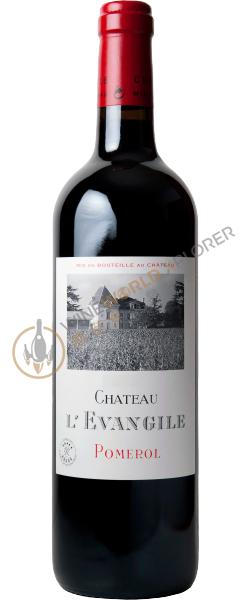
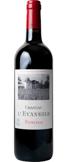
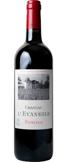
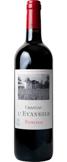
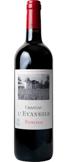
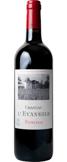
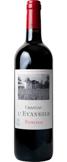
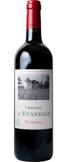
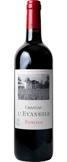
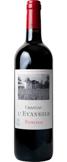
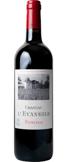
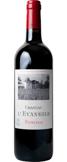
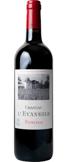
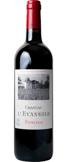
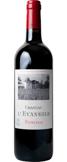
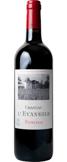
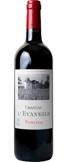
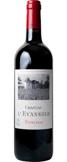
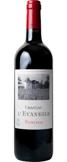
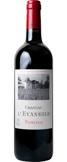
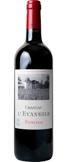
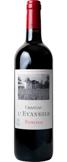
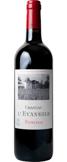
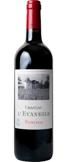
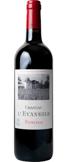
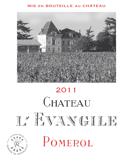
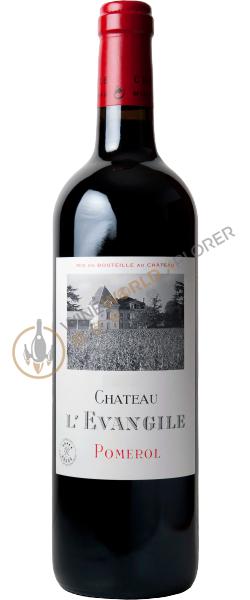
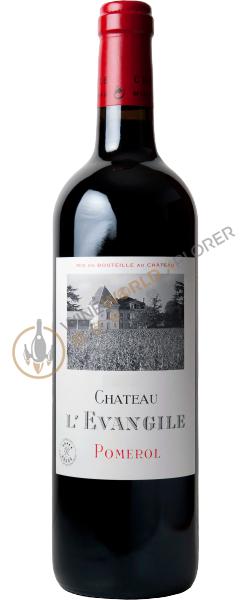
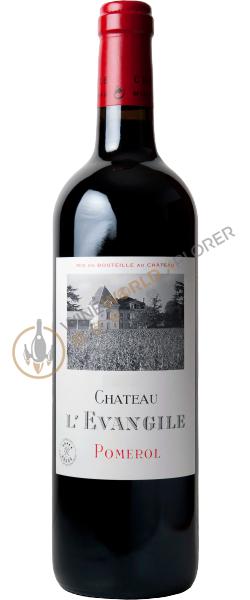
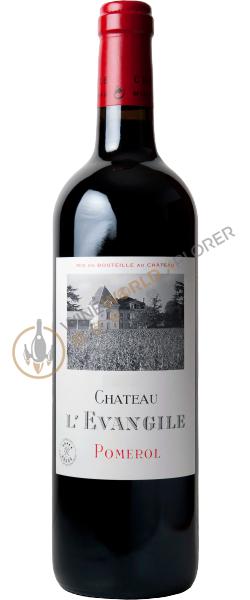
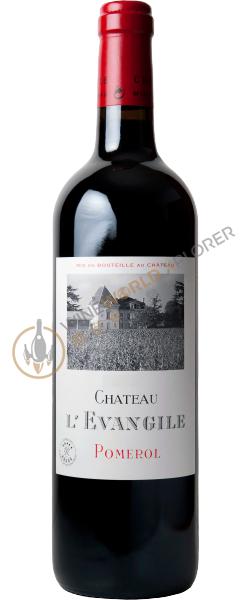
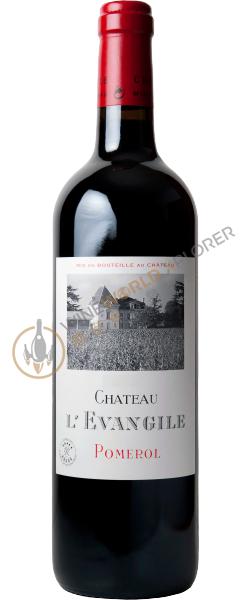
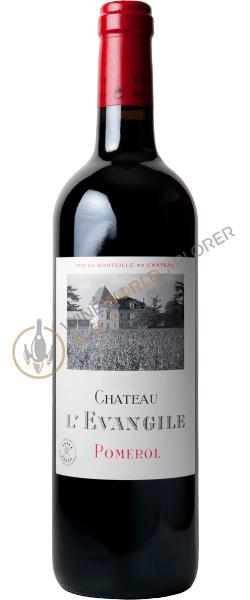
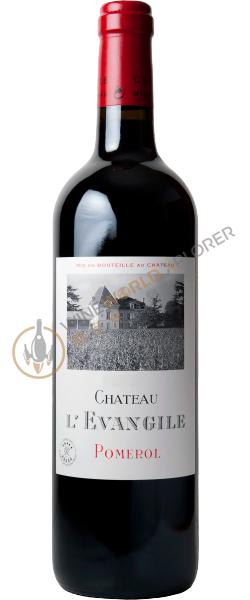
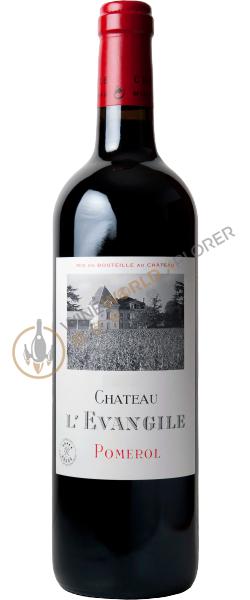
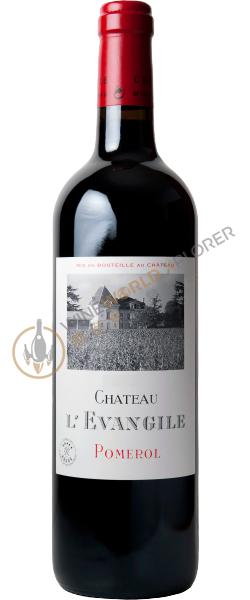
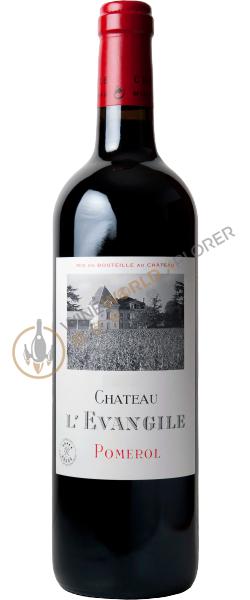
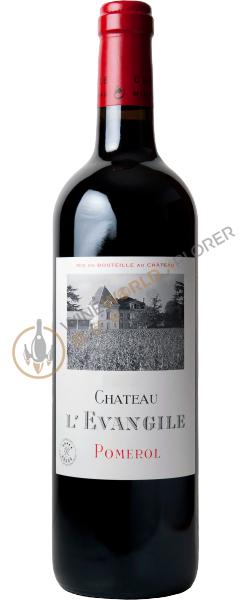
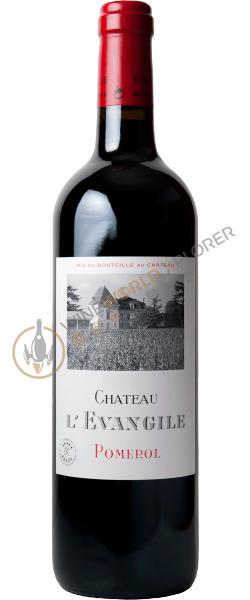
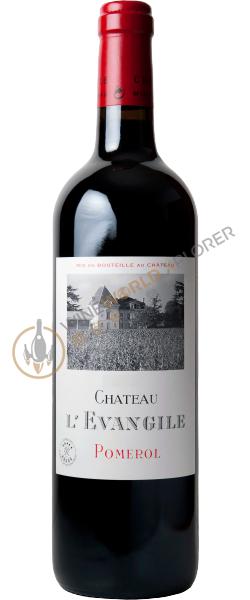
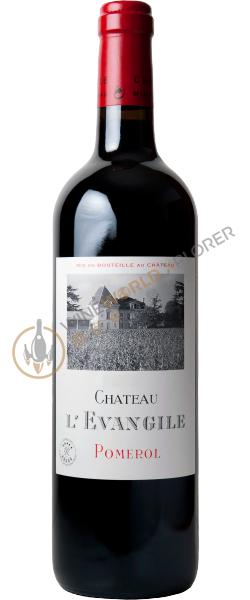
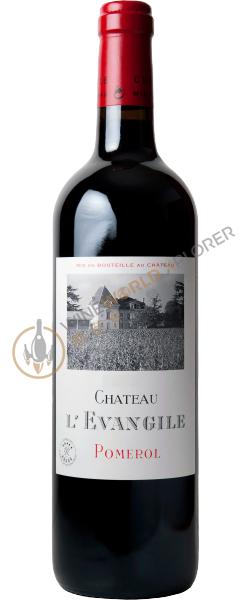
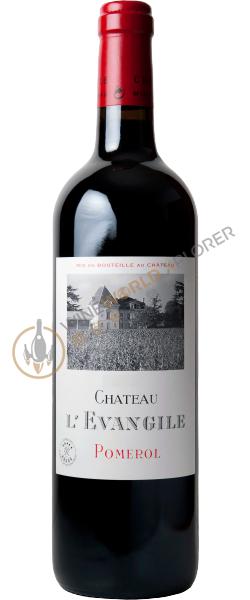
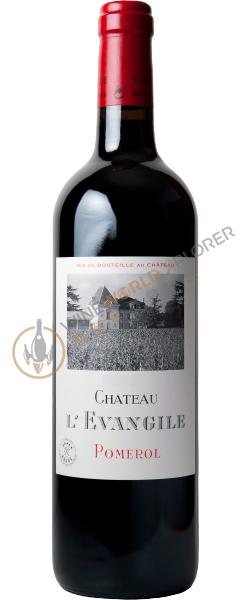
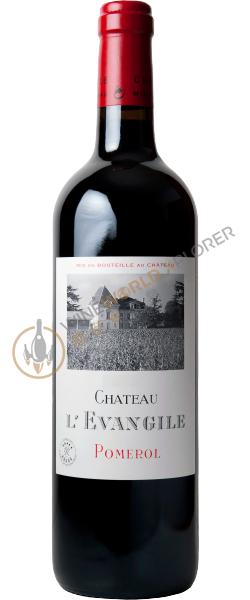
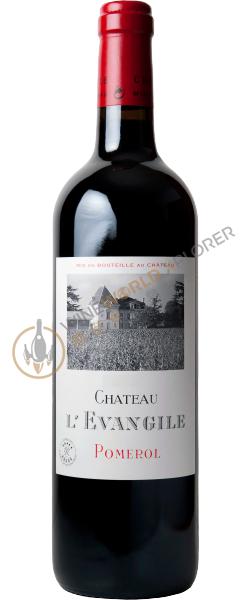
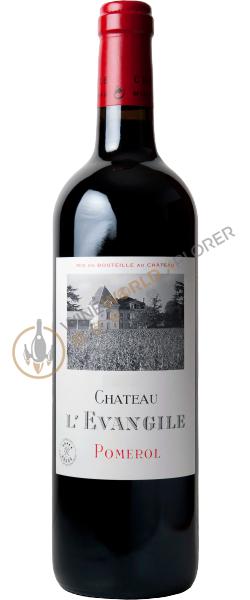
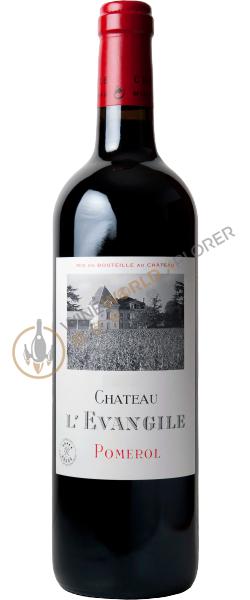
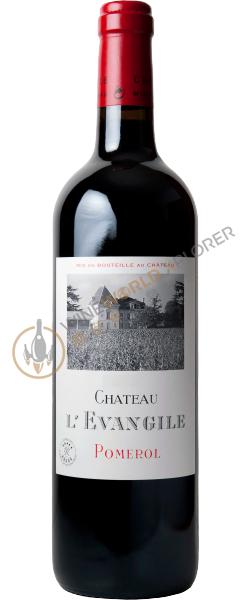
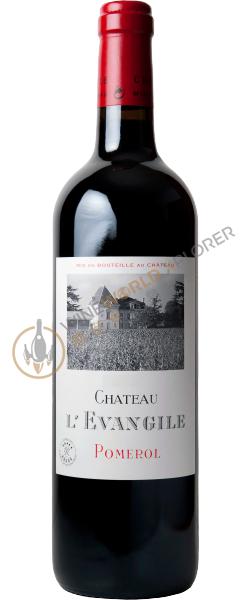
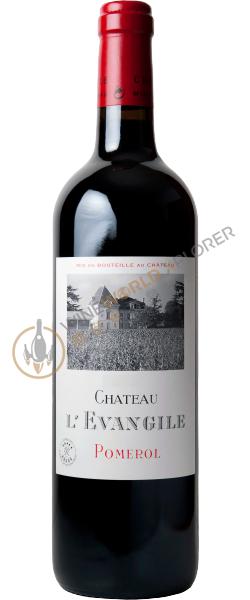
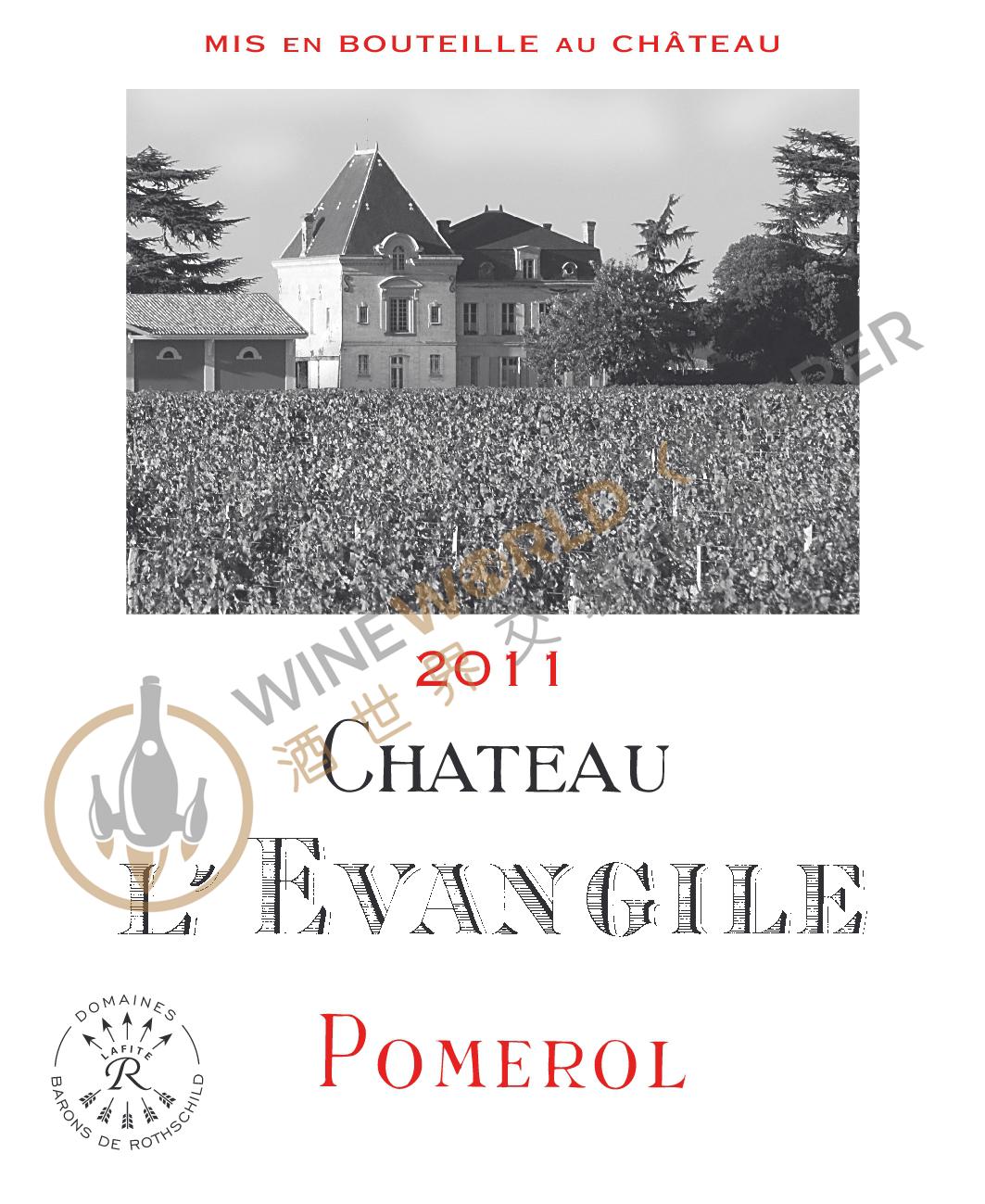
L'Evangile 2007
 View analysis


Description
Tasting notes

Reviewed by: Neal Martin
Tasted blind at the 2007 Bordeaux horizontal in Southwold. Jean-Pascale Vazart is overseeing some wonderful wines from this Pomerol stalwart and even off-vintages such as 2007 are no exception. It has fine delineation on the nose with macerated dark cherries, creme de cassis, blueberry compote and a touch of crushed stone. Fine delineation. The palate has a rounded, sensual entry, slightly lower acidity than others, caressing sumptuous dark cherry and cassis fruit towards the finish that lingers long in the mouth. Irresistible. Tasted January 2011.
Reviewed by: Neal Martin
A dark purple/garnet core. This has a very attractive nose with blackberries, plum with a Burgundian sensibility. Smooth tannins on the palate with very good structure – this is a really seductive L’Evangile with lots of vibrancy and freshness. What really distinguishes it is the harmony right on the very finish with a touch of dark chocolate and mocha lingering on the aftertaste. Certainly one of the best Pomerols. Tasted April 2008.
Reviewed by: Robert M. Parker, Jr.
This dark ruby-colored, medium-weight l’Evangile exhibits creamy blackberry and raspberry fruit, a superficial attack, but plenty of charm, silky tannin, and low acidity make for a delicious wine to drink over the next 7-8 years.
Reviewed by: Robert M. Parker, Jr.
Rated - No tasting note given.
About the Producer
Chateau L'Evangile is one of the most famous châteaux in the Pomerol region of Bordeaux, France. In the mid-18th century, Chateau L'Evangile was owned by the Leglise family of Libourne, and its name, "Fazilleau", was recorded in the 1741 land register. At the beginning of the 19th century, the estate was bought by a lawyer named Isambert and renamed Chateau L'Evangile. Evangile is the French word for "gospel", and the renamed estate lived up to its name, becoming a true "gospel" of the Pomerol region. In 1862, Paul Chaperon acquired Chateau L'Evangile and made it famous through a series of efforts to give it a distinctive Second Empire style of architecture. In the second edition of Cocks Et Feret in 1868, Chateau L'Evangile was listed as a Premier Cru in the Haut-Pomerol region. After Chabron's death, his daughter inherited the estate, which she then brought to her husband's family, the Ducasse family, who ran the estate until 1990. In 1990, the estate was acquired by Domaines Barons de Rothschild Lafite. Immediately after taking over, the group began a comprehensive reform and upgrading of the estate. The first steps included a more careful selection of the grapes used to make the main wine and the creation of Blason de L'Evangile, Pomerol, France, as a secondary wine. In addition, the renovation measures included a comprehensive reorganization plan: delaying the harvest as much as possible so that the grapes would be as ripe as possible, and controlling yields to a maximum of 4,500 liters per hectare in order to improve the quality of the vines, which was partially completed in 1998. 2004 saw the completion of the renovation of the winery and cellars, and the creation of a new layout for the estate. These vintages produced wines of excellent quality. Chateau L'Evangile is located in a unique location. The vineyard covers 22 hectares of sandy clay and gravel soils with a high iron content subsoil. The vineyard is planted with 80% Merlot and the remaining 20% Cabernet Franc. The vineyard's production is limited, and harvesting and many other tasks are done by hand. The winery employs Michel Rolland, the famous "flying winemaker", as a winemaking consultant. Under the management of the Lafite Group, the grapes from each parcel are divided into different lots in order to determine their potential for full-fledged wines at the final stage of fermentation. All aspects of the winemaking process are closely integrated with traditional techniques and proven modern technologies. During the fermentation process, the winery performs drenching and maceration, during which the wine is tasted several times. After fermentation, the wines are aged in oak barrels for 18 months. Due to the small size of the vineyard, the average annual production of the winery is 5,000 cases. Robert Parker, the famous wine critic, has praised Le Vin de Guignol as the "star of the future" of Pomerol and believes that it has the potential to grow even more under the leadership of Lafite. A book published many years ago, Grands Vins de Bordeaux, described the wines produced by the Rocquières as "full-bodied, elegant, and with unparalleled finesse."
1964(1)1967(1)1972(2)1975(1)1979(2)1981(3)1982(1)1983(1)1986(1)1989(5)1990(2)1994(3)1995(5)1997(1)1998(3)1999(1)2000(7)2001(3)2002(2)2004(1)2005(8)2006(8)
Package Size