Wine Advisor



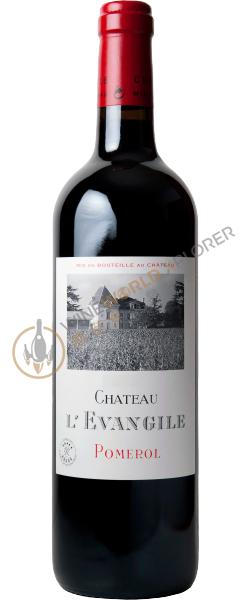
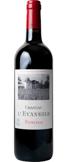
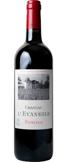
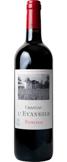
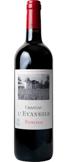
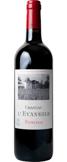
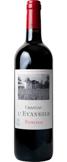
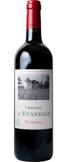
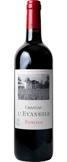
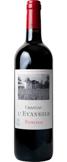
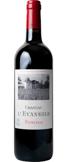
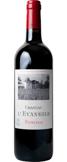
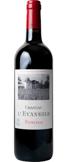
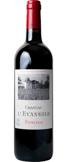
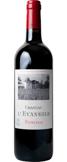
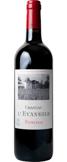
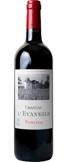
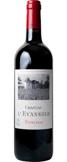
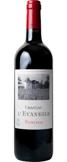
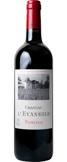
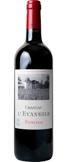
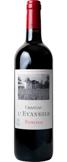
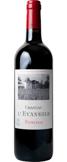
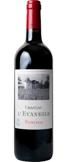
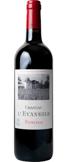
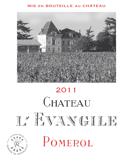
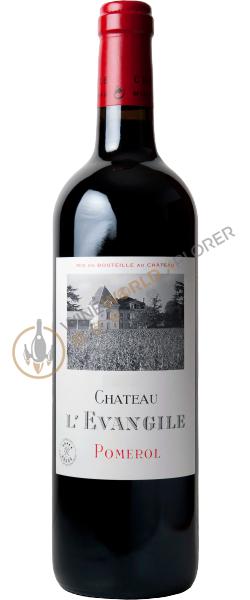
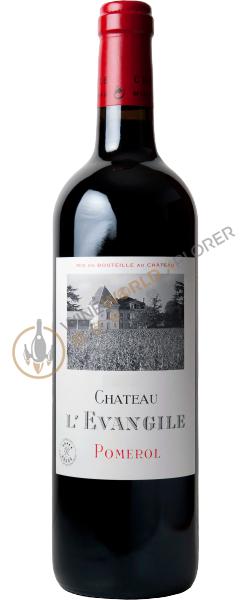
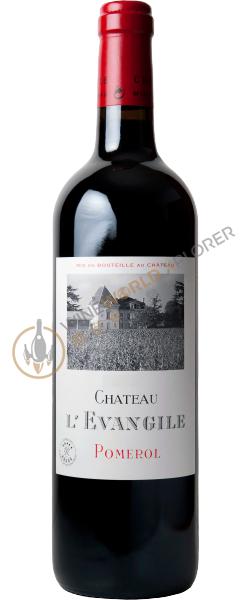
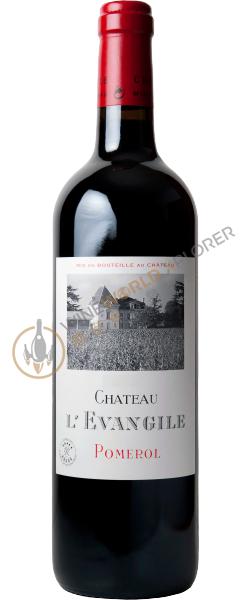
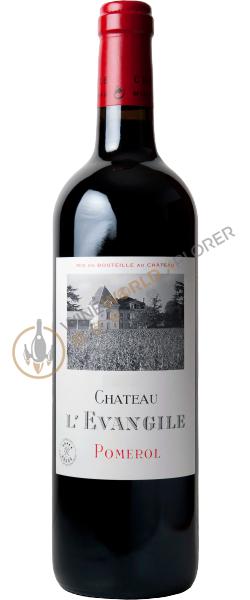
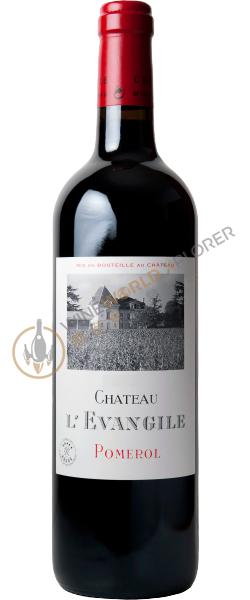
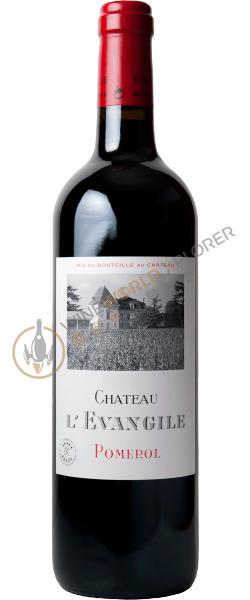
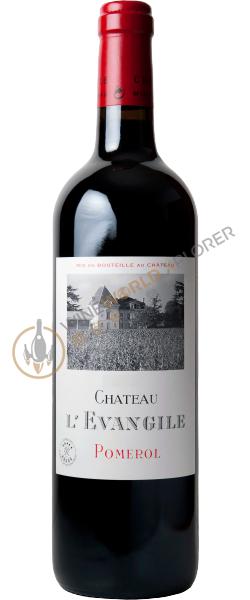
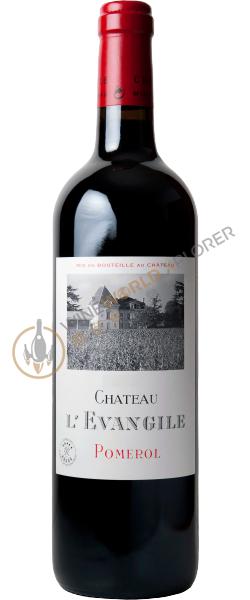
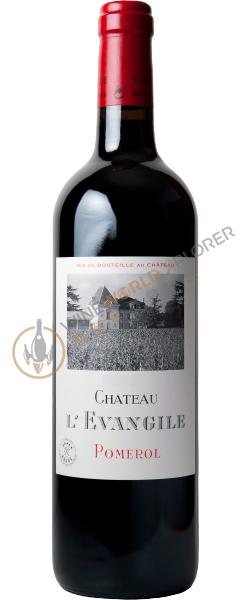
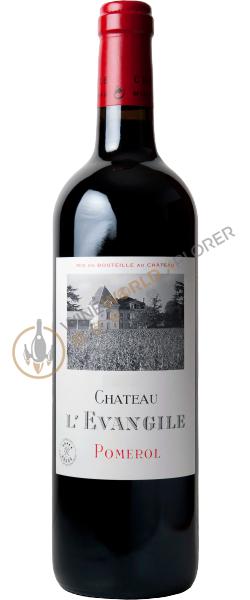
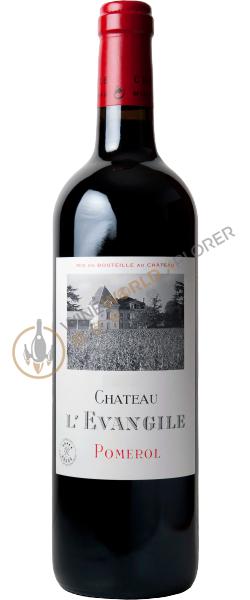
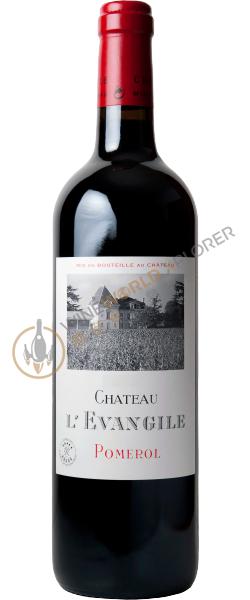
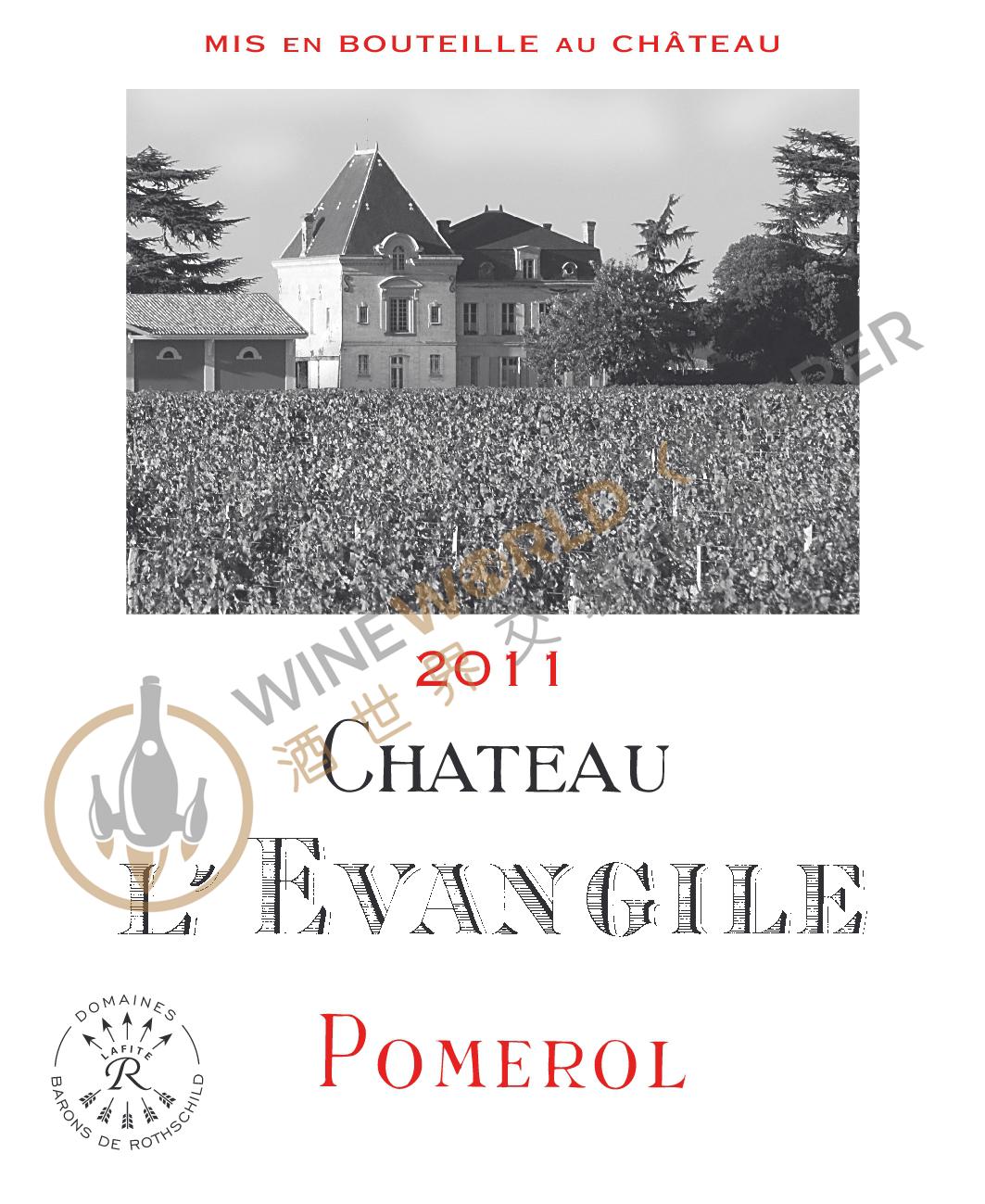
L'Evangile 2002
 View analysis


Description
Tasting notes

Reviewed by: Robert M. Parker, Jr.
One of the most impressive Pomerols of the vintage, the deep ruby/purple-colored 2002 l’Evangile (75% Merlot and 25% Cabernet Franc) exhibits big, sweet aromas of blackberries, raspberries, and hints of earth as well as truffles. It possesses admirable depth and palate persistence, medium body, outstanding freshness, rich, ripe fruit, good underlying acidity, and a nicely layered finish. I would have expected its nearby neighbor, Cheval Blanc, to perform this well. Kudos to l’Evangile’s manager, Jean-Pascal Vazart, for a commendable job with his first vintage. Anticipated maturity: 2007-2018. P.S. Now that the Rothschilds (of Lafite-Rothschild fame) are the sole owners of l’Evangile, it bears mentioning one more time that this property is going to soar in both quality and price. It will unquestionably become, if it has not already done so, one of the two or three finest wines of the appellation.
Reviewed by: Neal Martin
The nose is very closed. Medium bodied palate, quite toasty with delicate black fruits, liquorice and tar. Not a powerful wine like usual from L'Evangile, far more reserved and a bit jammy on the finish. A decent wine but not by L'Evangile's standards. Tasted April 2003.
Reviewed by: Stephen Tanzer
Good deep ruby-red. Currant, roasted plum and oak notes of chocolate and coconut on the nose. Then bright, pure and atypically powerful, with penetrating berry and mineral flavors. This densely packed wine was still in barrel and had not yet been fined. Builds impressively on the finish, showing rather fine-grained tannins and lingering fruit and mineral nuances.
Reviewed by: Stephen Tanzer
Saturated medium ruby. Very precise, vibrant aromas of blackberry, black cherry, violet, licorice and bitter chocolate. Supple on entry, then juicy and primary, with bright but well-integrated acidity framing the dark berry, licorice and floral flavors. Showing a lovely restrained sweetness and considerable class. Finishes with lush, spreading tannins and excellent mouth coverage.
Reviewed by: Robert M. Parker, Jr.
A successful wine for a Right Bank Pomerol, this is an elegant but strongly constituted, medium-bodied L’Evangile with a deep ruby/purple-tinged color, sweet blackberry, raspberry notes, with a distinctive earthiness, medium body, surprising potency (13.8% alcohol) and a long finish with sweet tannin. The blend in 2002, according to Jean Pascal Vazart, was 78% Merlot and 22% Cabernet Franc. The tannins are sweeter than I would have thought, so I suspect this wine will drink well early, but have good keeping qualities. Anticipated maturity: 2007-2017.
Reviewed by: James Suckling
Subtle aromas of fresh herbs, pipe tobacco and orange peel. Medium body, slightly thin and meagre now but some pleasant berry, orange peel and chocolate undertones. Needs drinking. Hurry up.
About the Producer
Chateau L'Evangile is one of the most famous châteaux in the Pomerol region of Bordeaux, France. In the mid-18th century, Chateau L'Evangile was owned by the Leglise family of Libourne, and its name, "Fazilleau", was recorded in the 1741 land register. At the beginning of the 19th century, the estate was bought by a lawyer named Isambert and renamed Chateau L'Evangile. Evangile is the French word for "gospel", and the renamed estate lived up to its name, becoming a true "gospel" of the Pomerol region. In 1862, Paul Chaperon acquired Chateau L'Evangile and made it famous through a series of efforts to give it a distinctive Second Empire style of architecture. In the second edition of Cocks Et Feret in 1868, Chateau L'Evangile was listed as a Premier Cru in the Haut-Pomerol region. After Chabron's death, his daughter inherited the estate, which she then brought to her husband's family, the Ducasse family, who ran the estate until 1990. In 1990, the estate was acquired by Domaines Barons de Rothschild Lafite. Immediately after taking over, the group began a comprehensive reform and upgrading of the estate. The first steps included a more careful selection of the grapes used to make the main wine and the creation of Blason de L'Evangile, Pomerol, France, as a secondary wine. In addition, the renovation measures included a comprehensive reorganization plan: delaying the harvest as much as possible so that the grapes would be as ripe as possible, and controlling yields to a maximum of 4,500 liters per hectare in order to improve the quality of the vines, which was partially completed in 1998. 2004 saw the completion of the renovation of the winery and cellars, and the creation of a new layout for the estate. These vintages produced wines of excellent quality. Chateau L'Evangile is located in a unique location. The vineyard covers 22 hectares of sandy clay and gravel soils with a high iron content subsoil. The vineyard is planted with 80% Merlot and the remaining 20% Cabernet Franc. The vineyard's production is limited, and harvesting and many other tasks are done by hand. The winery employs Michel Rolland, the famous "flying winemaker", as a winemaking consultant. Under the management of the Lafite Group, the grapes from each parcel are divided into different lots in order to determine their potential for full-fledged wines at the final stage of fermentation. All aspects of the winemaking process are closely integrated with traditional techniques and proven modern technologies. During the fermentation process, the winery performs drenching and maceration, during which the wine is tasted several times. After fermentation, the wines are aged in oak barrels for 18 months. Due to the small size of the vineyard, the average annual production of the winery is 5,000 cases. Robert Parker, the famous wine critic, has praised Le Vin de Guignol as the "star of the future" of Pomerol and believes that it has the potential to grow even more under the leadership of Lafite. A book published many years ago, Grands Vins de Bordeaux, described the wines produced by the Rocquières as "full-bodied, elegant, and with unparalleled finesse."
1964(1)1967(1)1972(2)1975(1)1979(2)1981(3)1982(1)1983(1)1986(1)1989(5)1990(2)1994(3)1995(5)1997(1)1998(3)1999(1)2000(7)2001(3)
Package Size