Wine Advisor



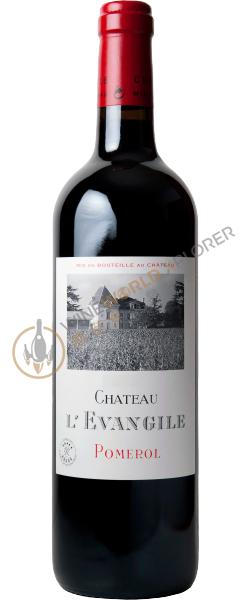
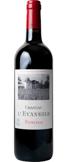
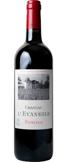
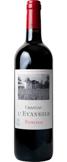
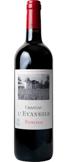
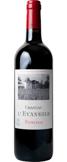
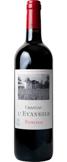
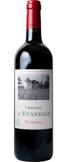
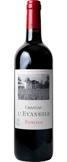
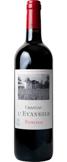
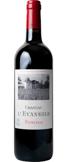
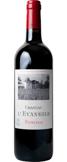
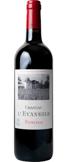
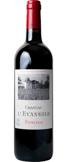
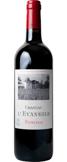
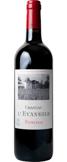
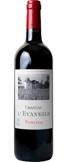
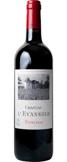
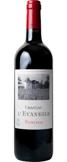
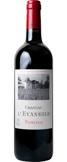
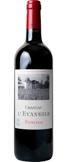
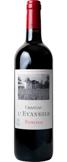
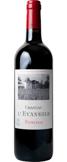
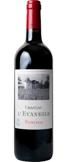
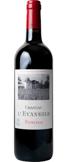
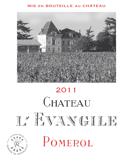
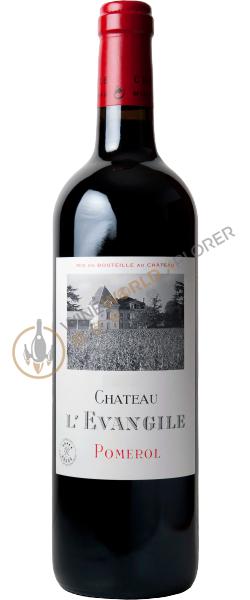
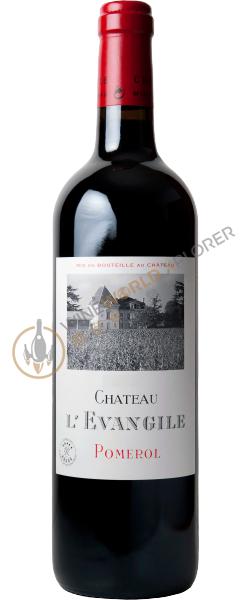
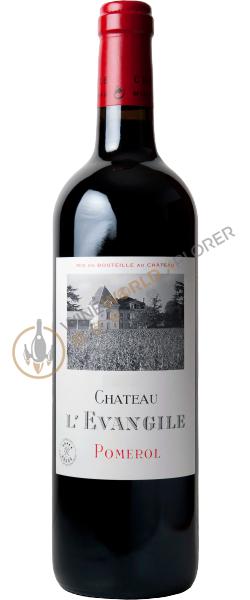
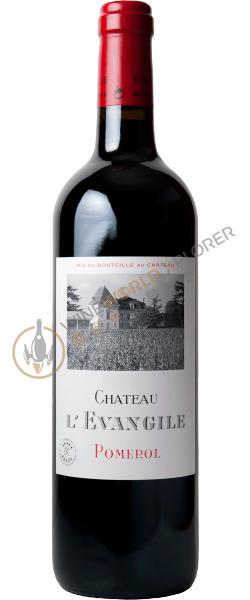
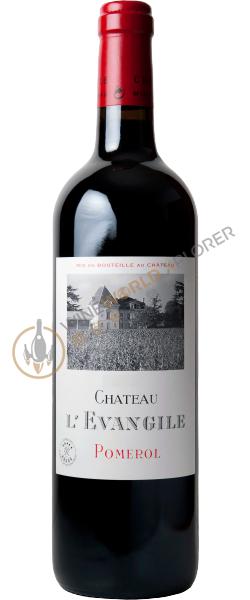
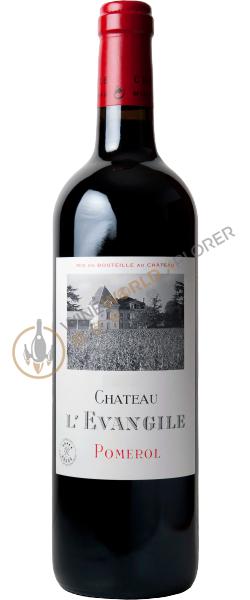
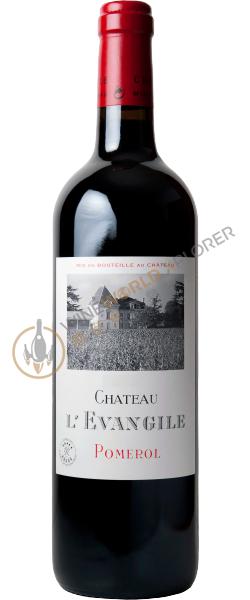
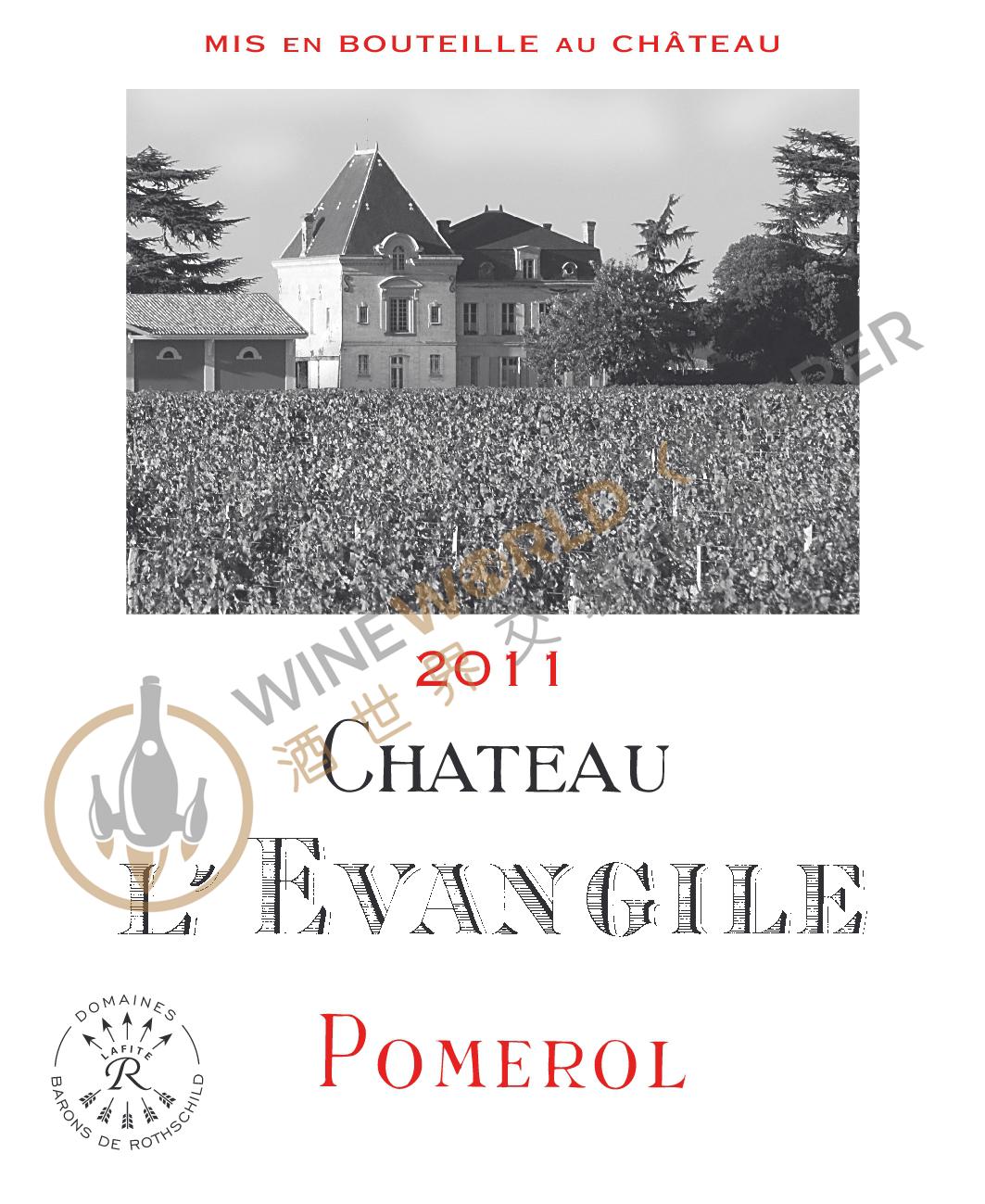
L'Evangile 2000
 View analysis


Description
Tasting notes

Reviewed by: Robert M. Parker, Jr.
This fabulous L'Evangile rivals such recent great vintages as 1998, 1995, 1990, and of course, 1982. With aeration, the thick, unctuous, saturated purple color is followed by scents of blueberries, blackberries, truffles, acacia flowers, tar, and graphite. Full-bodied, with tremendous opulence, intensity, and purity as well as silky tannin and a long, powerful, concentrated finish, with a hint of cocoa/chocolate, I initially thought this was a modern-day clone of the 1975, but now I am not so sure. The 2000 is a prodigious, intense, powerful offering, but the tannins are clearly sweeter than those of the controversial 1975. I kept a bottle of this wine open for 11 days, re-corking each evening after pouring an ounce or two for evaluation. The wine simply refused to oxidize, hitting its stride on day 3, and then beginning to drop some fruit by day 8. Anticipated maturity: 2008-2030+.
Reviewed by: Robert M. Parker, Jr.
My handwritten notes on the 2000 began with the words "awesome stuff." An inky purple color is accompanied by scents of violets, blueberries, blackberries, cassis, graphite, and truffles. Aromatically, it is the finest young l'Evangile I have ever smelled. Splendidly rich and full-bodied, with great intensity, exquisite purity, astonishing harmony, and a blockbuster finish that lasts nearly a minute, this is a potential legend in the making. L'Evangile reveals more grip and tannin this year, making my comments of last year that this was "a clone of the spectacular 1975" look increasingly accurate. Patience will be required, but, wow, this is a prodigious effort. Now that Madame Ducasse has passed away, and the Rothschilds (of Lafite fame) have total control, look for this property to frequently rival and/or surpass Petrus. The terroir is there, and the 20% Cabernet Franc typically included in the blend gives it the potential for additional nuances.
Reviewed by: Neal Martin
"Massive grip, very long, a top 2000" I wrote en primeur. Again in September 2003 at Farr's 2000 horizontal: A very similar nose to L'Eglise-Clinet, more backward with a little liquorice. Maybe the nose doesn't quite have the depth of the above. The palate is huge, tannic, and backward with a dense core of spicy blackcurrants at the centre. This will be a long-lived wine. Stunning. Finally in September 2005. A deeper colour than the 1998. A dense, concentrated cedary nose that unfurls with hints of liquorice and pure blackberry, cassis fruit. The palate is strong and burly with a dense, spicy core and high extraction. Very good acidity, firm, with a metallic note on the finish and a pain grille aftertaste. Outstanding wine.
Reviewed by: Robert M. Parker, Jr.
This is an absolutely spectacular L’Evangile. It remains to be seen whether 2009 will eclipse this great effort. Largely a Merlot-dominated blend with some Cabernet Franc in it, the greatness of this terroir is exhibited in the complexity of the nose, which offers up hints of subtle chocolate, blueberry, blackberry, truffle, barbecue smoke, and graphite. Dense, rich, and full-bodied, with an opulence and succulence that are prodigious, the tannins are present but extremely sweet, and the wine multi-dimensional and just emerging as a compellingly complex, head-turning beauty. Drink it now and over the next 20-25 years. Kudos to L’Evangile.
Reviewed by: Robert M. Parker, Jr.
A deep ruby/purple-colored effort, the 2000 offers a gorgeous perfume of black raspberries, licorice, truffles, and creme de cassis. In the mouth, a firm, tannic structure is followed by considerable fat as well as abundant blackberry and raspberry liqueur characteristics. There is more new oak than usual, but it is well-integrated. Backward, dense, and full-bodied, patience will be required. A classic! Anticipated maturity: 2008-2030
Reviewed by: James Suckling
Lots of iodine, oyster, blueberry and blackberry aromas with hints of black olives. Some basil, too. Full body, powerful and dense with velvety tannins and fantastic length and intensity. A rich wine yet shows focus and form. Beautiful now and still showing impressive youth. There is a warmth to it. Drink or hold for years to come.
About the Producer
Chateau L'Evangile is one of the most famous châteaux in the Pomerol region of Bordeaux, France. In the mid-18th century, Chateau L'Evangile was owned by the Leglise family of Libourne, and its name, "Fazilleau", was recorded in the 1741 land register. At the beginning of the 19th century, the estate was bought by a lawyer named Isambert and renamed Chateau L'Evangile. Evangile is the French word for "gospel", and the renamed estate lived up to its name, becoming a true "gospel" of the Pomerol region. In 1862, Paul Chaperon acquired Chateau L'Evangile and made it famous through a series of efforts to give it a distinctive Second Empire style of architecture. In the second edition of Cocks Et Feret in 1868, Chateau L'Evangile was listed as a Premier Cru in the Haut-Pomerol region. After Chabron's death, his daughter inherited the estate, which she then brought to her husband's family, the Ducasse family, who ran the estate until 1990. In 1990, the estate was acquired by Domaines Barons de Rothschild Lafite. Immediately after taking over, the group began a comprehensive reform and upgrading of the estate. The first steps included a more careful selection of the grapes used to make the main wine and the creation of Blason de L'Evangile, Pomerol, France, as a secondary wine. In addition, the renovation measures included a comprehensive reorganization plan: delaying the harvest as much as possible so that the grapes would be as ripe as possible, and controlling yields to a maximum of 4,500 liters per hectare in order to improve the quality of the vines, which was partially completed in 1998. 2004 saw the completion of the renovation of the winery and cellars, and the creation of a new layout for the estate. These vintages produced wines of excellent quality. Chateau L'Evangile is located in a unique location. The vineyard covers 22 hectares of sandy clay and gravel soils with a high iron content subsoil. The vineyard is planted with 80% Merlot and the remaining 20% Cabernet Franc. The vineyard's production is limited, and harvesting and many other tasks are done by hand. The winery employs Michel Rolland, the famous "flying winemaker", as a winemaking consultant. Under the management of the Lafite Group, the grapes from each parcel are divided into different lots in order to determine their potential for full-fledged wines at the final stage of fermentation. All aspects of the winemaking process are closely integrated with traditional techniques and proven modern technologies. During the fermentation process, the winery performs drenching and maceration, during which the wine is tasted several times. After fermentation, the wines are aged in oak barrels for 18 months. Due to the small size of the vineyard, the average annual production of the winery is 5,000 cases. Robert Parker, the famous wine critic, has praised Le Vin de Guignol as the "star of the future" of Pomerol and believes that it has the potential to grow even more under the leadership of Lafite. A book published many years ago, Grands Vins de Bordeaux, described the wines produced by the Rocquières as "full-bodied, elegant, and with unparalleled finesse."
1964(1)1967(1)1972(2)1975(1)1979(2)1981(3)1982(1)1983(1)1986(1)1989(5)1990(2)1994(3)1995(5)1997(1)1998(3)1999(1)
Package Size
1 x 75cl