Wine Advisor



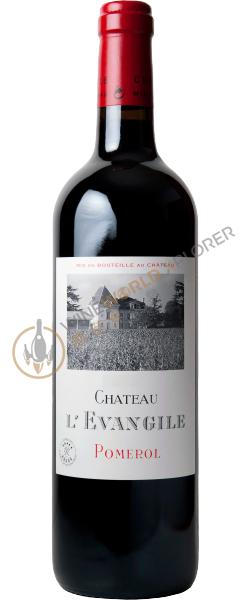
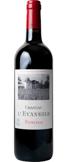
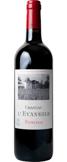
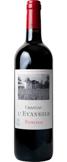
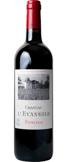
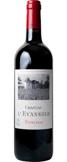
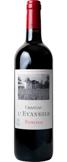
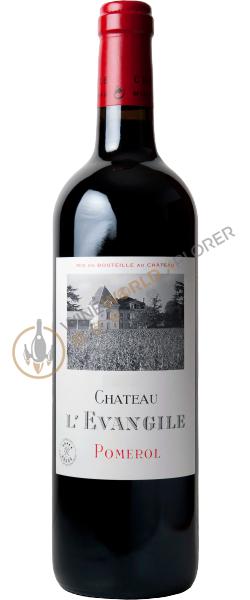
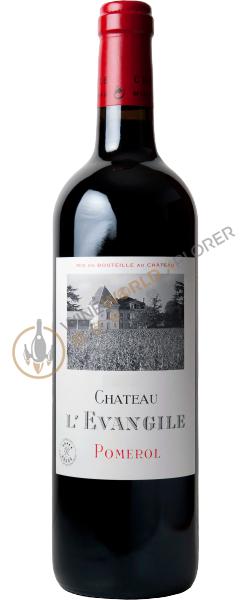
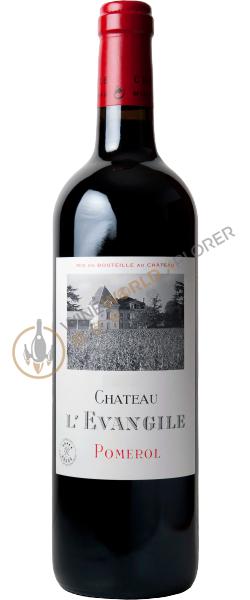
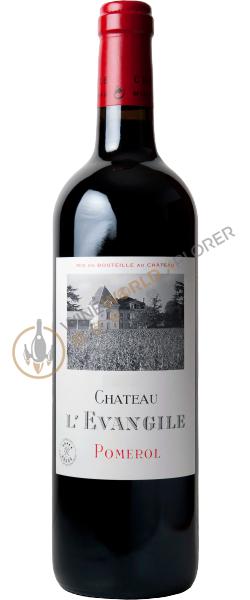
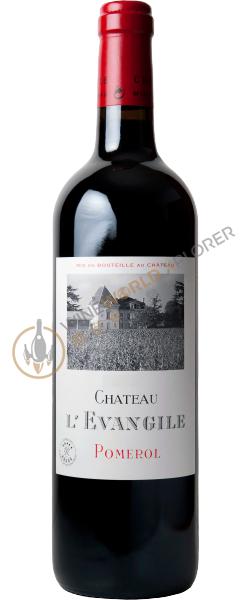
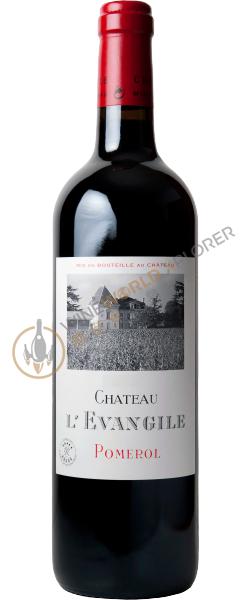
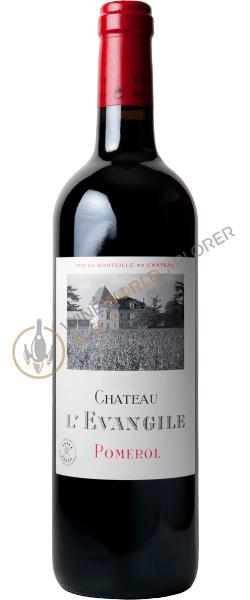
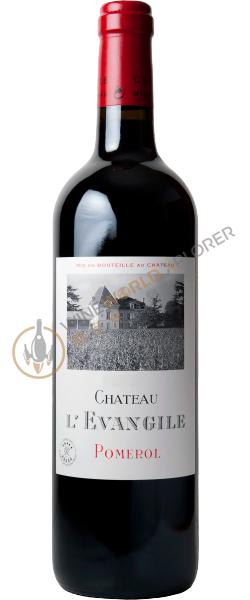
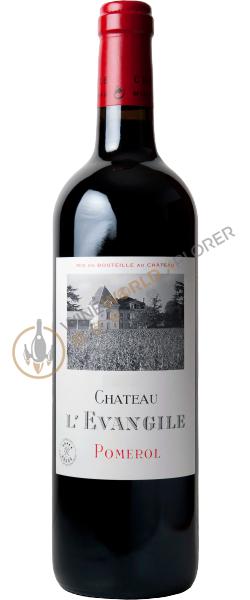
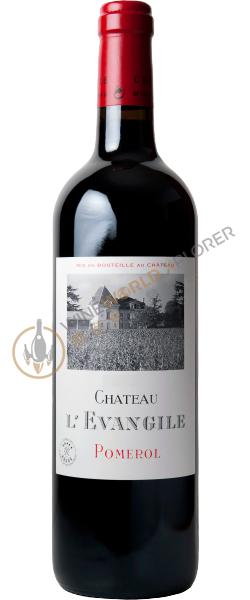
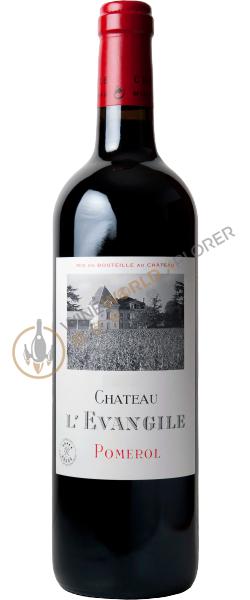
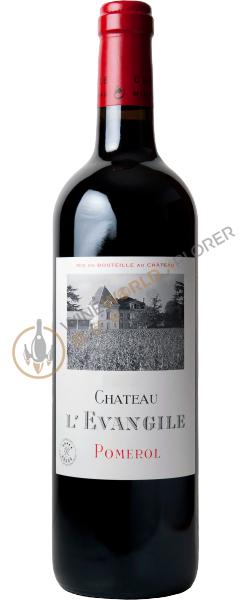
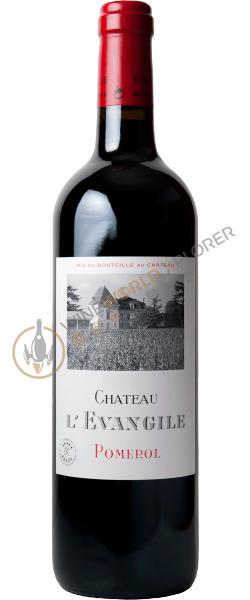
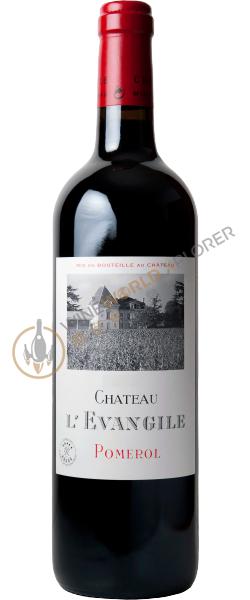
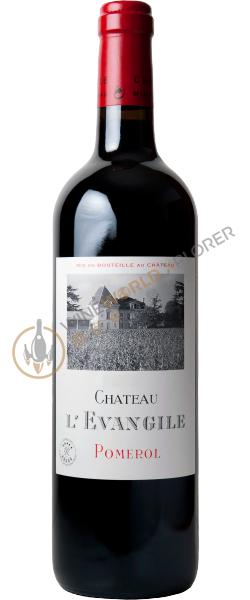
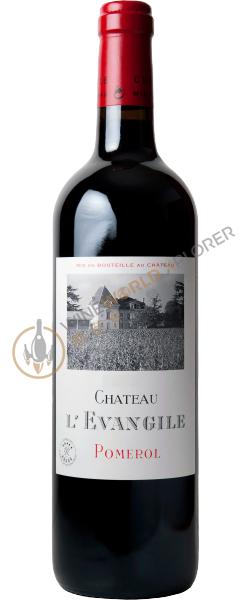
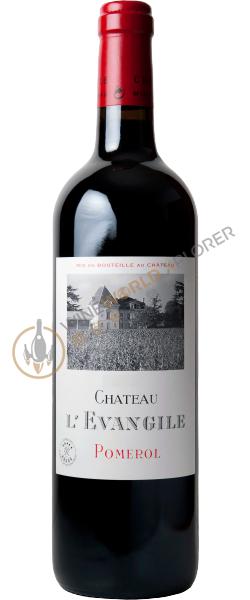
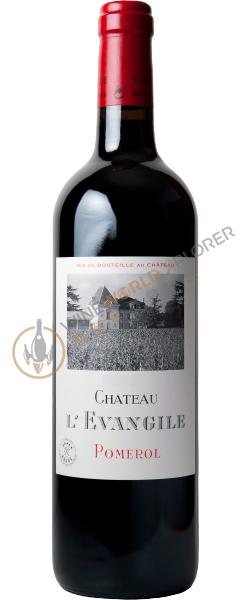
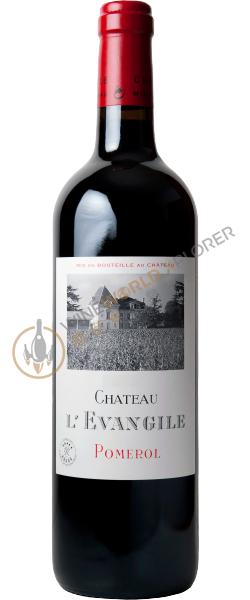
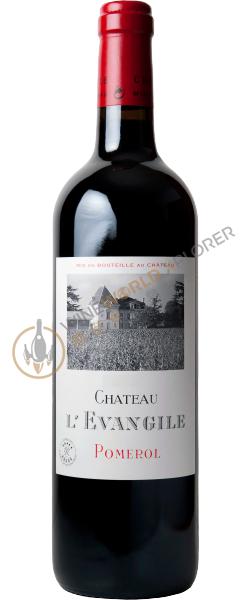
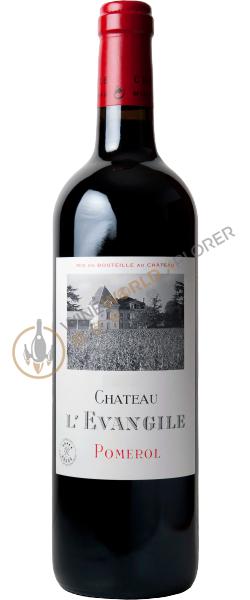
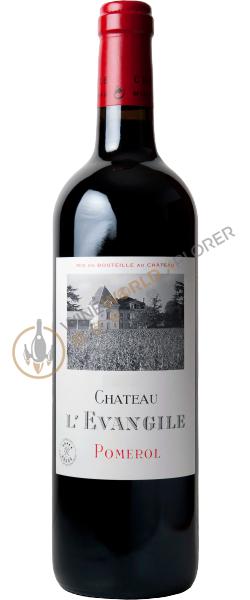
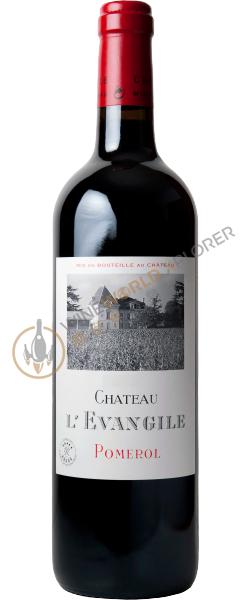
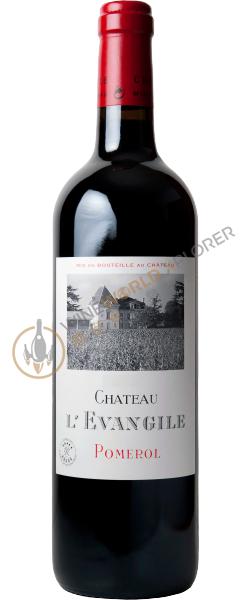
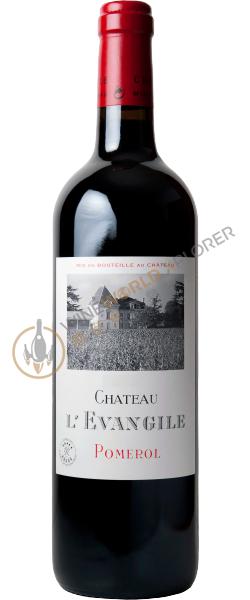
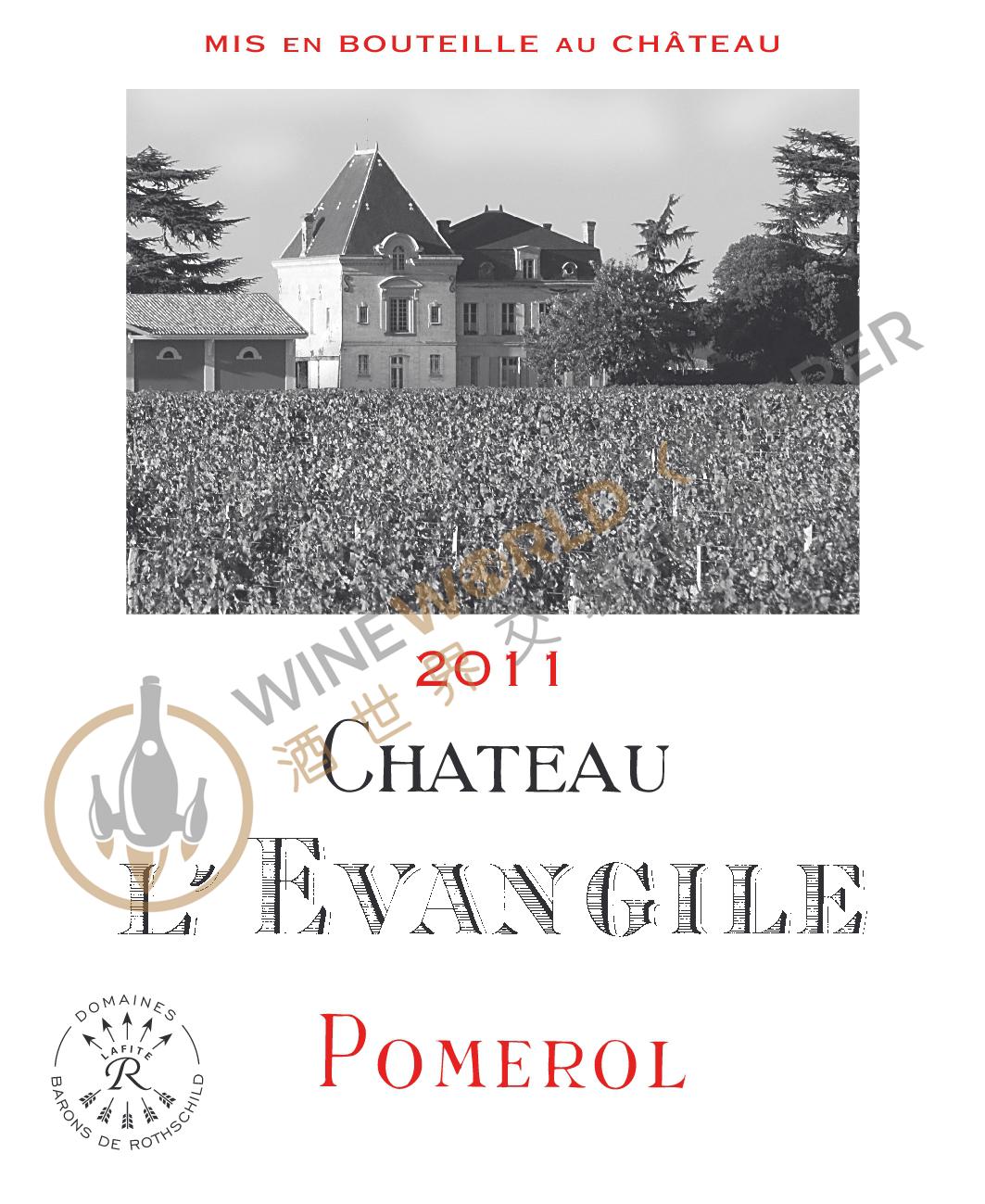
L'Evangile 1990
 View analysis


Description
Tasting notes

Reviewed by: Robert M. Parker, Jr.
The 1990 could prove to be one of the finest l'Evangiles in the post-World War II era, competing with the superb wines this renowned estate produced in 1947, 1950, 1975, 1982, and 1985. This is a blockbuster, black/ruby/purple-colored wine, with a restrained but promising nose of black fruits, toffee, new oak, and minerals. It offers exceptional richness, full body, an unctuous, nearly port-like texture, and great length and depth. The fruit's massive richness nearly obscures a considerable amount of tannin. Yet this is one of the most tannic and large-scaled Pomerols of the vintage. This riveting wine resembles in weight and force the pre-1976 vintages of its neighbor, Petrus. Anticipated maturity: 1997-2015. Last tasted, 6/93.
Reviewed by: Neal Martin
Opened to celebrate Tomoko’s birthday. The ’90 L’Evangile is similar to last time we met. The is a nice lucid colour with warm tawny/amber rim. The nose is very expressive, open-knit with notes of roasted herbs, cooked meats, less prune-scented this time but with that warmth of the growing season evident. The palate is medium-bodied with a lovely soft texture, a little low in acidity, more mature than I recall, with fig and Xmas cake on the mid-palate. Warm, sensuous finish, this is a Pomerol giving everything now, so I would drink this over the next 5-7 years. Gorgeous. Tasted March 2008.
Reviewed by: Robert M. Parker, Jr.
Three bottles of the 1990 tasted recently (all from my cellar) had me perplexed about where this wine is heading. It is a complex effort with lots of cedar, sweet caramelized black raspberries and cherries as well as hints of licorice and underbrush. However, the color reveals some disturbing amber at the edge, and the wine is loosely knit on the palate without the concentration and generosity I saw three or four years ago. It is either falling apart at an accelerated pace, or it is going through an awkward state. Release price: ($500.00/case)
Reviewed by: Robert M. Parker, Jr.
The 1990 could prove to be one of the finest l'Evangiles in the post-World War II era, rivaling the superb wines this renowned estate produced in 1947, 1950, 1975, 1982, and 1985. This is a blockbuster, black/ruby/purple-colored wine, with a restrained but promising nose of black fruits, toffee, new oak, and minerals. It offers exceptional richness, full body, an unctuous, nearly port-like texture, and great length and depth. The fruit's massive richness nearly obscures a considerable amount of tannin. The truth is, this is one of the most tannic Pomerols of the vintage. This riveting wine resembles in weight and force the pre-1976 vintages of its neighbor, Petrus. Anticipated maturity: 1997-2015.
Reviewed by: Neal Martin
A mature, tawny rim with dense garnet/mahogany core. The nose is very 1990, very Pomerol with roasted meats, raisin, prune and a touch of kirsch. Not quite as complex as I hoped but still very attractive. The palate is voluptuous and decadent with low acidity. Ripe plum, fig and Xmas cake, especially on the finish that is sensuous and surprisingly elegant after a raucous entry. A captivating wine. Tasted September 2005.
Reviewed by: Robert M. Parker, Jr.
The 1990 remains one of the great modern day L'Evangiles, rivaling such superb vintages as 1995, 1985, 1982, 1975,
Reviewed by: Robert M. Parker, Jr.
Tasted 10 Times Since Bottling With Consistent Notes The 1990 could prove to be one of the finest l'Evangiles in the post-World War II era, competing with the superb wines this renowned estate produced in 1947, 1950, 1975, 1982, and 1985. This is a blockbuster, black/ruby/purple-colored wine, with a restrained but promising nose of black fruits, toffee, new oak, and minerals. It offers exceptional richness, full body, an unctuous, nearly port-like texture, and great length and depth. The fruit's massive richness nearly obscures a considerable amount of tannin. Yet this is one of the most tannic and large-scaled Pomerols of the vintage. This riveting wine resembles in weight and force the pre-1976 vintages of its neighbor, Petrus. Anticipated maturity: 1997-2015.
Reviewed by: Neal Martin
Tasted at the Dynasty restaurant in Hong Kong. The Chateau l’Evangile 1990 continues to evolve at a glacial pace. This bottle is less open than the one back in 2008, more austere with a quasi-Pauillac-like bouquet at first: cedar and graphite eventually ebbing away to reveal dried herbs and Italian dried meats. The palate is medium-bodied and more tannic than I recall and unlike other 1990 Right Banks in that it is quite linear and symmetrical, eschewing those hot summer fruits that form the leitmotif of the vintage. As they say…moody bugger! Tasted November 2011.
Reviewed by: Robert M. Parker, Jr.
A fabulous example of l’Evangile at its best. Dense ruby/purple with some amber at the edge, this wine has a gorgeous nose of black truffles intermixed with caramel, malt chocolate, sweet black raspberries, and blackberries. The wine is full-bodied, with loads of glycerin giving it a very opulent, almost viscous feel on the palate. It still tastes youthful, but has always been accessible throughout its entire life. The wine does have plenty of tannin, but most of it is concealed by the wealth of fruit extract and the wine’s viscosity. It is a sensational l’Evangile that is just beginning to develop the secondary nuances of adolescence. Anticipated maturity: Now-2024. Last tasted, 11/02.
Reviewed by: Robert M. Parker, Jr.
The 1990 could prove to be one of the greatest l'Evangiles in the post-World War II era, rivaling the superb wines this renowned estate produced in 1947, 1950, 1975, 1982, and 1985. No doubt the Rothschild family, who commenced their ownership in this vintage, decided to send a competitive message to not only the cognoscenti of Pomerol (particularly Petrus and the Moueix family), but also to wine enthusiasts throughout the world. This is a blockbuster, black/ruby/purple-colored wine, with a sensational nose of black fruits, toffee, new oak, and minerals. In the mouth, there is exceptional richness, full body, an unctuous, nearly port-like texture, and great length and depth. The fruit's massive richness obscures a considerable amount of tannin. This riveting wine resembles in weight and force the pre-1976 vintages of its neighbor, Petrus. Anticipated maturity: 1997-2015.
Reviewed by: Robert M. Parker, Jr.
The 1990 remains one of the great modern day L'Evangiles, rivaling such superb vintages as 1995, 1985, 1982, 1975, 1950, and 1947. It possesses a deep purple color, a youthful but promising nose of sweet black fruits, chocolate, caramel, truffles, and minerals. The wine is exceptionally rich and full-bodied, with admirable glycerin and thickness. Its development in the glass indicates the wine is still in a youthful, dormant stage. The finish is full of sweet fruit, with the wine's extract concealing moderate tannin. The 1990 is a fabulously pure, rich L'Evangile to drink between the turn of the century and 2020. Last tasted 11/96
Reviewed by: Neal Martin
The 1990 Château L'Evangile has not been as consistent as its 1989 counterpart (see Robert Parker's previous tasting note). Here it showed well, even if I maintain a preference for the 1989. The nose is sultry, broody and takes time to unfurl, almost reluctantly offering up sage and black truffle infused black fruit, developing a subtle aniseed-like aroma with aeration. The palate is medium-bodied with fine but firm tannin. It is not as charming as the 1989, sweeter in the mouth, fleshier perhaps. That initial rush of black fruit is usurped by red fruit towards the finish, laced with bay leaf and a pinch of white pepper. While I would broach the 1989 now, I would be inclined to reach for the 1990 with another 3-4 years. Tasted January 2016.
Reviewed by: Stephen Tanzer
Good thick red. Very ripe aromas of melting caramel, tobacco, game, cinnamon and violets. Great sweetness and spice in the mouth; dense but not quite as fat as some right-bank '90s; very stylish, actually, with decent acids. Tannins are quite firm. As accessible as this appears to be, we wouldn't be at all surprised to see it close up in the next 18-24 months.
About the Producer
Chateau L'Evangile is one of the most famous châteaux in the Pomerol region of Bordeaux, France. In the mid-18th century, Chateau L'Evangile was owned by the Leglise family of Libourne, and its name, "Fazilleau", was recorded in the 1741 land register. At the beginning of the 19th century, the estate was bought by a lawyer named Isambert and renamed Chateau L'Evangile. Evangile is the French word for "gospel", and the renamed estate lived up to its name, becoming a true "gospel" of the Pomerol region. In 1862, Paul Chaperon acquired Chateau L'Evangile and made it famous through a series of efforts to give it a distinctive Second Empire style of architecture. In the second edition of Cocks Et Feret in 1868, Chateau L'Evangile was listed as a Premier Cru in the Haut-Pomerol region. After Chabron's death, his daughter inherited the estate, which she then brought to her husband's family, the Ducasse family, who ran the estate until 1990. In 1990, the estate was acquired by Domaines Barons de Rothschild Lafite. Immediately after taking over, the group began a comprehensive reform and upgrading of the estate. The first steps included a more careful selection of the grapes used to make the main wine and the creation of Blason de L'Evangile, Pomerol, France, as a secondary wine. In addition, the renovation measures included a comprehensive reorganization plan: delaying the harvest as much as possible so that the grapes would be as ripe as possible, and controlling yields to a maximum of 4,500 liters per hectare in order to improve the quality of the vines, which was partially completed in 1998. 2004 saw the completion of the renovation of the winery and cellars, and the creation of a new layout for the estate. These vintages produced wines of excellent quality. Chateau L'Evangile is located in a unique location. The vineyard covers 22 hectares of sandy clay and gravel soils with a high iron content subsoil. The vineyard is planted with 80% Merlot and the remaining 20% Cabernet Franc. The vineyard's production is limited, and harvesting and many other tasks are done by hand. The winery employs Michel Rolland, the famous "flying winemaker", as a winemaking consultant. Under the management of the Lafite Group, the grapes from each parcel are divided into different lots in order to determine their potential for full-fledged wines at the final stage of fermentation. All aspects of the winemaking process are closely integrated with traditional techniques and proven modern technologies. During the fermentation process, the winery performs drenching and maceration, during which the wine is tasted several times. After fermentation, the wines are aged in oak barrels for 18 months. Due to the small size of the vineyard, the average annual production of the winery is 5,000 cases. Robert Parker, the famous wine critic, has praised Le Vin de Guignol as the "star of the future" of Pomerol and believes that it has the potential to grow even more under the leadership of Lafite. A book published many years ago, Grands Vins de Bordeaux, described the wines produced by the Rocquières as "full-bodied, elegant, and with unparalleled finesse."
1964(1)1967(1)1972(2)1975(1)1979(2)1981(3)1982(1)1983(1)1986(1)1989(5)
Package Size