Wine Advisor



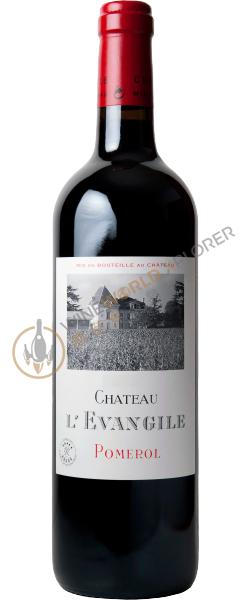
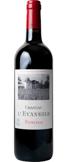
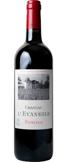
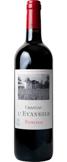
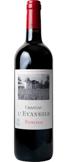
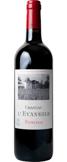
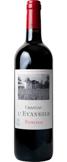
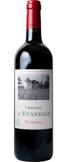
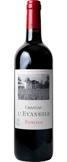
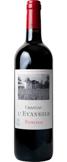
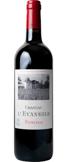
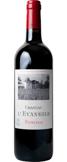
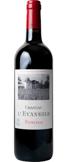
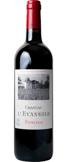
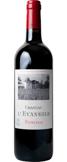
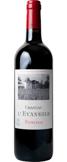
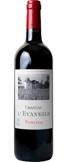
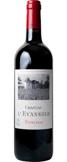
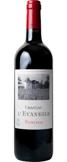
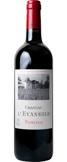
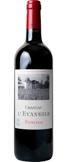
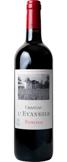
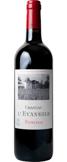
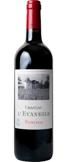
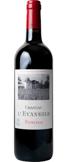
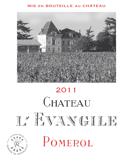
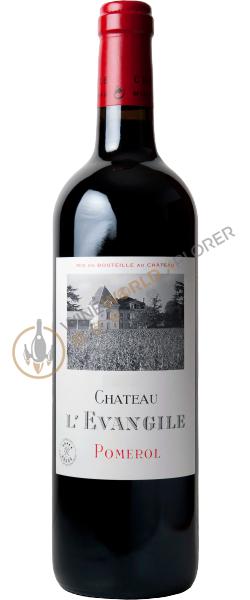
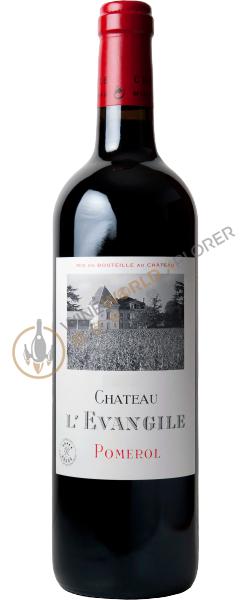
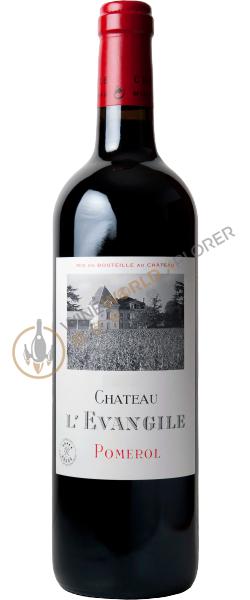
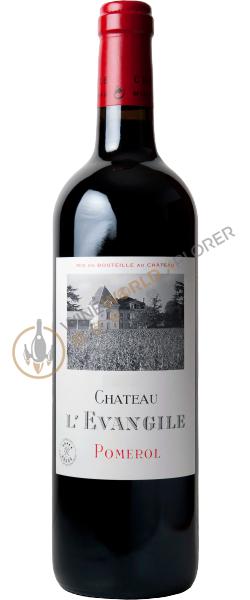
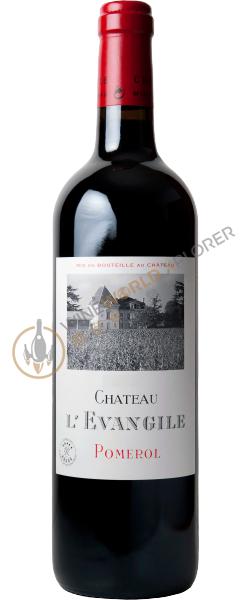
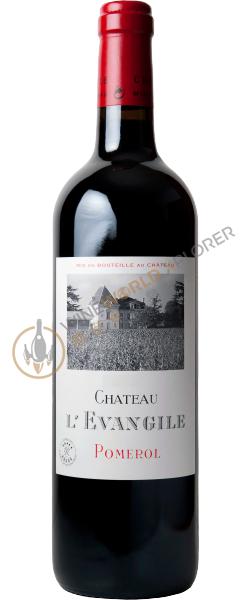
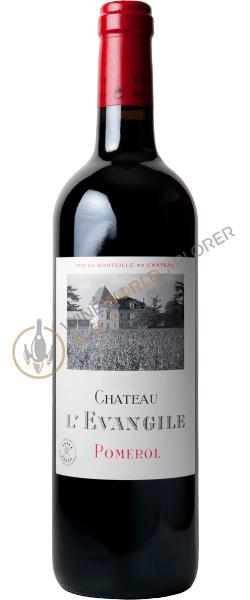
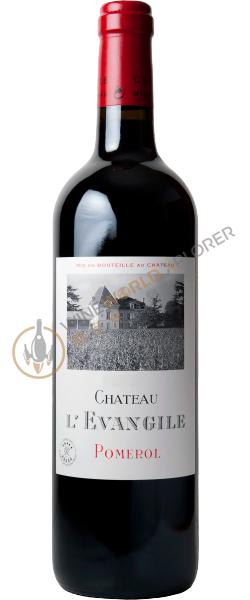
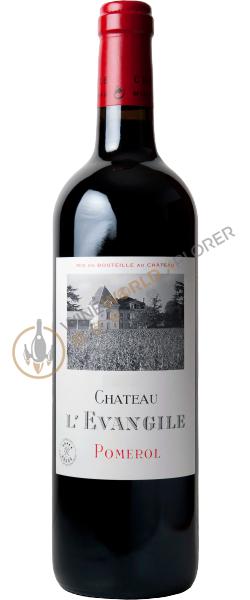
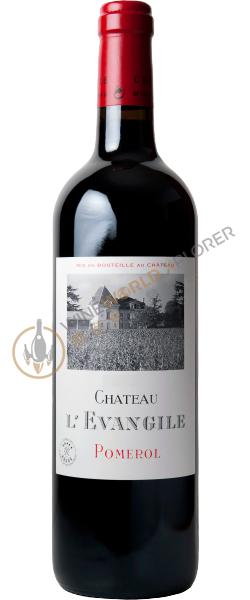
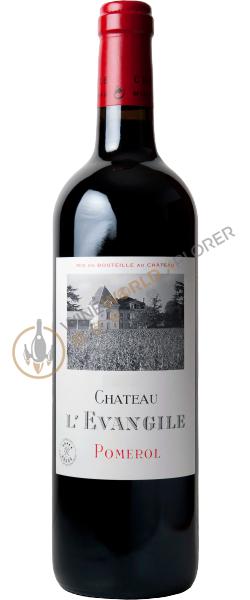
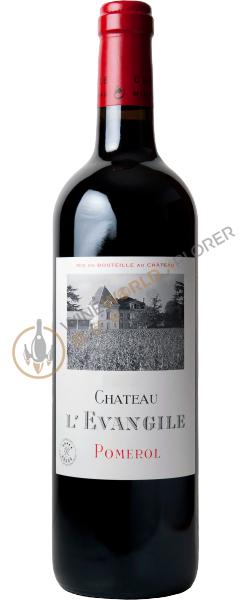
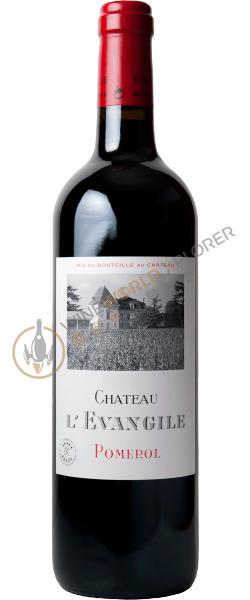
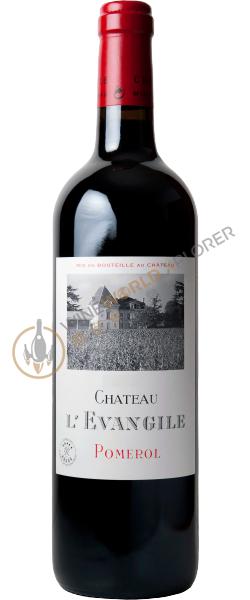
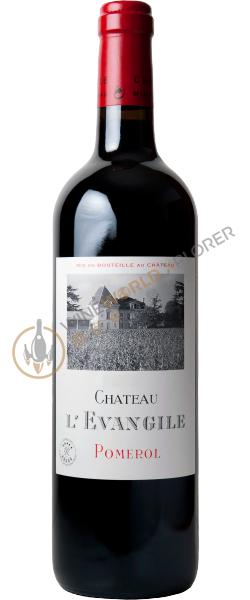
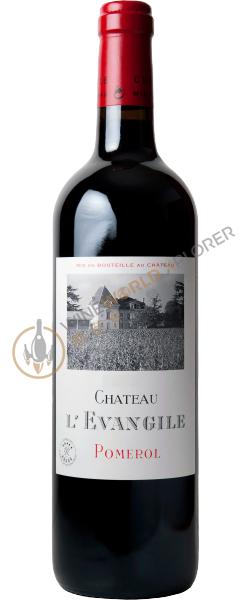
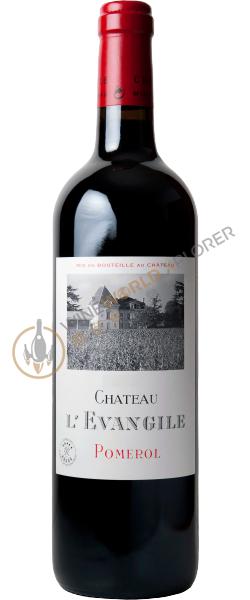
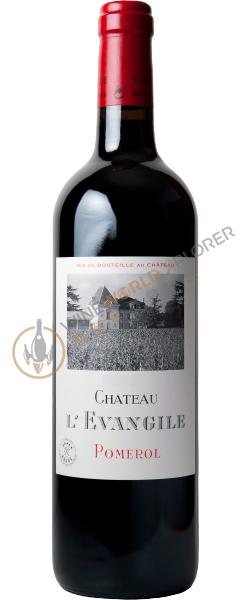
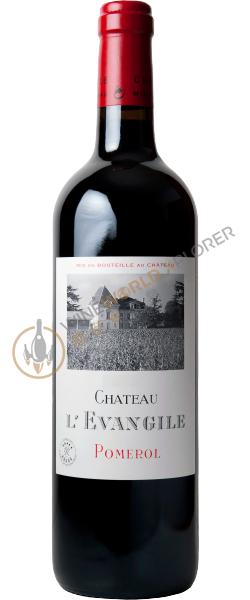
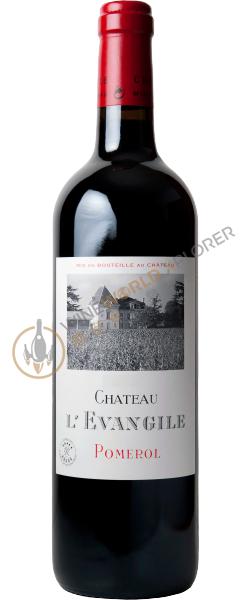
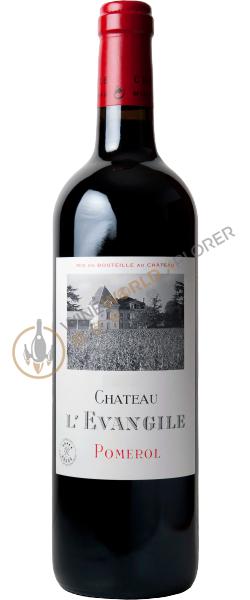
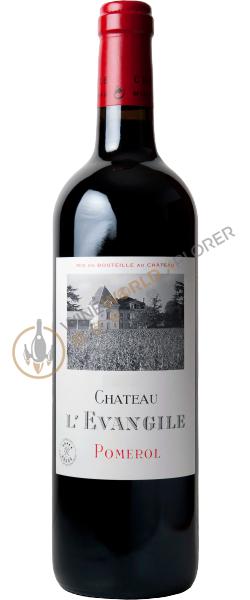
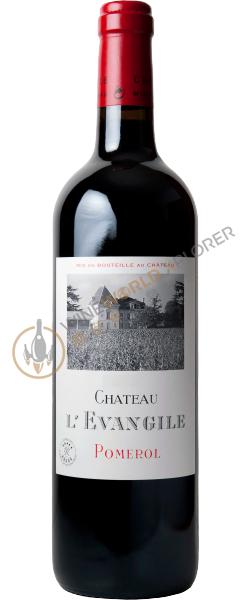
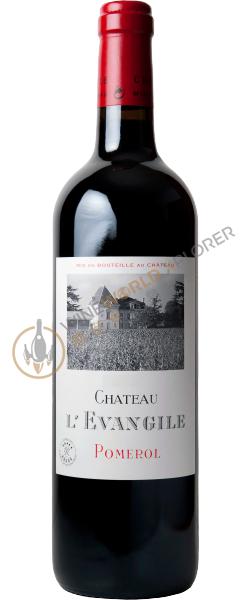
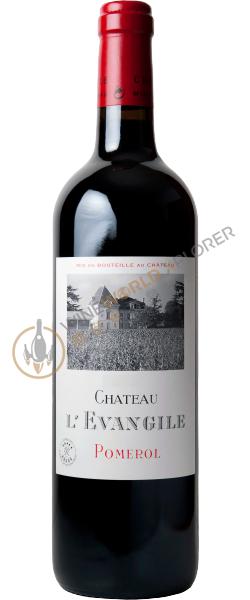
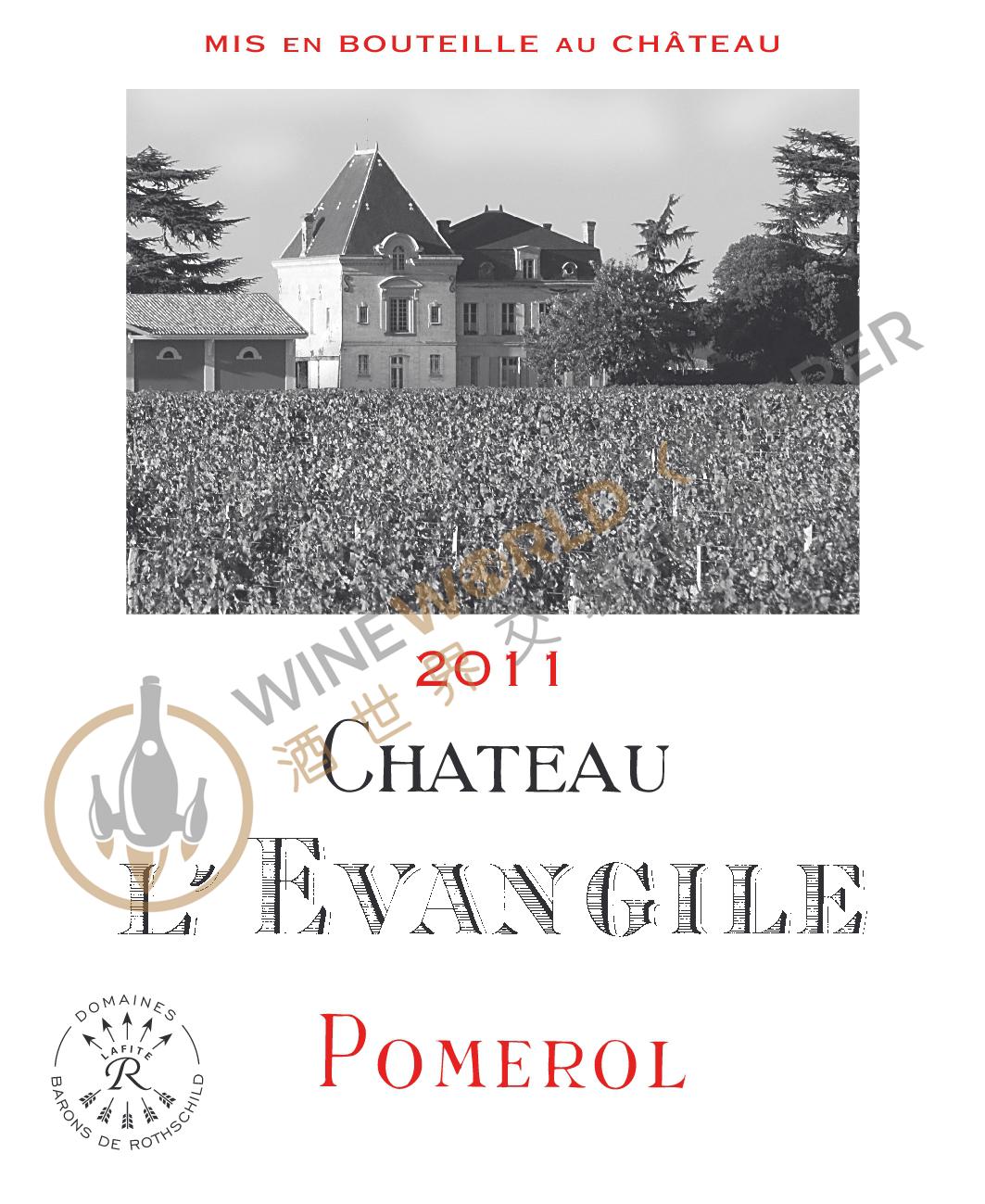
L'Evangile 1989
 View analysis


Description
Tasting notes

Reviewed by: Robert M. Parker, Jr.
Deep ruby/purple, with a super-ripe, port-like nose of licorice, black fruits, and spring flowers, this gorgeously rich, opulent 1989 makes a dramatic impact. Low in acidity, alcoholic and rich, this lusty, beefy wine will require drinking in its first 15-17 years of life. It will be interesting to see if more structure and grip emerge. Anticipated maturity: 1994-2005. Last tasted, 6/93.
Reviewed by: Neal Martin
Tasted at lunch at La Trompette alongside Vieux-Chateau-Certan, the common consensus around the table was that L’Evangile was the star. With its brick rim, it actually appears more mature but the nose is pure class and exudes more mineralite and precision: crushed pebbles, peat and wild heather. The palate has superb balance, a very fresh, structured L’Evangile with perfect acidity. As usual, it has a solid backbone, a gutsy Pomerol that I suspect may be overtaking the 1990 and only just coming into its own. A revelation. Drink now-2030. Tasted July 2010.
Reviewed by: Neal Martin
Compared directly against the Trotanoy 1989, there is a little more ripeness and volume on the nose of the L'Evangile 1989, although you have to be patient and let those aromatics to unfold. The palate is very well balanced and refined. There is a sense of harmony to this L'Evangile that surpasses both the 1982 and 1990. It glides across the mouth, harmonious and silky smooth with a ferrous finish that begs another sip. This was the finest L'Evangile from this era and it continues to offer immense pleasure. Tasted December 2013.
Reviewed by: Robert M. Parker, Jr.
Deep ruby/garnet, with a super-ripe, port-like nose of licorice, black fruits, and spring flowers, the gorgeously rich, opulent 1989 makes a fat, expansive impact on the palate. Extremely low in acidity, alcoholic and rich, this big, beefy wine will require drinking in its first 12-15 years of life. Anticipated maturity: 1994-2005.
Reviewed by: Robert M. Parker, Jr.
One of my purposes for doing blind tastings of wines I have tasted frequently and feel I know well is to have results such as this. I had never thought the 1989 L'Evangile was an outstanding wine. But a bottle drunk in a French restaurant in early 1996 made me think there was more to this wine than I had originally believed. This blind tasting confirmed that while the 1989 is no 1990, it is far closer in quality than I had originally written. However, readers should realize that it is surprisingly variable from bottle to bottle.
Reviewed by: Robert M. Parker, Jr.
Deep ruby/garnet, with a super-ripe, port-like nose of licorice, black fruits, and spring flowers, this gorgeously rich, opulent wine makes a fat, expansive impact on the palate. Extremely low in acidity, alcoholic and rich, this big, beefy wine will require drinking in its first 12-15 years of life. If more structure and grip emerge, my rating may prove conservative. Anticipated maturity: 1994-2005. Tasted seven times. Inconsistent notes.
Reviewed by: Robert M. Parker, Jr.
Fully mature and not likely to improve, although certainly capable of lasting another 10-15 years, the dark plum/garnet-colored 1989 l’Evangile (considerable amber exists at the edge) offers a nose of toffee, caramel, malt chocolate, sweet black cherry, and currant fruit. The wine has low low acidity and plump, fleshy, forward appeal. With sweet tannin and a ripe, moderately endowed, long finish, it has nowhere near the weight, aging potential, or volume of the 1990, but it is still a top-class effort. Anticipated maturity: Now-2015. Last tasted, 11/02.
Reviewed by: Robert M. Parker, Jr.
For me, the big surprises are the best bottles of 1989 L'Evangile. More forward, and revealing more maturity than the 1990, the dark ruby/purple-colored 1989 (some amber is just beginning to creep in at the edge) offers an exotic, sweet, chocolatey, toffee, roasted herb-scented nose, thick, fat, ripe flavors, low acidity, and far more complexity and richness than I had originally imagined. This delicious wine is close to full maturity - perhaps that is why it is beginning to perform so well. This looks to be a terrific L'Evangile that is significantly better than I may have led readers to believe when I first reported on it in 1990, and subsequently in 1991 and 1992. I would opt for drinking it over the next 10 years, as I do not believe it possesses nearly the aging potential, weight, or force of the 1990. Last tasted 11/96
Reviewed by: Neal Martin
The 1989 is probably the best L’Evangile of that decade. It has a scintillating pure bouquet with dark plum and cranberry fruit, those distant notes of peat and heather straight out of a Jane Austen novel. The palate is wonderfully balanced with more glycerin than the previous bottle. It feels so fleshy and corpulent in the mouth with the Cabernet Fran lending the backbone that should see it age for another decade at least. Outstanding. Drink now-2030. Tasted October 2012.
Reviewed by: Neal Martin
I have been a massive fan of the 1989 Château L'Evangile for many years - the best wine of the decade when it was still under the ownership of the redoubtable Mme. Ducasse, before selling a majority share to Eric de Rothschild in 1990. It fulfils all expectations here with its intense nose of blackberries, raspberry coulis, clove and wild heather. The most surprising aspect is just how backward the aromatics seem to be. The palate is extremely well balanced with fine tannin. The acidity is perfectly pitched with layers of dark berry fruit, black truffle and dried herbs - très Pomerol. Adorned with a velvety texture, is cruises towards a Merlot-driven finish that is one of the most powerful you will find in Pomerol this vintage. On this showing, you could cellar it for another 5-6 years; if not, I strongly recommend a long decant. Tasted January 2016.
Reviewed by: Antonio Galloni
The 1989 L’Evangile is a totally sensual, inviting Pomerol endowed with striking depth in its red cherry and plum fruit. Silky and caressing on the palate, the 1989 has so much to offer. It should drink well for a number of years.
Reviewed by: James Suckling
An old Pomerol with a dusty, cut wood and fig character with some plum and smoke, too. Brown sugar. Light acid. Full body, savory and juicy with a meaty, dried orange and spice. Drink now.
About the Producer
Chateau L'Evangile is one of the most famous châteaux in the Pomerol region of Bordeaux, France. In the mid-18th century, Chateau L'Evangile was owned by the Leglise family of Libourne, and its name, "Fazilleau", was recorded in the 1741 land register. At the beginning of the 19th century, the estate was bought by a lawyer named Isambert and renamed Chateau L'Evangile. Evangile is the French word for "gospel", and the renamed estate lived up to its name, becoming a true "gospel" of the Pomerol region. In 1862, Paul Chaperon acquired Chateau L'Evangile and made it famous through a series of efforts to give it a distinctive Second Empire style of architecture. In the second edition of Cocks Et Feret in 1868, Chateau L'Evangile was listed as a Premier Cru in the Haut-Pomerol region. After Chabron's death, his daughter inherited the estate, which she then brought to her husband's family, the Ducasse family, who ran the estate until 1990. In 1990, the estate was acquired by Domaines Barons de Rothschild Lafite. Immediately after taking over, the group began a comprehensive reform and upgrading of the estate. The first steps included a more careful selection of the grapes used to make the main wine and the creation of Blason de L'Evangile, Pomerol, France, as a secondary wine. In addition, the renovation measures included a comprehensive reorganization plan: delaying the harvest as much as possible so that the grapes would be as ripe as possible, and controlling yields to a maximum of 4,500 liters per hectare in order to improve the quality of the vines, which was partially completed in 1998. 2004 saw the completion of the renovation of the winery and cellars, and the creation of a new layout for the estate. These vintages produced wines of excellent quality. Chateau L'Evangile is located in a unique location. The vineyard covers 22 hectares of sandy clay and gravel soils with a high iron content subsoil. The vineyard is planted with 80% Merlot and the remaining 20% Cabernet Franc. The vineyard's production is limited, and harvesting and many other tasks are done by hand. The winery employs Michel Rolland, the famous "flying winemaker", as a winemaking consultant. Under the management of the Lafite Group, the grapes from each parcel are divided into different lots in order to determine their potential for full-fledged wines at the final stage of fermentation. All aspects of the winemaking process are closely integrated with traditional techniques and proven modern technologies. During the fermentation process, the winery performs drenching and maceration, during which the wine is tasted several times. After fermentation, the wines are aged in oak barrels for 18 months. Due to the small size of the vineyard, the average annual production of the winery is 5,000 cases. Robert Parker, the famous wine critic, has praised Le Vin de Guignol as the "star of the future" of Pomerol and believes that it has the potential to grow even more under the leadership of Lafite. A book published many years ago, Grands Vins de Bordeaux, described the wines produced by the Rocquières as "full-bodied, elegant, and with unparalleled finesse."
1964(1)1967(1)1972(2)1975(1)1979(2)1981(3)1982(1)1983(1)1986(1)
Package Size
1 x 1.5L