Wine Advisor



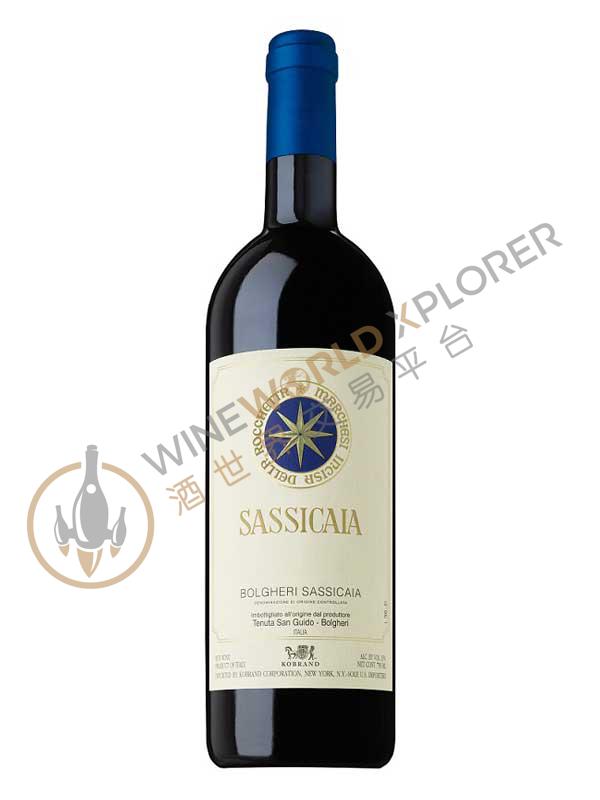
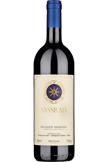
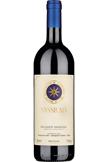
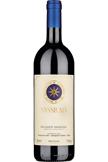
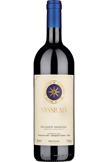
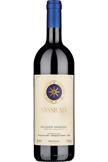
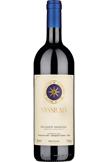
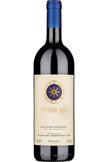
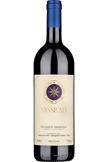
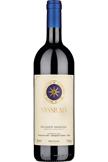
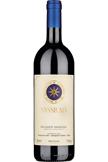
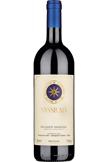
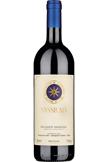
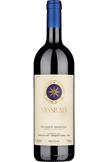
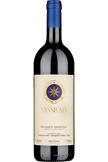
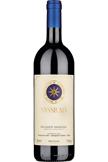
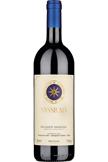
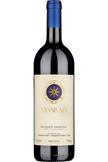
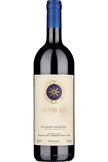
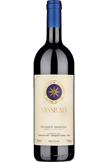
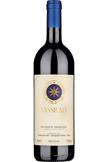
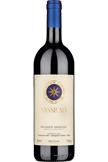
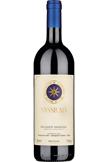
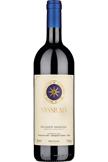
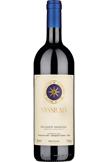
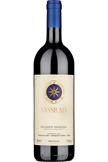
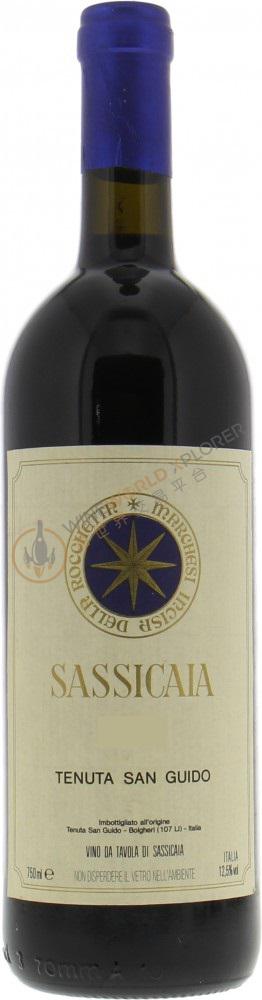
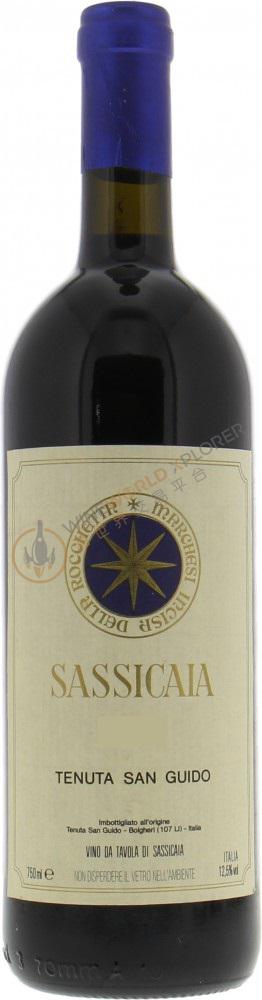
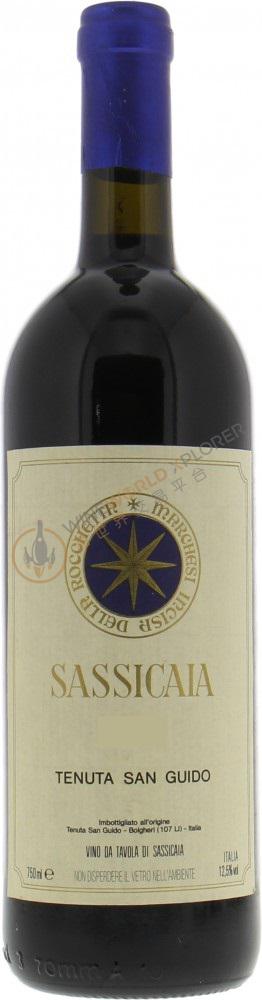
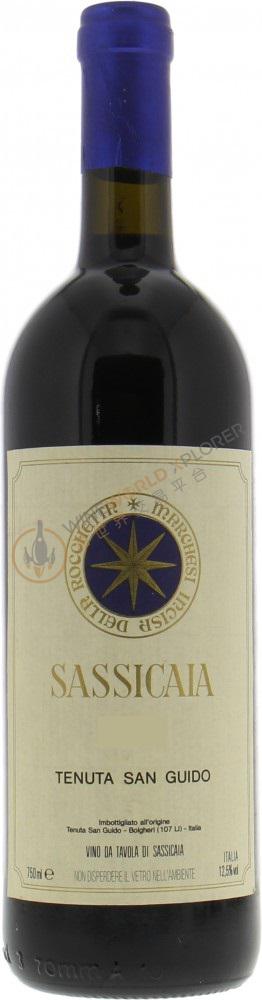
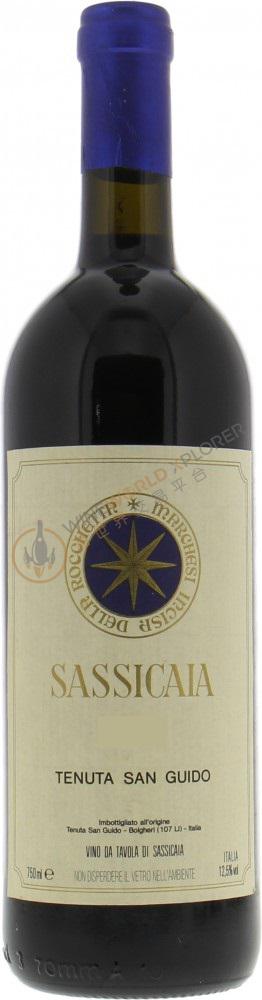
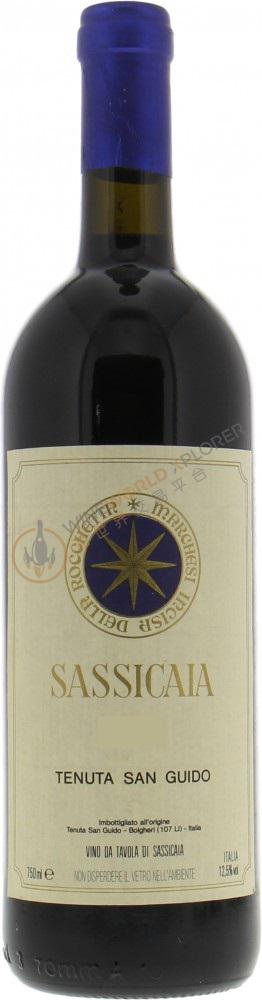
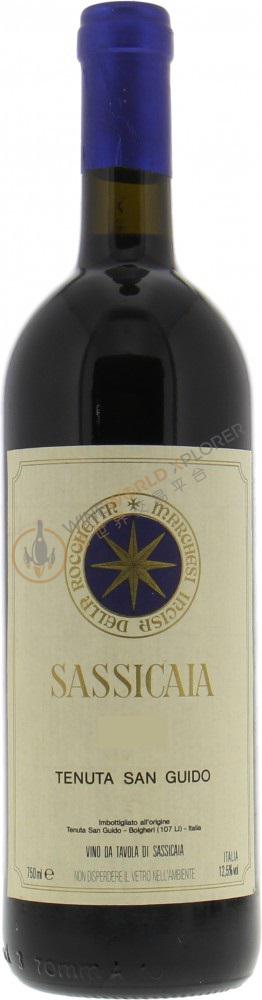
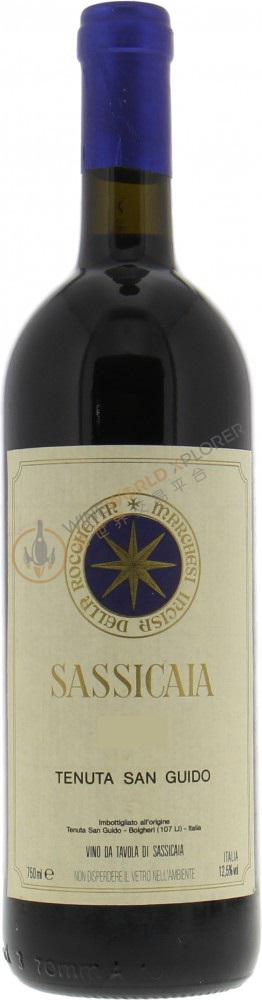
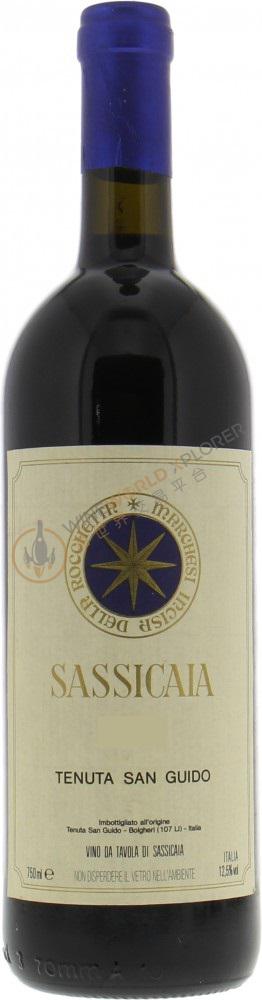
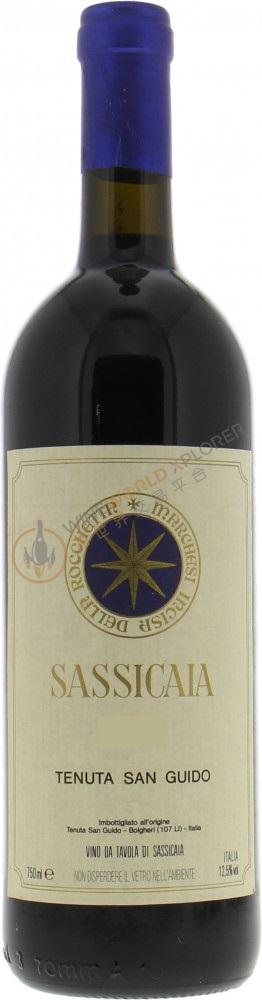
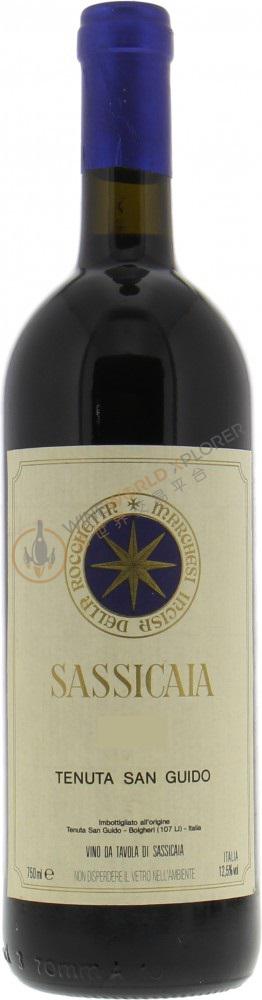
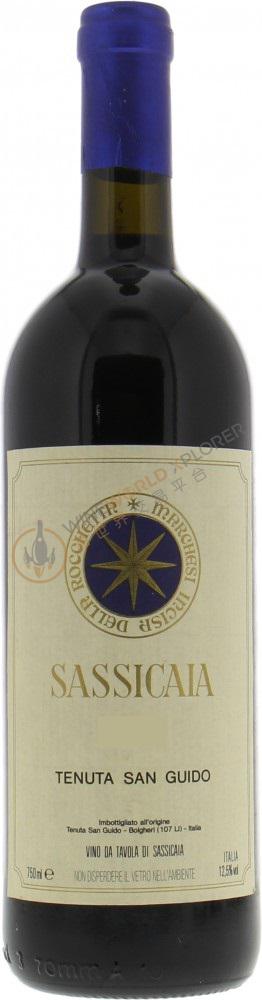
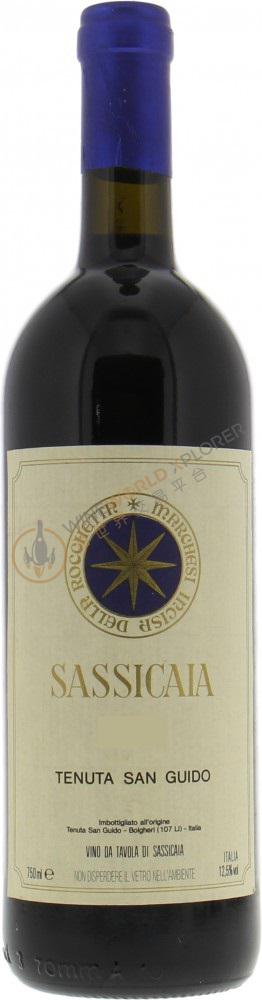
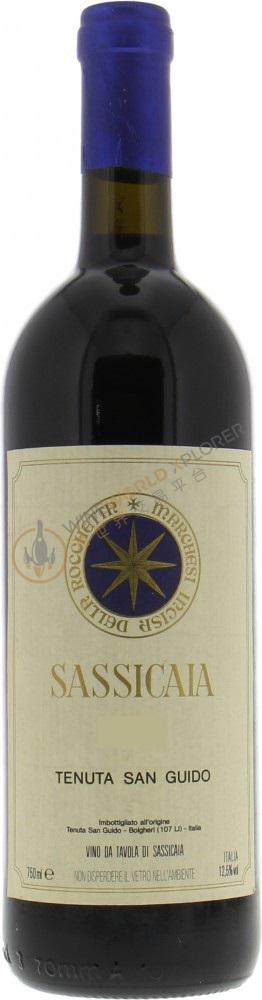
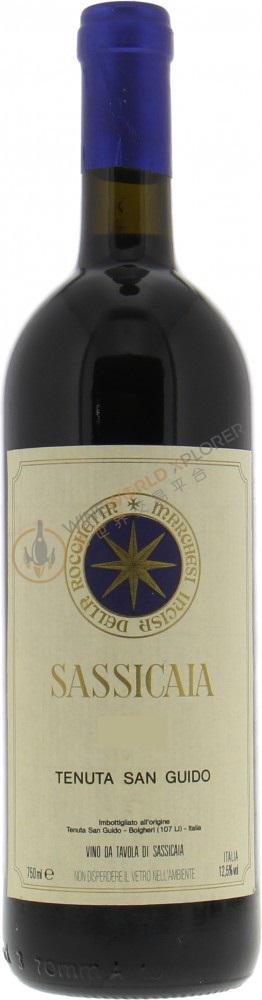
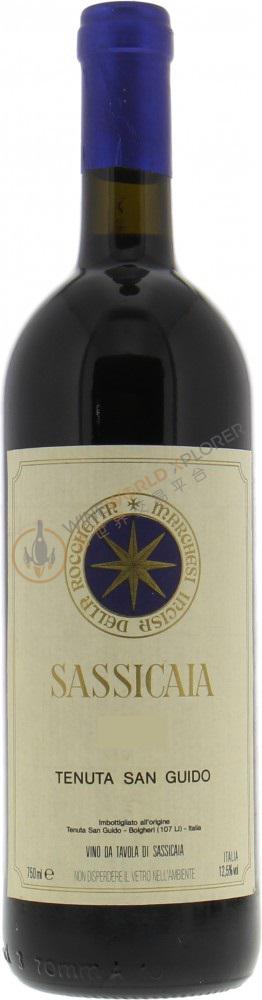
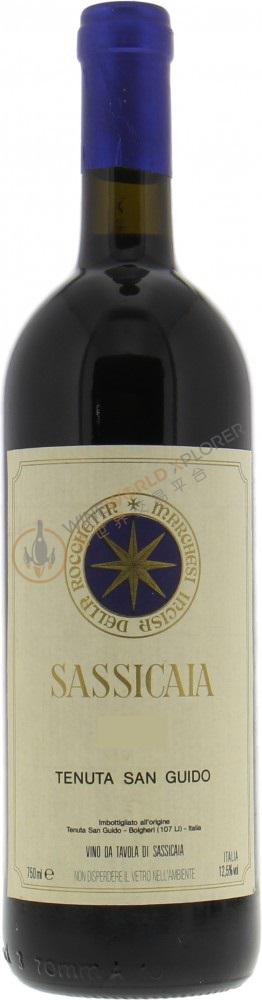
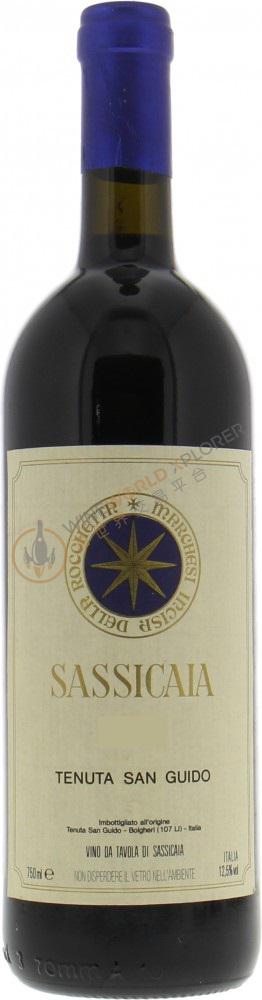
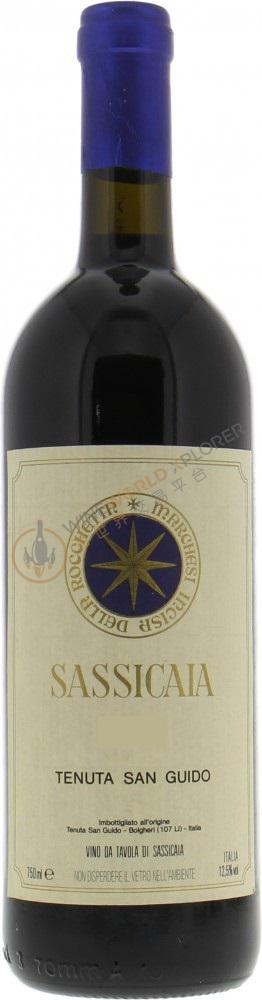
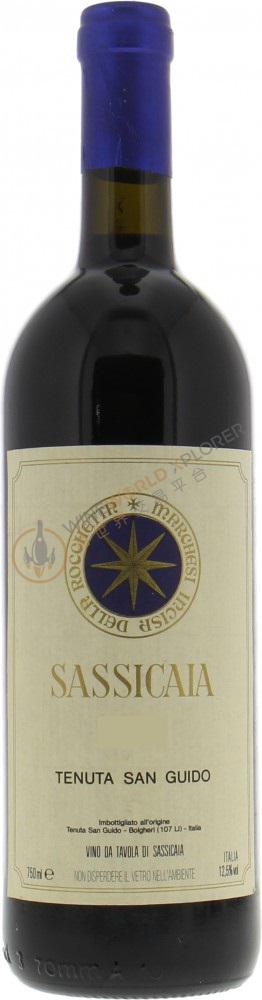
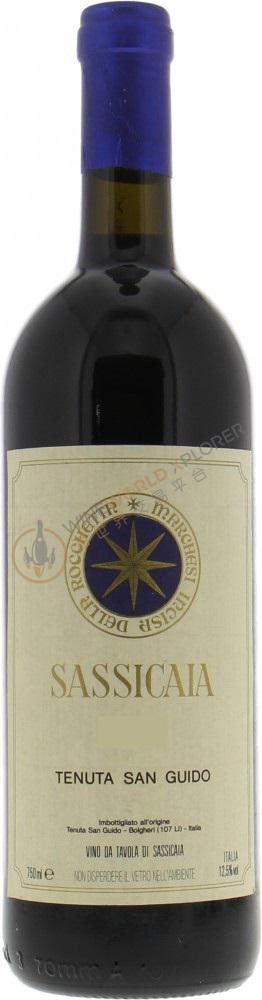
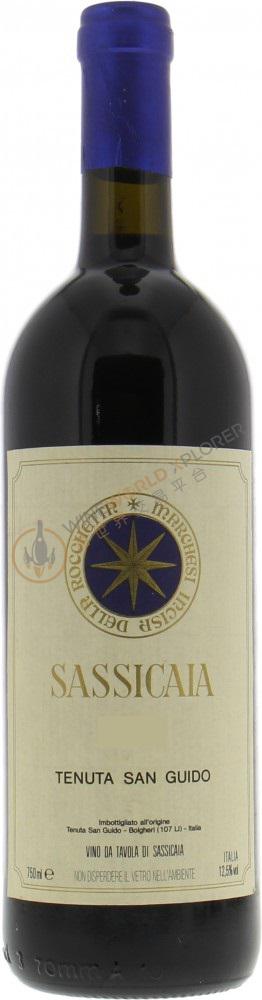
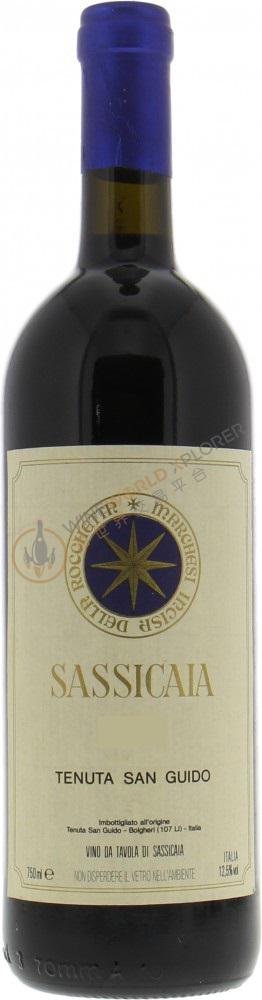
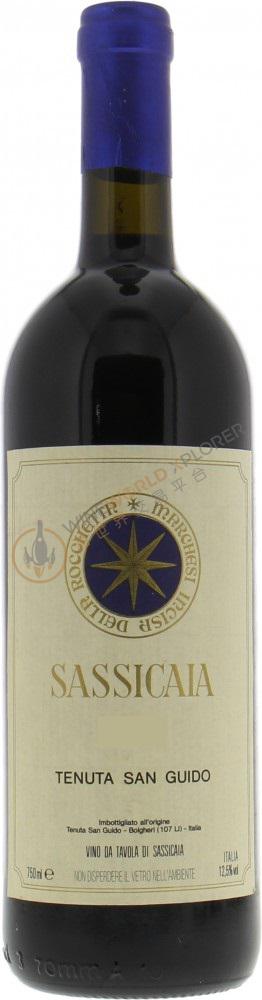
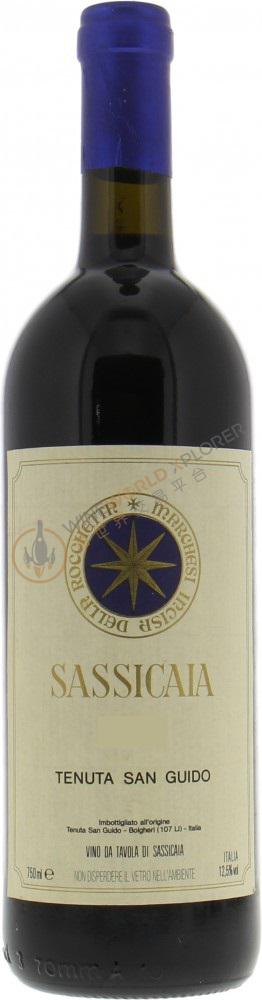
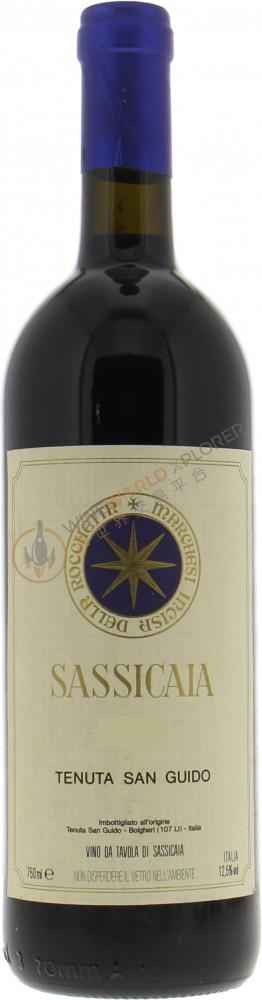
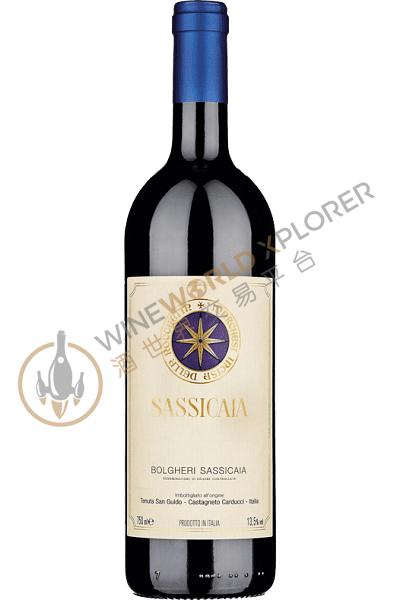
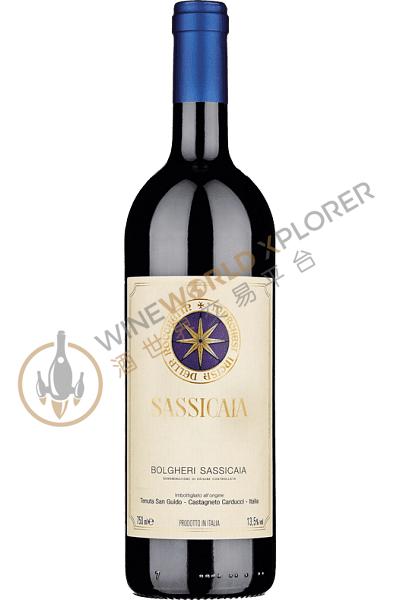
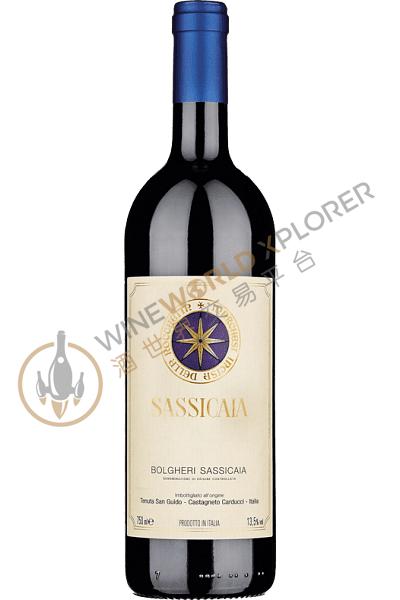
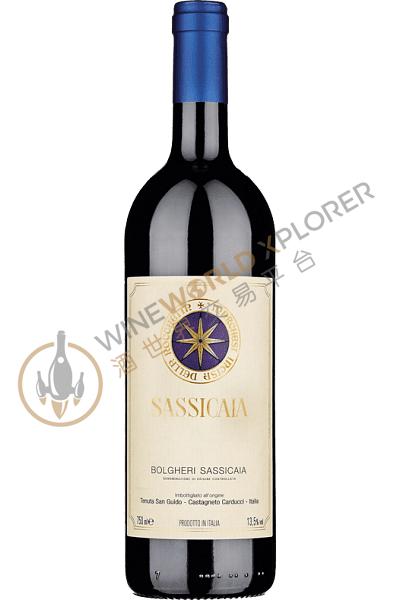
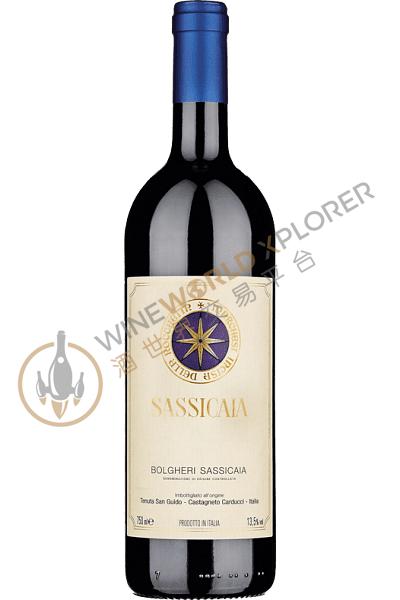
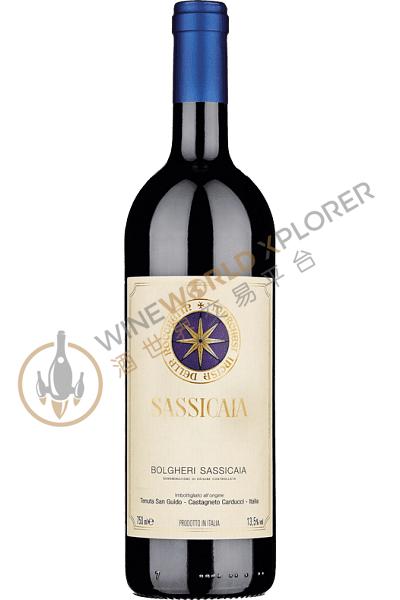
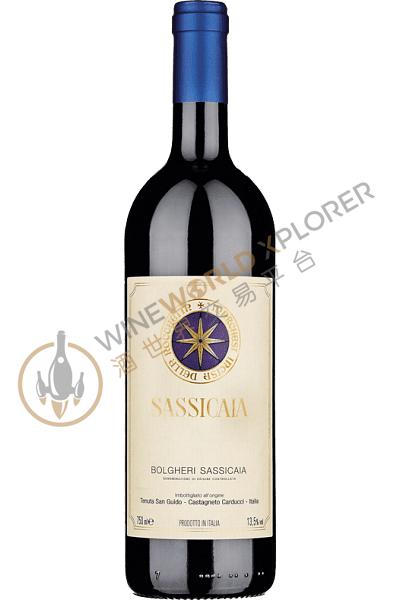
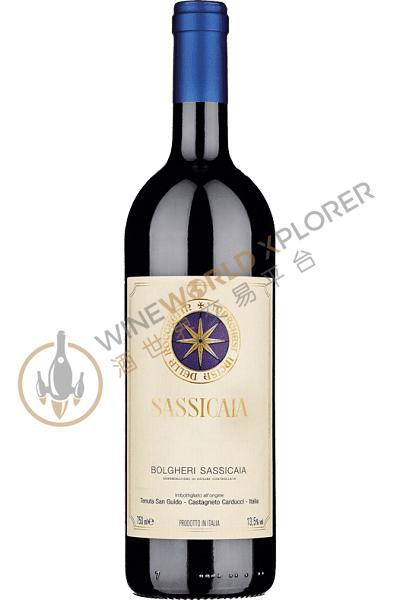
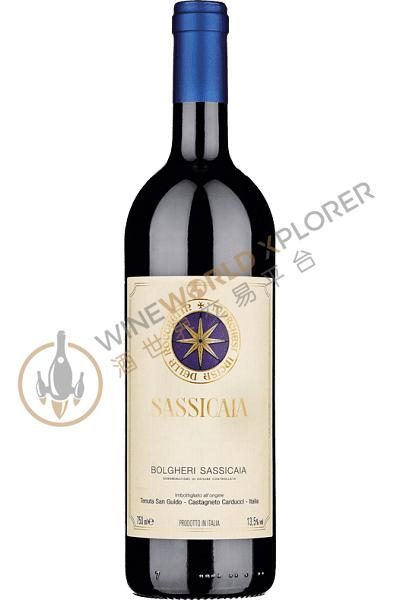
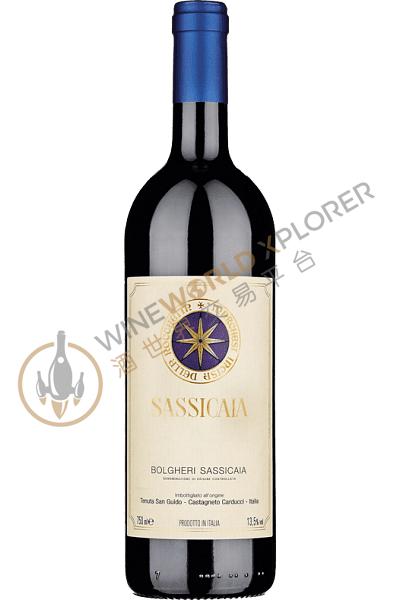
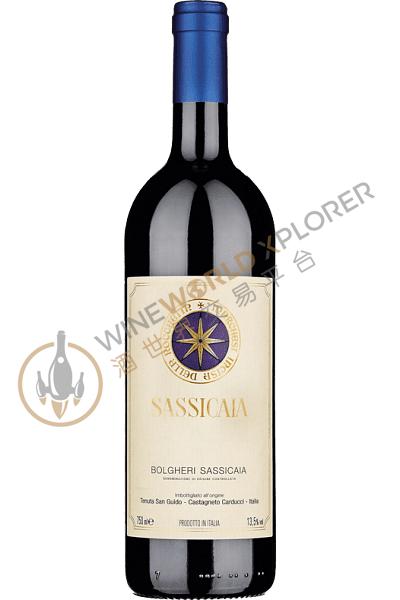
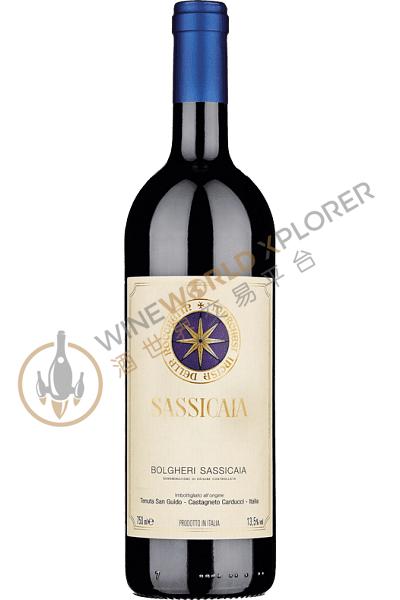
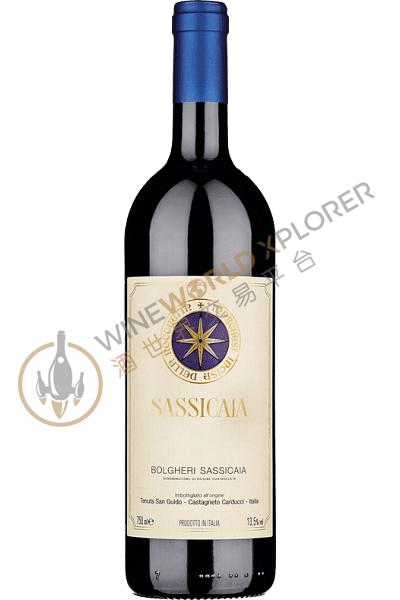
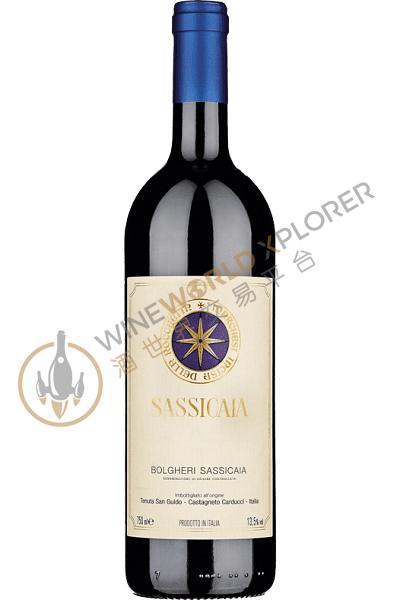
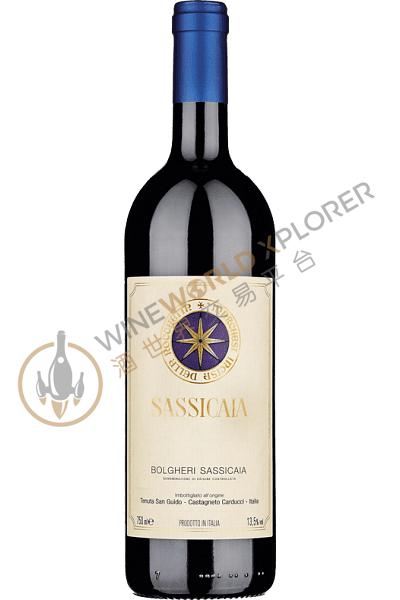
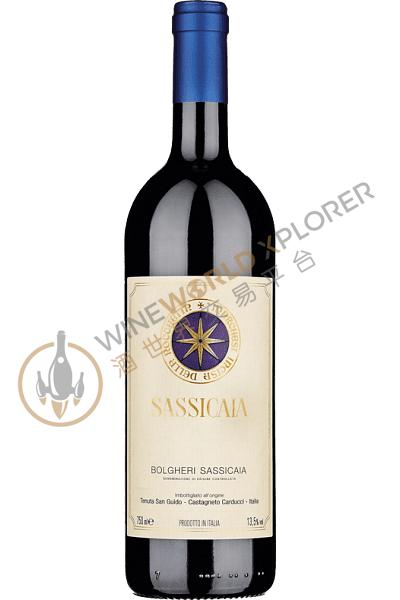
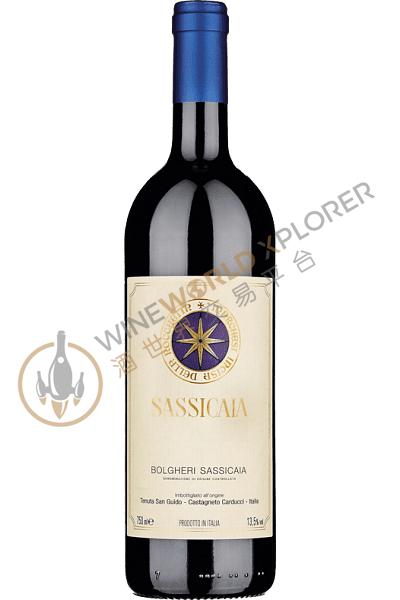
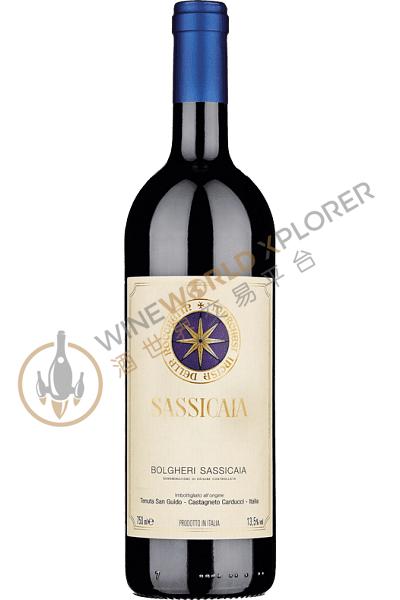
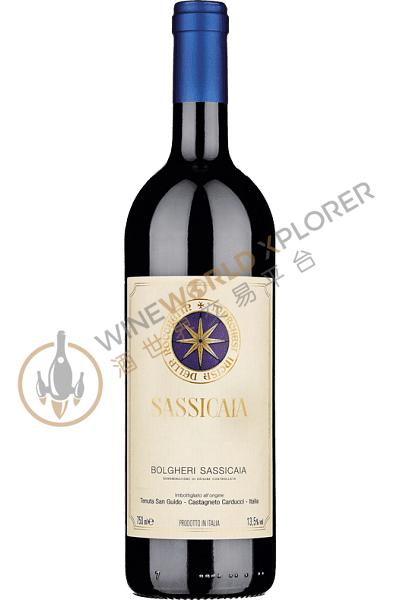
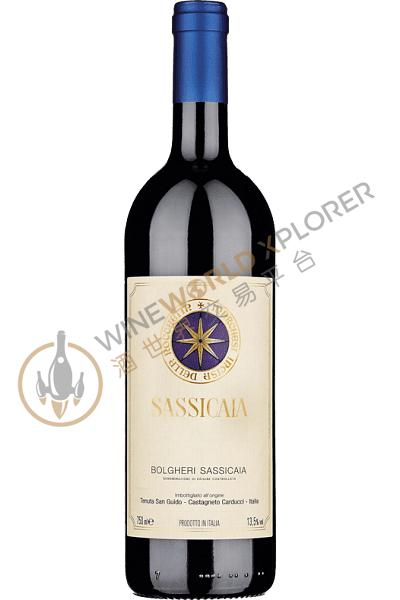
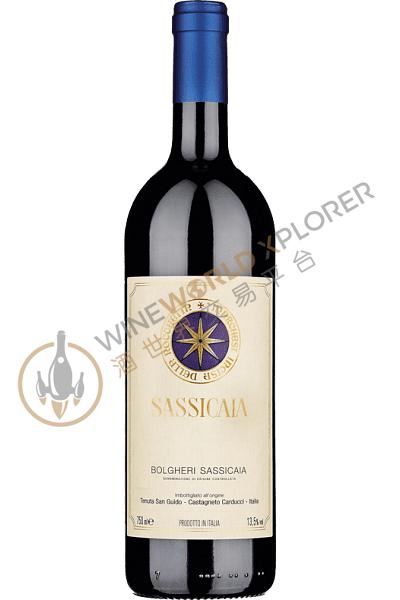
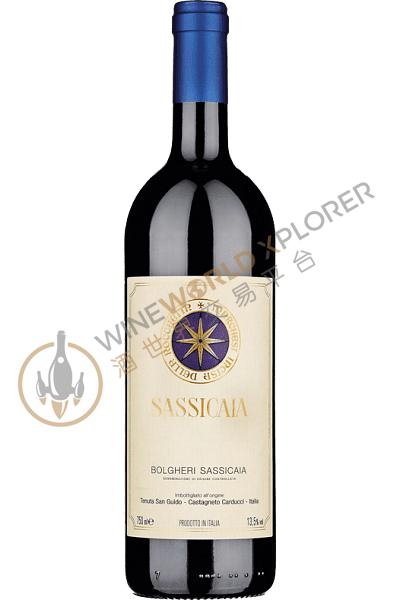
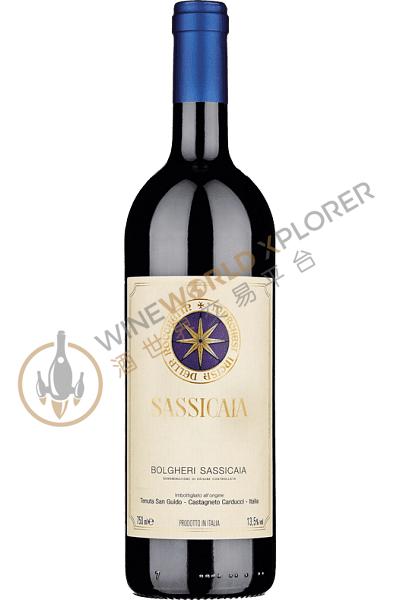
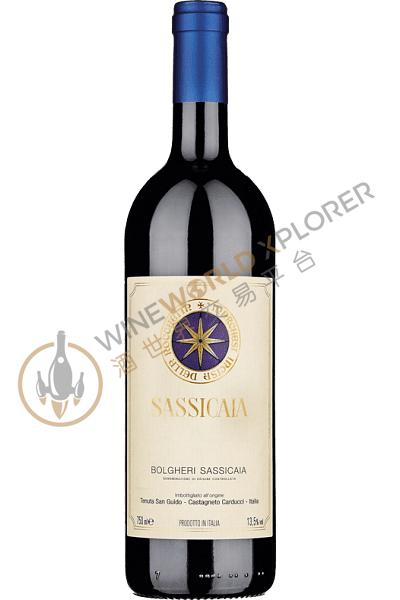
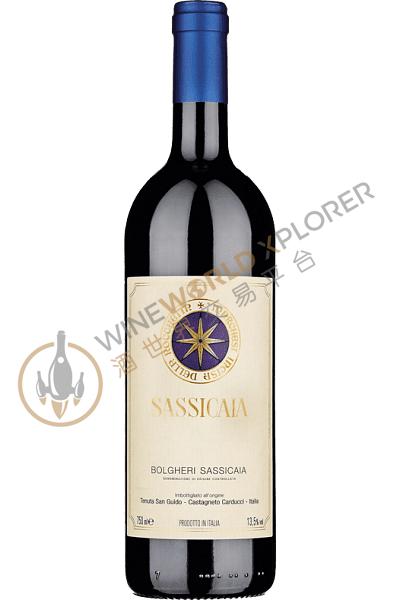
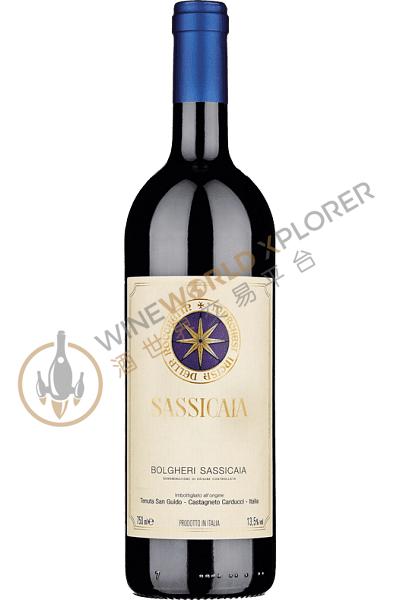
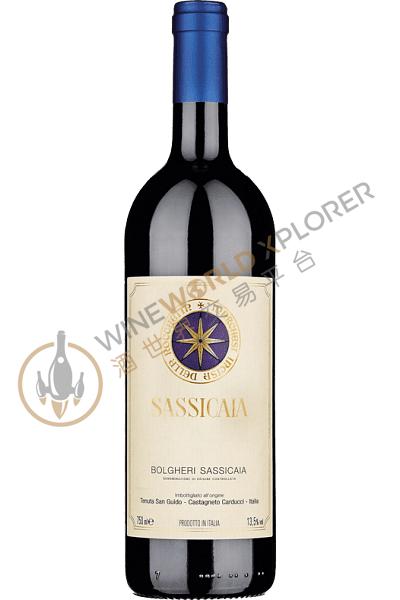
Tenuta San Guido, Sassicaia Bolgheri 2001
 View analysis


Description
Sasssicaia have property that stretches over 2,500 hectares, chosen to select and plant vineyards exclusively on the most suitable lands, covering just a small area of the total surface. An area that is unique in terms of soil type, microclimate, and exposure that deserves its own appellation: DOC Bolgheri Sassicaia. The 1968 vintage saw the debut of Sassicaia, a courageous wine that at the time, broke away from the standard way of making Tuscan Wine. The wine is named after the stony soil which it comes from, and, by its nature, is destined to go far, to mark the boundaries between the different crops. Its ornamental value, with the tall cypresses running in double rows, came after that.
Tasting notes

Reviewed by: Monica Larner
The 2001 Bolgheri Sassicaia had never been previously reviewed in The Wine Advocate. When I saw that this wine was missing from the database, I asked to open a bottle. I also wanted to taste the 2002 Bolgheri Sassicaia (also missing from the database) but there are virtually no bottles left at the winery. It’s counterintuitive, but Tenuta San Guido did make Sassicaia in the difficult 2002 vintage. The 2001 vintage was promising when released but shows heavy warm weather aromas today. In fact, these jammy notes come as a big surprise and add to the wine’s weight and heaviness today. The results are somewhat muted and flat. The bouquet shows savory tones with cured meat, leather and bresaola. The fruit tones are dried and dark in character with plum, blackcurrant and dried fig. The aromas are evolved and mature. In the mouth, the wine shows thick density with gritty texture. Because this was a warm vintage, the wine showed plush tannins and round fruit flavors upon release. Those qualities can make longevity difficult.
Reviewed by: Neal Martin
The 2001 has a very intriguing bouquet: very savoury, cooked meats, bacon fat, leather and hung game. The palate is medium-bodied, again very savoury; the Cabernet Franc very dominant with a soft texture towards the finish. It would benefit from more backbone and structure, but the gamey, harmonious finish is characterful. Whether it is a great Sassicaia is another question since it takes its foot off the accelerator. Tasted February 2010.
Reviewed by: Neal Martin
This does little for me on the nose that is rather subdued at first, but begins to slowly build on the nose yet never develops the fruit concentration that I anticipate. More fresh tobacco leaf, a touch of wild mint and cedar. The palate is medium-bodied with firm tannins although a little angular and lacking cohesion. Blackberry leaf, a dash of black pepper, a very primal flavour profile. Perhaps this will improve with further bottle ageing, but this does not quite do it for me? Disappointing. Tasted March 2007.
Reviewed by: Monica Larner
Compared to the 2002 vintage that seems serendipitously suspended in time, the 2001 Bolgheri Sassicaia is in a more significant downward decline. The 2002 vintage was widely-panned. Back in the day, the 2001 vintage was given a full five stars for excellence. Despite the accolades, this wine does not have much life to give. The bouquet shows aromas of cured meat, petrol, smoke, dried herb and dusty earth. The primary aromas have left the building. The mouthfeel is dry and quickly flat-lining.
About the Producer
Tenuta San Guido is located in the seaside area of Bolgheri in Toscana, Italy. The Sassicaia wine produced by the winery is known as the king of wine in Italy and enjoys the reputation of "Italian Lafite". Marquis Mario (Mario Incisa della Rocchetta) is the founder of the San Guito winery. He loves fine wine, horse racing and environmental protection, and has always dreamed of making a wine of excellent quality, an Italian wine that can swept the upper class. Well, it's Bordeaux style. In the 1940s, Marquis Mario and his wife came to live in the winery of San Guito. The innovation of "the first person to eat crabs". Winery San Guito made Sicilian wines from 1948 until the mid-1960s, but it was only consumed in-house. 1968 was a year to remember. This year, the ever-improving Cissicaia was launched for the first time. In the international blind tasting competition that year, Cissicaia’s excellent performance shocked the entire wine world, and its popularity was comparable to that of the top wineries in Bordeaux. Sanguito Winery's vineyard covers an area of 173 acres (about 70 hectares), all located in the DOC production area of Siciia, and the garden is planted with 85% Cabernet Sauvignon and 15% Cabernet Franc. The average age of the vines is 25-30 years, the planting density is 4,000-5,000 vines/ha, and the average yield is 1 kg/plant. Winemaking at San Guito Winery takes place in temperature-controlled stainless steel barrels that hold between 3,500 liters and 11,000 liters. The dipping time is approximately 2 weeks. Aged for 2 years in 33% new French oak barrels with a capacity of 225 liters. The main wine produced by San Guito Winery is San Guito Winery Xishijiaya dry red wine. This wine is one of the most famous Italian wines, made with Cabernet Sauvignon grapes. Recent good years include: 2000, 1998, 1997, 1993, 1990, 1988, 1985, 1982, 1978 and 1975.
1980(1)1984(1)1987(2)1993(1)1994(2)1997(1)1998(2)1999(3)
Package Size
1 x 6L