Wine Advisor



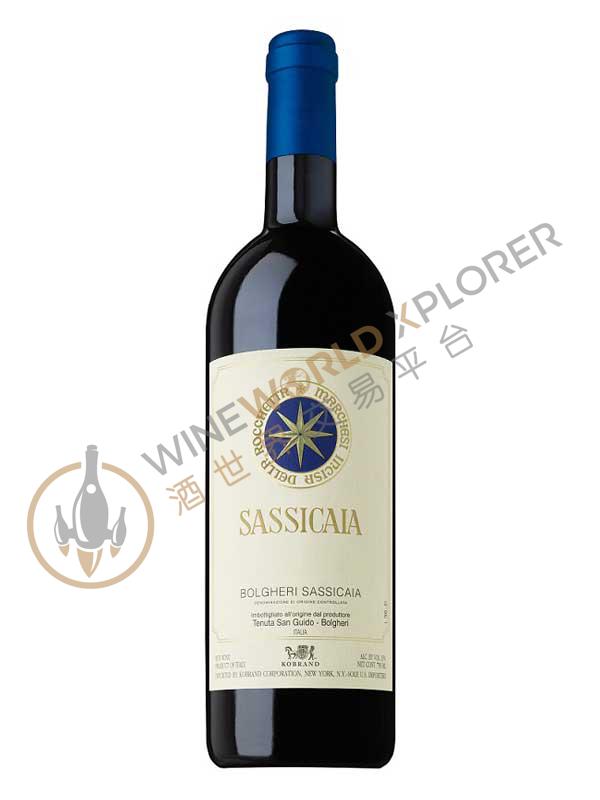
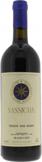
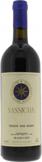
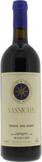
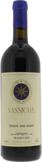
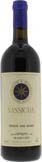
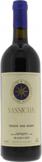
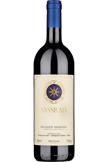
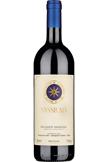
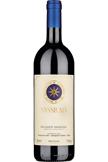
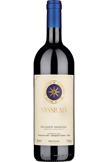
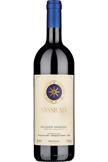
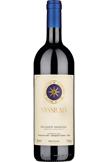
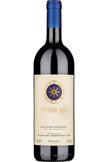
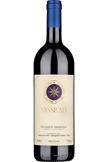
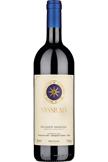
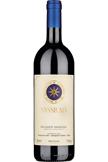
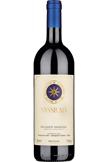
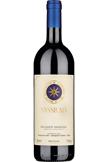
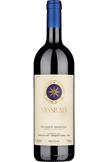
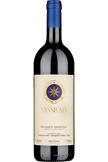
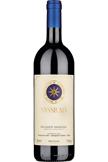
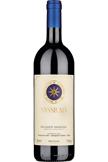
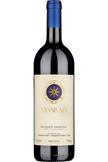
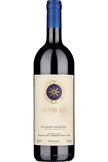
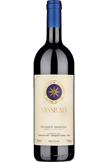
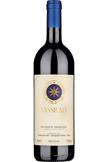
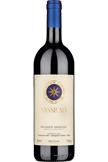
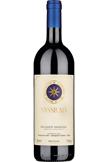
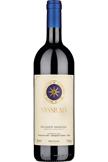
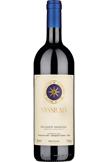
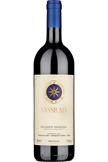
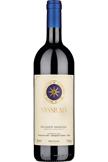
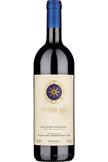
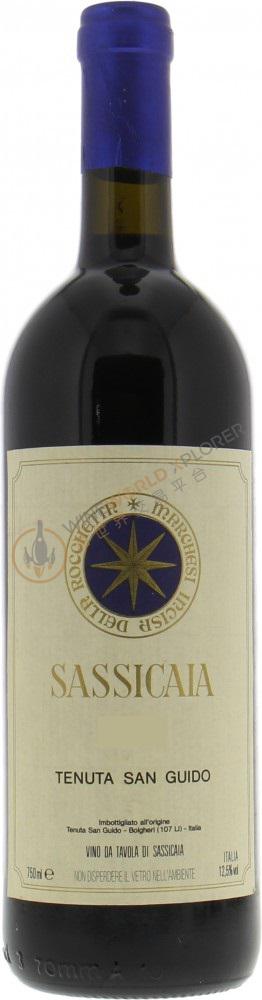
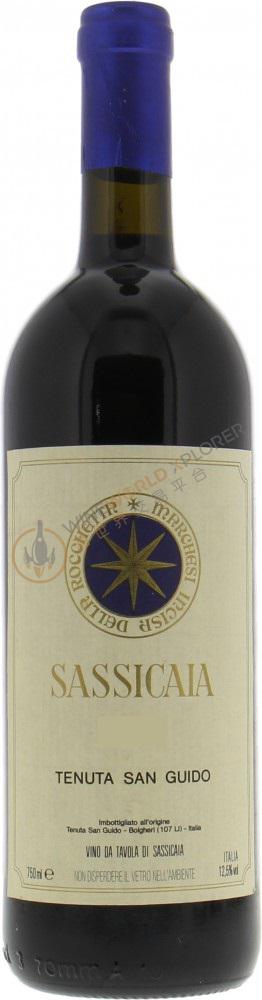
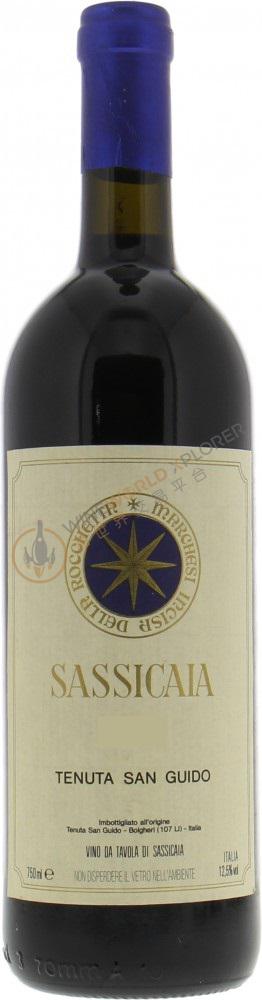
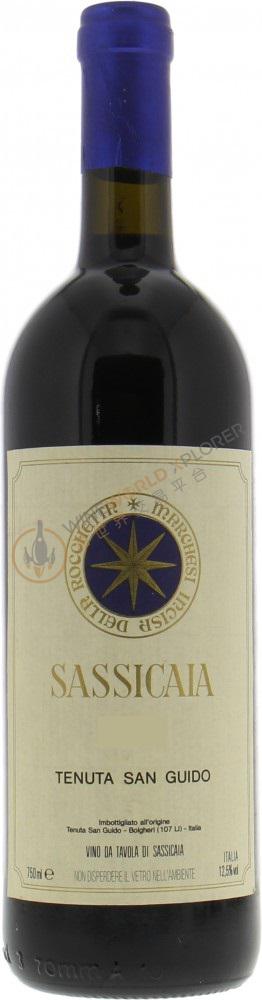
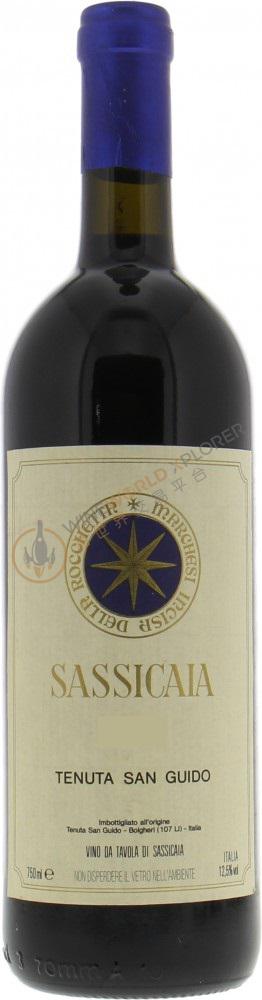
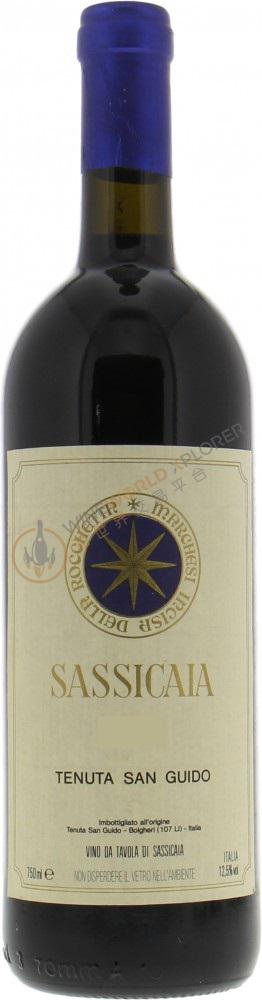
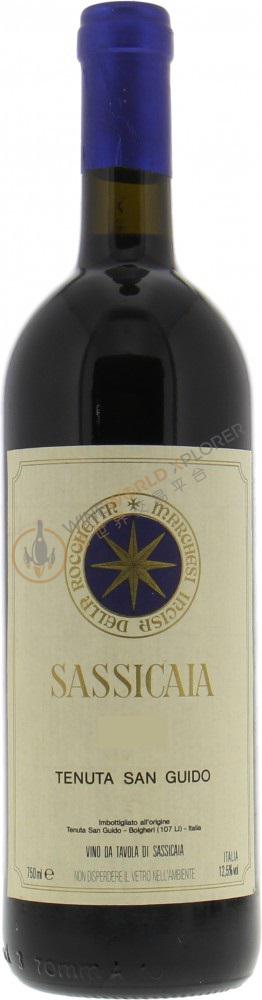
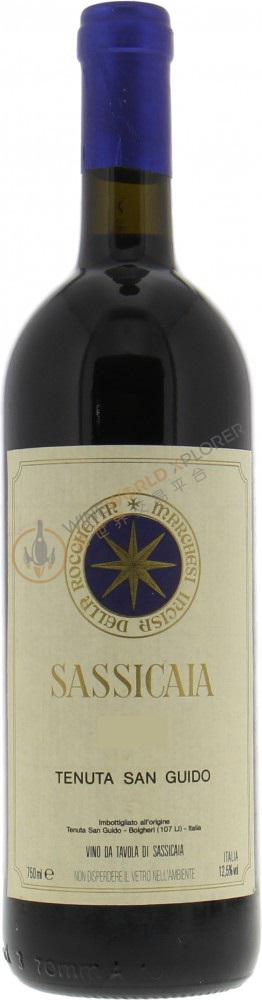
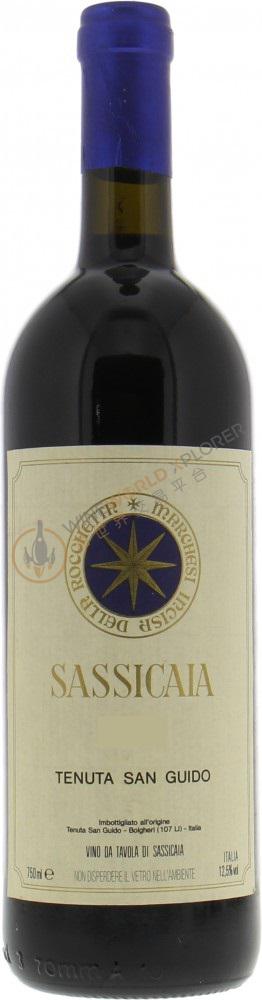
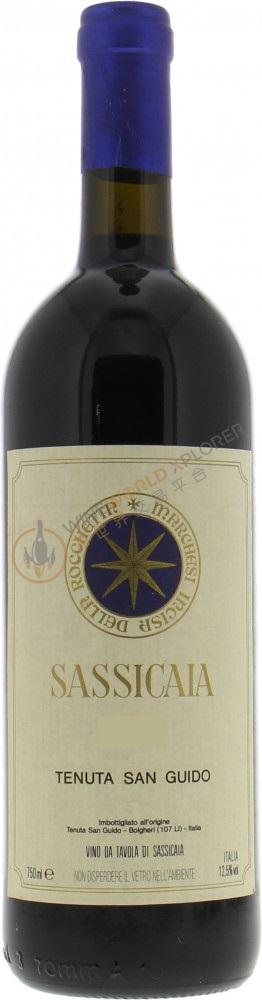
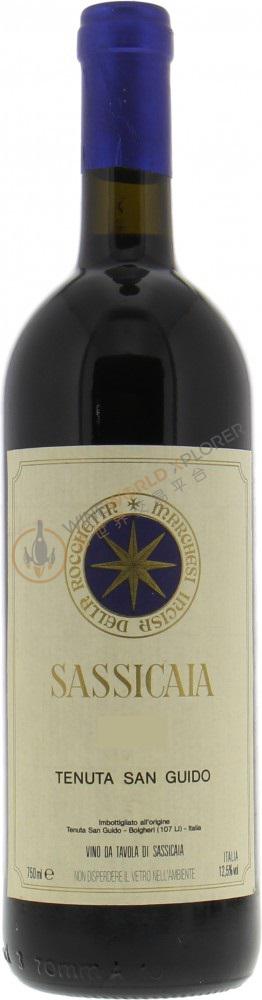
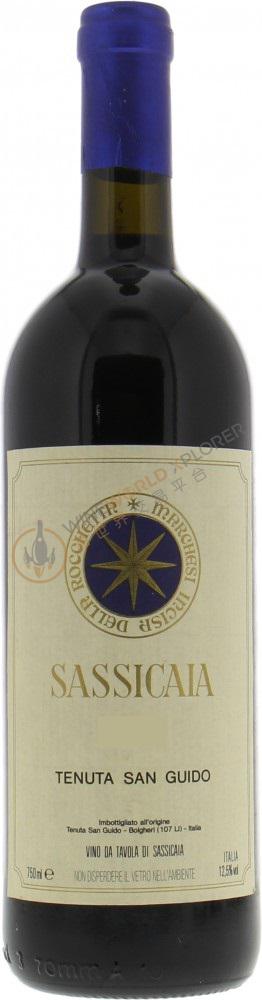
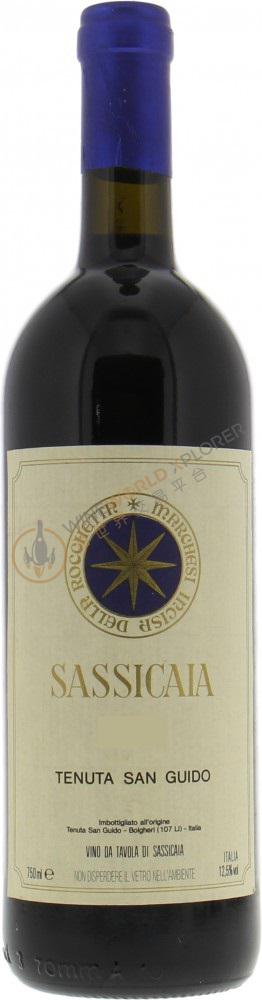
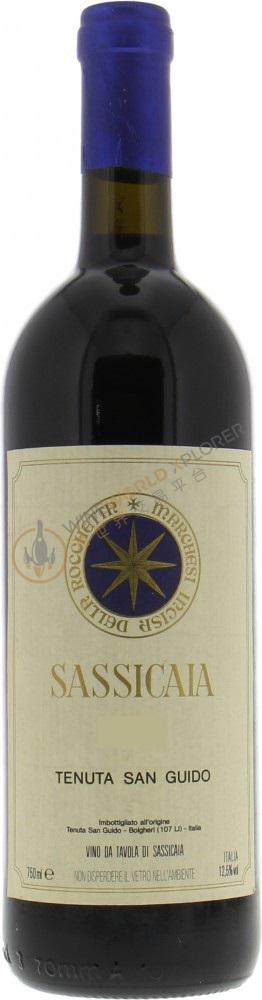
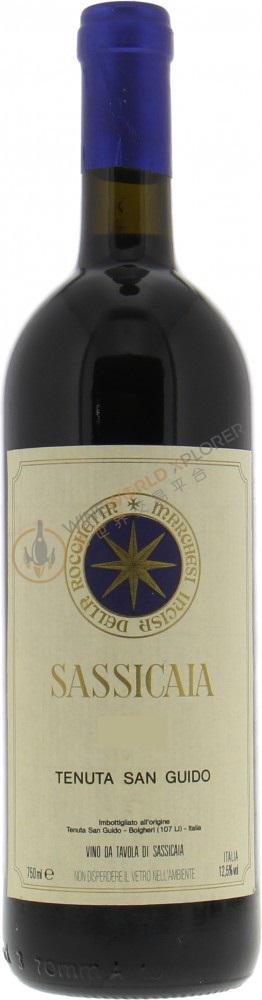
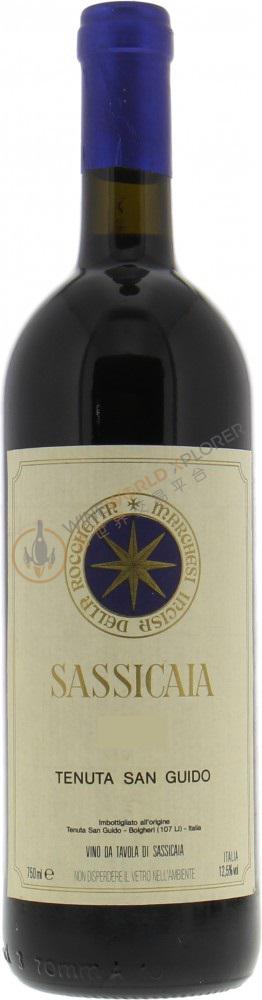
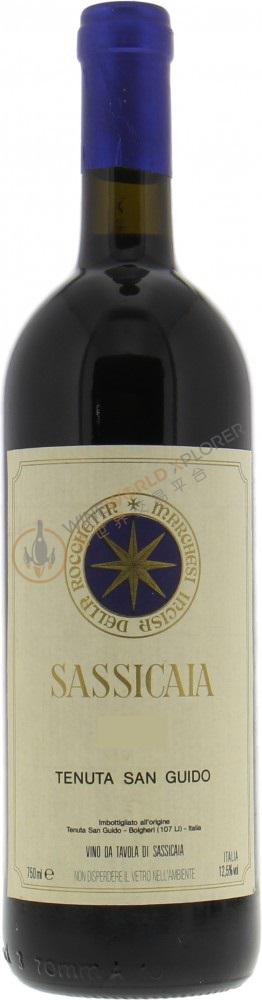
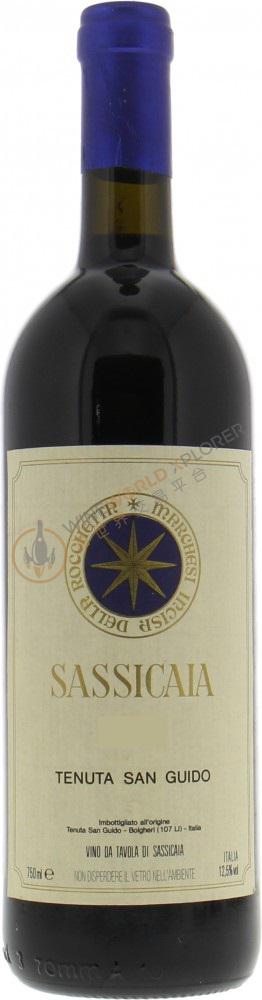
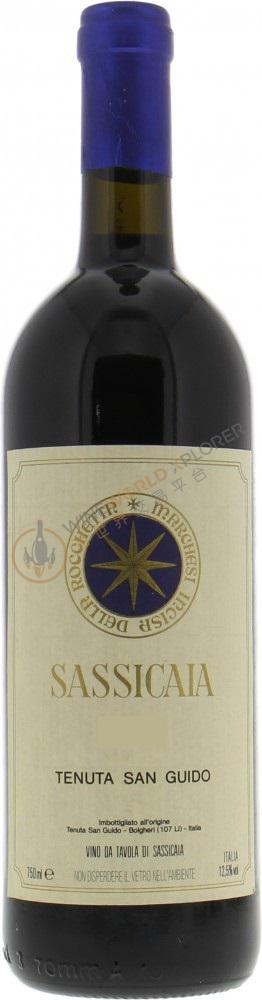
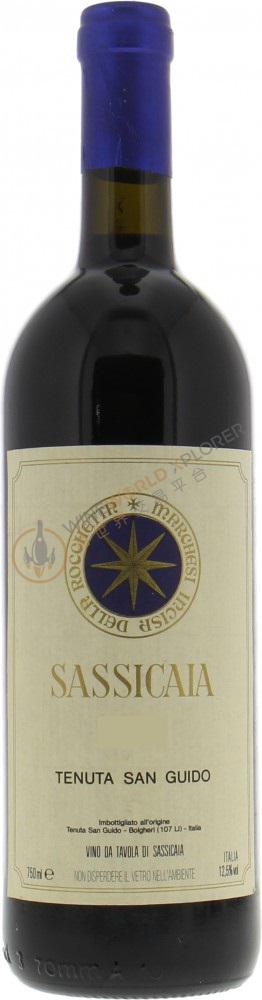
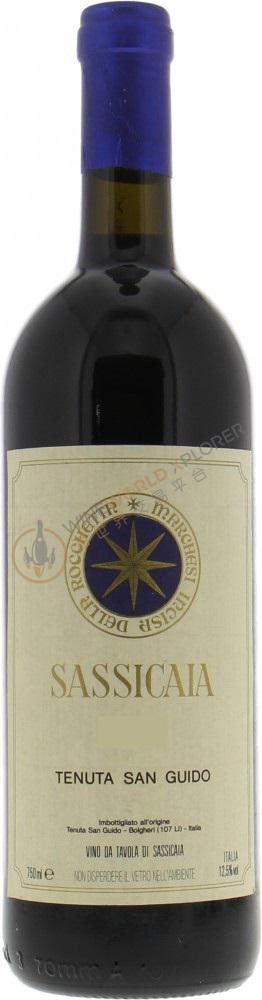
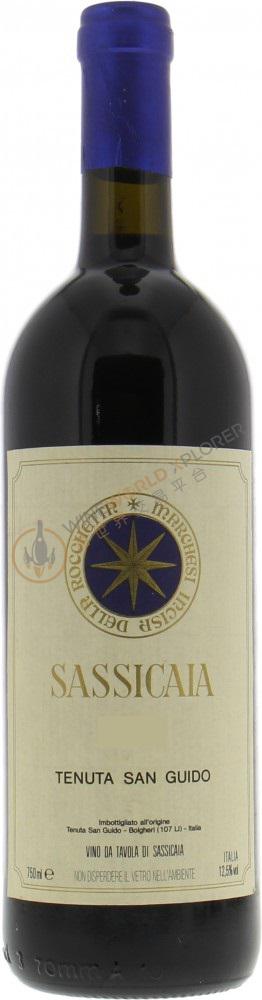
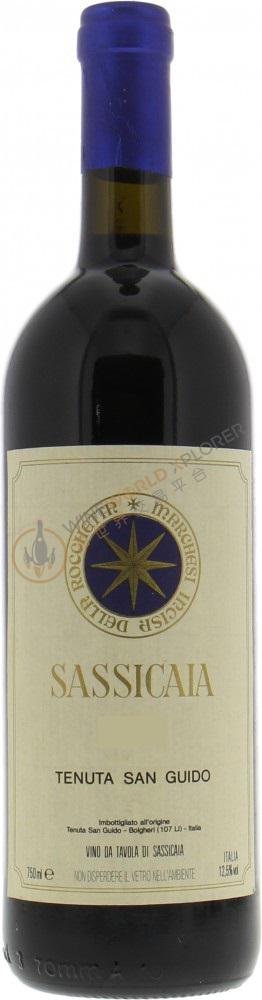
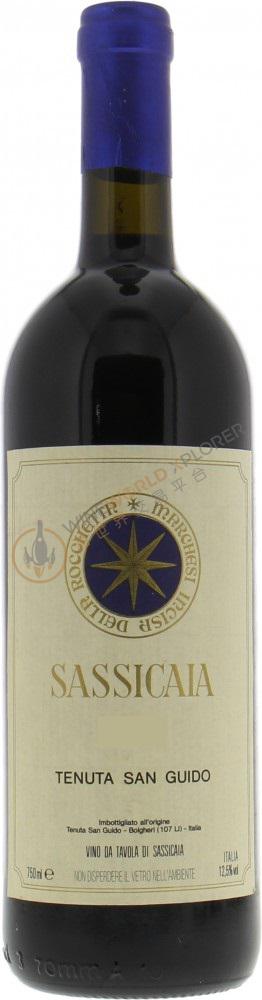
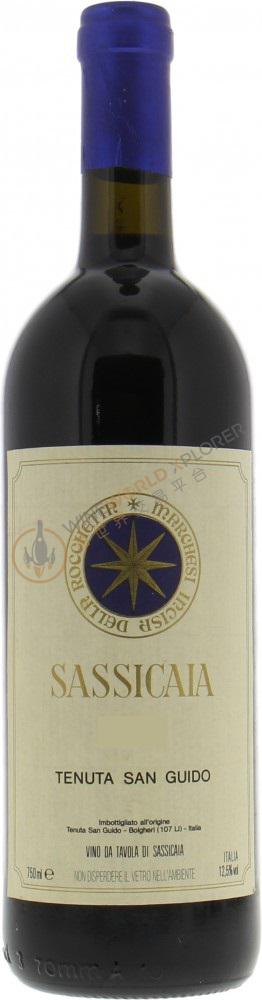
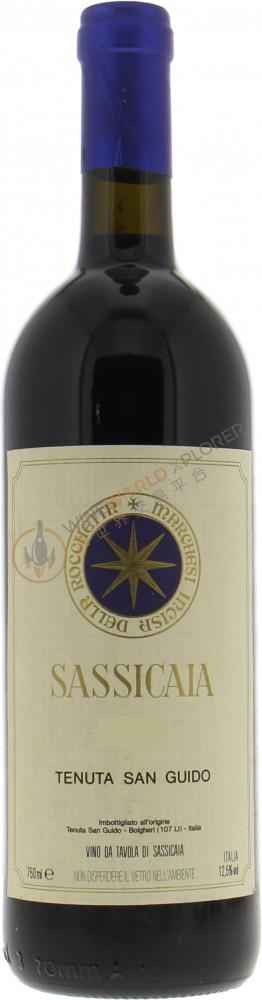
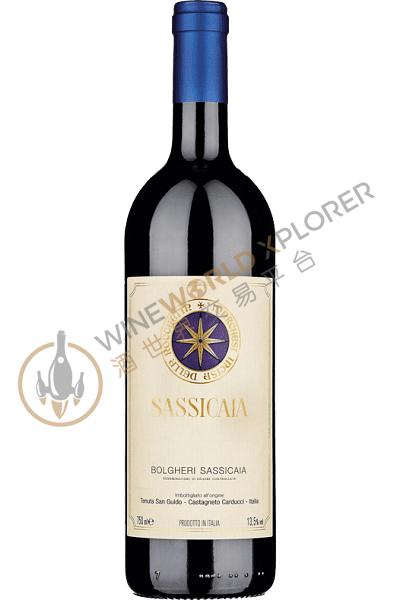
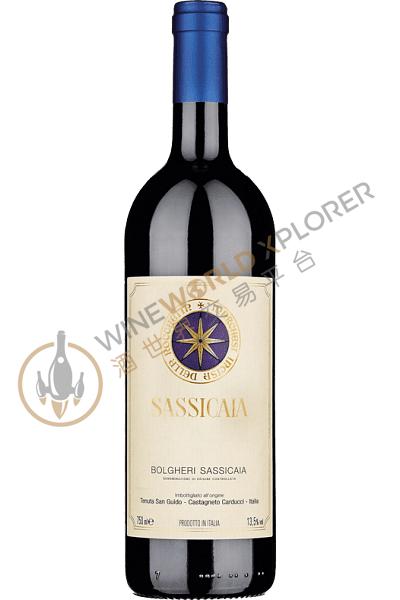
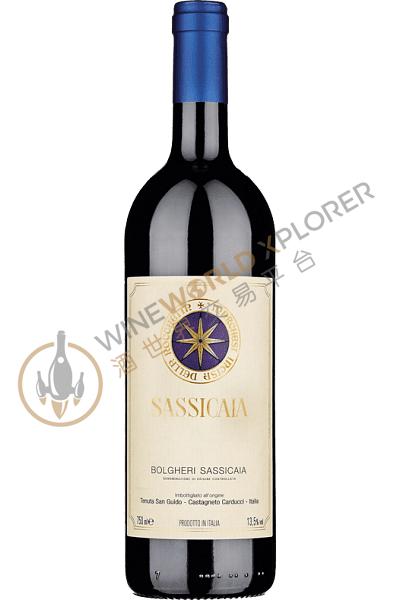
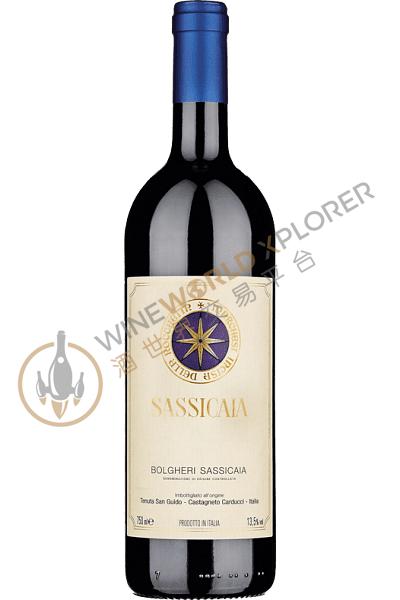
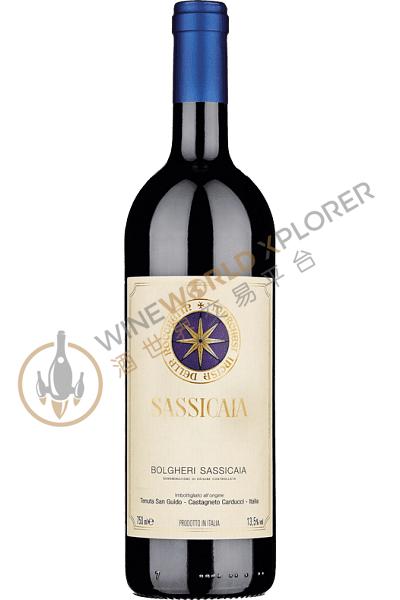
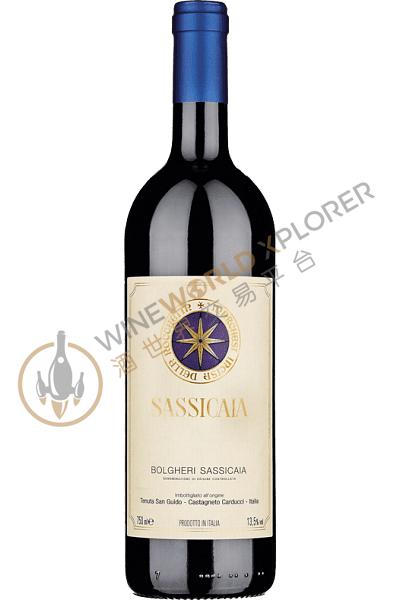
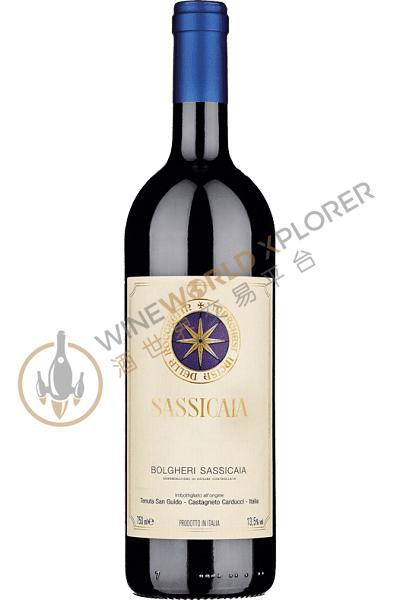
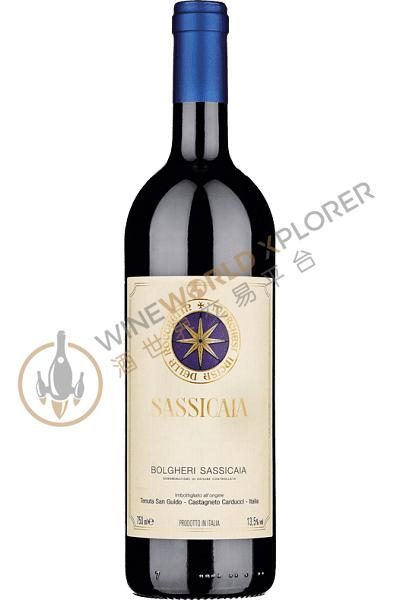
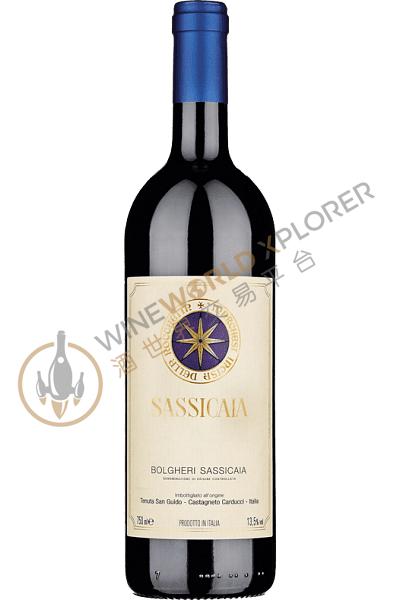
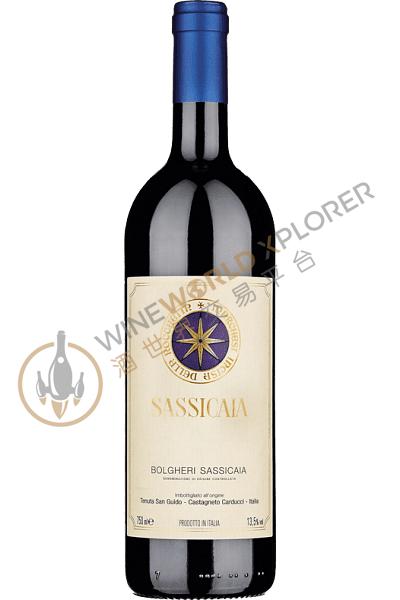
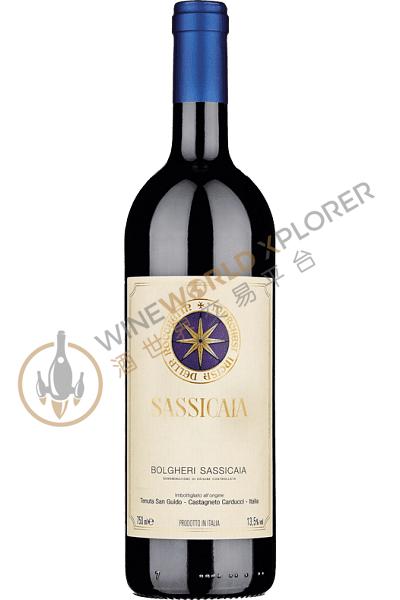
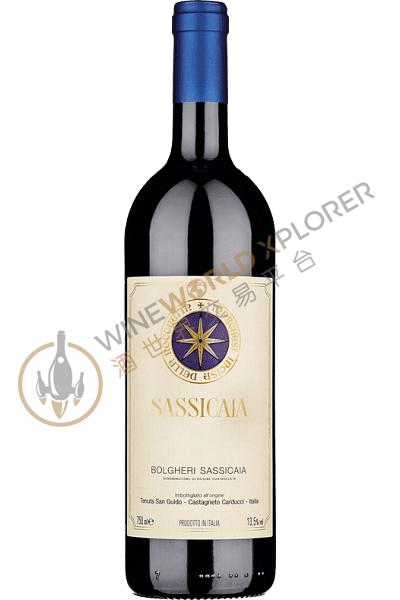
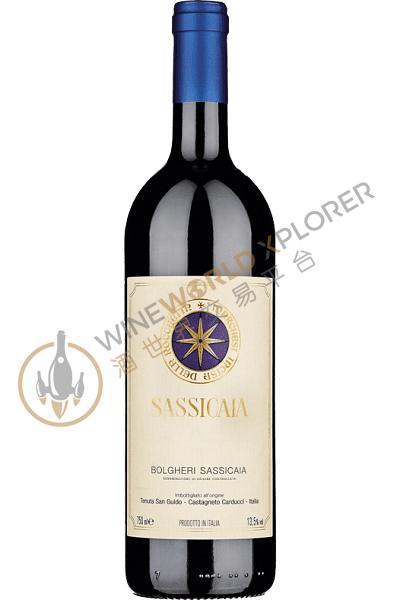
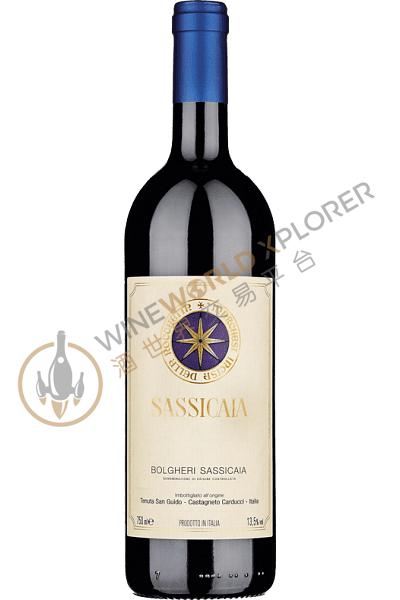
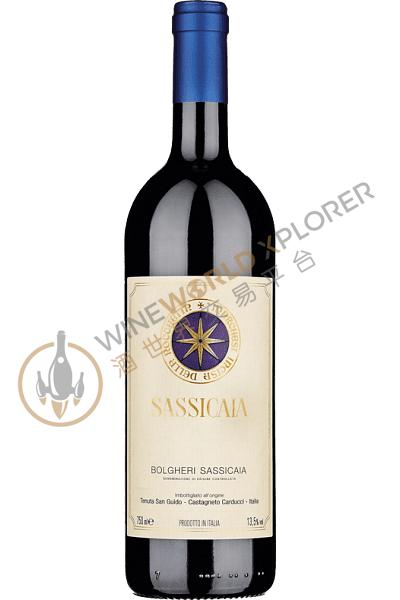
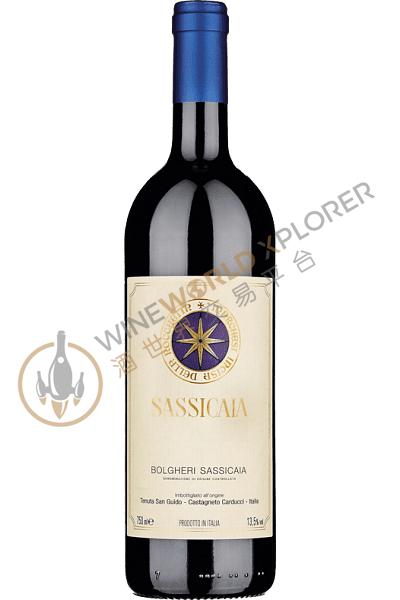
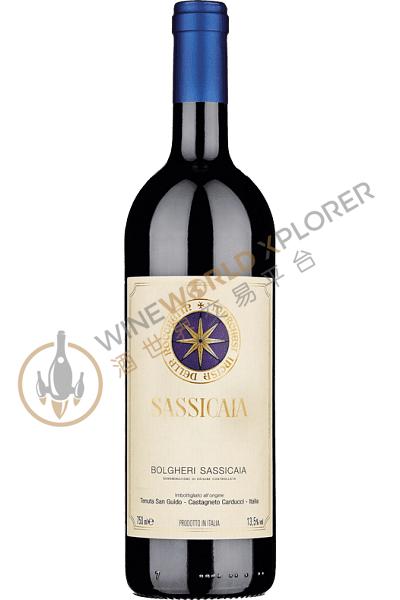
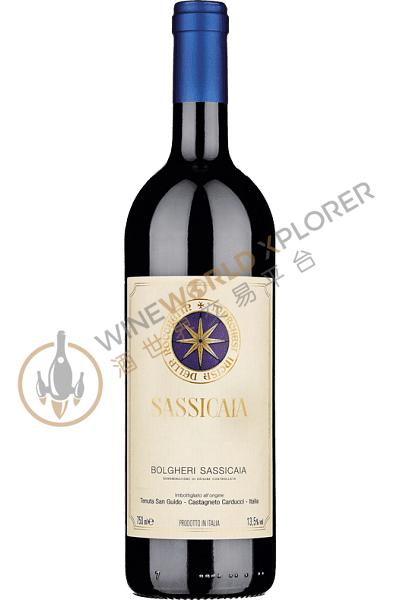
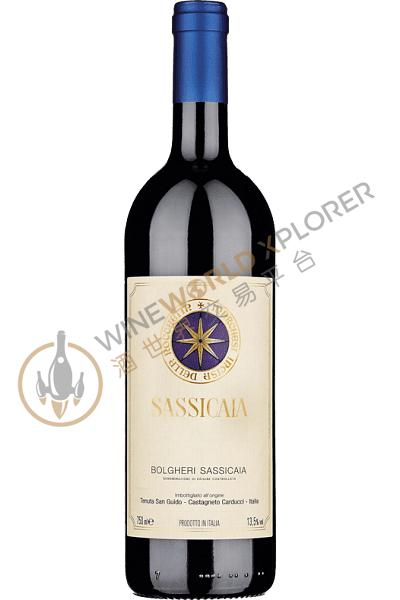
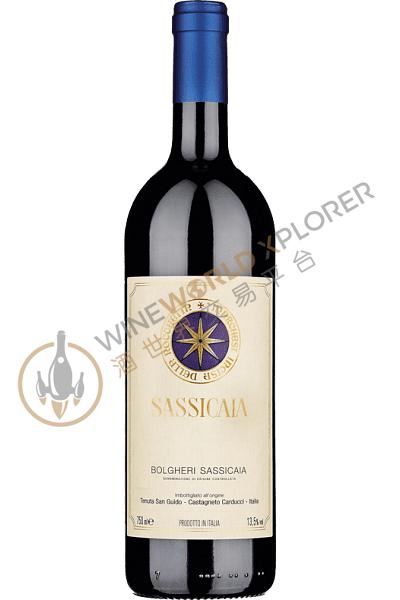
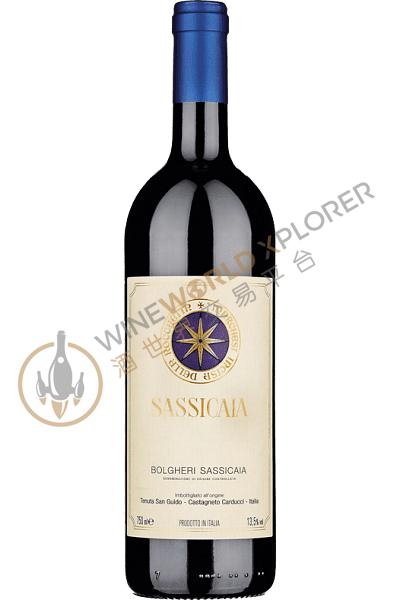
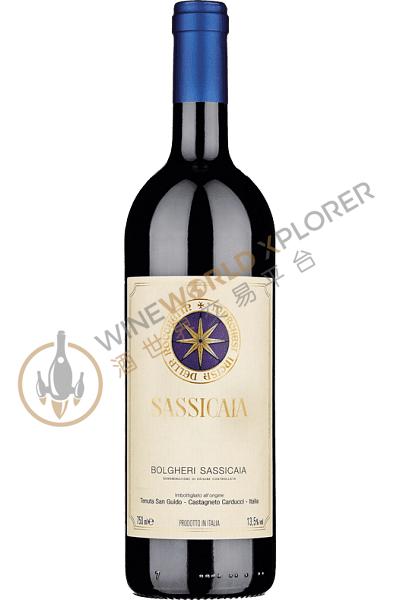
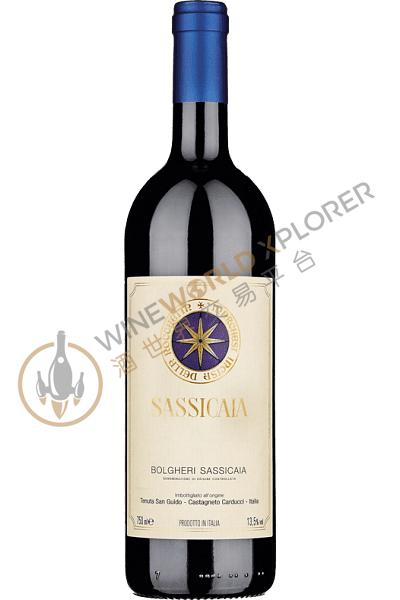
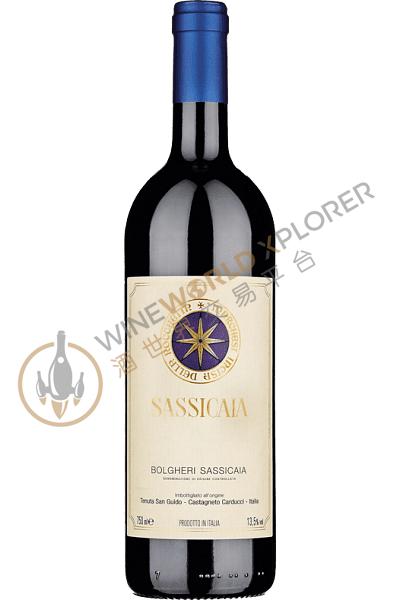
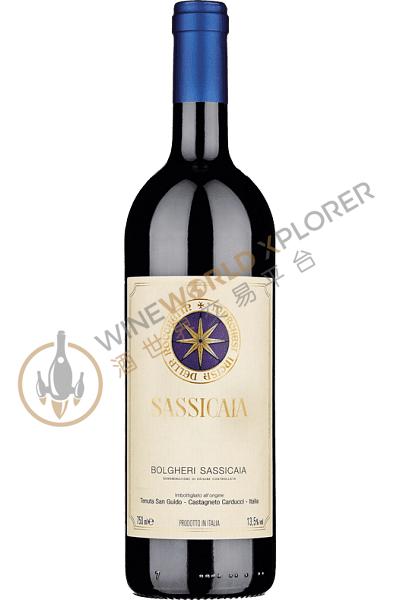
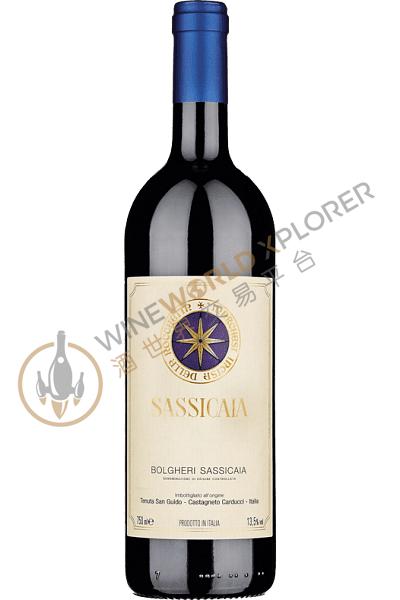
Tenuta San Guido, Sassicaia Bolgheri 1984
 View analysis


Description
Sasssicaia have property that stretches over 2,500 hectares, chosen to select and plant vineyards exclusively on the most suitable lands, covering just a small area of the total surface. An area that is unique in terms of soil type, microclimate, and exposure that deserves its own appellation: DOC Bolgheri Sassicaia. The 1968 vintage saw the debut of Sassicaia, a courageous wine that at the time, broke away from the standard way of making Tuscan Wine. The wine is named after the stony soil which it comes from, and, by its nature, is destined to go far, to mark the boundaries between the different crops. Its ornamental value, with the tall cypresses running in double rows, came after that.
Tasting notes

Reviewed by: Neal Martin
Like Bordeaux , a growing season that never countenanced the winemaker, Nicolo mentioning that the vines suffered three bouts of hail damage as well as a deluge of rain during the harvest. Unsurprisingly, the palate is a testament not only to the difficult growing season, but also their success at overcoming the limitations of the vintage. A moderately deep garnet core with noticeable tawny rim. A delectable nose which a touch of marzipan at first, a distant tang of Devonshire fudge. The palate is medium-bodied, not a wine of great depth, slightly leathery but with the crucial acidity lending the wine vivacity and poise. A leafy finish, a tad loose-knit with bitter cherry, a touch of espresso and bitter chocolate. Not dissimilar to a Bordeaux 1984, but a lot better in style. Drink now. Tasted March 2007.
Reviewed by: Monica Larner
This wine suffers the unlucky disadvantage of being placed after the stunning 1985 vintage in this tasting. The 1984 Sassicaia holds its own, although it is clearly a step removed. This effort shows more oak spice and tobacco spread generously over a leaner, more compact texture. Dark tar, licorice and autumnal aromas appear with cumin, saffron and baking spice. The wine delivers less overall volume and is moderately concentrated in terms of mouthfeel. However, it has maintained a fresh personality and does not suffer from the overt oxidation you get in some of the younger vintages from the 1990s. It should continue to hold for a few more solid years. Hail damage in 1984 reduced vineyard yields.
About the Producer
Tenuta San Guido is located in the seaside area of Bolgheri in Toscana, Italy. The Sassicaia wine produced by the winery is known as the king of wine in Italy and enjoys the reputation of "Italian Lafite". Marquis Mario (Mario Incisa della Rocchetta) is the founder of the San Guito winery. He loves fine wine, horse racing and environmental protection, and has always dreamed of making a wine of excellent quality, an Italian wine that can swept the upper class. Well, it's Bordeaux style. In the 1940s, Marquis Mario and his wife came to live in the winery of San Guito. The innovation of "the first person to eat crabs". Winery San Guito made Sicilian wines from 1948 until the mid-1960s, but it was only consumed in-house. 1968 was a year to remember. This year, the ever-improving Cissicaia was launched for the first time. In the international blind tasting competition that year, Cissicaia’s excellent performance shocked the entire wine world, and its popularity was comparable to that of the top wineries in Bordeaux. Sanguito Winery's vineyard covers an area of 173 acres (about 70 hectares), all located in the DOC production area of Siciia, and the garden is planted with 85% Cabernet Sauvignon and 15% Cabernet Franc. The average age of the vines is 25-30 years, the planting density is 4,000-5,000 vines/ha, and the average yield is 1 kg/plant. Winemaking at San Guito Winery takes place in temperature-controlled stainless steel barrels that hold between 3,500 liters and 11,000 liters. The dipping time is approximately 2 weeks. Aged for 2 years in 33% new French oak barrels with a capacity of 225 liters. The main wine produced by San Guito Winery is San Guito Winery Xishijiaya dry red wine. This wine is one of the most famous Italian wines, made with Cabernet Sauvignon grapes. Recent good years include: 2000, 1998, 1997, 1993, 1990, 1988, 1985, 1982, 1978 and 1975.
1980(1)
Package Size