Wine Advisor



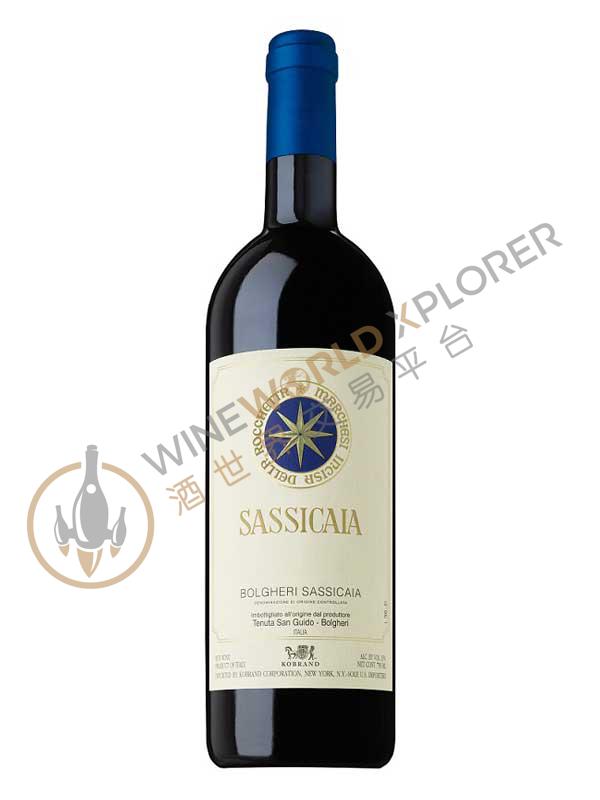
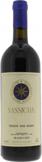
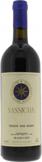
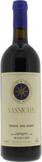
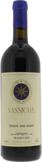
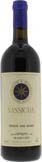
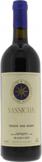
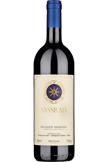
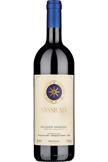
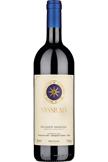
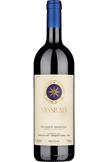
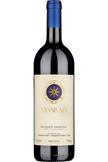
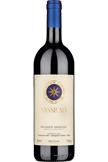
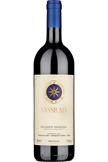
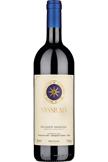
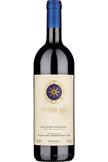
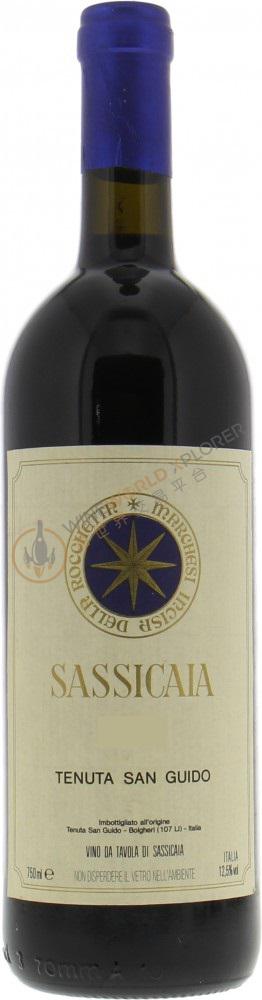
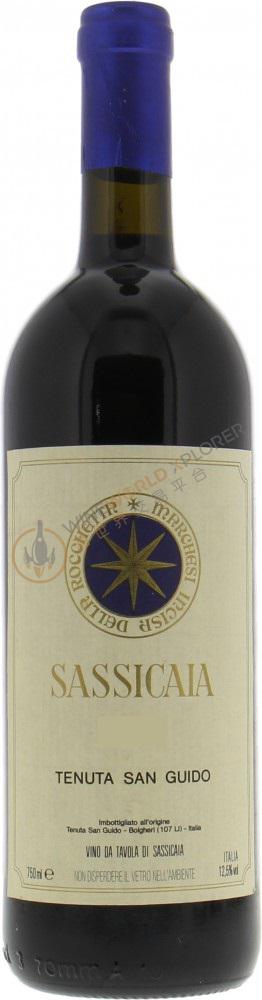
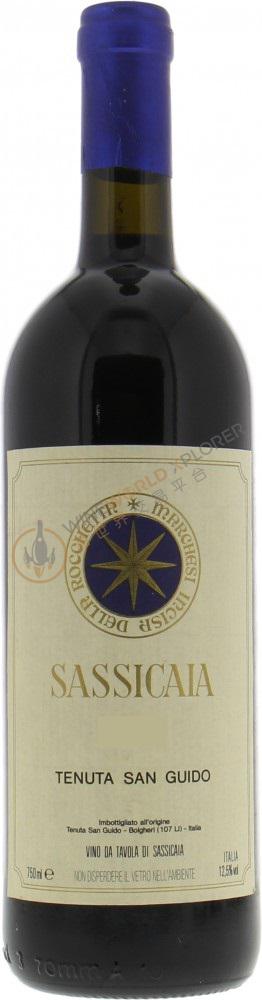
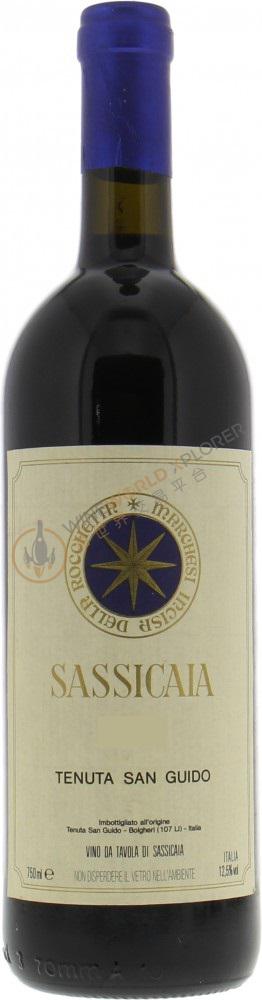
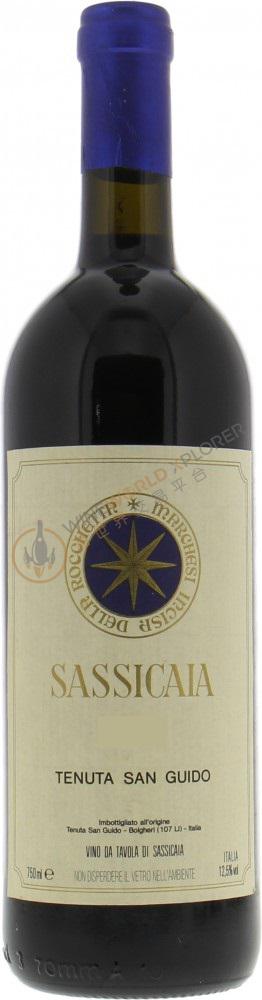
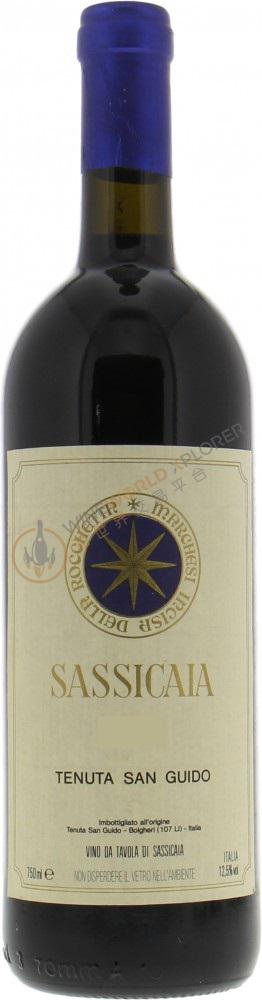
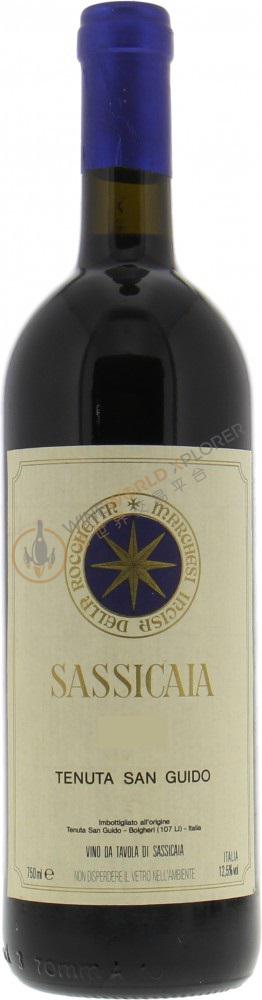
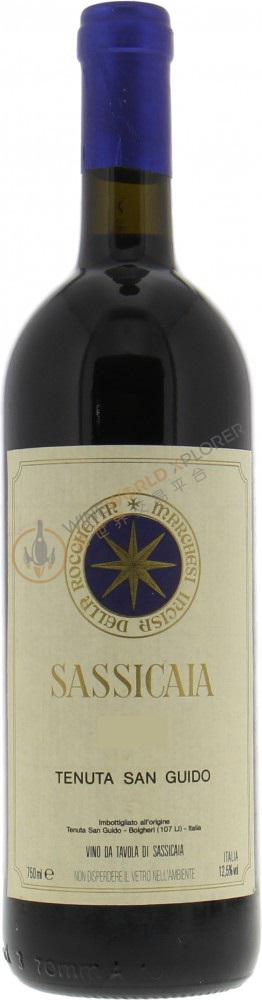
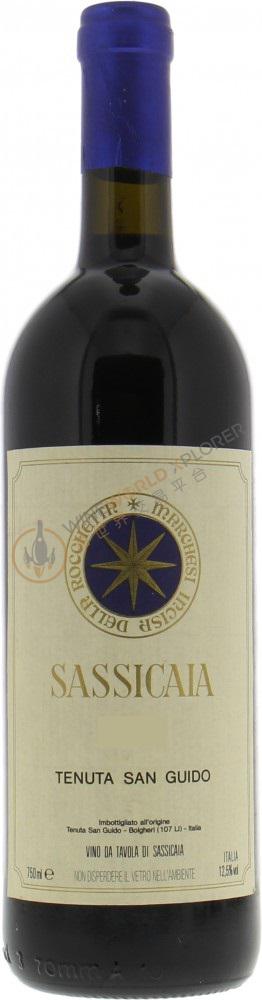
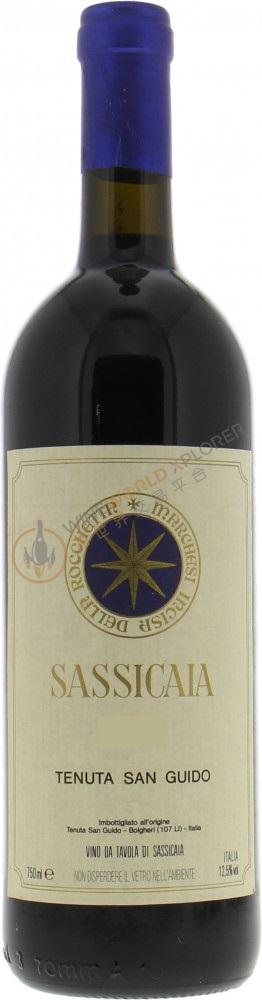
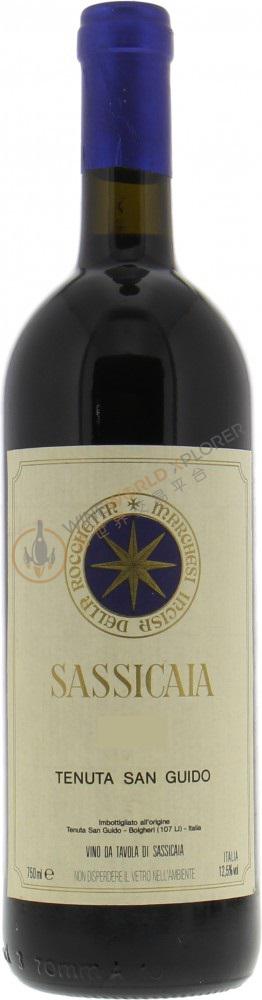
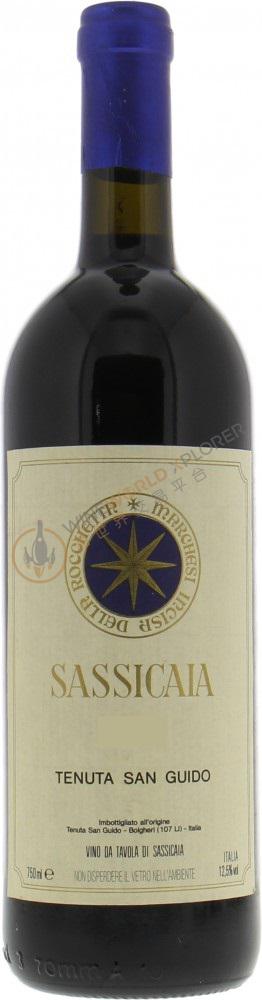
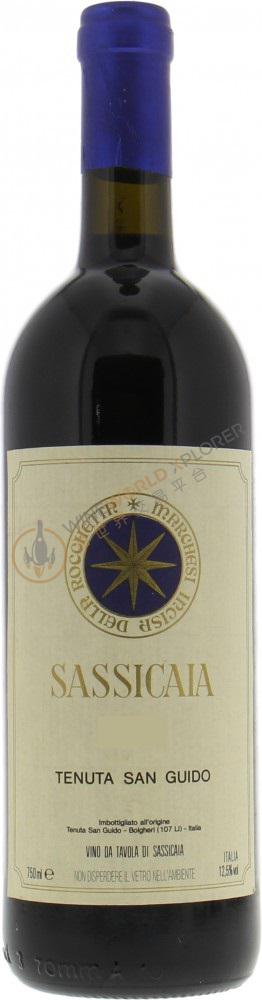
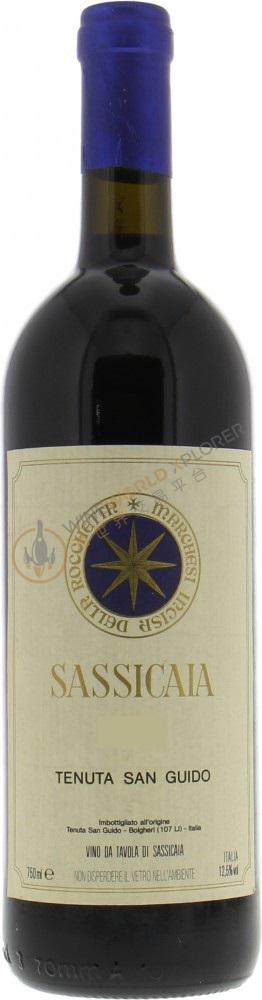
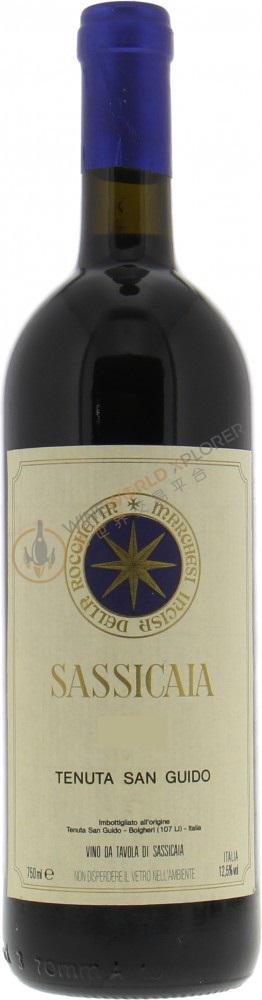
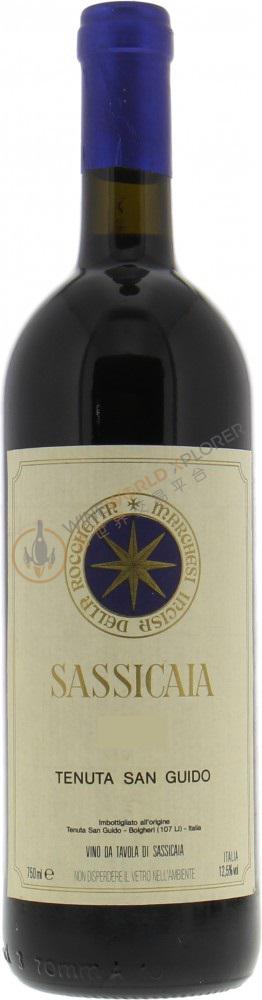
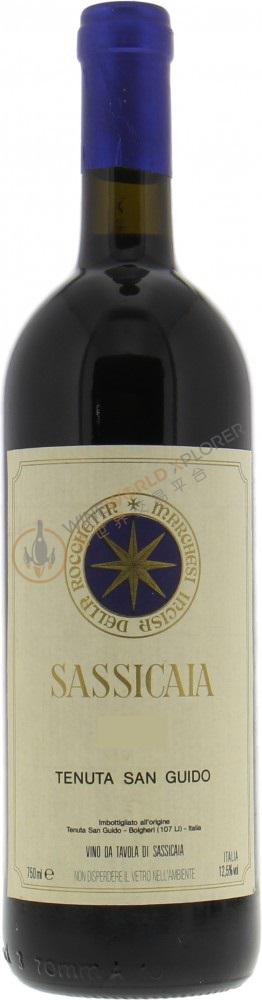
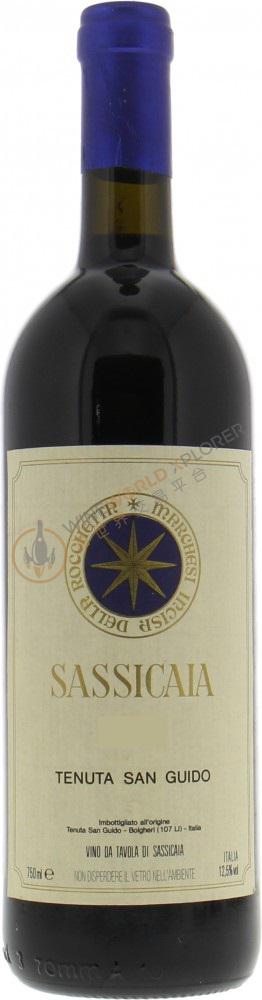
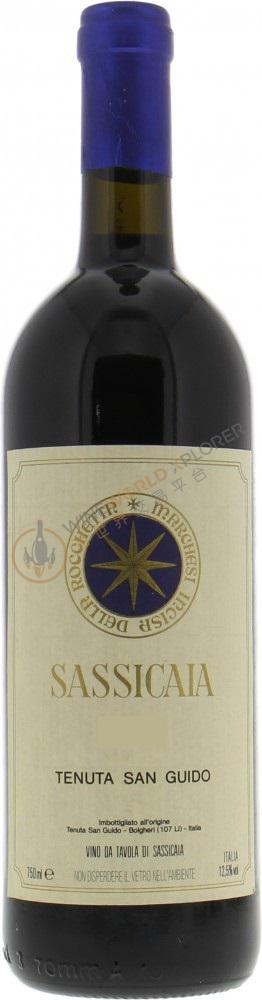
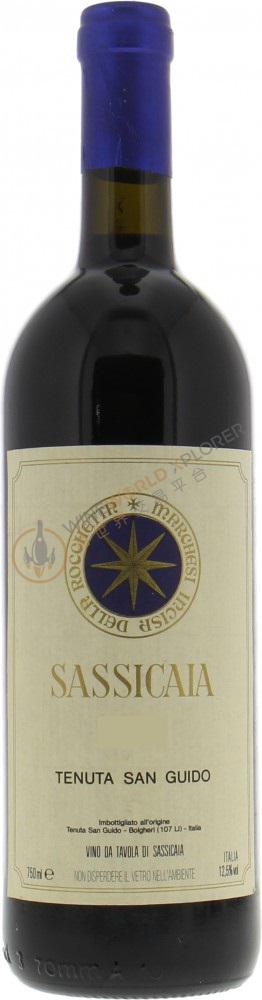
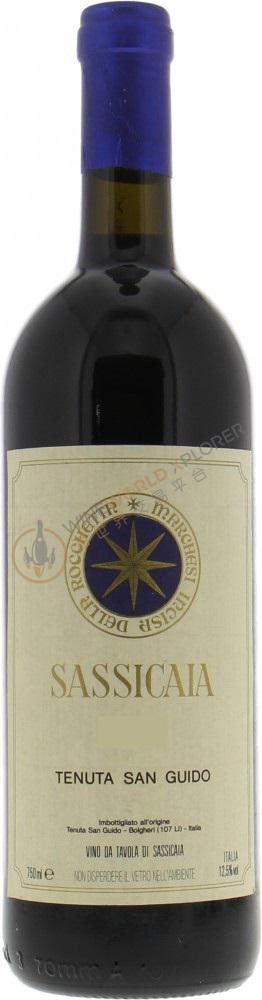
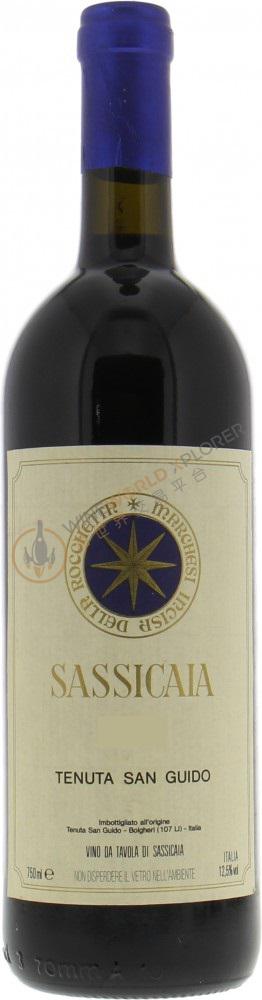
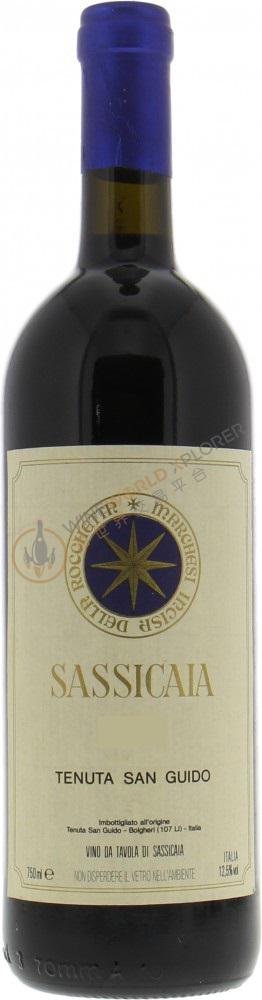
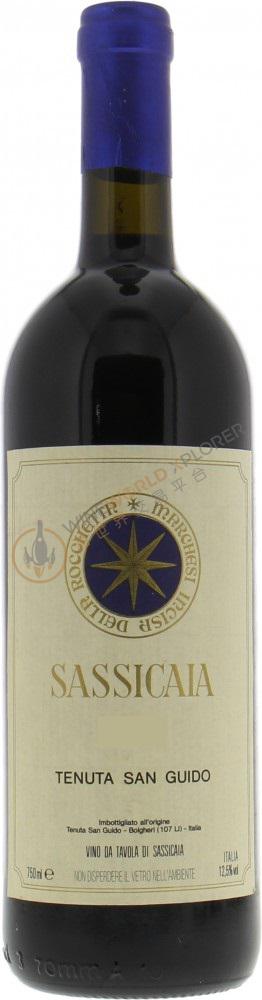
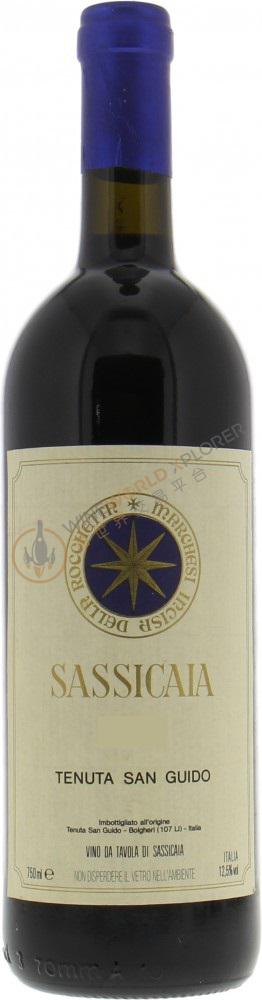
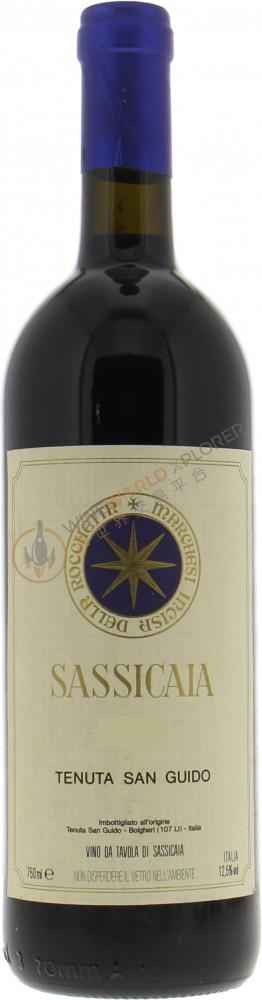
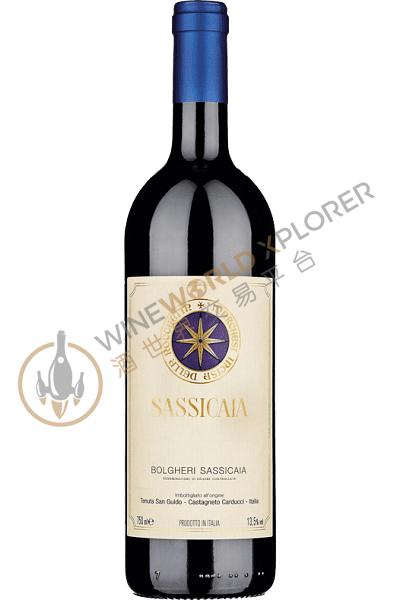
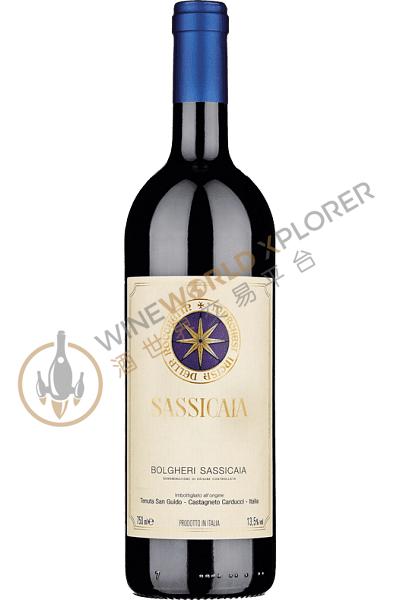
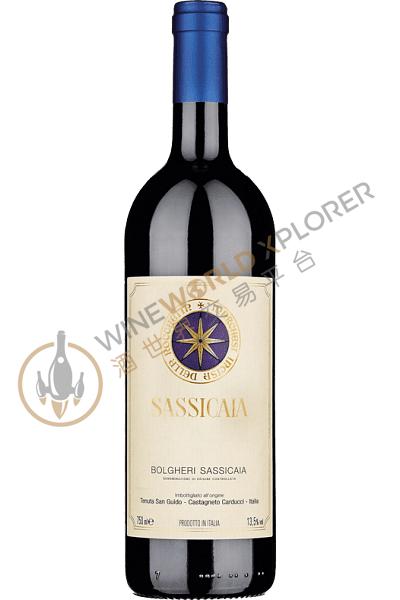
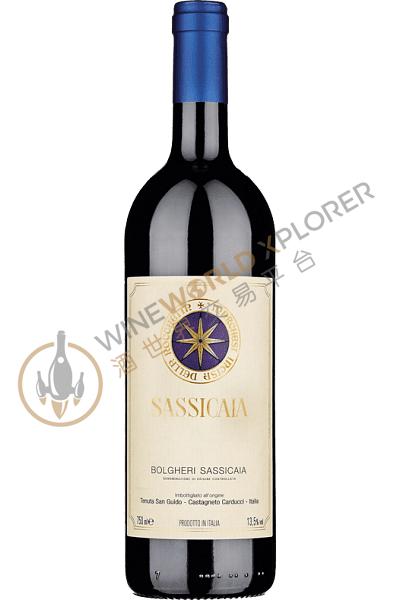
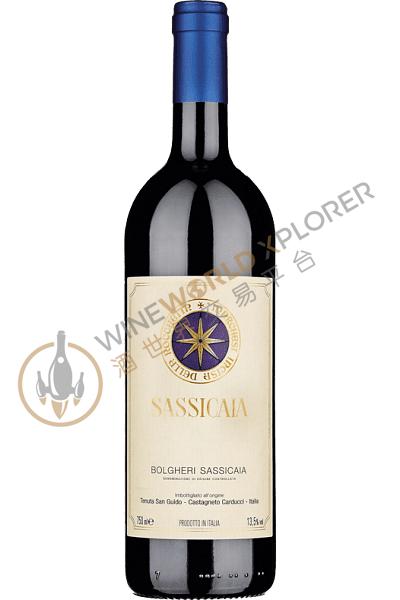
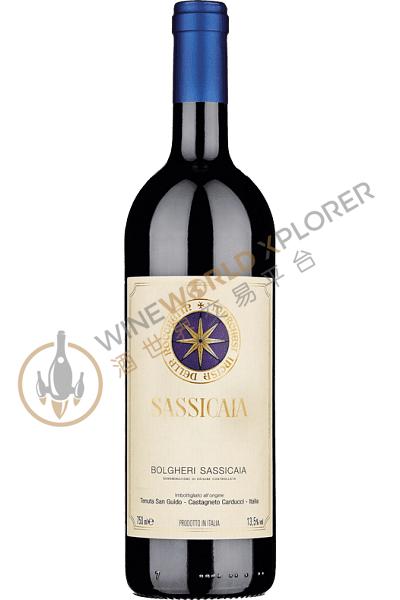
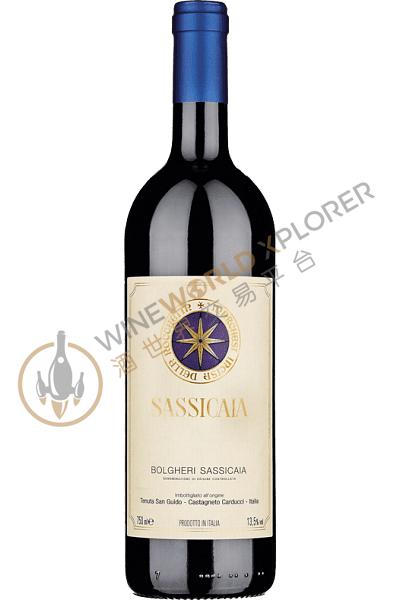
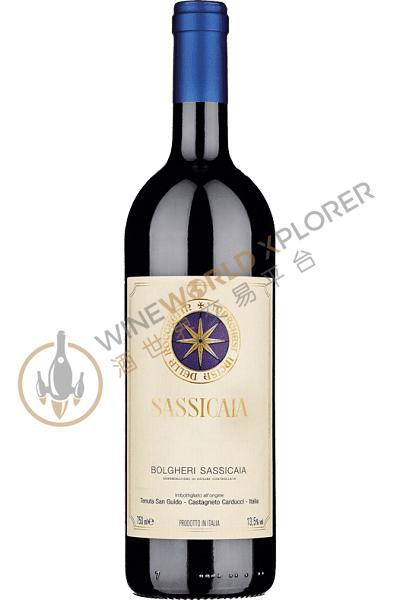
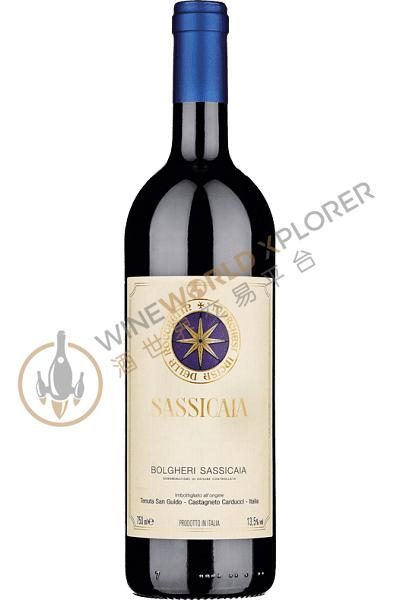
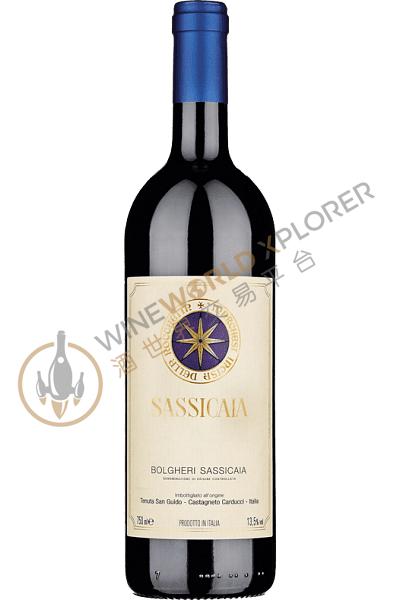
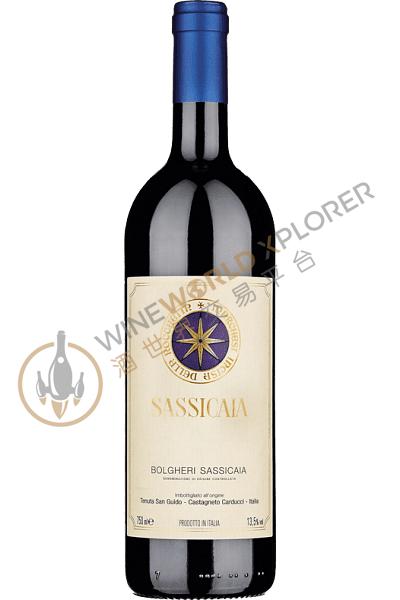
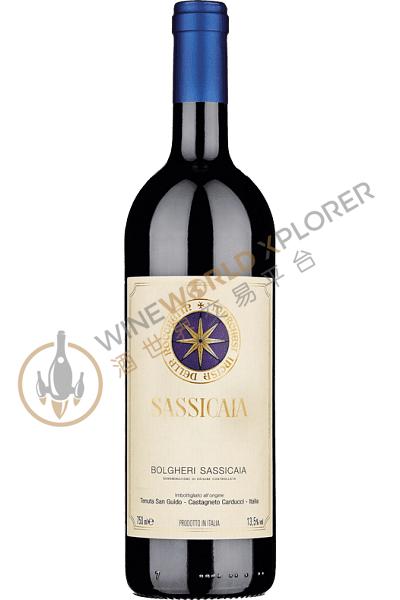
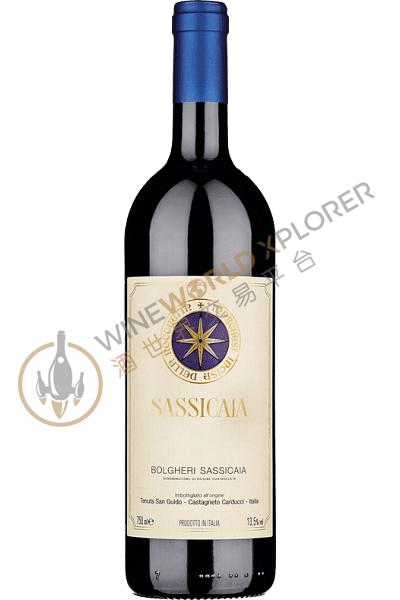
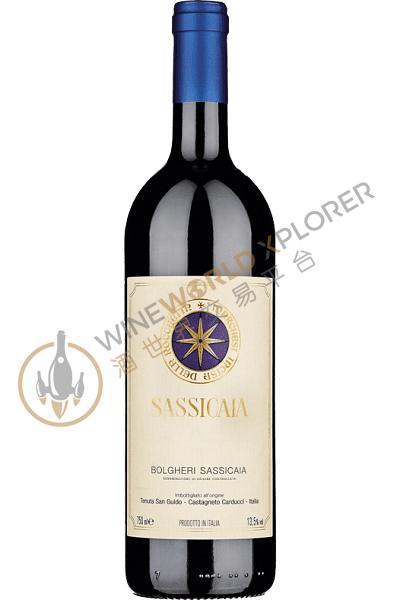
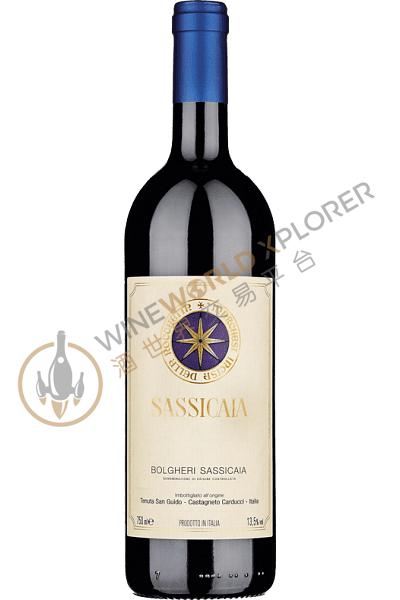
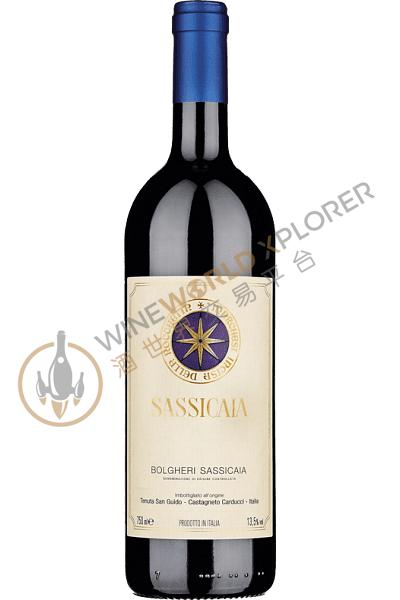
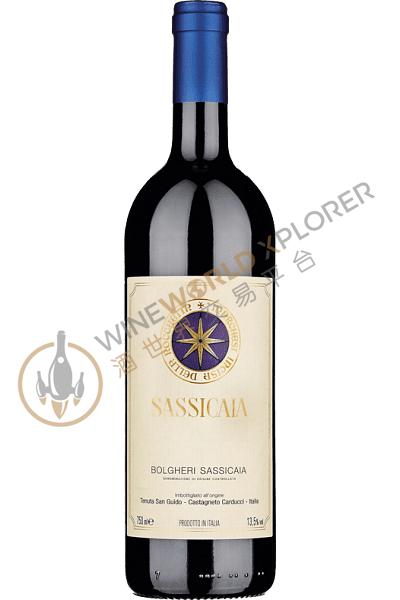
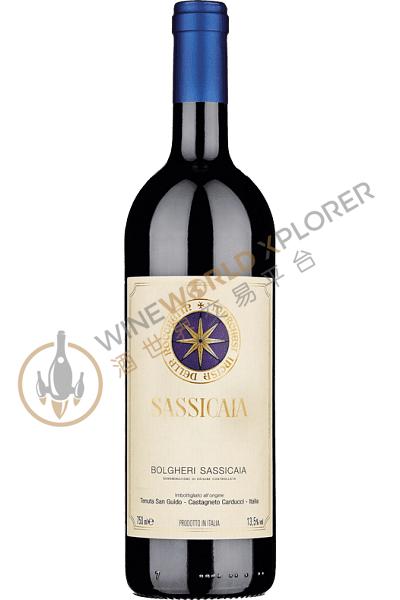
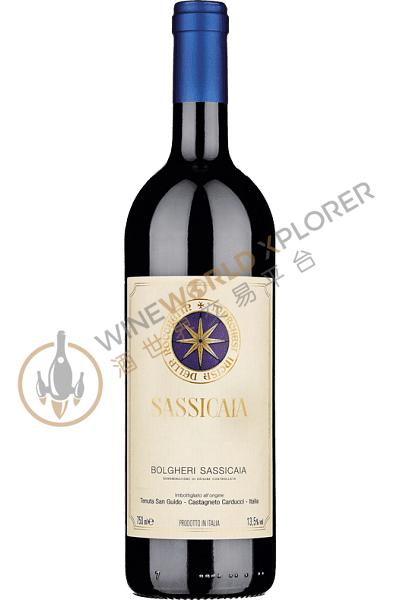
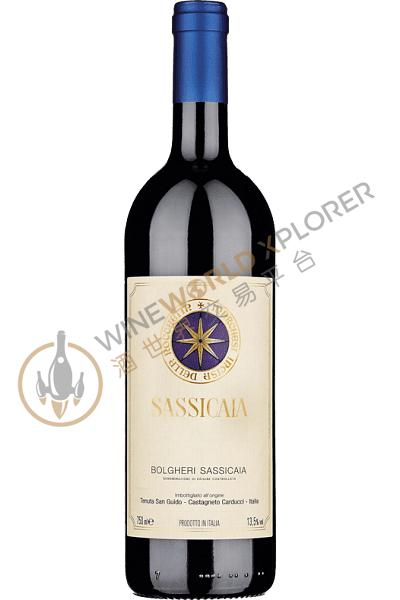
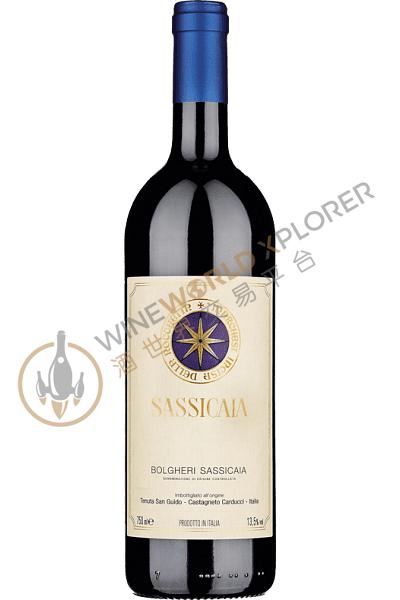
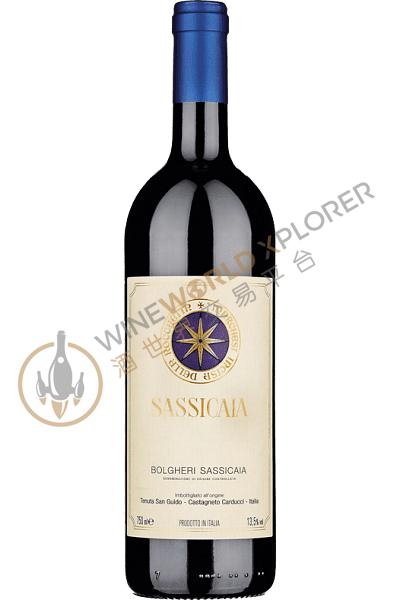
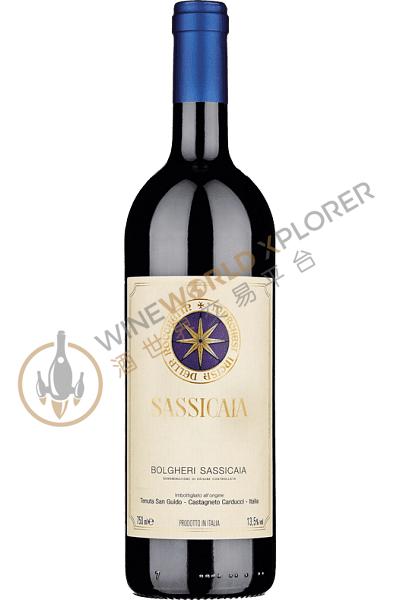
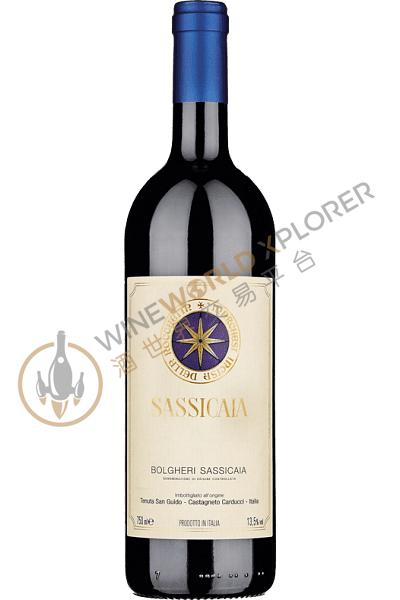
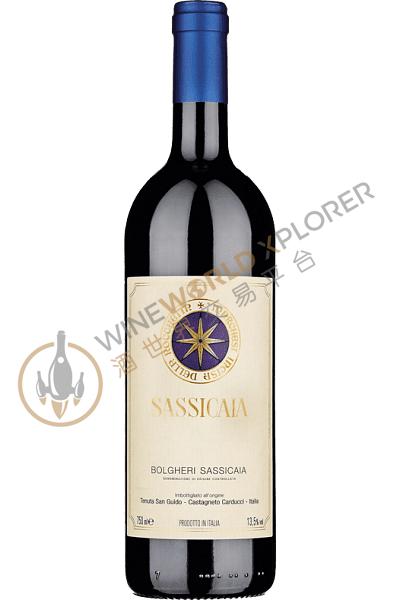
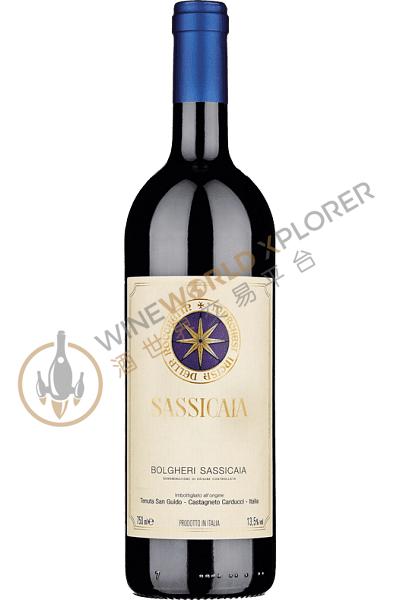
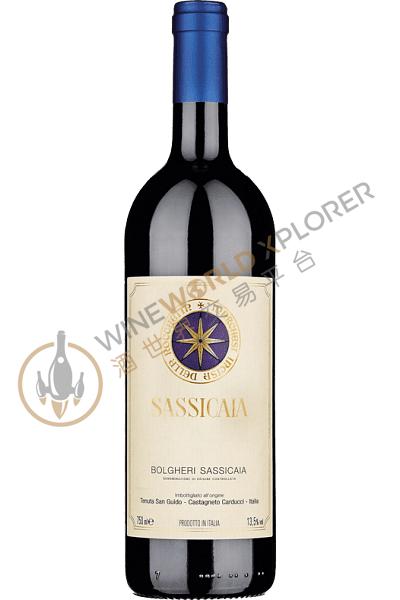
Tenuta San Guido, Sassicaia Bolgheri 2003
 View analysis


Description
Sasssicaia have property that stretches over 2,500 hectares, chosen to select and plant vineyards exclusively on the most suitable lands, covering just a small area of the total surface. An area that is unique in terms of soil type, microclimate, and exposure that deserves its own appellation: DOC Bolgheri Sassicaia. The 1968 vintage saw the debut of Sassicaia, a courageous wine that at the time, broke away from the standard way of making Tuscan Wine. The wine is named after the stony soil which it comes from, and, by its nature, is destined to go far, to mark the boundaries between the different crops. Its ornamental value, with the tall cypresses running in double rows, came after that.
Tasting notes

Reviewed by: Antonio Galloni
Ample, sweet and expansive, the 2003 Sassicaia offers generous notes of sweet dark fruit intermingled with notes of spices, herbs, earthiness and smoke in a full-bodied, opulent expression of this wine. It is an outstanding effort for the vintage. Some cellaring is suggested although with air this wine is drinking beautifully right now.
Reviewed by: Ian d'Agata
(80% cabernet sauvignon and 20% cabernet franc) Dark ruby-red. Appealing smoky, minerally aromas of red cherry, blackcurrant and plum, with a hint of truffle. Quite suave on entry, then smooth and fine-grained, with good mineral lift to the decidedly sweet red fruit flavors. This broad, rich and supple wine boasts tremendous length and silky-sweet tannins. A great Sassicaia that falls roughly between the '88 and the '85 in style at the similar stage of development, although I'm not sure the new vintage will attain the heights reached by those earlier wines.
Reviewed by: Neal Martin
This was the first vintage where the alcohol level exceeded 14%. The 2003 Sassicaia has a light nose with truffle-scented black fruits, a hint of tobacco leaf and a faint tang of black truffle. The palate is medium-bodied with firm tannic structure: dark-cherry fruit, a touch of cooked meat, good acidity and noticeably sinewy towards the dense, almost broody finish. This 2003 is presently rather introspective. Tasted February 2010.
Reviewed by: Antonio Galloni
Ample, sweet and expansive, the 2003 Sassicaia offers generous notes of sweet dark fruit intermingled with notes of spices, herbs, earthiness and smoke in a full-bodied, opulent expression of this wine. It is an outstanding effort for the vintage. Some cellaring is suggested although with air this wine is drinking beautifully right now. Anticipated maturity: 2008-2023. Niccolo Incisa della Rocchetta is upbeat about his 2003s. “Of course it was a very hot, dry vintage, but under these circumstances Cabernet Sauvignon and Cabernet Franc tended to perform better than other varietals such as Merlot. I am happy with the balance of our Sassicaia although clearly we can’t call it a ‘classic’ vintage. Sassicaia is a wine that needs bottle age to show its full potential and I am confident the 2003 will age well. Today it reminds me most of the 1978.” Importer: Kobrand Corp., New York, NY; tel. (212) 490-9300
Reviewed by: Monica Larner
The 2003 Bolgheri Sassicaia is full of unexpected twists and turns. Oddly enough, this vintage offered more overall freshness and balance than the much-celebrated 2004 edition. We all know that 2003 was a very difficult year with scorching hot temperatures that broke all records. Instead of jammy flavors or overt ripeness, this wine has embraced an all-balsam aromatic profile instead. The bouquet opens to dried cassis or red currant with eucalyptus, cola, grilled rosemary and medicinal herb. The tannins are silky and fully integrated within the wine's thick textural richness. There are areas that feel flat and sedate, but this is an impressive effort overall that shows impressive stability considering the challenges of the growing season.
About the Producer
Tenuta San Guido is located in the seaside area of Bolgheri in Toscana, Italy. The Sassicaia wine produced by the winery is known as the king of wine in Italy and enjoys the reputation of "Italian Lafite". Marquis Mario (Mario Incisa della Rocchetta) is the founder of the San Guito winery. He loves fine wine, horse racing and environmental protection, and has always dreamed of making a wine of excellent quality, an Italian wine that can swept the upper class. Well, it's Bordeaux style. In the 1940s, Marquis Mario and his wife came to live in the winery of San Guito. The innovation of "the first person to eat crabs". Winery San Guito made Sicilian wines from 1948 until the mid-1960s, but it was only consumed in-house. 1968 was a year to remember. This year, the ever-improving Cissicaia was launched for the first time. In the international blind tasting competition that year, Cissicaia’s excellent performance shocked the entire wine world, and its popularity was comparable to that of the top wineries in Bordeaux. Sanguito Winery's vineyard covers an area of 173 acres (about 70 hectares), all located in the DOC production area of Siciia, and the garden is planted with 85% Cabernet Sauvignon and 15% Cabernet Franc. The average age of the vines is 25-30 years, the planting density is 4,000-5,000 vines/ha, and the average yield is 1 kg/plant. Winemaking at San Guito Winery takes place in temperature-controlled stainless steel barrels that hold between 3,500 liters and 11,000 liters. The dipping time is approximately 2 weeks. Aged for 2 years in 33% new French oak barrels with a capacity of 225 liters. The main wine produced by San Guito Winery is San Guito Winery Xishijiaya dry red wine. This wine is one of the most famous Italian wines, made with Cabernet Sauvignon grapes. Recent good years include: 2000, 1998, 1997, 1993, 1990, 1988, 1985, 1982, 1978 and 1975.
1980(1)1984(1)1987(2)1993(1)1994(2)1997(1)1998(2)1999(3)2001(6)2002(3)
Package Size