Wine Advisor



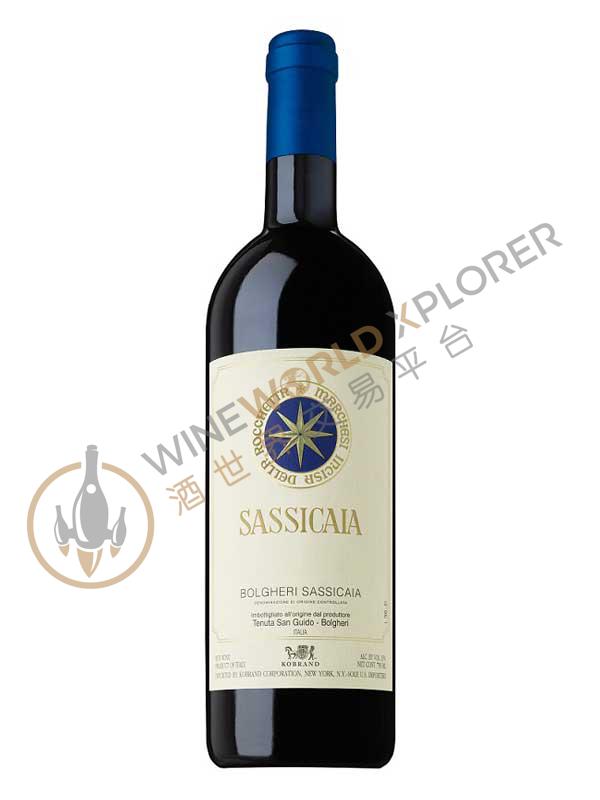
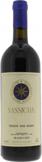
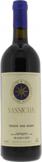
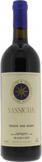
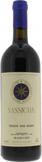
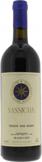
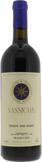
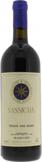
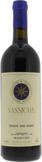
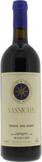
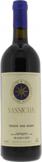
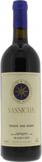
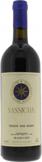
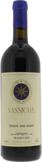
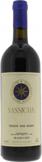
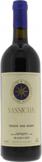
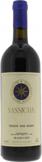
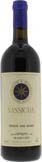
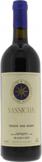
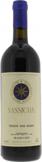
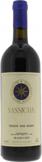
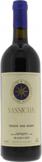
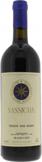
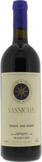
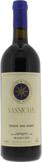
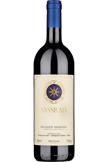
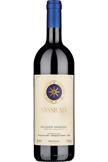
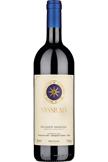
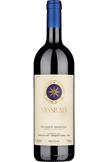
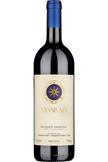
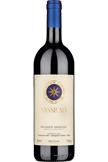
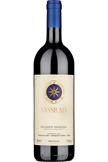
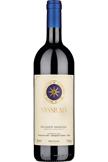
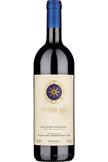
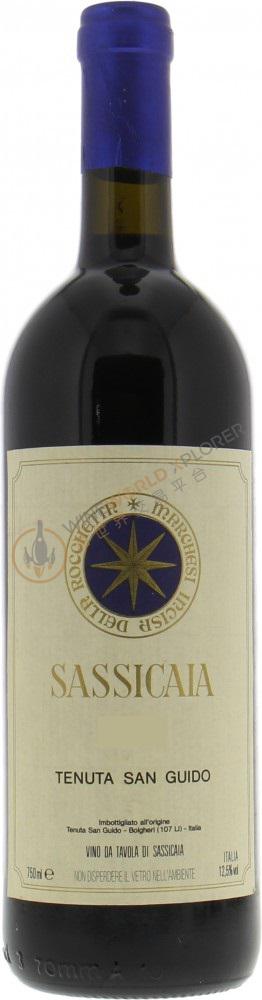
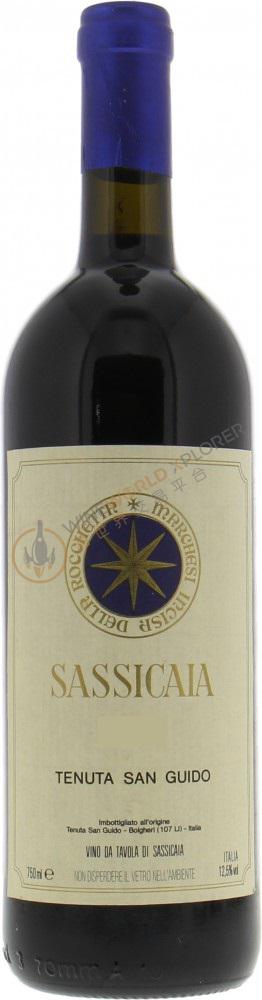
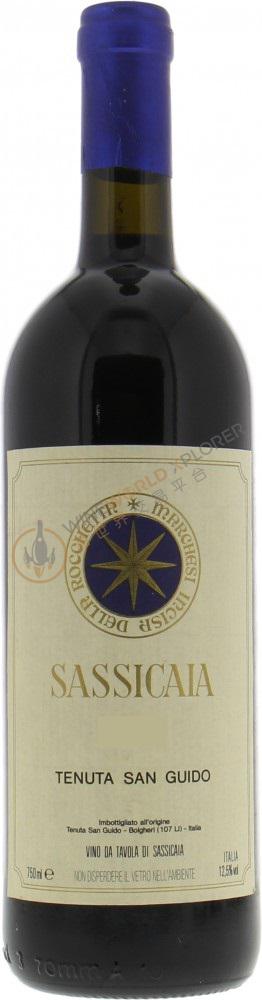
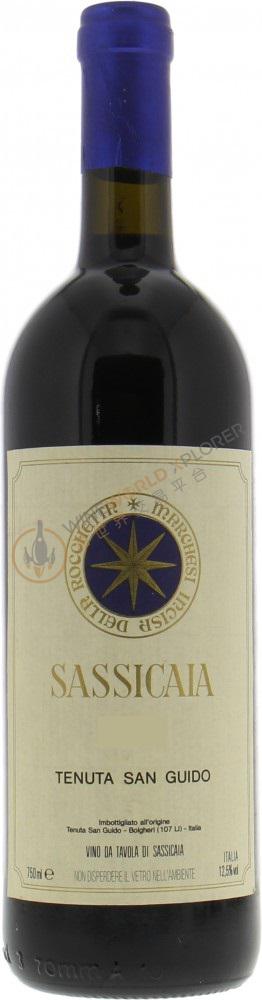
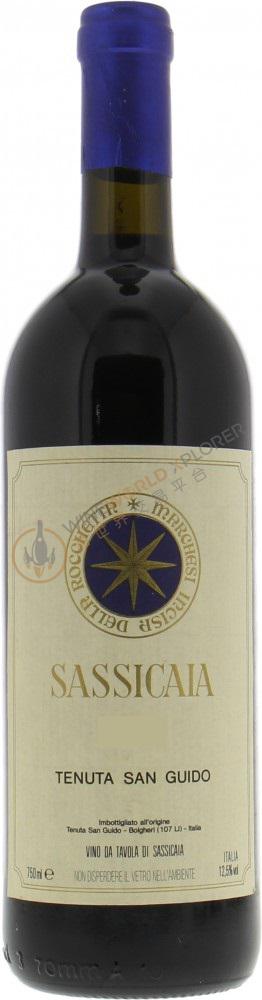
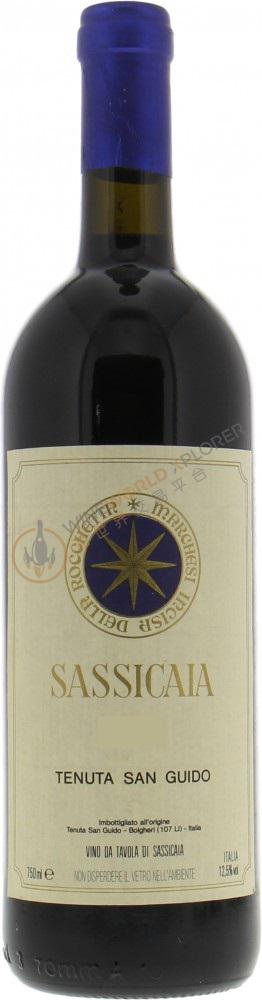
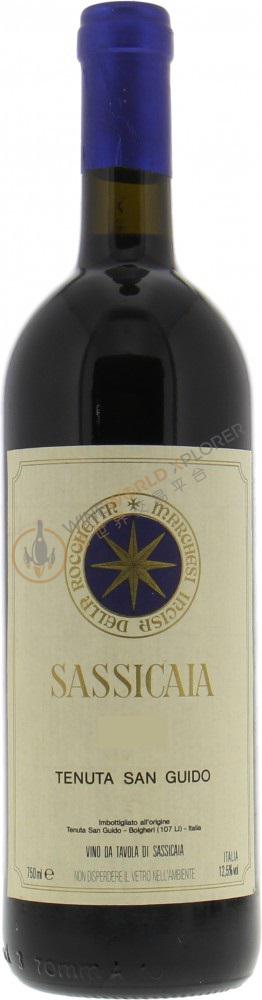
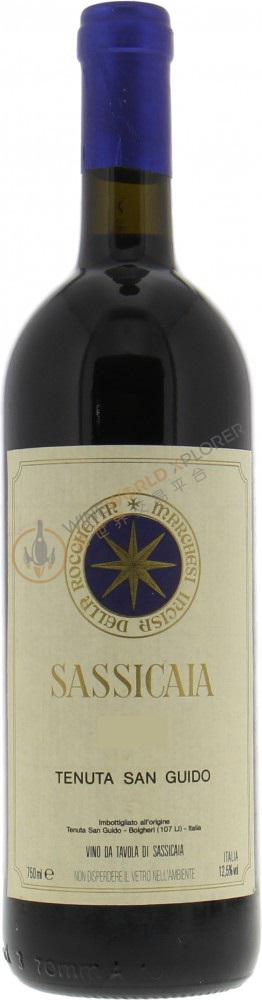
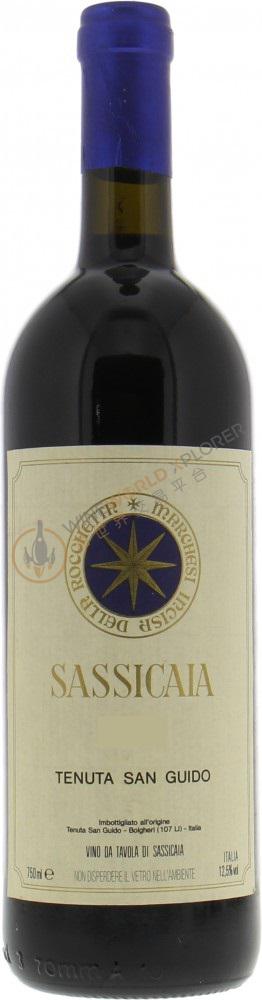
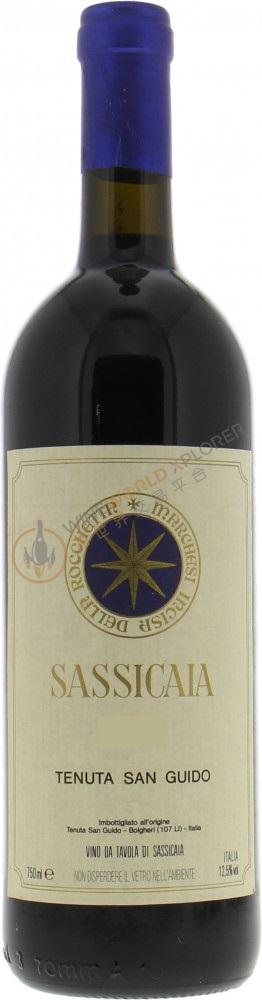
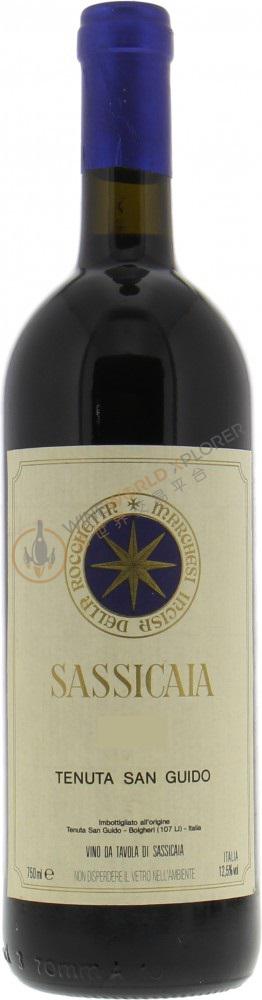
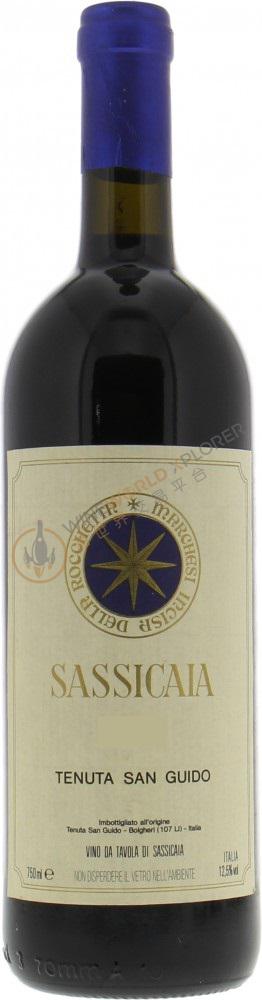
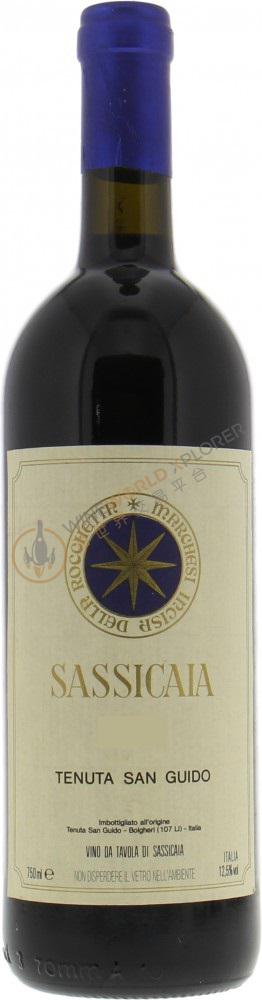
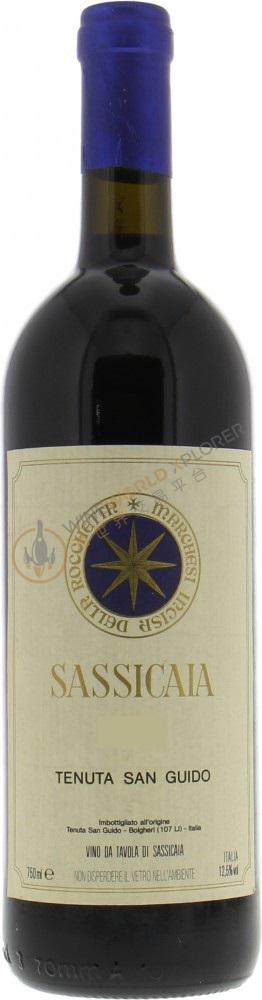
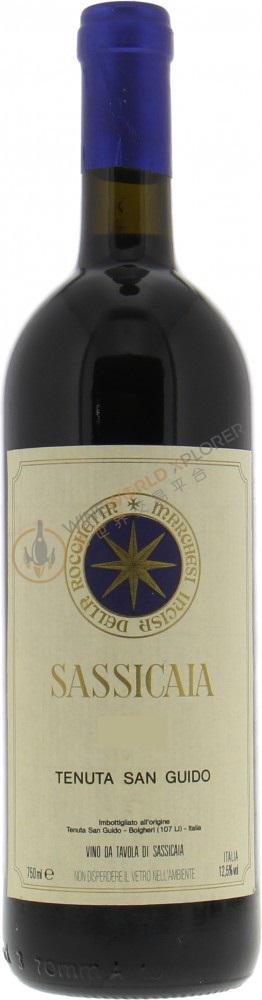
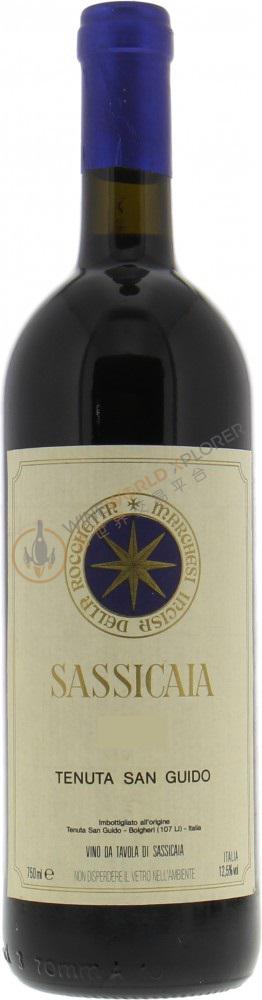
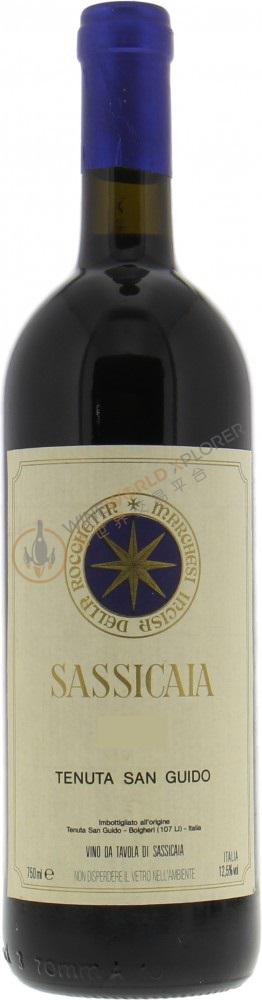
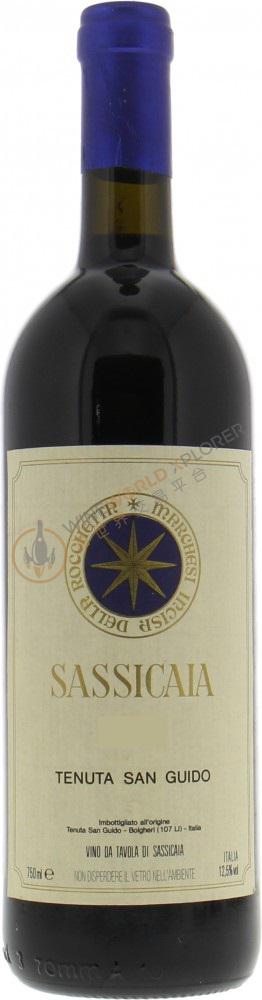
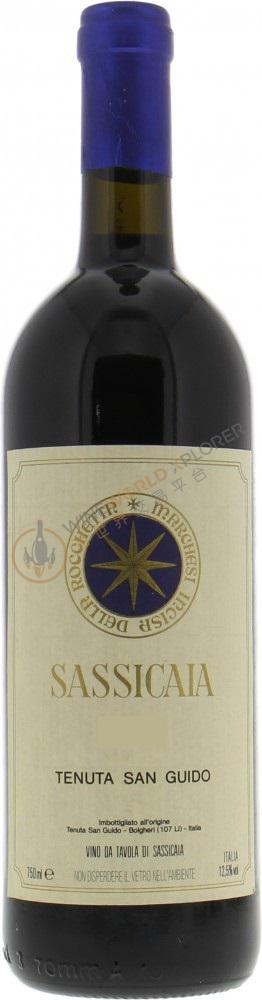
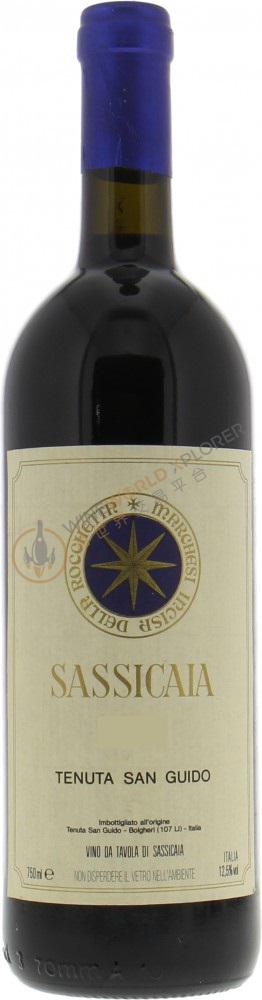
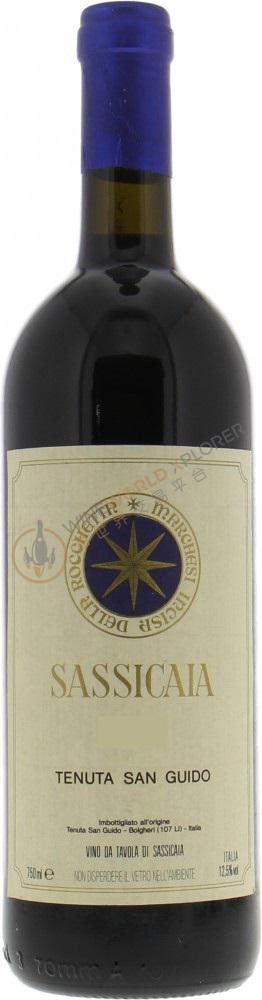
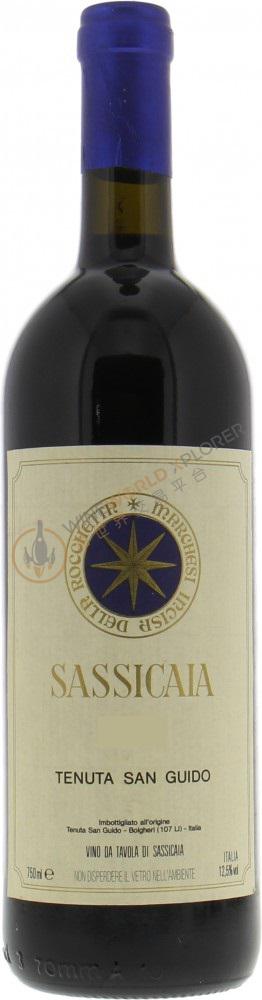
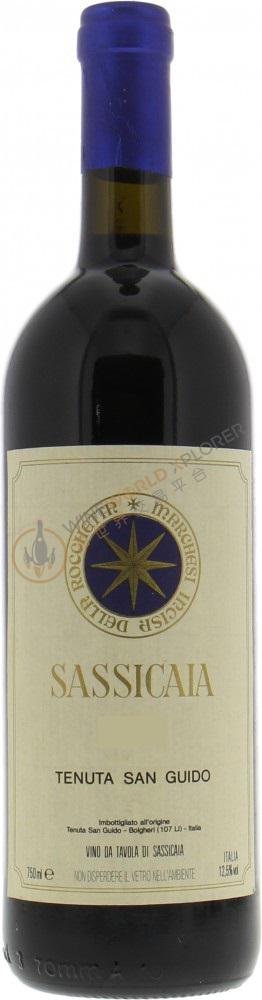
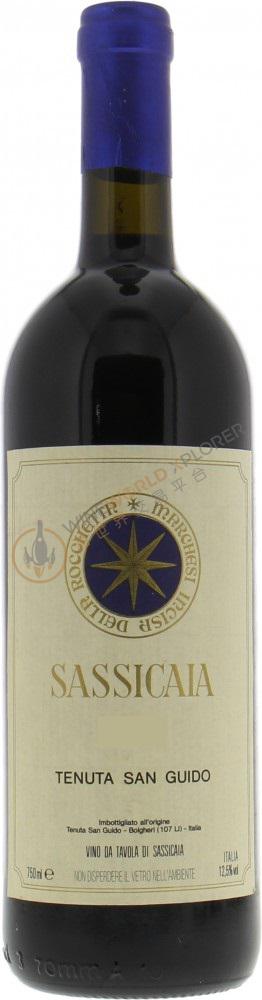
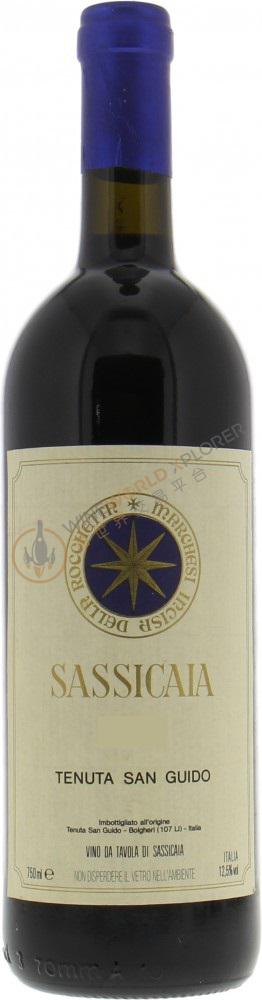
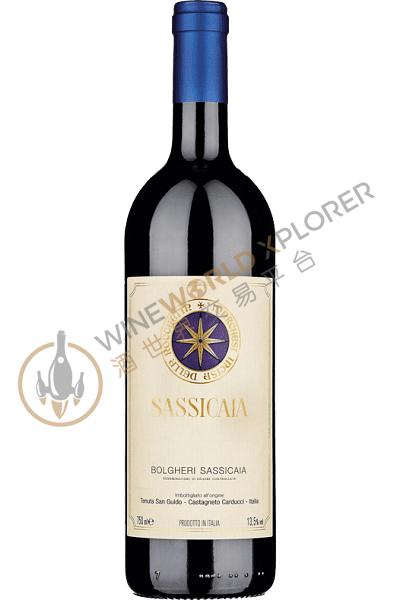
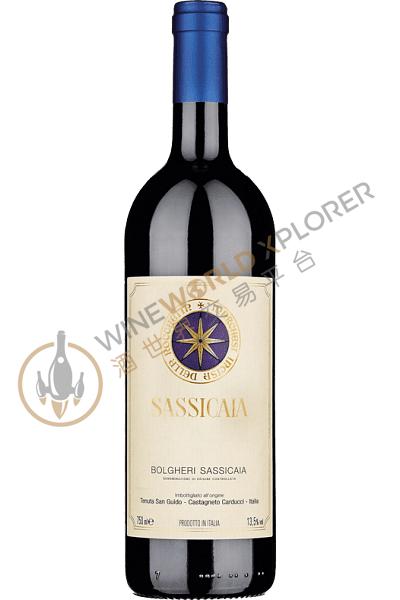
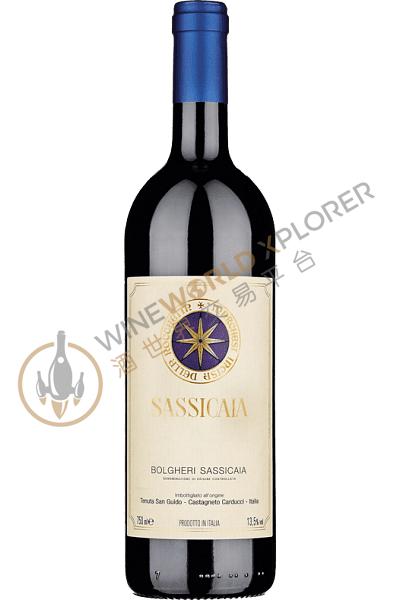
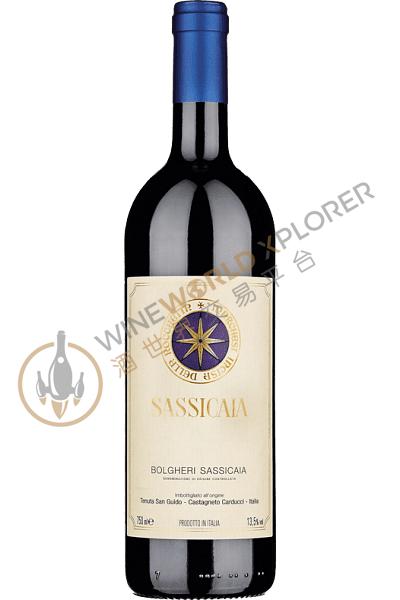
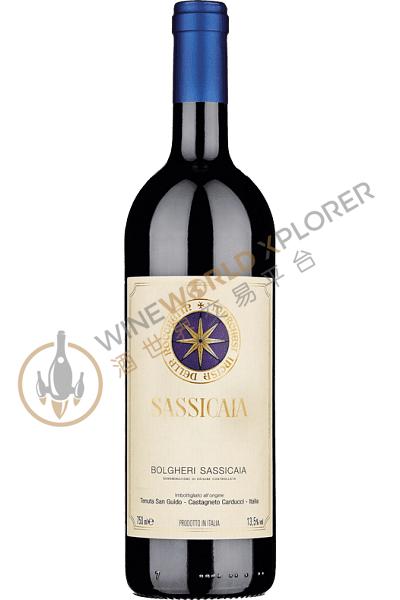
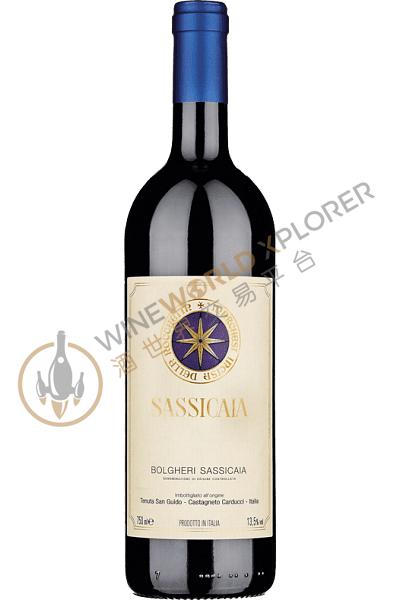
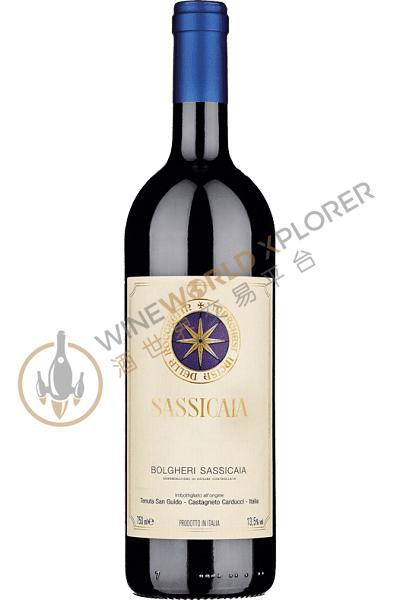
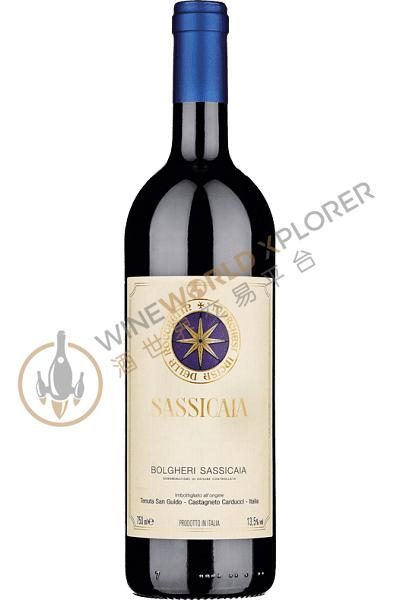
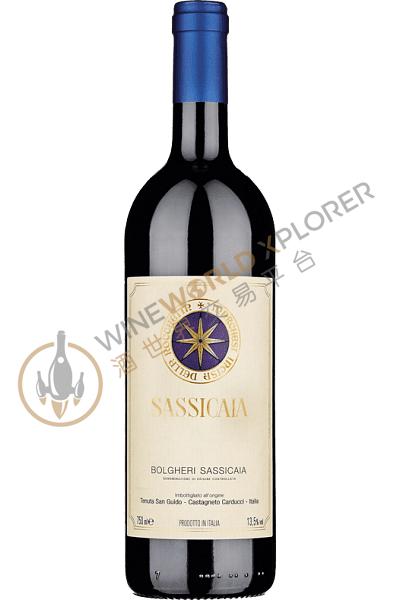
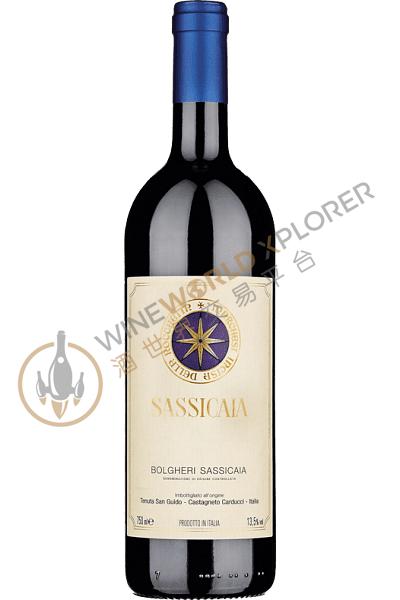
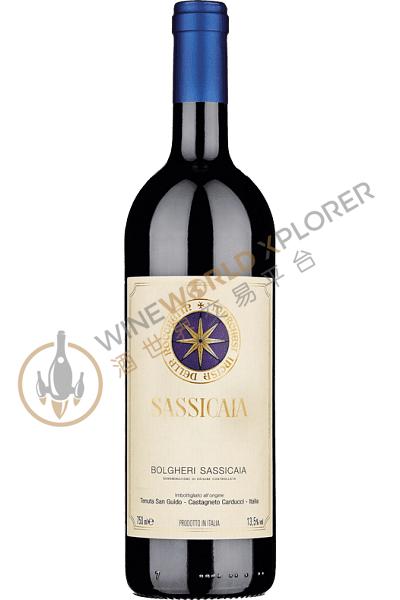
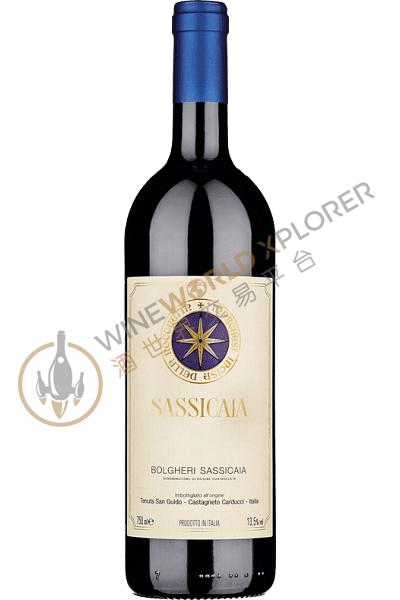
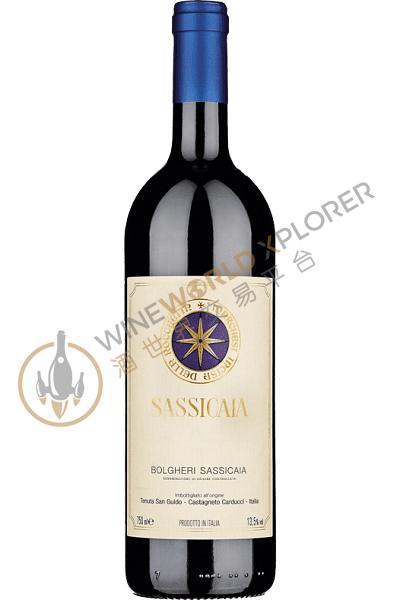
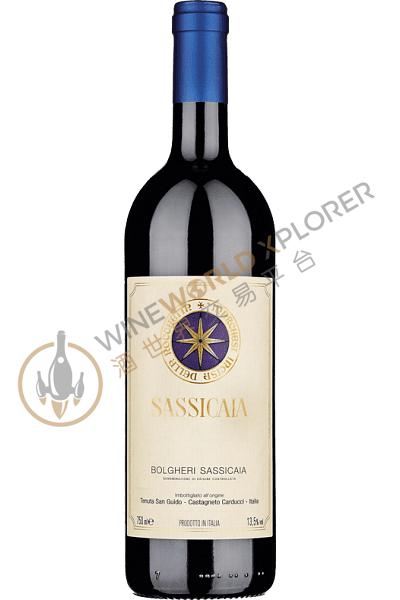
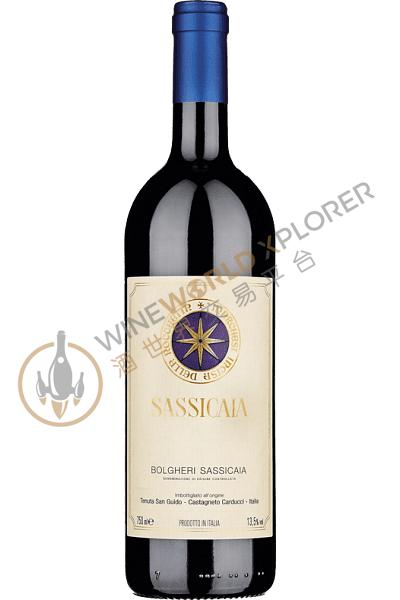
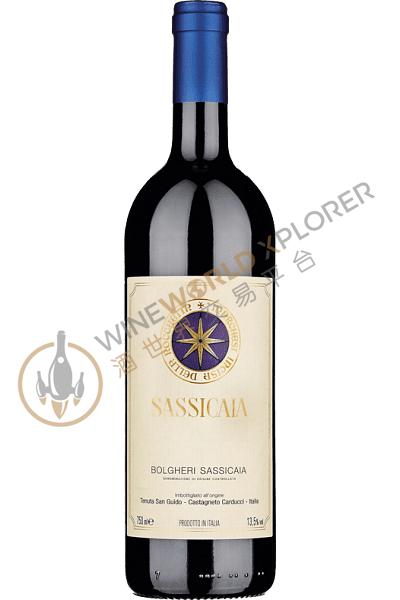
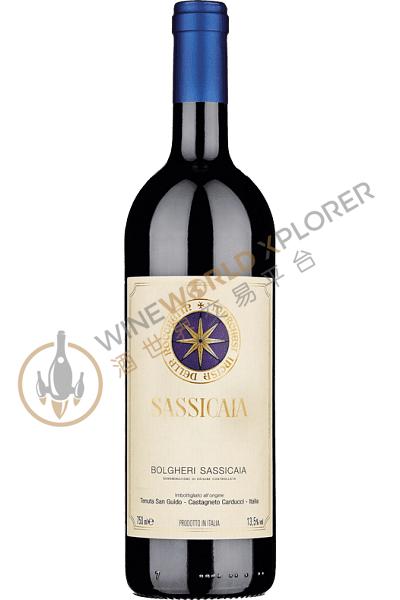
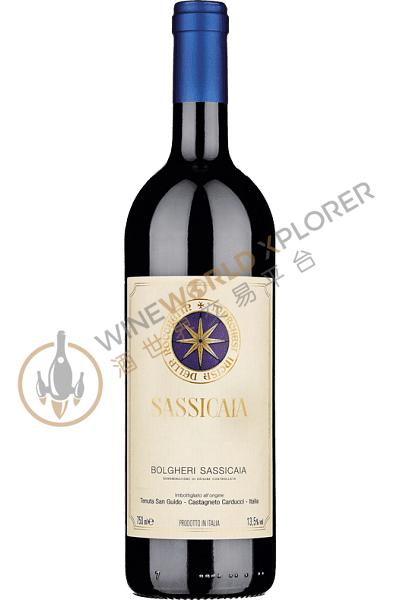
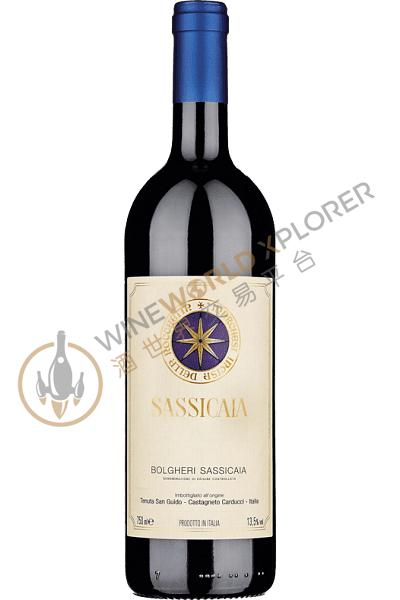
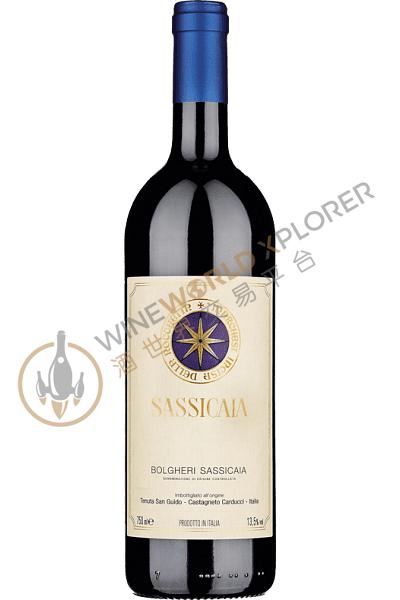
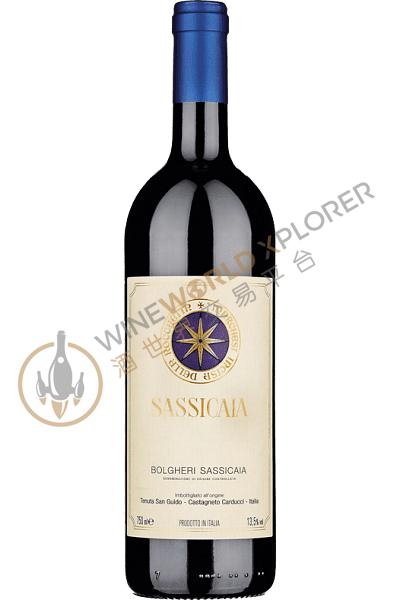
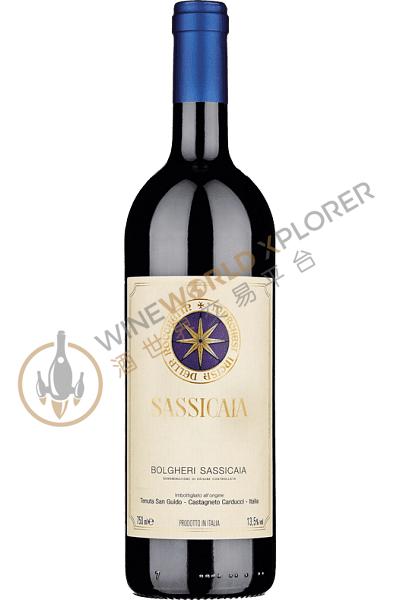
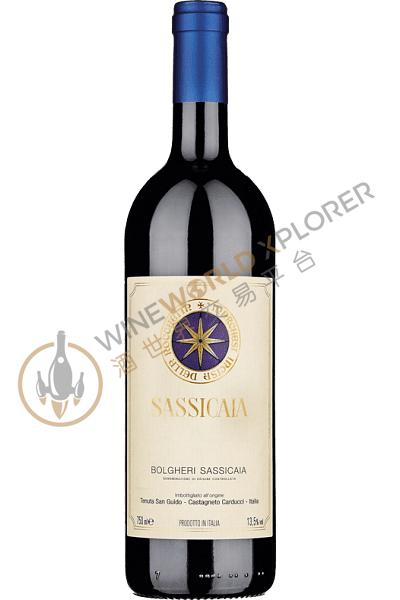
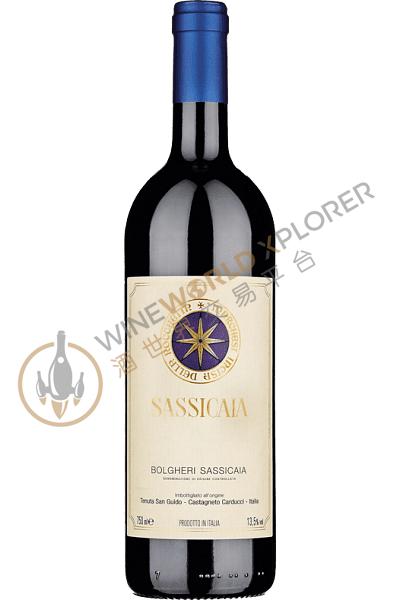
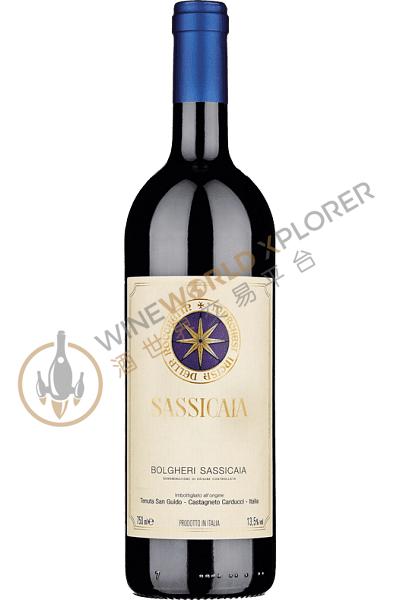
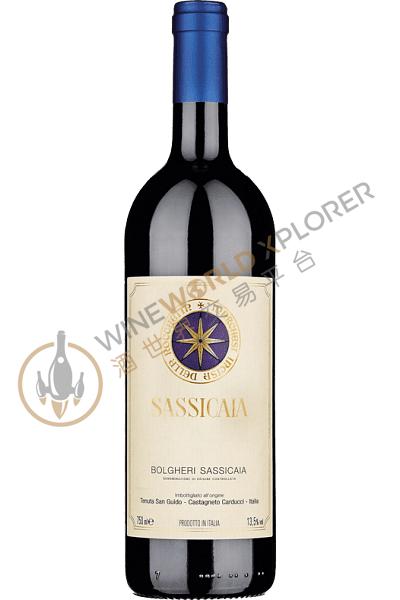
Tenuta San Guido, Sassicaia Bolgheri 1998
 View analysis


Description
Sasssicaia have property that stretches over 2,500 hectares, chosen to select and plant vineyards exclusively on the most suitable lands, covering just a small area of the total surface. An area that is unique in terms of soil type, microclimate, and exposure that deserves its own appellation: DOC Bolgheri Sassicaia. The 1968 vintage saw the debut of Sassicaia, a courageous wine that at the time, broke away from the standard way of making Tuscan Wine. The wine is named after the stony soil which it comes from, and, by its nature, is destined to go far, to mark the boundaries between the different crops. Its ornamental value, with the tall cypresses running in double rows, came after that.
Tasting notes

Reviewed by: Monica Larner
The 1998 Bolgheri Sassicaia made up handsomely for the shortcomings of the 1982 vintage tasting in this same vertical. By the way, Sassicaia was a Vino da Tavola wine until 1993 and became a denomination wine, Bolgheri Sassicaia, in 1994. You can see this change reflected on the label here. The 1998 vintage brought areas of spotted greatness across Tuscany, unlike the 1997 vintage that was consistently excellent across the region. Fortunately, Bolgheri was one of the sun-kissed areas that showed beautifully in 1998. Vines had ample underground reserves to brave the summer heat and avoid water stress. In addition, the growing season was marked by gentle breezes from the sea called Lebeccio winds by locals. These soft currents carried saline and marine tones from far offshore. You can just make out that briny minerality on the bouquet. The nose also delivers buoyant tones of dark fruit, spice and deeply balsamic herbal qualities. As the wine takes on more air, it reveals earthy accents of dried tobacco leaf and leather. Pungent accents of toasted chestnut or toasted almond husk reveal slight oxidation, but otherwise this is a stellar wine that is well along its evolutionary track. The mouthfeel is silky and long with a very fine tannic texture. It doesn’t have the timeless quality of the 1985 vintage, but this 1998 is impressive nonetheless. It stands strong now and will continue to hold for a decade or more.
Reviewed by: Neal Martin
The ’98 Sassicaia has a lovely bouquet of wild blackberries, melted tar, walnut and smoke that soars from the glass with great clarity. The palate is medium-bodied with fine silky tannins, moving into secondary phase with scorched leather, tar, a touch of tobacco and spice towards the finish. Some lovely torrefactory notes towards the finish with the mouth tingling with spice on the exit. This is simply gorgeous. Tasted February 2010.
Reviewed by: Robert M. Parker, Jr.
The 1998 Sassicaia exhibits a dense ruby color with purple highlights and a classic nose of cedar, spice box, licorice, and black currants. Medium-bodied, powerful, extracted, and rich as well as elegant and well-balanced, it requires 2-3 years of cellaring, and should evolve for 15-20. Importer: Kobrand Corp., New York, NY; tel. (212) 490-9300
Reviewed by: Monica Larner
The 1998 Bolgheri Sassicaia presents an interesting challenge and counter position. It feels like it is traveling at two speeds. On first nose, you are reminded of its age thanks to oxidized tones of dried spice, cumin, cured meat and bresaola. Despite the wine's clearly evolved state, it also bursts forth with an impressive charge of dark fruit integrity, fullness and freshness. Lingering mineral tones add polished elegance and a sense of delineated grace that is memorable and ultimately very beautiful. Those marine tones appear throughout the texture of this wine like a delicate embroidery. If the wine appears huddled and hunched down on first approach, you find that it suddenly stands tall and glorious after a few quick swirls of the glass.
About the Producer
Tenuta San Guido is located in the seaside area of Bolgheri in Toscana, Italy. The Sassicaia wine produced by the winery is known as the king of wine in Italy and enjoys the reputation of "Italian Lafite". Marquis Mario (Mario Incisa della Rocchetta) is the founder of the San Guito winery. He loves fine wine, horse racing and environmental protection, and has always dreamed of making a wine of excellent quality, an Italian wine that can swept the upper class. Well, it's Bordeaux style. In the 1940s, Marquis Mario and his wife came to live in the winery of San Guito. The innovation of "the first person to eat crabs". Winery San Guito made Sicilian wines from 1948 until the mid-1960s, but it was only consumed in-house. 1968 was a year to remember. This year, the ever-improving Cissicaia was launched for the first time. In the international blind tasting competition that year, Cissicaia’s excellent performance shocked the entire wine world, and its popularity was comparable to that of the top wineries in Bordeaux. Sanguito Winery's vineyard covers an area of 173 acres (about 70 hectares), all located in the DOC production area of Siciia, and the garden is planted with 85% Cabernet Sauvignon and 15% Cabernet Franc. The average age of the vines is 25-30 years, the planting density is 4,000-5,000 vines/ha, and the average yield is 1 kg/plant. Winemaking at San Guito Winery takes place in temperature-controlled stainless steel barrels that hold between 3,500 liters and 11,000 liters. The dipping time is approximately 2 weeks. Aged for 2 years in 33% new French oak barrels with a capacity of 225 liters. The main wine produced by San Guito Winery is San Guito Winery Xishijiaya dry red wine. This wine is one of the most famous Italian wines, made with Cabernet Sauvignon grapes. Recent good years include: 2000, 1998, 1997, 1993, 1990, 1988, 1985, 1982, 1978 and 1975.
1980(1)1984(1)1987(2)1993(1)1994(2)1997(1)
Package Size