Wine Advisor



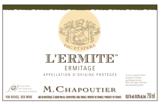
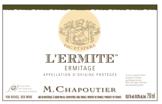
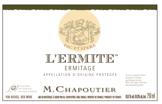
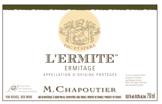
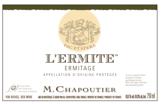
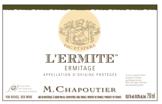
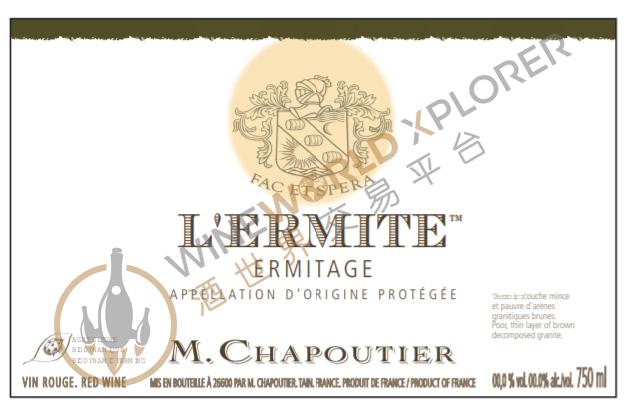
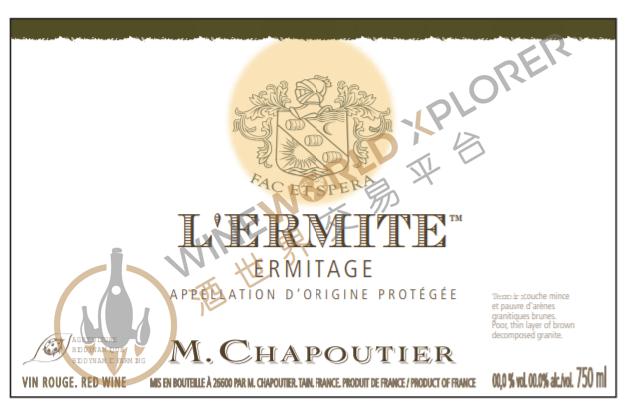
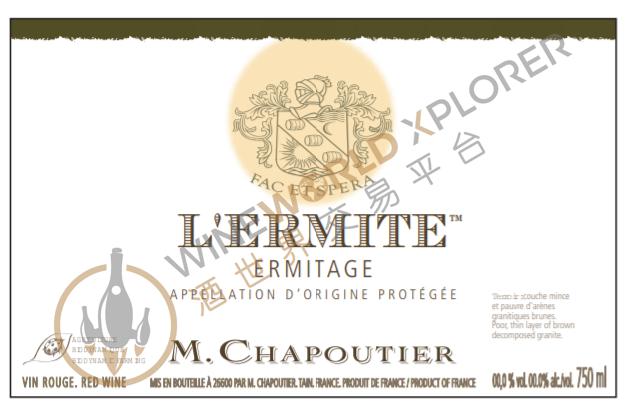
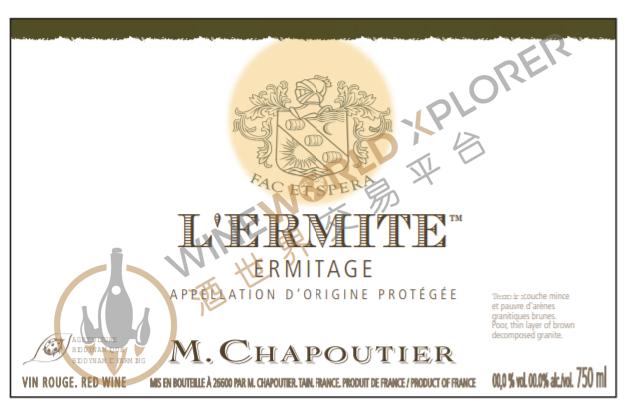
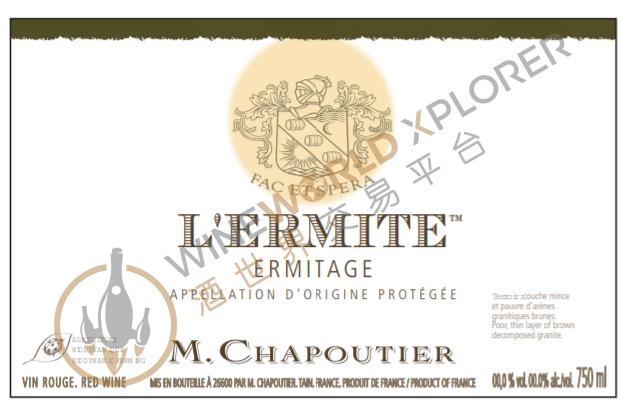
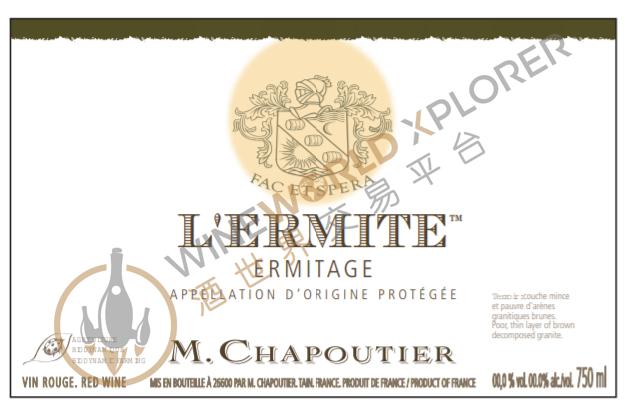
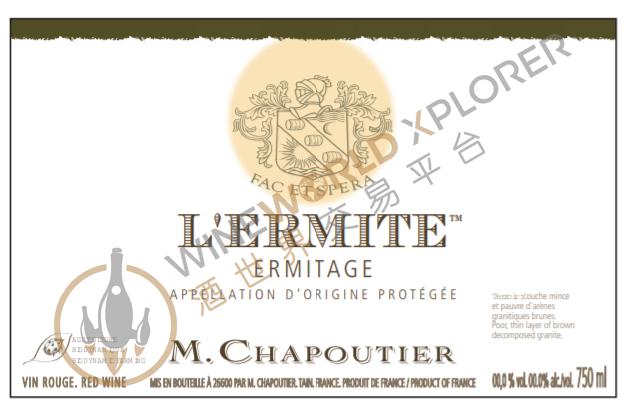
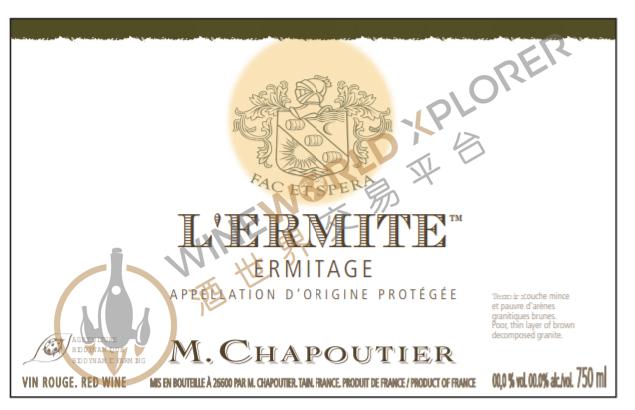
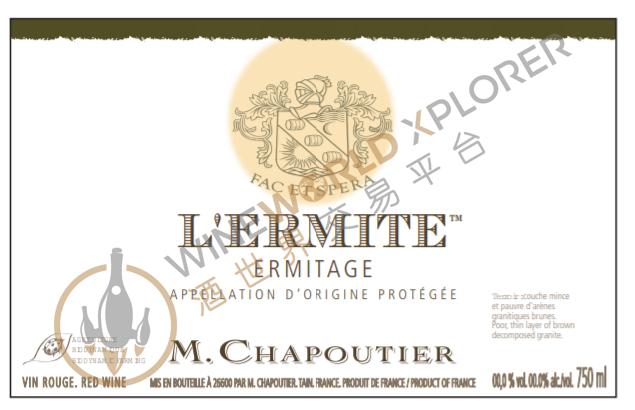
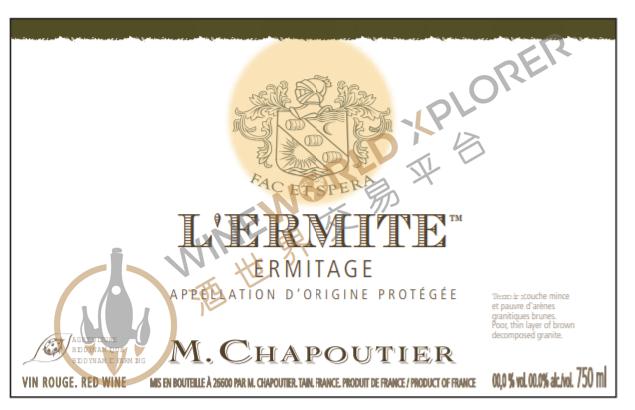
M. Chapoutier, Ermitage L'Ermite Rouge 2014
 View analysis


Description
Tasting notes

Reviewed by: Josh Raynolds
Lurid violet. Sexy dark berry preserve, floral pastille and spicecake scents are complemented by suggestions of woodsmoke, licorice and cracked pepper. Round and expansive on the palate, offering appealingly sweet boysenberry and cherry preserve flavors and a touch of star anise. Closes supple, smoky and extremely long, displaying lingering spiciness and smooth tannins.
Reviewed by: Josh Raynolds
Inky ruby. Bright, intensely perfumed aromas of red and dark berry preserves, smoky Indian spices and potpourri are given vivacity by a vibrant mineral nuance. Fresh and pure, displaying deeply concentrated boysenberry and bitter cherry flavors along with suggestions of candied flowers and star anise. Strongly repeats the floral and mineral qualities on the long, penetrating finish, which features sneaky tannins and a sweet touch of cola.
Reviewed by: Jeb Dunnuck
The inky black/purple-colored 2014 Ermitage l’Ermite is more firm, backward and mineral driven than the sexier Pavillon, offering fabulous notes of scorched earth, wood smoke, crushed violets, and both blackcurrant and crème de cassis. An utterly profound effort, it defines the more charming nature of the vintage, displaying building tannin and one seriously long finish. Forget bottles for 5-7 years and enjoy over the following two decades.
Reviewed by: Jeb Dunnuck
The 2014 Ermitage l’Ermite is almost painfully backwards and tight, with a liquid rock-like character permeating its lead pencil, beef blood/iodine, liquid violets, and black and blue fruits. Possessing more concentration and depth than just about every other wine I was able to taste in the vintage, this full-bodied, structured, backwards beast of an Hermitage will need 5-7 years of cellaring and keep for three decades.
Reviewed by: James Suckling
A focused, layered, driven, attractive and characterful Ermitage. The nose enchants with aromas of wild berries, roasted meat, wood fire, crushed peppercorns, dried herbs, bark and warm spices. It’s medium-bodied yet intense and lively. Fine tannins coat the palate and frame the vivid and crunchy core of succulent berries driving the center palate. Agile and vertical, with so much precision and drive in the long finish. From biodynamically grown grapes with Demeter certification. Drink or hold.
About the Producer
Founded in 1808, M. Chapoutier owns 175 hectares of vines in five appellations in the Rhone Valley and is now run by the energetic and brilliant Michel Chapoutier. Since Michel started running the estate, the quality of the winemaking has improved very quickly and the philosophy of winemaking has changed considerably. Michel Chapoutier's achievements caused an instant sensation in the winemaking world and he completely changed the way Chapoutier wines were made and the winemaking process, eventually making wines to rival those made by Marcel Guigal, one of the best winemakers in the Rhone Valley. The vineyards of Château Sapoutier range from the Rhone Valley to Châteauneuf-du-Pape, with a number of quality vineyards planted with Syrah, Grenache, Marsanne, Roussanne and other major grape varieties. The winery is "mono-varietal" (i.e. making wines from a single variety), for example, all Syrah for the Châteauneuf-du-Rotie wines, all Marsanne for the Hermitage whites and all Chateauneuf-du-Pape wines. The wines of Chateauneuf-du-Pape are all Grenache. Château Sapoutier has worked tirelessly to improve the quality of its wines, even though each single vineyard produces far more than the 500 cases of fine wine. Since 1989, Château Sapoutier has been using biodynamic farming and winemaking methods with the aim of producing wines that are the purest and closest to the natural terroir. Every decision, every step of the viticultural and winemaking process is designed to add to the terroir, varietal character and vintage identity of the wines. Only wild yeasts are used for fermentation and the wines are made in small oak barrels. The best red and white wines are not clarified or filtered before bottling.
1997(2)1999(2)2000(1)2001(3)2003(2)2004(2)2005(5)2006(1)2007(2)2008(7)2009(4)2010(3)2011(3)2012(1)2013(1)
Package Size