Wine Advisor



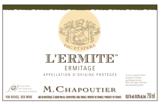
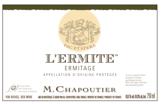
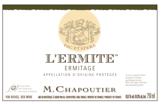
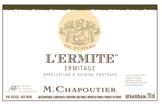
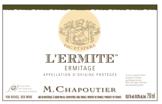
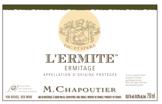
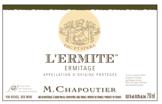
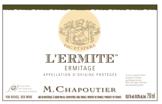
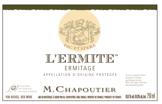
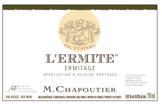
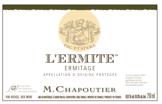
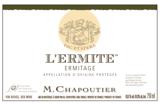
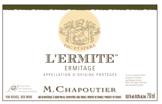
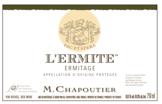
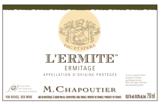
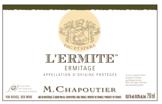
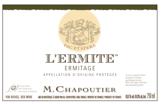
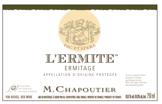
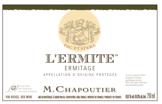
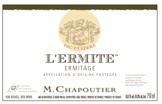
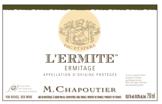
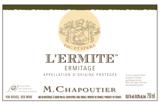
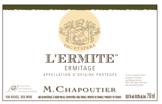
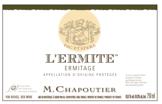
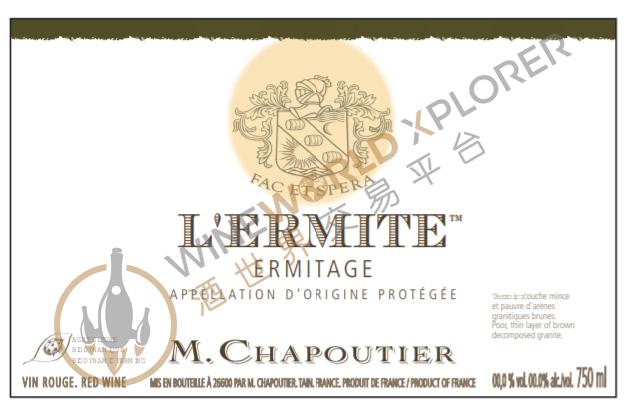
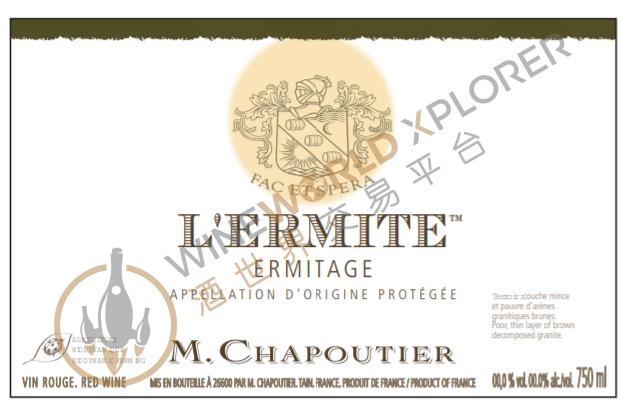
M. Chapoutier, Ermitage L'Ermite Rouge 2013
 View analysis


Description
Tasting notes

Reviewed by: Jeb Dunnuck
The 2013 Ermitage l’Ermite is another wine that’s a candidate for the wine of the vintage, if not the best wine produced in all of France in 2013. As normal, it has an insane level of minerality, and frankly, I know of no better description of “liquid rock” than the mineral-like sensation induced by tasting this cuvee. Graphite, charcoal, licorice and sweet crème de cassis also all emerge from the glass. This gorgeous 2013 has full-bodied richness, terrific purity, ripe tannin structure and serious intensity. Give it 4-5 years and drink bottles over the following 2-3 decades.
Reviewed by: Jeb Dunnuck
More backwards, tight and structured than either the Méal or the Pavillon, the 2013 Ermitage l’Ermite was similarly completely destemmed and raised in a scant 30% new French oak. Inky purple/blue colored, it reluctantly yields incredibly mineral-laced notes of charcoal, liquid rock, cassis, black currants and graphite. While it’s less approachable than either of the two other Hermitages, it has fabulous density and depth, ripe tannin and incredible persistence on the finish. Hide these in the cellar for a decade, and enjoy over the following three to four decades.
Reviewed by: Josh Raynolds
Bright purple. An impressively complex, expressive nose displays intense aromas of fresh dark berries, cherry cola, incense, allspice and smoky minerals. Spicy, deeply concentrated black and blue fruit flavors show superb focus and energy, and a suave floral pastille quality emerges as the wine opens up. Shows a compelling blend of richness and vivacity, finishing with superb lift, harmonious tannins and outstanding persistence.
Reviewed by: Josh Raynolds
Youthful purple. Powerful, deeply pitched cherry pit and blackcurrant aromas open up slowly to reveal complicating suggestions of black cardamom, licorice and black pepper. Sweet and expansive on the palate, with densely packed dark berry liqueur and cola flavors and a touch of smoky minerality adding vibrancy. At once rich and lively, finishing with serious punch and chewy, slow-building tannins. I suspect that this will be a worthy cellar candidate.
Reviewed by: James Suckling
A strikingly complex nose of berries, black pepper, smoke, grilled meat, dried herbs, spices and lard. Give it time to unfurl in your glass. Full body with fine tannins and bright acidity. The mineral backbone at the center shows clarity and vibrancy but turns vertical with its firm and massively mineral tannins. So much spice and freshness here for a decade-old wine. From biodynamically grown grapes with Demeter certification. Delicious but will continue to age beautifully for the next decade.
About the Producer
Founded in 1808, M. Chapoutier owns 175 hectares of vines in five appellations in the Rhone Valley and is now run by the energetic and brilliant Michel Chapoutier. Since Michel started running the estate, the quality of the winemaking has improved very quickly and the philosophy of winemaking has changed considerably. Michel Chapoutier's achievements caused an instant sensation in the winemaking world and he completely changed the way Chapoutier wines were made and the winemaking process, eventually making wines to rival those made by Marcel Guigal, one of the best winemakers in the Rhone Valley. The vineyards of Château Sapoutier range from the Rhone Valley to Châteauneuf-du-Pape, with a number of quality vineyards planted with Syrah, Grenache, Marsanne, Roussanne and other major grape varieties. The winery is "mono-varietal" (i.e. making wines from a single variety), for example, all Syrah for the Châteauneuf-du-Rotie wines, all Marsanne for the Hermitage whites and all Chateauneuf-du-Pape wines. The wines of Chateauneuf-du-Pape are all Grenache. Château Sapoutier has worked tirelessly to improve the quality of its wines, even though each single vineyard produces far more than the 500 cases of fine wine. Since 1989, Château Sapoutier has been using biodynamic farming and winemaking methods with the aim of producing wines that are the purest and closest to the natural terroir. Every decision, every step of the viticultural and winemaking process is designed to add to the terroir, varietal character and vintage identity of the wines. Only wild yeasts are used for fermentation and the wines are made in small oak barrels. The best red and white wines are not clarified or filtered before bottling.
1997(2)1999(2)2000(1)2001(3)2003(2)2004(2)2005(5)2006(1)2007(2)2008(7)2009(4)2010(3)2011(3)2012(1)
Package Size