Wine Advisor



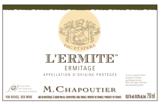
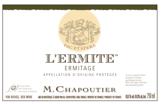
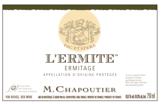
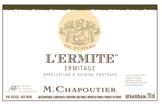
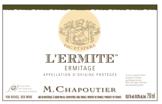
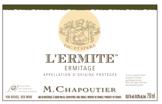
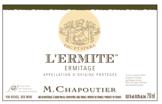
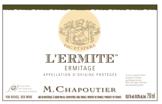
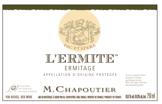
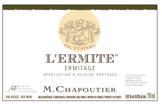
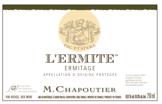
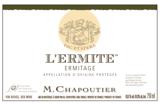
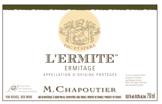
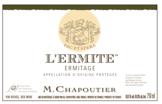
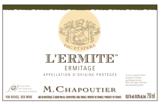
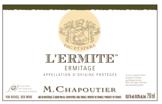
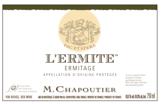
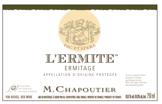
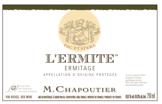
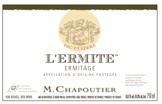
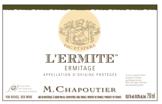
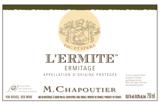
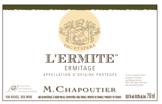
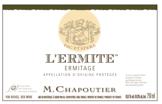
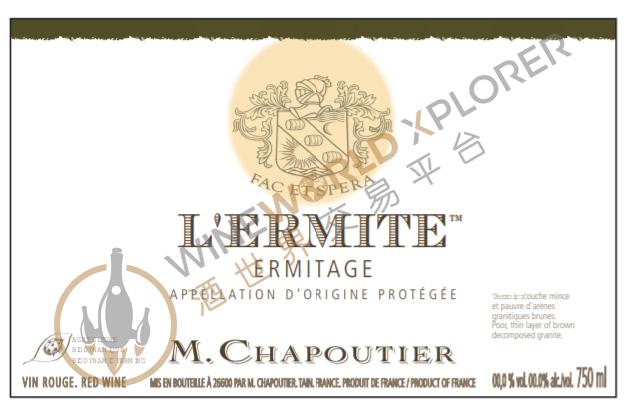
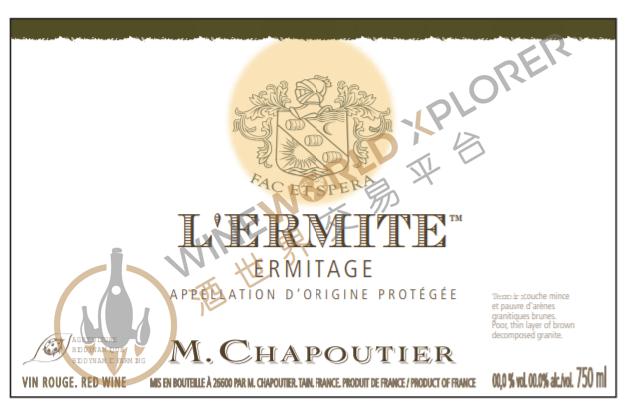
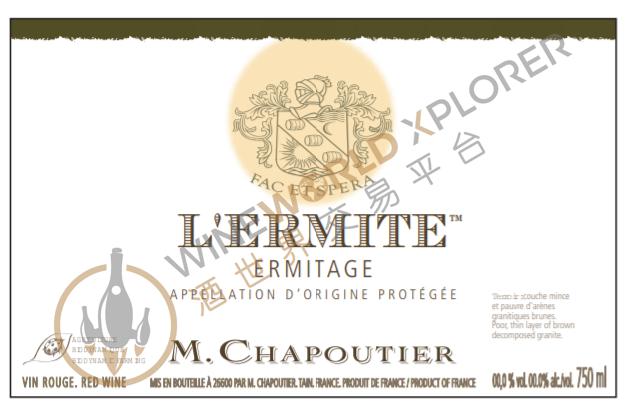
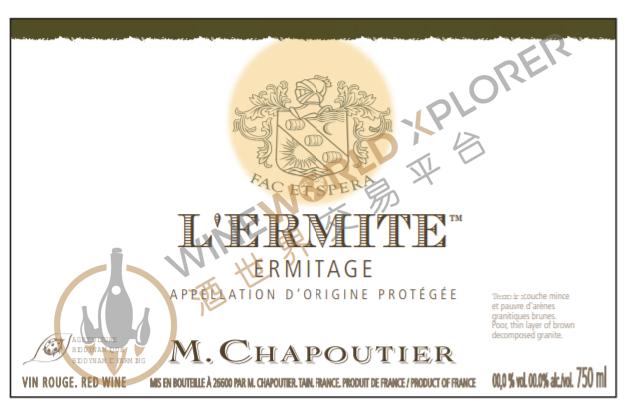
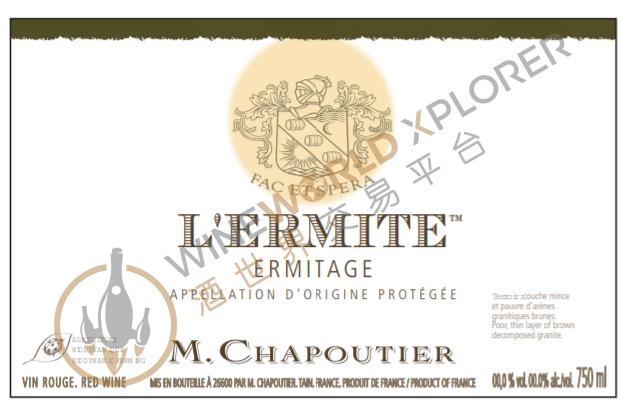
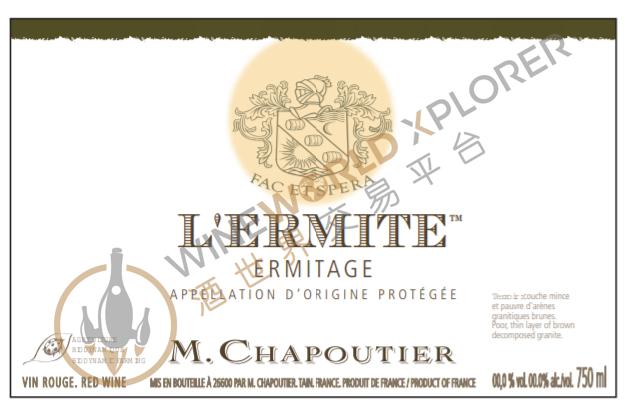
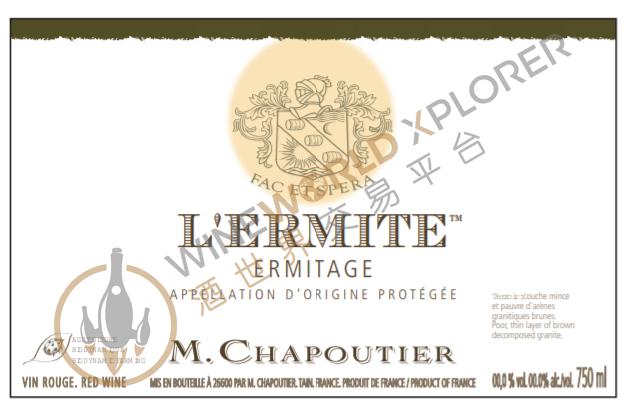
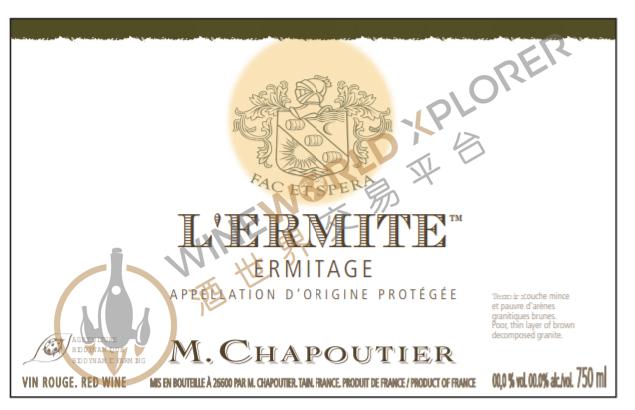
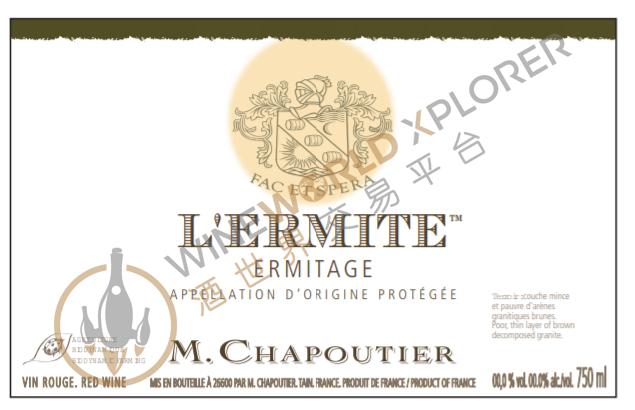
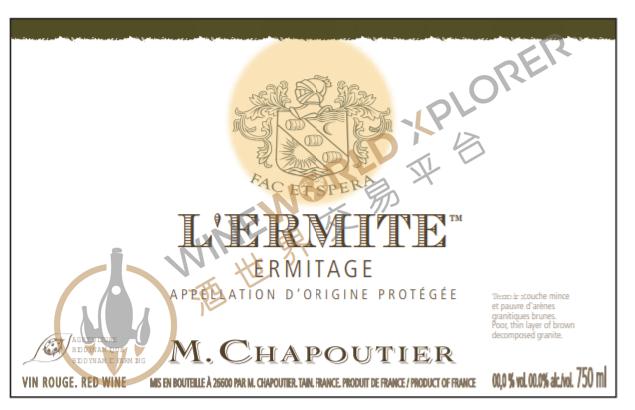
M. Chapoutier, Ermitage L'Ermite Rouge 2006
 View analysis


Description
Tasting notes

Reviewed by: Josh Raynolds
Full ruby. A roomfilling bouquet of fresh red and dark berry scents, along with smoked meat, violet, incense and minerals. Wonderfully fresh in the mouth, with vibrant raspberry and black cherry flavors. Gentle tannins rein in the expansive fruit without standing in its way. The finish is all about fruit, with late-arriving notes of black olive and smoky minerals. Extremely sexy now but balanced to age.
Reviewed by: Josh Raynolds
Deep ruby. Stunning bouquet of mineral-drenched red berries, smoked meat, fresh and dried flowers and incense. Tangy on entry, then builds exponentially, saturating the palate with sweet raspberry, candied cherry and zesty minerality. Flat-out gorgeous wine, with a finish that will not stop.
Reviewed by: Robert M. Parker, Jr.
Could the 2006 Ermitage l’Ermite be even better? It is more seamless and perhaps slightly more flamboyant and showy, and that always tends to impress me with a wine this young and concentrated. Dense bluish/purple to the rim, it has an extraordinary purity of fruit, crushed rock intermixed with some spring flowers, graphite, and licorice. This is just an amazing wine. Anticipated maturity: 2012-2060. With twenty vintages under his belt, Michel Chapoutier and his impressive winemaking staff go from strength to strength. These are among the world’s greatest wines, especially the single vineyard wines, many of which will last 50 or more years.The 2006 reds from Chapoutier display good acidity and freshness. If they lack the powerful tannic structures of the 2005s, and perhaps some of that vintage’s density, they are certainly not light wines. It is a vintage of finesse and concentration, but with considerable up-front charm. Again, 1991 is a useful historic reference. They are the perfect foil for those buying 2005s, which will require deferred gratification. The single-vineyard, or as Chapoutier calls them, the “Selections Parcellaires” wines, are all aged in small barrels, often 100% new oak, and bottled with neither fining nor filtration. Production is relatively small, with the tiniest cuvee, the Crozes-Hermitage Les Varonnieres usually 200-325 cases, and the rest of the single-vineyard wines averaging around 480-625 cases. The largest is usually the St.-Joseph Les Granits or the Ermitage Le Pavillon, which can be as high as 1,000 or so cases in an abundant vintage. Again, the 2005s all exhibit the vintage’s density, tannic structure, and long-term aging potential. At the same time, the 2006s at Chapoutier remind me of 1991, initially an underrated vintage of wines with ideal balance. If they lack the pure power and structure of 2005, they are well-served by their purity and equilibrium. There are four single-vineyard cuvees of Ermitage. Production is small, running from about 275-300 cases of Les Greffieux, 480-500 of Le Meal, 800-1,100 for Le Pavillon, and 200-600 for L’Ermite Importer: Terlato Wines International, Lake Bluff, IL; tel. (847) 604-8900
Reviewed by: Jeb Dunnuck
More taut, focused and chiseled than the le Pavillon, the blockbuster 2006 Ermitage L'Ermite offers full-bodied richness, a liquid rock-like minerality and sensational notes of black currants, bloody meat, licorice and spice. Reminding me of the 1995, with sensational depth, purity and length, this incredible wine won’t hit maturity for another decade, and will keep for 2-3 decades.
Reviewed by: Robert M. Parker, Jr.
There are nearly 1,000 cases of the 2006 Ermitage l’Ermite, another candidate for perfection in a few years. It boasts an inky/ruby/purple color as well as a stunning bouquet reminiscent of a grand cru Musigny from Burgundy. Spring flower, crushed rock, black raspberry, and black currant scents dominate the aromatics of this incredibly pure, full-bodied wine. With laser-like precision and enormous extract and concentration, it comes across as remarkably elegant and fresh with crystal clear focus. A beautiful tour de force from the decomposed granitic soils of this site on the top of the Hermitage mountain, this amazing wine requires a decade of cellaring, and should last for 35 years. While Michel Chapoutier produces some of the world’s greatest wines from single parcels of old vines spread throughout the northern and southern Rhone (see my ecstatic reviews of his 2007 and 2006 Chateauneuf du Papes in issue #179), he also has an impressive portfolio of value-priced wines that are often over-looked when this impressive producer is discussed. Following are some top-notch picks that all sell for exceptionally fair prices. Chapoutier has not achieved as great as success in Cornas as he has in the other northern Rhone appellations, although his Cornas wines get better with each vintage. There are four extraordinary single vineyard white wines, all of which are among the greatest dry white wines of the world. While all of them can be drunk young, they are meant for extended cellaring. Made from very small yields, they represent the essence of a varietal as well as a vineyard site. As the following notes demonstrate, 2006 was one of the greatest vintages for white wines at Chapoutier. The single vineyard selection parcellaire red wines range in production from 500 to nearly 1,000 cases. 2007 is a very good vintage for these selections, but 2006 has an edge. It is reminiscent of 1996 because of the wines’ freshness and acid levels, but Chapoutier’s 2006s are even more concentrated than his 1996s. Chapoutier’s four 2006 cuvees of single vineyard Hermitage are exquisite. Most of the yields were between 10 and 20 hectoliters per hectare, and the wines are extravagantly rich. The 2006 and 2007 luxury cuvees of Chateauneuf du Pape Croix des Bois and Chateauneuf du Pape Barbe Rac were reviewed in issue #179. They are all astounding wines, especially in 2007 Importer: Terlato Wines International, Lake Bluff, IL; tel. (847) 604-8900
About the Producer
Founded in 1808, M. Chapoutier owns 175 hectares of vines in five appellations in the Rhone Valley and is now run by the energetic and brilliant Michel Chapoutier. Since Michel started running the estate, the quality of the winemaking has improved very quickly and the philosophy of winemaking has changed considerably. Michel Chapoutier's achievements caused an instant sensation in the winemaking world and he completely changed the way Chapoutier wines were made and the winemaking process, eventually making wines to rival those made by Marcel Guigal, one of the best winemakers in the Rhone Valley. The vineyards of Château Sapoutier range from the Rhone Valley to Châteauneuf-du-Pape, with a number of quality vineyards planted with Syrah, Grenache, Marsanne, Roussanne and other major grape varieties. The winery is "mono-varietal" (i.e. making wines from a single variety), for example, all Syrah for the Châteauneuf-du-Rotie wines, all Marsanne for the Hermitage whites and all Chateauneuf-du-Pape wines. The wines of Chateauneuf-du-Pape are all Grenache. Château Sapoutier has worked tirelessly to improve the quality of its wines, even though each single vineyard produces far more than the 500 cases of fine wine. Since 1989, Château Sapoutier has been using biodynamic farming and winemaking methods with the aim of producing wines that are the purest and closest to the natural terroir. Every decision, every step of the viticultural and winemaking process is designed to add to the terroir, varietal character and vintage identity of the wines. Only wild yeasts are used for fermentation and the wines are made in small oak barrels. The best red and white wines are not clarified or filtered before bottling.
1997(2)1999(2)2000(1)2001(3)2003(2)2004(2)2005(5)
Package Size