Wine Advisor



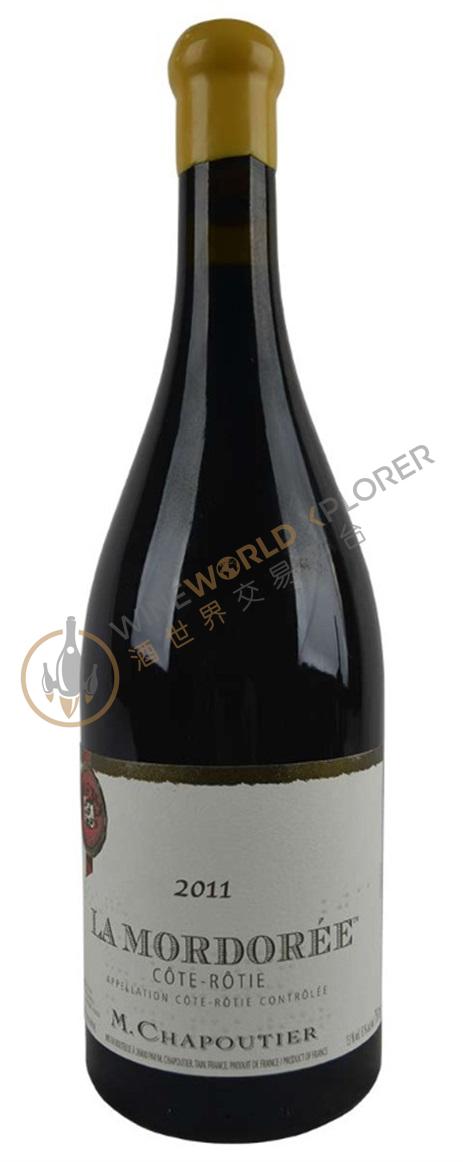
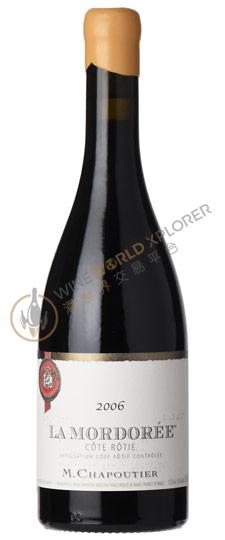
M. Chapoutier, Cote Rotie La Mordoree 2000
 View analysis


Description
Tasting notes

Reviewed by: Robert M. Parker, Jr.
Chapoutier's La Mordoree cuvee is produced from 75-80-year old Syrah vines planted in both the Cote Blonde and Cote Brune, aged in 100% new oak casks, and bottled with neither fining nor filtration. The 2000 Cote Rotie La Mordoree is lighter and less concentrated than the 1999. The wine exhibits a deep plum color, but lacks substance compared to 1999 or 1998. Notes of tapenade, smoke, and earth are present, but the finish is short, with little grip and depth. Anticipated maturity: 2003-2012. Importer: Paterno Imports, Lake Bluff, IL; tel. (847) 604-89000
Reviewed by: Robert M. Parker, Jr.
Last year I underrated the 2000 Cote Rotie La Mordoree, probably because I tasted the 2000s side by side with what was undoubtedly a great vintage in the northern Rhone, 1999. In any event, from bottle, this 2000 Cote Rotie is far better than it tasted from barrel. Offering up scents of white flowers, black olives, cassis, and roasted notes, it is a seamless effort with well-integrated acidity and tannin as well as a big, plush, concentrated style that will provide delicious up-front drinking. Anticipated maturity: now-2012. These uncompromising offerings from a young genius are not meant for consumers who want something to drink immediately. They are the essence of bio-dynamically farmed vineyard sites cropped incredibly low, given extended fermentations with indigenous yeasts, and rarely touched until they go into the bottle unfined and unfiltered. In most vintages, the wines are not even racked off their lees, which only adds to their natural style. These are truly remarkable wines, but for most readers, patience is the operative rule as they generally need a good 8-10 years to strut their stuff. Once moribund, over the last 12 years, this firm has become one of the reference points for nearly all the Rhone Valley appellations since the brash yet immensely talented Michel Chapoutier took over in the late eighties. The single vineyard offerings are as good as Rhone Valley wines can be. Moreover, Chapoutier continues to upgrade the quality of those wines offered in more significant quantities than the 500 or so cases each of the single vineyard offerings. Importer: Paterno Imports, Lake Bluff, IL; tel. (847) 604-8900
About the Producer
Founded in 1808, M. Chapoutier owns 175 hectares of vines in five appellations in the Rhone Valley and is now run by the energetic and brilliant Michel Chapoutier. Since Michel started running the estate, the quality of the winemaking has improved very quickly and the philosophy of winemaking has changed considerably. Michel Chapoutier's achievements caused an instant sensation in the winemaking world and he completely changed the way Chapoutier wines were made and the winemaking process, eventually making wines to rival those made by Marcel Guigal, one of the best winemakers in the Rhone Valley. The vineyards of Château Sapoutier range from the Rhone Valley to Châteauneuf-du-Pape, with a number of quality vineyards planted with Syrah, Grenache, Marsanne, Roussanne and other major grape varieties. The winery is "mono-varietal" (i.e. making wines from a single variety), for example, all Syrah for the Châteauneuf-du-Rotie wines, all Marsanne for the Hermitage whites and all Chateauneuf-du-Pape wines. The wines of Chateauneuf-du-Pape are all Grenache. Château Sapoutier has worked tirelessly to improve the quality of its wines, even though each single vineyard produces far more than the 500 cases of fine wine. Since 1989, Château Sapoutier has been using biodynamic farming and winemaking methods with the aim of producing wines that are the purest and closest to the natural terroir. Every decision, every step of the viticultural and winemaking process is designed to add to the terroir, varietal character and vintage identity of the wines. Only wild yeasts are used for fermentation and the wines are made in small oak barrels. The best red and white wines are not clarified or filtered before bottling.
1989(3)1990(2)1991(2)1992(1)1995(2)1996(1)1997(1)1998(2)1999(3)
Package Size