Wine Advisor



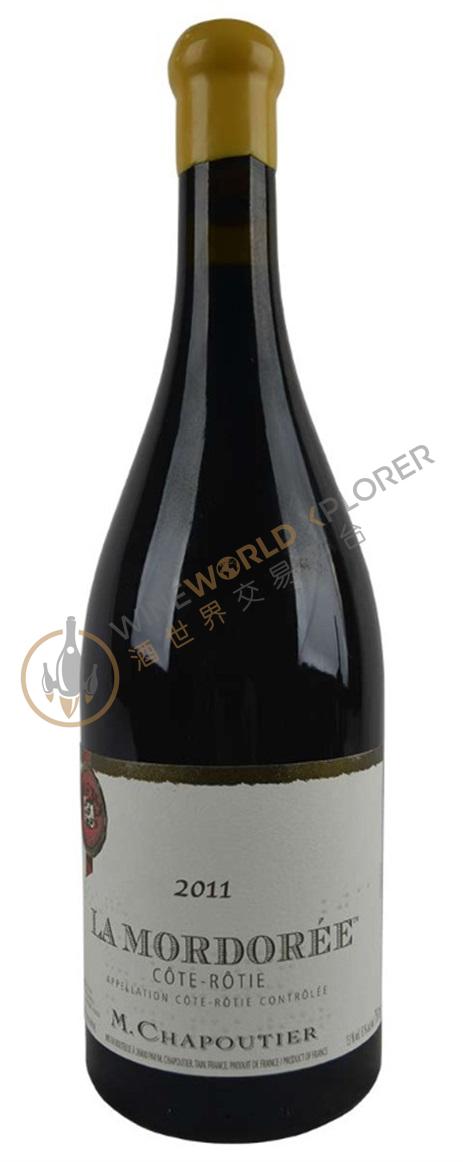
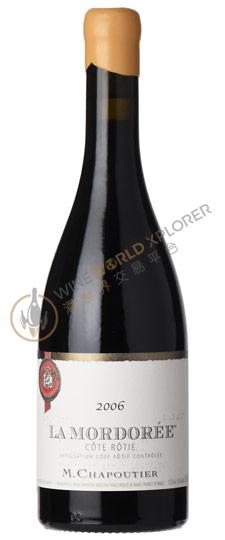
M. Chapoutier, Cote Rotie La Mordoree 1996
 View analysis


Description
Tasting notes

Reviewed by: Robert M. Parker, Jr.
Chapoutier makes no bones about the fact that he prefers his 1996 Cote Roties to his 1995s. Wealthy readers with access to Chapoutier's wines will have fun determining whether the 1995 or 1996 Cote Rotie La Mordoree is the superior wine. Both are terrific examples of Cote Rotie with 20-25 years of evolution. Chapoutier prefers the 1996. The 1995 is a superb wine, but I am not sure the 1996 isn't a point or two better. Both wines possess intensely-saturated black/purple colors, and smoky, black raspberry, coffee, and chocolate-scented noses with black olives thrown in for complexity. The 1996 may have greater length, but that is splitting hairs at this level of quality. Both are medium to full-bodied, rich, extraordinary examples of Cote Rotie that possess power as well as finesse. Both will require cellaring to reveal their personalities. The 1996, because of its higher acidity, and possibly even higher extract, may need 8-10 years to reach full maturity; it should keep for 25+ years, and may come close to rivaling the perfect 1991. Prospective purchasers must have patience.
Reviewed by: Robert M. Parker, Jr.
I was less impressed with the 1996 Cote Rotie La Mordoree from bottle than I was from cask. Michel Chapoutier still believes it is one of the finest examples he has produced, but agrees that the high acidity has left everything in the wine compressed. It is certainly an outstanding offering, but it will require 5-7 years of patience. Made from microscopic yields of 15 hectoliters per hectare, it exhibits a saturated purple color, and a reticent but promising nose of toasty new oak, cassis, black olives, and smoked game. In the mouth, the wine is medium to full-bodied and dense, but the high acidity and compressed, tightly-knit style make it difficult to penetrate. The finish is long, but the wine is backward and unyielding. Anticipated maturity: 2006-2025. Importer: Paterno Imports, Lake Bluff, IL; tel. (847) 604-8900
About the Producer
Founded in 1808, M. Chapoutier owns 175 hectares of vines in five appellations in the Rhone Valley and is now run by the energetic and brilliant Michel Chapoutier. Since Michel started running the estate, the quality of the winemaking has improved very quickly and the philosophy of winemaking has changed considerably. Michel Chapoutier's achievements caused an instant sensation in the winemaking world and he completely changed the way Chapoutier wines were made and the winemaking process, eventually making wines to rival those made by Marcel Guigal, one of the best winemakers in the Rhone Valley. The vineyards of Château Sapoutier range from the Rhone Valley to Châteauneuf-du-Pape, with a number of quality vineyards planted with Syrah, Grenache, Marsanne, Roussanne and other major grape varieties. The winery is "mono-varietal" (i.e. making wines from a single variety), for example, all Syrah for the Châteauneuf-du-Rotie wines, all Marsanne for the Hermitage whites and all Chateauneuf-du-Pape wines. The wines of Chateauneuf-du-Pape are all Grenache. Château Sapoutier has worked tirelessly to improve the quality of its wines, even though each single vineyard produces far more than the 500 cases of fine wine. Since 1989, Château Sapoutier has been using biodynamic farming and winemaking methods with the aim of producing wines that are the purest and closest to the natural terroir. Every decision, every step of the viticultural and winemaking process is designed to add to the terroir, varietal character and vintage identity of the wines. Only wild yeasts are used for fermentation and the wines are made in small oak barrels. The best red and white wines are not clarified or filtered before bottling.
1989(3)1990(2)1991(2)1992(1)1995(2)
Package Size