Wine Advisor



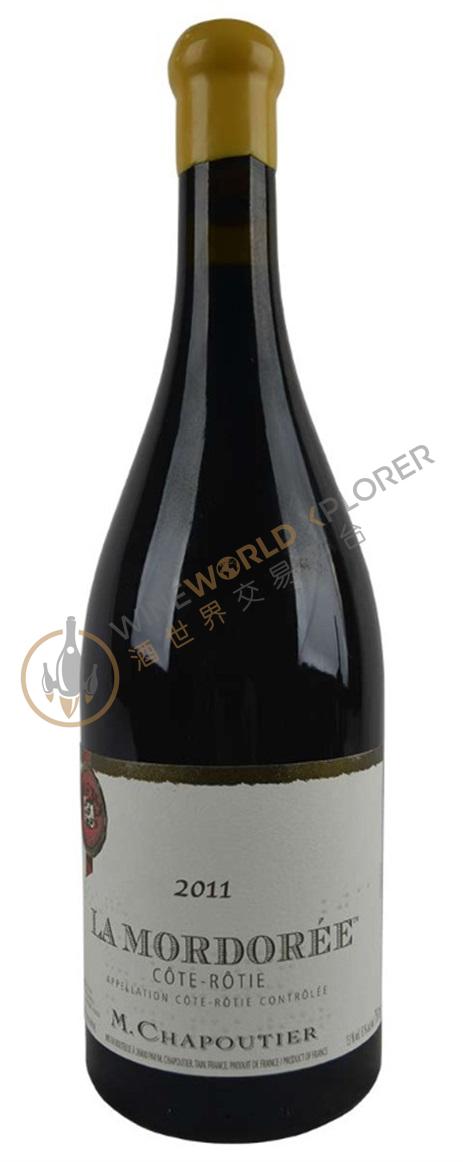
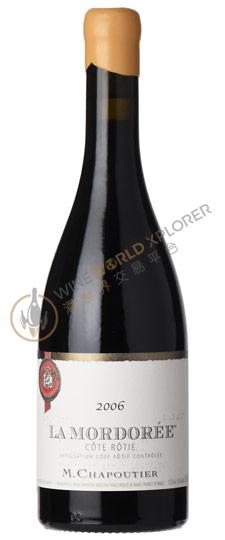
M. Chapoutier, Cote Rotie La Mordoree 1992
 View analysis


Description
Tasting notes

Reviewed by: Robert M. Parker, Jr.
Young Michel Chapoutier continues to raise considerable controversy wherever he goes. His unequivocable belief in the principles of Bio-Dynamic farming and his youthful confidence, that may come across as arrogance and a display of too little respect for his more experienced and more elderly peers, have not made life easy for Chapoutier, despite the number of great wines he has produced. This is all lamentable given the fact that Michel Chapoutier would be the first to acknowledge the debt he owes producers such as Marcel Guigal, Gerard Chave, Francois and Jean-Pierre Perrin, and Jacques Reynaud for leading the way. Producers who are as committed to quality as Chapoutier should attract supporters rather than detractors. The work which Chapoutier is doing, along with the work of many other top Rhone Valley producers only creates more interest in the wines of that region. Chapoutier is extremely pleased with his 1994s, claiming it is a vintage not far removed from the powerful 1990. The crop size was extremely small, with yields generally between 1-2 tons of fruit per acre. Where pertinent, I have indicated lot numbers because of complaints about bottle variation with certain cuvees of the Chapoutier wines, most notably the firm's branded wines, Crozes-Hermitage Les Meysonnieres, St.-Joseph Deschants, and the two cuvees of Hermitage, Chante Alouette and La Sizeranne. Bottle variation can be the result of a number of factors, such as dissimilar blends (unlikely at this winery) or poor shipping and/or storage conditions, thus abusing the wine (the most likely culprit). Among the Chapoutier red wine offerings from Crozes-Hermitage and St.-Joseph, the 1993s are noticeably less impressive today than they were when tasted prior to bottling. Since no fining or filtering is done, it is hard to envision why the wines taste so much more tannic and less opulent and rich than they did earlier. Michel Chapoutier believes he should have bottled his regular 1993 cuvees earlier to preserve the fruit as this vintage's fruit was fragile and began to disappear at an extremely early age. The 1994s exhibit greater color, ripeness, and richness than the 1993s. In Cote Rotie there are two cuvees, the standard Cote Rotie (which is sold at an attractive price) and the limited production Cuvee La Mordoree. Among the cuvees of Cote Rotie La Mordoree, both the 1992 and 1993 are tasting even better than in the past. The 1992 (lot 5261) offers a sweet, violet, cassis, smoky-scented nose, sweet, rich, opulent flavors, full body, and a long, luscious, low acid, richly fruity finish. Already delicious, it promises to last for a decade. Importer: Paterno Imports, Chicago, IL; tel. (312) 247-7070
Reviewed by: Robert M. Parker, Jr.
Chapoutier has fashioned three terrific luxury cuvees of Cote Rotie La Mordoree. The amazingly rich 1992 Cote Rotie Cuvee La Mordoree is a candidate for Cote Rotie of the vintage. It possesses a fabulous, exotic bouquet of cassis, minerals, olives, coffee, and spicy new oak. Staggeringly rich, with layers of voluptuously-textured fruit, this sumptuously-styled wine is already complex and delicious; it promises to last for 10-15 years. With respect to Cote Rotie, Chapoutier's aim is to produce an exceptionally perfumed, soft, elegant cuvee of Cote Rotie, and a luxury cuvee that takes Cote Rotie's black-raspberry, exotic fruitiness and elegance to the limits of intensity, a la Marcel Guigal's La Mouline. Importer: Paterno Imports, Chicago, IL; Tel. (312) 247-7070
Reviewed by: Robert M. Parker, Jr.
The 1992 offers a sweet, violet, cassis, smoky-scented nose, sweet, rich, opulent flavors, full body, and a long, luscious, low-acid, richly fruity finish. Already delicious, this full-bodied, silky-textured wine should drink well for another 15 years. Last tasted 6/96.
About the Producer
Founded in 1808, M. Chapoutier owns 175 hectares of vines in five appellations in the Rhone Valley and is now run by the energetic and brilliant Michel Chapoutier. Since Michel started running the estate, the quality of the winemaking has improved very quickly and the philosophy of winemaking has changed considerably. Michel Chapoutier's achievements caused an instant sensation in the winemaking world and he completely changed the way Chapoutier wines were made and the winemaking process, eventually making wines to rival those made by Marcel Guigal, one of the best winemakers in the Rhone Valley. The vineyards of Château Sapoutier range from the Rhone Valley to Châteauneuf-du-Pape, with a number of quality vineyards planted with Syrah, Grenache, Marsanne, Roussanne and other major grape varieties. The winery is "mono-varietal" (i.e. making wines from a single variety), for example, all Syrah for the Châteauneuf-du-Rotie wines, all Marsanne for the Hermitage whites and all Chateauneuf-du-Pape wines. The wines of Chateauneuf-du-Pape are all Grenache. Château Sapoutier has worked tirelessly to improve the quality of its wines, even though each single vineyard produces far more than the 500 cases of fine wine. Since 1989, Château Sapoutier has been using biodynamic farming and winemaking methods with the aim of producing wines that are the purest and closest to the natural terroir. Every decision, every step of the viticultural and winemaking process is designed to add to the terroir, varietal character and vintage identity of the wines. Only wild yeasts are used for fermentation and the wines are made in small oak barrels. The best red and white wines are not clarified or filtered before bottling.
1989(3)1990(2)1991(2)
Package Size