Wine Advisor



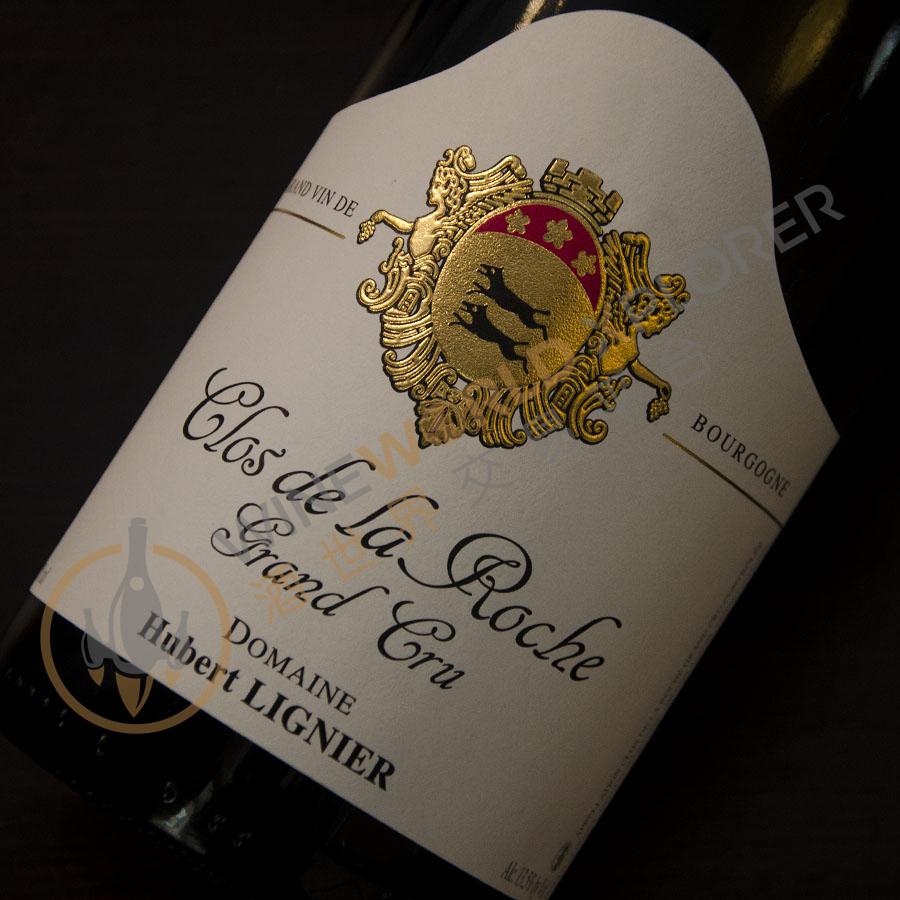
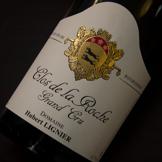
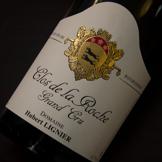
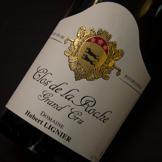
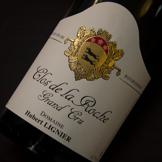
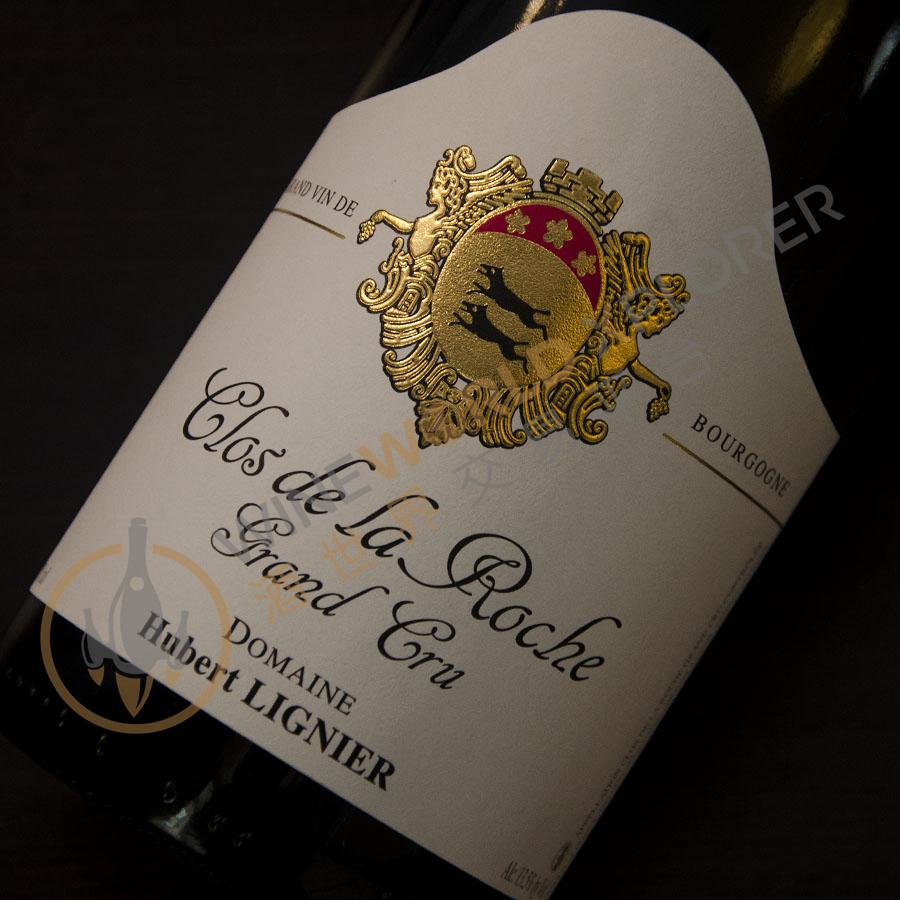
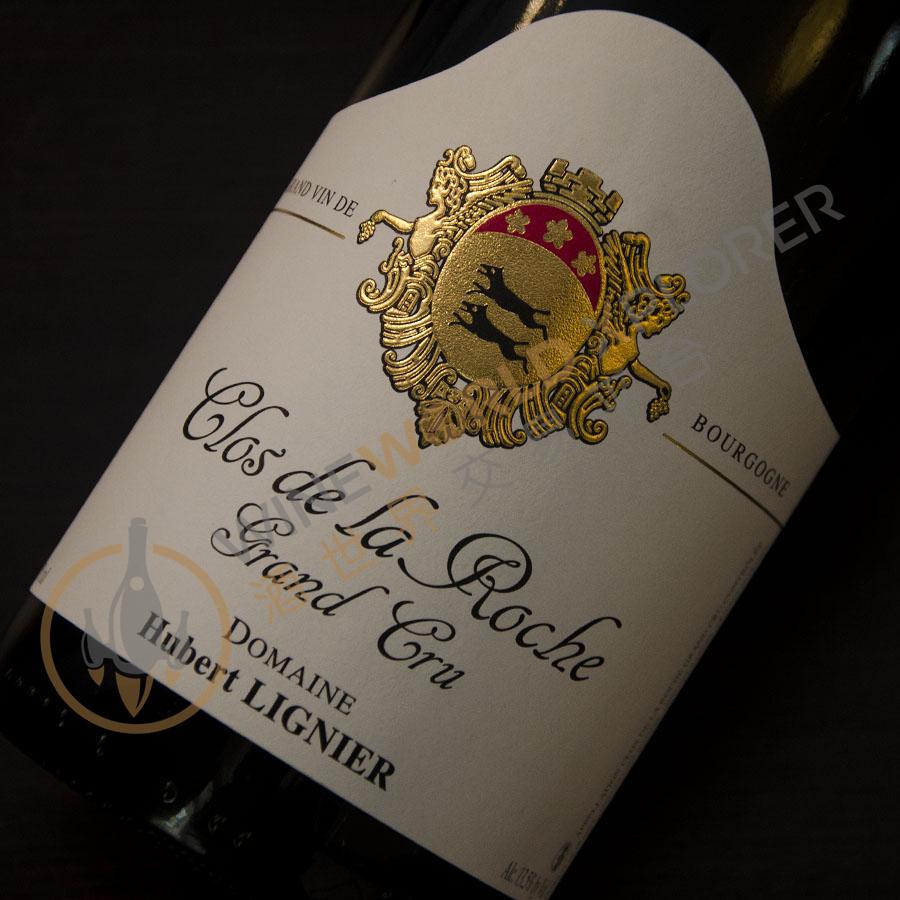
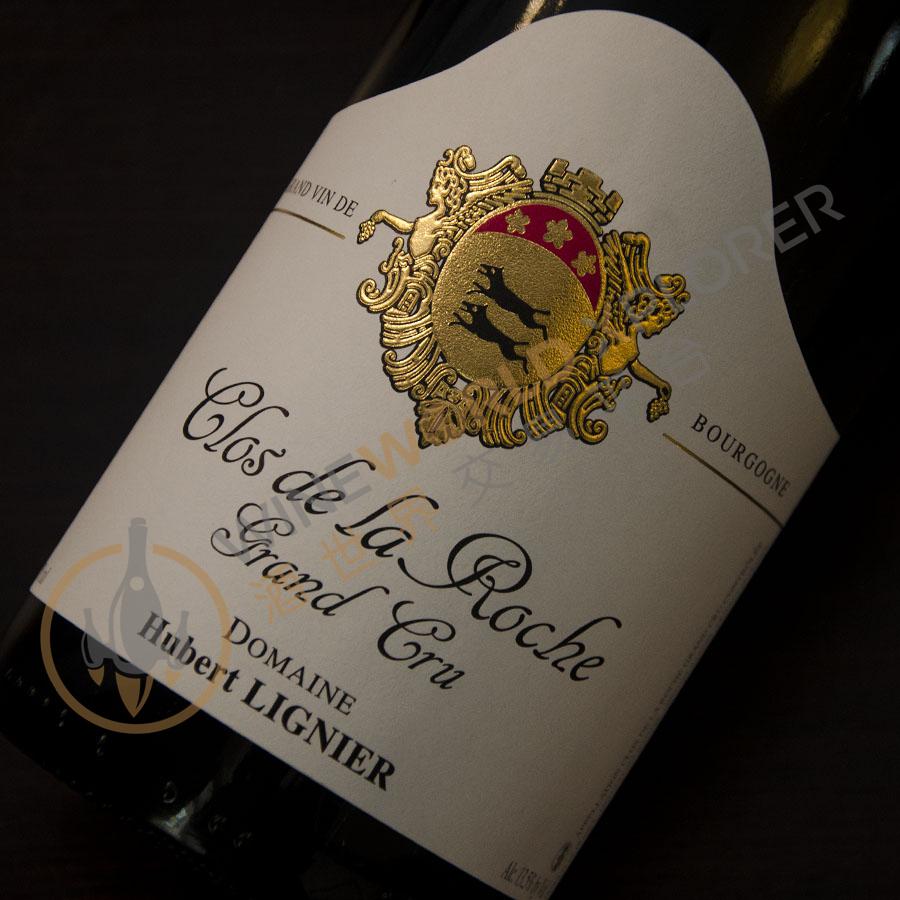
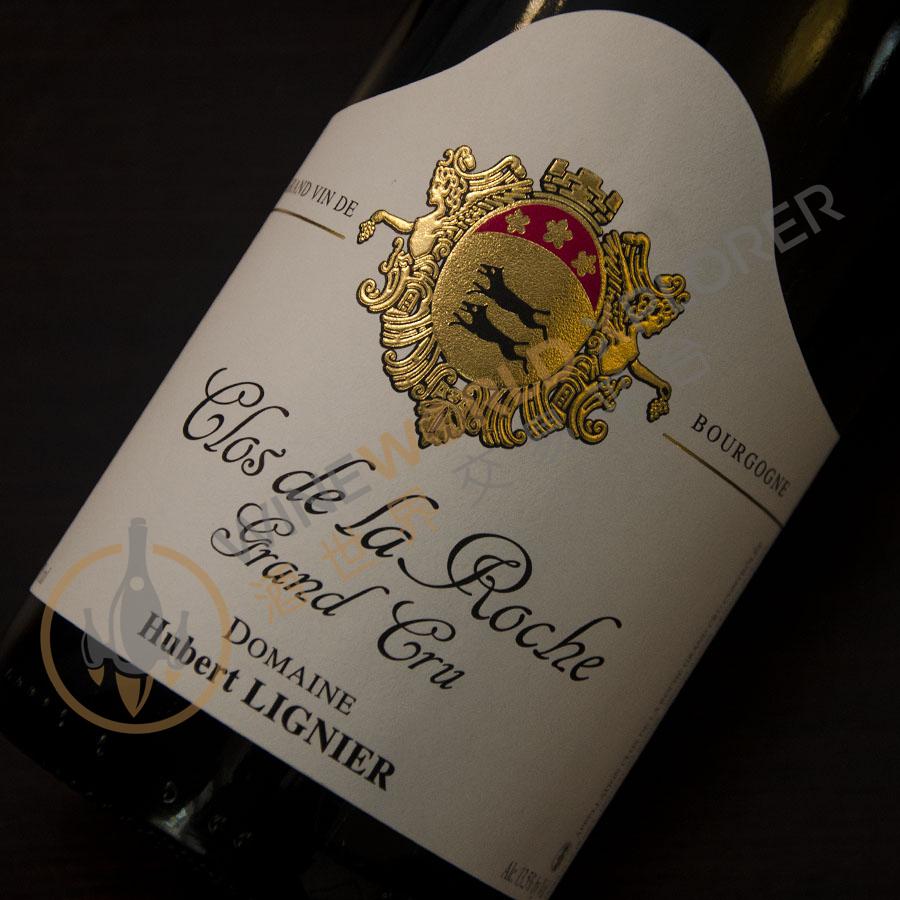
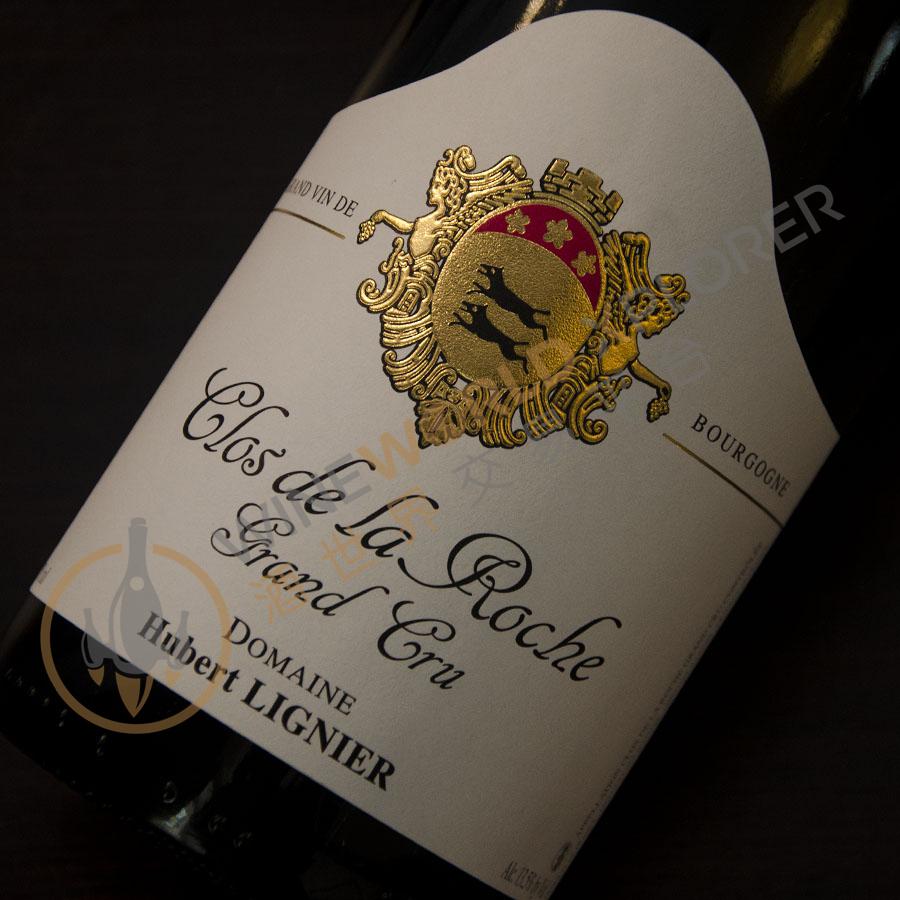
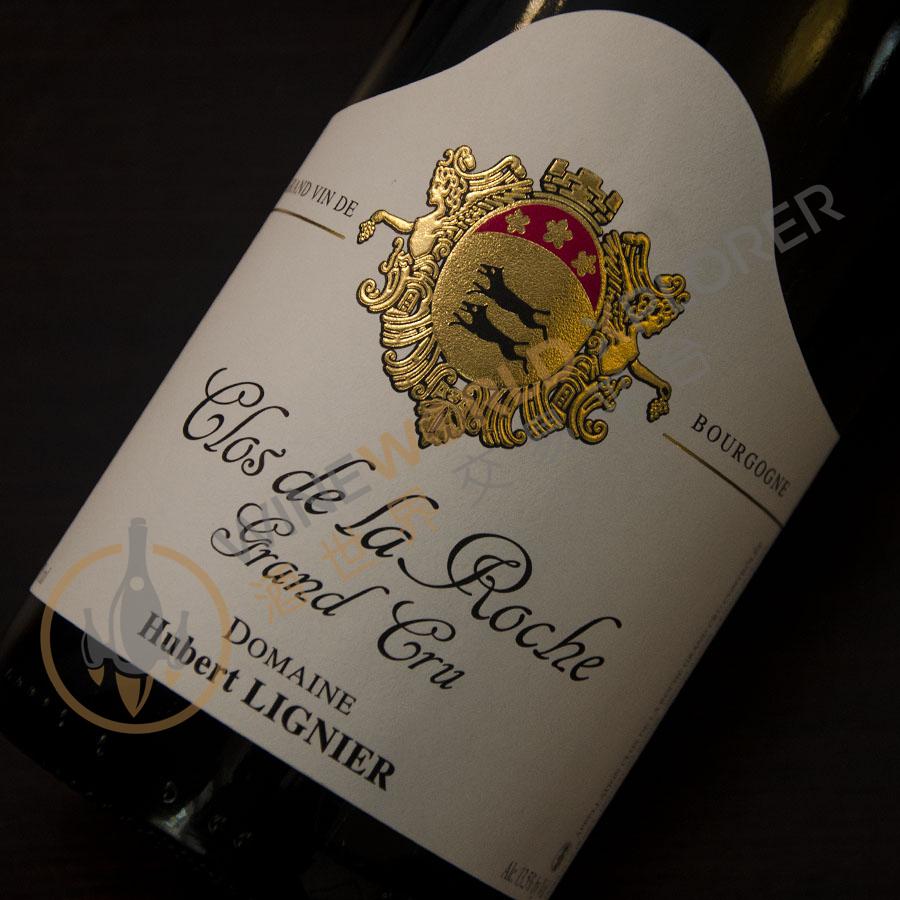
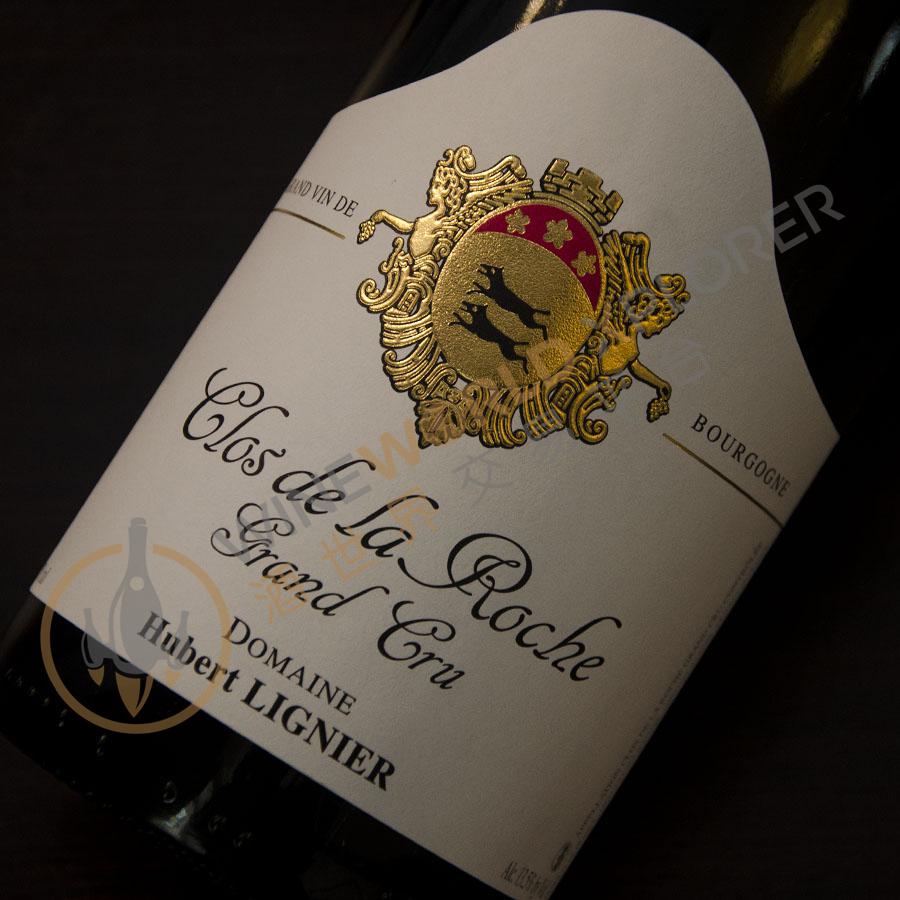
Hubert Lignier, Clos de la Roche Grand Cru 2018
 View analysis


Description
Tasting notes

Reviewed by: William Kelley
The 2018 Clos de la Roche Grand Cru is showing brilliantly, unwinding in the glass with aromas of cherries, cassis and red berries mingled with hints of orange rind, woodsmoke, black truffles, grilled squab and rich soil tones. Full-bodied, layered and multidimensional, the wine is velvety and concentrated, its ripe core of fruit concealing a muscular chassis of rich, fine-grained tannin. Long and lively, this is a terrific wine in the making, though it will, of course, require patience.
Reviewed by: William Kelley
Revisited in bottle, Lignier's 2018 Clos de la Roche Grand Cru lives up to its fine performance in barrel, wafting from the glass with aromas of dark berries, cherries and orange rind mingled with truffle, espresso roast, loamy soil and dark chocolate. Full-bodied, concentrated and seamless, it's layered and vibrant, with a deep core of pure fruit that largely conceals impressive reserves of fine, powdery tannins. Concluding with a long and saline finish, it will merit and reward at least a dozen years' patience, likely hitting its stride around age 20.
Reviewed by: Neal Martin
The 2018 Clos de la Roche Grand Cru comprises one-third whole bunch and 30% new oak. The nose is uncharacteristically backward, though with coaxing it offers enticing dark cherries, blackberry, sous-bois and pine aromas that gain intensity with aeration. The palate is medium-bodied with sappy red berry fruit and a fine bead of acidity. Taut and linear, leading to a very precise, persistent finish that is a pure joy. Divine.
About the Producer
For vinifications and ageing, our methods are little interventionist.The fruit’s quality is essential to craft 24 great wines. We make fresh, fine and elegant wines which are also full bodied with a long lasting and mouth-watering finish. Each of our terroirs (Clos de la Roche, Morey, Gevrey-Chambertin, …) expresses itself through our wines. Our ageing in barrels (20 to 30% new oak) is rather long (20 or 22 months), on lees and without racking after malolactic fermentation. The wines are bottled using gravity, without fining in order to keep the wine’s freshness and its ageing potential.