Wine Advisor



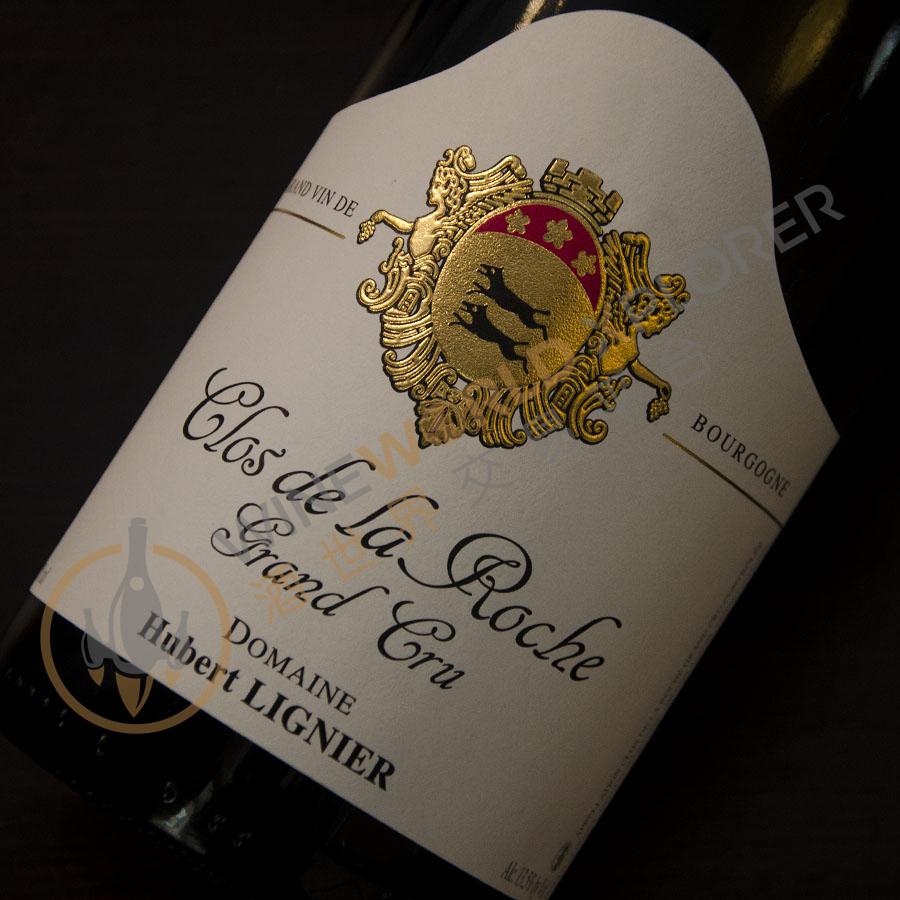
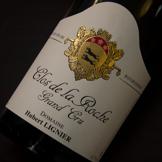
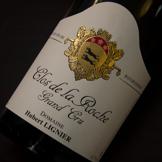
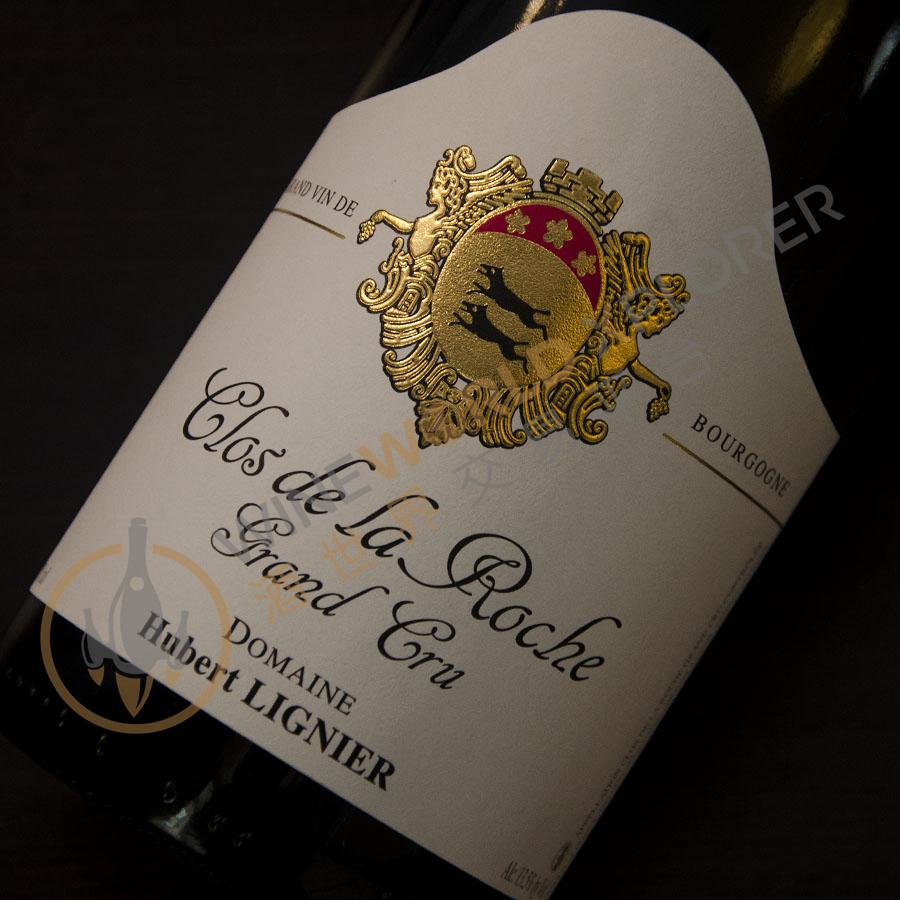
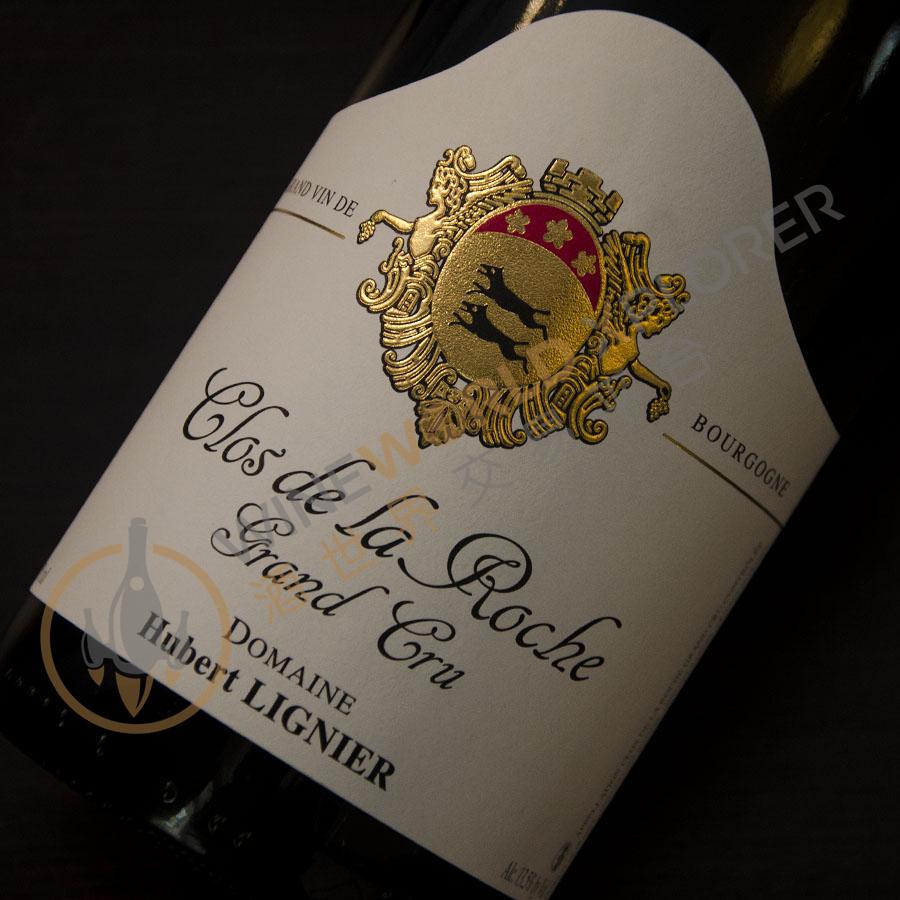
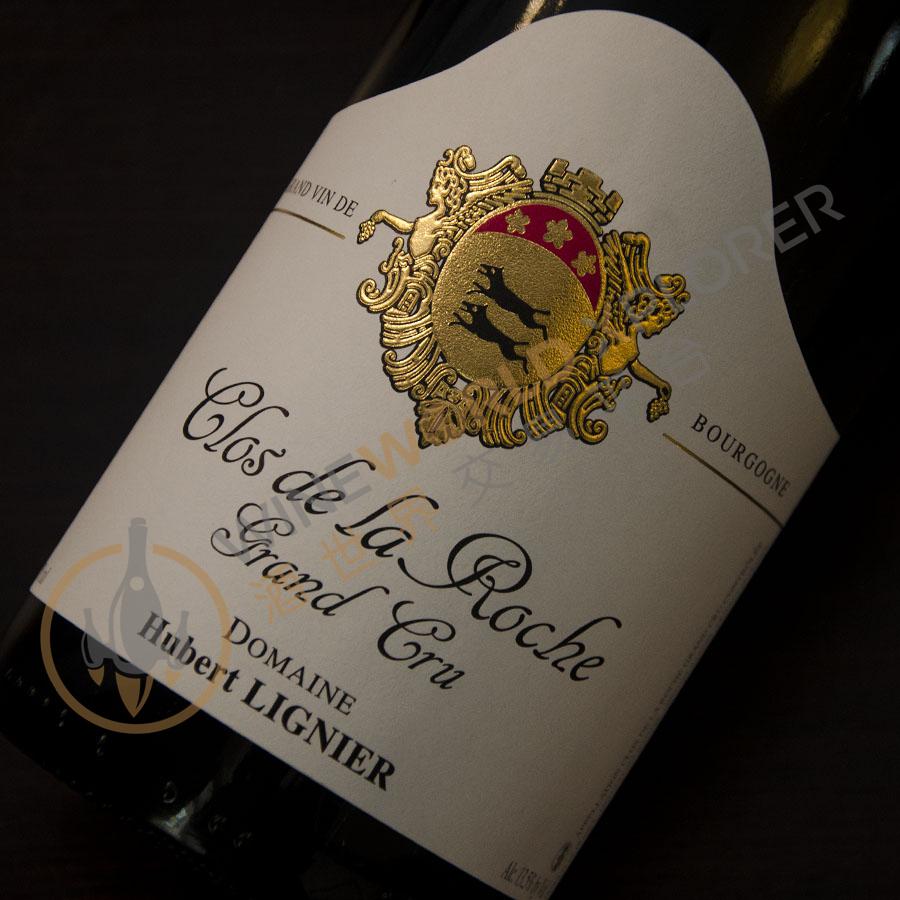
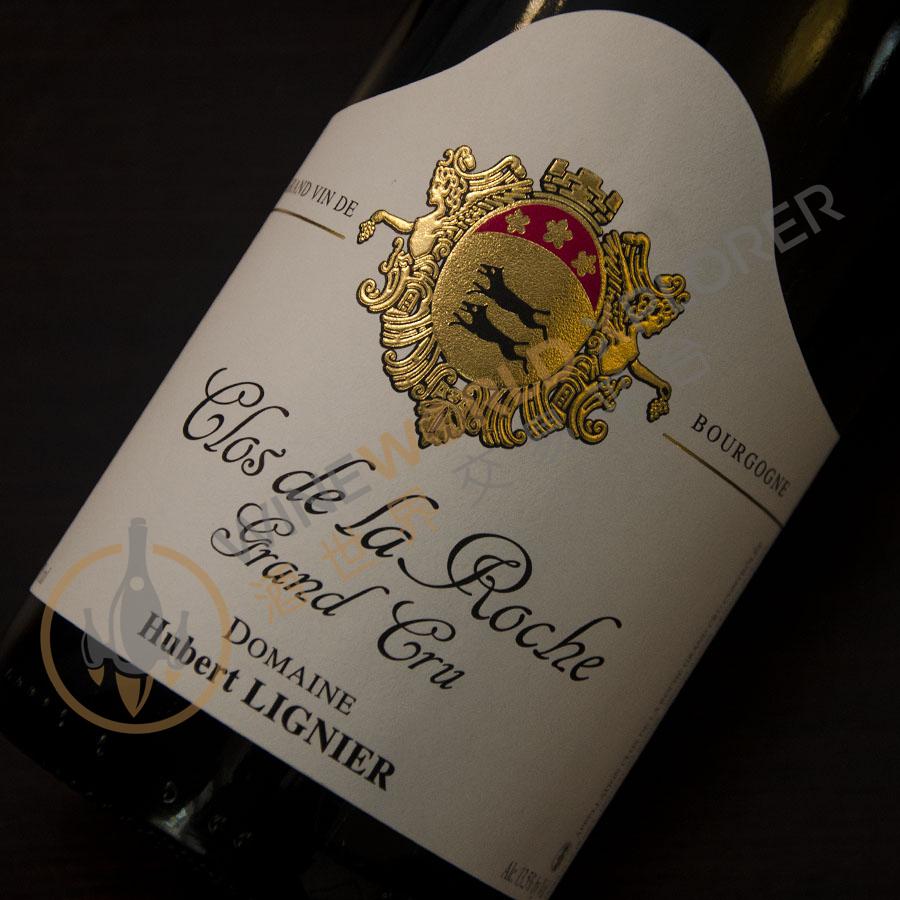
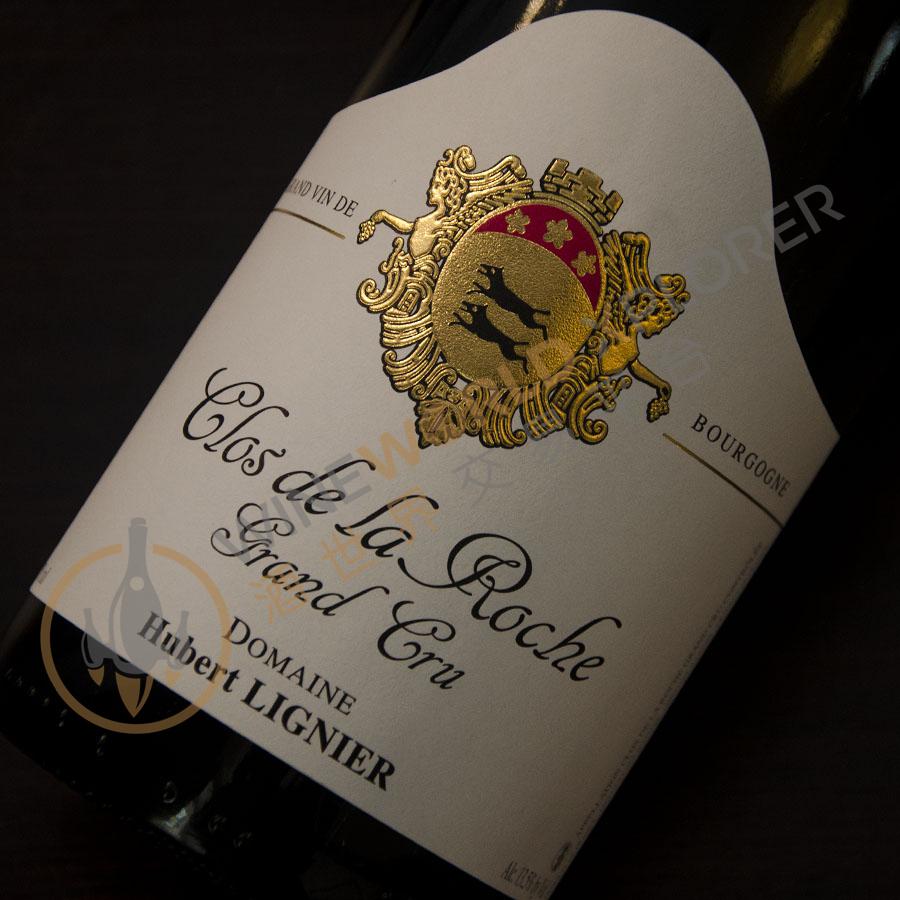
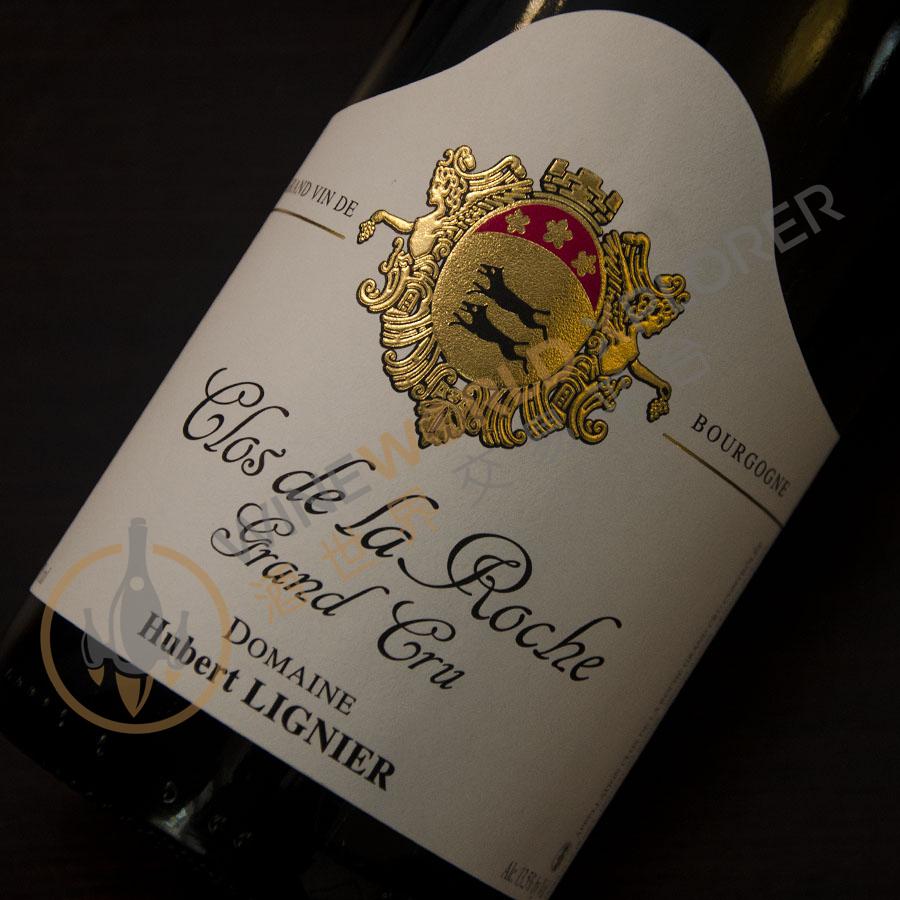
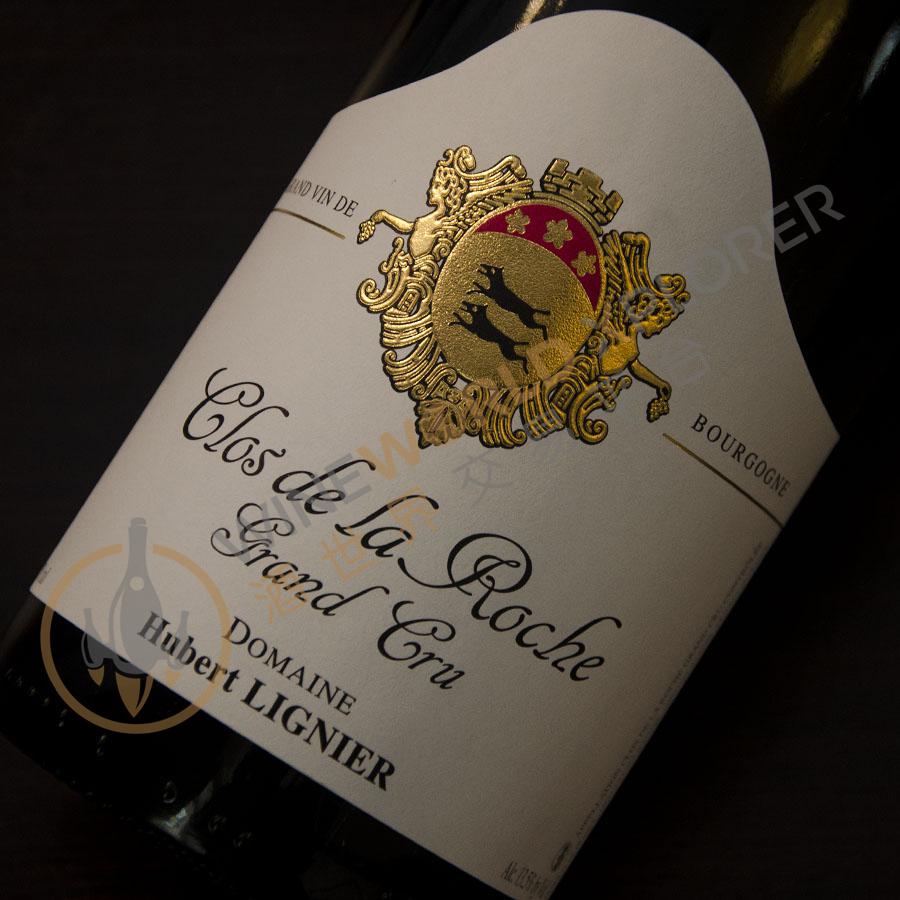
Hubert Lignier, Clos de la Roche Grand Cru 2009
 View analysis


Description
Tasting notes

Reviewed by: Neal Martin
Tasted from a sample prepared by Hubert. The Clos de la Roche is more expressive on the nose than the Charmes-Chambertin, taking time to unwind with raspberry leaf, wild strawberry, pebble beach and just a touch of undergrowth. The palate is full-bodied with silky tannins, lovely caressing mouthfeel, very feminine and harmonious with beguiling purity towards the finish. Great persistency – another great Clos de la Roche from Hubert. Tasted November 2010.
Reviewed by: Antonio Galloni
The 2009 Clos de la Roche opens with an inviting bouquet. The fruit literally hovers on the palate in a classy, understated style that is incredibly appealing, while the aromatics come back on the hypnotic, beautifully articulated finish. Anticipated maturity: 2019-2034. Hubert Lignier started harvesting on September 11. The fruit was 100% destemmed. Vinification started with a few days of cold maceration followed by fermentation, with one or two punchdowns a day. The village level wines saw 20-25% new oak (some of the barrels were slightly larger 350-liter casks), while the estate used approximately 33% and 50% new barrels for the 1er Crus and Grand Crus respectively. Importer: Rosenthal Wine Merchant, Pine Plains, NY; tel. (800) 910-1990
Reviewed by: Antonio Galloni
The 2009 Clos de la Roche opens with an inviting bouquet. The fruit literally hovers on the palate in a classy, understated style that is incredibly appealing, while the aromatics come back on the hypnotic, beautifully articulated finish.
About the Producer
For vinifications and ageing, our methods are little interventionist.The fruit’s quality is essential to craft 24 great wines. We make fresh, fine and elegant wines which are also full bodied with a long lasting and mouth-watering finish. Each of our terroirs (Clos de la Roche, Morey, Gevrey-Chambertin, …) expresses itself through our wines. Our ageing in barrels (20 to 30% new oak) is rather long (20 or 22 months), on lees and without racking after malolactic fermentation. The wines are bottled using gravity, without fining in order to keep the wine’s freshness and its ageing potential.