
 Wine Advisor



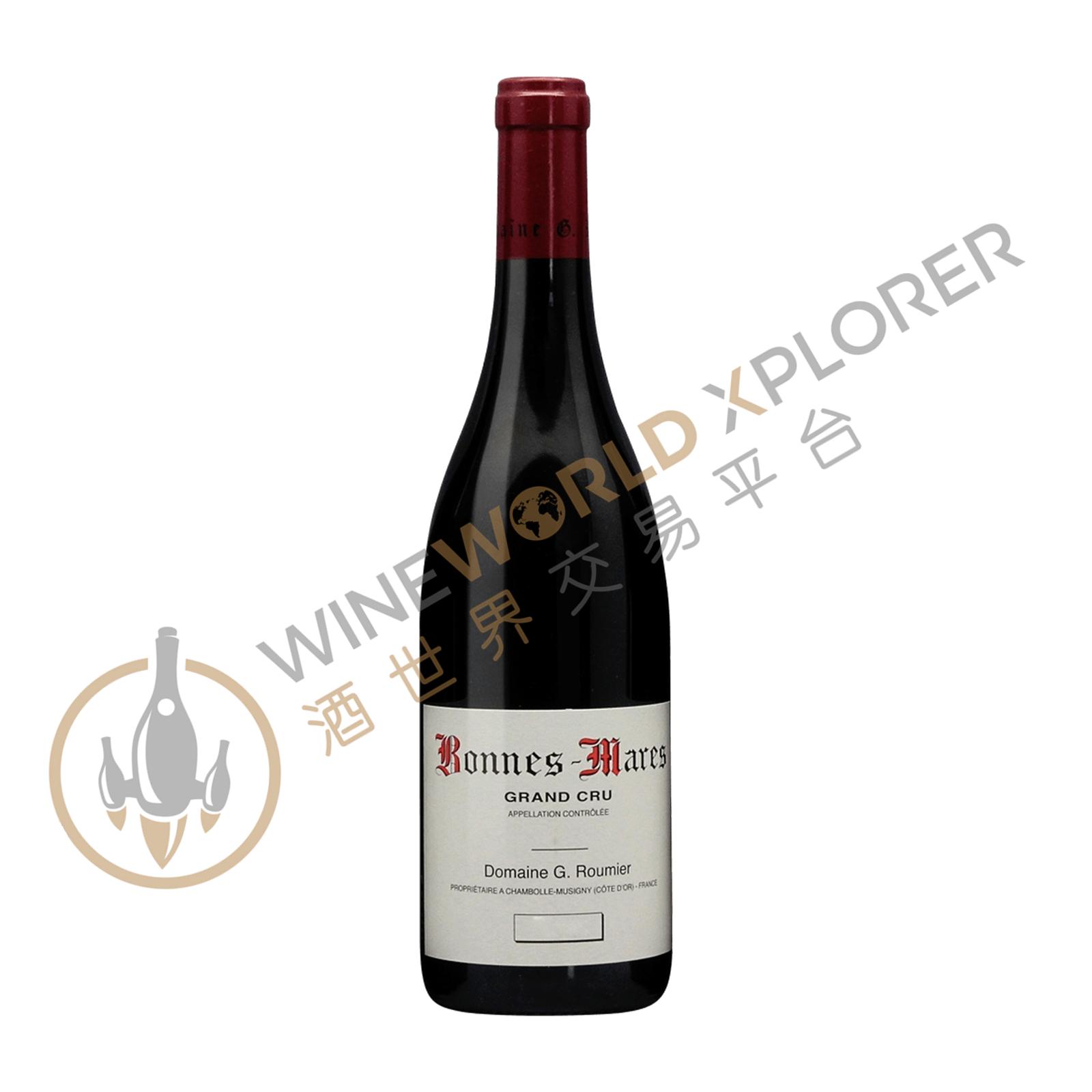
Georges Roumier, Bonnes Mares Grand Cru 2007
 View analysis


Description
Tasting notes

Reviewed by: Neal Martin
Tasted at the Domaine. As assemblage of the Terre Rouge and Terre Blanche, the Bonnes-Mares has a lovely, floral nose with black cherries, violets, blueberry, minerals and orange sorbet. Full-bodied and already showing great weight on the palate, the Bonnes-Mares is very harmonious, exuberant with a taut, precise finish imbued with a silky mouthfeel. Lovely. Drink 2012-2025. Tasted January 2009.
Reviewed by: William Kelley
One of the wines of the vintage, the 2007 Bonnes-Mares Grand Cru has shut down considerably in the last few years, and it's clear that this is one of the few 2007 red Burgundies truly built from the long haul. The wine unfurls in the glass with a youthfully reserved bouquet of red and black cherries, peony, orange zest and woodsmoke that's far less extroverted and explosive than it was only four years ago. On the palate, it's full-bodied, deep and concentrated, with a tight-knit core, fine-grained structuring tannins and a long, stony finish. At this stage, the 2006 rendition is much more approachable, and I'd advise readers who own the 2007 to forget it for the better part of a decade.
About the Producer
The domaine was founded in 1924 by Georges Roumier, who began domaine bottling in 1945. He was succeeded in 1957 by his son Jean-Marie and now grandson Christophe, who joined his father in 1982 and took over completely in 1992. Most of the wines are rented (en fermage) from family members although Ruchottes Chambertin is held on a share cropping deal with an external proprietor, Michel Bonnefond. The wines are seductively fruity in their youth yet with excellent ageing potential. The grapes are sorted in the vineyard, with a table de tri at the winery since 2003. They are mostly destemmed, albeit depending on vineyard and vintage, with a few more stems being used recently – then placed in wooden fermenters. The juice is given a cool soak at 15° then allowed to start naturally. The juice is punched down twice a day and temperature controlled so as not to exceed 32°C. There is no great reliance on new wood in the maturation cellar, with 15-25% being used for village wines, 25-40% for premiers crus and no more than 50% for Bonnes Mares. In recent years Christophe has been searching for, and achieving, a greater sense of precision in his wines.
1981(1)1989(1)1990(1)1996(1)1997(1)1999(2)2000(4)2001(3)2002(2)2004(3)2005(1)2006(2)
Package Size
12 x 75cl
