Wine Advisor



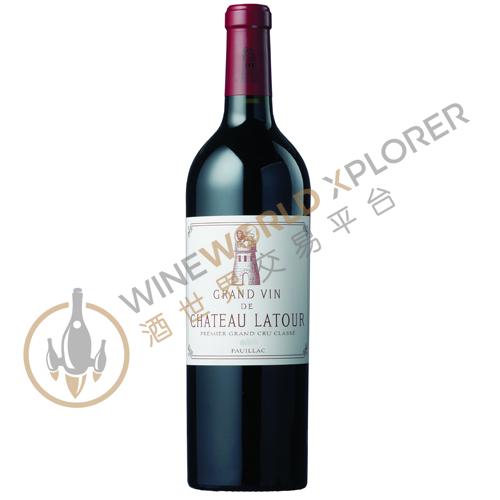
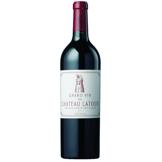
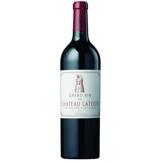
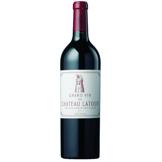
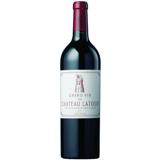
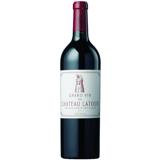
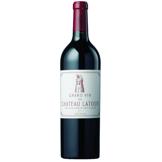
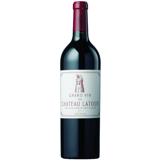
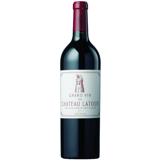
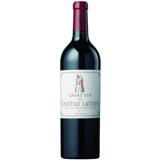
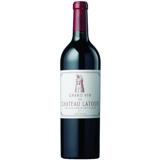
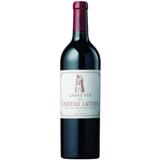
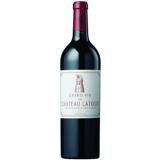
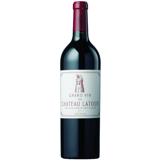
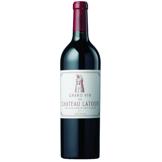
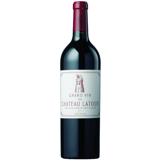
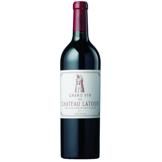
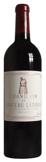
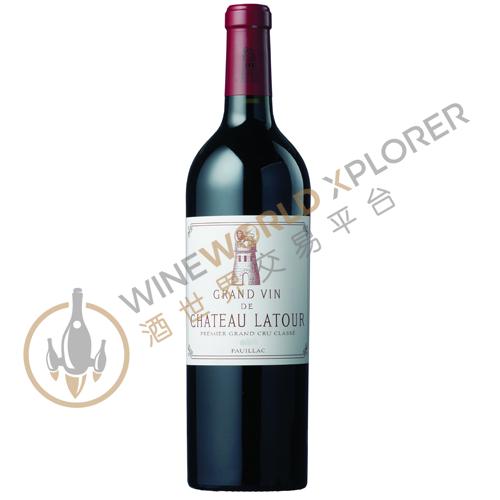
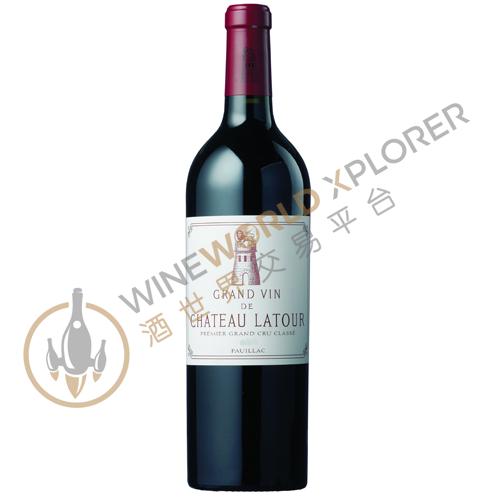
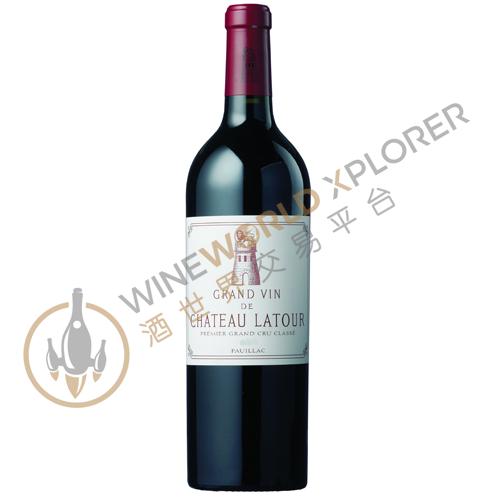
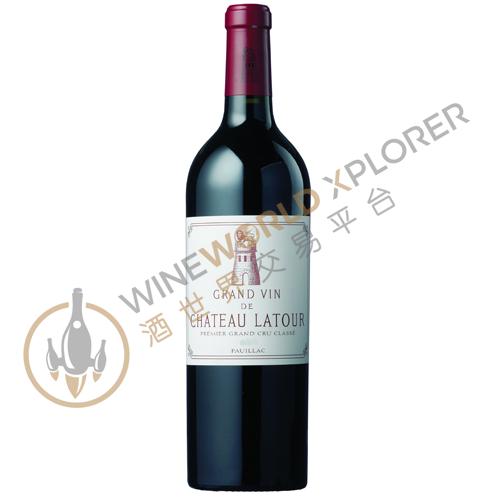
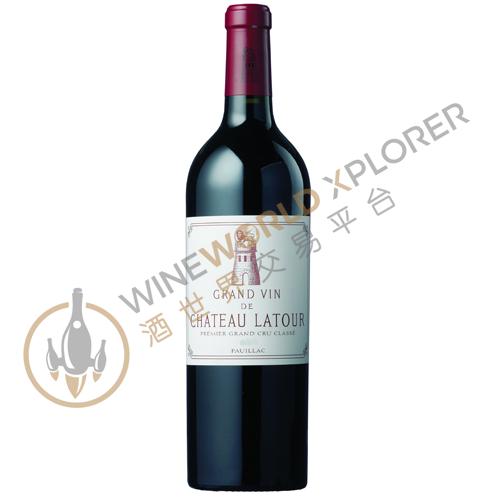
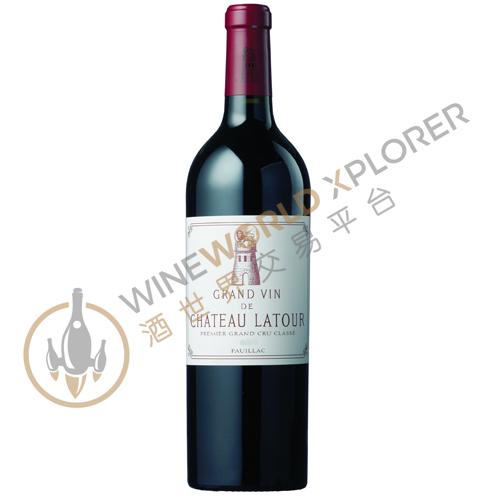
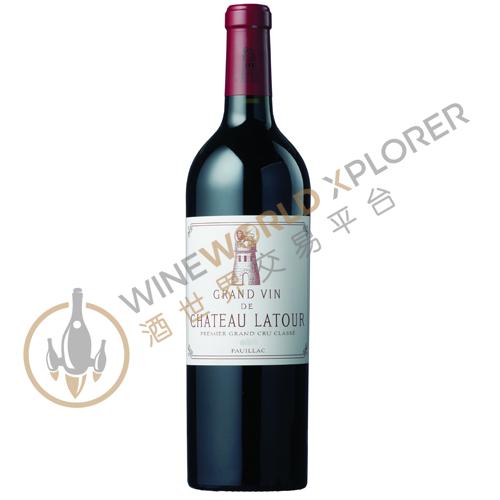
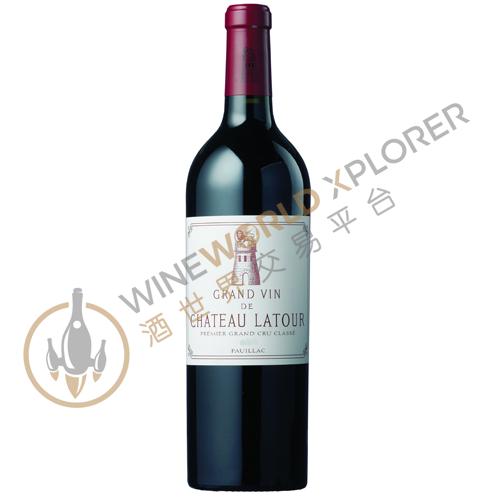
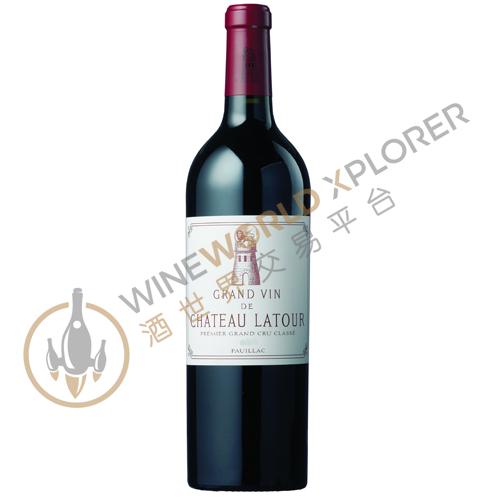
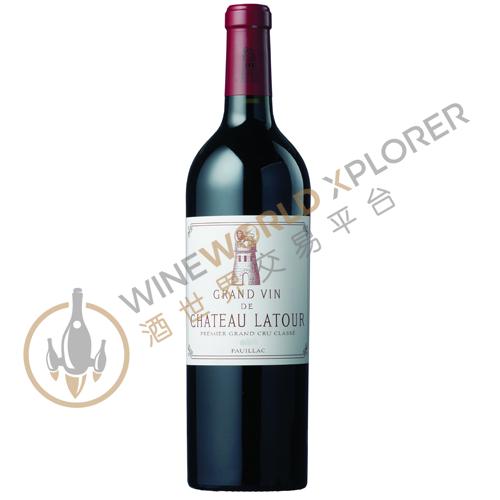
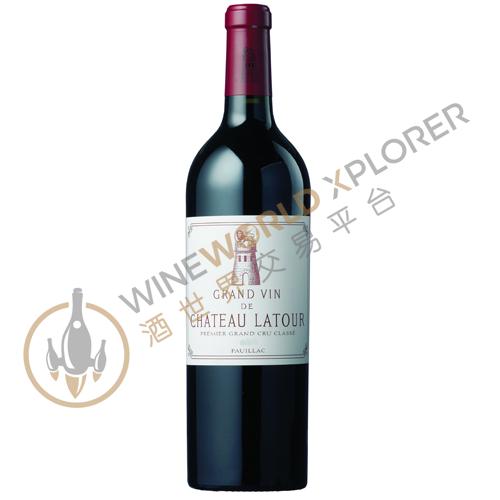
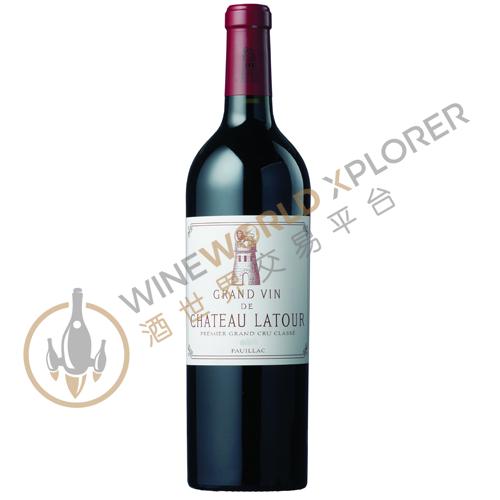
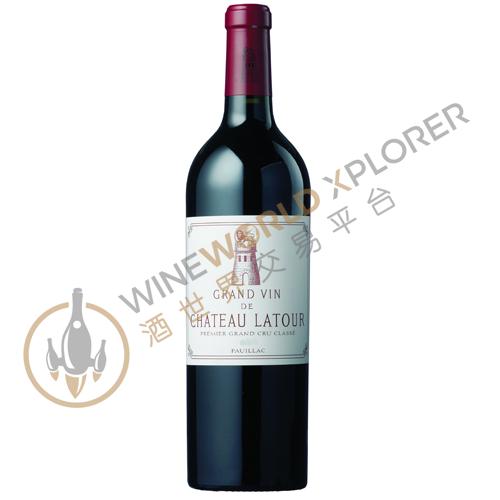
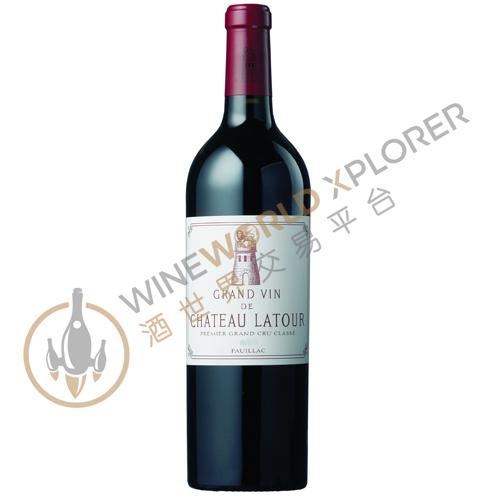
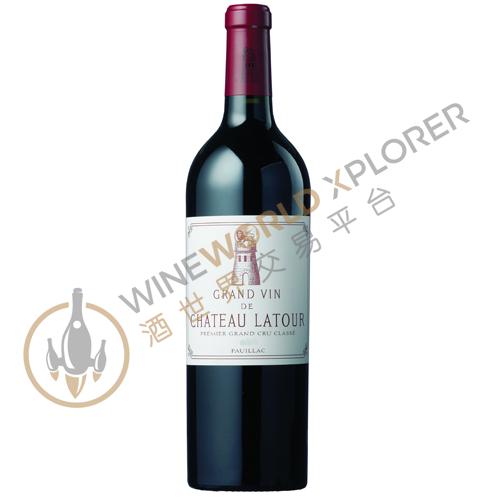
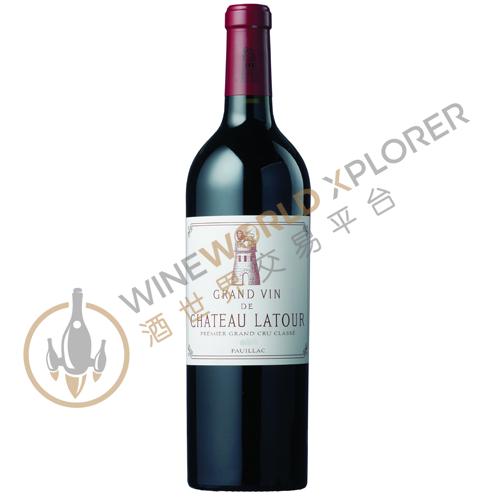
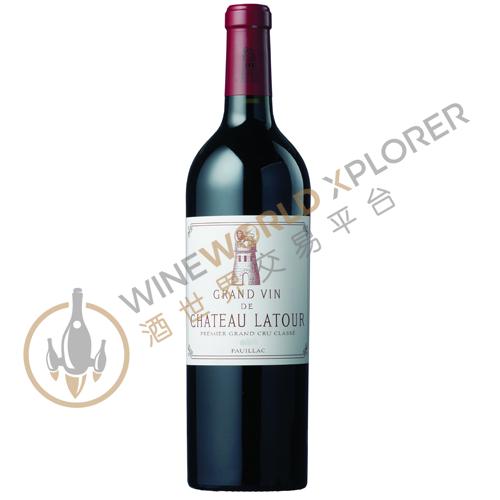
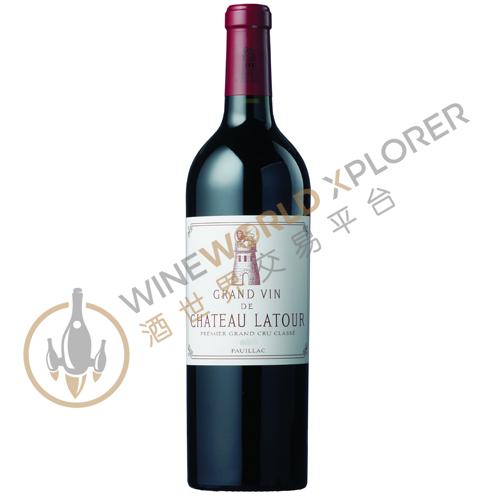
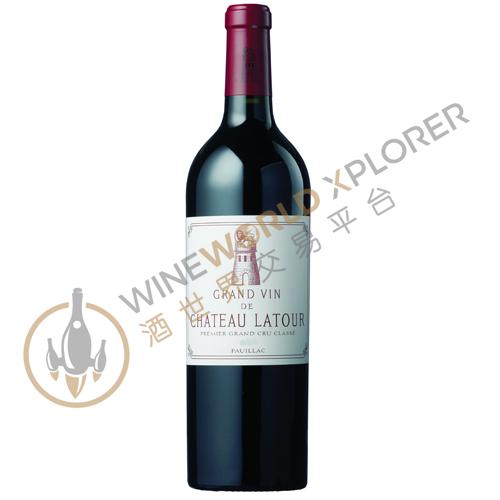
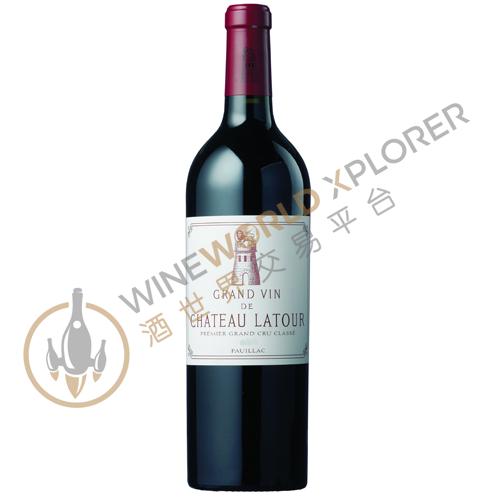
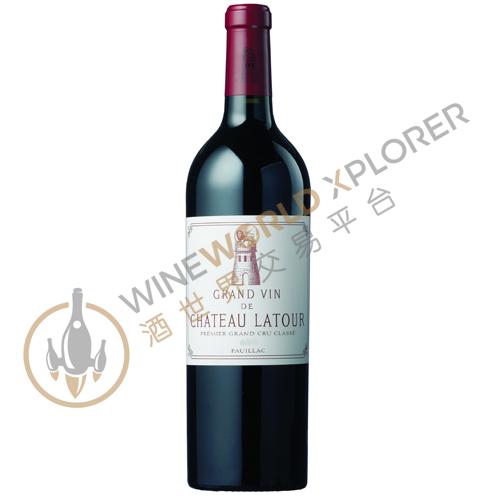
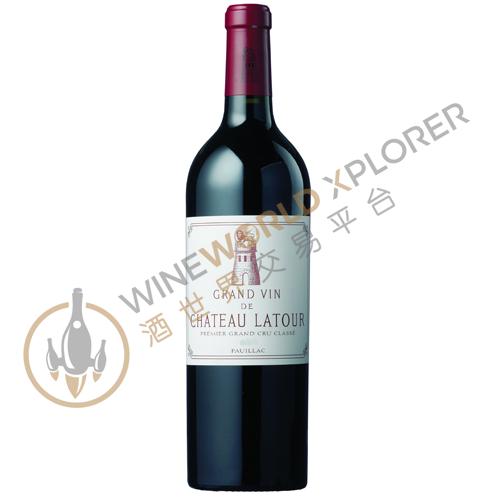
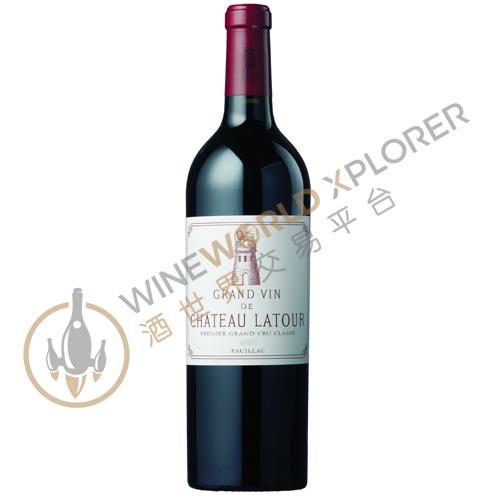
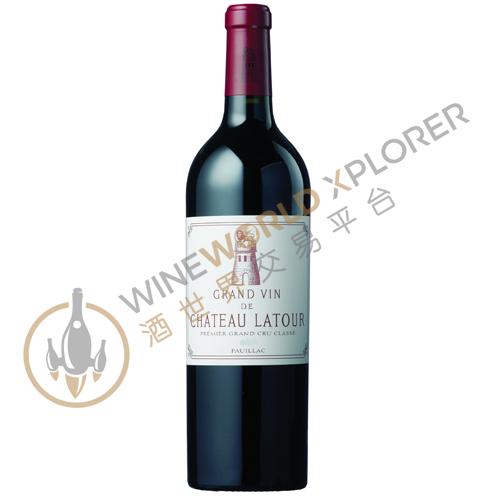
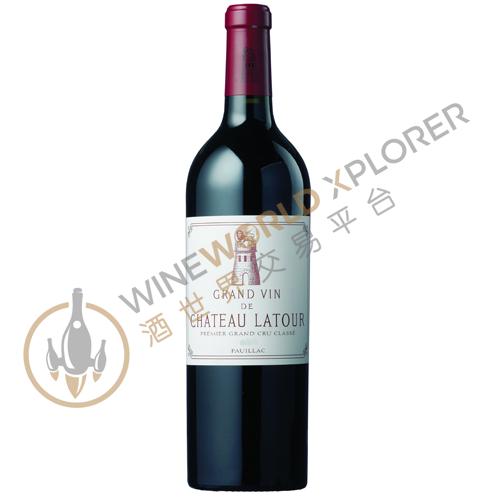
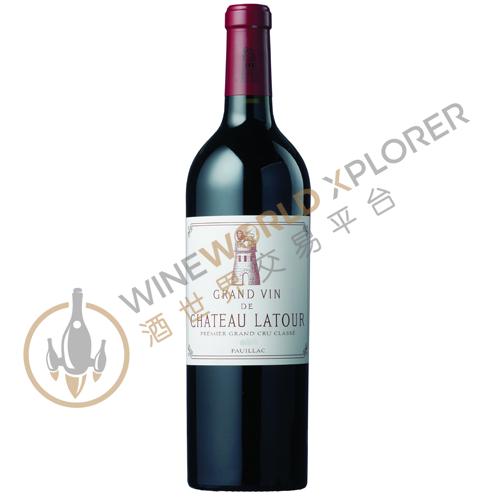
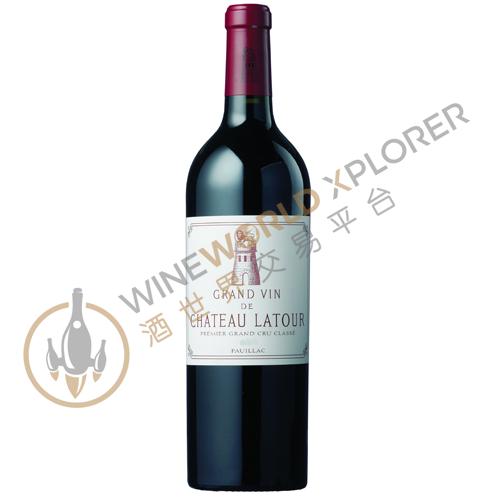
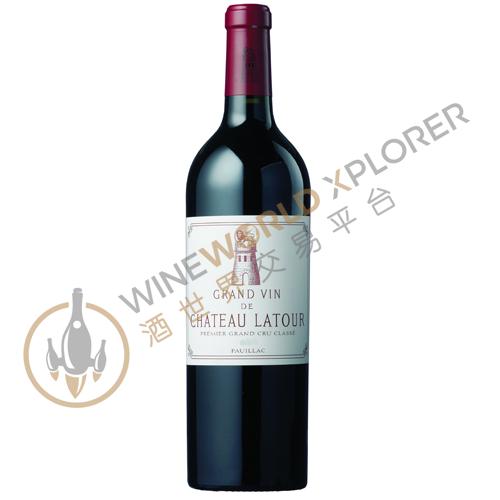
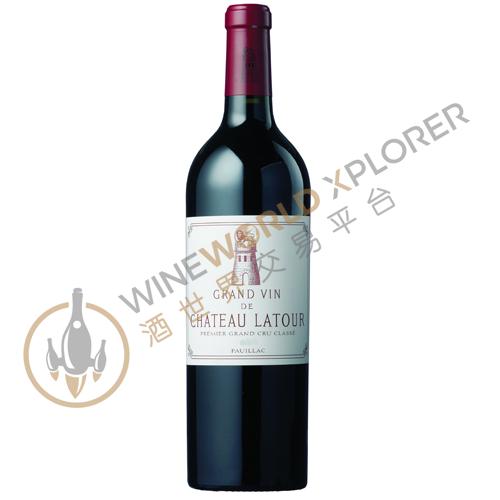
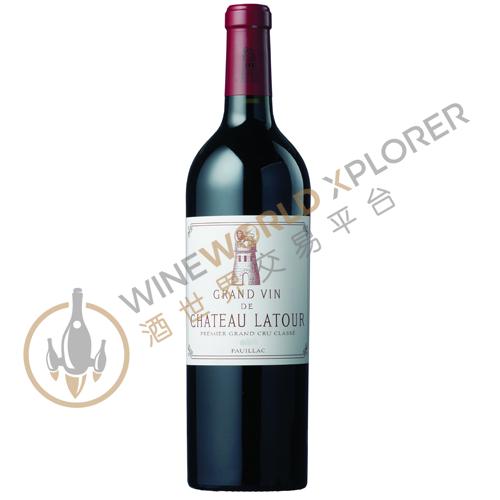
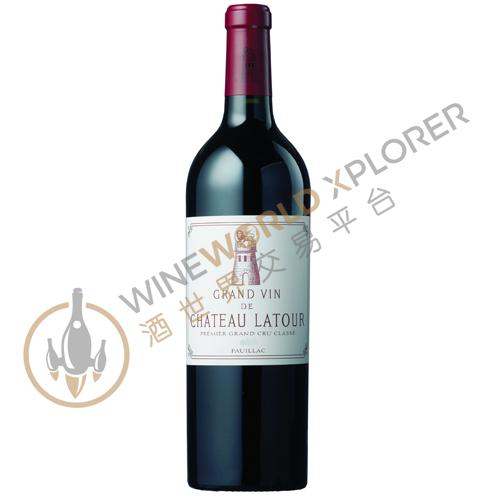
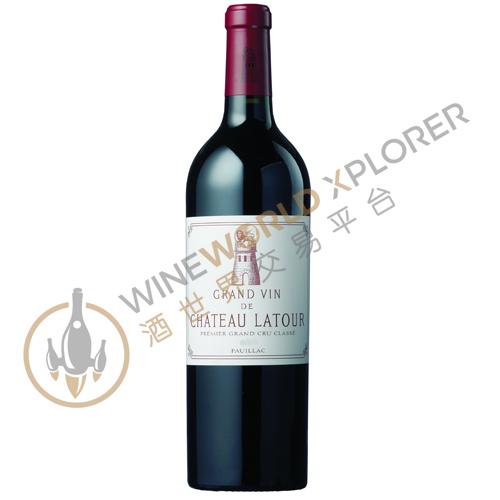
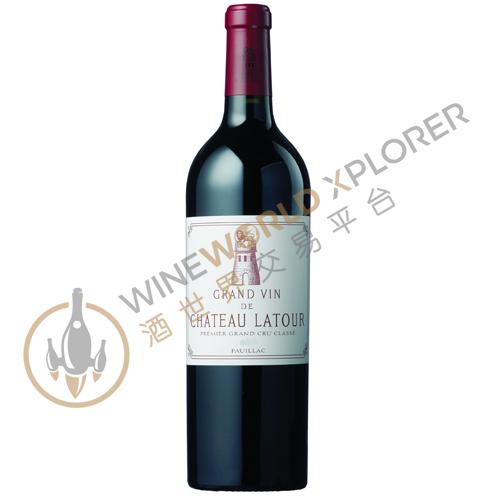
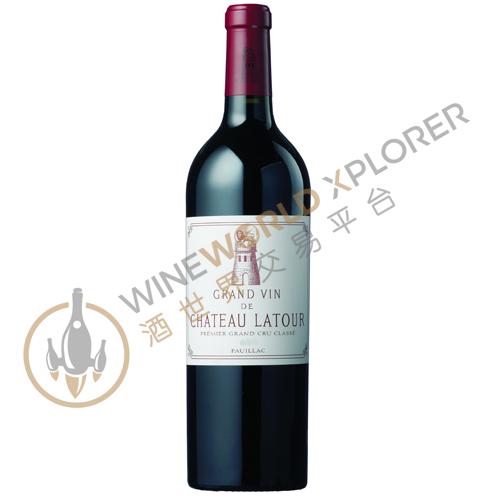
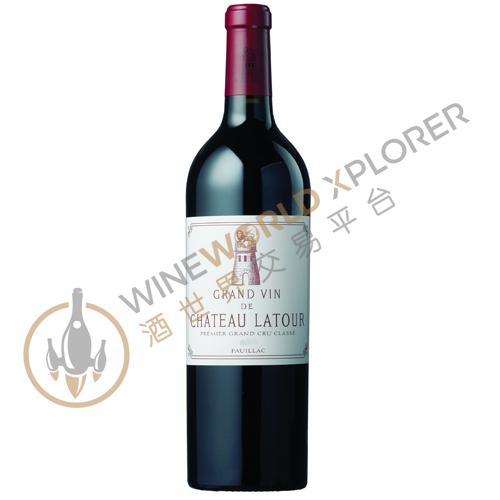
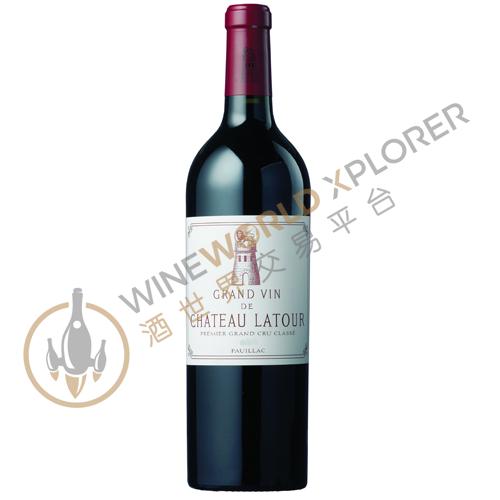
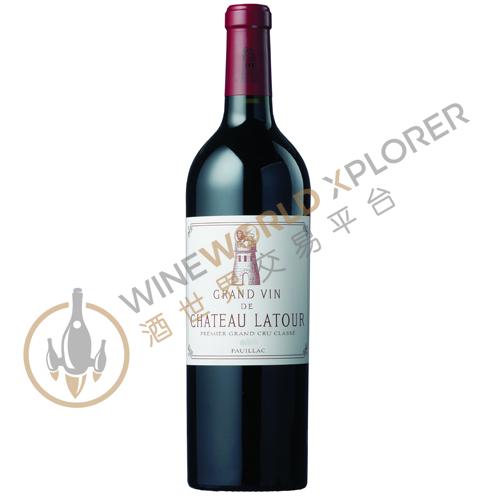
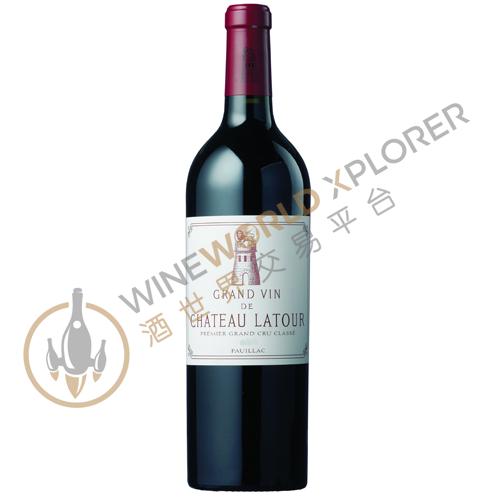
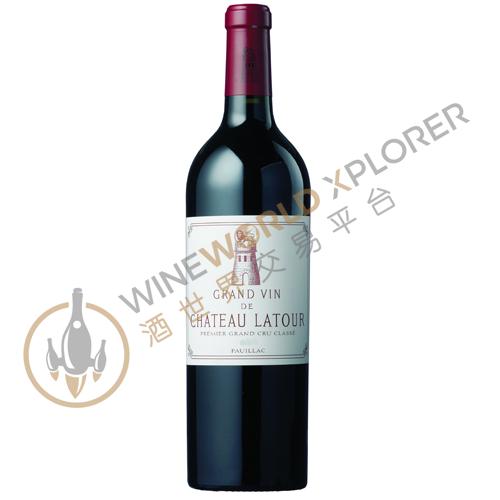
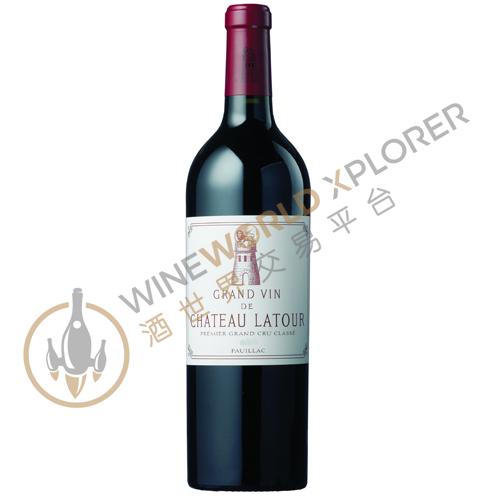
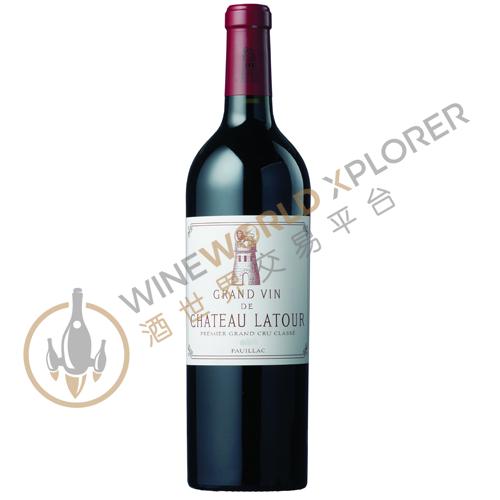
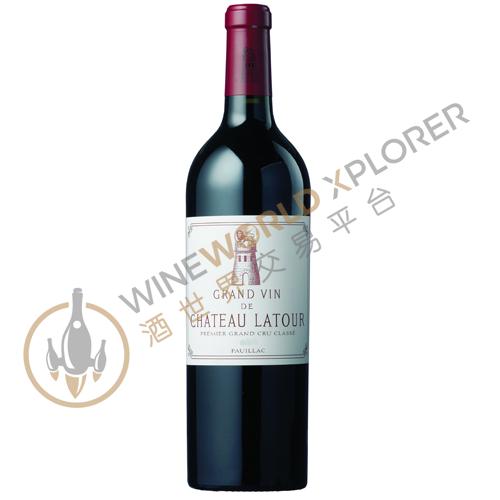
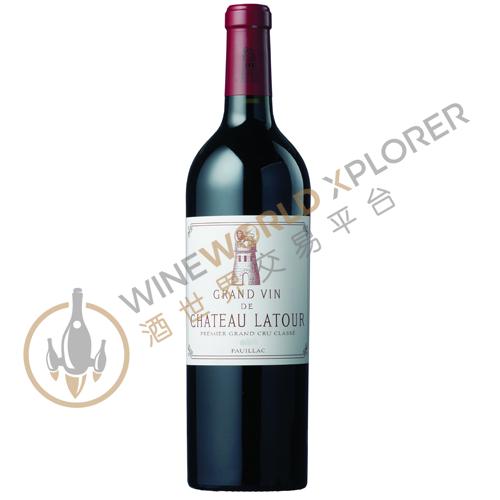
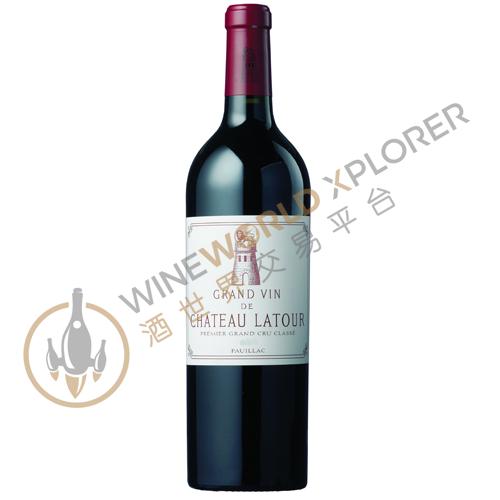
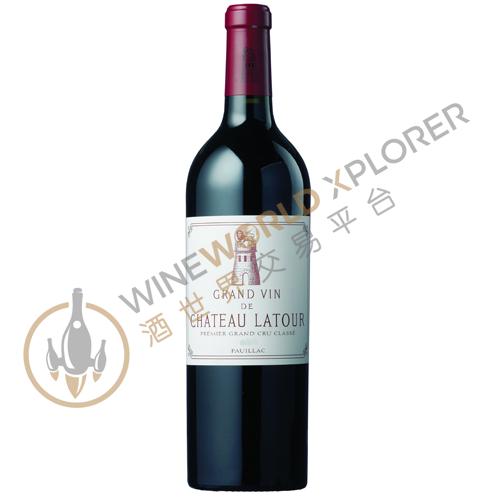
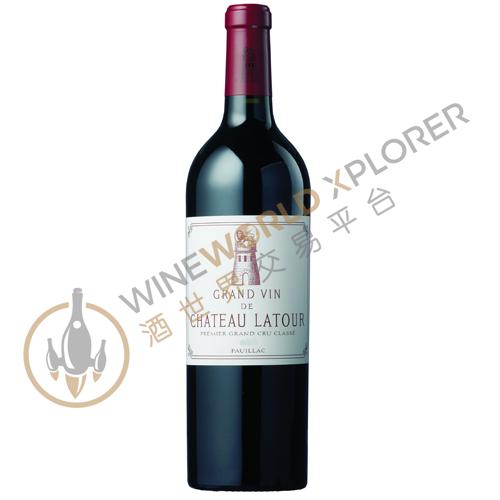
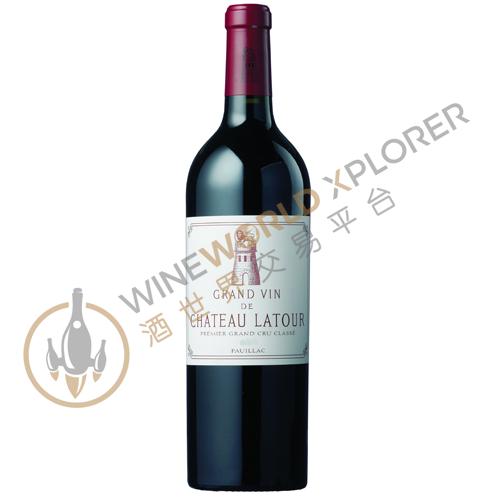
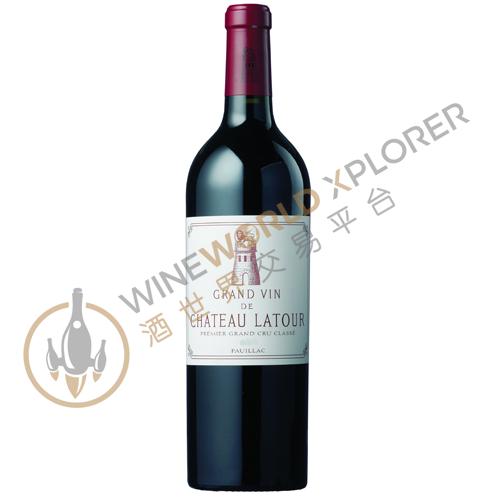
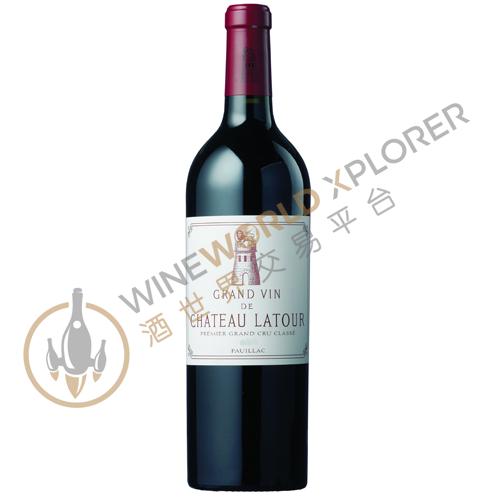
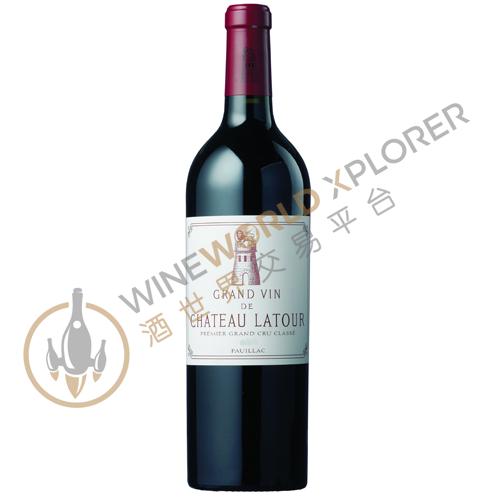
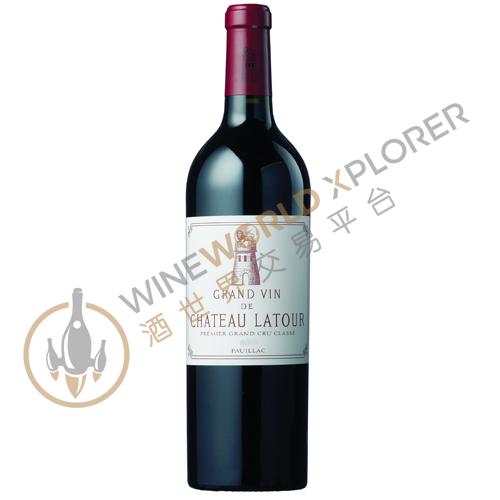
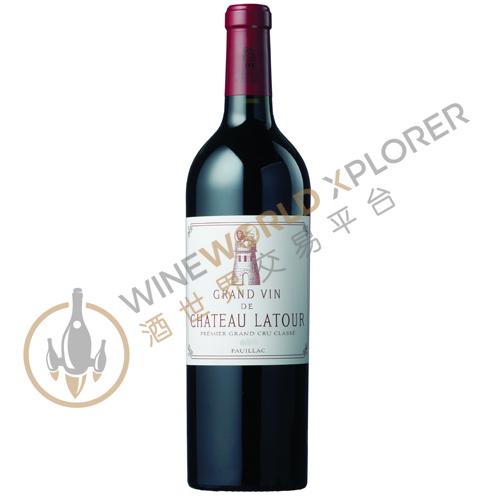
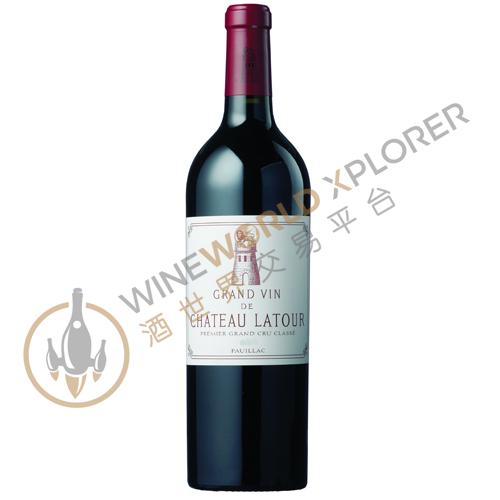
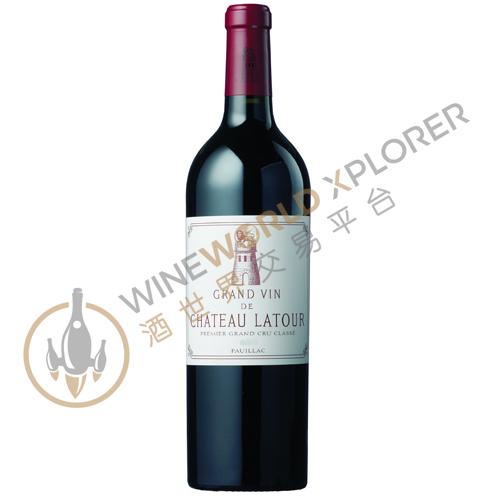
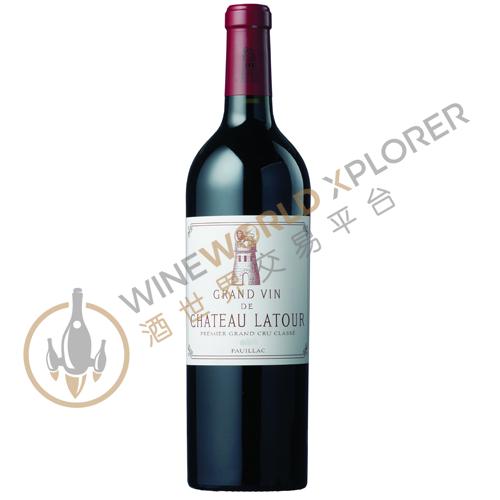
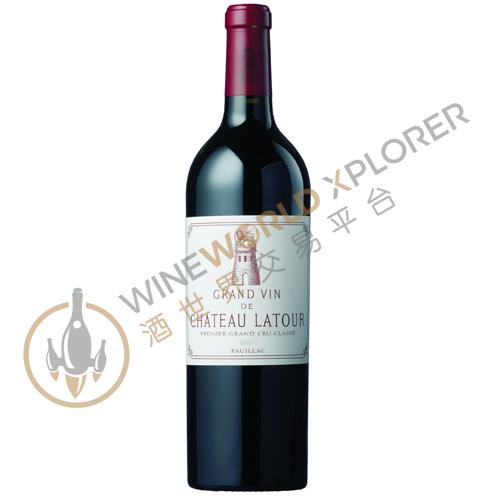
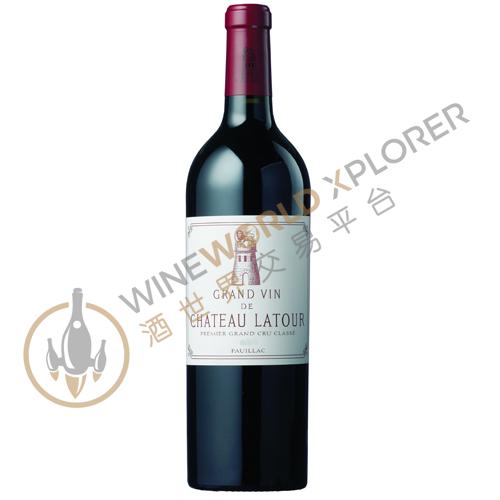
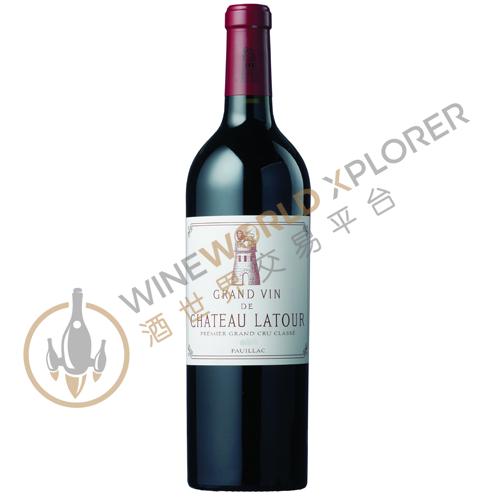
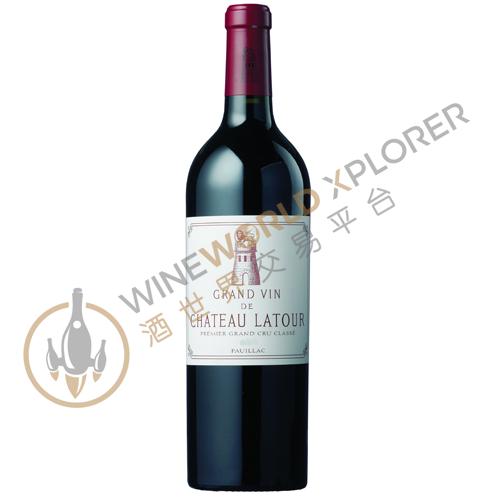
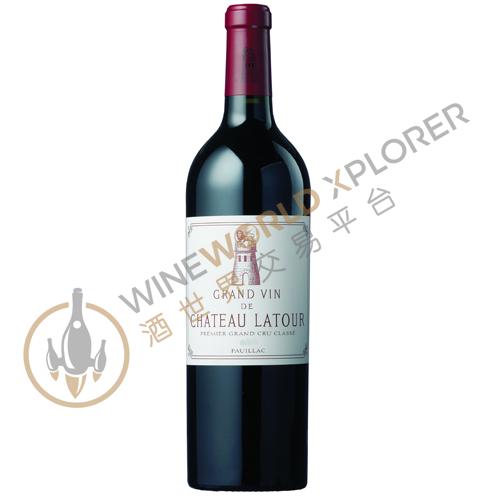
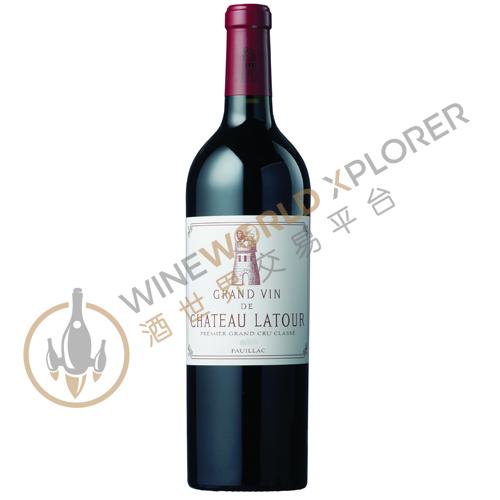
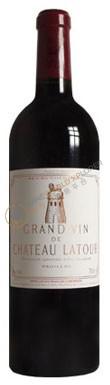
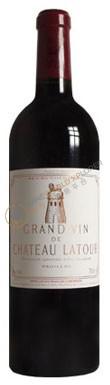
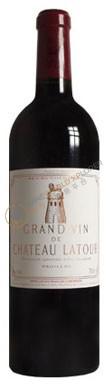
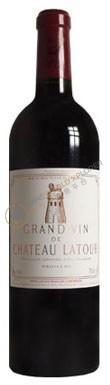
Chateau Latour 2002
 View analysis


Description
Chateau Latour is among the First Growth properties classified in the Bordeaux 1855 Classification. The estate is situated in the southern portion of Pauillac, bordering St. Julien and the Gironde estuary. Latour is considered one of the longest-lasting First Growths, reflecting its high proportion of Cabernet Sauvignon. Chateau Latour has an almost unequaled track record for producing stunning wines that age and evolve for decades, if not generations.
Tasting notes

Reviewed by: Neal Martin
I feel that this bottle was not as it should be. Two previous encounters proved this to be a superb Latour, but this was curiously enervated and light, far fleshier that a Latour should be at such an early stage.
Reviewed by: Robert M. Parker, Jr.
No guts, no glory? If I had to choose today, this would be my pick for the wine of the vintage. It is a colossal, remarkably concentrated, highly extracted, formidably endowed Latour as well as a potential legend in the making. Circa 2003, it will be interesting to see how such recent great Latours as the 2000 and 1996 stand up against the 2002, which will probably never have the “acclaim” of those two vintages. Latour’s administrator, the meticulous Frederic Engerer, told me that yields were a measly 23-24 hectoliters per hectare, and the final blend was 74% Cabernet Sauvignon, 25% Merlot, and dollops of Cabernet Franc and Petit Verdot. The pH is remarkably high (3.87), and the natural alcohol (no chaptalization) is over 13%, so this is a surprisingly powerful offering. It demonstrates that those who picked late benefited from the Indian summer. About 51% of the production made it into the grand vin. So what’s it taste like? This is a behemoth that is also extraordinarily pure and elegant. Opaque purple to the rim, it boasts a strikingly intense liquid minerality, creme de cassis, and licorice-scented nose. The wine’s incredible purity, fascinating texture, full-bodied power, and massive display of fruit, extract, and harmony suggest a monumental Latour that will require a considerable amount of time to become drinkable. I do not believe it is as backward as the 2002 Mouton, but certainly it is far less accessible than the 2002 Lafite. The brilliant 2002 Latour is a tour de force from a great estate that has hit all cylinders, producing a surprisingly profound wine in an irregular vintage. Anticipated maturity: 2015-2050+
Reviewed by: Lisa Perrotti-Brown
Deep garnet colored, the nose here is a little closed revealing somewhat subtle notes of red currants, mulberries, plums and coffee with a touch of dried Mediterranean herbs. Medium bodied and taut in the mouth, it gives firm tannins, crisp acid and a satisfyingly complex earthy finish.
Reviewed by: Neal Martin
A very deep garnet colour. The nose is more expressive compared to the 2004 and 2006, blackberry, cedar, charcoal and a touch of dried blood. Complex, still rather unresolved and needing more time. It is very refined on the palate, fine tannins, good level of ripeness with sweet black fruits, cedar, graphite leading to a supple, vivacious finish. A hint of truffle just on the aftertaste. Natural and unprepossessing. Drink 2012-2025. Tasted September 2008.
Reviewed by: Neal Martin
Deep opaque purple/garnet hew but less limpid than the Latour 2003. The nose is very sweet blackberry, cedar and a touch of chimney soot, although it does not have the lift or vivacity of the 2003. The palate is medium-bodied with supple tannins and good acidity. Notes of blackberry, bitter cherry and a touch of pencil-lead. It has that lithe texture and a lack of persistency on the finish that suggests it will be like the 1985 and earlier drinking. A conservative Latour. Leave another 6-8 years. Tasted December 2006. Drinking 2010-2025
Reviewed by: Neal Martin
First tasted en primeur when I overturned the form book and preferred Mouton Rothschild. Then at the Latour/Petrus vertical in November 2005. The nose is quite feminine and a little muted at the moment, especially coming after the Latour 2003. Good delineation but conservative, cedar with blackberry with a citrus edge. Soft entry, quite approachable on the palate with "soft" texture (at least for Latour.) Very fresh with blackberry, a stern tannic backbone though it still needs time to meld together. I do think this is a wine you will be able to drink soon but will also last. Very classic.
Reviewed by: Neal Martin
Tasted blind at Farr’s 2002 Bordeaux tasting. A great showing. Wonderful lift on the nose, very generous compared to some of the other First Growths with notes of blackberry, raspberry leaf, hot bricks and cedar, gaining intensity all the time in the glass. The palate is firm on the entry with bold tannins, ebullient black fruits laced with cedar and graphite, leading to a convincing, tannic finish. This is really coming in to its own. Tasted October 2009.
Reviewed by: Neal Martin
Served blind at the chateau, it is amazing how well this wine performs in blind tastings. There is great clarity on the nose, you can almost smell those “caillou” in the vineyard, pure black fruits, freshly rolled tobacco, crushed stone and just a faint hint of Xmas cake (must be the time of season!) The palate is well structured with firm tannins, quite masculine even for Latour with cedar and graphite, underpinned by exquisite delineation on the finish. Wonderful. Tasted December 2009.
Reviewed by: Antonio Galloni
One of the most pleasant surprises in this tasting, the 2002 Latour is just beginning to show the full breadth of its aromatic complexity, but it is also has more than enough depth to drink well for several decades. Tar, graphite, incense and smoke open up in the glass in a Latour that leans towards the more delicate, feminine side of things. Silky tannins add polish and creaminess through to the finish. The 2002 is surprisingly delicious today for a young Latour, but it also has the pedigree and density to age nicely for decades.
Reviewed by: Neal Martin
The 2002 Latour is more backward on the nose, quite floral with rose petal scents infusing the red and black fruit, a marine element that emerges with time in the glass. I could not find any of the Christmas cake aromas that I observed on previous bottles. The palate is medium-bodied with firm tannins, grippy in the mouth with a dense and sapid finish. Given the vintage, this is a magnificent wine, probably the finest on the Left Bank, though clearly from large formats such as this it requires more time. Tasted blind from double magnum at 20-year retrospective at the château.
Reviewed by: Neal Martin
The 2002 Latour is a wine that has impressed ever since I first tasted it from barrel and subsequently both in sighted and blind conditions. It offers disarming black fruit laced with tobacco and graphite on the nose, this bottle showing less of the Christmas cake that I remarked in previous bottles. Firm in structure, the 2000 has more charm and vivacity than many of its Left Bank peers this vintage, plenty of cedar and pencil lead notes with a grippy yet detailed finish. You could actually begin broaching this now but it will offer another two decades of drinking pleasure. Tasted blind at a private dinner in Bordeaux.
Reviewed by: Stephen Tanzer
Red-ruby. Blackcurrant, graphite and minerals on the nose. Sweet, fleshy and dense, with an impeccable sugar/acid balance. Strong mineral tones and firm acids. Finishes long and gripping, with excellent tannic spine and lift. A bit like the 2002 Les Forts de Latour but turned up a notch or two. But not quite as perfumed as the young 2004.
Reviewed by: Stephen Tanzer
Bright ruby-red. Wonderfully pure, quintessential Pauillac aromas of crushed currant, licorice and lead pencil. Then leanish and rather closed in the middle, but with superb precision and grip. Finishes long and perfumed, with great thrust. A strong candidate for the wine of the vintage. This great vineyard appears to have taken maximum advantage of the conditions of this vintage.
Reviewed by: Stephen Tanzer
(74% cabernet sauvignon and 25% merlot, with smidgeons of cabernet franc and petit verdot) Full saturated medium ruby. Reticent, slightly medicinal aromas of cassis and bitter chocolate. Big and broad in the mouth; not yet filled in but already displays impressive dimension and class. Slightly cool, very fresh mineral and floral flavors offer enticing inner-mouth perfume. A bit youthfully disjointed and austere today, with the firm acids and salty, gripping tannins not yet completely integrated, but the strength of the wine's raw materials is clear to see. (The length has not yet been constructed, says Engerer, adding that this wine is an unusually high 13% alcohol. Moving from the 2000 to this wine is like going from a very ripe Grands-Echezeaux to a wine from one of Gevrey-Chambertin's colder sites, like Latricieres-Chambertin, added Engerer, who has a passion for Burgundy.)
Reviewed by: Robert M. Parker, Jr.
The wine of the vintage? There are only 10,000 cases of this extraordinarily rich, dense 2002 that is as powerful as the 2003 (even the alcohol levels are nearly the same, 12.85%) . It is dark ruby/purple to the rim, with notes of English walnuts, crushed rocks, black currants, and forest floor, dense, full-bodied, and opulent, yet classic with spectacular aromatics, marvelous purity, and a full-bodied finish that lasts just over 50+ seconds. Huge richness and the sweetness of the tannin are somewhat deceptive as this wine seems set for a long life. Administrator Frederic Engerer seems to be more pleased with what Latour achieved in 2002 than in any other recent vintage. Hats off to him for an extraordinary accomplishment in a vintage that wouldn’t have been expected to produce the raw materials to achieve something at this level of quality. Anticipated maturity: 2012-2045.
Reviewed by: Neal Martin
The 2002 Latour is a wine that has impressed ever since I first tasted it from barrel and subsequently both in sighted and blind conditions. It offers disarming black fruit laced with tobacco and graphite on the nose, this bottle showing less of the "Christmas cake" that I remarked in previous bottles. Firm in structure, the 2000 has more charm and vivacity than many of its Left Bank peers this vintage, plenty of cedar and pencil lead notes with a grippy yet detailed finish. You could actually begin broaching this now but it will offer another two decades of drinking pleasure. Tasted blind at a private dinner in Bordeaux.
1910(1)1916(1)1947(2)1948(1)1950(2)1951(2)1952(1)1953(1)1955(1)1956(1)1957(1)1958(2)1960(1)1961(1)1962(1)1964(2)1965(1)1968(2)1969(2)1970(4)1971(1)1973(3)1975(3)1976(1)1977(1)1978(2)1979(1)1980(1)1981(3)1982(10)1983(5)1984(2)1985(2)1986(3)1987(4)1988(4)1989(6)1990(6)1991(9)1992(10)1993(13)1994(9)1995(9)1996(20)1997(12)1998(16)1999(18)2000(23)2001(18)
Package Size
1 x 75cl