Wine Advisor



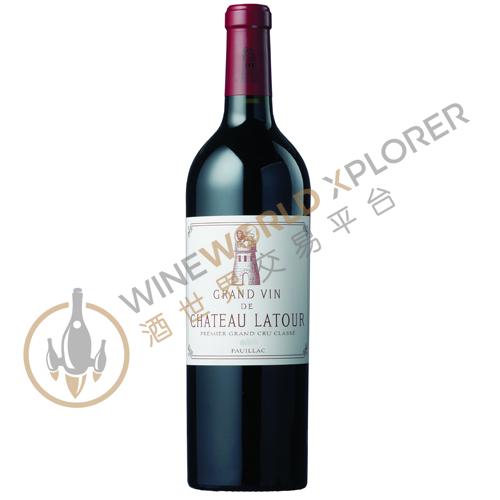
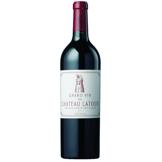
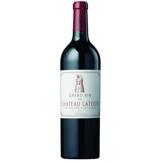
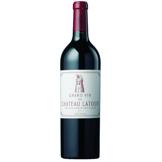
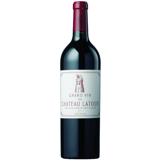
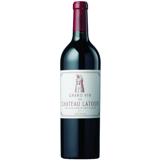
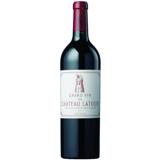
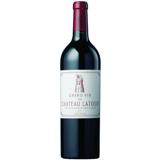
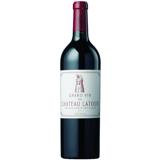
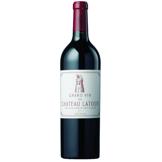
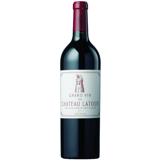
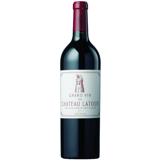
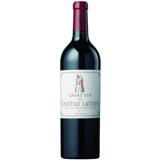
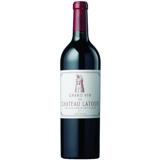
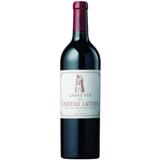
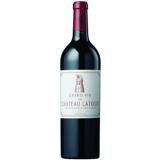
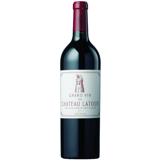
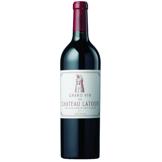
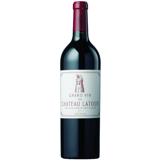
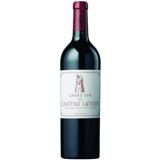
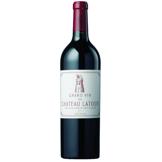
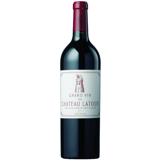
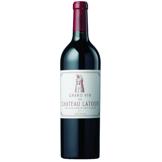
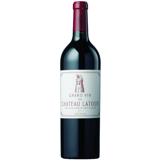
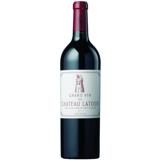
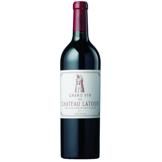










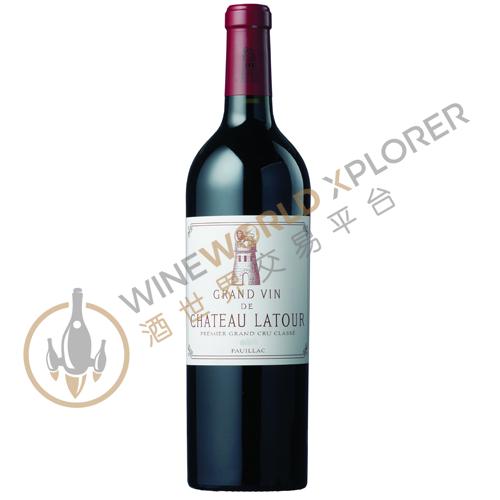
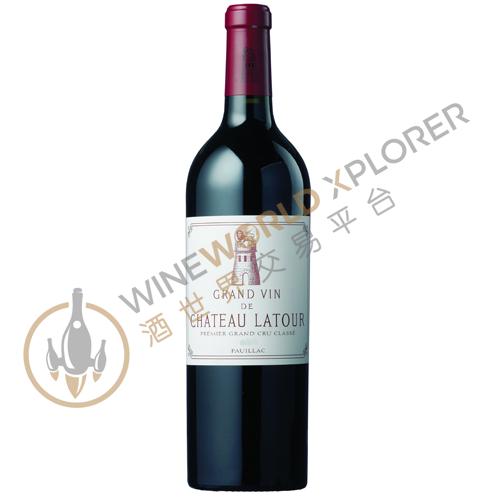
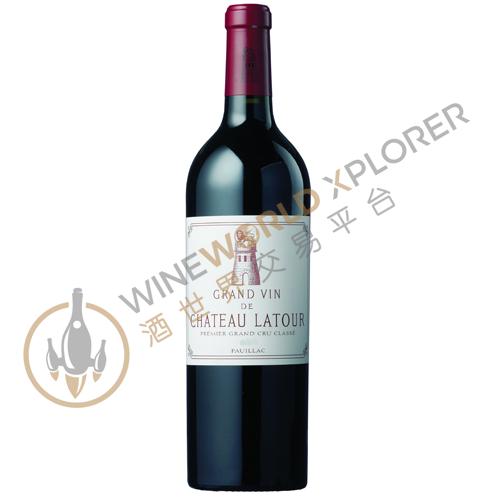
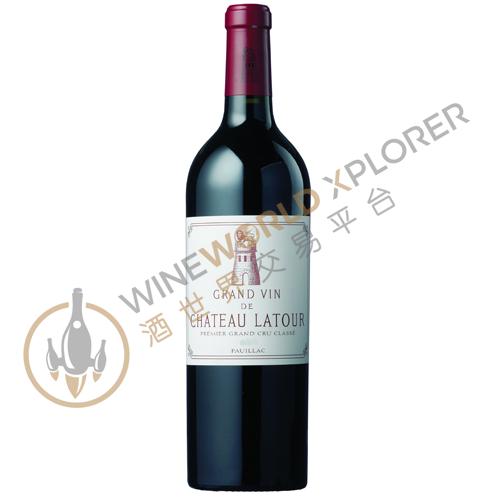
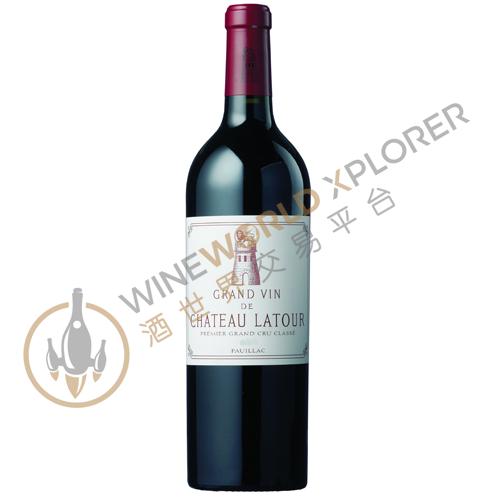
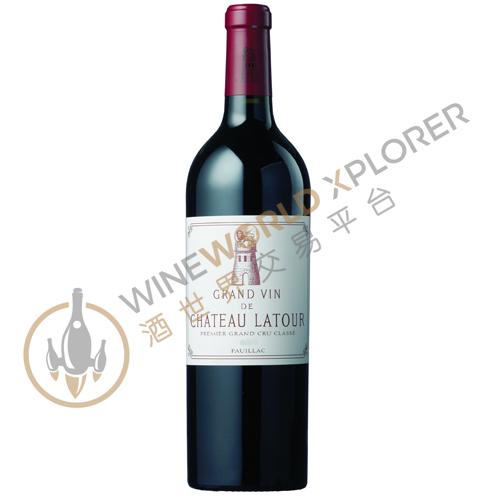
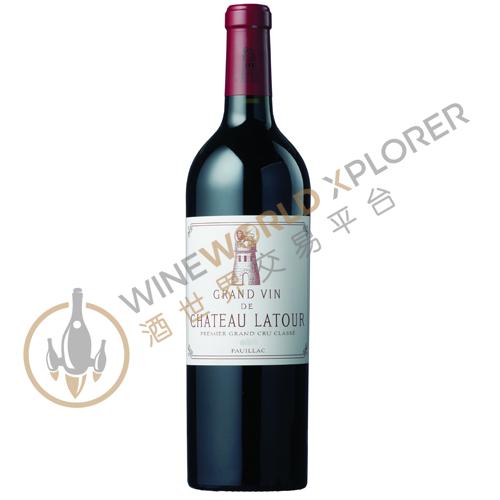
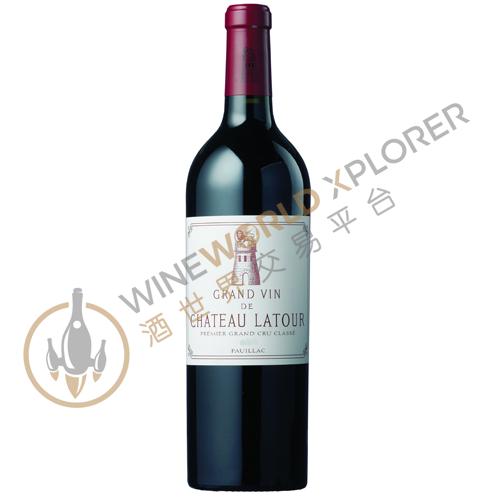
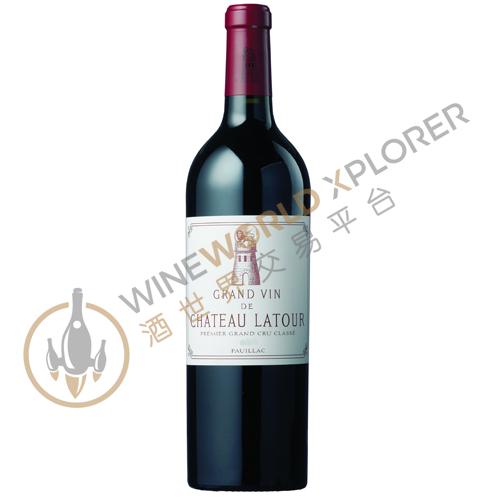
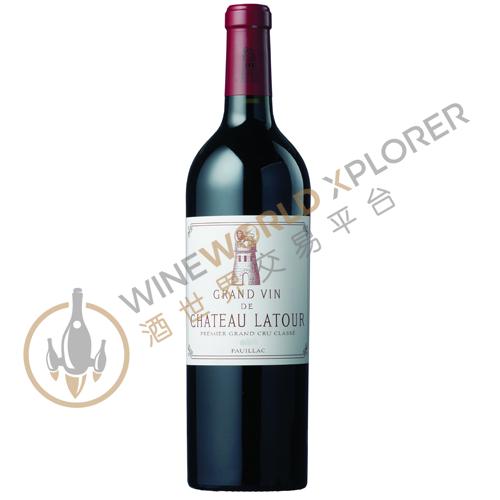
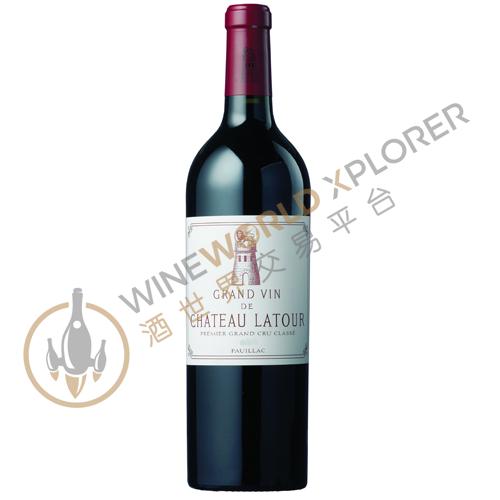
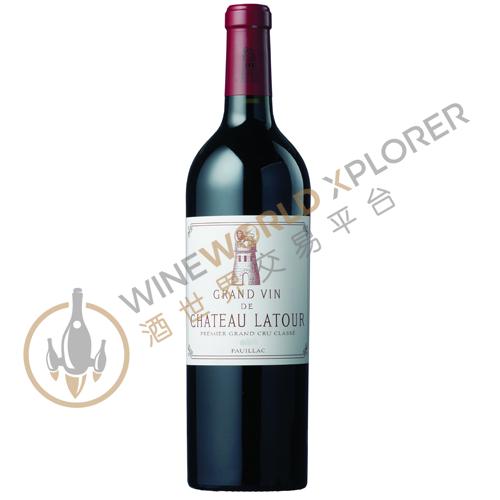
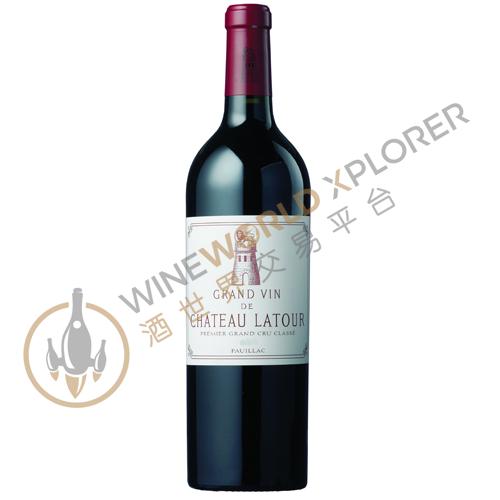
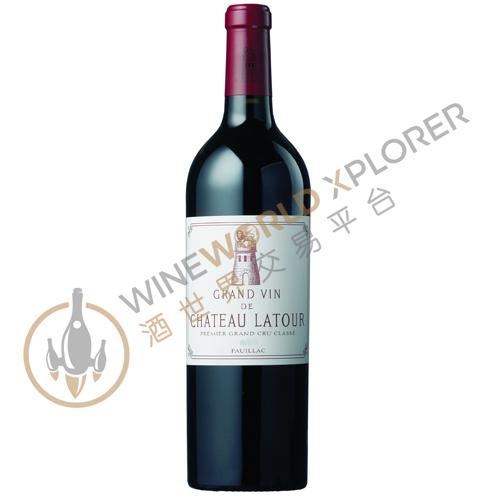
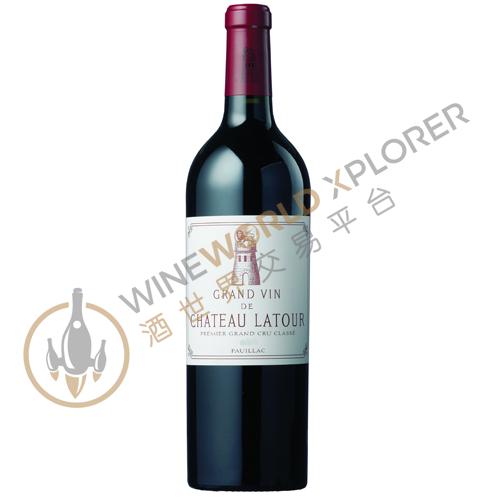
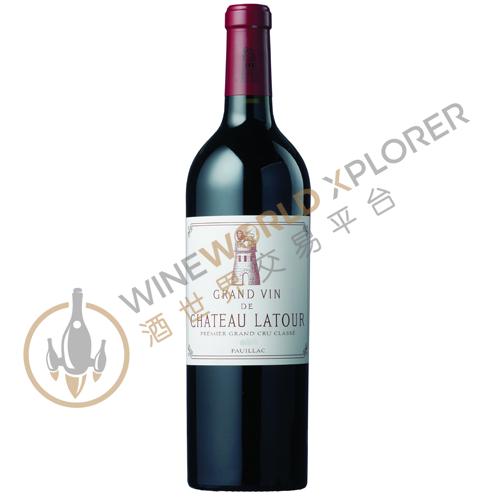
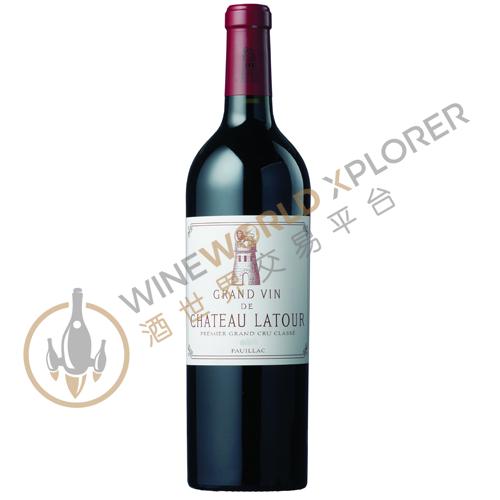
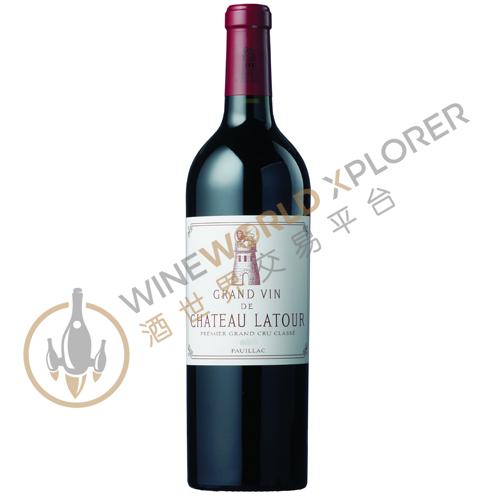
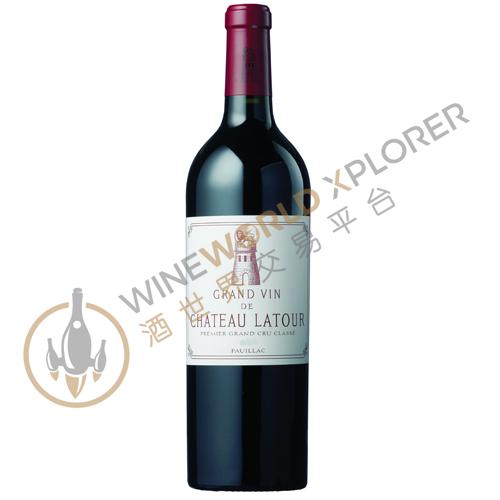
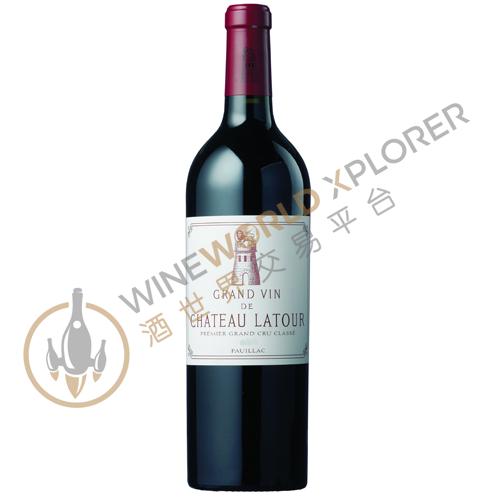
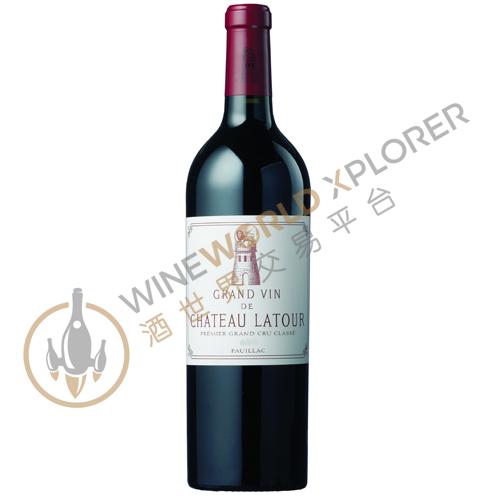
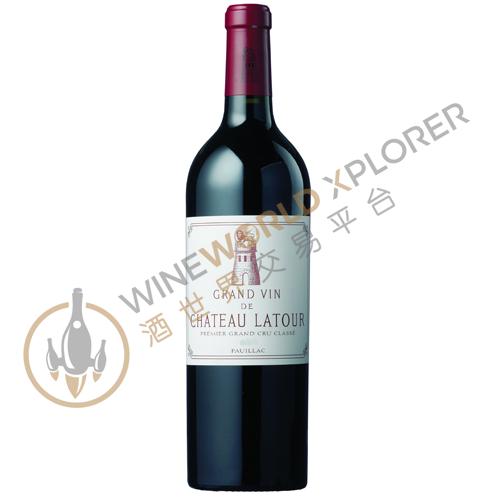
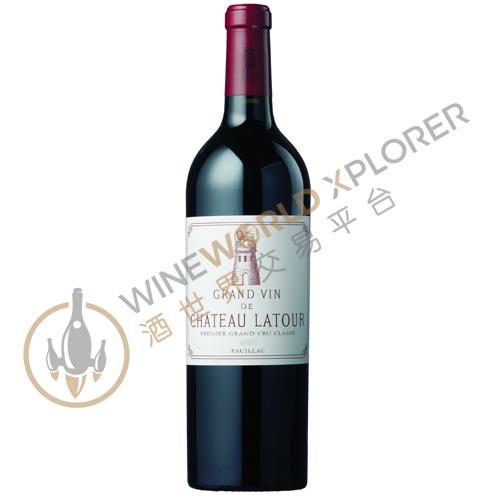
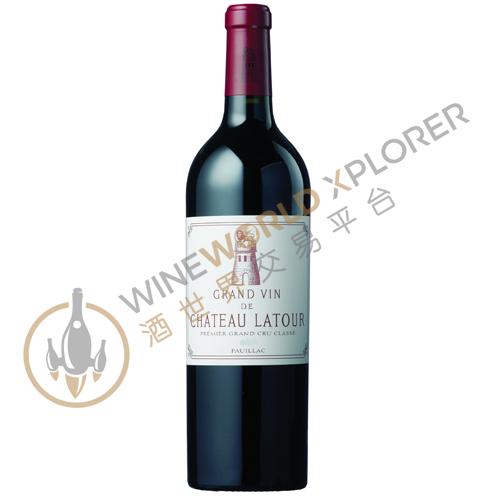
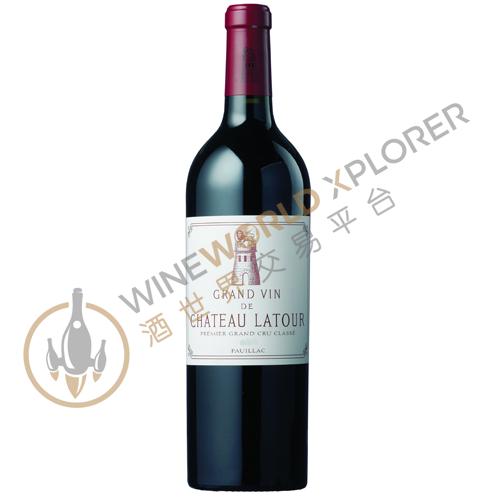
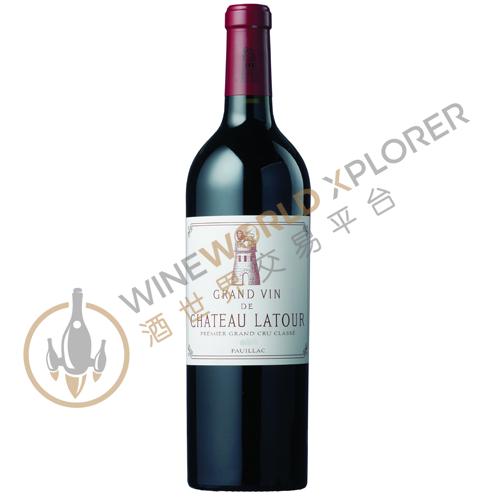
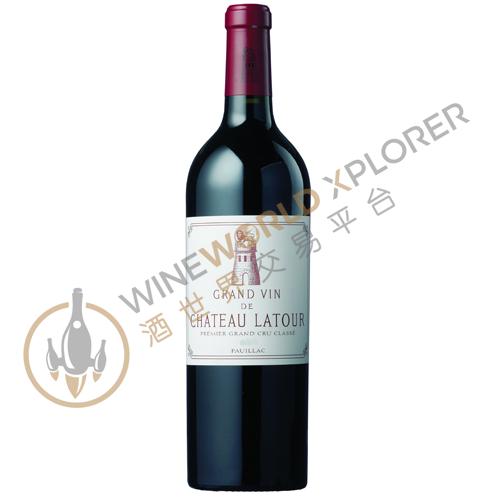
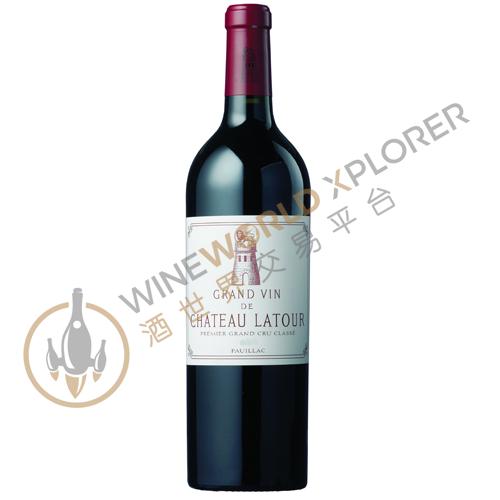
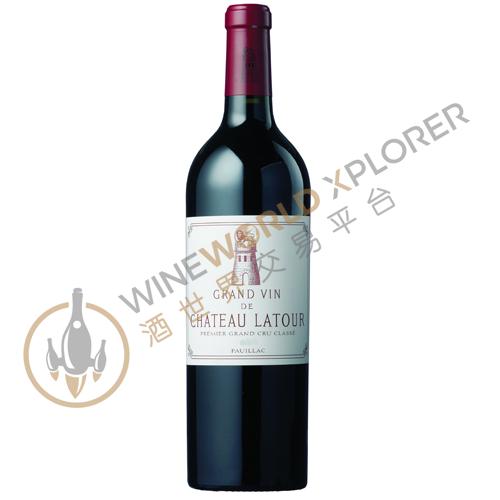
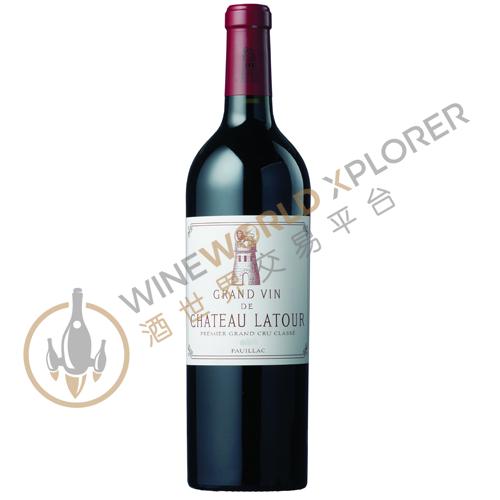
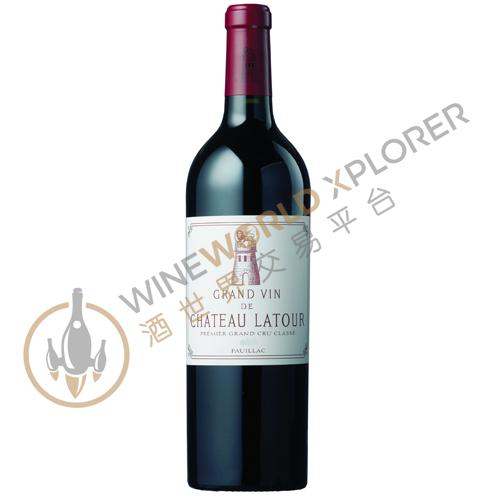
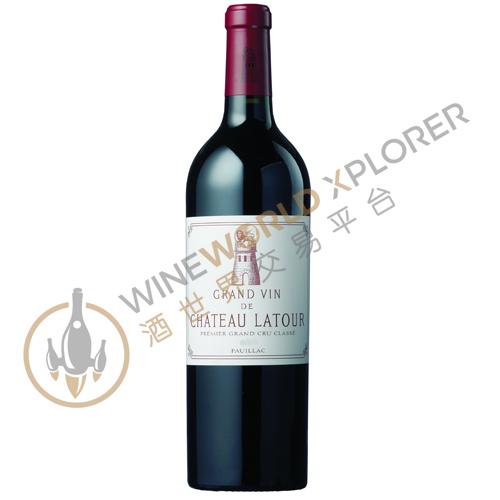
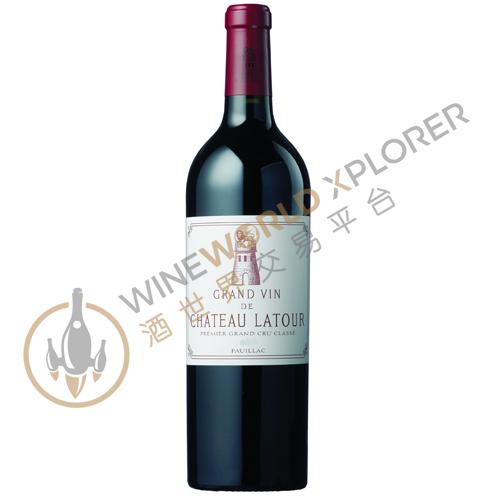
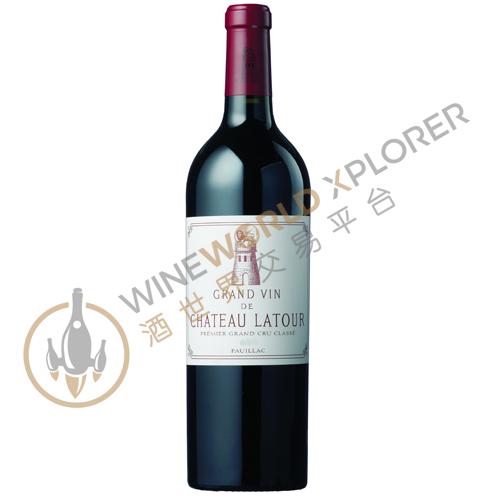
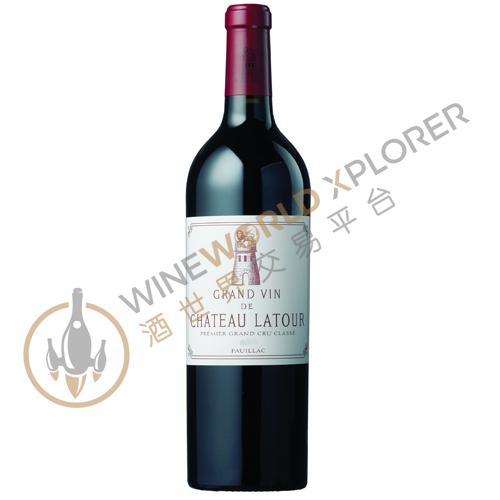
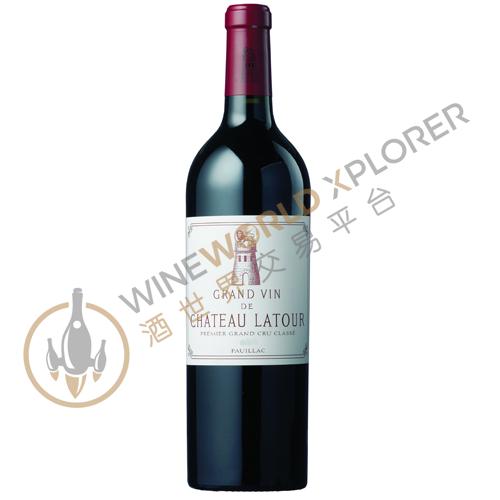
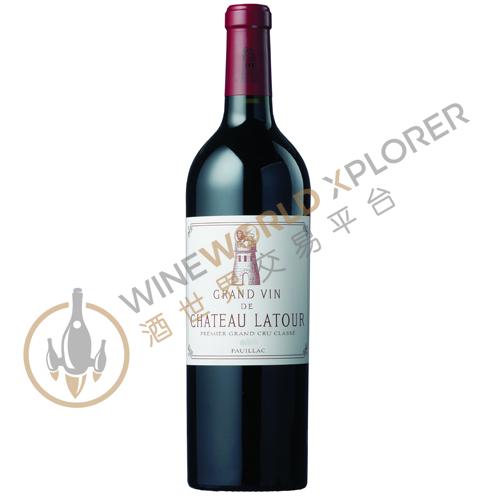
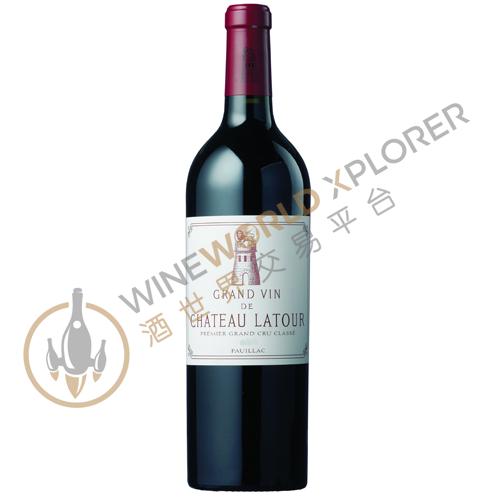
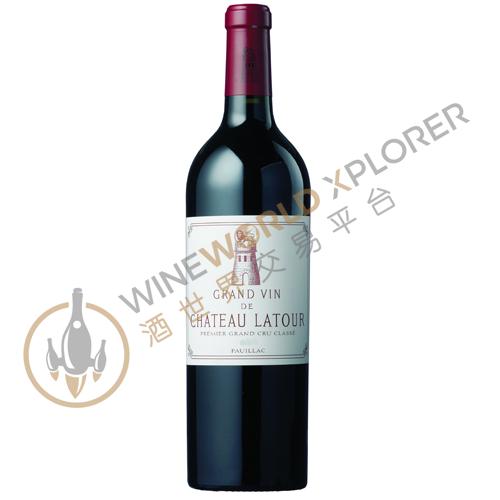
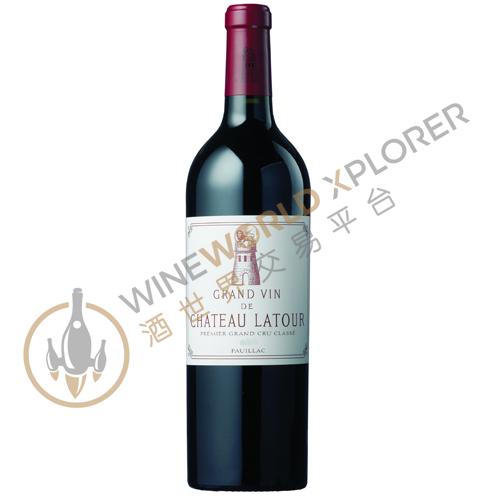
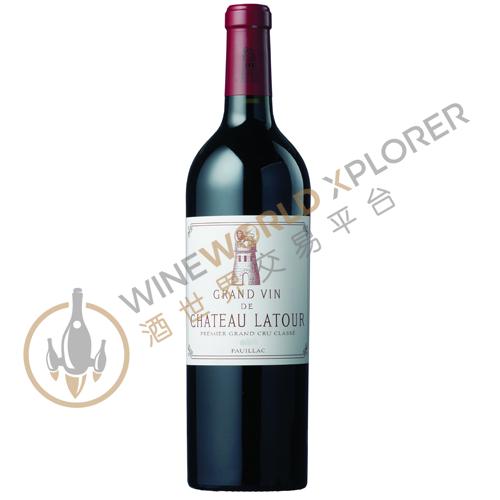
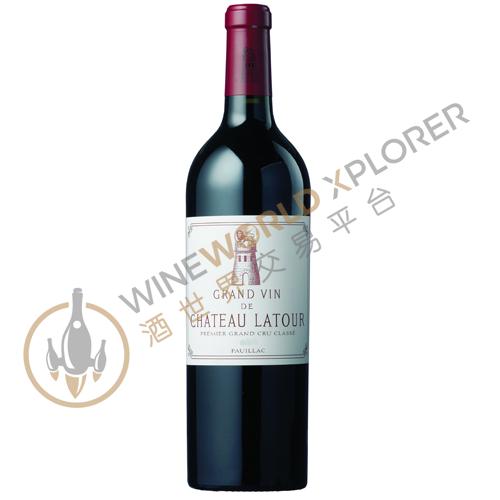
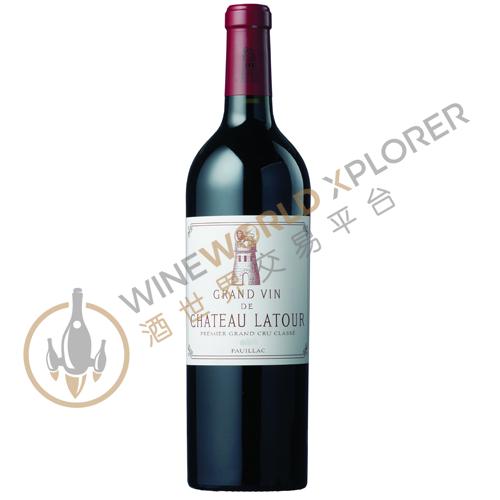
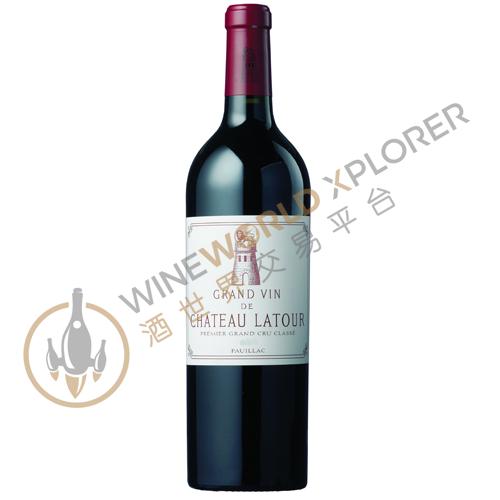
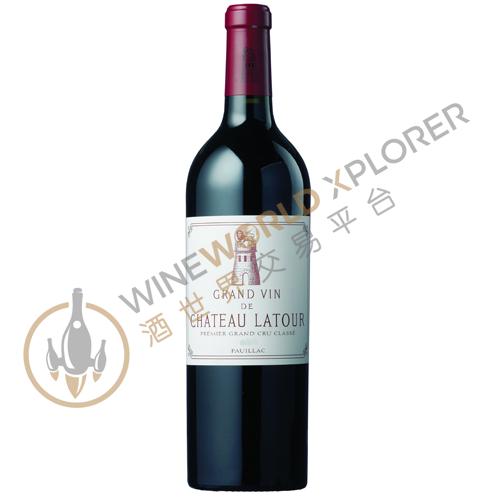
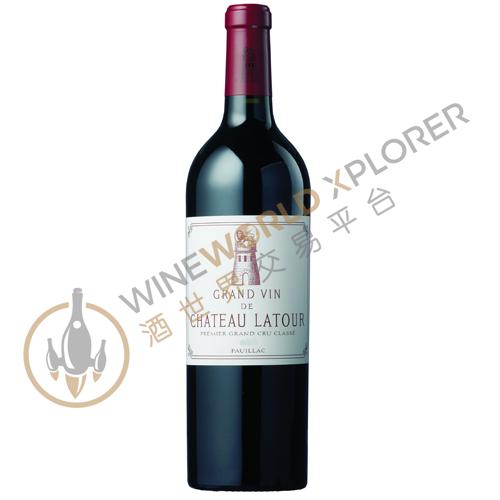
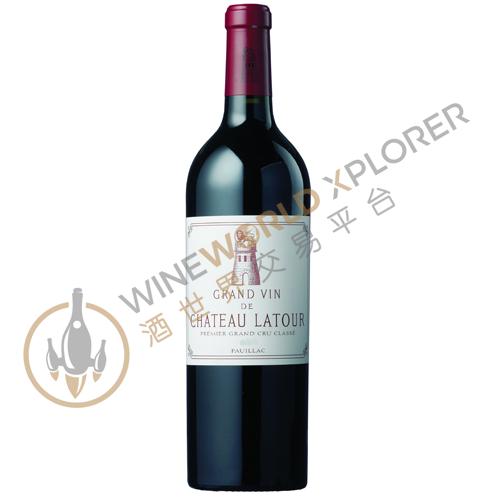
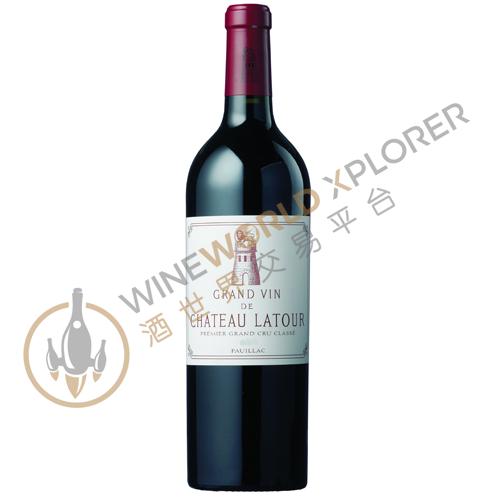
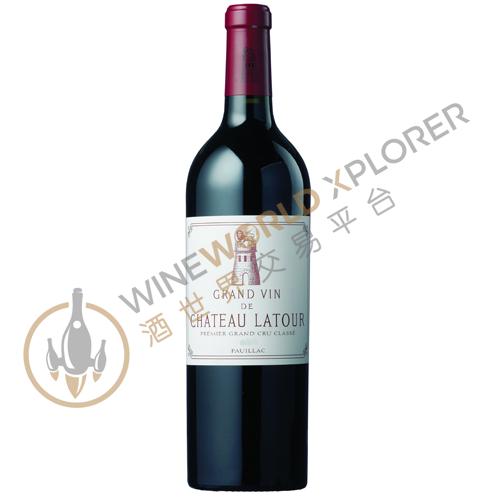
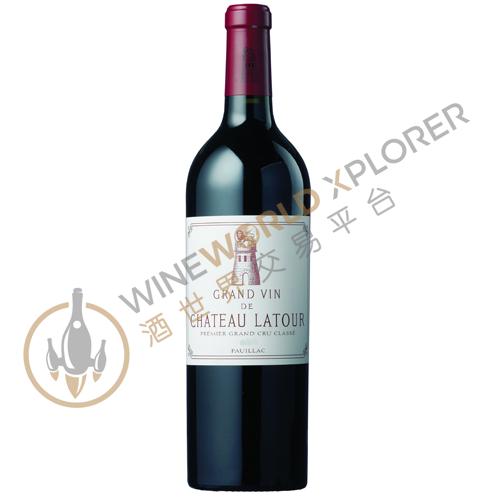
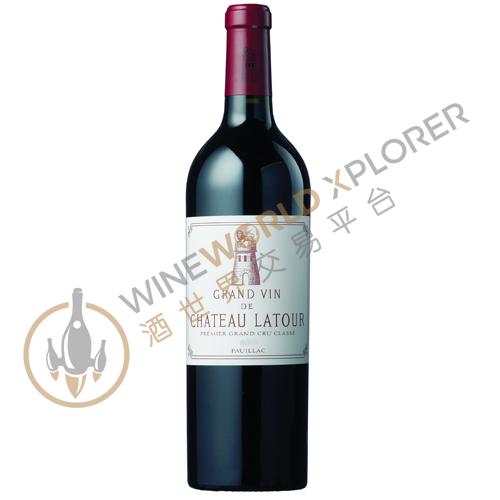
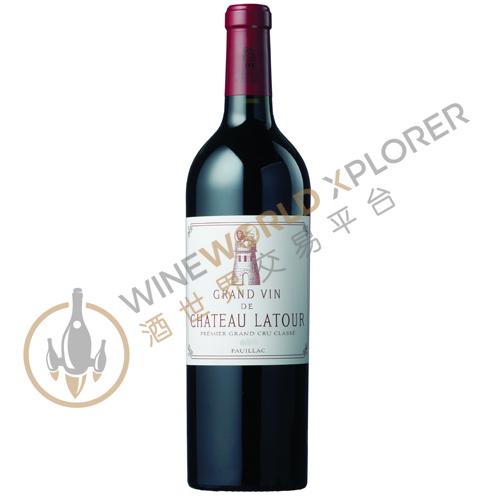
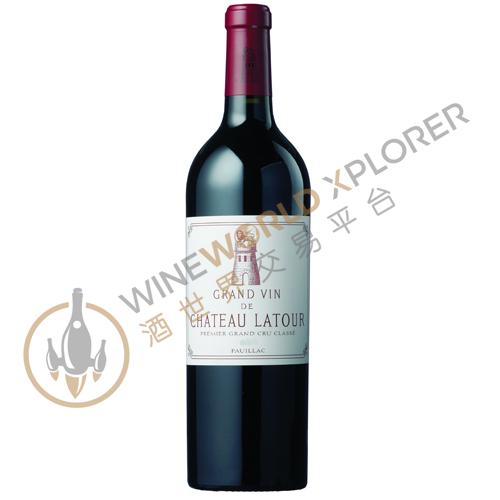
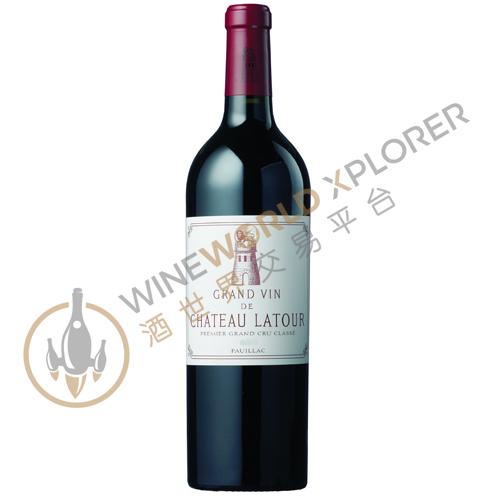
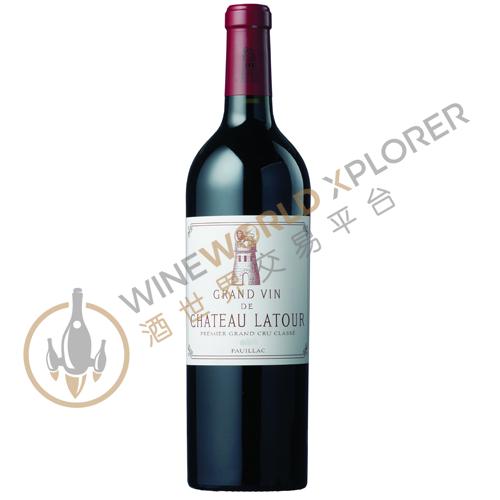
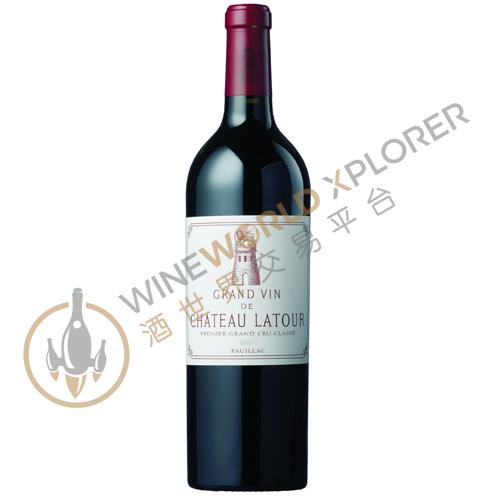
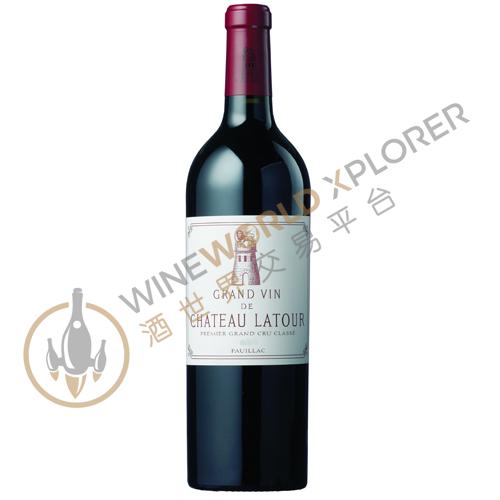
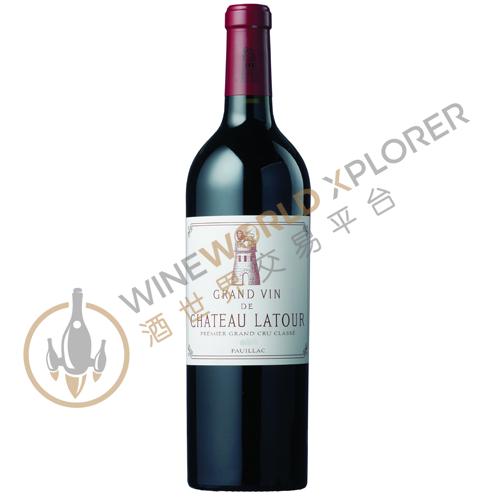
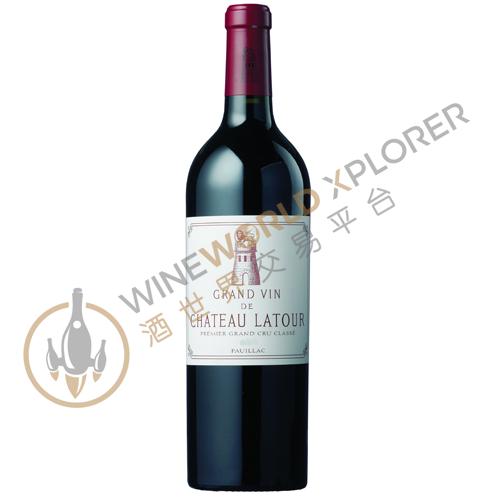
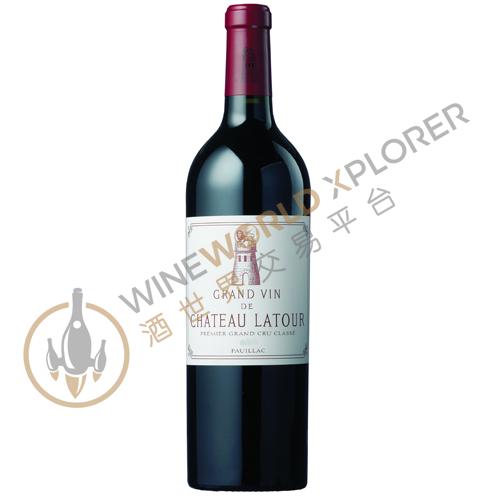
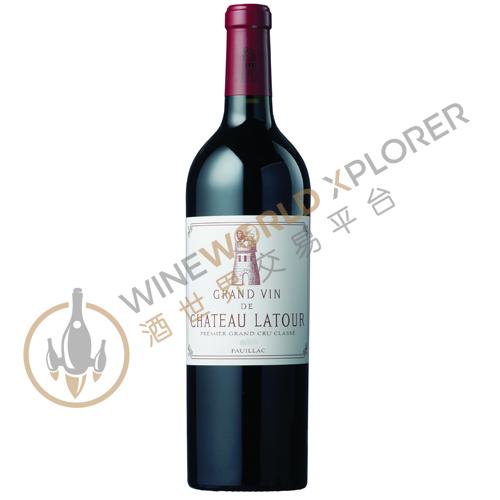
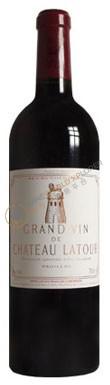
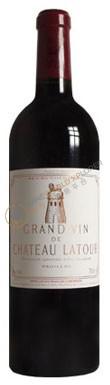
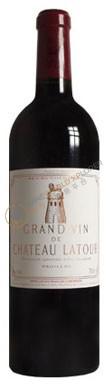
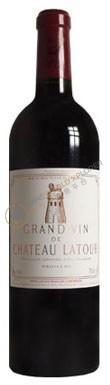
Chateau Latour 1948
 View analysis


Description
Chateau Latour is among the First Growth properties classified in the Bordeaux 1855 Classification. The estate is situated in the southern portion of Pauillac, bordering St. Julien and the Gironde estuary. Latour is considered one of the longest-lasting First Growths, reflecting its high proportion of Cabernet Sauvignon. Chateau Latour has an almost unequaled track record for producing stunning wines that age and evolve for decades, if not generations.
Tasting notes

Reviewed by: Robert M. Parker, Jr.
Tasted 3 Times With Inconsistent Notes The 1948 boasts a forceful, exotic nose of mint, cassis, walnuts and leather that jumps from the glass. The wine exhibits impressive richness, density, and body, as well as a long, soft finish. Fully mature, it is capable of lasting another 15-25 years. Two other bottles revealed a more inky color and greater flavor depth and richness.
Reviewed by: Robert M. Parker, Jr.
This wine, which was richer and more intense several years ago, may be just beginning to drop some of its fruit. A big, exotic nose of mint, cassis, walnuts and leather jumps from the glass. The wine exhibits impressive richness, density, and body, as well as a long, soft finish. Fully mature, it is capable of lasting another 15-20 years. Previous bottles revealed a more inky color and greater flavor depth and richness, so perhaps this bottle was more evolved.
Reviewed by: Neal Martin
The 1948 Latour is a vintage that I have not encountered previously. It was finally poured at a presale dinner in Christies’ boardroom, where bottles from collector Dr. A. Botenga’s cellar were served. These bottles had been amassed over a lifetime and so provenance was excellent. Showing little aging on the rim, considering its age, it has quite a “strict” nose, modest levels of fruit concentration that have diminished over the years, touches of wild mint emerging with time, freshly rolled tobacco and autumn leaves. Perhaps a soupçon of mulch? The palate is linear and certainly not concentrated, typically for this lesser-seen millésime, rather conservative yet fresh. In many ways, it is an archetypal “gentleman’s claret” that feels just short compared to vintages of this era, such as the 1947 or 1949. That said, it still has pleasure to offer.
1910(1)1916(1)1947(2)
Package Size