Wine Advisor



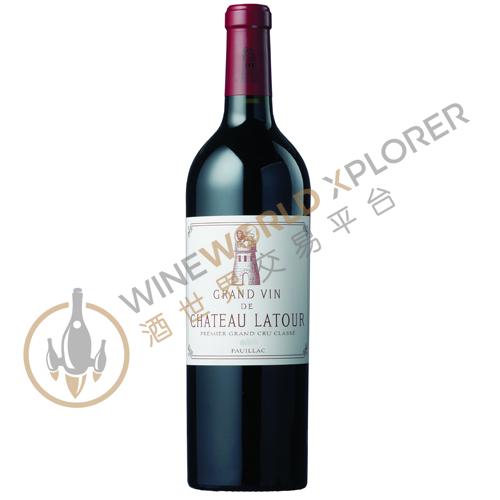
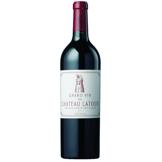
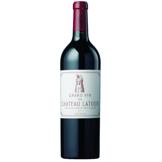
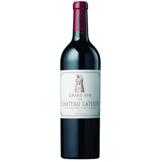
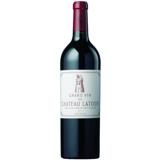
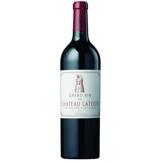
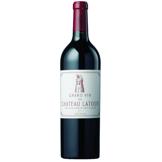
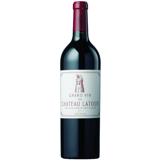
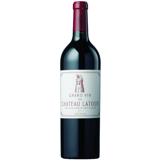
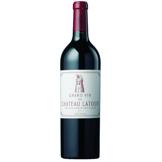
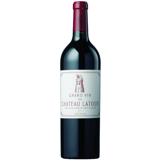
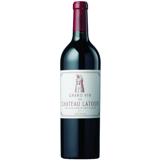
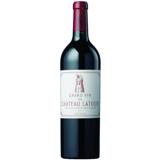
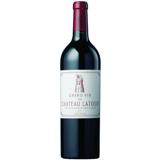
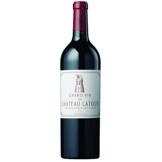
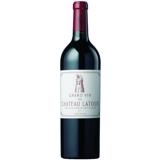
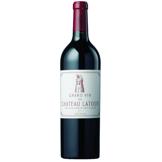
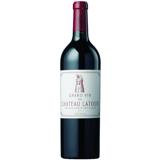
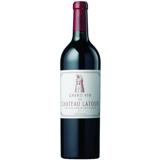
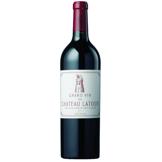
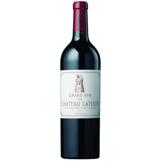
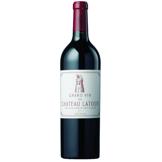
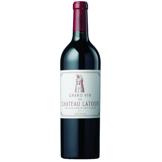
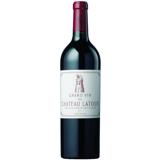
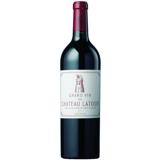
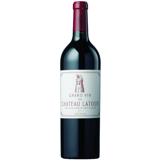
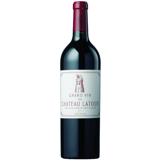
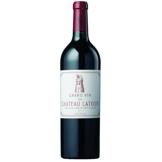
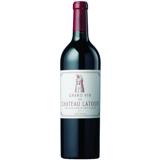
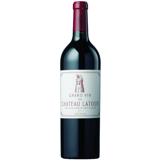
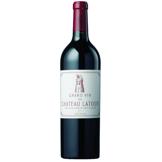
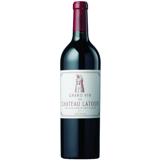
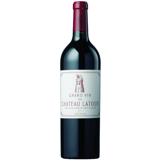
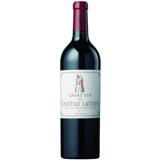
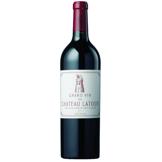
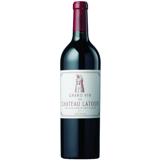
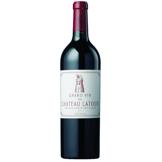
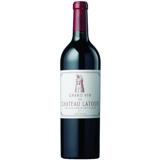
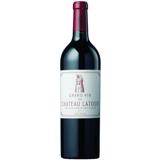
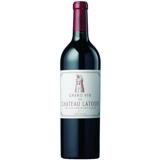
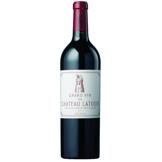
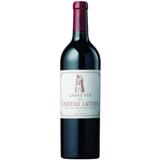
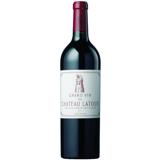
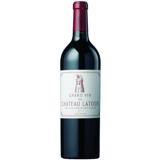
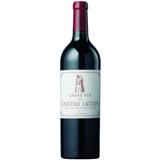
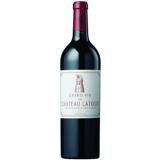
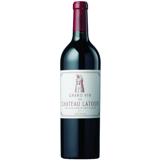
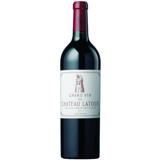
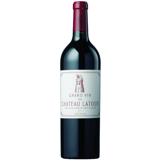
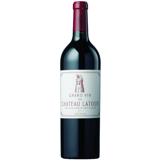
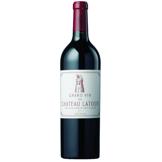
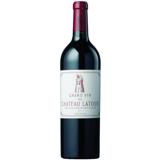
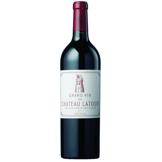
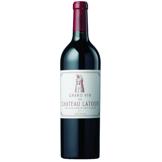
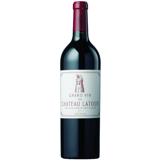
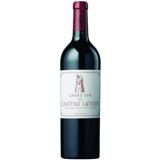
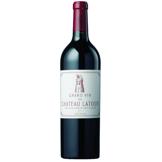
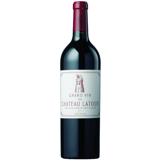
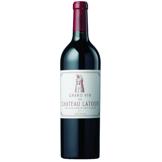
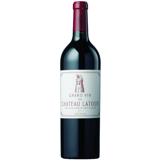
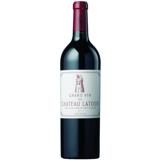
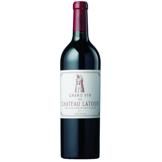
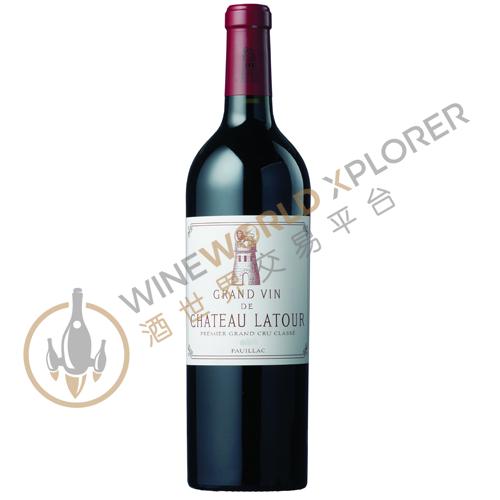
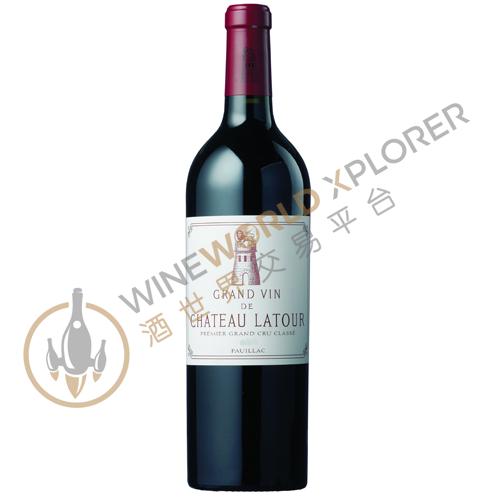
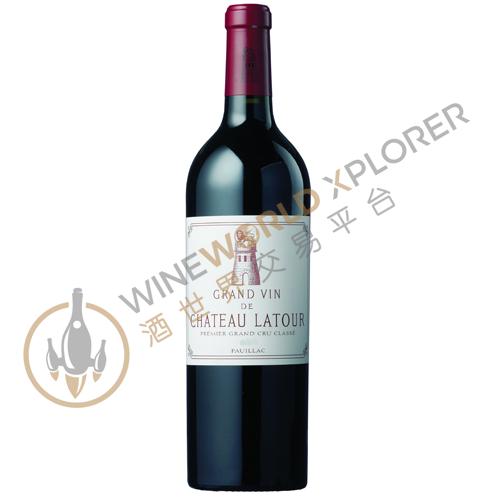
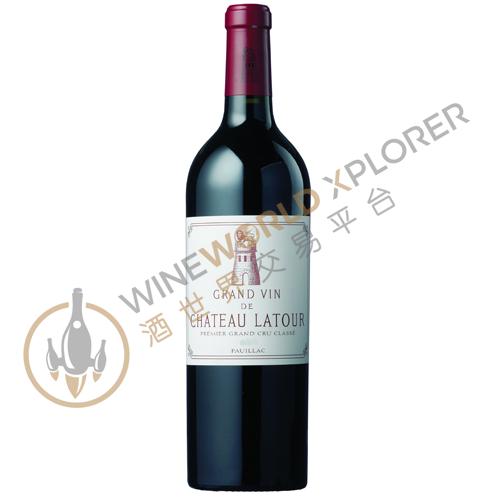
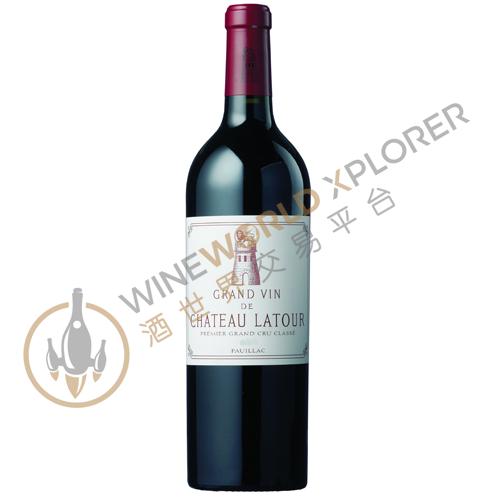
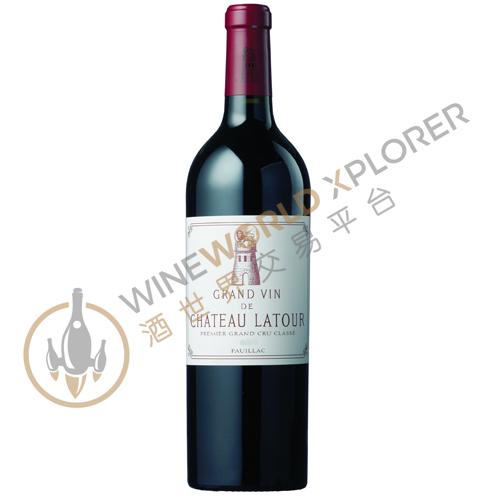
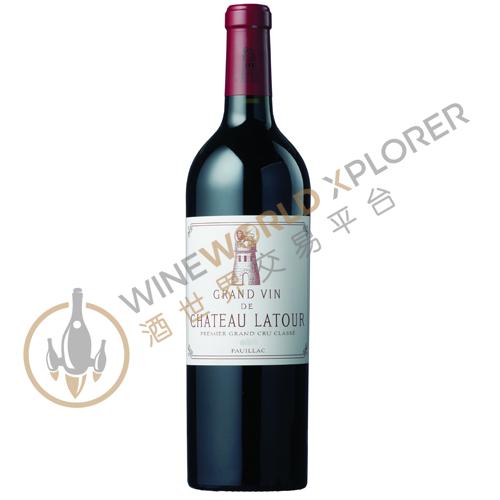
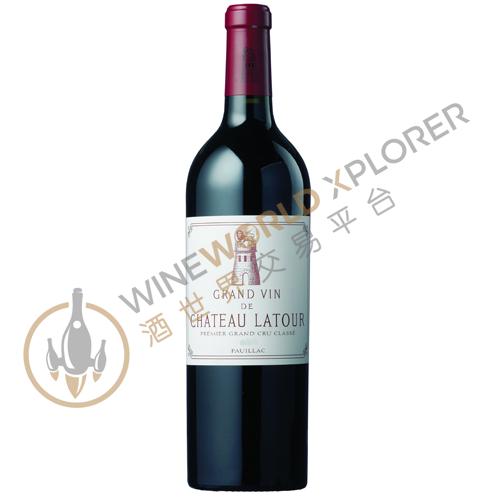
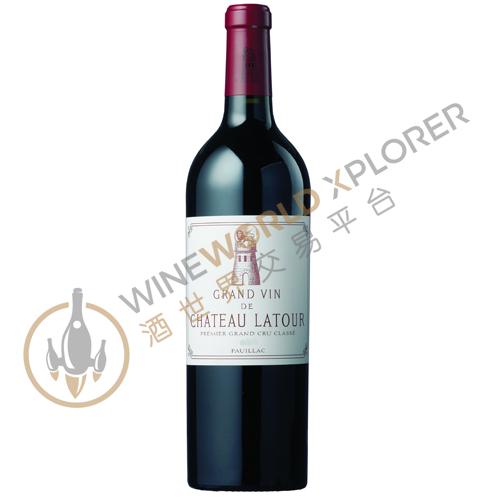
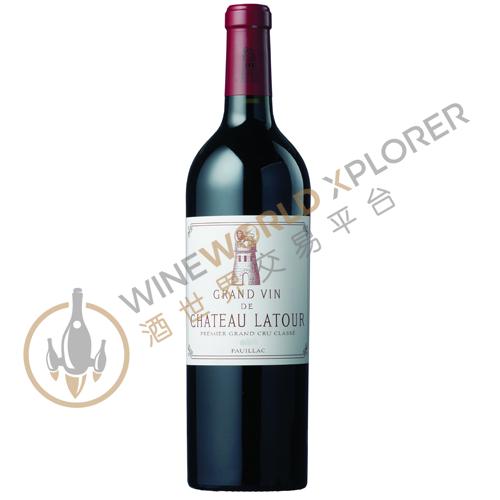
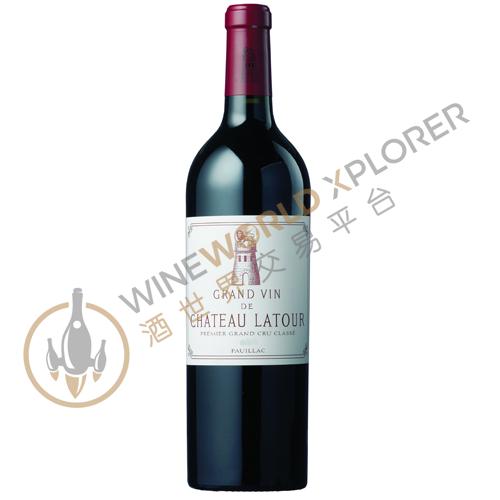
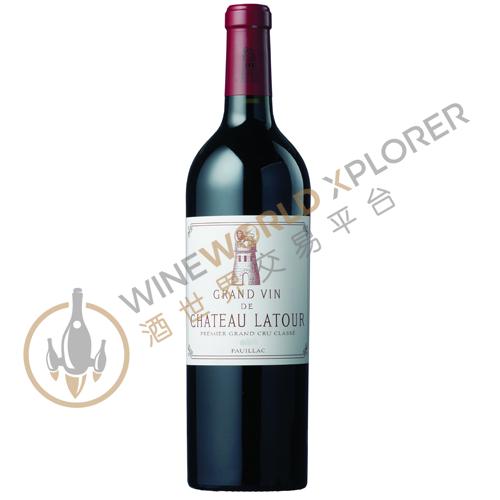
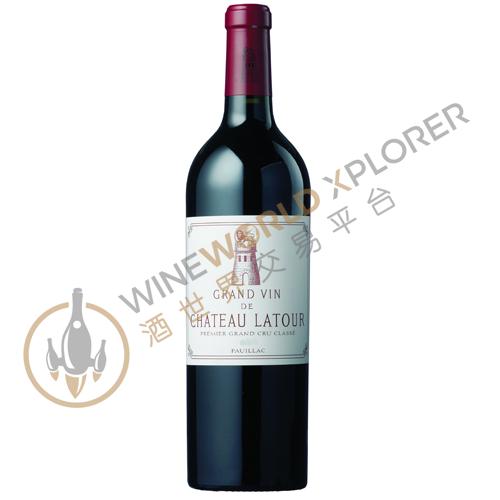
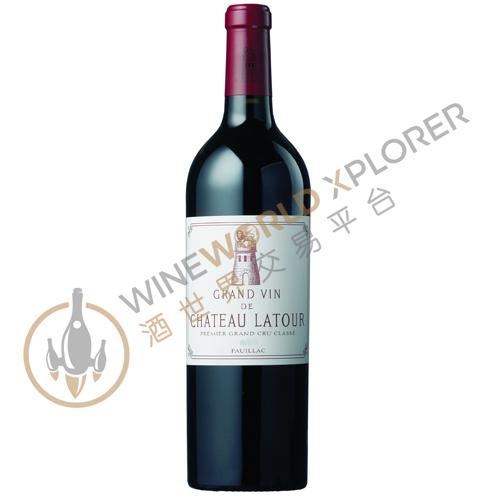
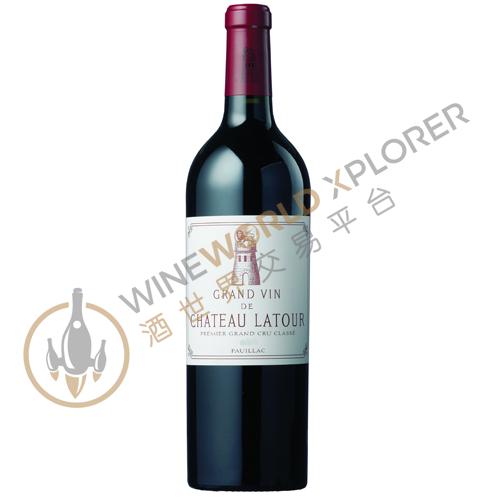
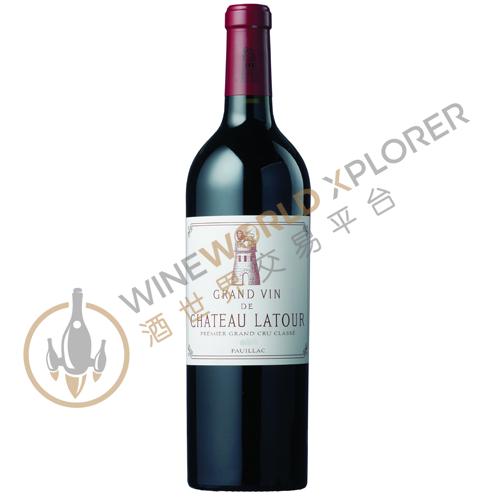
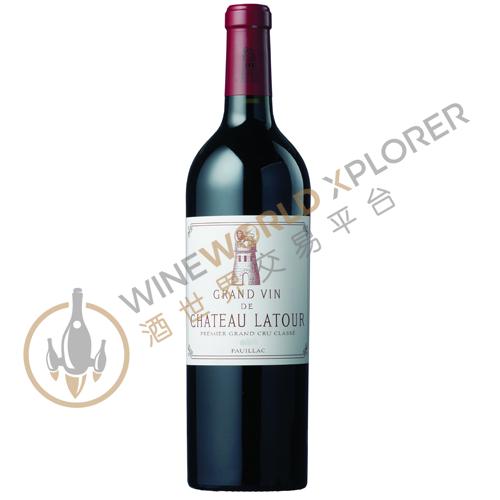
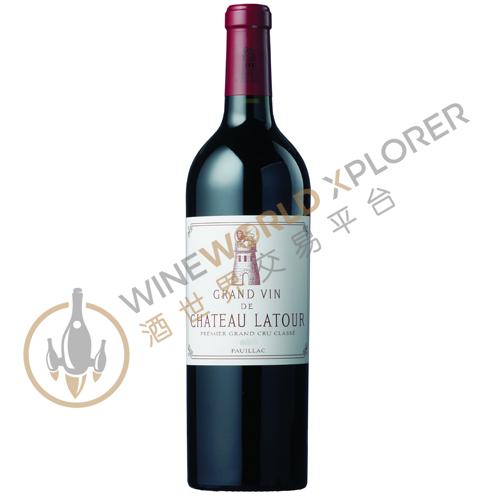
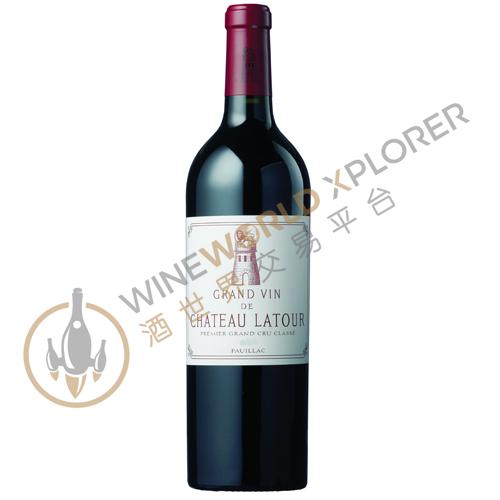
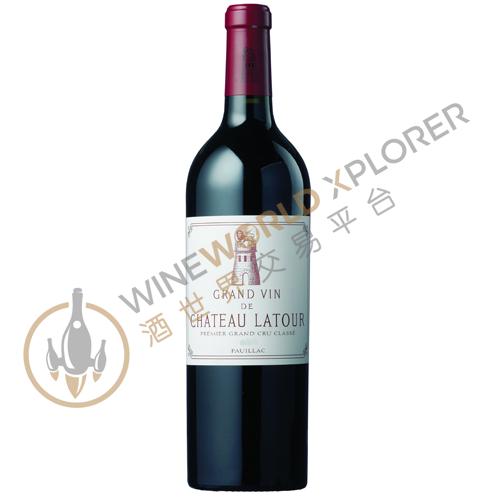
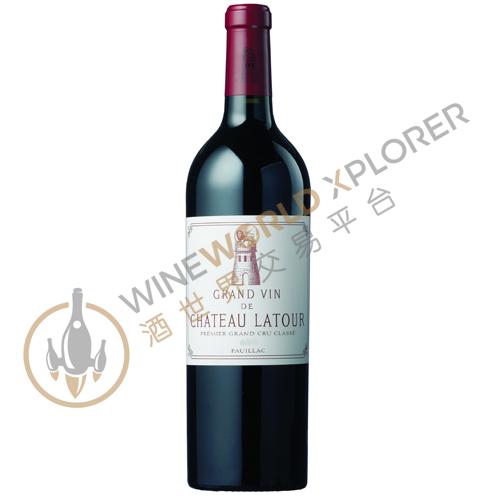
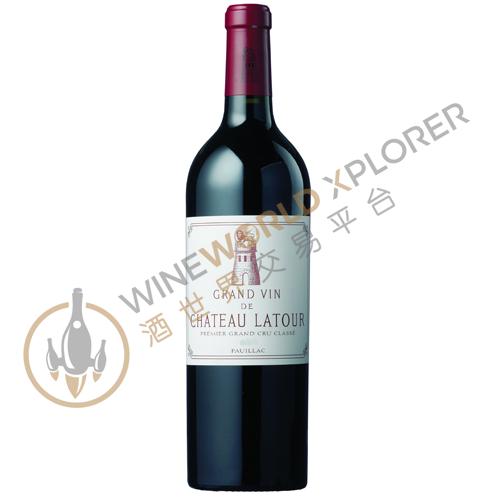
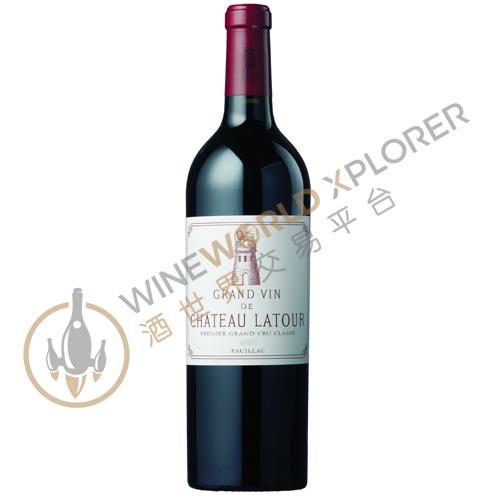
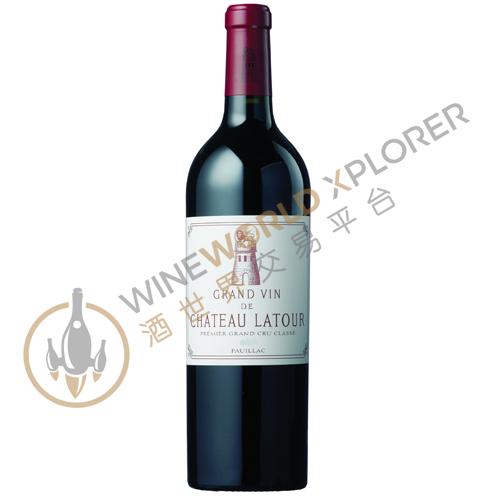
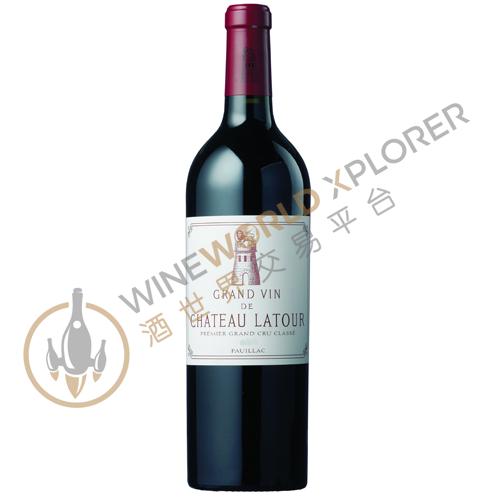
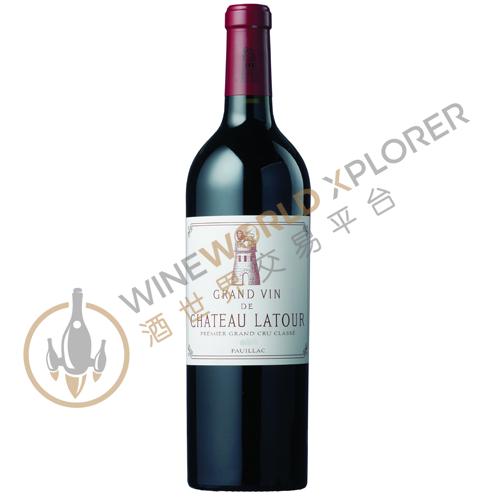
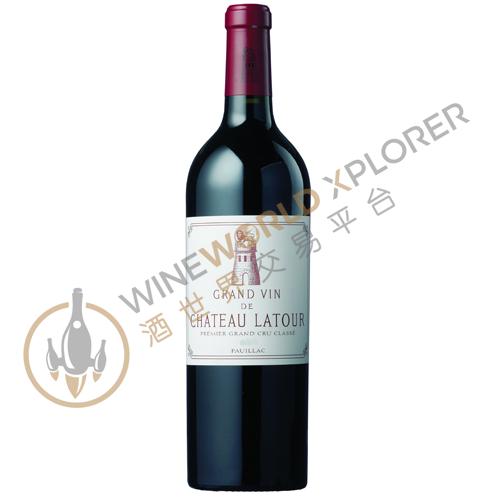
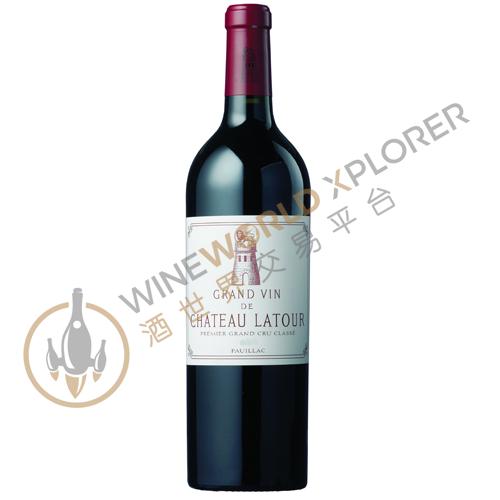
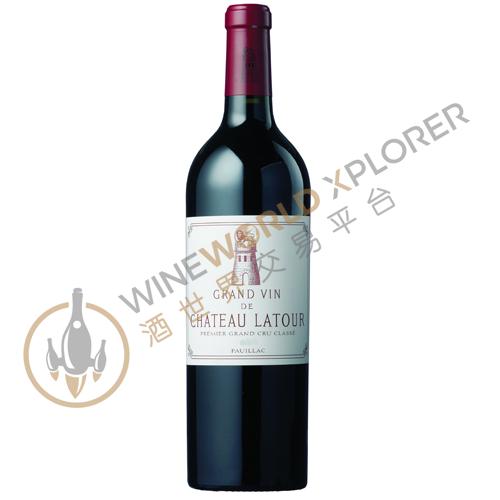
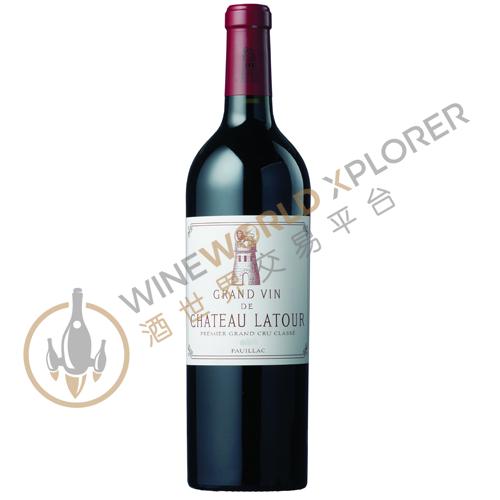
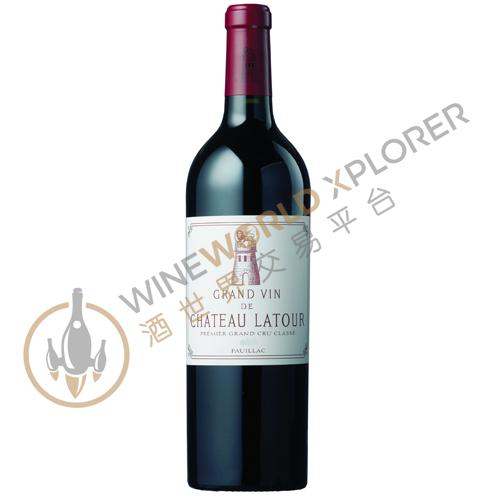
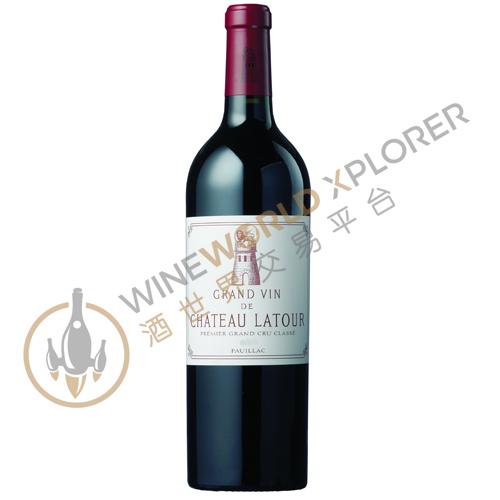
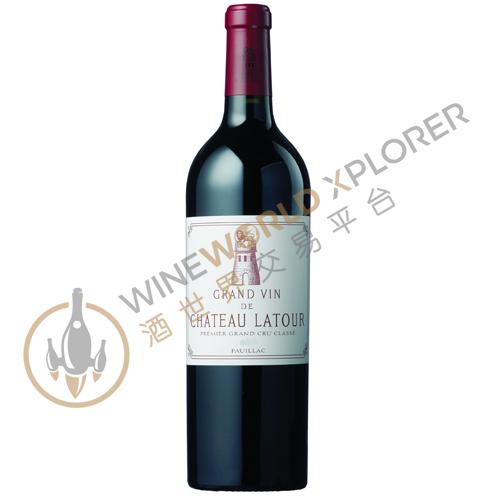
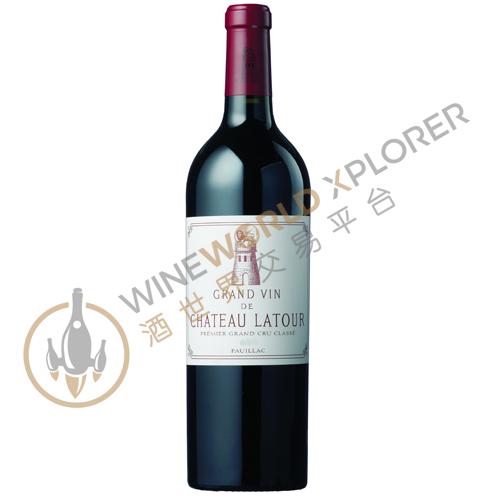
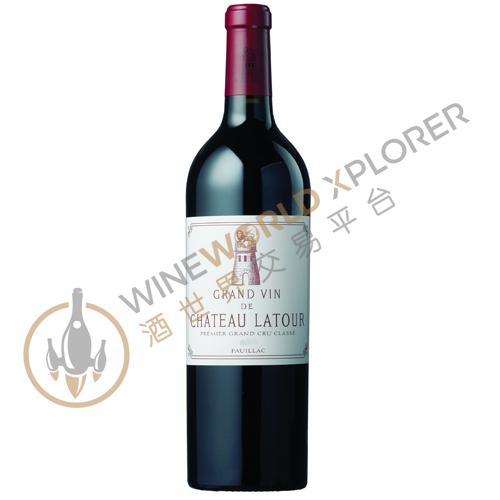
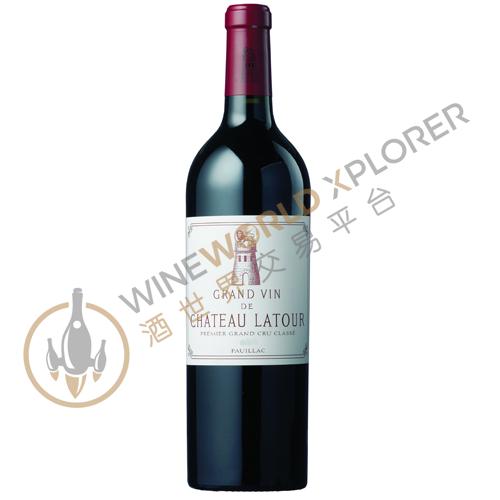
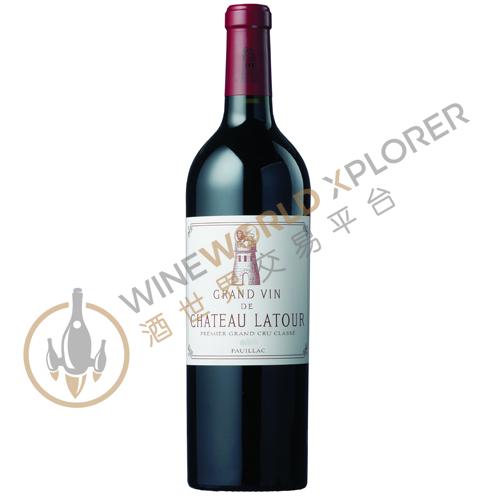
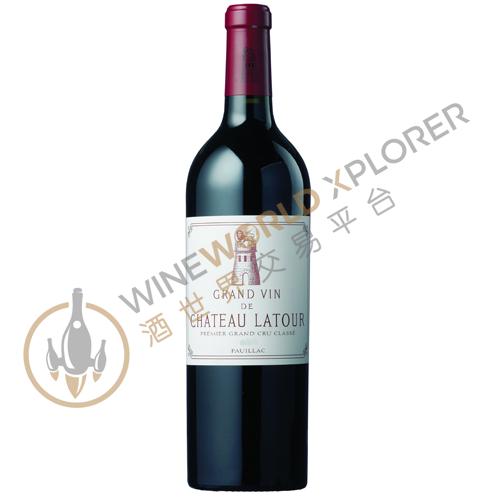
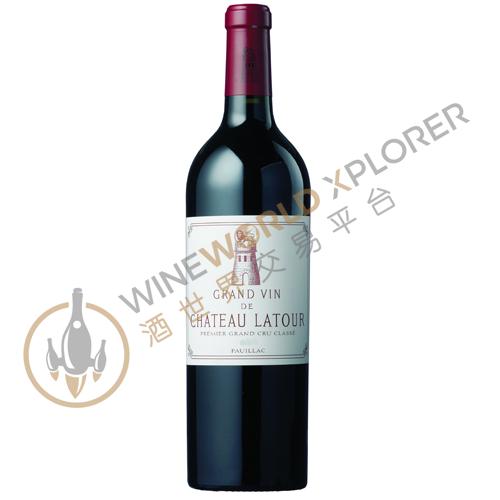
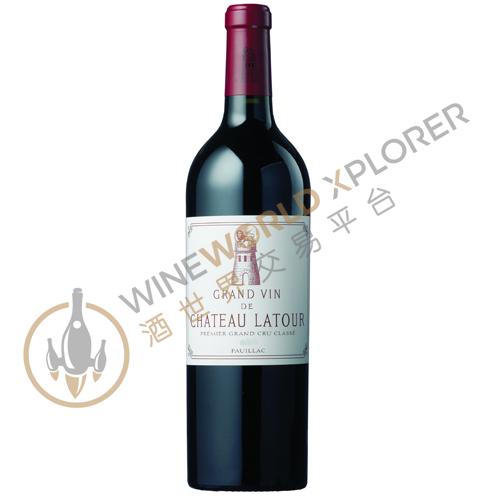
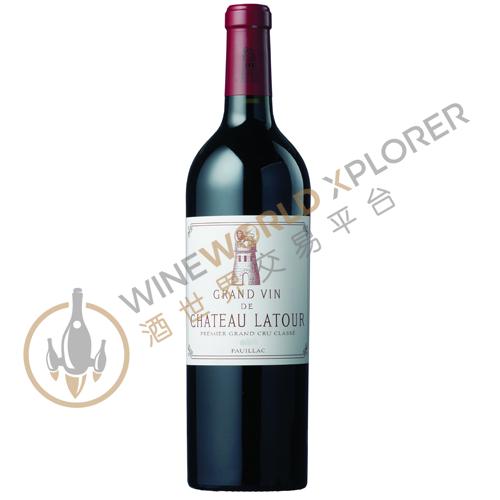
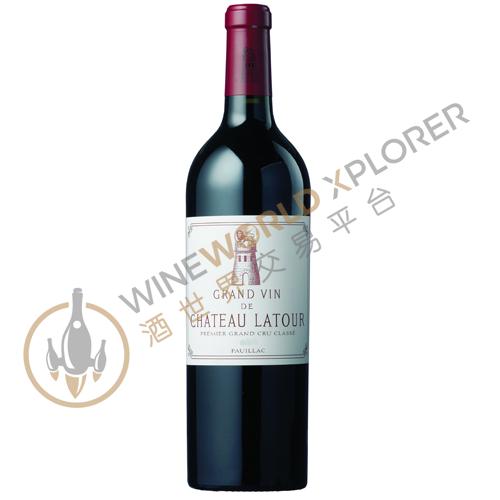
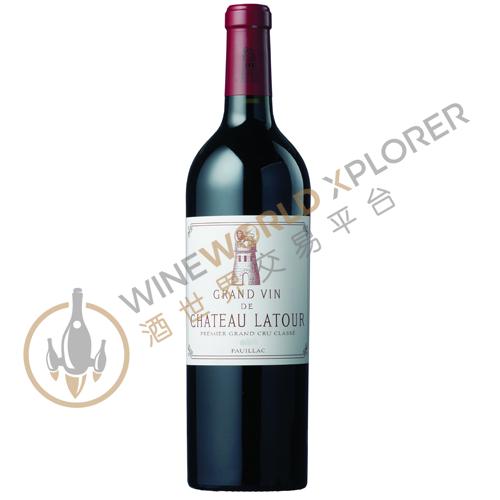
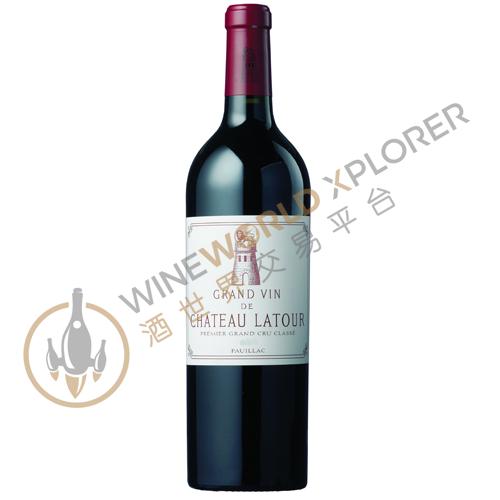
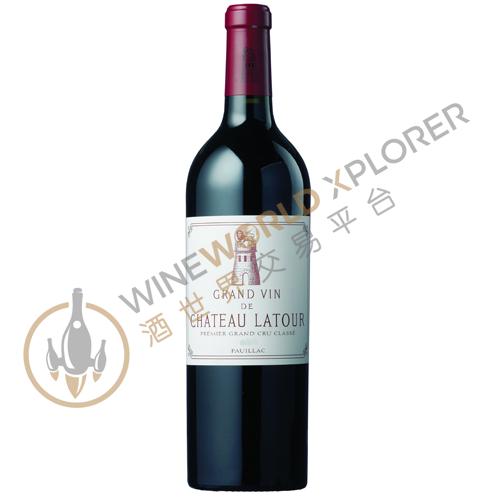
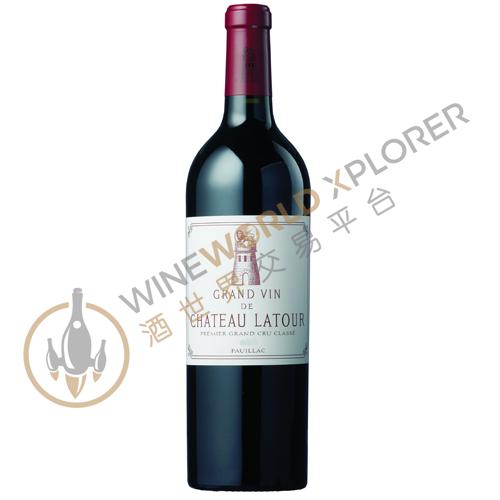
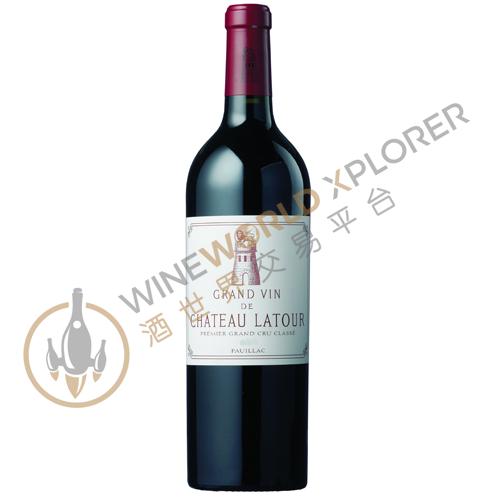
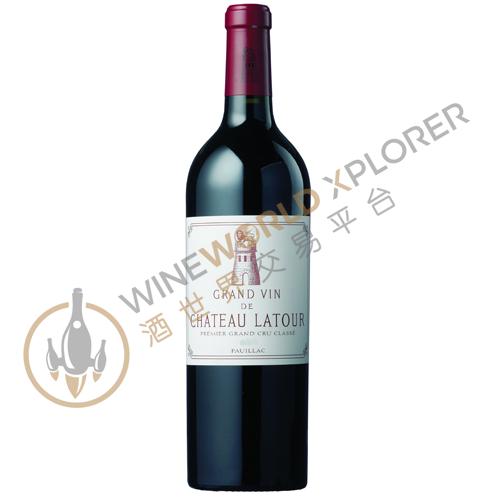
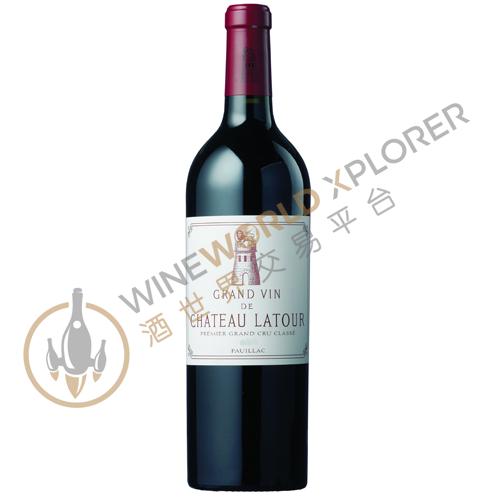
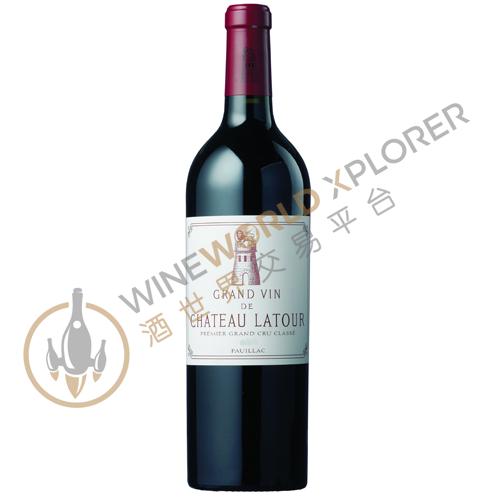
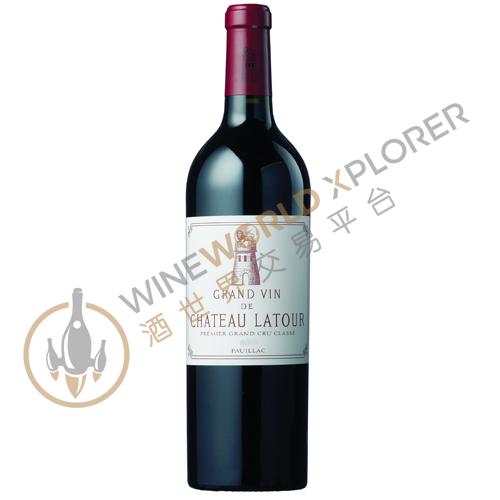
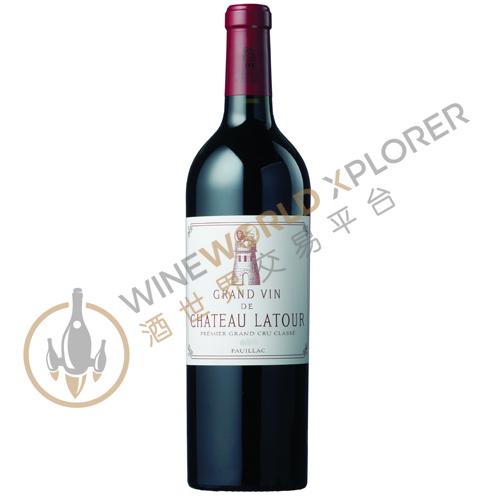
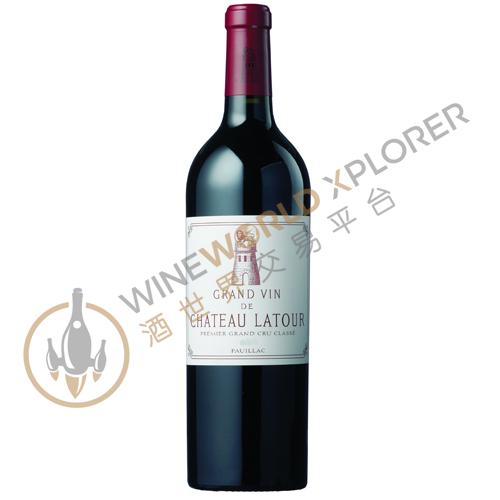
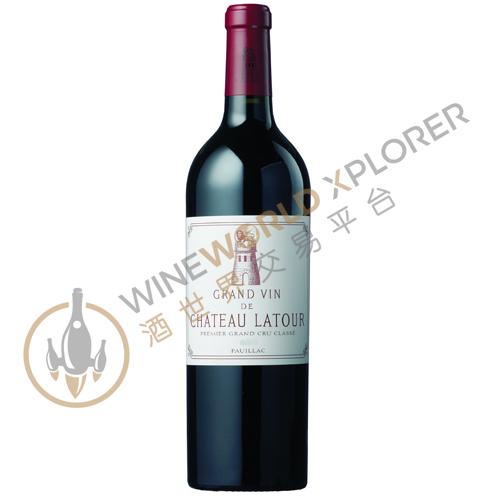
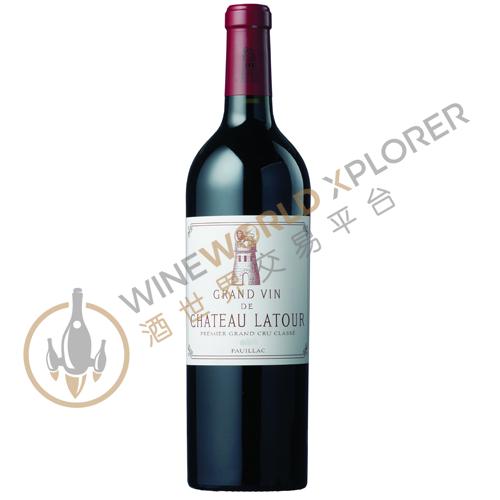
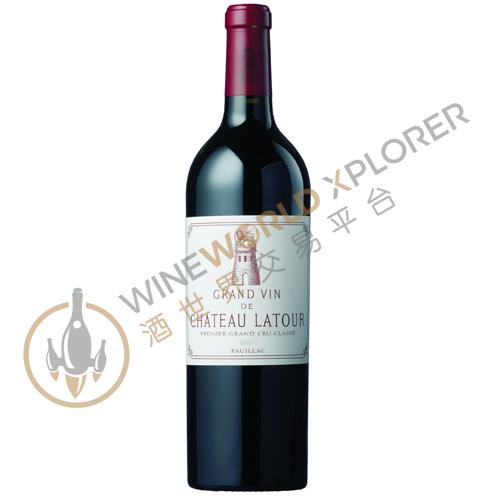
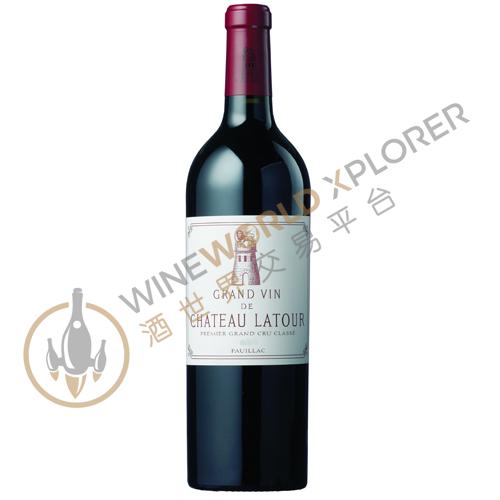
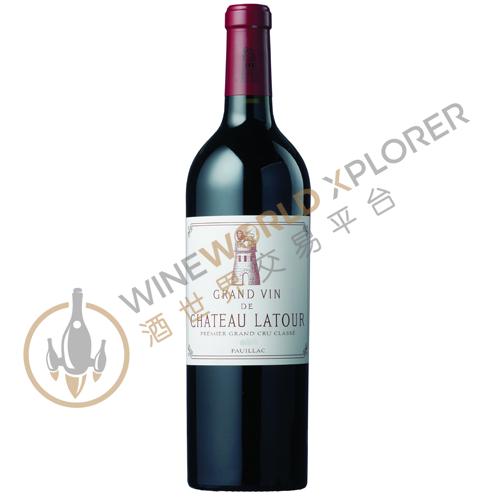
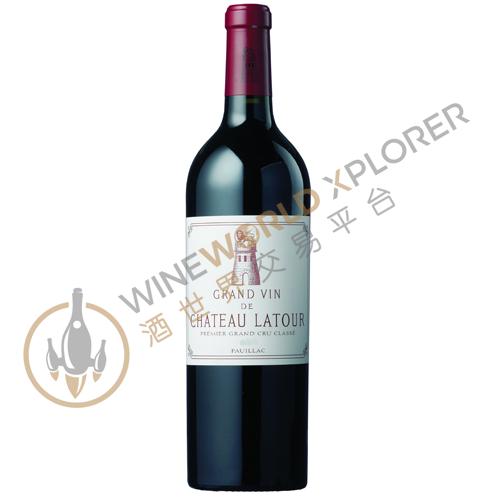
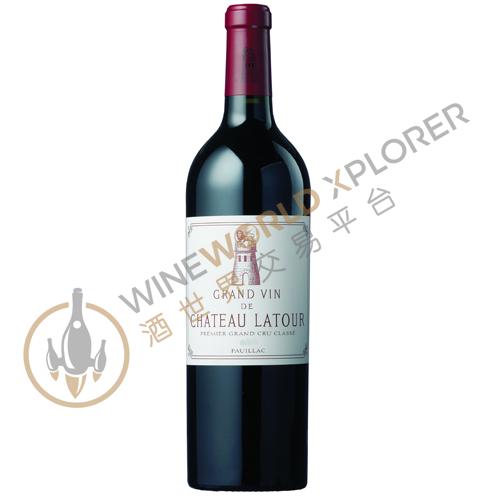
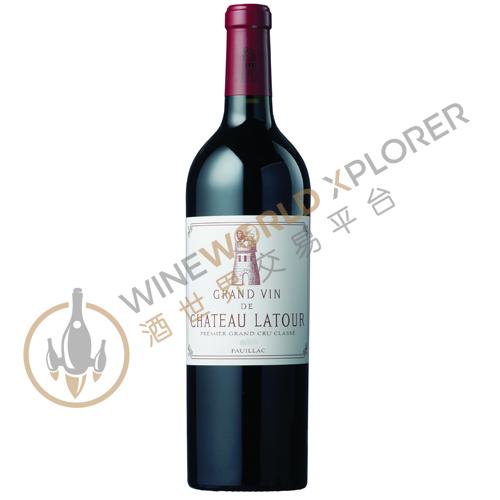
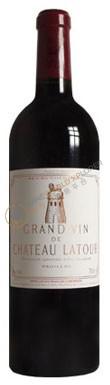
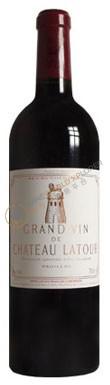
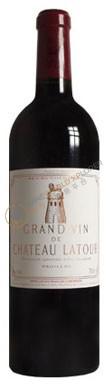
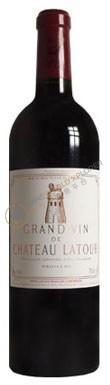
Chateau Latour 1983
 View analysis


Description
Chateau Latour is among the First Growth properties classified in the Bordeaux 1855 Classification. The estate is situated in the southern portion of Pauillac, bordering St. Julien and the Gironde estuary. Latour is considered one of the longest-lasting First Growths, reflecting its high proportion of Cabernet Sauvignon. Chateau Latour has an almost unequaled track record for producing stunning wines that age and evolve for decades, if not generations.
Tasting notes

Reviewed by: Robert M. Parker, Jr.
I have never been persuaded by this vintage of Latour, but I have always hoped that somewhere down the evolutionary path it would surprise me. At ten years of age there is nothing positive to report about this lightweight, indifferent wine. The color is a medium ruby with some amber at the edge. The nose offers up aromas of ripe curranty fruit backed up by spices and damp oak. Remarkably restrained and straightforward, lacking flavor richness and depth, this is a good wine, but in the context of Latour, it is a shallow, one-dimensional effort. Last tasted, 7/93.
Reviewed by: Robert M. Parker, Jr.
Last Tasted 8/92 I remain unpersuaded by this example of Latour. The color has taken on a surprisingly amber, rusty edge, and the nose is shockingly herbal for this property. The wine is medium to full-bodied, but the sweet mid-palate of fruit, such an important component in a great wine, is missing. The tannic finish is dry and astringent. I am not sure what to make of this wine, but it continues to evolve in an ungraceful fashion.
Reviewed by: Neal Martin
A perennially disappointing Latour, especially after the monumental 1982. First tasted in December 1999: garnet core with aging on rim. An attractive nose of dried leaves, hedgerow and red berries. Medium-bodied palate: quite forward and meaty The mid-palate is somewhat hollow with a very light finish. Mouton 1981 is certainly better. Good, but Latour should be more than simply "good". Tasted again in November 2003: the appearance seems unchanged. The nose is quite high toned with notes of wood, leaves mixed with a little kirsch and soy. Moderate tannins, the palate still lacks vigour and complexity. A little more cohesive than the previous bottle but is a pale imitation of Latour. Drinking now.
Reviewed by: Robert M. Parker, Jr.
A disappointing example of Latour, although as a wine it is certainly very good. A soupy, muddled character is atypical for Latour, even in some of the most difficult vintages. A medium garnet color with amber at the edge is followed by aromas of roasted walnuts and berry fruit, as well as a touch of tar and spice. In the mouth, this round wine is surprisingly light (actually medium-bodied), with soft tannin, and not much of a finish. Again, the 1983 Latour is not equal to the performance of its first-growth stablemates - Chateau Margaux, Lafite-Rothschild, and Mouton-Rothschild. Anticipated maturity: Now-2005. Last tasted 1/97
Reviewed by: Neal Martin
Tasted at the “First Growth” lunch in London. This vintage of Latour has never been a compelling one. Here it has a rather bretty nose, quite leafy with touches of mulberry and singed leather and wild hedgerow. A bucolic bouquet! The palate is medium-bodied, a little lean and lacking the harmony one normally associated with Latour. Tar and tobacco towards the austere finish and as usual I am left wishing it had more vigour and vivacity. Ordinary. Drink now-2013.
Reviewed by: Robert M. Parker, Jr.
Tasted from my cellar, this wine is fully mature, not terribly concentrated, and slightly herbaceous, exhibiting aromas of sweaty saddle leather, melted asphalt, tobacco, and red as well as black fruits. Notions of caramel and roasted nuts also emerge. A medium-bodied effort with soft tannin, but little persistence and length, it requires consumption over the next decade.
Reviewed by: Neal Martin
The 1983 Latour is a delightful surprise. It is a vintage that I had not seen for a few years, and I had just two vague recollections of an ordinary First Growth; this was far superior and unquestionably the best bottle I have encountered. Modest bricking on the rim. The harmonious bouquet is fragrant and well defined, demonstrating a little leafiness with hints of leather. The palate is medium-bodied with fine tannin and a touch more fruit than I would have predicted, and laced with tobacco and pencil lead. Previously I lamented that the 1983 lacks vigor and vivacity. While this bottle is not the liveliest I have ever met, it has sufficient energy at 35 years to give much drinking pleasure. In a word: sedate. Tasted blind at Brat restaurant.
1910(1)1916(1)1947(2)1948(1)1950(2)1951(2)1952(1)1953(1)1955(1)1956(1)1957(1)1958(2)1960(1)1961(1)1962(1)1964(2)1965(1)1968(2)1969(2)1970(4)1971(1)1973(3)1975(3)1976(1)1977(1)1978(2)1979(1)1980(1)1981(3)1982(10)
Package Size