Wine Advisor



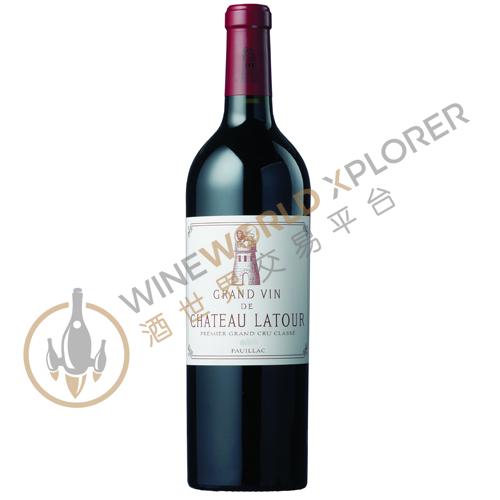
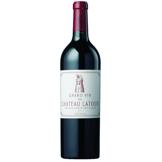
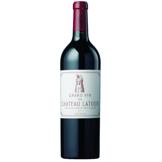
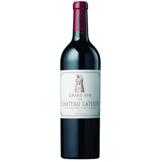
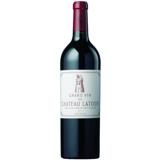
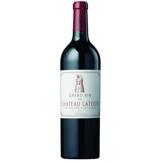
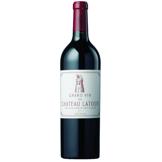
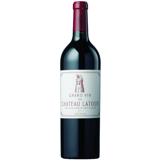
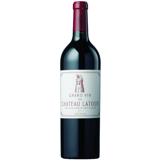
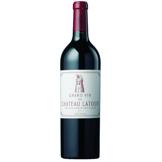
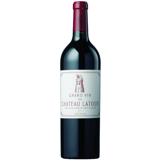
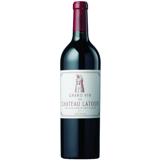
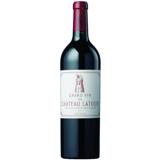
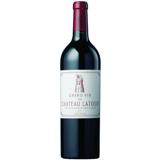
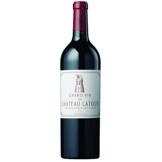
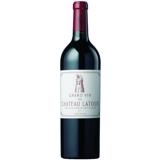
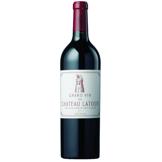
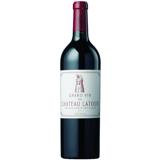
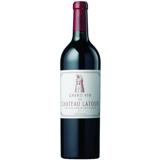
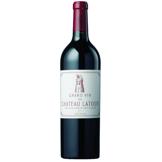
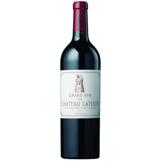
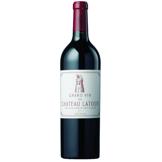
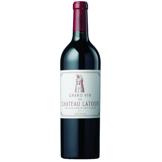
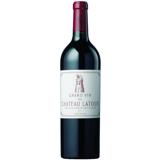
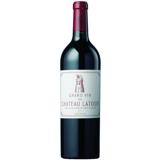
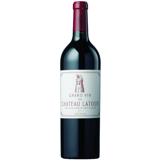
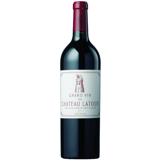
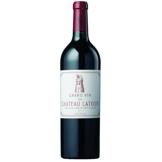
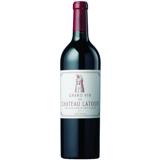
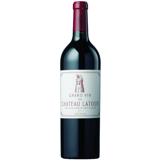
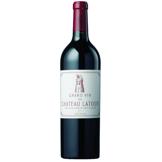
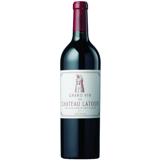
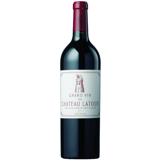
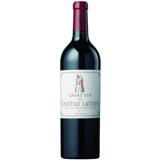
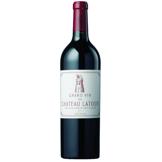
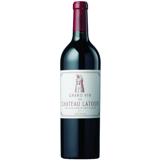
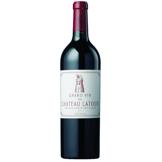
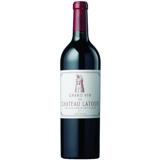
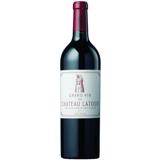
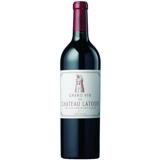
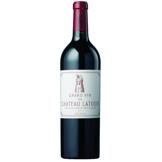
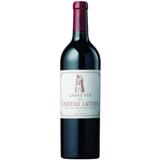
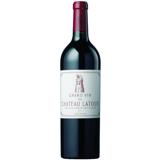
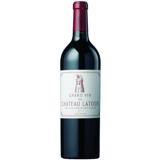
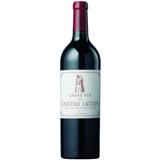
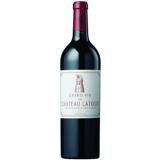
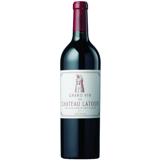
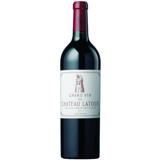
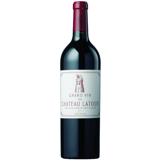
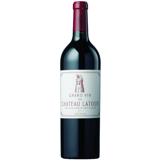
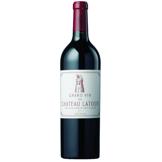
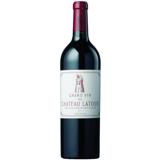
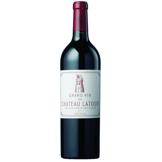
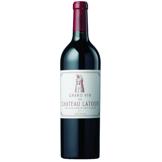
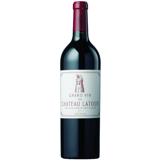
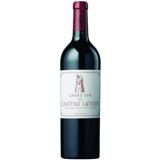
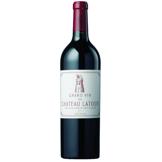
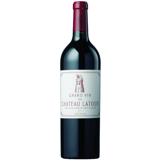
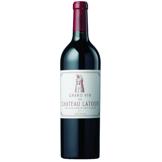
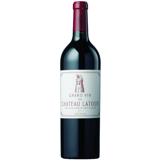
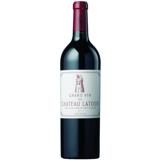
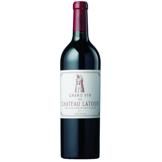










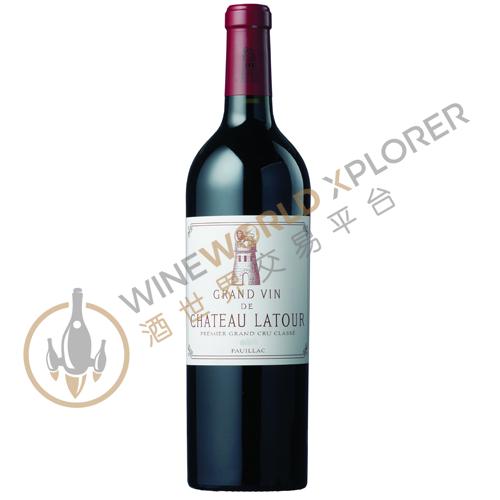
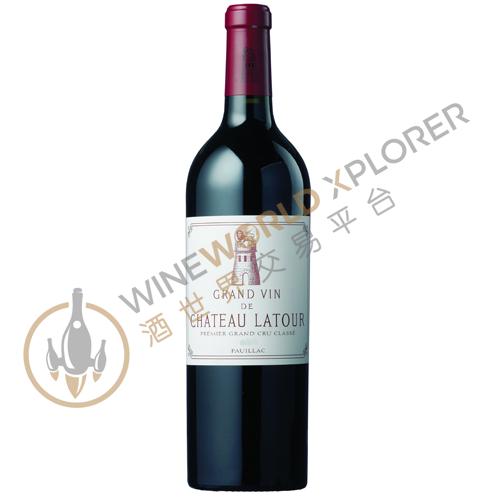
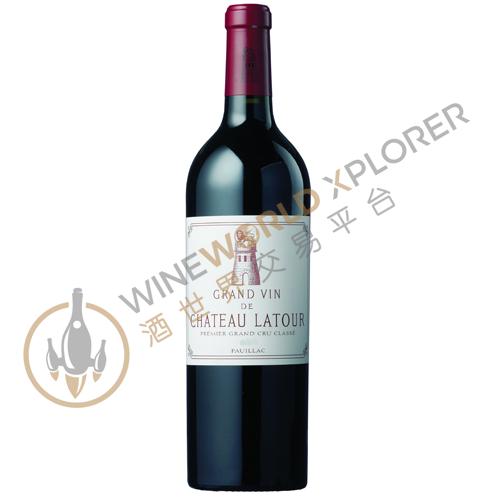
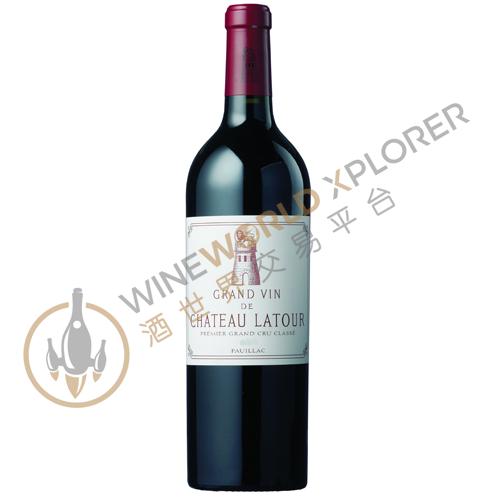
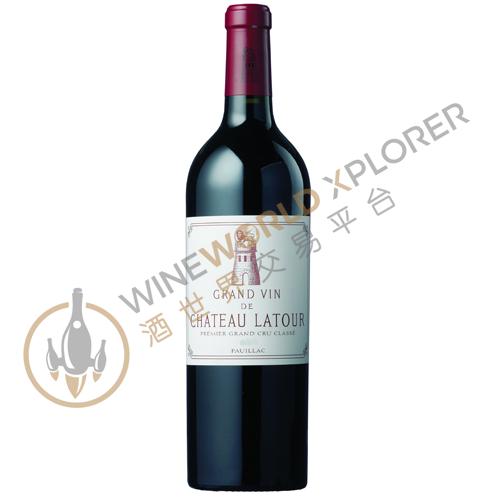
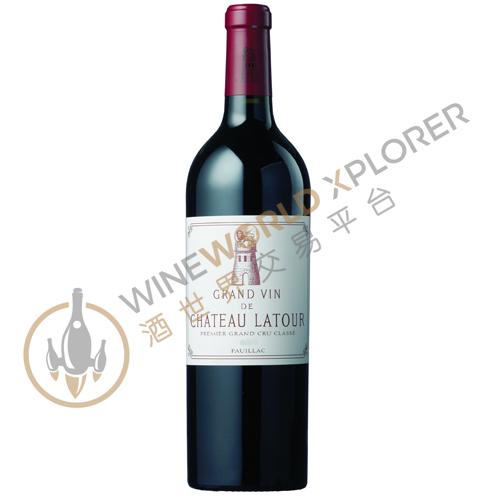
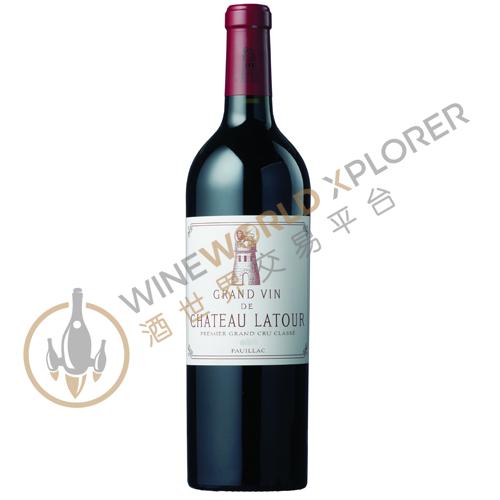
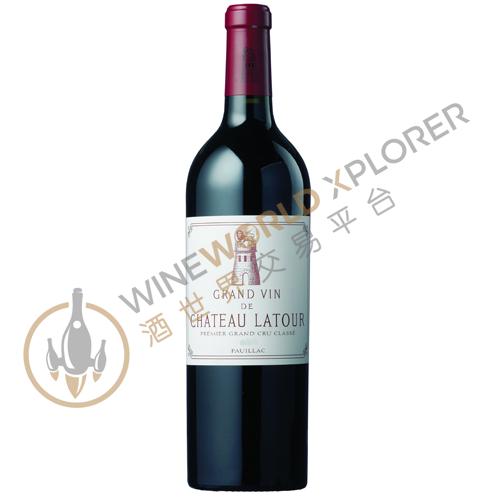
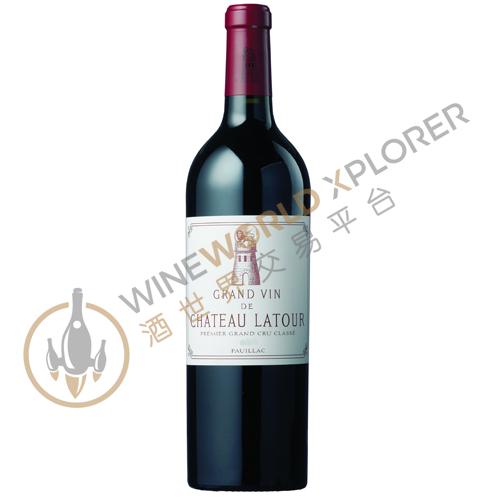
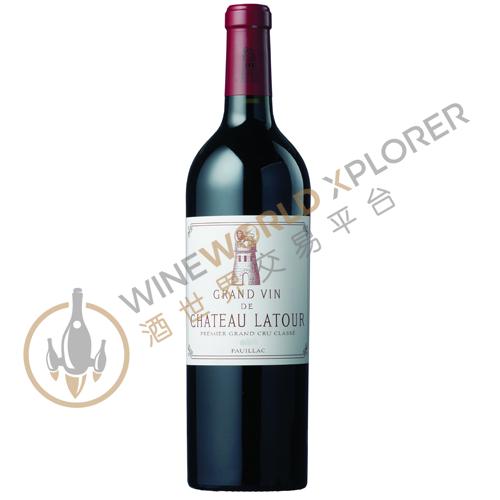
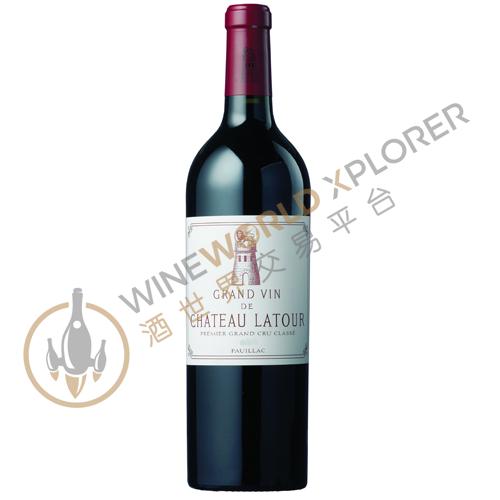
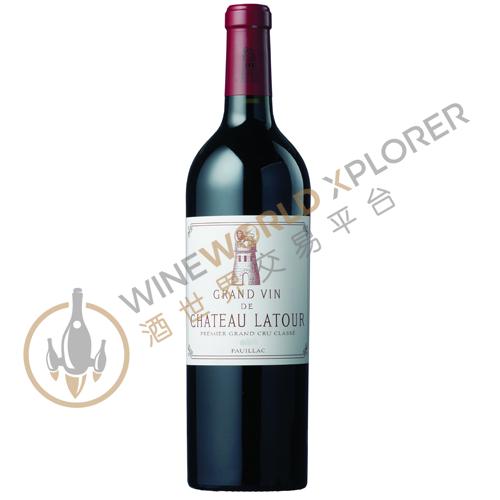
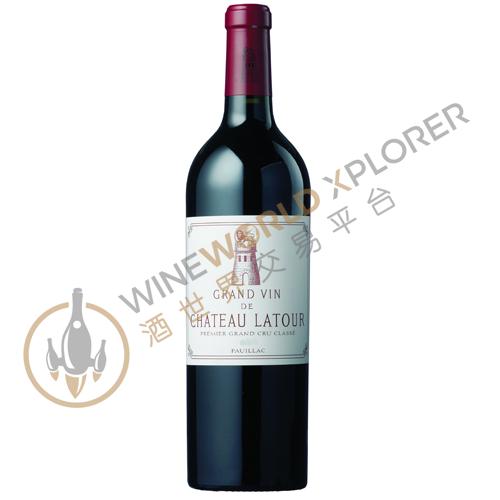
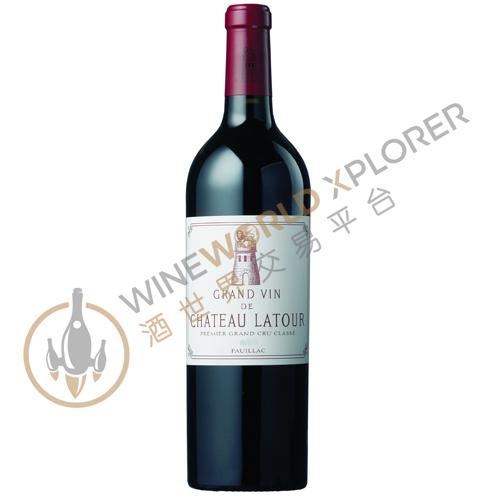
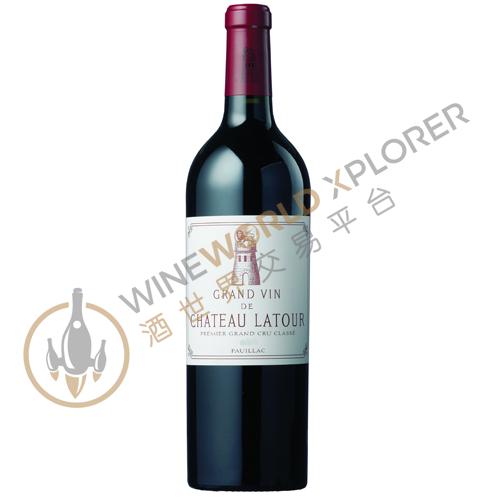
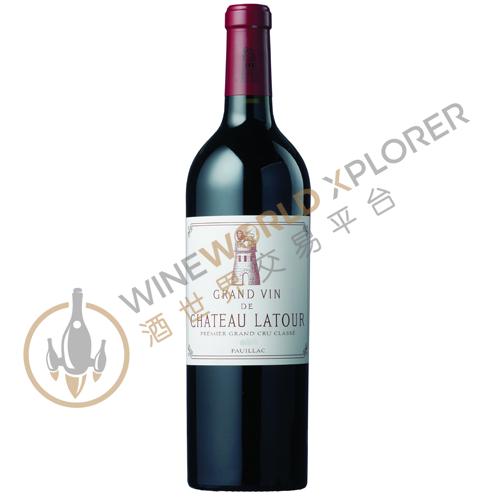
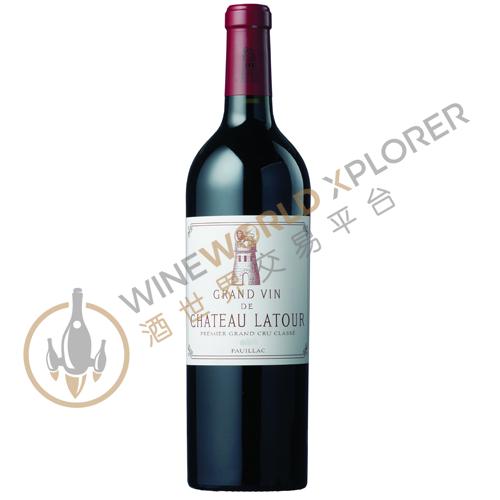
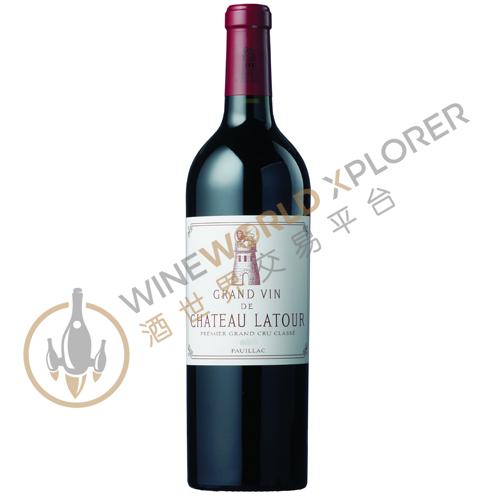
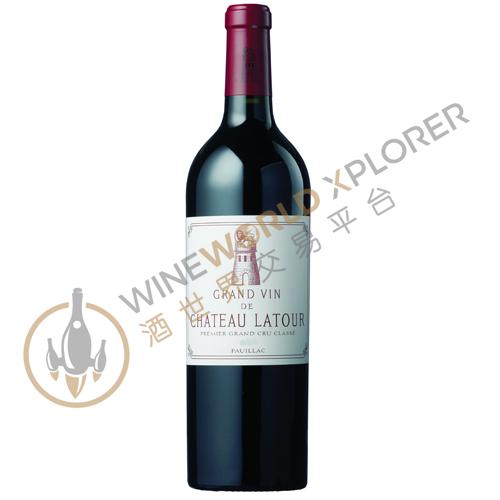
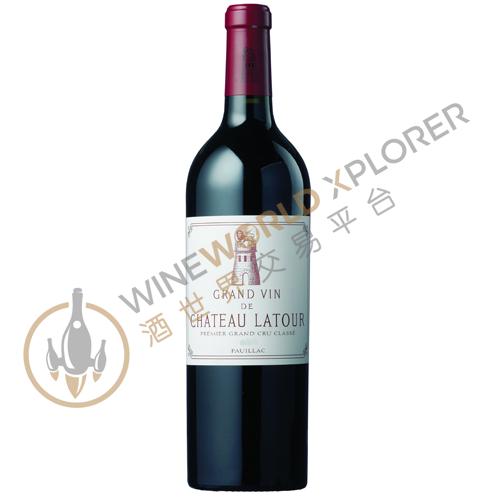
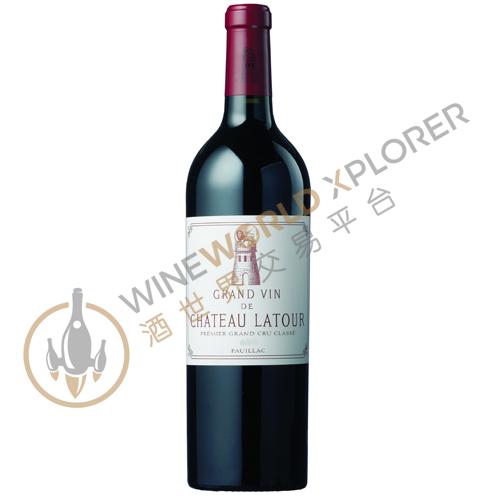
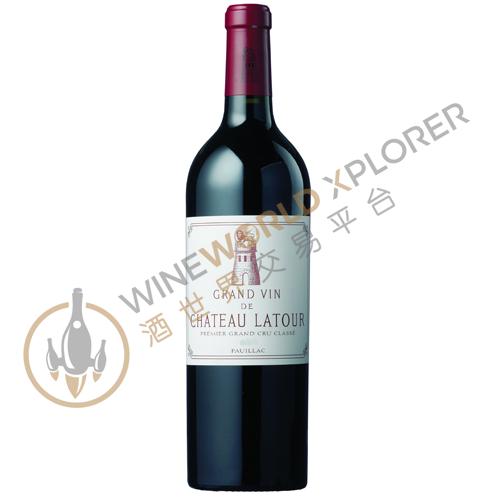
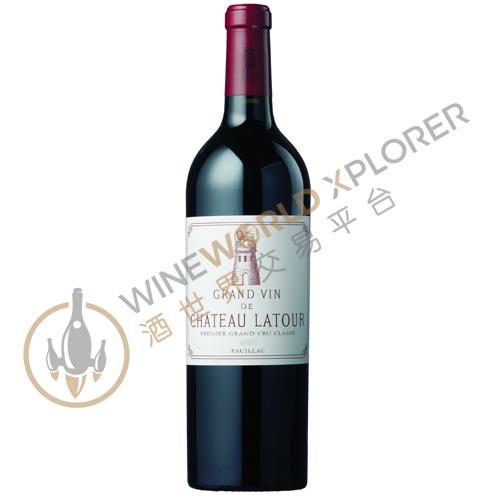
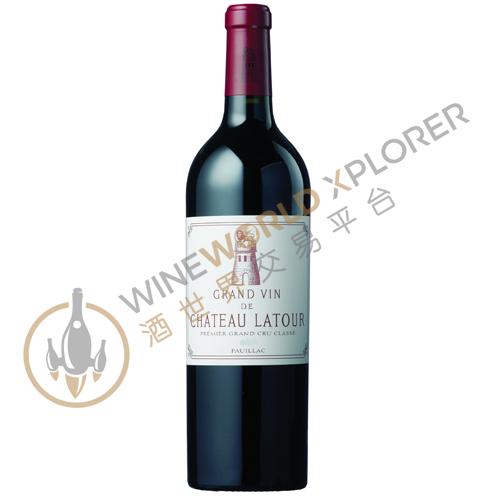
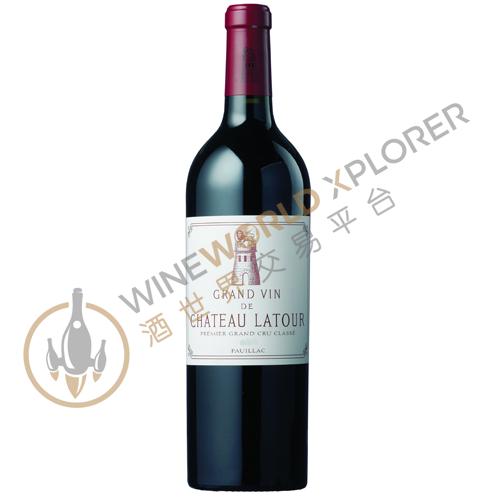
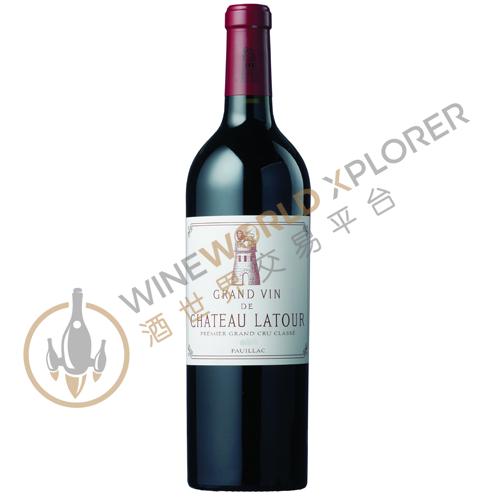
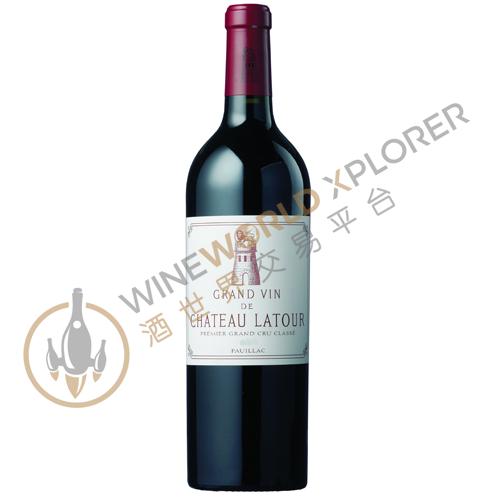
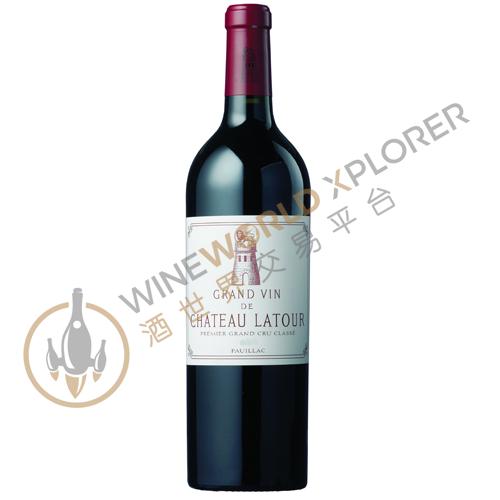
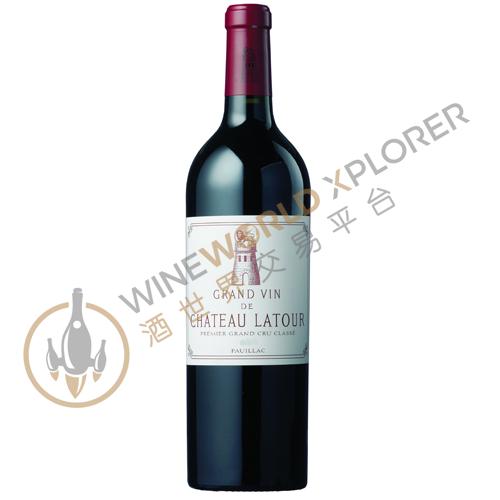
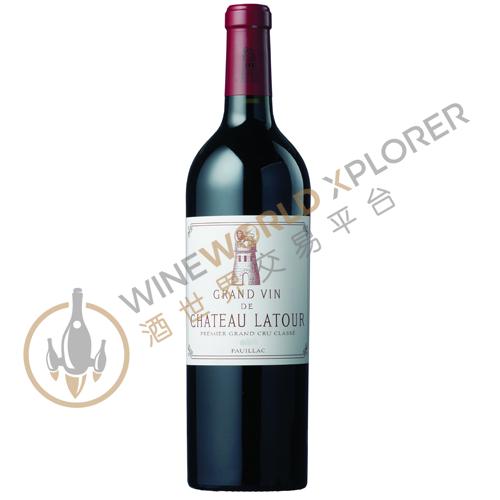
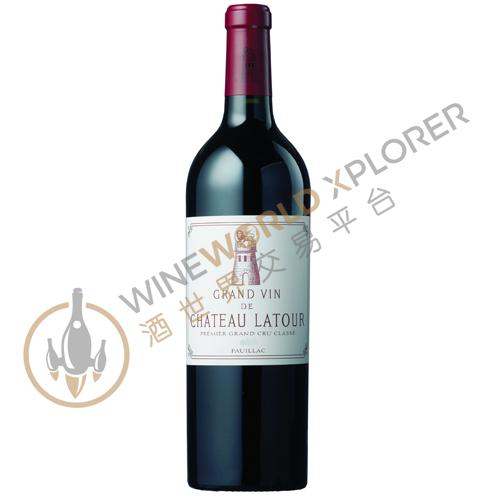
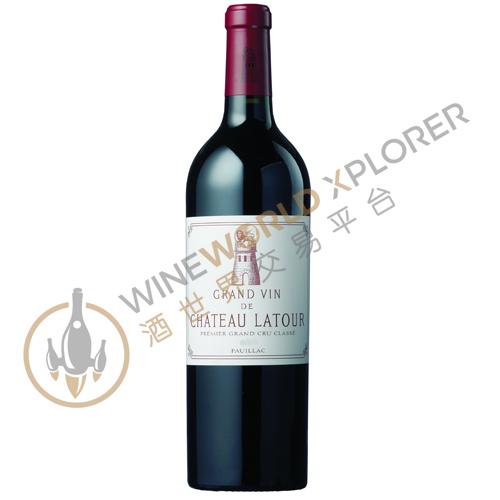
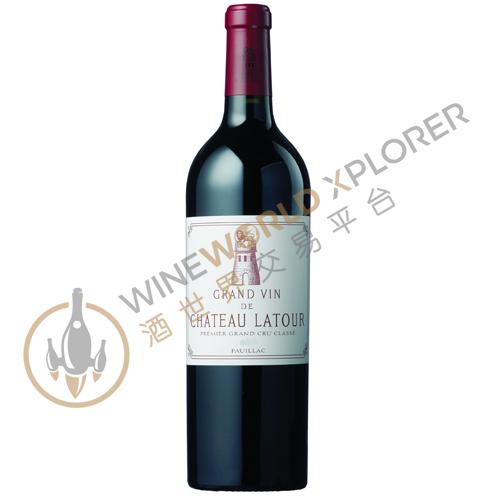
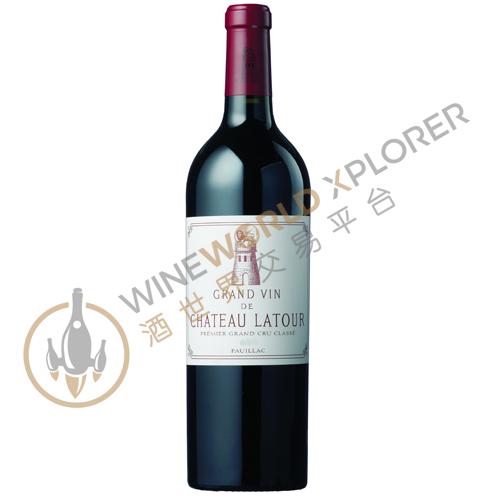
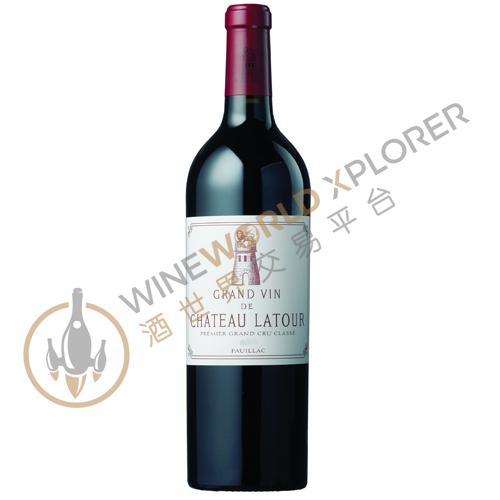
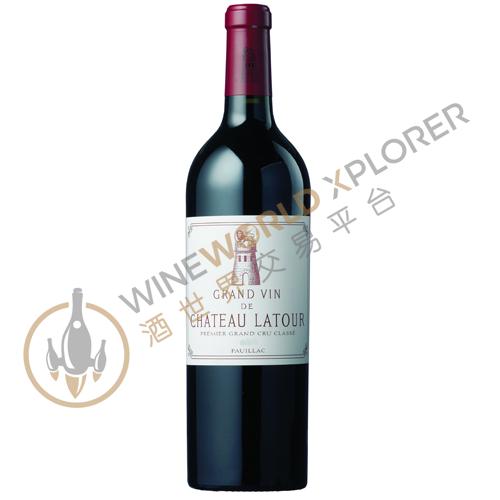
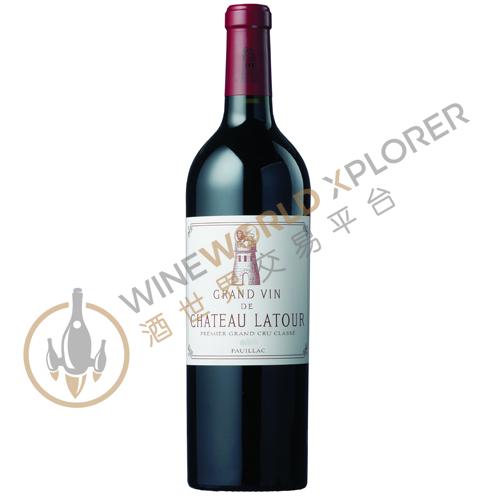
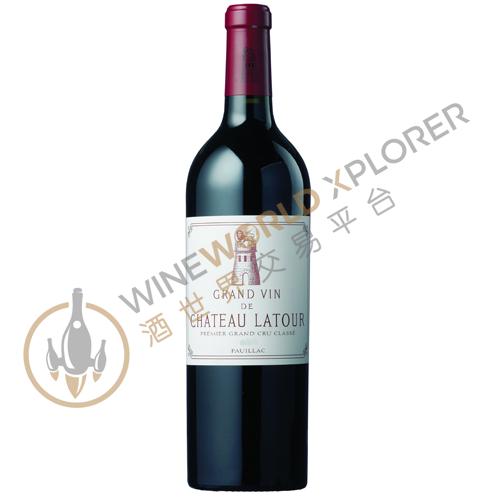
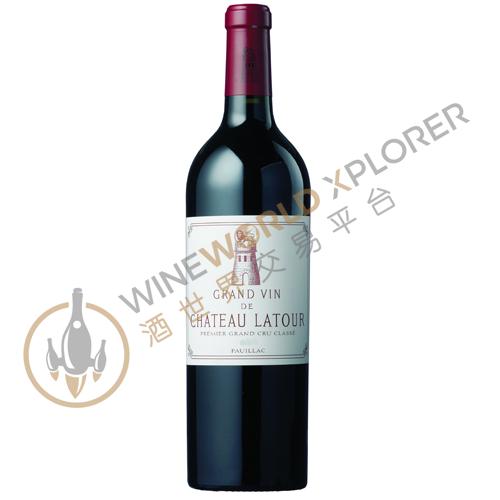
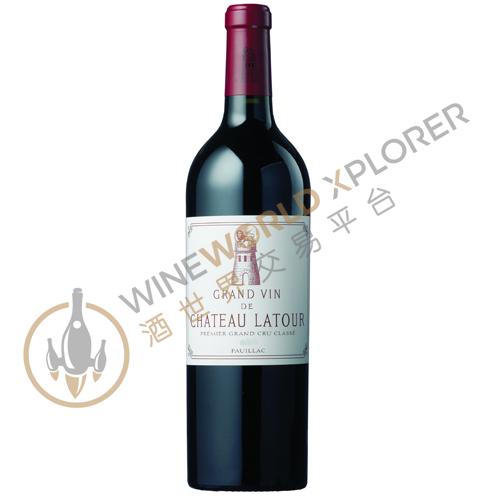
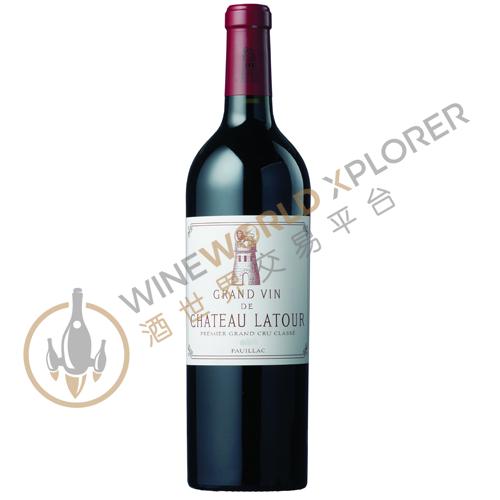
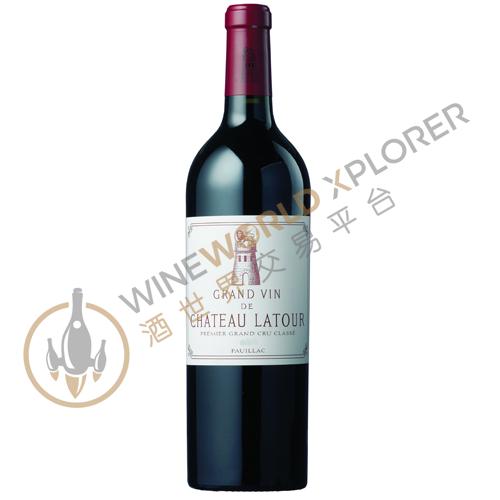
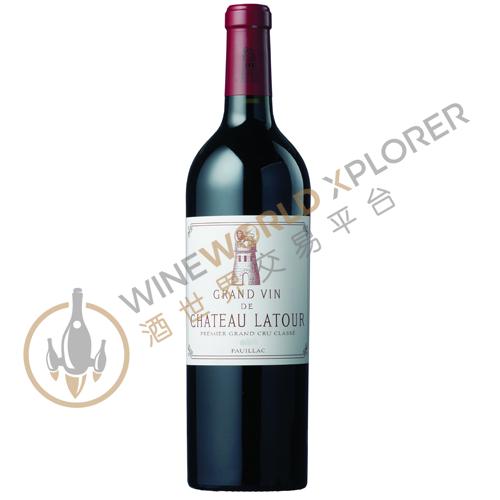
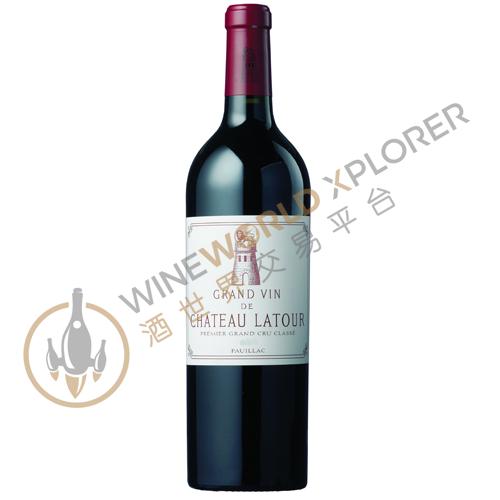
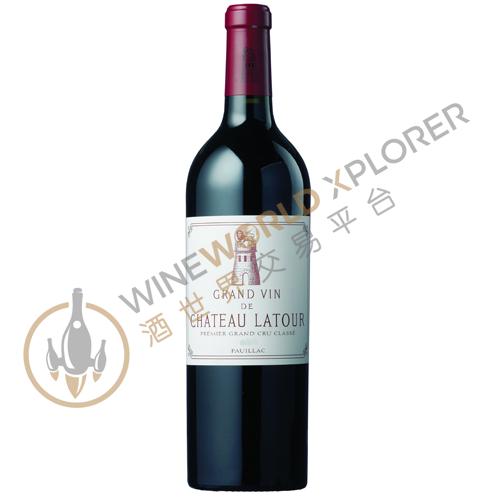
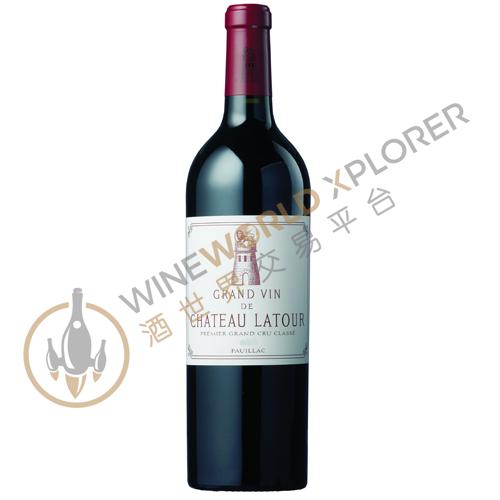
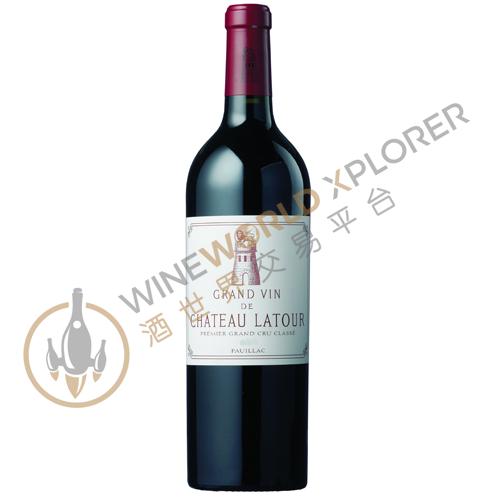
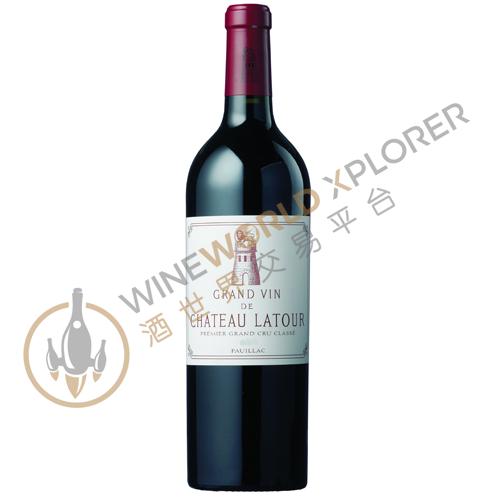
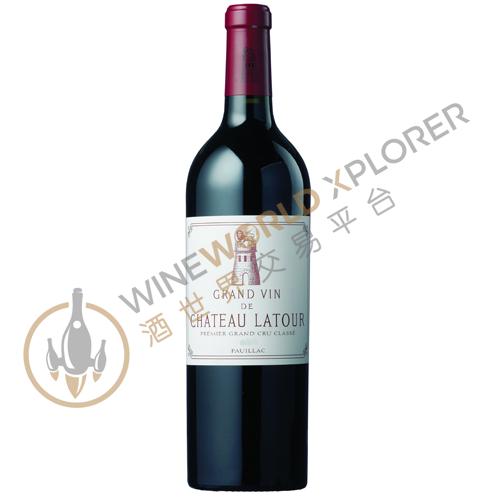
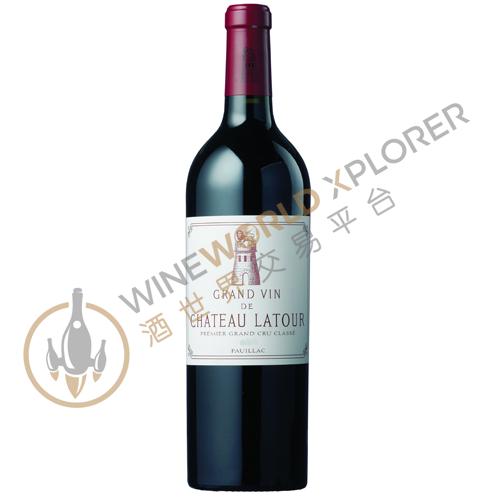
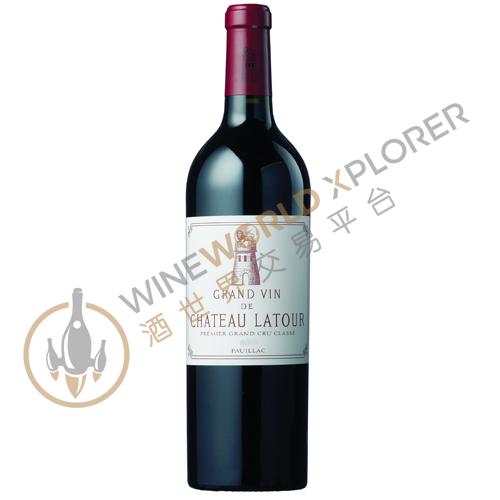
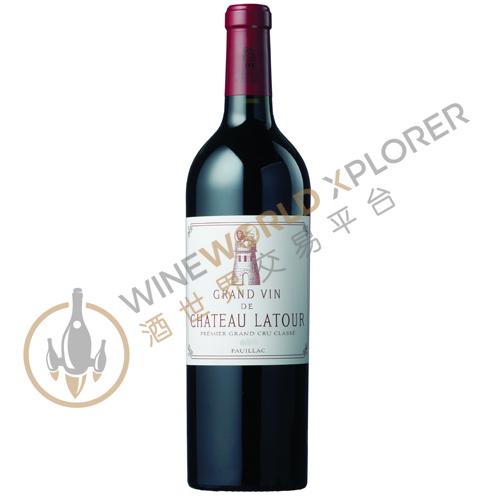
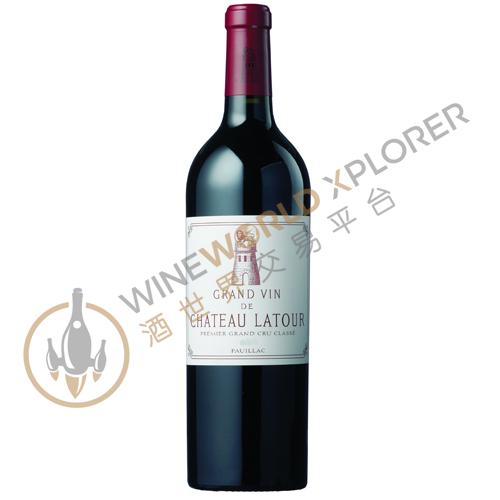
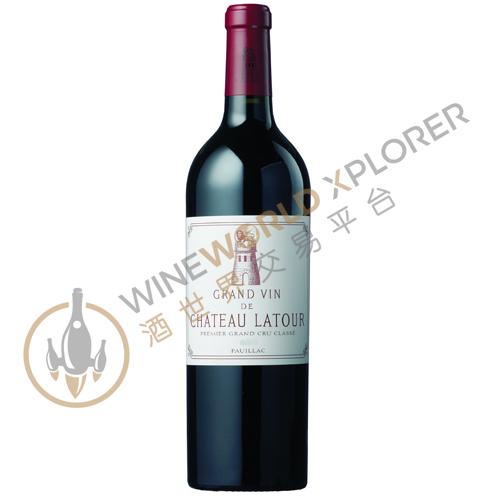
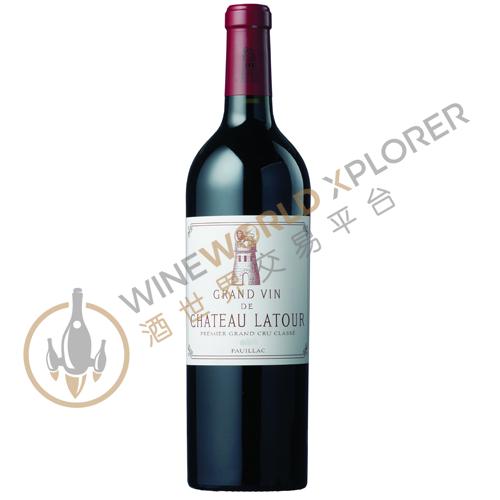
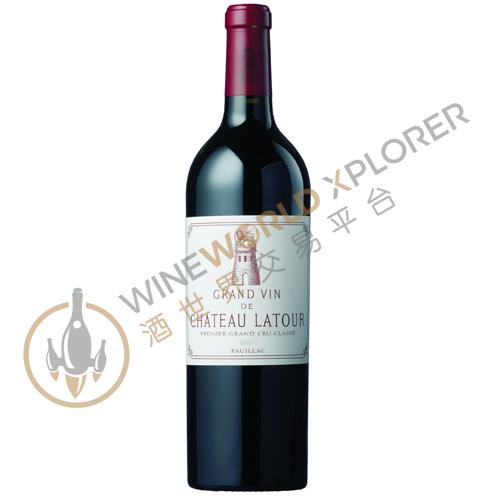
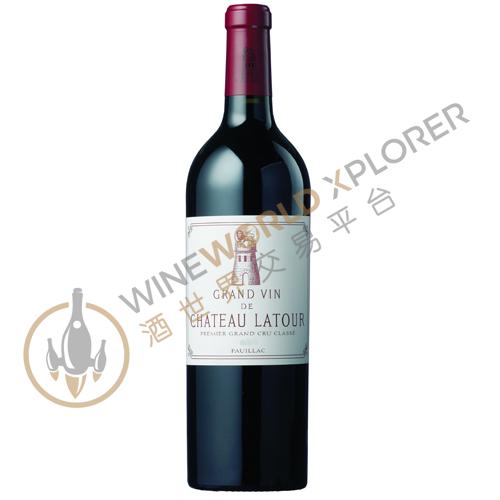
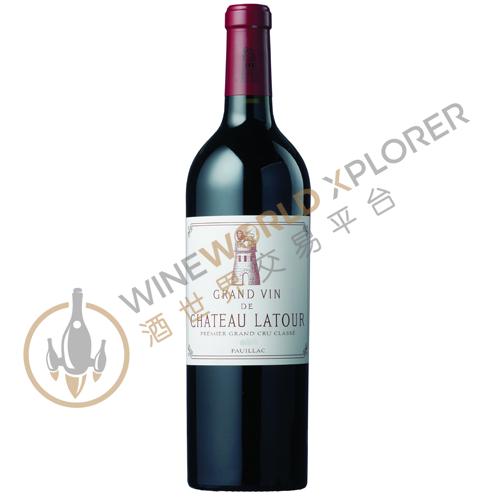
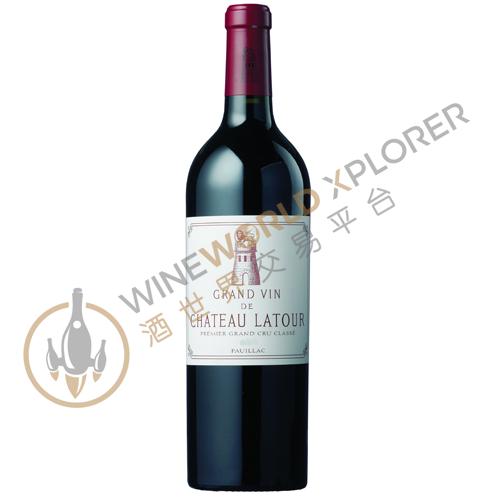
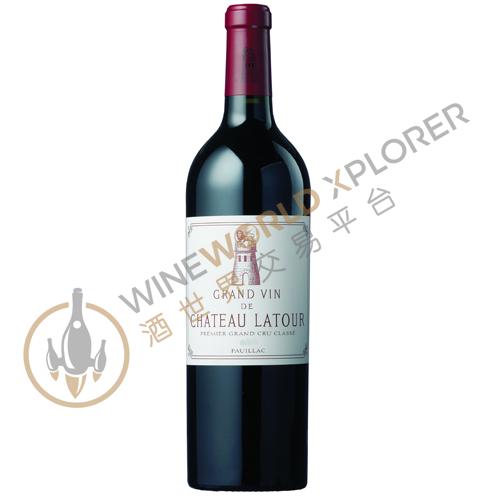
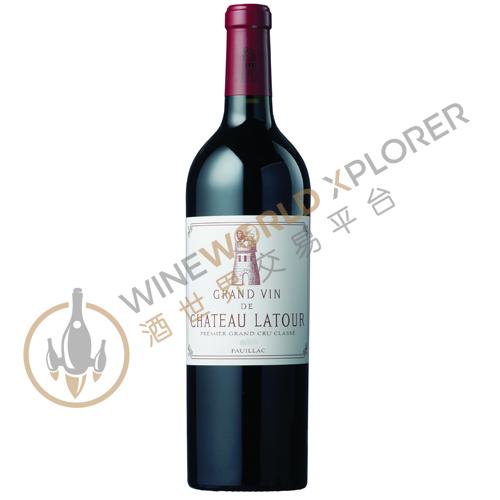
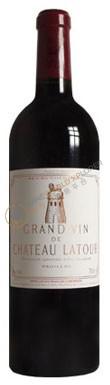
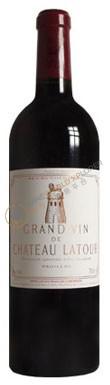
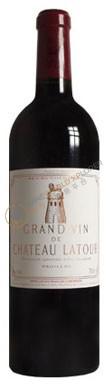
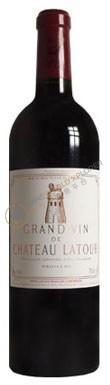
Chateau Latour 1952
 View analysis


Description
Chateau Latour is among the First Growth properties classified in the Bordeaux 1855 Classification. The estate is situated in the southern portion of Pauillac, bordering St. Julien and the Gironde estuary. Latour is considered one of the longest-lasting First Growths, reflecting its high proportion of Cabernet Sauvignon. Chateau Latour has an almost unequaled track record for producing stunning wines that age and evolve for decades, if not generations.
Tasting notes

Reviewed by: Neal Martin
So, how was it? After almost seven decades, the 1952 Latour is still singing. Unlike the previous 1952 tasted several years ago this was conspicuously ripe and fuller on the nose. In fact, it might pass for a 1959 Latour with red berry fruit, hints of fig and star anise, a touch of chlorine that you often find with claret of this era. The palate is still vigorous and surprisingly opulent, with a fine bead of acidity, some edginess and showing just a touch of volatility on the finish. Without wishing to be banal, it was utterly delicious, the epitome of old school Pauillac. A Latour that leans on the sweeter and richer side, therefore it has more commonality with the precocious Pomerols and Saint-Émilions of that year than the generally more austere Médocs.
Reviewed by: Neal Martin
The 1952 Latour is a wine that I had only encountered once before. Like many 1952s nowadays, it is rather rigid and dry on the nose, with touches of peppermint lending some light to the shade, but a little 'dowdy' in its dotage. The palate is medium-bodied, with tannins that feel dry compared to the 1950 Latour and the far superior 1955 Latour. It is obdurate, rather conservative and I suspect will dry out before other, better vintages from this decade. Tasted at a private dinner in Bordeaux.
1910(1)1916(1)1947(2)1948(1)1950(2)1951(2)
Package Size