Wine Advisor



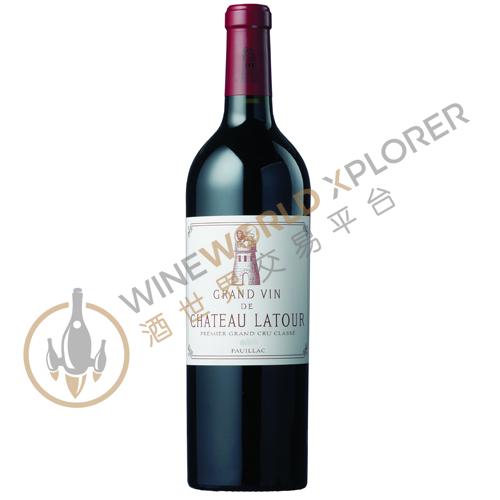
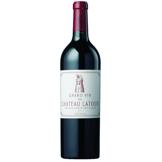
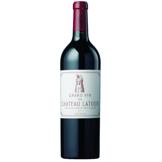
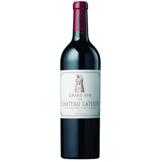
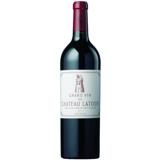
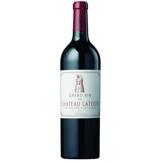
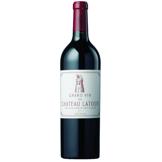
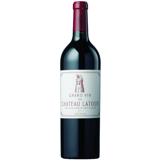
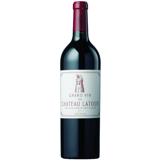
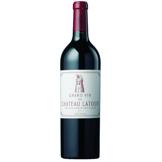
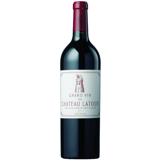
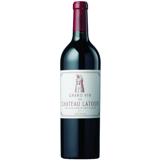
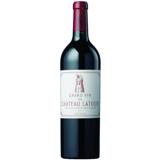
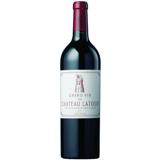
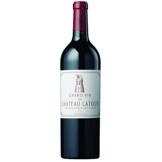
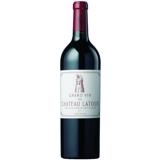
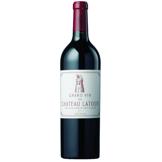
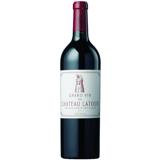
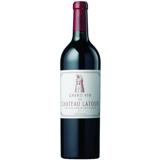
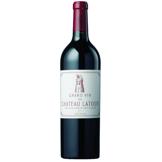
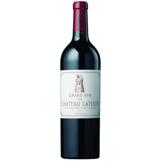
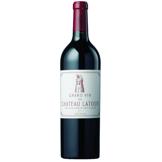
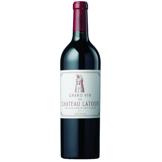
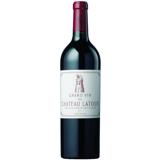
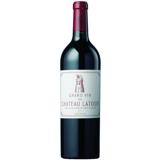
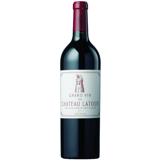
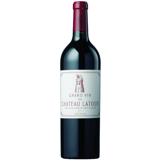
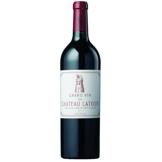
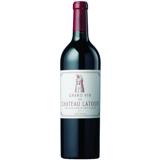
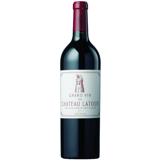
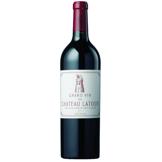
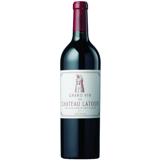
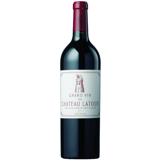
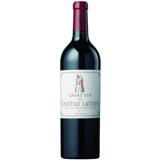
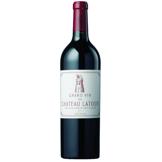
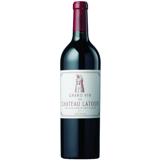
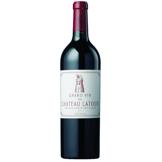
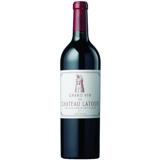
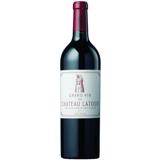
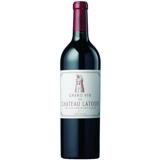
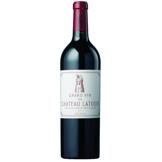
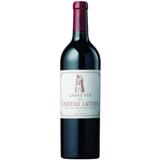
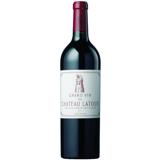
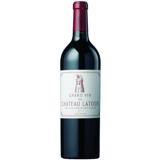
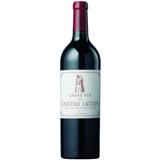
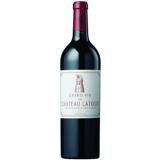
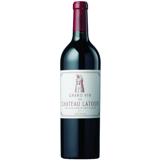
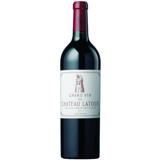
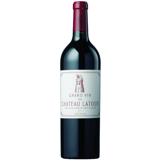
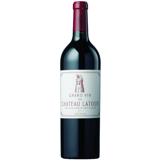
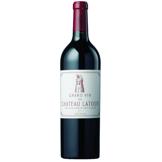
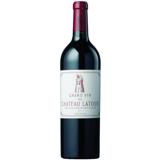
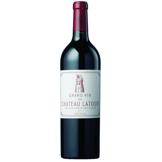
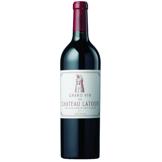
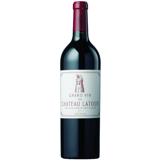
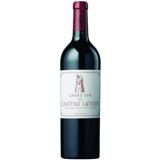
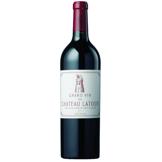
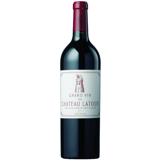
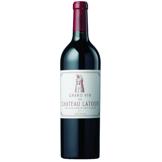
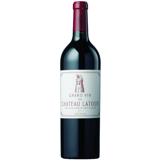
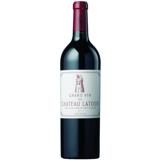
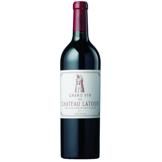
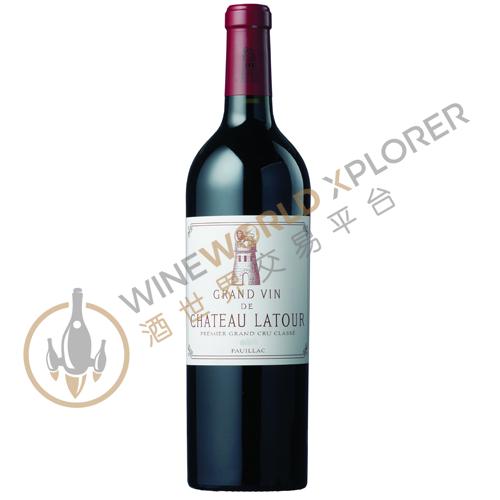
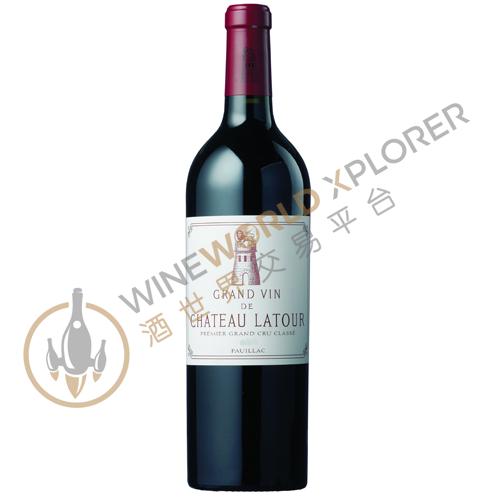
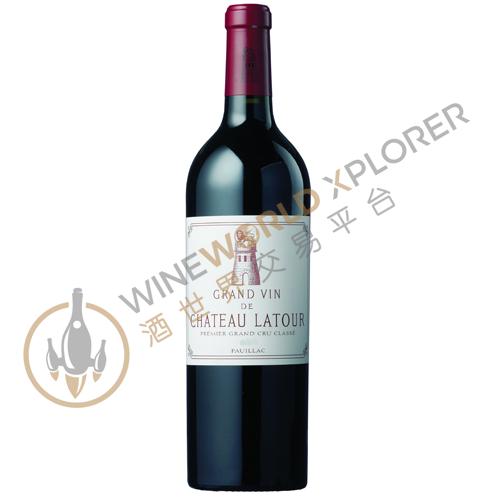
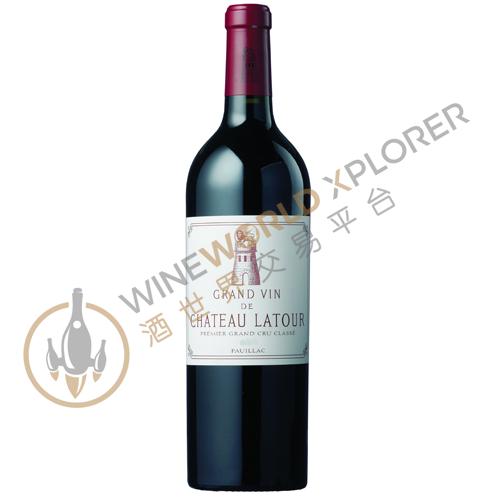
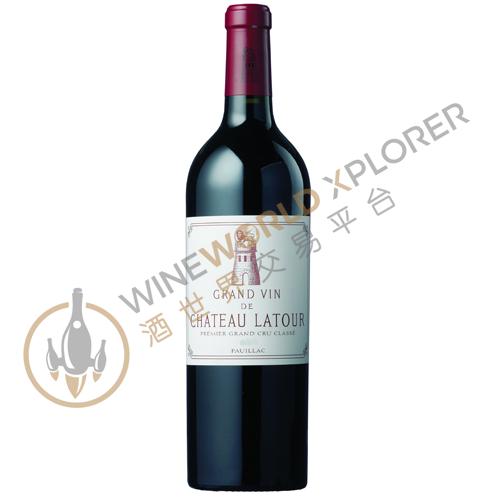
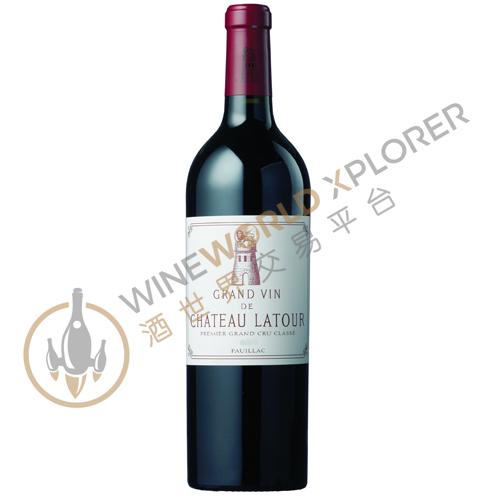
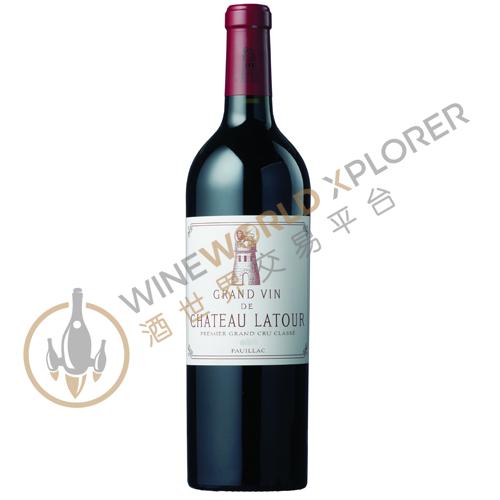
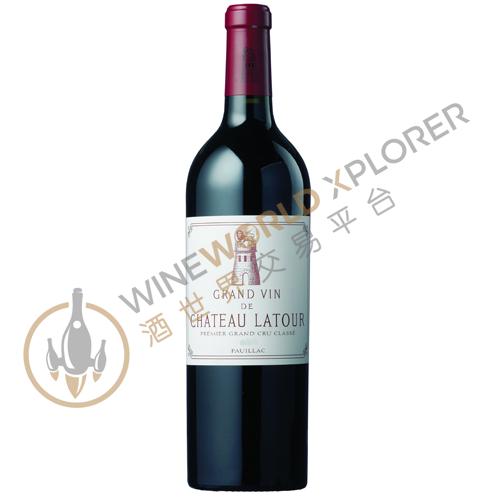
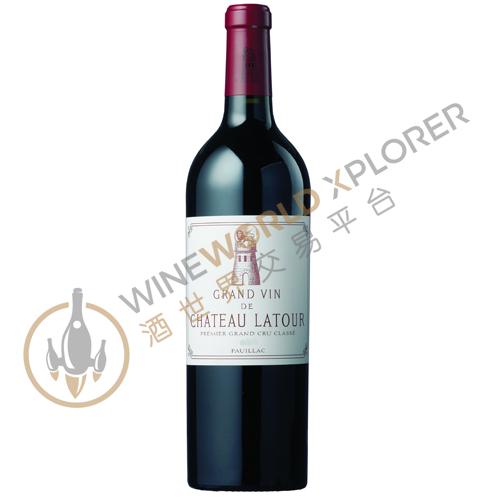
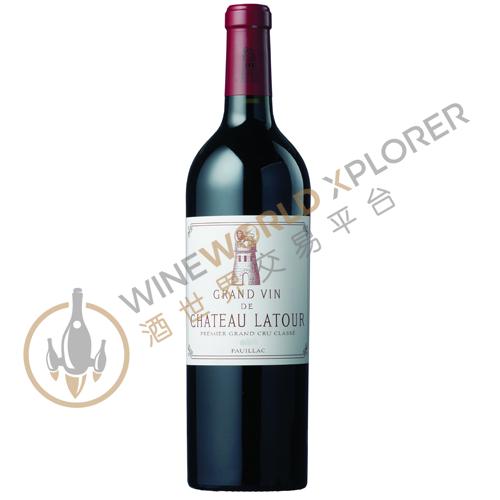
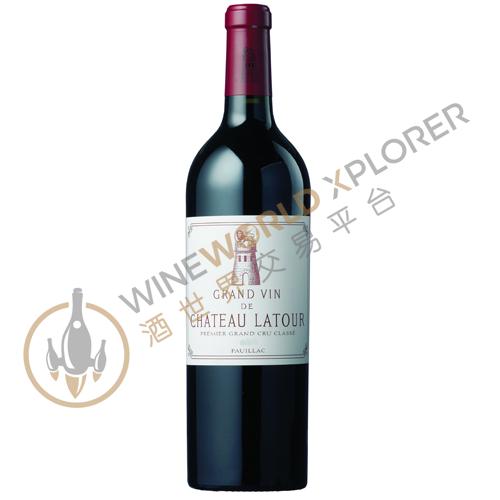
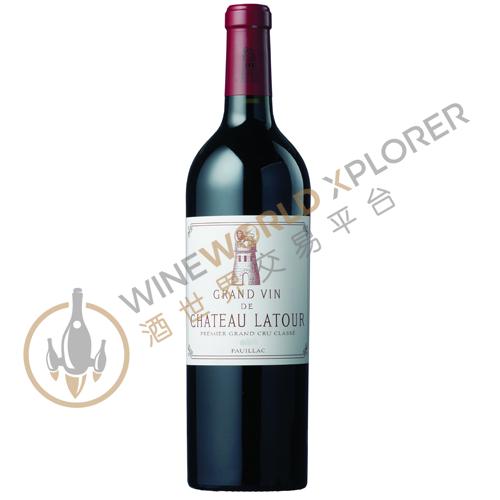
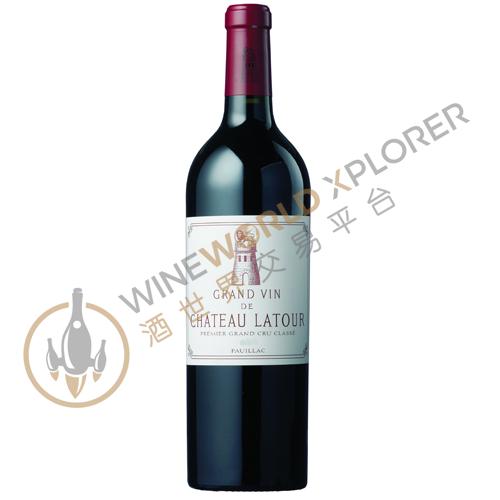
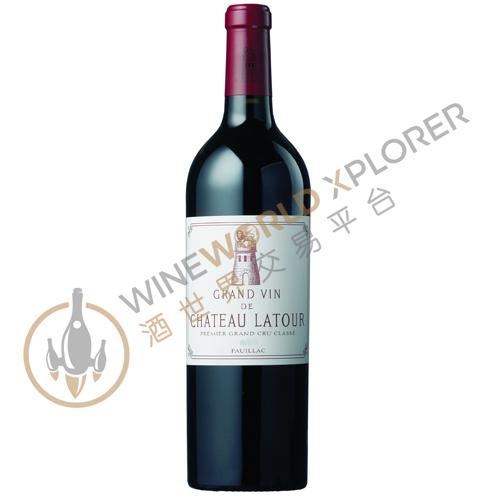
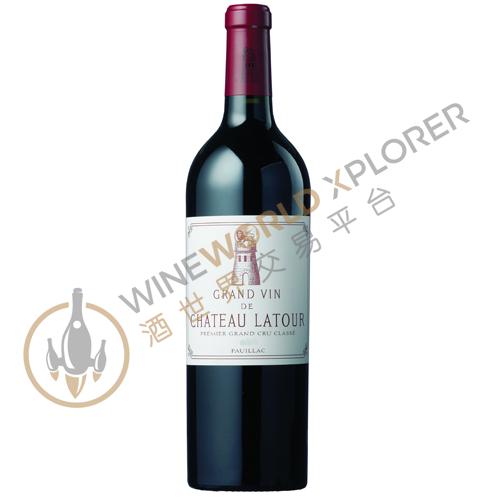
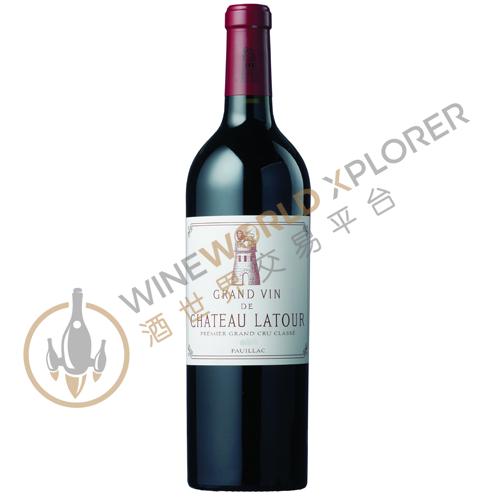
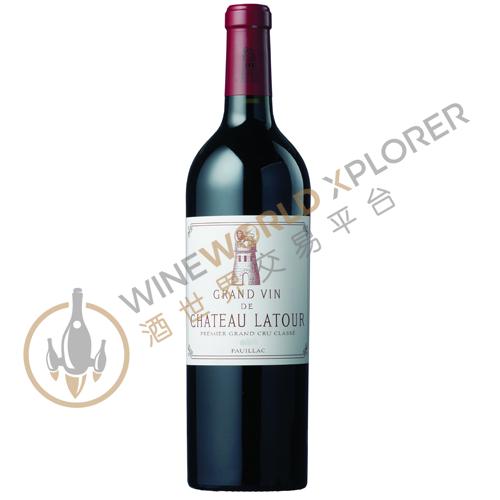
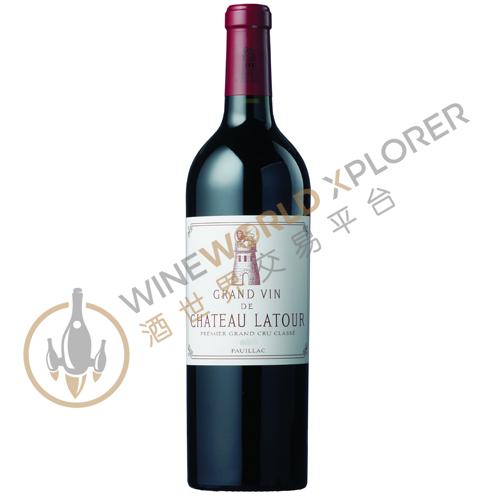
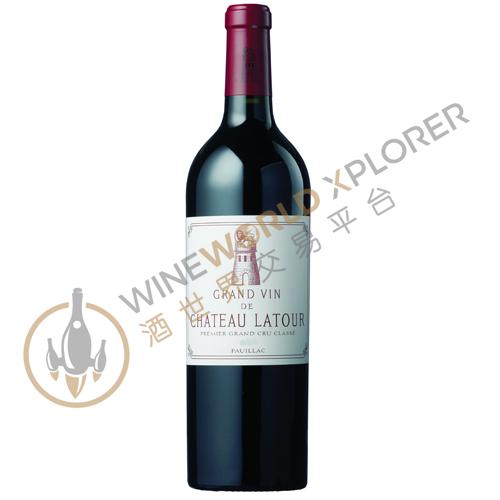
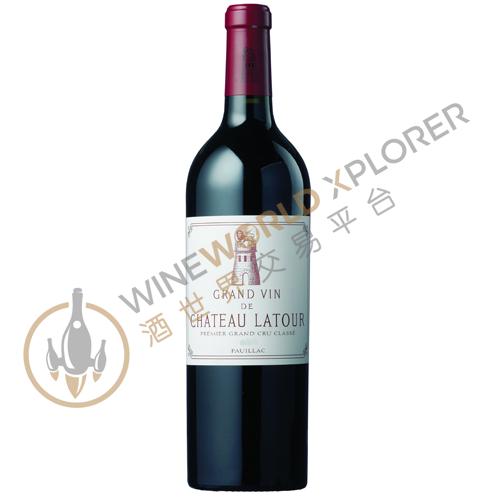
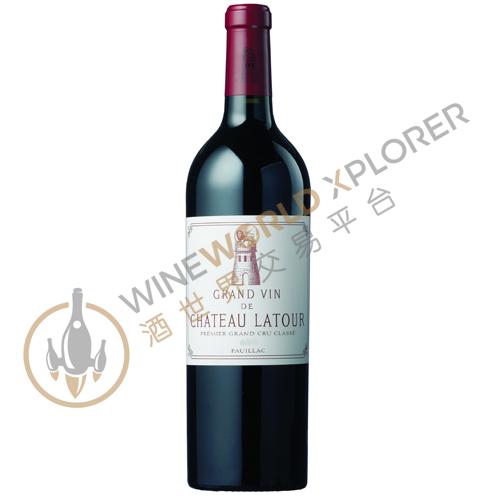
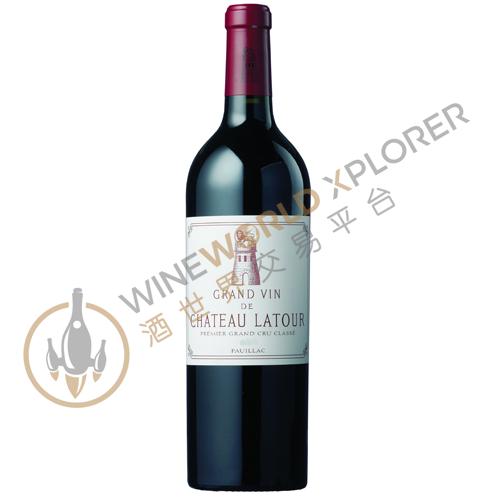
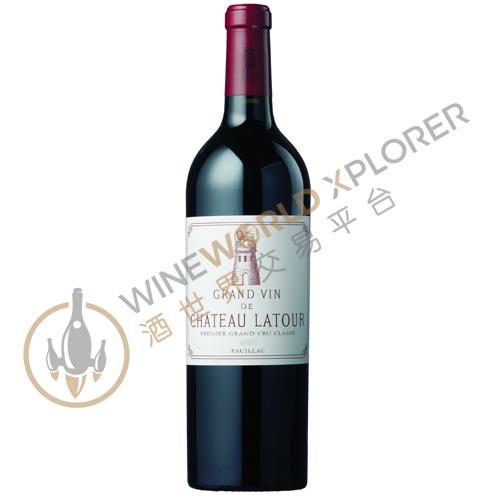
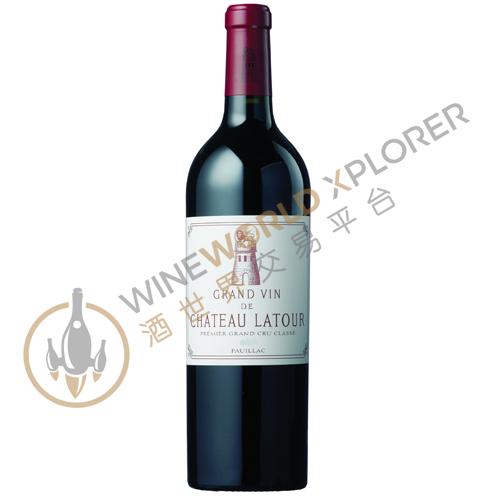
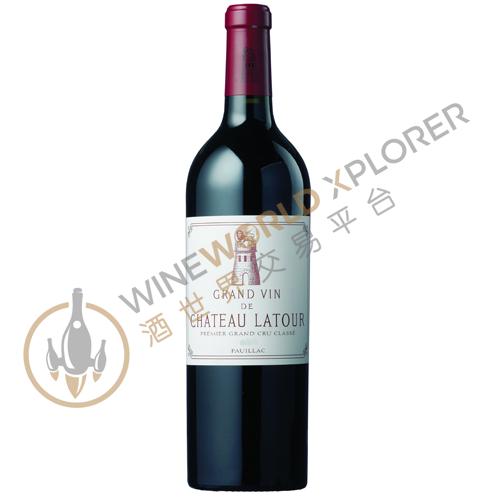
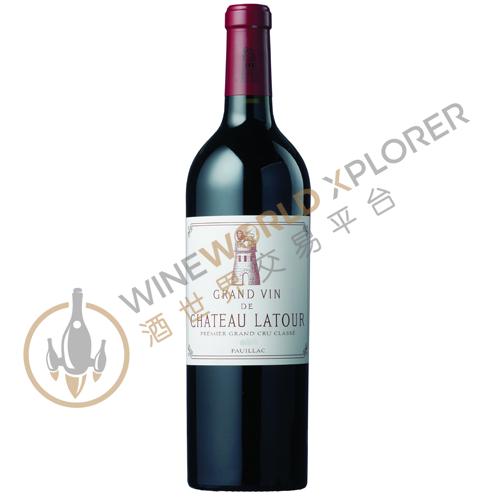
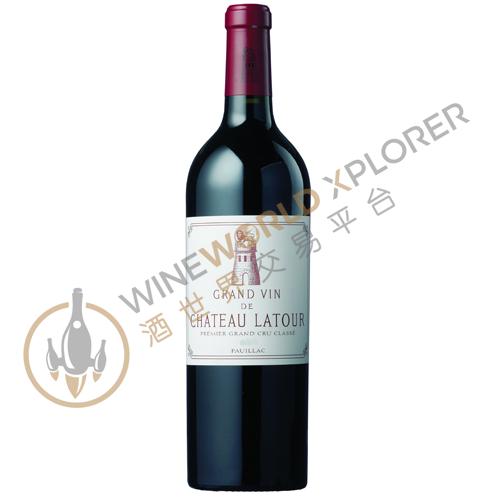
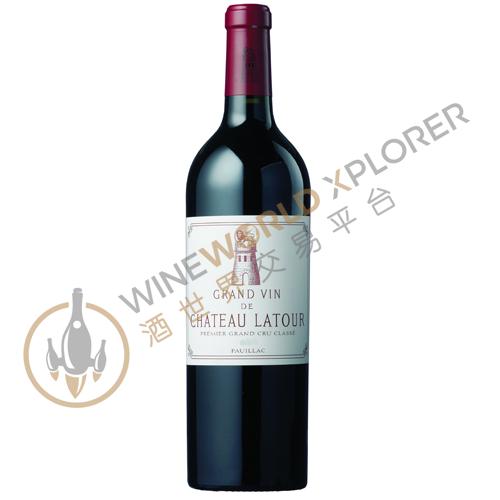
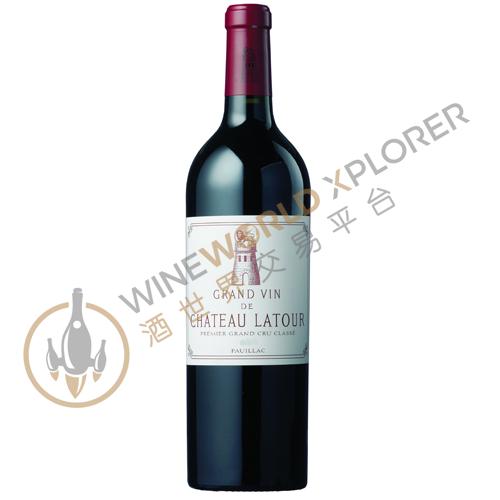
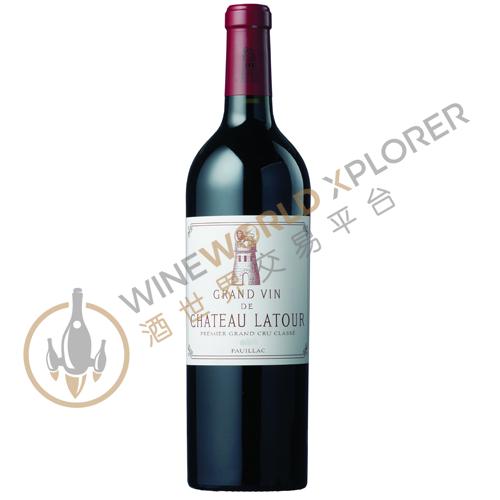
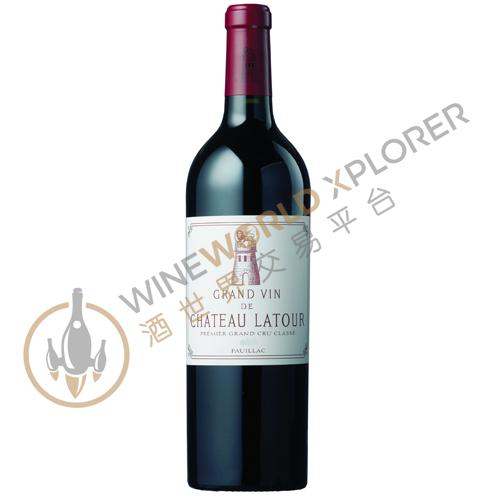
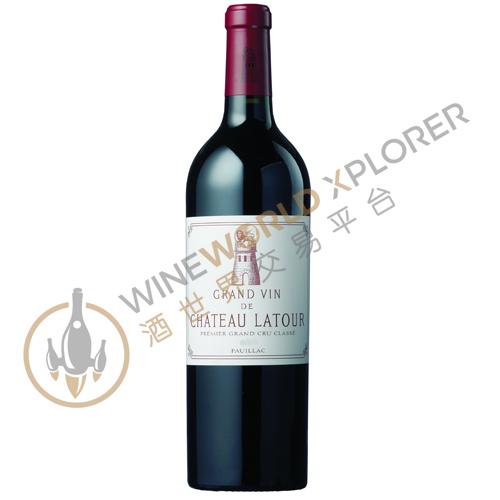
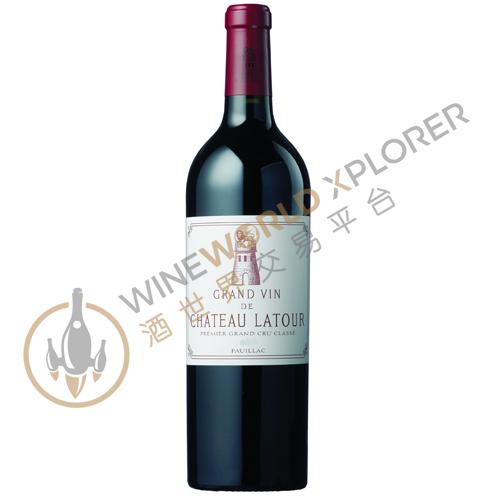
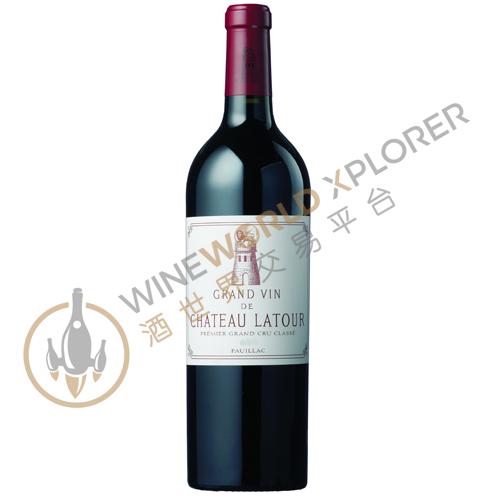
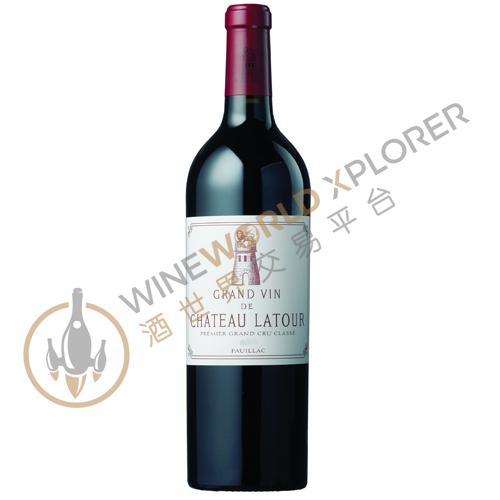
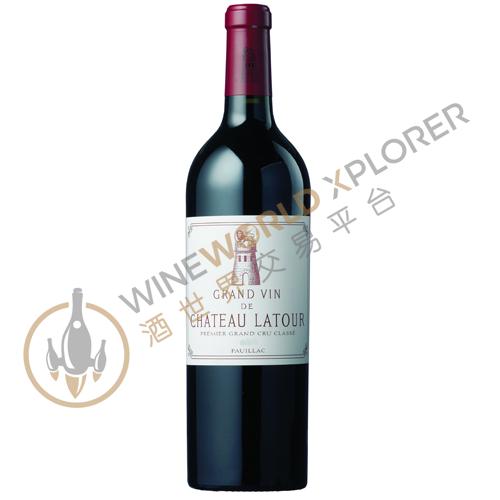
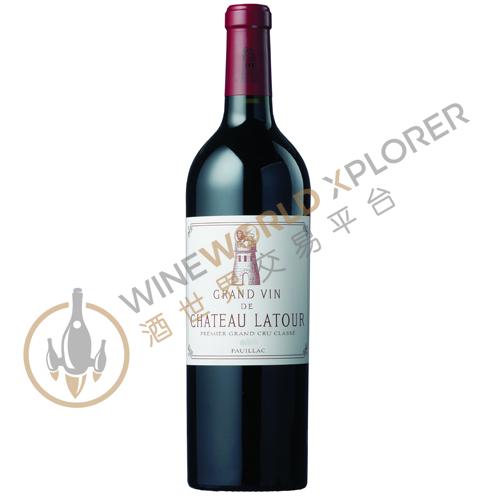
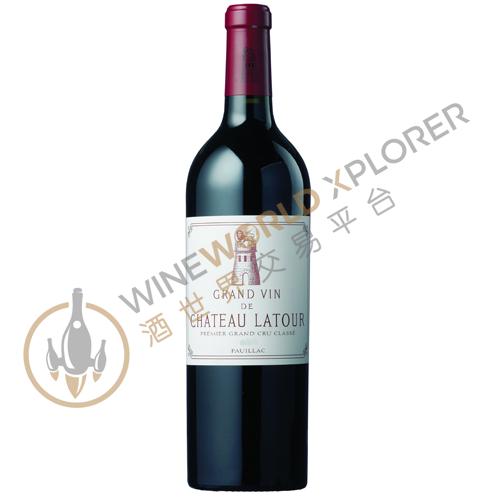
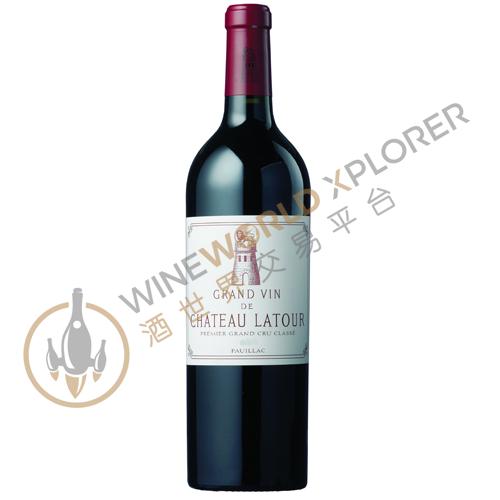
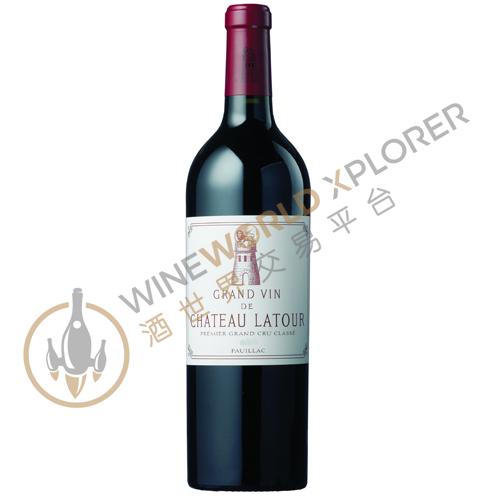
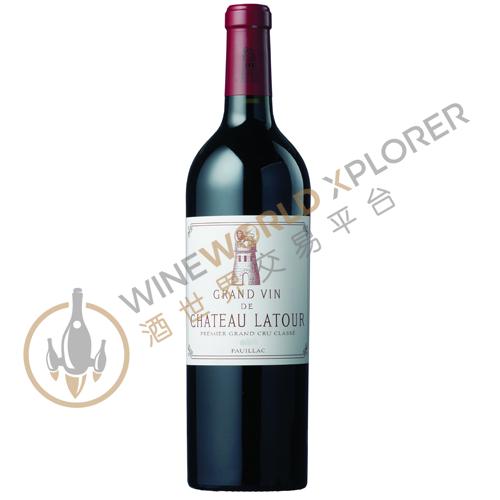
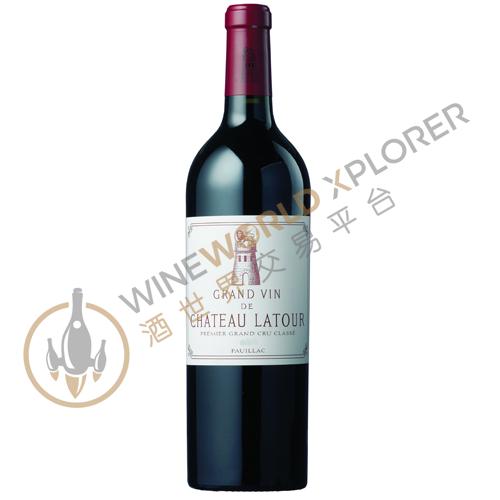
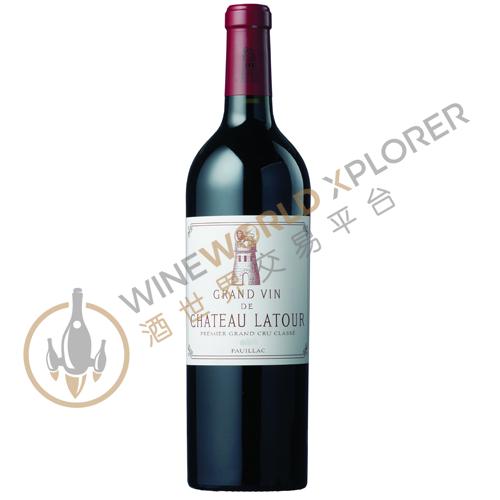
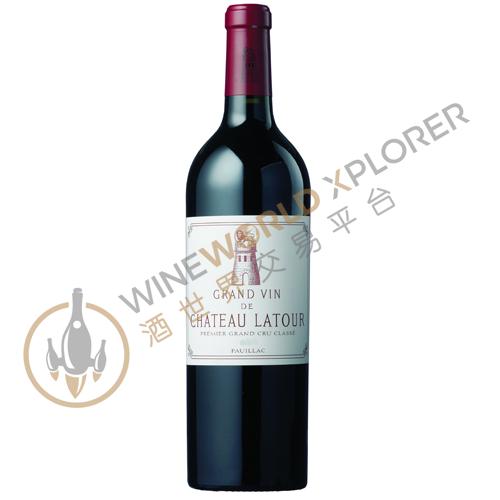
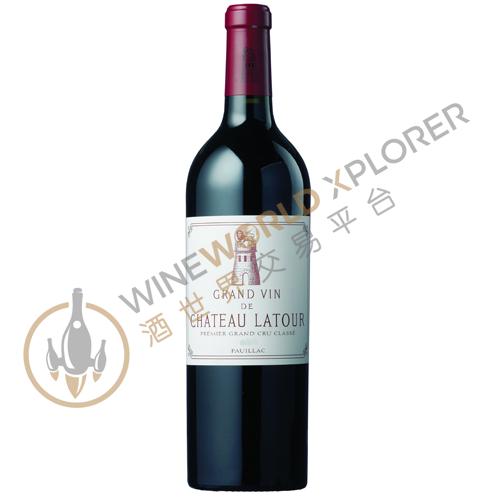
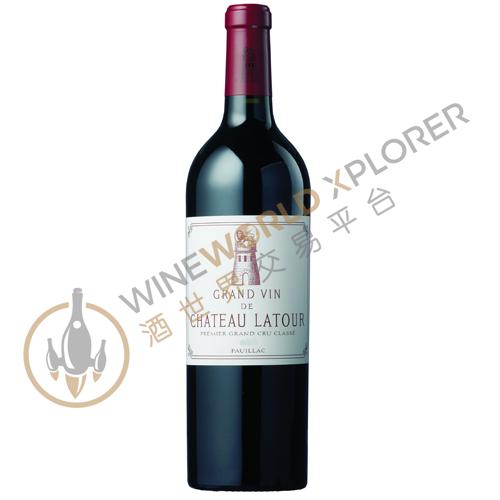
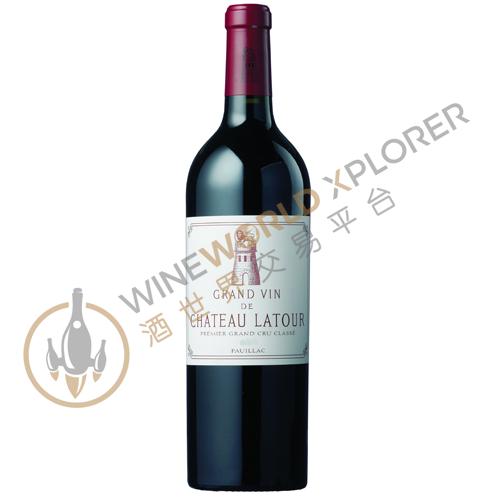
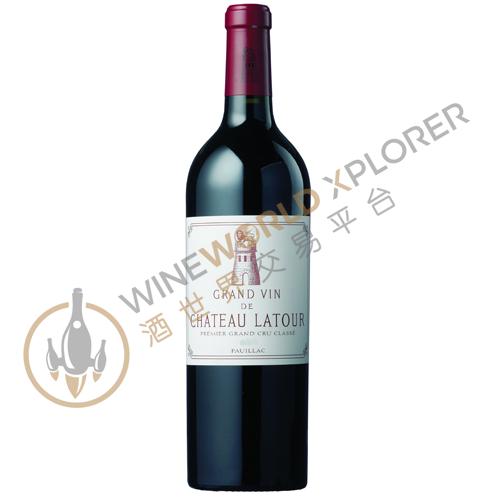
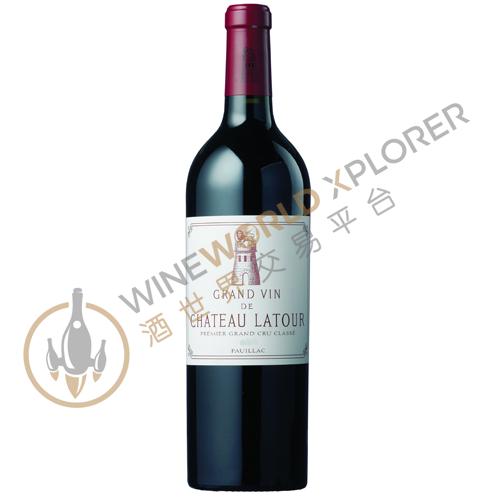
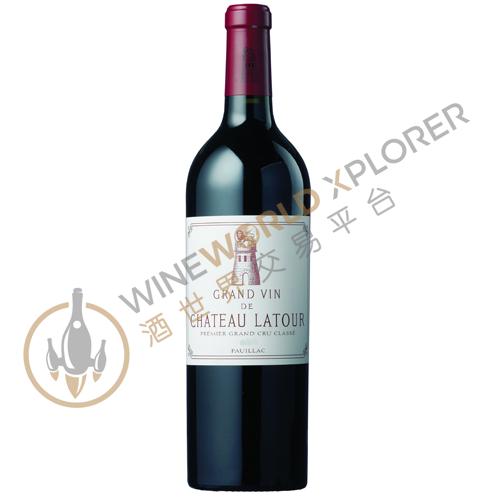
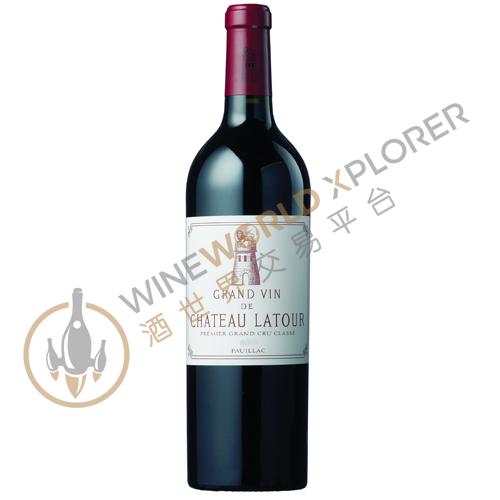
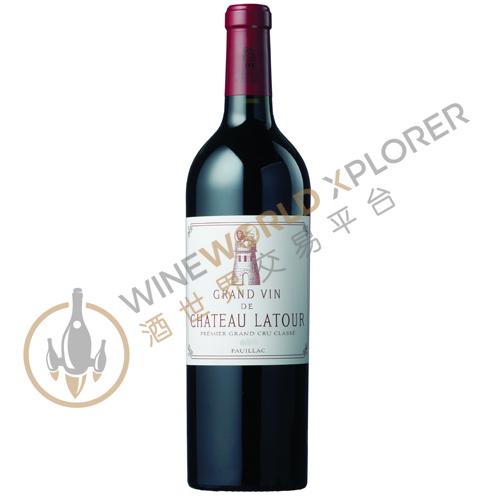
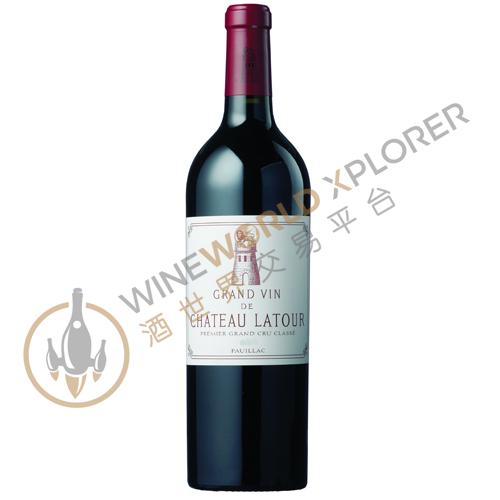
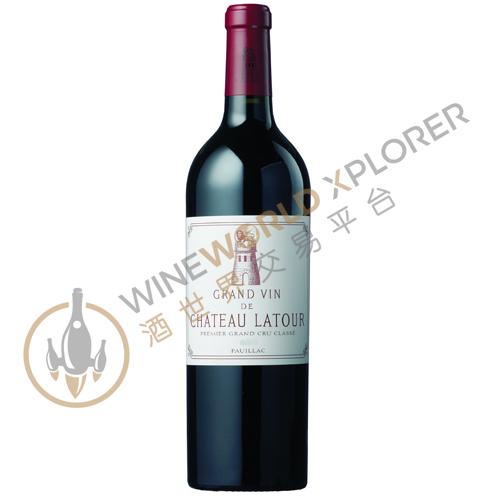
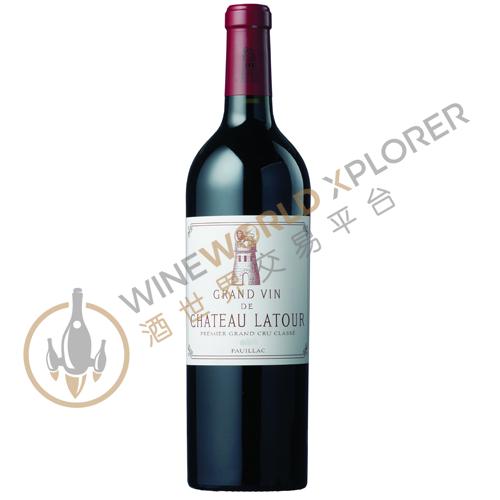
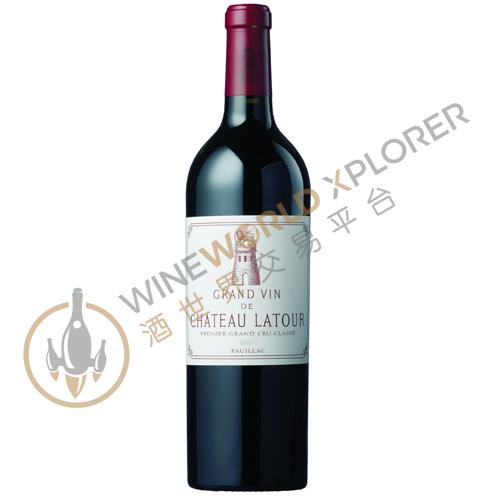
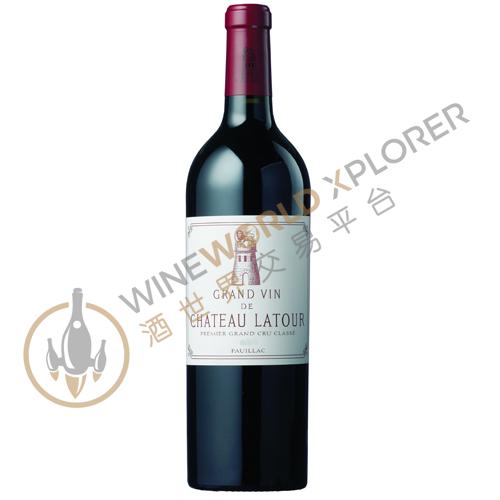
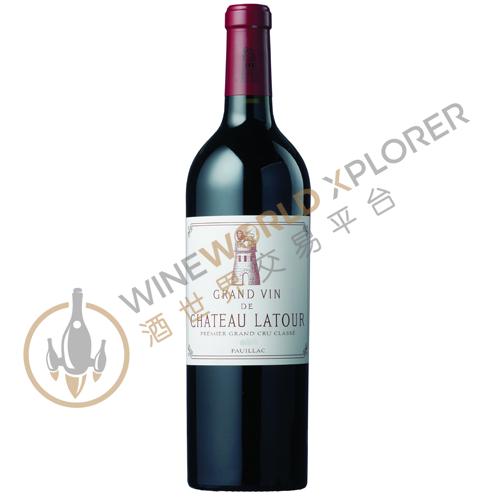
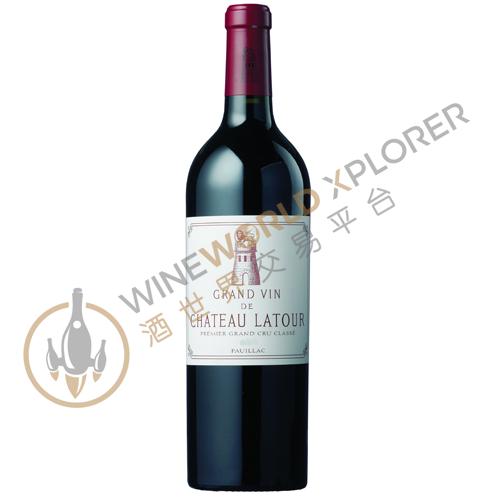
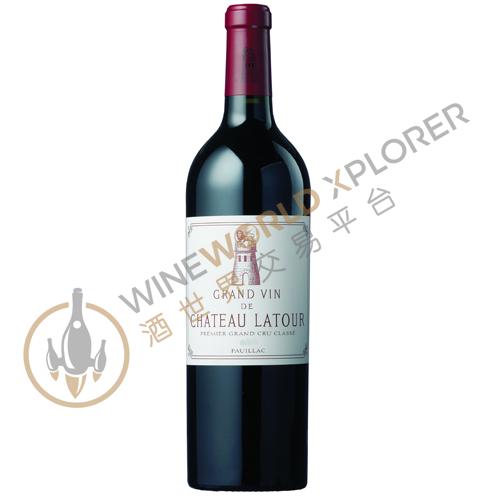
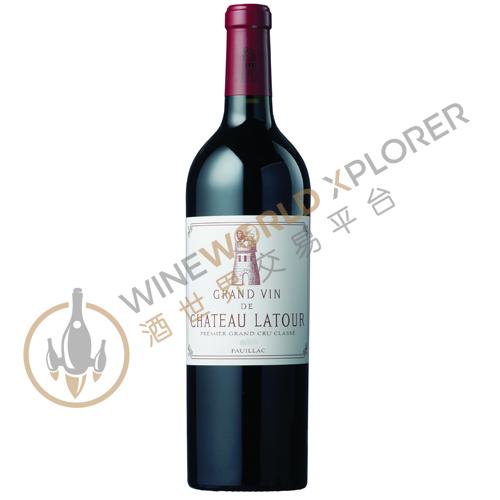
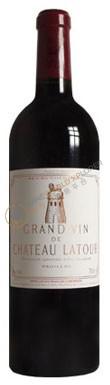
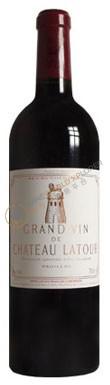
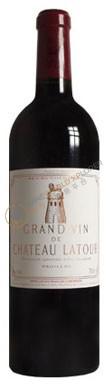
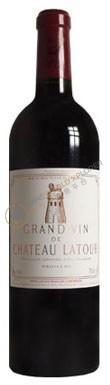
Chateau Latour 1989
 View analysis


Description
Chateau Latour is among the First Growth properties classified in the Bordeaux 1855 Classification. The estate is situated in the southern portion of Pauillac, bordering St. Julien and the Gironde estuary. Latour is considered one of the longest-lasting First Growths, reflecting its high proportion of Cabernet Sauvignon. Chateau Latour has an almost unequaled track record for producing stunning wines that age and evolve for decades, if not generations.
Tasting notes

Reviewed by: Robert M. Parker, Jr.
The 1989 Latour resembles the 1982, although it is not as concentrated, full-bodied, powerful, or unctuous. Deep ruby/purple, with a penetrating bouquet of cassis, this large-scaled, yet surprisingly approachable wine is bursting with fruit and extract. The finish is admirably long and persistent. The wine has a high tannin count, but the tannins are largely obscured by the wine's rich fruit and depth. Anticipated maturity: 1998-2020. Last tasted, 5/93.
Reviewed by: Robert M. Parker, Jr.
The 1989 Latour is deep ruby/purple, with a penetrating bouquet of cassis, this elegant, medium-bodied, surprisingly approachable wine is bursting with fruit and extract. The finish is admirably long and persistent. The high tannins are largely obscured by the wine's fine fruit and depth. For lovers of Latour, this is an understated, remarkably restrained style of wine. Anticipated maturity: 1997-2015.
Reviewed by: Neal Martin
Conspicuously mature, even for a 1989 Left Bank with a distinct tawny rim. A rather loose-knit, mature nose with dark chocolate. Capsicum, liquorices and burnt toast. Lacking some lift and vigor (although less prune-scented than previous bottles.) The palate is medium-bodied, very savory as if there is a high percentage of Cabernet Franc. Dried blood. Moderate length, this is just lacking breeding and length and on this showing I would certainly drink this over the next 5-8 years. Tasted December 2006. Drinking now-2015
Reviewed by: Neal Martin
Frederick Engerer remarked that the 1989 Latour was subject to some hydric stress caused by the high sun and temperature levels. The appearance is quite garnet colour with a tawny edge. The nose blossoms in the glass: spice and dark chocolate. Lacks some finesse and class. The palate is quite tannic, perhaps beginning to close up a little. Slightly bitter tannins but there is loads of complex savory fruit, leather and figs. A long sweet finish. Not quite as harmonious as the superior Mouton-Rothschild. Then in September 2004 at the Farr 89 vs. 90 tasting. As Latour goes I find this underwhelming and completely outclassed by the 1990. An open-knit, slightly stewed nose. Prune and raisin. Soft entry on the palate, the wine is not as structured as Lafite or Mouton. Sweet red fruits: this is just too open for me. Cranberry and dried blood on the finish. Very fruit-driven for Latour: this is too eager to please.
Reviewed by: Robert M. Parker, Jr.
Neither the 1989 or 1990 wines has budged in quality or development since I first tasted them in cask. I am still disappointed by the 1989, wondering how this chateau produced an elegant, medium-weight wine that seems atypically restrained for Latour. The deep ruby color is followed by a wine with surprisingly high acidity and hard tannin, but not the depth, richness, and power expected from this great estate. This closed wine is admittedly in need of 5-6 years of cellaring, but what is so alarming is its lack of weight, ripeness, and intensity, particularly when compared to the 1990. I suspect there is more than what has been revealed in recent tastings, but this looks to be an excellent as opposed to outstanding wine. In the context of the vintage, it is a disappointment.
Reviewed by: Robert M. Parker, Jr.
The 1989 Latour is one of that great estate's more notable efforts since their monumental 1982. (However, the 1990 will be the vintage that announces the "return" of Latour.) Deep ruby/purple, with a penetrating bouquet of cassis, this elegant, medium-bodied, surprisingly approachable wine is bursting with fruit and extract. The finish is admirably long and persistent. The wine has a high tannin count (although lower than the 1990), but the tannins are largely obscured by the wine's fine fruit and depth. For lovers of Latour, this is an understated, remarkably restrained style of wine. Anticipated maturity: 1997-2015. Tasted five times. Consistent notes.
Reviewed by: Robert M. Parker, Jr.
This wine was tasted at a vertical tasting held in Charlotte, North Carolina several days before the Christie tasting. The Latour staff spoke far more highly of the 1989 than my experience has shown. It possesses many characteristics that make great vintages of Bordeaux so alluring - softness, overripeness, and sweet fruit. The problem is that there are insufficient quantities of these components. An evolved dark ruby color reveals amber at the edge. The nose offers aromas of caramel, coffee, ripe black cherry and currant fruit, cedar, and spice box. Although medium-bodied, with low acidity, the wine lacks richness in the mid-palate, and is surprisingly abrupt in the finish. It is a very fine, delicious Latour, but it is hard to believe it will attain the weight and flavor dimensions its producers suggest. Anticipated maturity: now-2020.
Reviewed by: Neal Martin
The 1989 Latour conveys the warmth of the growing season with scents of warm gravel and wild herbs infusing the soft, perhaps slightly muffled black fruit. There is a touch of brettanomyces here although it is less conspicuous than the 1990 Latour. The palate has thickset, quite firm tannin that lend this Latour presence and power. What it lacks compared to recent vintages is refinement and detail. That said, it builds nicely towards the soft (for Latour), pencil lead and undergrowth driven finish. Not bad at all, although I suspect a far superior wine would be made under the present regime. Tasted at the International Business & Wine Latour dinner at Ten Trinity.
1910(1)1916(1)1947(2)1948(1)1950(2)1951(2)1952(1)1953(1)1955(1)1956(1)1957(1)1958(2)1960(1)1961(1)1962(1)1964(2)1965(1)1968(2)1969(2)1970(4)1971(1)1973(3)1975(3)1976(1)1977(1)1978(2)1979(1)1980(1)1981(3)1982(10)1983(5)1984(2)1985(2)1986(3)1987(4)1988(4)
Package Size
1 x 1.5L1 x 75cl12 x 75cl2 x 75cl