Wine Advisor



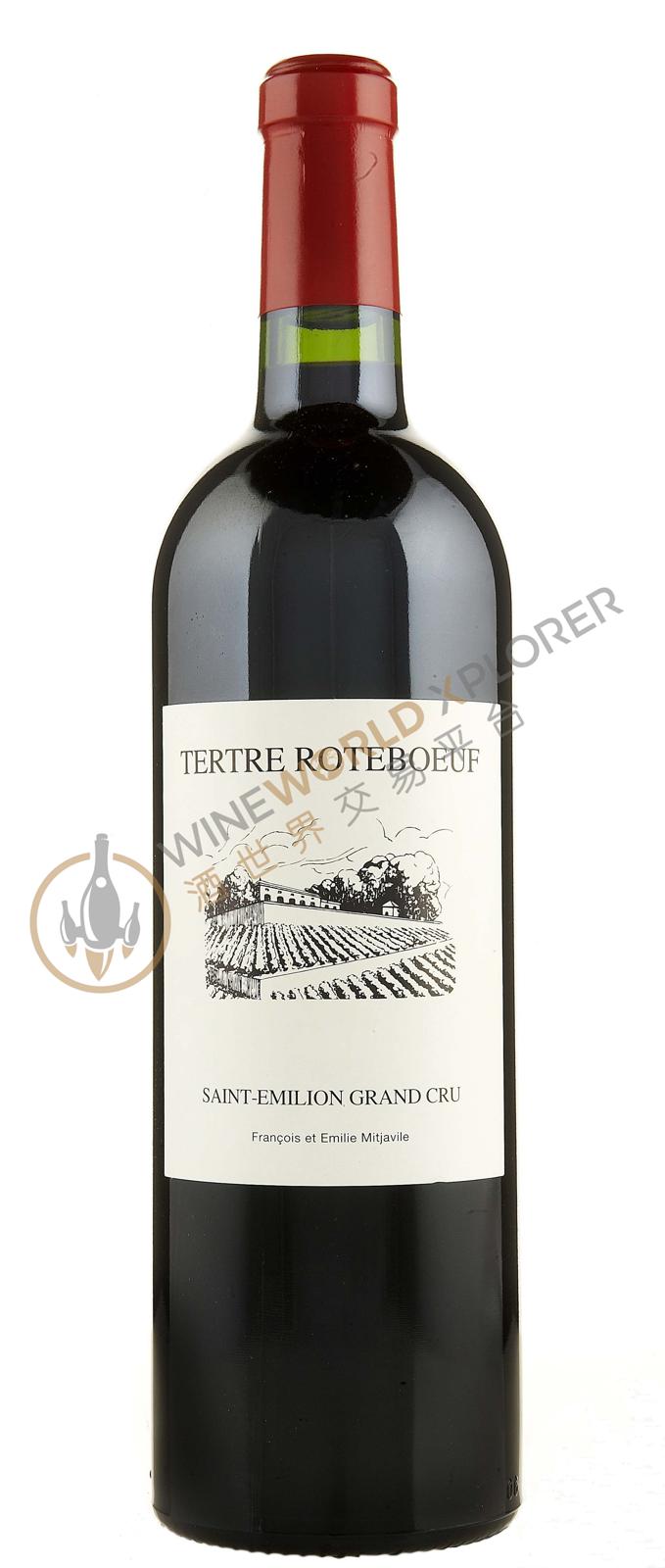
Tertre Roteboeuf 1990
 View analysis


Description
Tasting notes

Reviewed by: Robert M. Parker, Jr.
The 1990 is an immensely impressive wine. It is even as concentrated as the exhilarating 1989. It reveals an opaque, dark ruby/purple/black color, as well as an intense bouquet of crushed black raspberry fruit, smoke, oak, licorice, and minerals. The wine boasts sensational concentration, massive richness, a chewy, thick, unctuous texture, and a rivetingly long, alcoholic, tannic finish. Anticipated maturity: Now-2010. Last tasted, 6/93.
Reviewed by: Robert M. Parker, Jr.
Early in its life, this wine was close to perfection, but two bottles drunk recently from my cellar show a slight maderized quality, some flawed acetone notes, and a disjointed style suggesting it was falling apart. I am at a loss to understand this decline as it was showing fabulously well just a few years ago. There is still lots of viscosity, and the wine is full-bodied, but two examples of an oxidized, flawed wine are disheartening.A third bottle from the exact same case that the first two bottles came from proved to be a completely different species altogether. This is the 1990 Tertre Roteboeuf I thought had been made. I have no explanation for such enormous bottle variation, but the third bottle had a beautiful dark plum/garnet color to the rim, with just a hint of lightening, a sensationally exotic nose of roasted coffee, melted chocolate, herbs, and sweet kirsch and plum. Even a hint of fig made it into the wine’s gorgeous aromatic display. In the mouth, the wine was full-bodied, powerful, rich, still showing some tannin to shed, but the sweetness, expansiveness, exuberance, and overall purity were stunning. This wine, which had the same level of ullage as the other two, was a completely different experience than the two bottles that had a maderized characteristic. Who knows, but I am certainly hoping the rest of my stash resembles the third bottle rather than the first two. If that’s the case, then it should continue to drink well for at least another 10-12 years. Release price: ($550.00/case)
Reviewed by: Robert M. Parker, Jr.
The 1990 is an immensely impressive wine. Now in the bottle, it has turned out to be as concentrated as the 1989. It reveals an opaque, dark ruby/purple/black color, as well as an intense bouquet of crushed black raspberry fruit, smoke, oak, licorice, and minerals. The wine boasts sensational concentration, massive richness, a chewy, thick, unctuous texture, and a rivetingly long, alcoholic, tannic finish. Anticipated maturity: Now-2010.
Reviewed by: Neal Martin
Deep garnet core with light brick rim. A very rich, alcoholic, slightly pruney, raisiny, tarry nose. The palate is very rich, good acidity, slightly porty but with a citrus undertow. The palate is very tannic, full-bodied and complex. Raisin, touch of tinned prune and orange zest, becoming spicier towards the tarry, chestnut-flavored finish. Very decadent and burly, but lacking the poise of the 1989.
Reviewed by: Robert M. Parker, Jr.
Two spectacular wines from these vintages, proprietor Francois Mitjavile's 1989 and 1990 are both exotic, opulent, unctuously-textured wines from this splendidly-situated vineyard that in English means, "the hill of the belching beef." Over the last year, the 1990 has exploded in the bottle. Both wines exhibit an opaque garnet/purple color, as well as amazing ripeness and intensity. The 1990 has been so stunning the last several times I tasted it, that it is inching its way up the scoring ladder. In fact, I am close to running out of points. The sweet nose of coffee, jammy berry fruit, smoke, caramel, and spice soars from a glass of this marvelously concentrated, viscous, layered, smooth wine. Whatever tannin this show-stopping, flashy wine possesses (I am sure if analyzed the level is respectable) is buried beneath the jammy fruit and glycerin. The 1990 is so dazzling that I would be a fool to suggest owners refrain from consuming it. It should continue to drink well for 10-15 years. By the way, in the blind tasting, I was convinced that the 1990 Le Tertre-Roteboeuf was the 1990 Le Pin - so much for experience.
Reviewed by: Robert M. Parker, Jr.
The 1990 is an extraordinary wine.
Reviewed by: Robert M. Parker, Jr.
An absolutely spectacular Tertre Roteboeuf, probably the only other vintage that will reach this level of quality is the 2000. The 1990 has a deep plum/ruby color with some lightening at the edge and an extraordinarily flamboyant nose of jammy black cherry and berry fruit infused with smoke, caramel, and coffee notes that soar from the glass. This is a very viscous, full-bodied, silky textured wine has a to-die-for finish and enough glycerin and body to get lost. It is just entering its plateau of full maturity. A wow-wow wine! Anticipated maturity: Now-2015. Last tasted, 12/02.
Reviewed by: Robert M. Parker, Jr.
The 1990 is another immensely impressive wine. While it may be marginally less concentrated than the blockbuster 1989, it reveals an opaque, dark ruby/purple/black color, as well as an intense bouquet of crushed black raspberry fruit, smoke, oak, licorice, and minerals. In the mouth, there is sensational concentration, massive richness, and a moderately long, alcoholic, tannic finish. According to Proprietor Mitjavile, the 1990 cuvees of Merlot reached 14.8% alcohol - naturally! Given the tiny production of 2,000 cases and Europe's fast growing fascination with this estate, I would suggest buying this wine as a future. Anticipated maturity: 1993-2005.
Reviewed by: Stephen Tanzer
The 1990 Tertre-Rôteboeuf is a vintage that I have not encountered for some time. This has quite a refined nose with dark berry fruit, orange liqueur, kirsch and camphor. Fine delineation. The palate is medium-bodied with finely sculpted tannins, very balanced and definitely the most sensual of the 1990s tasted here. Not as alcoholic as one might expect, there is just a tincture of dried blood towards the savoury, persistent finish. This is drinking beautifully. Tasted single blind at the 1990 Bordeaux dinner at Medlar.
About the Producer
Tertre Roteboeuf is located in the Saint-Emilion region of Bordeaux, France, and is one of the top local wineries. Chateau Rotbouf owns 5.7 hectares of vineyards, mainly located in the southeast of Saint-Émilion. The soil in the garden is mostly limestone and clay soil. 80% of the vineyard is planted with Merlot and 20% with Cabernet Franc. The average age of the vines is 40 years, with some Cabernet Franc vines approaching 50 years old. The way of cultivating vines in Rotpov Winery is different. The vines are mainly cultivated in a low cultivation method, which is conducive to the formation of a unique microclimate in the vineyard, making the temperature of the vineyard higher than that of other nearby vineyards. These are conducive to the ripening of grapes. Due to the fact that the vineyards are located in cooler climates, Rotpov often delays the picking of the grapes. The picked grapes are screened, pressed, and then fermented in traditional cement vats. The wine obtained from fermentation will undergo malolactic fermentation (Malolactic Fermentation) in wooden barrels. The winery will mature the wine in new French oak barrels for 18 to 24 months. Chateau Rotbouve has reached the standard of classified winery, but the winery insists not to join the classification system. Such a decision did not affect the status of Chateau Rotbouf in Saint-Émilion or even Bordeaux at all, and the price and market demand of the winery of the chateau have always been at the forefront.
1989(1)
Package Size