Wine Advisor



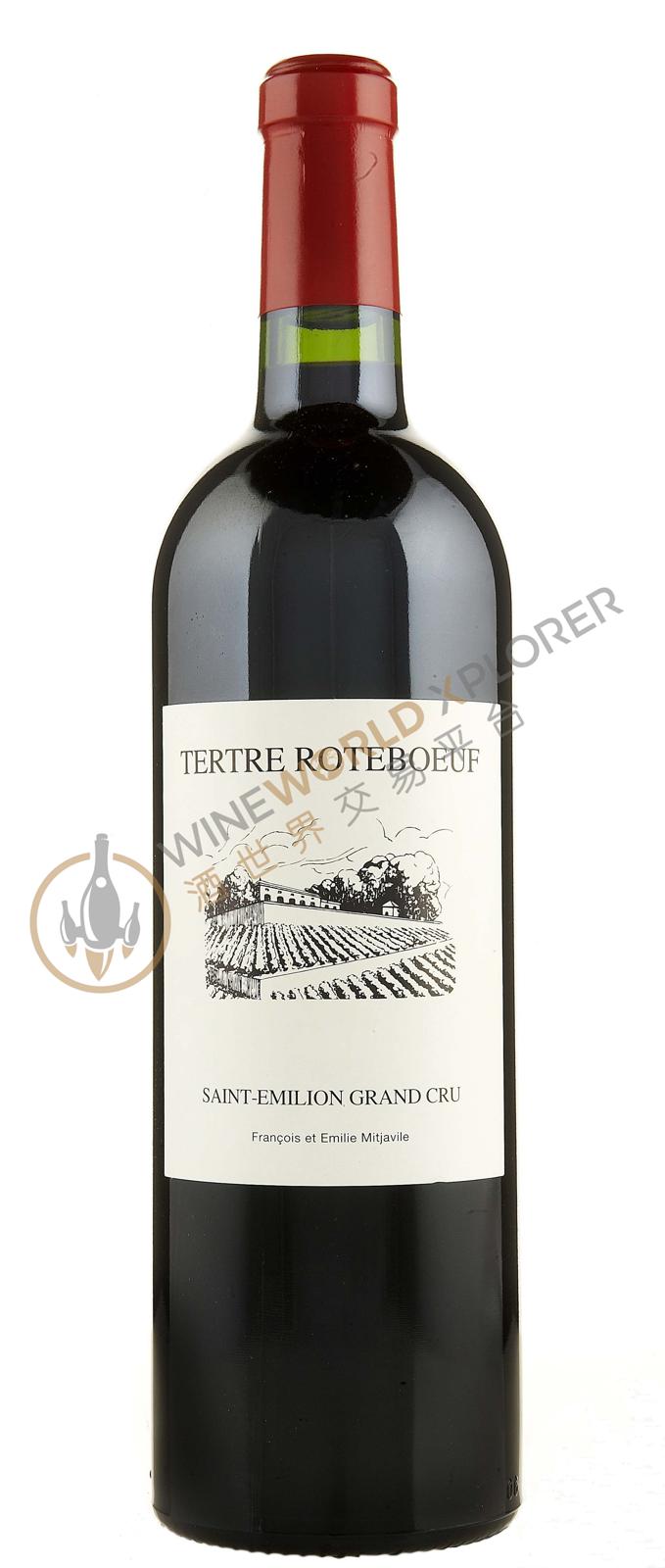
Tertre Roteboeuf 1989
 View analysis


Description
Tasting notes

Reviewed by: Robert M. Parker, Jr.
The 1989 Le Tertre-Roteboeuf may be the most concentrated wine of the vintage. Now that tells you something about Proprietor Mitjavile and his refusal to let yields soar to limits that many of his famous neighbors are permitting with great regularity. The wine is opaque black/purple in color, with a splendid aroma of roasted chestnuts, black fruits, exotic spices, and minerals. It is so rich and concentrated one thinks of the opulence and richness of a Petrus or a Guigal La Mouline rather than a St.-Emilion. Of course, with low yields and picking this late, there is always the danger that the wine can become flabby and over-ripe. Somehow, Mitjavile avoids that, and now that he is using a very high percentage of new oak, the wood frames this awesomely structured and massively concentrated wine. The results reveal winemaking genius. Anticipated maturity: 1995-2010. Last tasted, 6/93.
Reviewed by: Neal Martin
Tasted at an off-line lunch at The Ledbury. This has a rich, decadent nose with macerated black cherry, blueberry, cassis, a hell of a lot of VA lending it a Super-Tuscan veil. The palate is full-bodied with lots of glycerine, prune and damson fruit, very opulent but the finish on this bottle is very volatile and makes it difficult to assess. Tasted October 2009.
Reviewed by: Robert M. Parker, Jr.
The 1989 Le Tertre-Roteboeuf is one of the most concentrated wines of the vintage. That tells you something about Proprietor Mitjavile and his refusal to let yields soar to limits that many of his famous neighbors are permitting. This rich, concentrated wine is opaque black/purple in color, with a splendid aroma of roasted chestnuts, black fruits, exotic spices, and minerals. The new oak frames this awesomely structured and massively concentrated wine. The results reveal winemaking genius. When will it be ready? Given its massive size and low acidity, I anticipate earlier rather than later. Anticipated maturity: 1995-2010.
Reviewed by: Neal Martin
First tasted at "The Square" in Aug-99. Dark intense ruby colour. Intense sweet cherry nose with a huge muscular sweet cherry and aniseed palate. Chewy tannins and massive extraction, this is a very opulent wine. Balanced and very, very long. Another 3-5 yrs. Wonderful expressive St. Emilion. Then at the Tertre vertical in Oct-05. Certainly looking more mature in the glass that the Tertre-Roteboeuf 1990. A very intense, slightly broody palate with cigar box, banana-skin, damp earth. Very complex. Much more restrained than the 1990. The palate is stunning. Full-bodied, superb acidity with supreme focus. Not as much weight as the 1990, this is more feminine, more enigmatic. Some eucalyptus on the finish. An unassuming wine that will be intriguing to see how it evolves.
Reviewed by: Robert M. Parker, Jr.
Two spectacular wines from these vintages, proprietor Francois Mitjavile's 1989 and 1990 are both exotic, opulent, unctuously-textured wines from this splendidly-situated vineyard that in English means, "the hill of the belching beef." The 1989 displays similar aromatics and flavors to the 1990, but comes across as more tannic and backward. Is it going into the so-called "dumb" stage, or is it that the 1990 is so exotic and showy? A great Le Tertre-Roteboeuf, the 1989 is a massively-endowed wine with full blown aromas of bacon fat and sweet fruit. As someone once said, tasting these wines is akin to swallowing liquefied chocolate-covered, overripe cherries. The 1989 will benefit from another 2-3 years of cellaring; it will last for two decades. It may turn out to be the more classical wine of this duo, but not necessarily superior.
Reviewed by: Robert M. Parker, Jr.
The 1989 Le Tertre-Roteboeuf is one of the most concentrated wines of the vintage. That tells you something about Proprietor Mitjavile and his refusal to let yields soar to limits that many of his famous neighbors are permitting with great regularity. The wine is opaque black/purple in color, with a splendid aroma of roasted chestnuts, black fruits, exotic spices, and minerals. In the mouth, it is so rich and concentrated one thinks of the opulence and richness of a Petrus or a Guigal La Mouline rather than a St.-Emilion. Of course, when anyone has low yields and picks this late, there is always the danger that the wine can become flabby and over-ripe. Somehow, Mitjavile avoids that, and now that he is using a very high percentage of new oak, the wood frames this awesomely structured and massively concentrated wine. The results reveal winemaking genius. When will it be ready? Given its massive size and low acidity, I anticipate earlier rather than later maturing. Anticipated maturity: 1995-2010. NOTE: Most retailers report that this overachiever has been sold out since the 1989s were offered as futures in late spring, 1990. Tasted six times. Consistent notes.
Reviewed by: Robert M. Parker, Jr.
The 1989 is an extraordinary wine.
Reviewed by: Neal Martin
Tasted twice, once lunching Francois and Miloute at the chateau and then again with his UK agent at the Southwold tasting from magnum. Always an outstanding ’89, the Tertre-Roteboeuf is surprisingly reticent on the nose and takes time to open up to reveal aromas of dark cherry, redcurrants, dried blood and a hint of coca. Good definition, but more broody compared to one of its more opulent bottle a couple of years ago. The palate is surfeit with sappy red-berried fruits on the entry, supremely well balanced with structure and sense of symmetry that I had hitherto not appreciated so much. Very pure sweet black cherries and a touch of plum towards the sleek finish. Enormous length – this bottle would suggest that the wine has hardly started motoring! Drink now-2020+ Tasted January 2009.
Reviewed by: Robert M. Parker, Jr.
Deep ruby/purple with slightly more intensity to its hue than the 1990, this full-bodied wine still has a very roasted character intermixed with sweet chocolate Raisinet-like flavors. Sweet, overripe cherries also make an appearance in this thick, juicy, yet structured, rather powerful Tertre Roteboeuf that is aging more slowly than its more renowned sibling, the 1990. This is a classic wine that should continue to repay cellaring. Anticipated maturity: 2005-2020.
Reviewed by: Neal Martin
The 1989 Le Tertre-Rôteboeuf is a vintage that I have not encountered for many years. Provenance probably plays a part, and this magnum was stored on release by François Mitjavile’s UK agent. It has a deep hue with little aging on the rim and thick tears in the glass. The bouquet is broody at first, then bursts open with dark cherry, raspberry, morels and crushed stone, offering more blue fruit as it gradually responds to aeration. The structured, concentrated palate conveys a sense of beguiling symmetry. It is beautifully balanced with layers of black fruit infused with black truffle and hints of white pepper, and its satin texture belies the backbone on the finish that will ensure that well-stored bottles like this will give another 20 years of drinking pleasure. Superb. Tasted at the 1989 Bordeaux dinner at Hatched in London.
About the Producer
Tertre Roteboeuf is located in the Saint-Emilion region of Bordeaux, France, and is one of the top local wineries. Chateau Rotbouf owns 5.7 hectares of vineyards, mainly located in the southeast of Saint-Émilion. The soil in the garden is mostly limestone and clay soil. 80% of the vineyard is planted with Merlot and 20% with Cabernet Franc. The average age of the vines is 40 years, with some Cabernet Franc vines approaching 50 years old. The way of cultivating vines in Rotpov Winery is different. The vines are mainly cultivated in a low cultivation method, which is conducive to the formation of a unique microclimate in the vineyard, making the temperature of the vineyard higher than that of other nearby vineyards. These are conducive to the ripening of grapes. Due to the fact that the vineyards are located in cooler climates, Rotpov often delays the picking of the grapes. The picked grapes are screened, pressed, and then fermented in traditional cement vats. The wine obtained from fermentation will undergo malolactic fermentation (Malolactic Fermentation) in wooden barrels. The winery will mature the wine in new French oak barrels for 18 to 24 months. Chateau Rotbouve has reached the standard of classified winery, but the winery insists not to join the classification system. Such a decision did not affect the status of Chateau Rotbouf in Saint-Émilion or even Bordeaux at all, and the price and market demand of the winery of the chateau have always been at the forefront.
Package Size