Wine Advisor



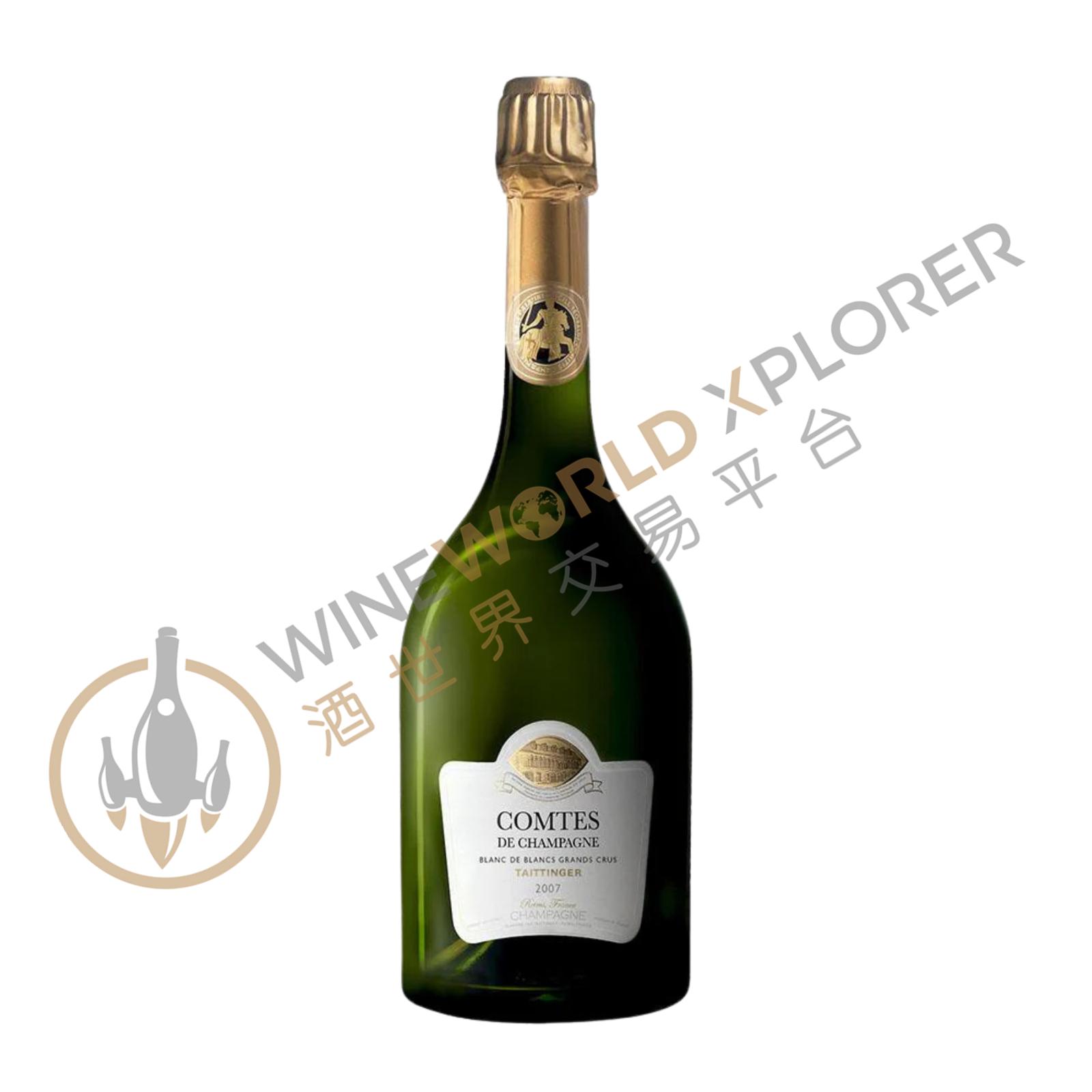
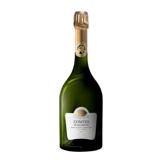
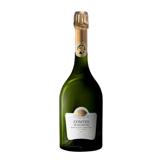
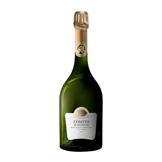
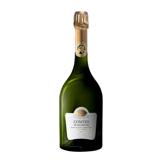
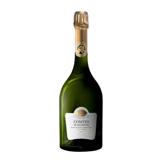
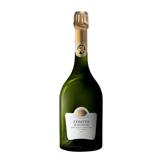
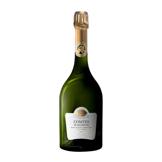
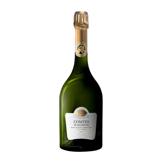
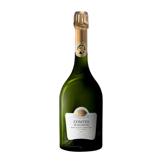
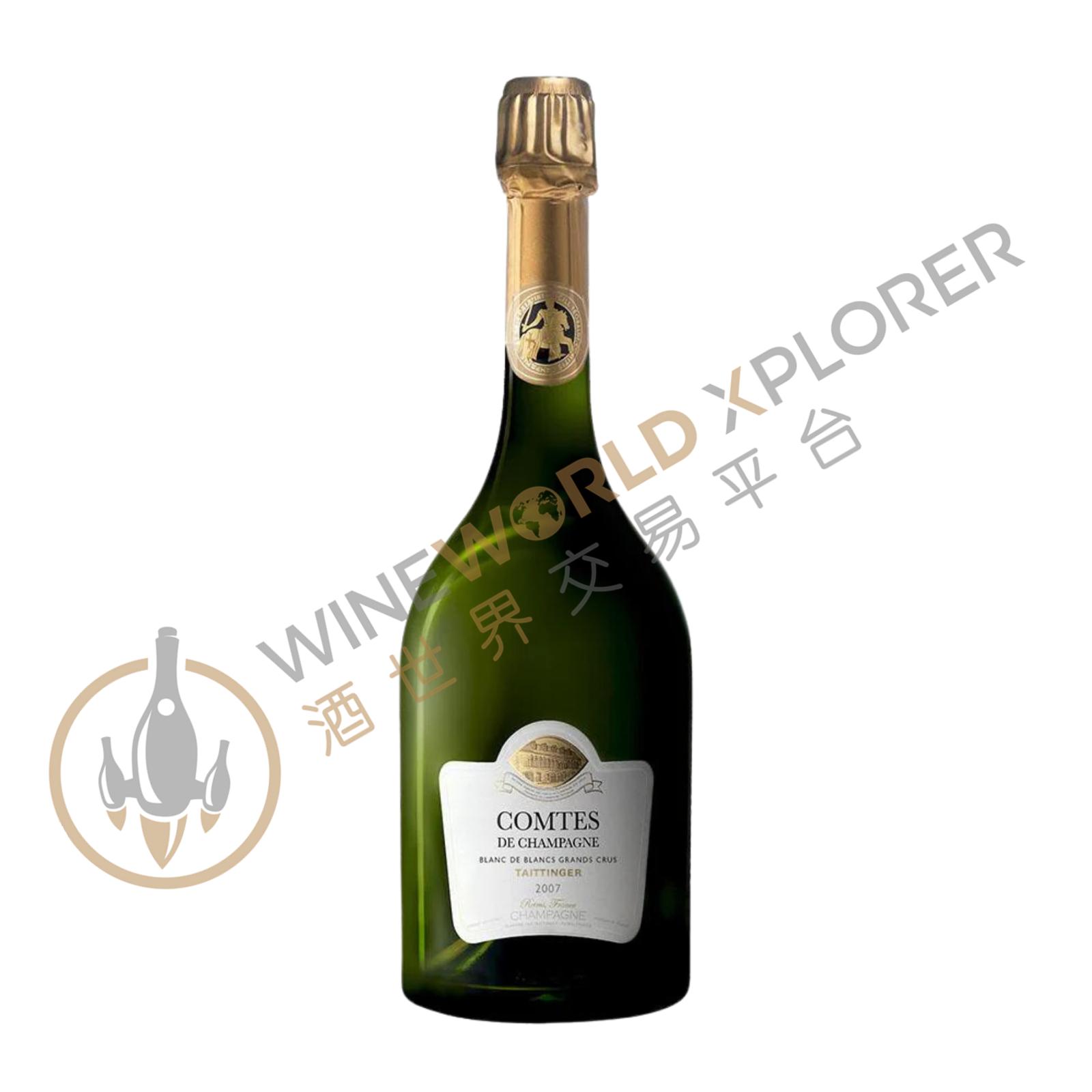
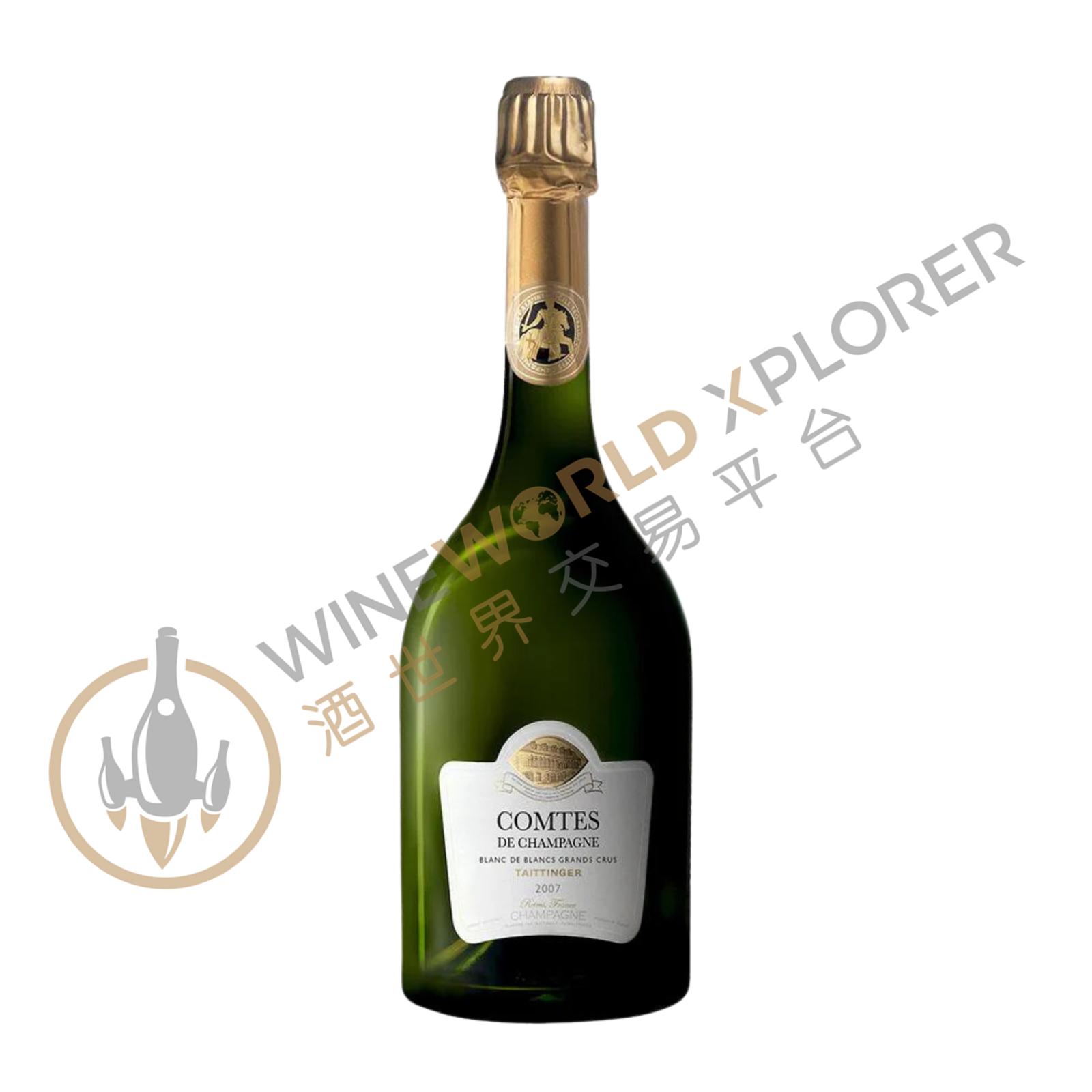
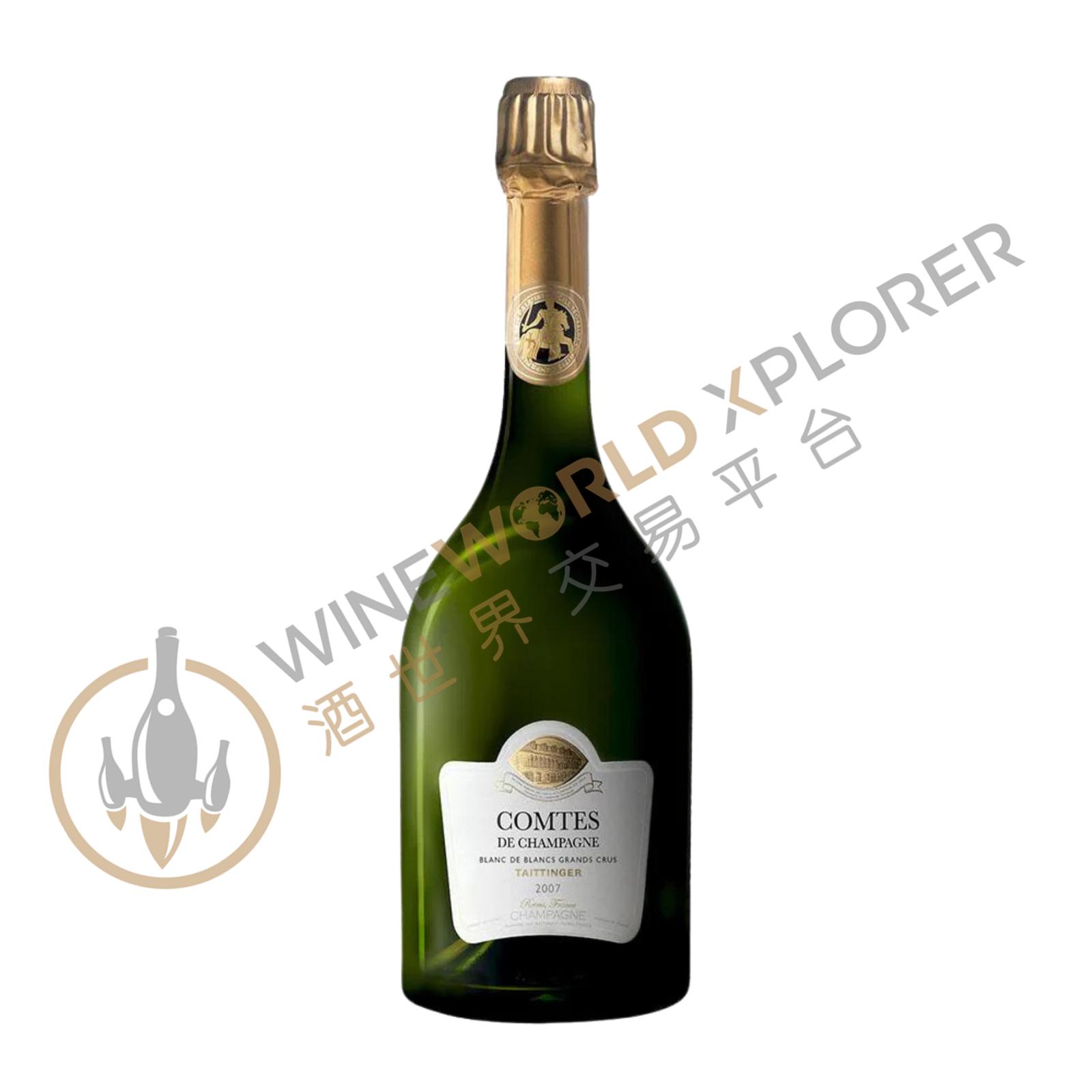
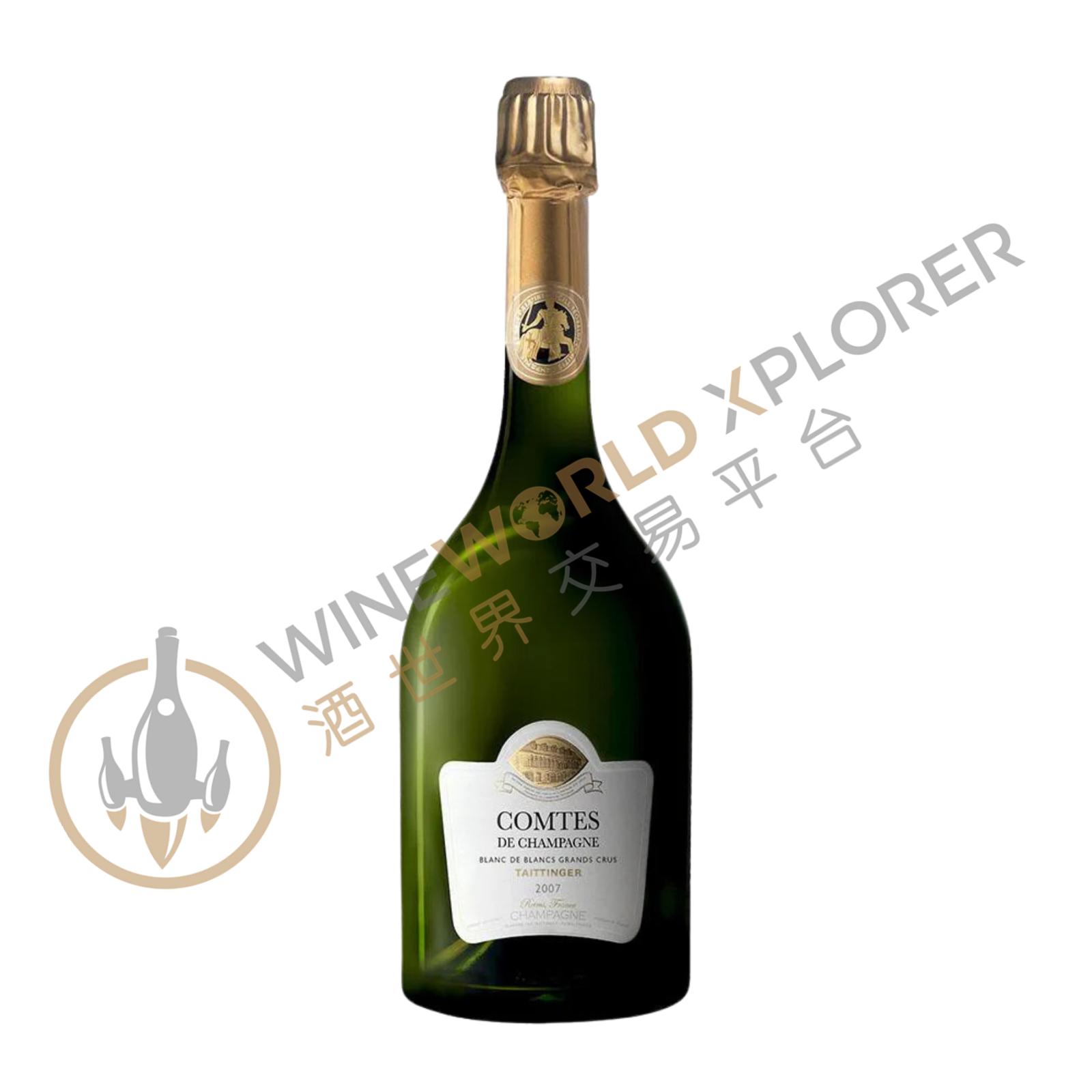
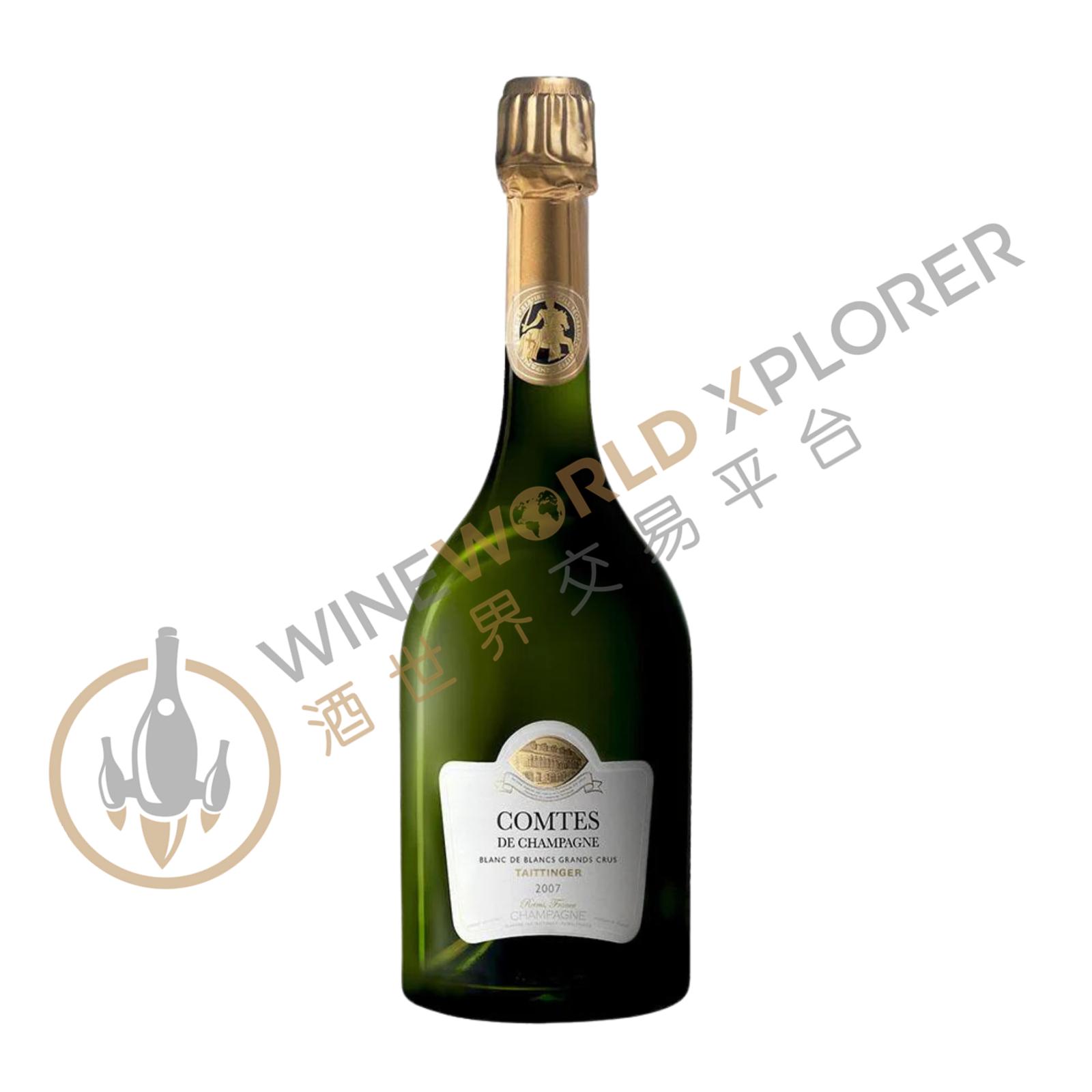
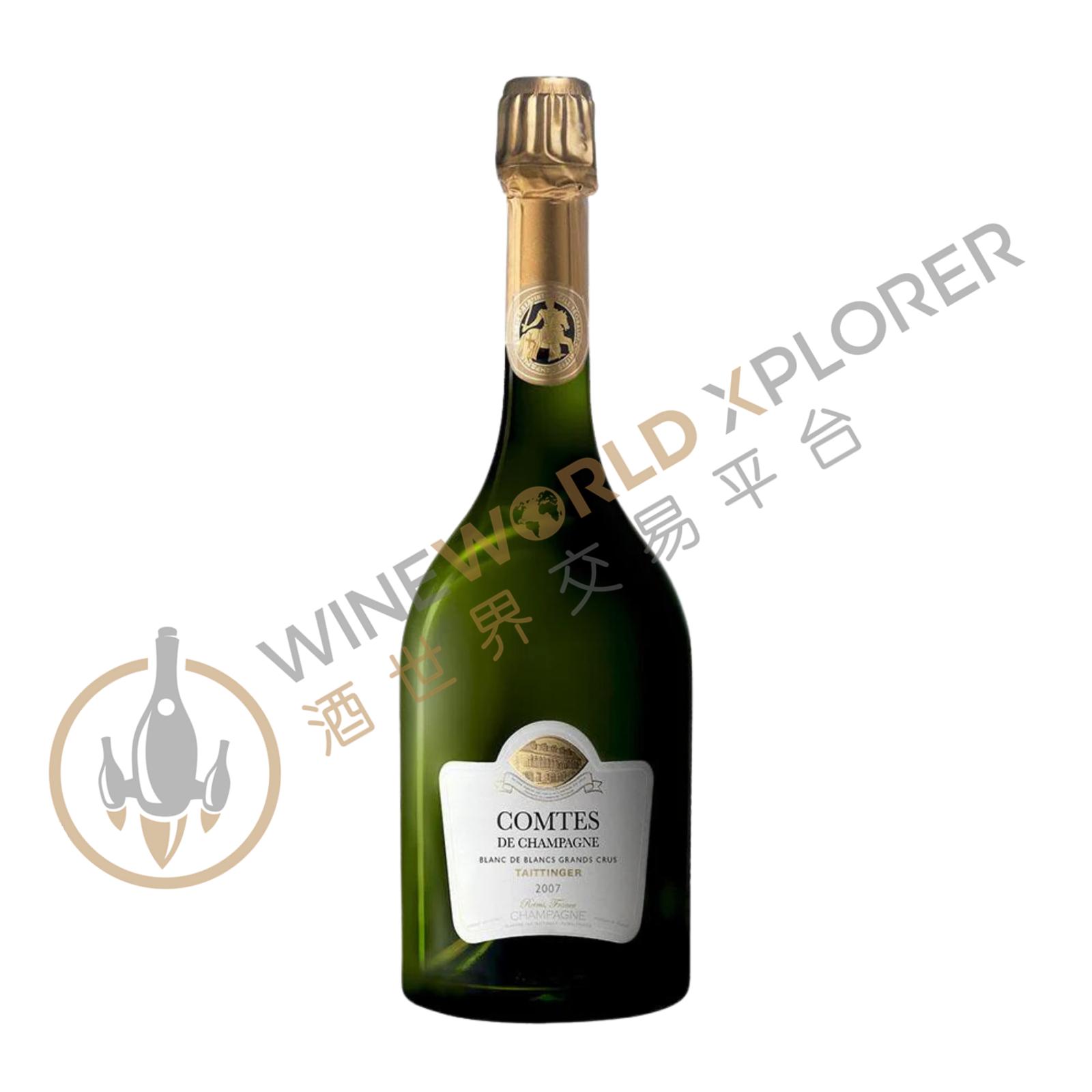
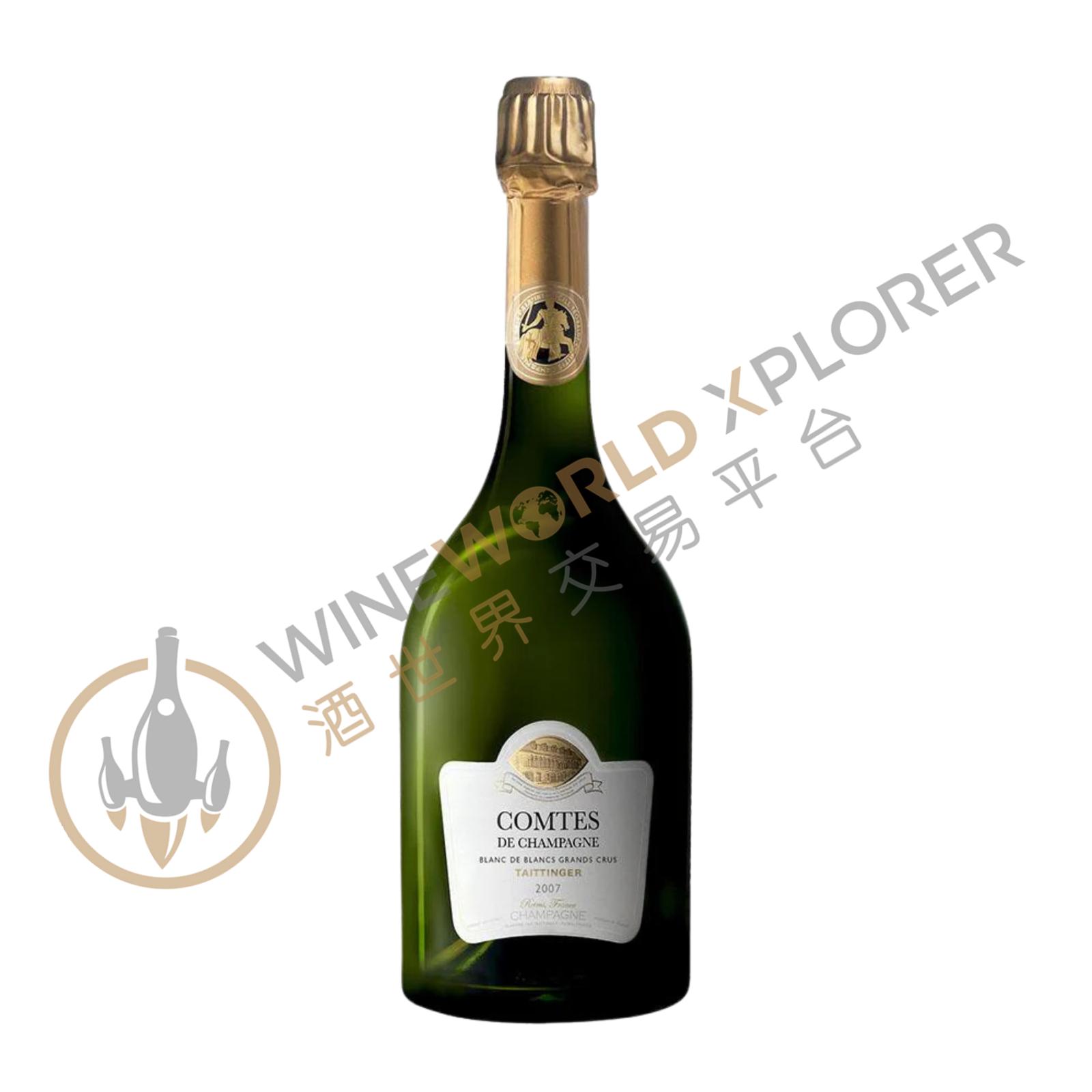
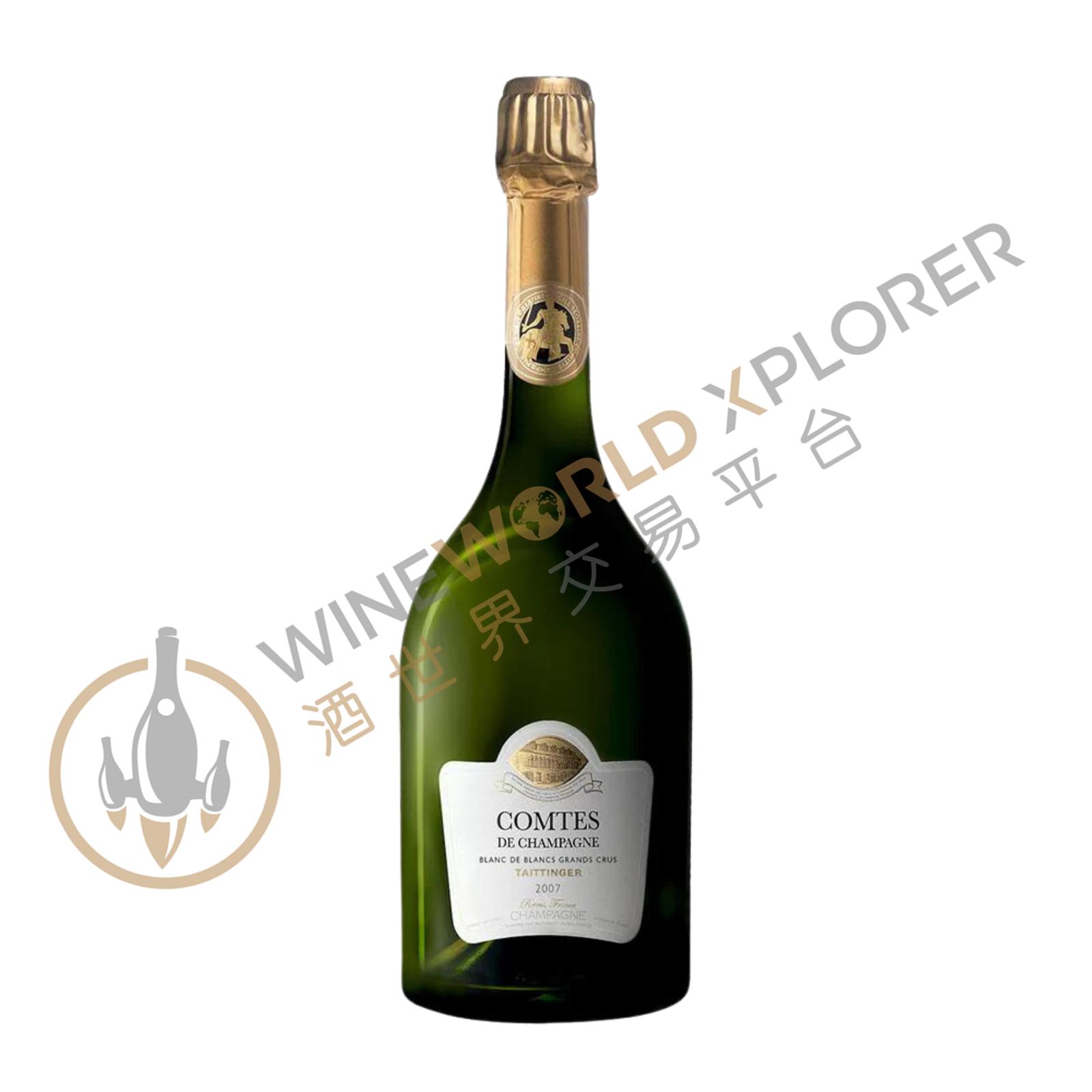
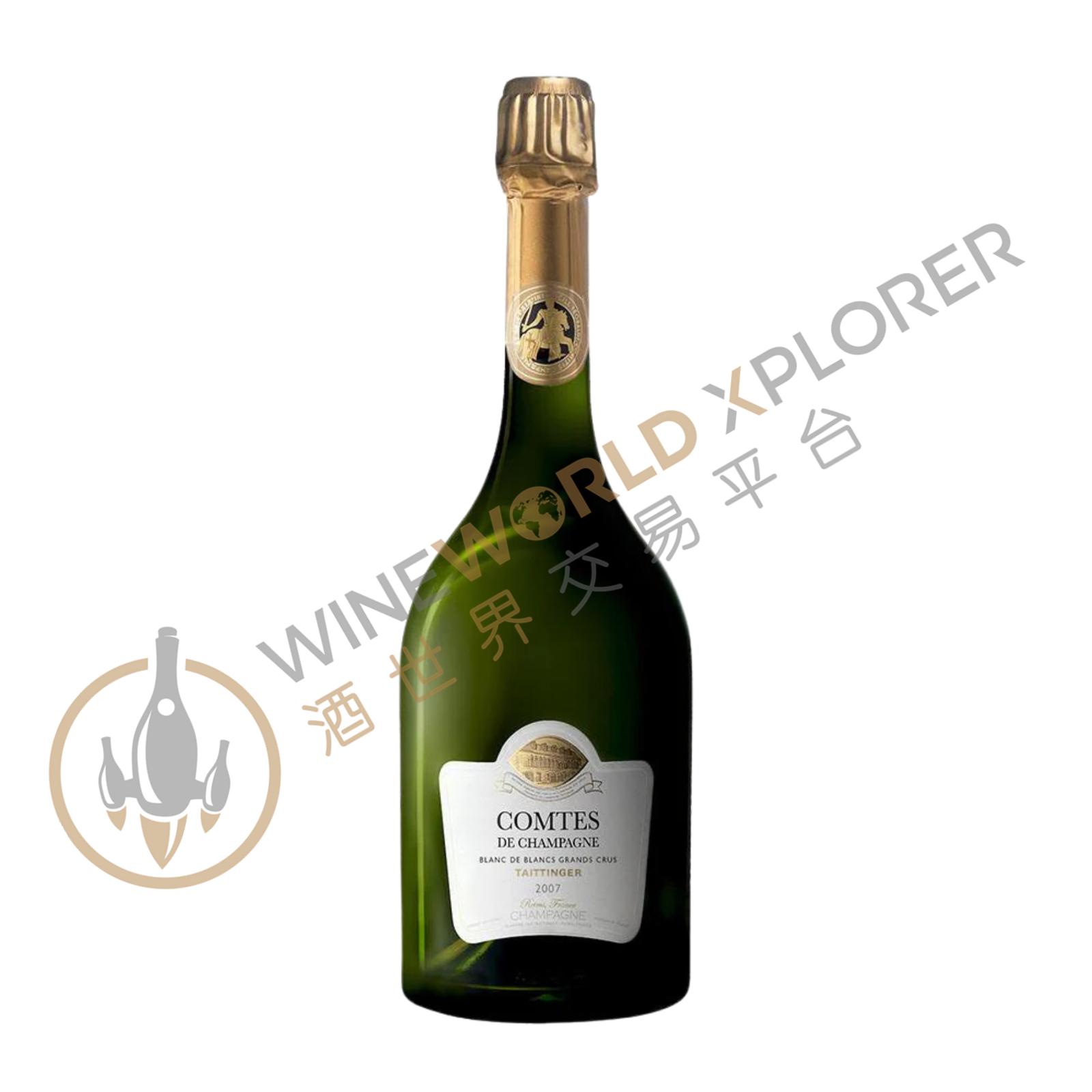
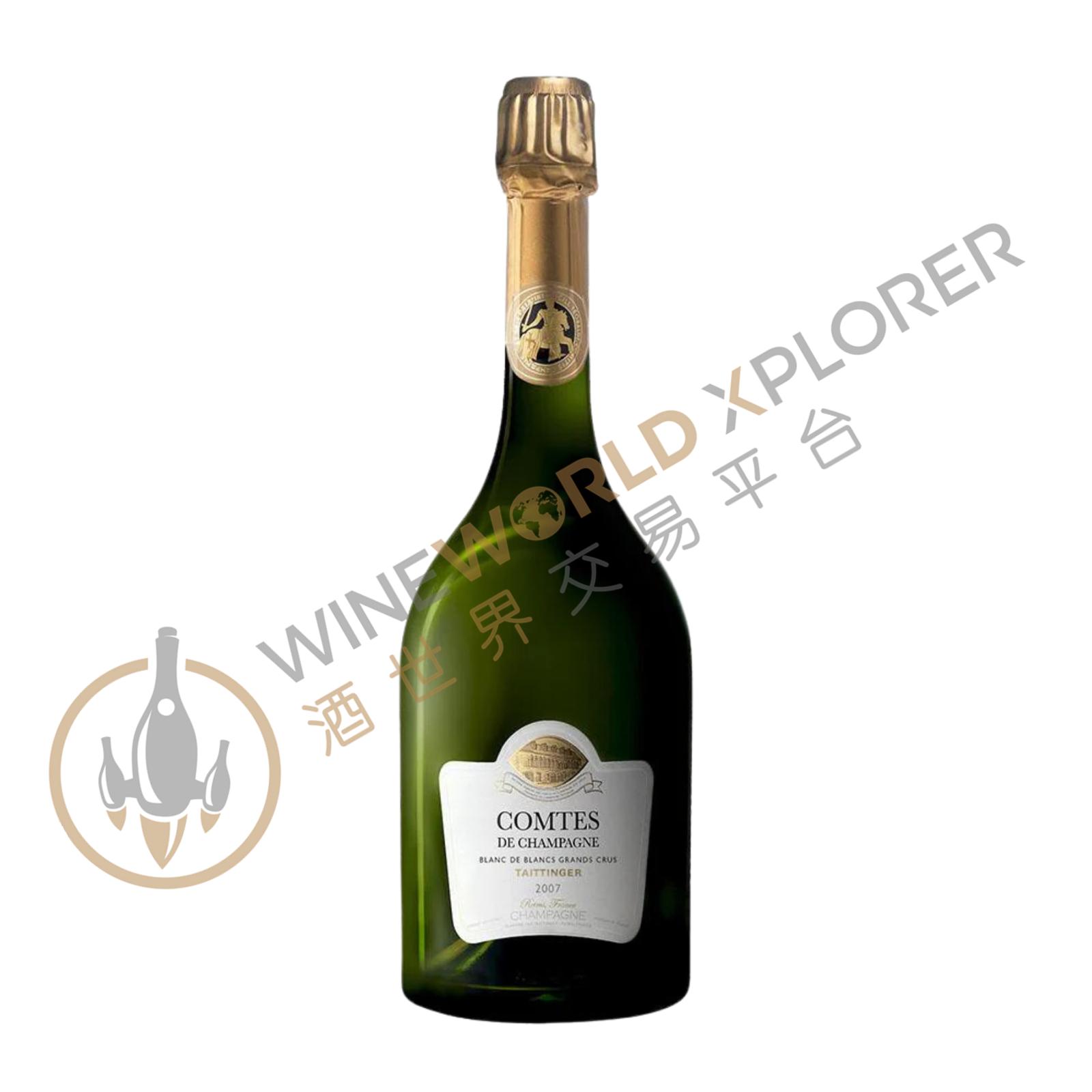
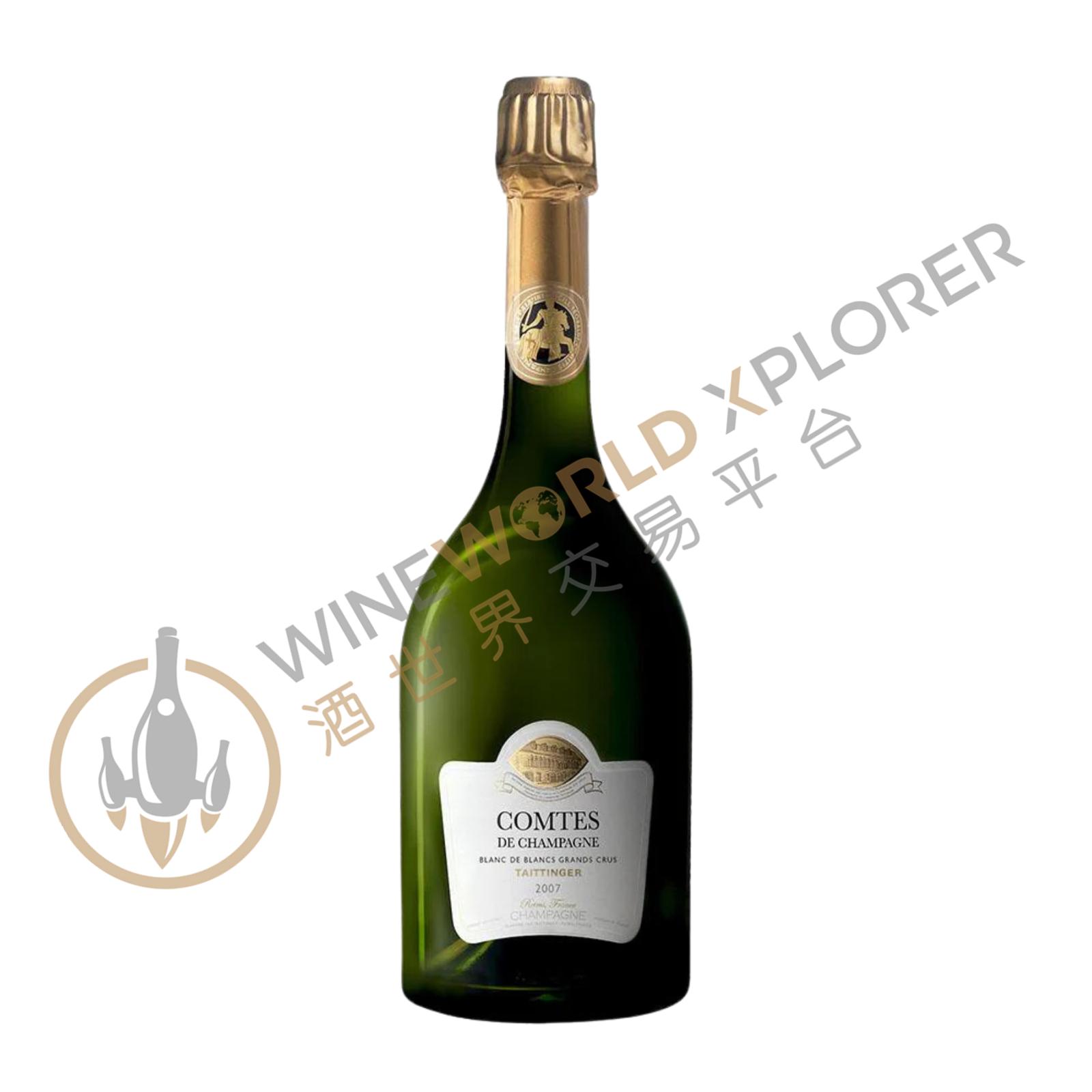
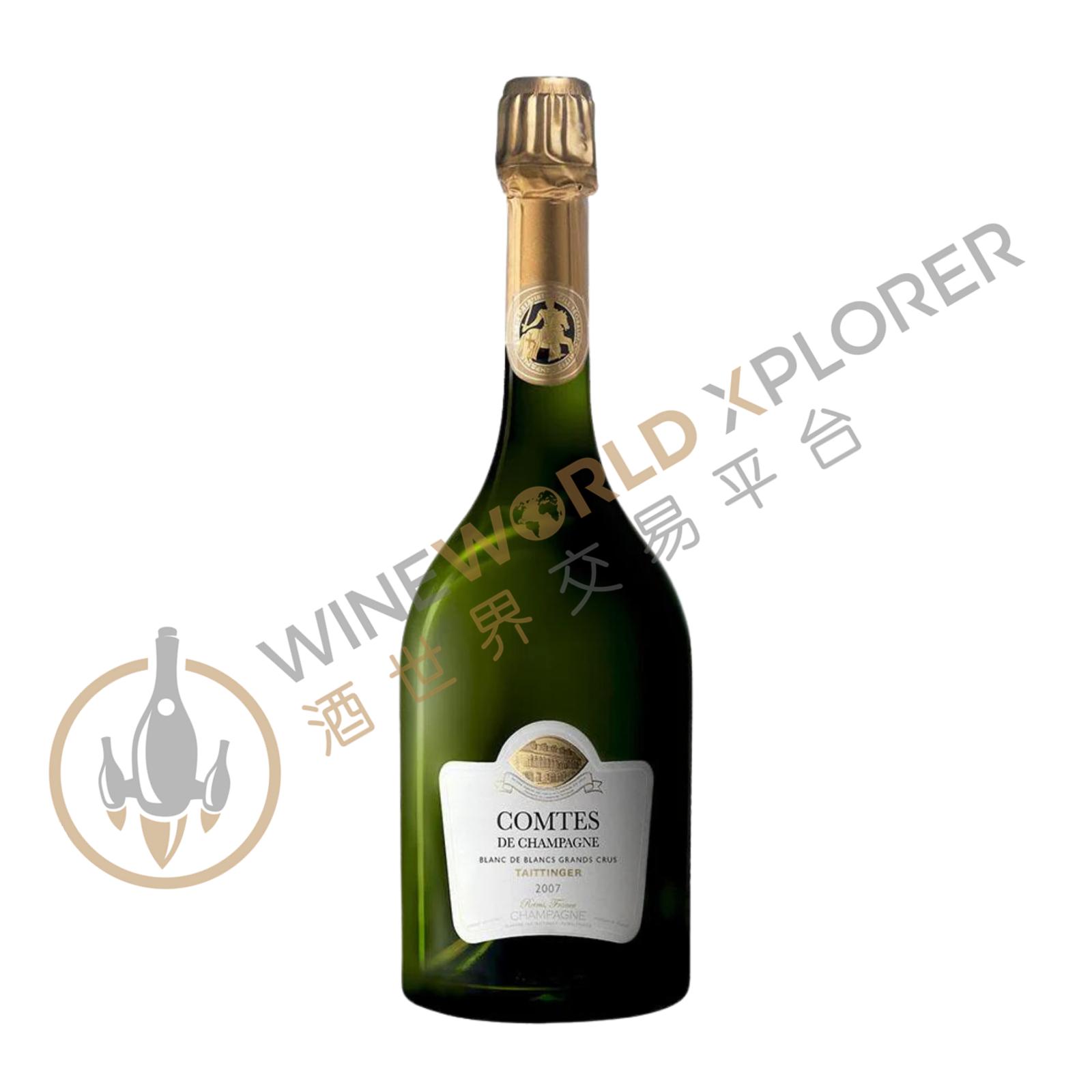
Taittinger, Comtes de Champagne Blanc de Blancs Brut 1998


Description
In 1952, the Taittinger Champagne House created the Comtes de Champagne Blanc de Blancs - its most exclusive and premium cuvée - in honour of the Comtes de Champagne and in particular Thibaud IV, whose seal proudly adorns every bottle of Taittinger. It is made only with Chardonnay grapes from the Grands Crus of the Côte des Blancs region, including the villages of Avize, Cramant, Chouilly, Mesnil-sur-Oger and Oger, which all have a renowned soil quality for this particular variety in the region. "Small Quantity, Premium Quality" Taittinger’s own criteria govern the production of the Comtes de Champagne putting an emphasis on quality rather than quantity.
Tasting notes

Reviewed by: Antonio Galloni
The 1998 Comtes de Champagne is a different story altogether. This is a sexy, up-front Comtes endowed with lovely richness in its fruit and open, expressive aromatics. It remains an impressive, inviting Comtes that should also continue to develop nicely in the bottle for at least another decade plus. Anticipated maturity: 2010-2025.
Reviewed by: Antonio Galloni
The 1998 Blanc de Blancs Comtes de Champagne is simply beautiful. Sweet notes of honey are intermingled with candied citrus peel, flowers, smoke and minerals as this gorgeous wine opens up in the glass. Comtes de Champagne is always an understated, elegant wine, but its pedigree is impossible to miss. Readers seeking instant gratification will find much to admire even today, but this is clearly a wine that has the potential to develop positively in bottle. If past vintages are an accurate indication, the wine should acquire the liqueur-like sweetness in bottle that is its hallmark over time. Old vintages of Comtes de Champagne are unlike any other wine. The Comtes de Champagne is 100% Chardonnay from the grand cru villages Avize, Cramant, Chouilly, Beergers-les-Vertus, Vertus and Mesnil-sur-Oger. A small amount of the wine is aged in new French oak barrels. Anticipated maturity: 2008-2028. This is Lot: L7081UB10000, disgorged February 5, 2007 Taittinger is one of Champagne’s historic houses. The estate is best known for its Blanc de Blancs Comtes de Champagne, a wine that has a strong track record of developing beautifully in bottle, often for several decades after release. While a few bottles in the range aren’t quite up to par, in aggregate this is an impressive showing for a house of this scale. Importer: Kobrand Corp., Purchase, NY; tel. (914) 253-7756
Reviewed by: Neal Martin
This has an attractive chalky nose with touches of lime and green apples. Very crisp and well defined. The palate is also very delineated and tense with crisp green apple and on the finish. Medium length. Well-crafted. Tasted April 2008.
About the Producer
A Great Champagne House, which has quickly established itself as one of the most prestigious in the region, Taittinger is founded upon exceptional cuvees from the greatest terroirs of Champagne. The history of the Taittinger Champagne House begins at the beginning of the 20th century. Taittinger developed his brand’s identity gradually, building its identity upon a daring and innovative style. In 1932, Taittinger became one of the most important references among the great Champagne Houses. The noble Chardonnay became the emblematic grape variety of the House, producing brilliant wines full of finesse, elegance and an ethereal lightness. Since 2006, Pierre-Emmanuel Taittinger, along with his daughter Vitalie and his son Clovis, has been at the helm of the business started by his ancestors. Thanks to the great commitment of a united and dedicated family, Taittinger has maintained a winning spirit and a certain consistency of style, marking this beautiful Champagne House. The Taittinger Champagne House boasts a wealth of very precious and rare vineyards. In order to preserve the invaluable genetic heritage that is the signature of the Taittinger brand, the estate has chosen mass selection for more than 90% of its vines. In addition to Pinot Noir (48%) and Pinot Meunier (15%), a pride of place is given to Chardonnay (37%), the variety that leaves its print most significantly on the cuvées of the House.