Wine Advisor



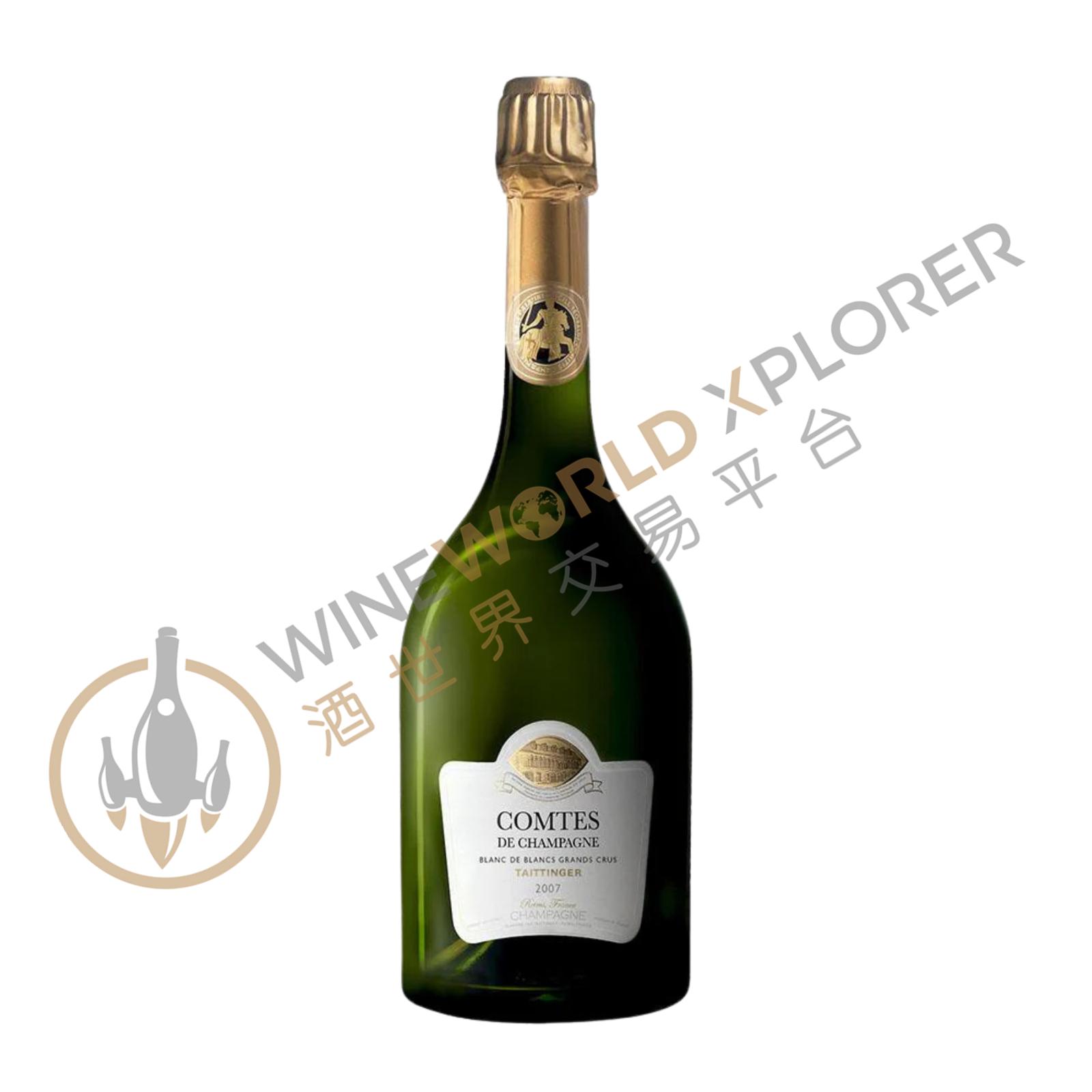
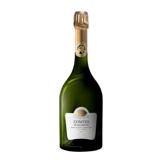
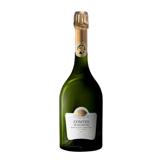
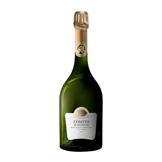
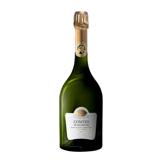
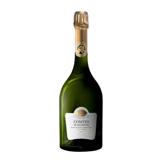
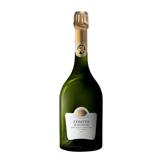
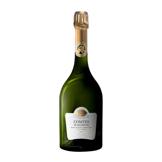
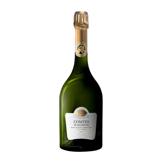
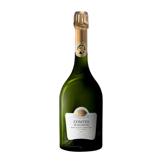
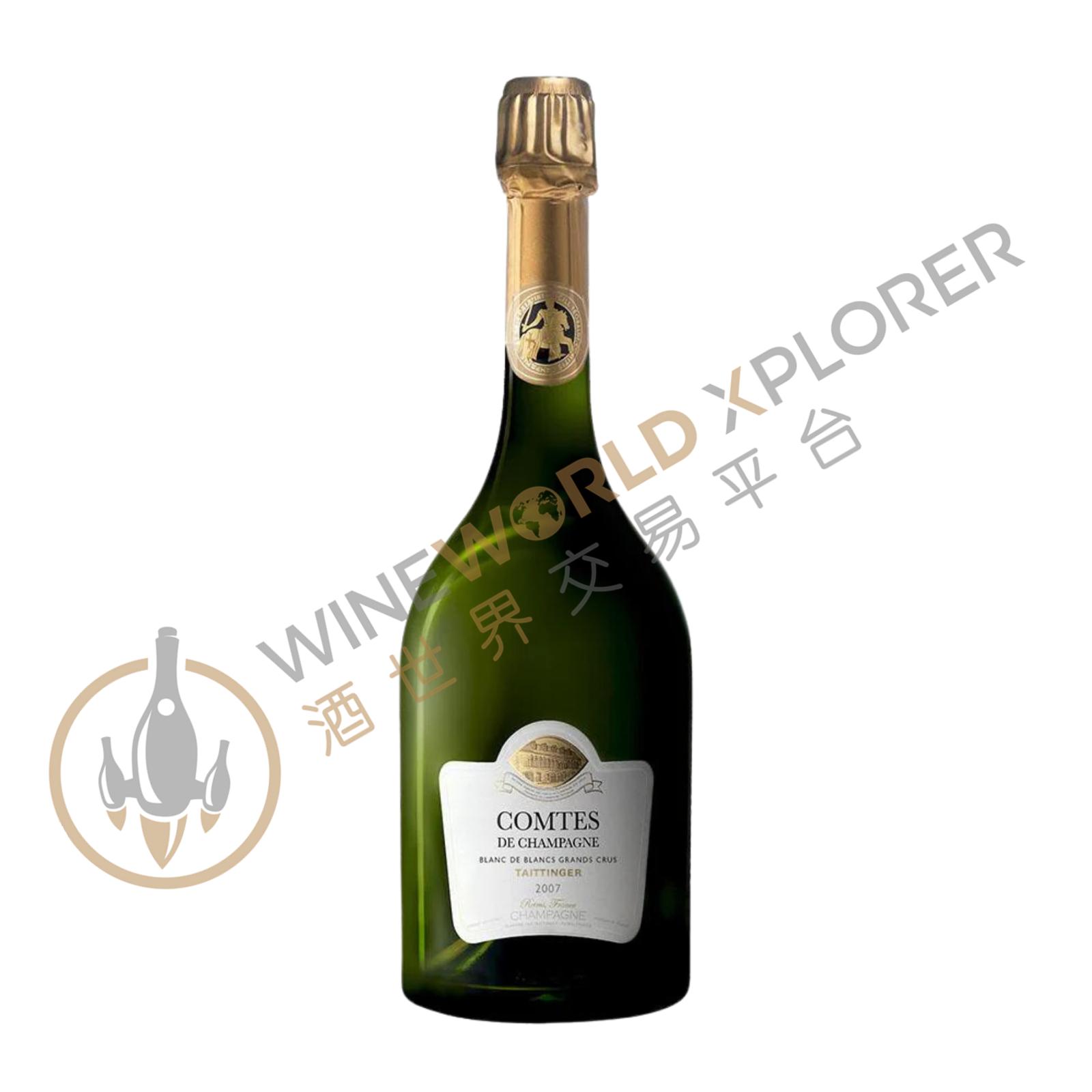
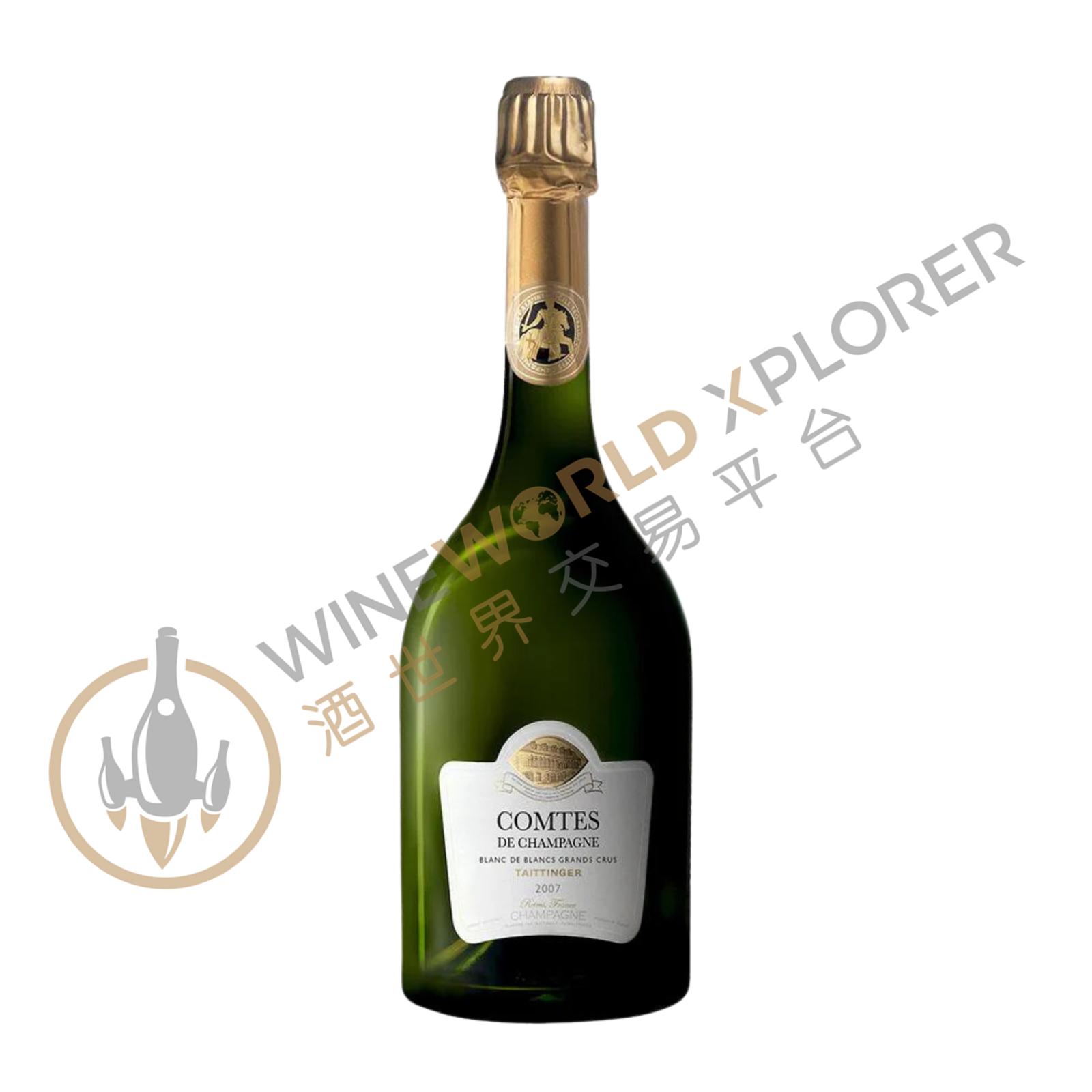
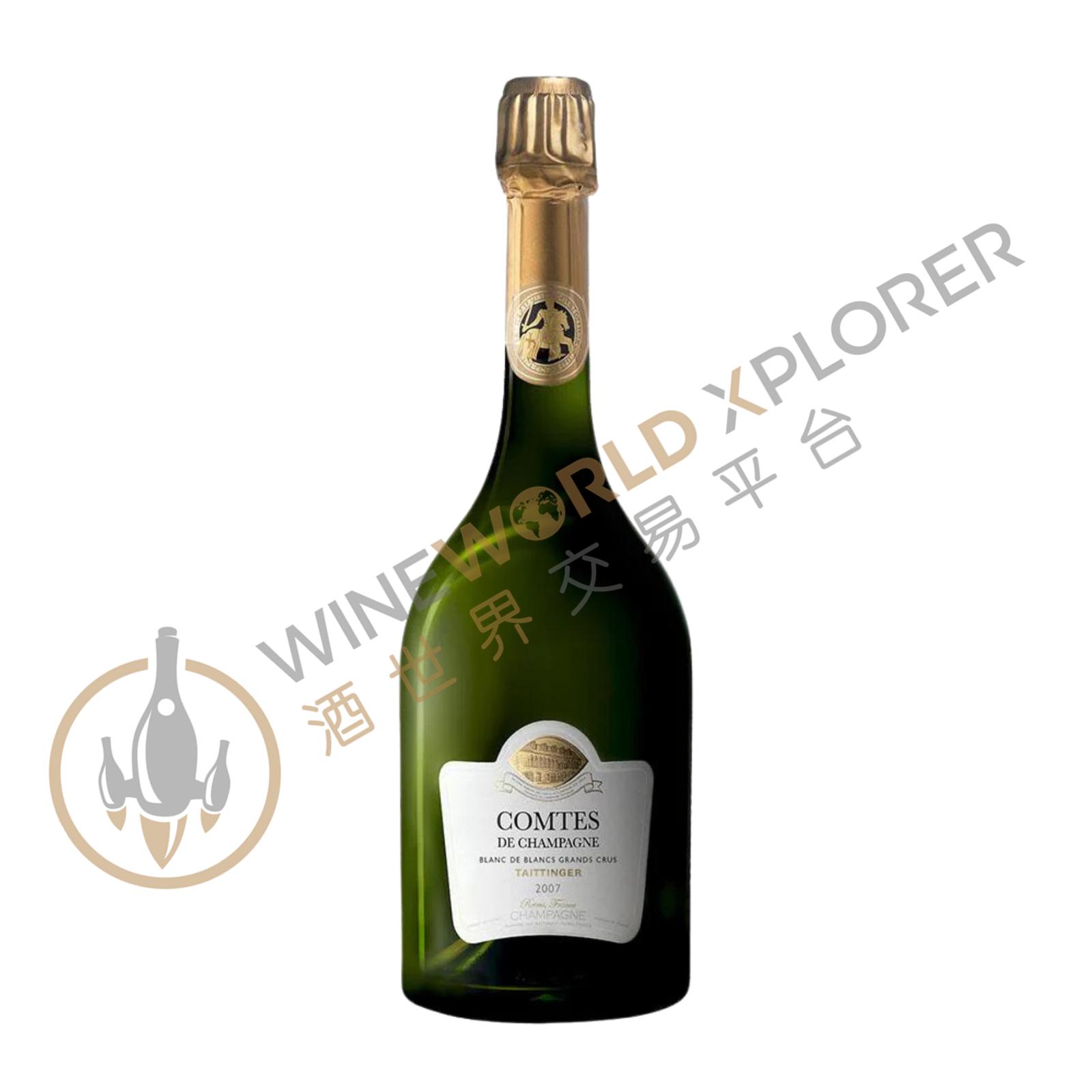
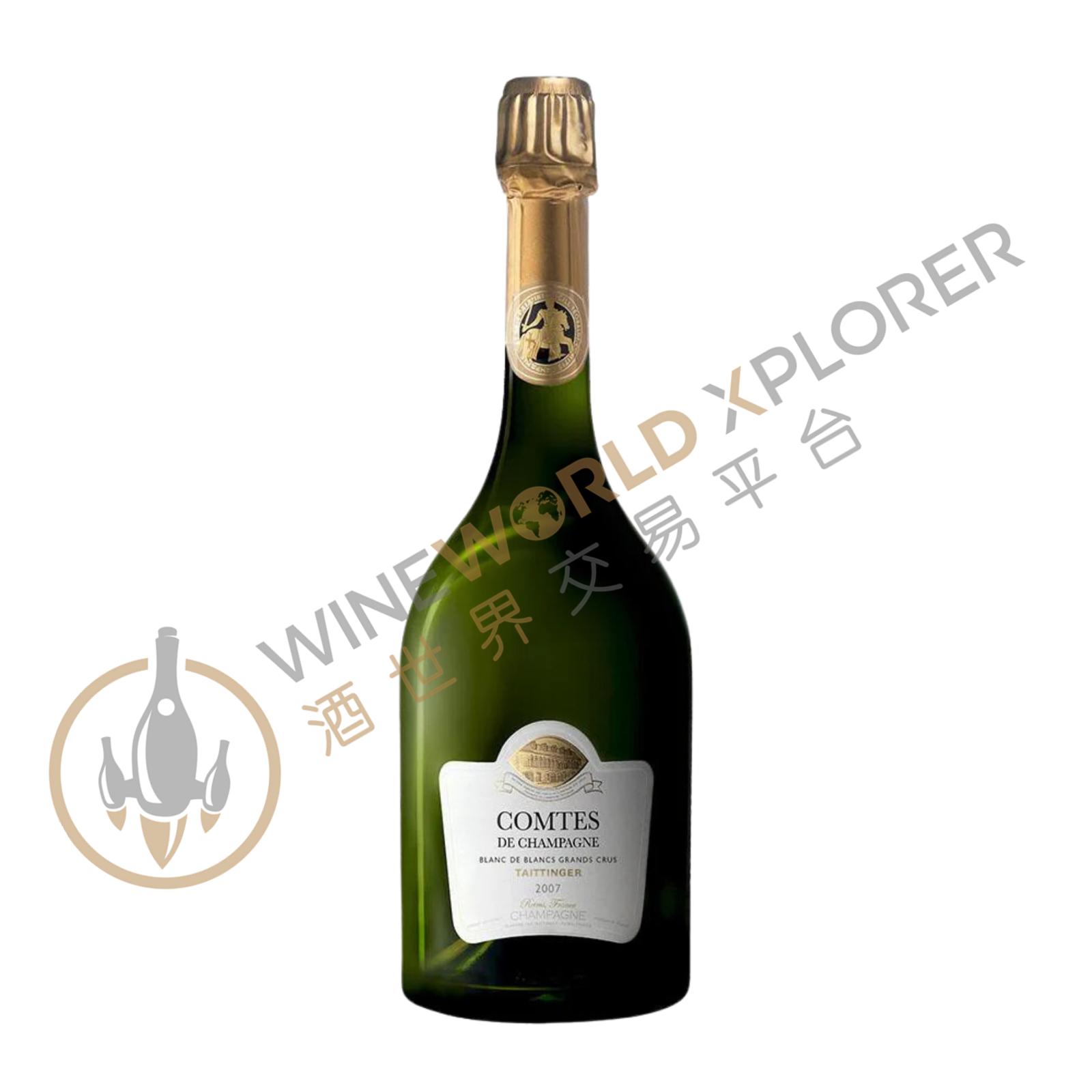
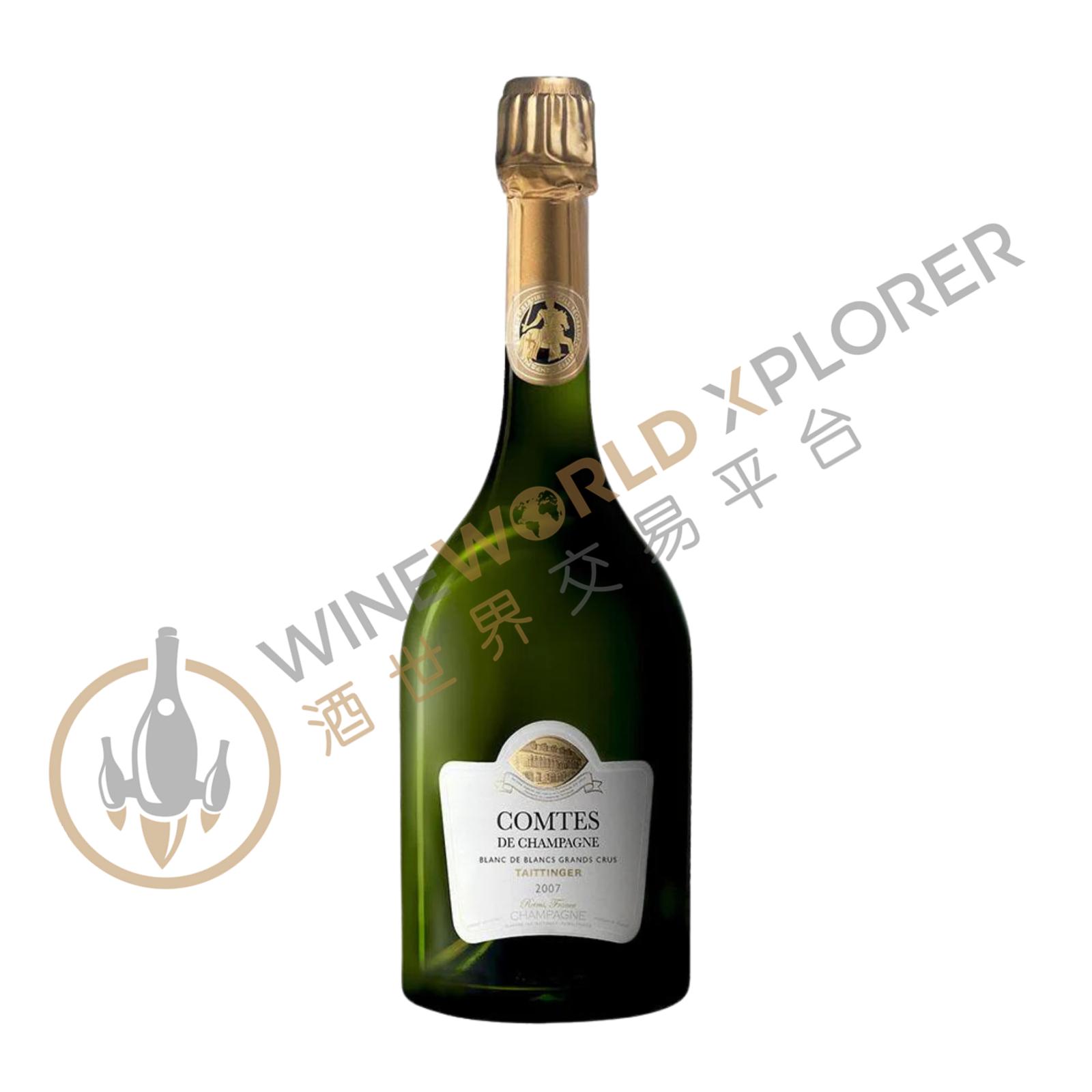
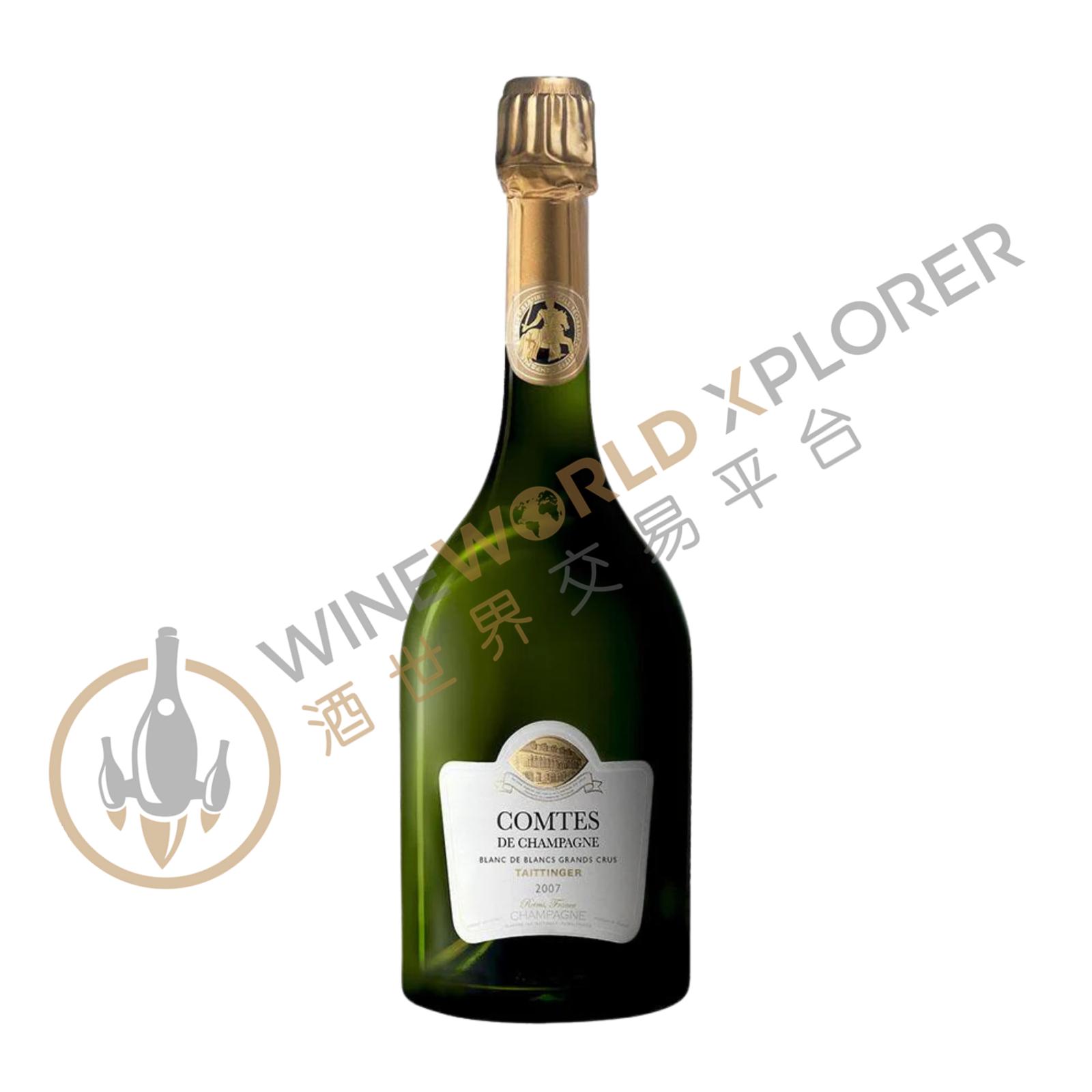
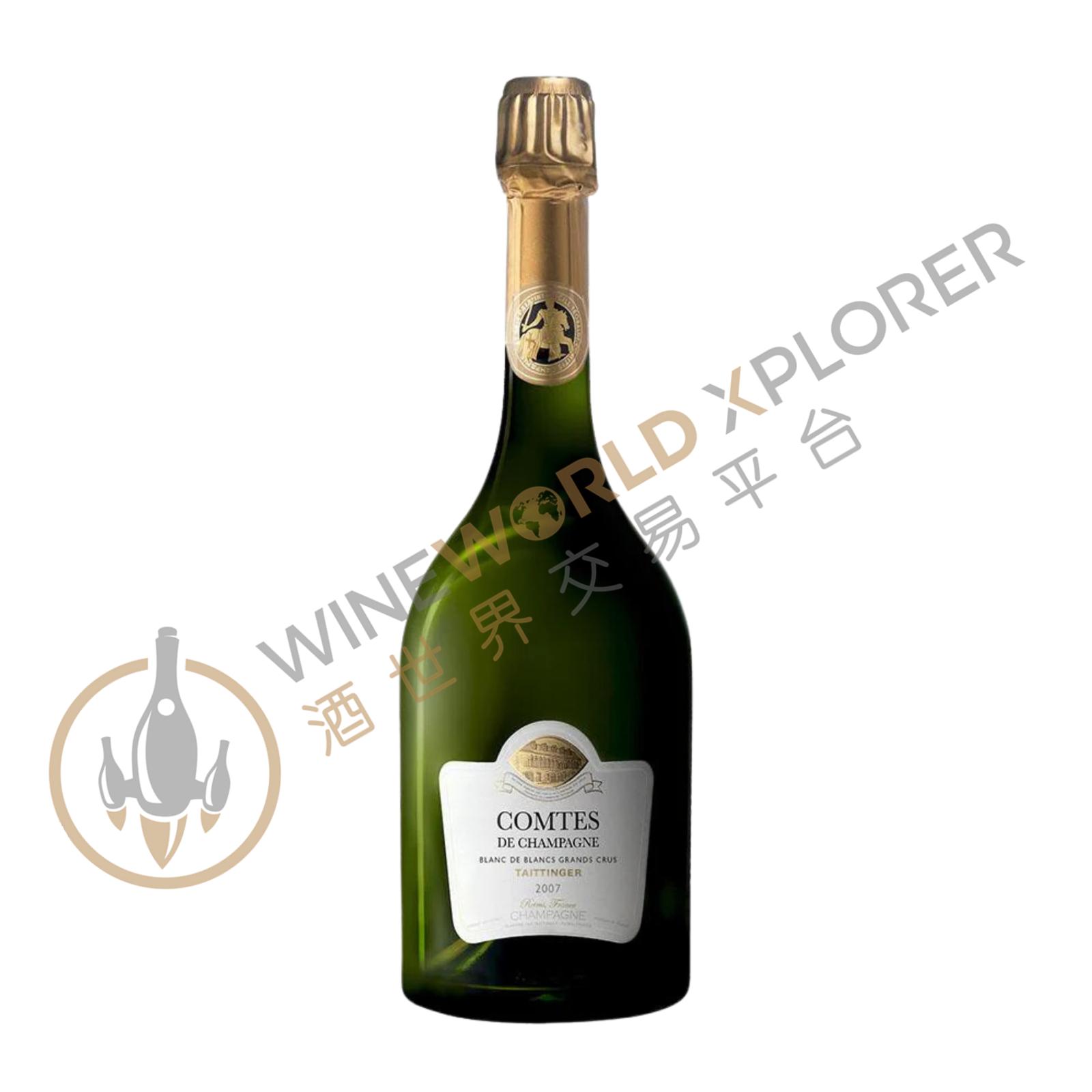
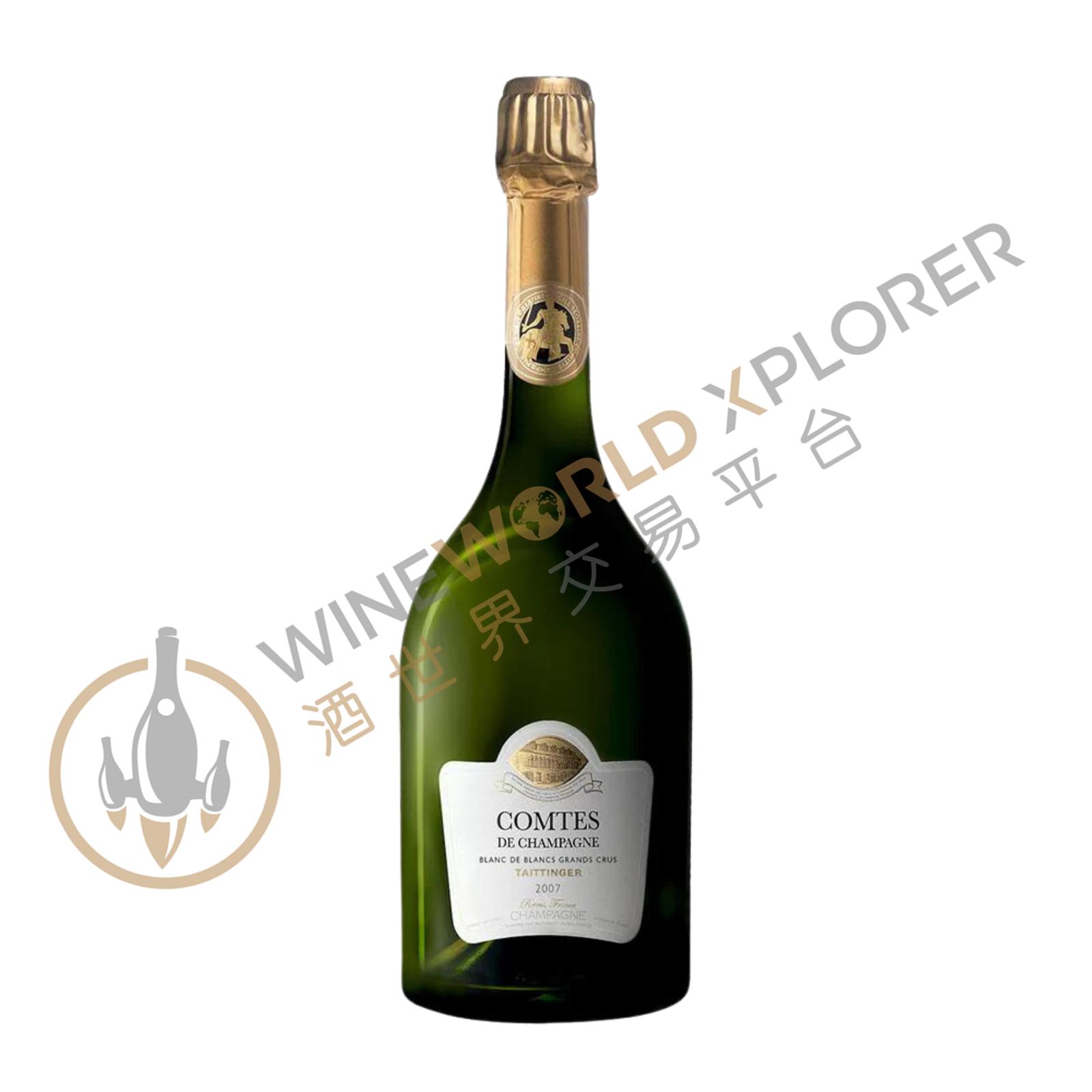
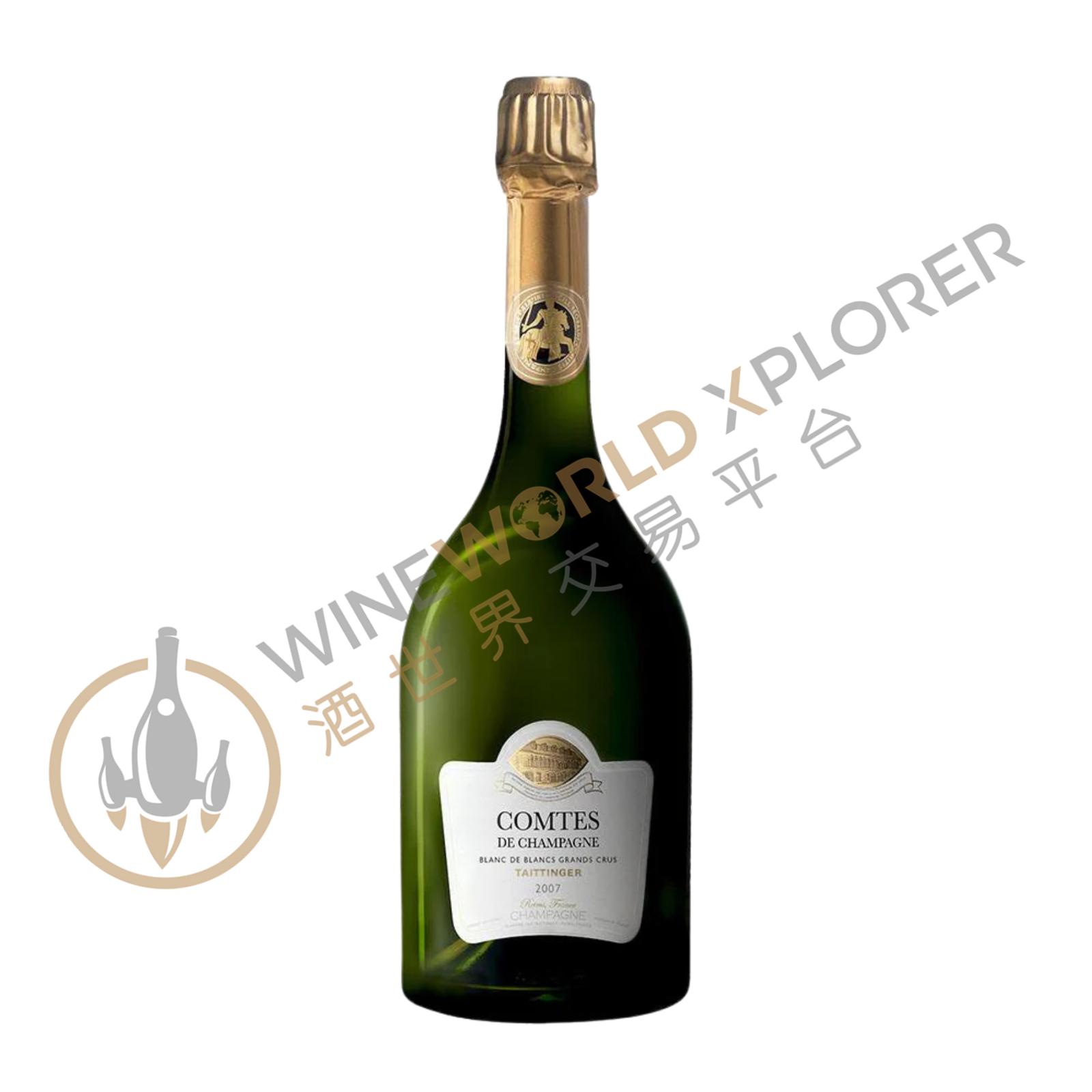
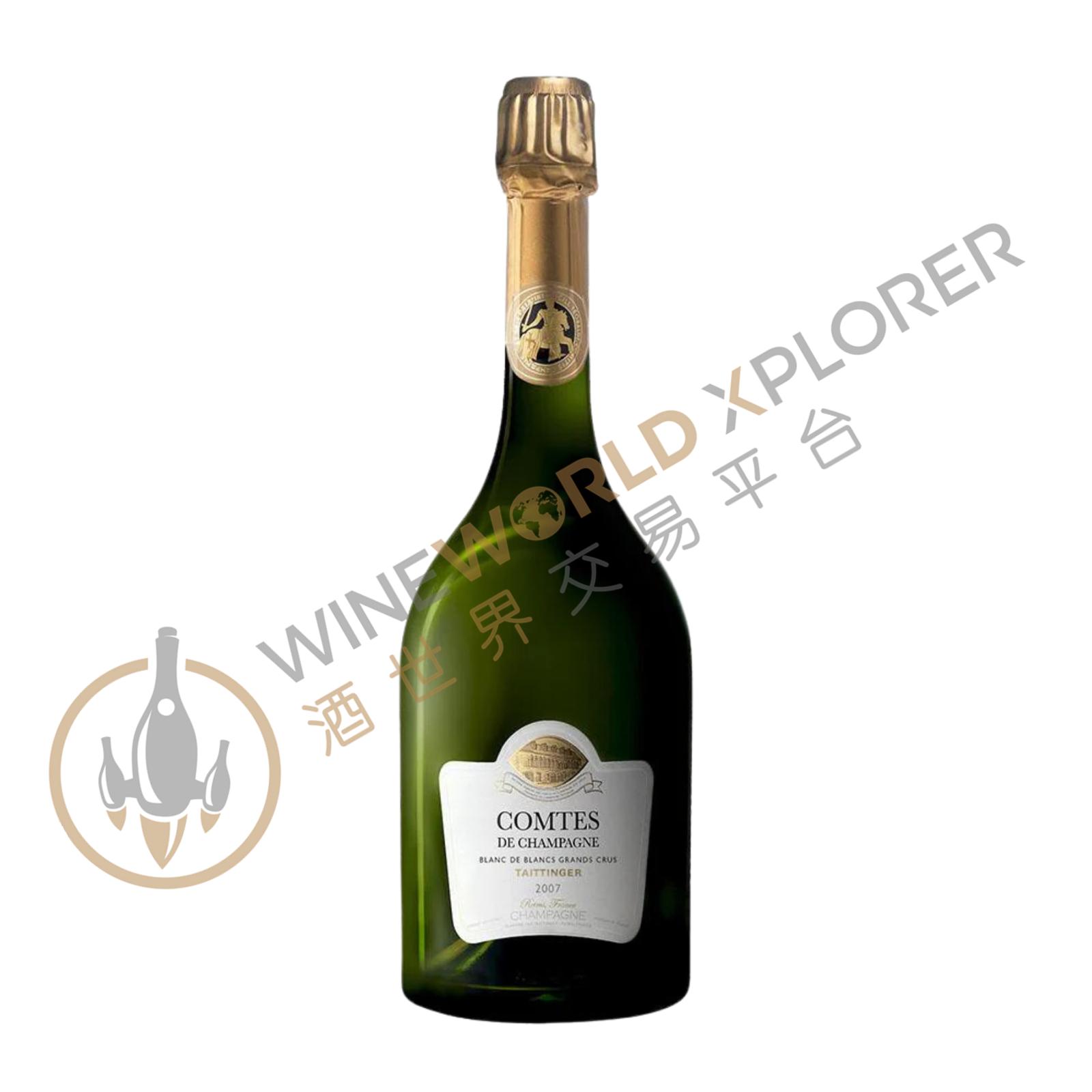
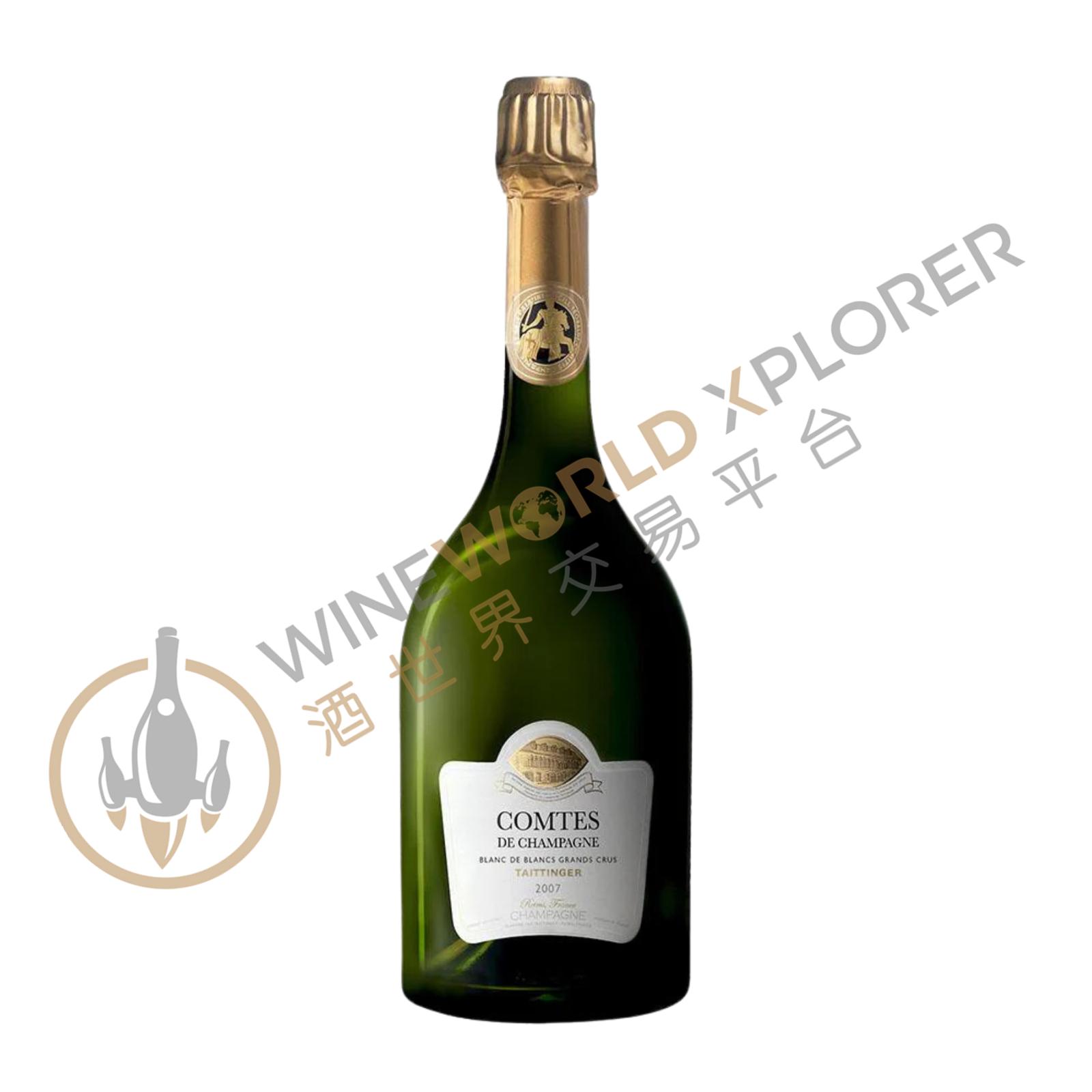
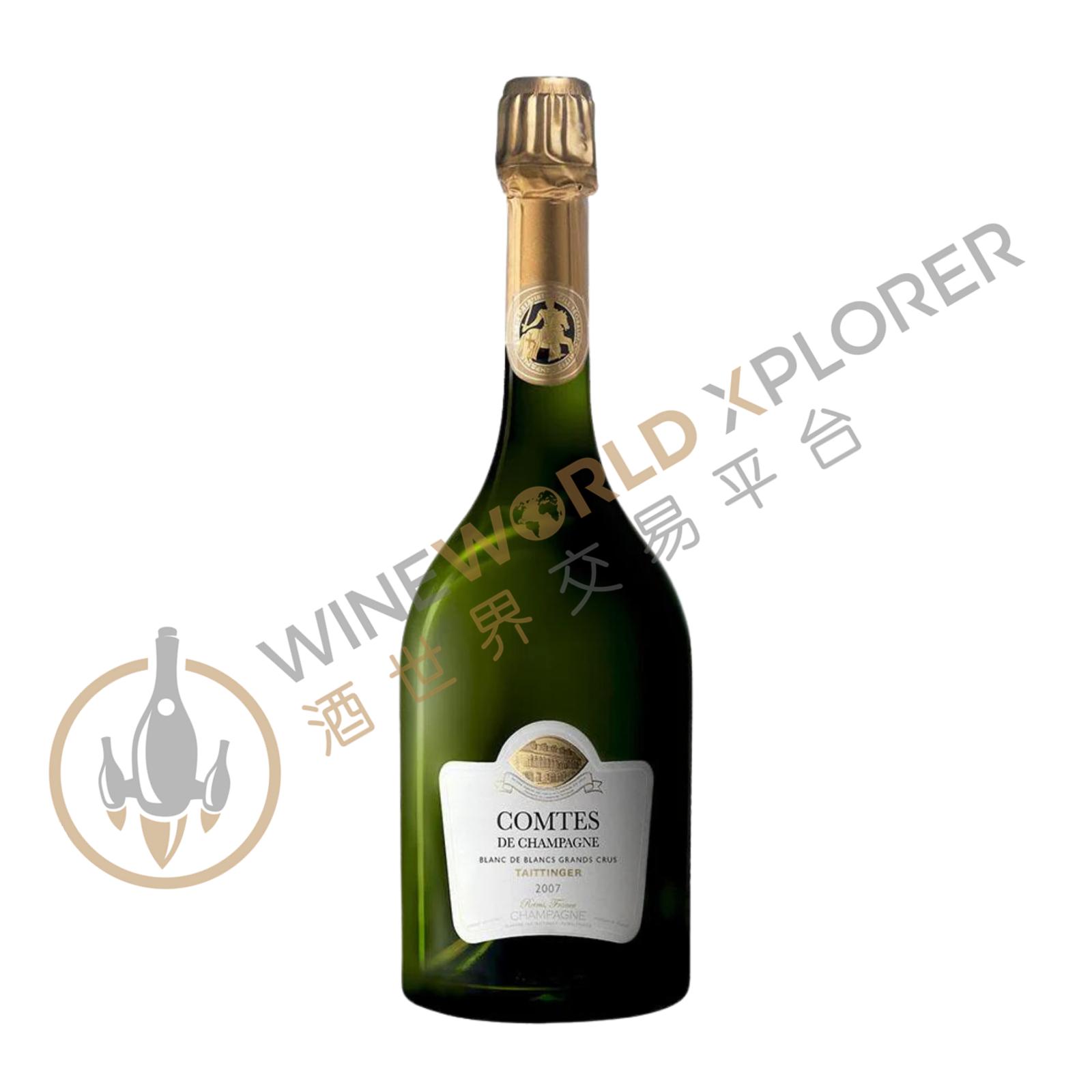
Taittinger, Comtes de Champagne Blanc de Blancs Brut 2008
 View analysis


Description
In 1952, the Taittinger Champagne House created the Comtes de Champagne Blanc de Blancs - its most exclusive and premium cuvée - in honour of the Comtes de Champagne and in particular Thibaud IV, whose seal proudly adorns every bottle of Taittinger. It is made only with Chardonnay grapes from the Grands Crus of the Côte des Blancs region, including the villages of Avize, Cramant, Chouilly, Mesnil-sur-Oger and Oger, which all have a renowned soil quality for this particular variety in the region. "Small Quantity, Premium Quality" Taittinger’s own criteria govern the production of the Comtes de Champagne putting an emphasis on quality rather than quantity.
Tasting notes

Reviewed by: Antonio Galloni
The 2008 Comtes de Champagne is every bit as stunning as it has always been. The first signs of aromatic complexity are starting to appear, while there is a bit less of the youthful austerity that was present at the outset. It will be interesting to see how the 2018 continues to develop. It is certainly not the austere, bracing Champagne it was a few years ago. Hints of apricot, slate, mint, crushed rocks and light tropical accents build into the salivating finish.
Reviewed by: Antonio Galloni
Taittinger’s 2008 Blanc de Blancs Comtes de Champagne is simply breathtaking. I have tasted it many times over the years in various trial disgorgements and it has never been anything less than compelling. The final, finished wine captures all of that potential. Bright, focused and wonderfully deep, Comtes is a fabulous example of a vintage that expresses so much energy but with real fruit intensity, the signatures that distinguish it from other vintages (1996 comes to mind) that were similarly taut, but more austere in the early going. Although the 2008 impresses right out of the gate, it only really starts to open up with several hours of air. The 2008 Comtes represents the purest essence of the Côtes des Blancs in a great, historic vintage. Readers who can find the 2008 should not hesitate, as it is a truly brilliant epic Champagne that no one who loves the very best in Champagne will want to be without.
Reviewed by: William Kelley
Taittinger's 2008 Brut Blanc de Blancs Comtes de Champagne is being released this year, and it will be worth a special effort to track down. I wrote in August 2019 that this is the finest Comtes de Champagne since the brilliant 2002, and this tasting confirmed that. Offering up a deep and complex bouquet of citrus oil, crisp orchard fruit, warm brioche, crushed chalk, blanched almonds and smoke, it's full-bodied and incisive, with excellent concentration, racy acids and a long, searingly chalky finish. While this is already immensely impressive out of the gates, this 2008 is clearly built for the long haul, and three decades' longevity won't be a challenge.
About the Producer
A Great Champagne House, which has quickly established itself as one of the most prestigious in the region, Taittinger is founded upon exceptional cuvees from the greatest terroirs of Champagne. The history of the Taittinger Champagne House begins at the beginning of the 20th century. Taittinger developed his brand’s identity gradually, building its identity upon a daring and innovative style. In 1932, Taittinger became one of the most important references among the great Champagne Houses. The noble Chardonnay became the emblematic grape variety of the House, producing brilliant wines full of finesse, elegance and an ethereal lightness. Since 2006, Pierre-Emmanuel Taittinger, along with his daughter Vitalie and his son Clovis, has been at the helm of the business started by his ancestors. Thanks to the great commitment of a united and dedicated family, Taittinger has maintained a winning spirit and a certain consistency of style, marking this beautiful Champagne House. The Taittinger Champagne House boasts a wealth of very precious and rare vineyards. In order to preserve the invaluable genetic heritage that is the signature of the Taittinger brand, the estate has chosen mass selection for more than 90% of its vines. In addition to Pinot Noir (48%) and Pinot Meunier (15%), a pride of place is given to Chardonnay (37%), the variety that leaves its print most significantly on the cuvées of the House.