
 Wine Advisor



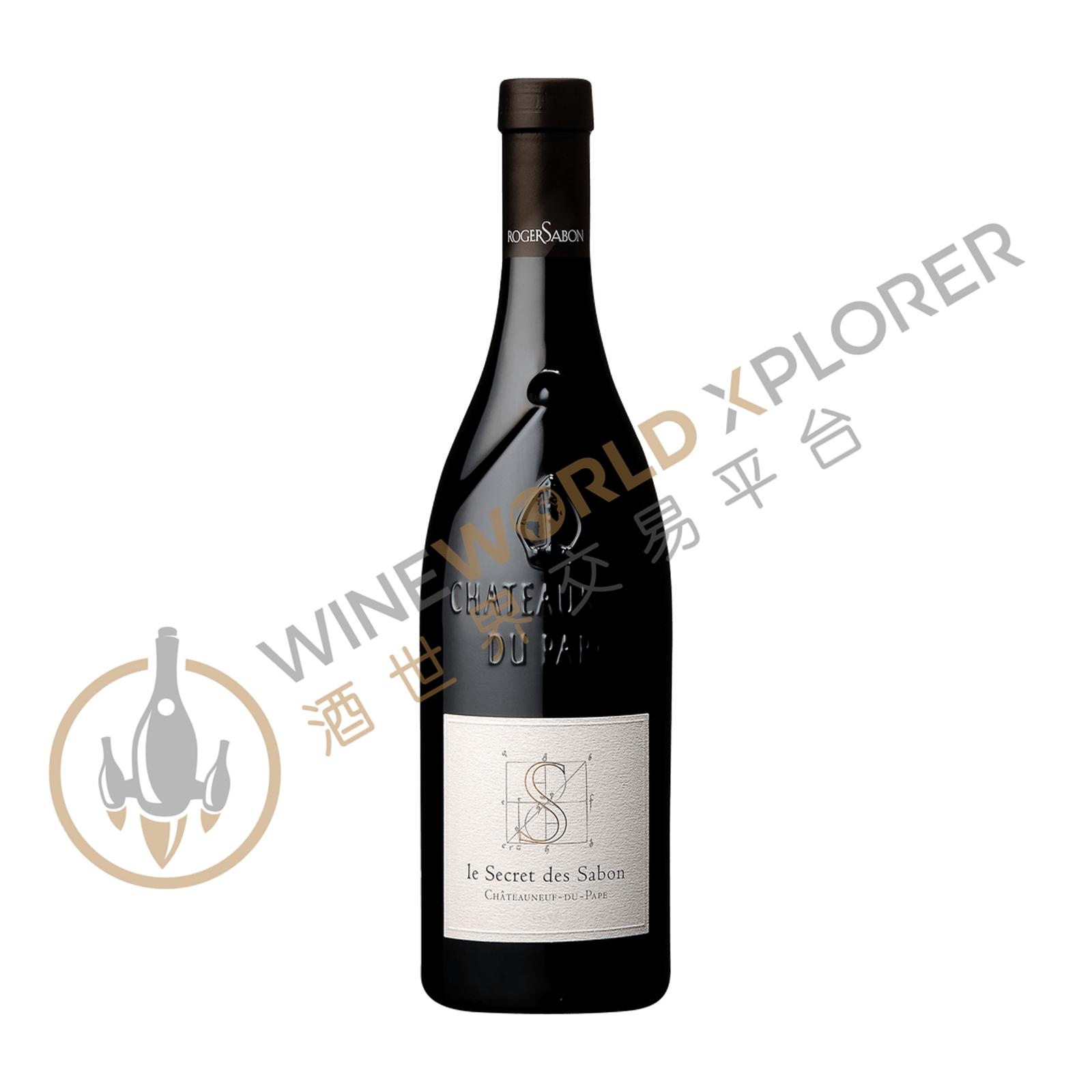
Roger Sabon, Chateauneuf du Pape Le Secret des Sabon 2018
 View analysis


Description
Tasting notes

Reviewed by: Josh Raynolds
Deep violet. Powerful, spice-accented aromas of ripe dark berries, cherry cola and licorice are energized by a smoky mineral topnote. Densely packed and concentrated, offering sweet blueberry preserve, cherry liqueur and lavender pastille flavors that show surprising energy for their heft. Finishes with resonating florality, youthfully gripping tannins and superb, spice-driven tenacity.
Reviewed by: Joe Czerwinski
Almost entirely Grenache from two old-vine parcels that include more sand than the domaine's other plots, the 2018 Chateauneuf du Pape le Secret de Sabon is intoxicating just to smell—not because of the alcohol levels, but because of the enveloping aromas that combine rose petals and lavender with apricots and black cherries and drizzles them all with wisps of dark chocolate and coffee. It's full-bodied but paradoxically light in feel, with silky, gossamer-like tannins that give the wine a pillowy shape and feel on the palate, then linger elegantly on the long finish.
Reviewed by: Joe Czerwinski
As usual, the 2018 Chateauneuf du Pape le Secret de Sabon is nearly all Grenache, from two old-vine parcels. Raspberries, black cherries and chocolate overtones appear on the nose, while the palate is full-bodied, rich and concentrated. Licorice notes mark the long finish, framed by silky-creamy tannins.
About the Producer
Our family estate was founded in 1952 by Roger SABON. After several generations, the estate has reached a total surface of 50 hectares split up on both sides of the Rhône. 18 hectares belong to the Châteauneuf-du-Pape appellation, on the left bank of the River, and spread over 14 different plots. On the right bank, the vineyard includes 12 hectares in the Lirac appellation, 6 hectares of Côtes-du-Rhône and 14 hectares of Vin de France. This diversity allows us to develop and offer our customers a wide choice of wines with varied profiles White wines represent around 5% of the total production. Grapes are hand harvested, placed into boxes and undergo a light pneumatic pressing. The juices obtained are then protected from the oxidation phenomena in order to preserve the aromatic potential. Our “Vins de France” will then ferment in stainless steel vats, whereas our Châteauneuf-du-Pape blanc will ferment in 25 hl wooden tanks. The fermentation temperature is regulated around 16 ° C. Vinification of red wine is characterized, for our entire wine range, by a long period of maceration of the grapes in vats, associated with a relatively gentle extraction. Destemming – the removal of the vegetal part of the bunch- is required here in order to prevent any problem during maceration.
