
 Wine Advisor



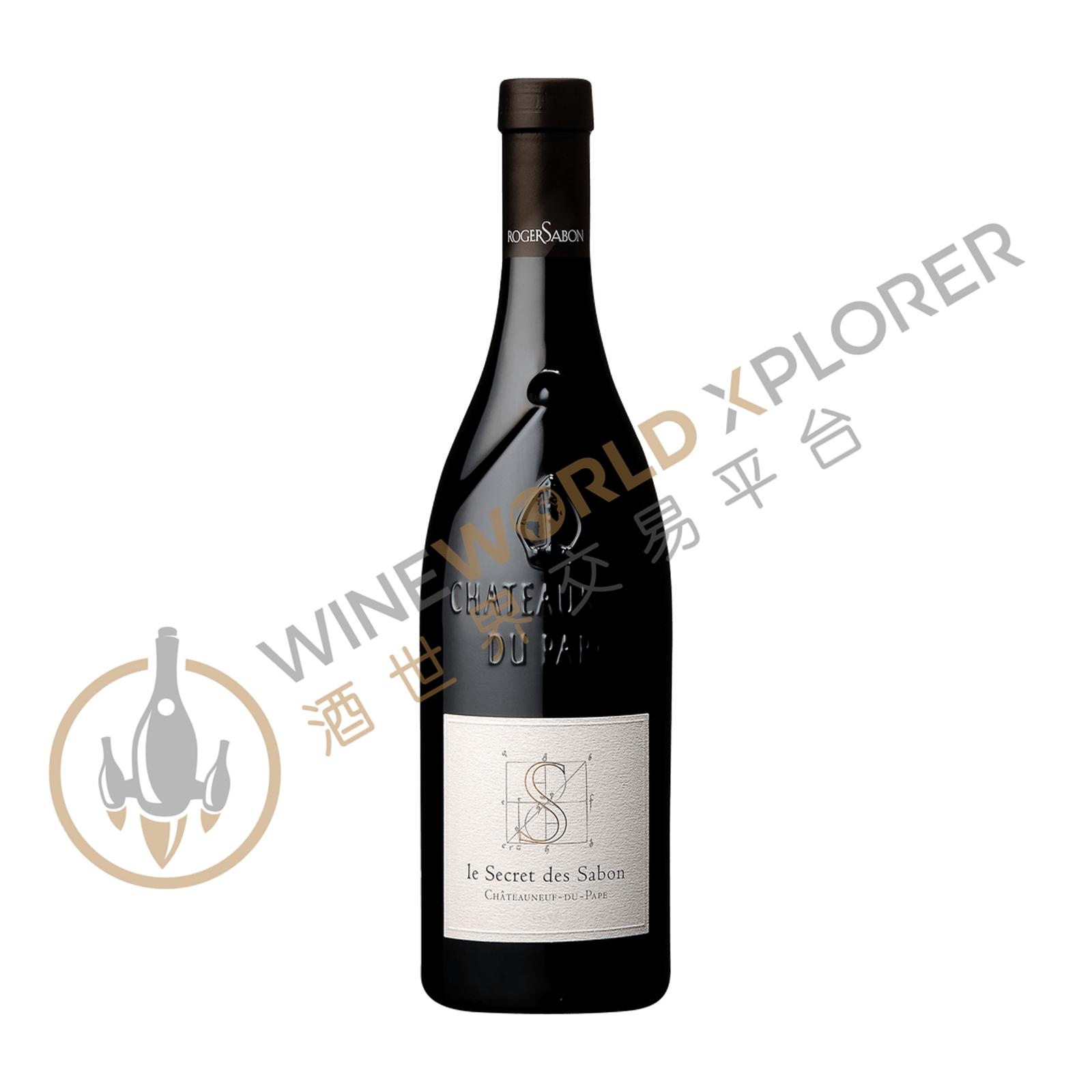
Roger Sabon, Chateauneuf du Pape Le Secret des Sabon 2014
 View analysis


Description
Tasting notes

Reviewed by: Joe Czerwinski
The 2014 Chateauneuf du Pape le Secret de Sabon, from a more challenging vintage, is more herbal and red fruited but still amazingly attractive, even developing spice and leather notes. Full-bodied, fresh and juicy, it's more silky than velvety, a fine, elegant, very drinkable example of Grenache from Châteauneuf-du-Pape. Drink it over the next several years.
Reviewed by: Jeb Dunnuck
In the top two to three wines of the vintage and about as good as Grenache gets in 2014, the 2014 Châteauneuf du Pape Le Secret des Sabon (95% Grenache and 5% other permitted varieties) offers gorgeously ripe, medium to full-bodied, pure and complex aromas and flavors of black cherries, licorice, currant and garrigue. It has beautiful Grenache character, solid mid-palate depth and sweet tannin on the finish. It should be one of the longer lived wines in the vintage and drink well for a decade.
Reviewed by: Jeb Dunnuck
The 2014 Châteauneuf du Pape le Secret de Sabon will be a candidate for the wine of the vintage. Made from almost 100% Grenache (it’s a field blend), it has soaring aromatics of kirsch, peppery spice, crushed flowers and underbrush to go with a medium to full-bodied, ripe, exuberant and sexy style on the palate. Very few wines in the vintage deliver this level of hedonistic pleasure.
About the Producer
Our family estate was founded in 1952 by Roger SABON. After several generations, the estate has reached a total surface of 50 hectares split up on both sides of the Rhône. 18 hectares belong to the Châteauneuf-du-Pape appellation, on the left bank of the River, and spread over 14 different plots. On the right bank, the vineyard includes 12 hectares in the Lirac appellation, 6 hectares of Côtes-du-Rhône and 14 hectares of Vin de France. This diversity allows us to develop and offer our customers a wide choice of wines with varied profiles White wines represent around 5% of the total production. Grapes are hand harvested, placed into boxes and undergo a light pneumatic pressing. The juices obtained are then protected from the oxidation phenomena in order to preserve the aromatic potential. Our “Vins de France” will then ferment in stainless steel vats, whereas our Châteauneuf-du-Pape blanc will ferment in 25 hl wooden tanks. The fermentation temperature is regulated around 16 ° C. Vinification of red wine is characterized, for our entire wine range, by a long period of maceration of the grapes in vats, associated with a relatively gentle extraction. Destemming – the removal of the vegetal part of the bunch- is required here in order to prevent any problem during maceration.
