
 Wine Advisor



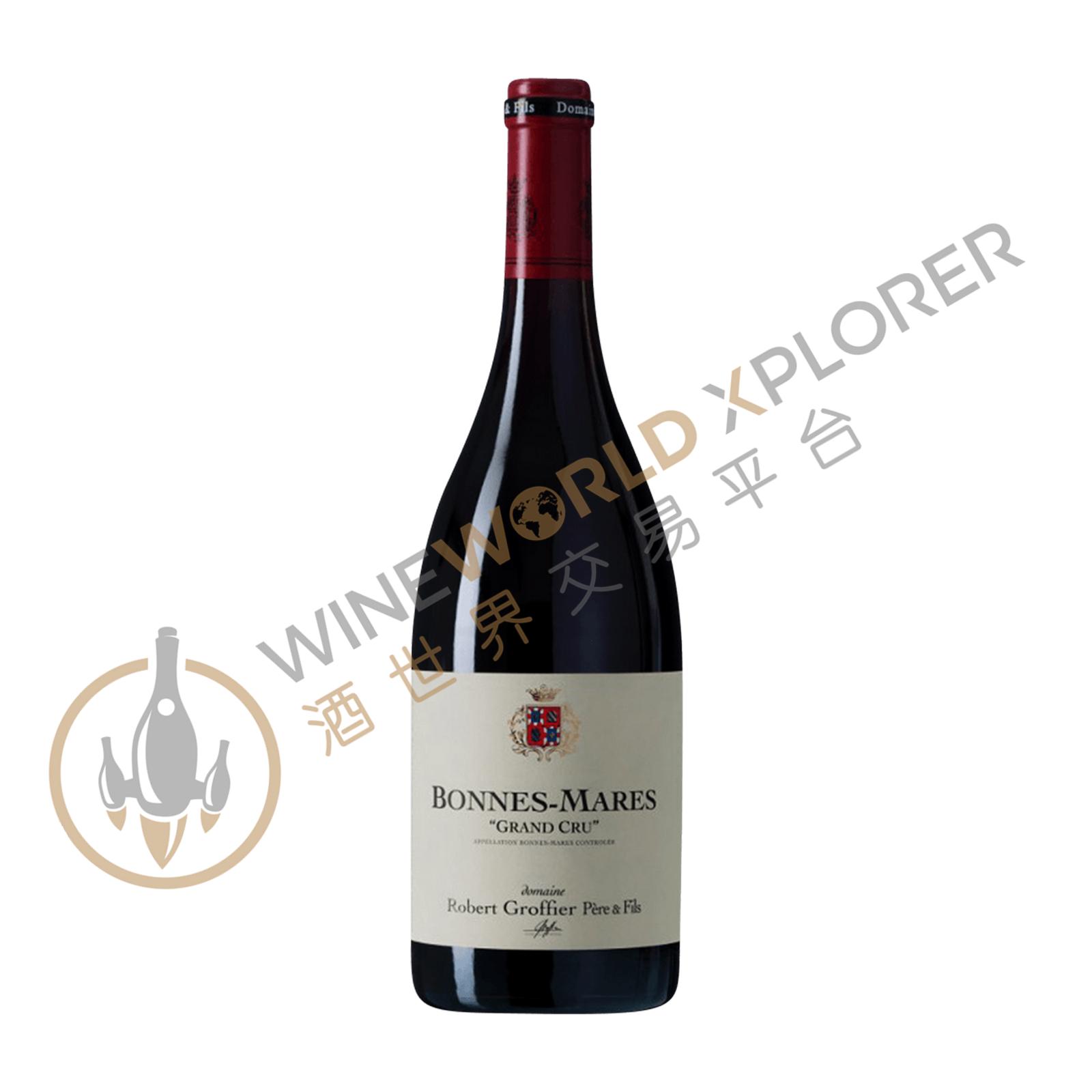
Robert Groffier, Bonnes Mares Grand Cru 2015
 View analysis


Description
Tasting notes

Reviewed by: Neal Martin
The 2015 Bonnes-Mares Grand Cru is matured in one-third new oak and includes 80% whole bunch fruit. It has a "serious" bouquet compared to plenty of others that I encountered, more introverted and saturnine, but powerful with layers of blackberry and bilberry fruit mixed with undergrowth and woodland scents. The palate is medium-bodied with strict tannin. This feels solid and linear, with chalky tannin and a crisp line of acidity. It is not the flamboyant or extrovert Bonnes-Mares that Groffier has produced in the past—this is impressive, perhaps uncompromising, built for the long-term and therefore it will require 8-10 years of bottle age. Serious.
Reviewed by: William Kelley
Tasted blind, the 2015 Bonnes-Mares Grand Cru is more persuasive than the Clos de Bèze, offering up aromas of ripe cherries, licorice, dark chocolate and grilled squab. On the palate, the wine is full-bodied, layered and concentrated, with an abundant endowment of fine but firm tannin that tempers what might otherwise be a flamboyantly ripe core of succulent fruit. This is a creditable Bonnes-Mares from Groffier.
Reviewed by: Neal Martin
The 2015 Bonnes-Mares Grand Cru has a very delineated bouquet, perhaps three-quarters red and one-quarter black fruit with a subtle marine vein. So pure and refined! The palate is beautifully balanced, offering supple tannin, red cherry, raspberry and touches of cranberry. I adore the tension and elegance of this Bonnes-Mares and the stately manner in which it fans out toward the finish. Superb. Tasted blind at the annual Burgfest tasting.
About the Producer
The Groffier family are among the best wine makers in the Côte de Nuits. Originally founded by Robert Groffier’s father, Jules in the 1950s, the domaine is now run by Robert’s grandson, Nicolas. The domaine consists of almost 8 ha of fine vineyards, including 1 ha of Bonnes Mares, almost 0.5 ha of Chambertin Clos de Bèze and a full 1 ha of Chambolle-Musigny Les Amoureuses (the biggest single owner of this vineyard). The wine making technique is flexible and the proportion of stems to be retained is decided annually. nowadays, up to 20% of stems are retained, compared to 50% 20 years ago. The destemed grapes are transferred to stainless steel vats without crushing and cooled to 10-12 degrees so the natural yeast fermentation starts 4-5 days later – to allow further extraction of colour from the skins. Frequent short pigeages are done, and the temperature is allowed to rise up to 35 degrees – which retains even more colour to the liquid. After 17-20 days maceration, the temperature descends to 20-22 degrees and after pressing age in oak, the percentage of new one vary per cuvée and vintage – from none to the Bourgogne to up to 100% for the grand crus. The wines are only racked once, usually only a year after the vintage. The wines return to vat as the new vintage is put into barrel, so only one vintage is in barrel at any time. The wines are bottled without fining or filtration.
1988(1)2001(1)2002(2)2003(1)2004(2)2005(1)2006(3)2008(3)2009(2)2010(2)2012(1)2013(4)2014(3)
Package Size
12 x 75cl3 x 75cl
